
The cellar sits four metres below a 13th-century cobblestone street in the upper village. It is October, the harvest is two weeks done, and the temperature down here is exactly 13°C, which is the temperature it has been since the limestone was hollowed out around 1200. A bottle of 2018 Saint-Émilion Grand Cru is opened on a wooden table and poured into five glasses. The wines on the racks behind the table have been ageing here since the 1980s. Above us, tourists are eating macarons in the square.
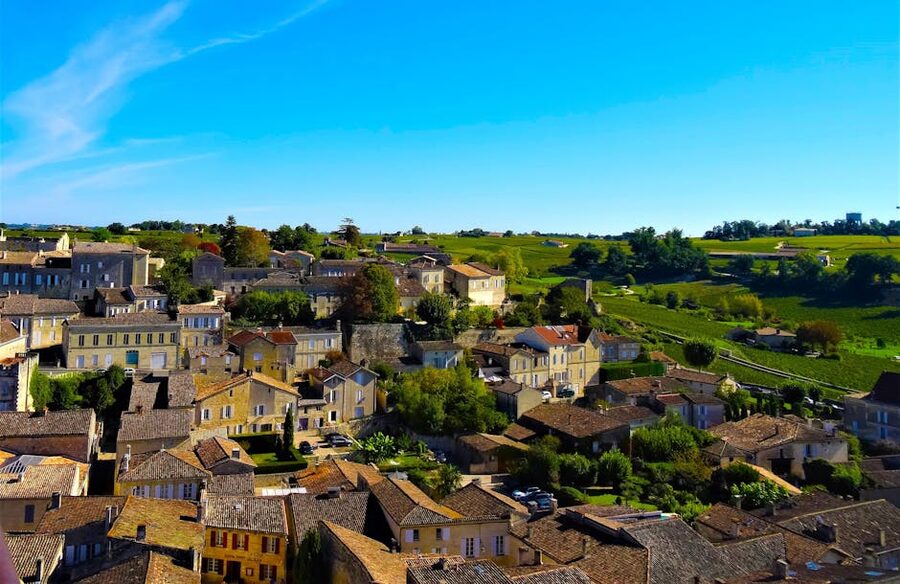
The thing most travellers get wrong about Saint-Émilion is that they imagine “Bordeaux wine” as a long drive through the Médoc to a single grand château. The Saint-Émilion structure is different. It is a medieval village 40 kilometres east of Bordeaux, the limestone hill it sits on is honeycombed with tunnels and cellars, and the walking distance between three small family wineries is often shorter than the queue for a single Médoc visit. UNESCO recognised this in 1999. It became the first wine-region World Heritage listing in the world. The closest Dutch parallel for a guided-walk-through-an-old-quarter format is the Anne Frank walking tour through Amsterdam’s Jordaan, which uses the same dense-medieval-fabric trick to tell a story across 200 metres of cobblestones.
That tasting in the cellar is what the rest of this article is about. How to actually book it. Whether to do it as a half-day from Bordeaux, a full day, or stay two nights and walk it. Which tier of Saint-Émilion classification matters and which is marketing. And what the village itself does to a wine trip when the wine is also the village. A short list to start.
In a hurry? Three picks that work
Cheapest, just the village + one cellar: Saint-Émilion Grand Cru Classé Visit and Tasting, $23 per person, 1 hour, you book the slot and meet at the winery.
Best half-day from Bordeaux: From Bordeaux: St. Émilion Village Half-Day Wine Tour, $129 per person, 4 hours, van pickup in Bordeaux and a Classified Growth château tasting.
Best full afternoon, two wineries + village: Saint-Émilion Afternoon Tour: 2 Wineries, Tastings and Delicacies, $120 per person, 5 hours 30, small-group from Bordeaux.
What “Saint-Émilion” actually means as a place
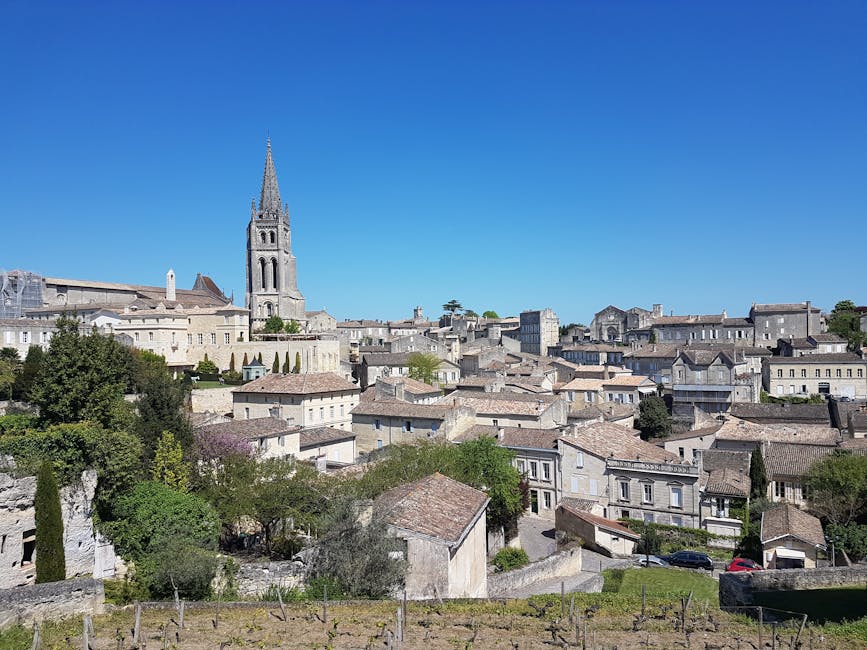
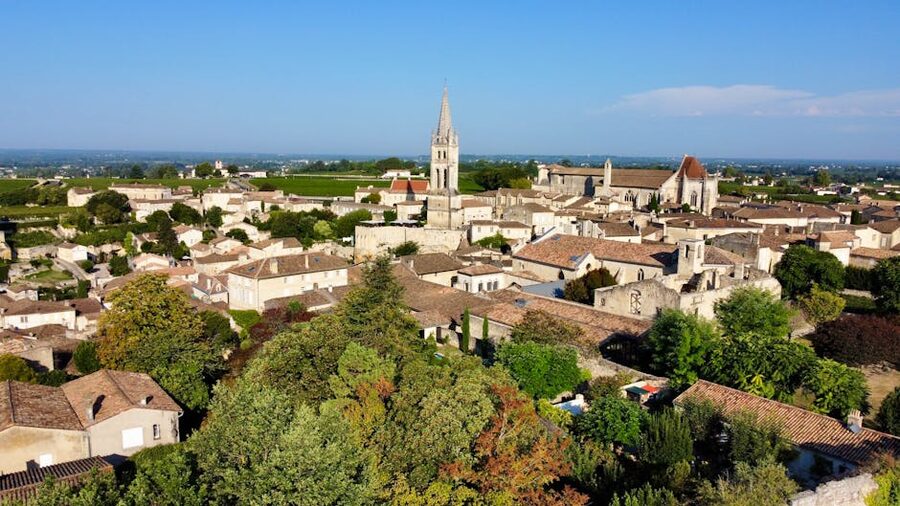
Two thousand residents. Around 5,400 hectares of vineyards. About 800 producers. The village sits on top of the appellation, and almost every alley you walk down has a winery within a five-minute drive of it.
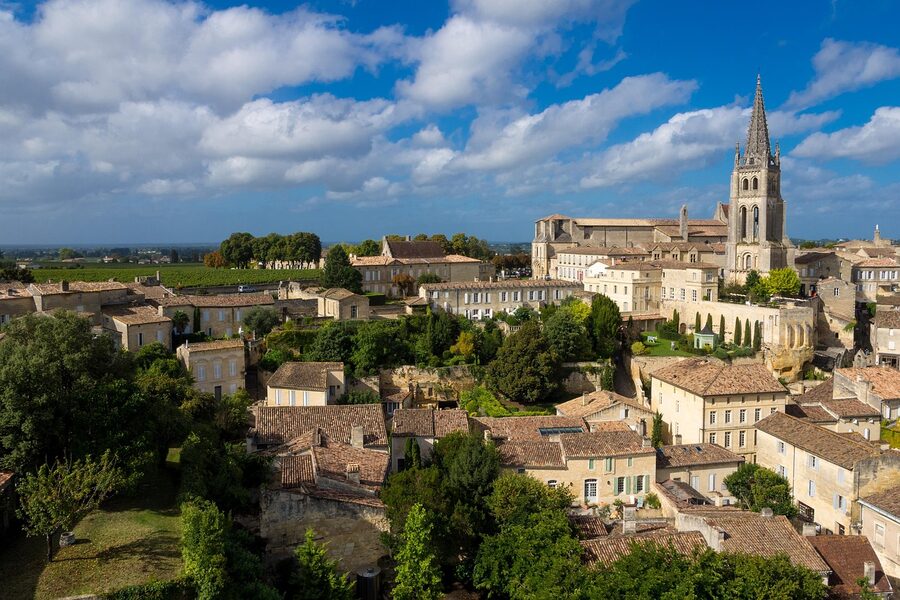
The name comes from a 8th-century Breton monk called Émilion. He came south, found a hermitage cave in the limestone hill, and lived in it. Other monks joined him after he died in 767. They started carving deeper into the rock. Around the 12th century the Benedictines did the thing the village is most famous for: they hollowed out a single block of limestone and turned it into a 38-metre-long, 12-metre-wide, 11-metre-high underground church. It is the largest underground rock-hewn church in Europe and you can still walk through it on a tourist office guided tour. More on that below.
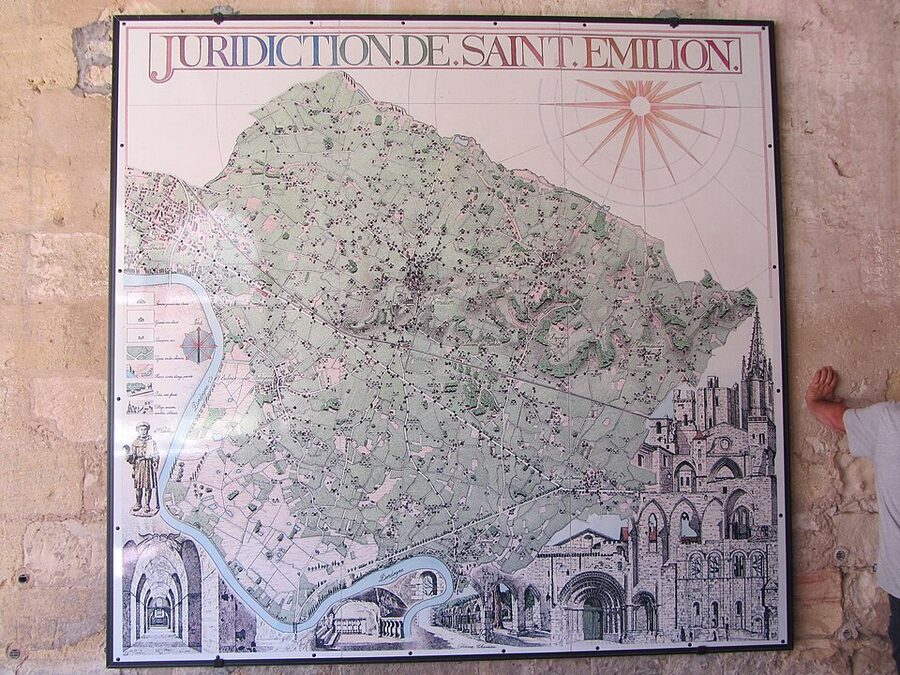
The wine has been continuous on the same hill for over 800 years. The Romans planted the first vineyards here in the 2nd century. The Benedictines kept them going through the medieval period. The 1716 Cosimo III edict that classified Chianti is roughly the same century the Saint-Émilion wine guild, the Jurade, was at the height of its commercial power exporting to England. There is a real continuous thread between the wine in your glass and the limestone walls around you. That is what UNESCO listed in 1999, the so-called Jurisdiction of Saint-Émilion: 7,847 hectares of village + vines + cellars + churches as a single cultural object. First wine-region World Heritage listing anywhere.
About 700,000 tourists come every year. Almost all of them in the warm months. The village in February with the rain in is a different and quieter experience to the village in August with three coach groups in the square at the same time.
Where it actually is, and how to get there
Saint-Émilion is 40 kilometres east of Bordeaux. By car, the A89 motorway then a country D-road, the drive is 45 minutes from central Bordeaux. By train, the SNCF TER from Bordeaux Saint-Jean station takes about 35 minutes and runs roughly hourly through the day, dropping you at Saint-Émilion station which is a 10-minute uphill walk from the village. The walk is fine in summer and a slog in winter when the limestone cobbles are wet. Take the bag-friendly route, not the steep one.
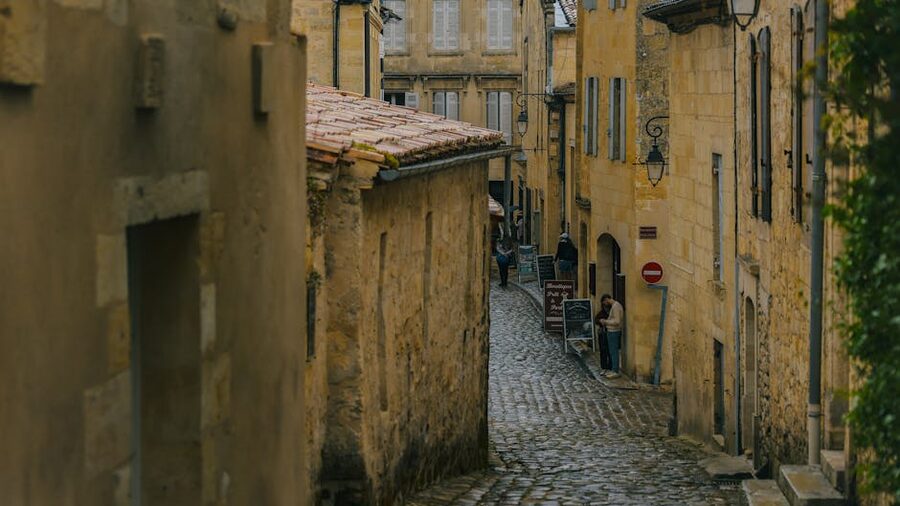
Bordeaux itself is the natural base. If you are flying into Bordeaux-Mérignac airport and have one day before flying out, this is the day to spend it. Many travellers choose a Bordeaux wine tour that includes Saint-Émilion as a half-day stop, picks you up in central Bordeaux, drives you out to a château, runs a tasting, and brings you back. That is the half-day approach. The other approach is to spend the morning at the Cité du Vin wine museum on the Garonne quay, take the afternoon TER train out to Saint-Émilion, walk the village and do one cellar visit, and train back for dinner. Both approaches work.
If you have two days, base yourself in Saint-Émilion itself. There are about 30 small hotels and chambres d’hôtes in and around the village. The cellar tours that start at 9am with the village owners are the ones that go deepest, and they are easiest to do when you are sleeping 200 metres from the meeting point.
Saint-Émilion’s classification, demystified in two minutes
Bordeaux has more than one wine classification system, which is one of the reasons travellers get confused. The famous “1855 Classification” everyone has heard of belongs to the Médoc and Sauternes, on the other side of the Gironde. It does not apply here. Saint-Émilion has its own, set up in 1955 and reviewed every roughly 10 years.
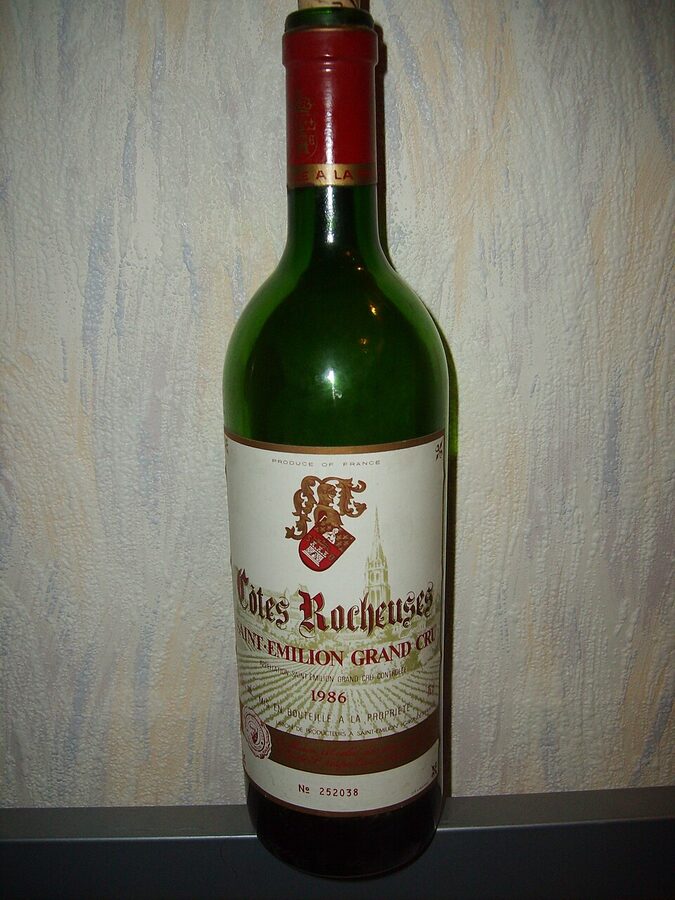
The Saint-Émilion classification has four tiers. From the top down:
- Premier Grand Cru Classé A. Four wineries: Cheval Blanc, Ausone, Pavie, Angelus. The very top. A bottle from a recent vintage costs several hundred to over a thousand euros. You will not be tasting these on a $30 cellar visit.
- Premier Grand Cru Classé B. Twelve wineries. Beauséjour, Canon, Figeac, La Gaffelière, and a handful of others. Still serious bottles, still hundreds of euros, still mostly closed to walk-in tasting unless booked weeks ahead.
- Grand Cru Classé. Around 62 wineries. This is the tier that runs proper public tasting visits and is the bread and butter of the half-day-from-Bordeaux tour business. Bottles from $40 to $150. The first cellar in this article is in this tier.
- Grand Cru. Around 150 wineries. Same vineyards but a step below the Classé tier on classification standards. A lot of the small family-run châteaux at the top of the village fall here. Bottles from $25 to $80.
And then below the classification, just plain “Saint-Émilion” appellation wines, the entry-level Sangiovese-of-Bordeaux equivalent at $15 to $30 a bottle.
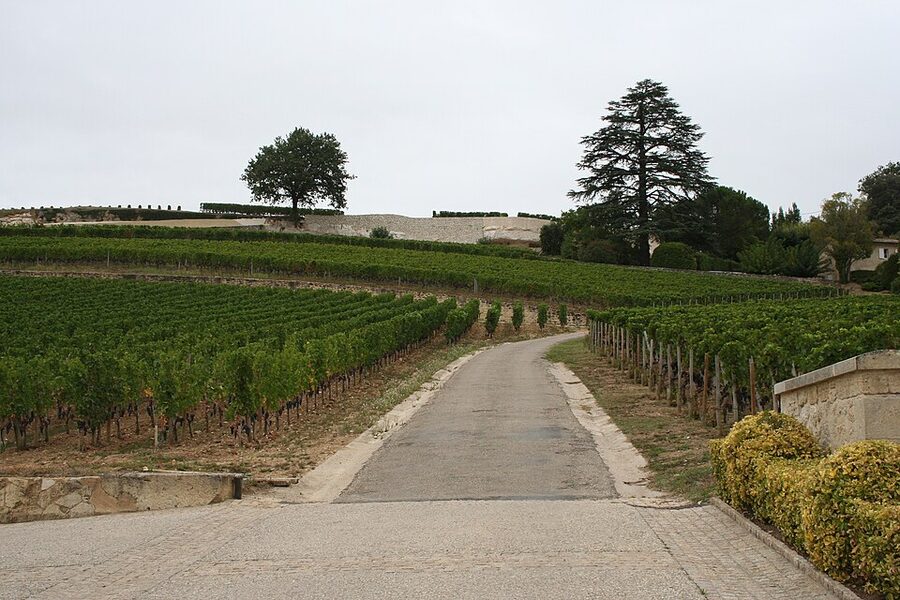
The single most useful thing to know as a traveller: the half-day-from-Bordeaux tour business is built around the third tier, Grand Cru Classé. Those wineries are open to small groups, run scheduled visits in English, and produce wines you can actually afford to take home. The $129 from-Bordeaux half-day tour I recommend below is to a Classified Growth Château, which means Grand Cru Classé. That is the right tier for a one-time tasting. The northern equivalent for an industrial drink-experience walkthrough at a comparable price point is the Heineken Experience in Amsterdam, which builds the same brewery-tour-plus-tasting structure around a single brand instead of a regional appellation.
The very top tier, Premier Grand Cru Classé A, is mostly off limits to walk-in tourism and the tasting fee, when it does happen, runs into multiple hundreds of euros for a flight of three small pours. Skip it unless you are a serious collector.
The three tours I’d actually book
Saint-Émilion’s tour landscape splits into three structures, each suited to a different kind of trip. A direct cellar visit if you are already in the village or are driving yourself. A half-day from Bordeaux if you have one afternoon. A full afternoon with two wineries plus a delicacies stop if you have the time and want the experience to do the talking. Below are the three I’d actually pick across those structures.
1. Saint-Émilion Grand Cru Classé Visit and Tasting: $23
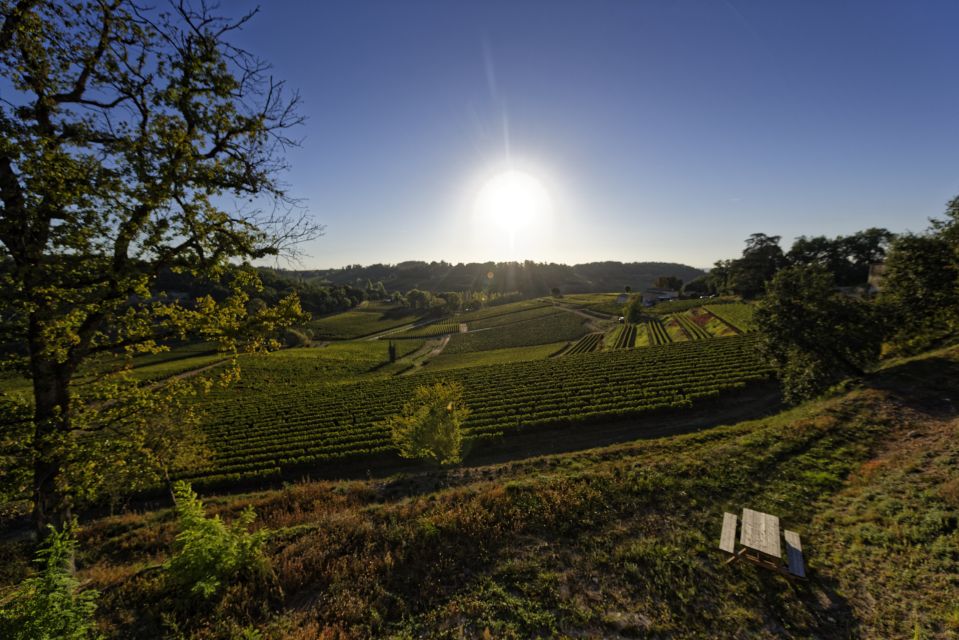
This is the one to book if you are already in Saint-Émilion or driving yourself. Our Bordeaux wine tour guide walks through the structure of these direct-to-cellar visits in more detail. It is a one-hour walk through vine, vat, and tasting at a Classified Growth, with three pours at the end, and the price is fair because you are not paying for transport.
2. From Bordeaux: St. Émilion Village Half-Day Wine Tour: $129
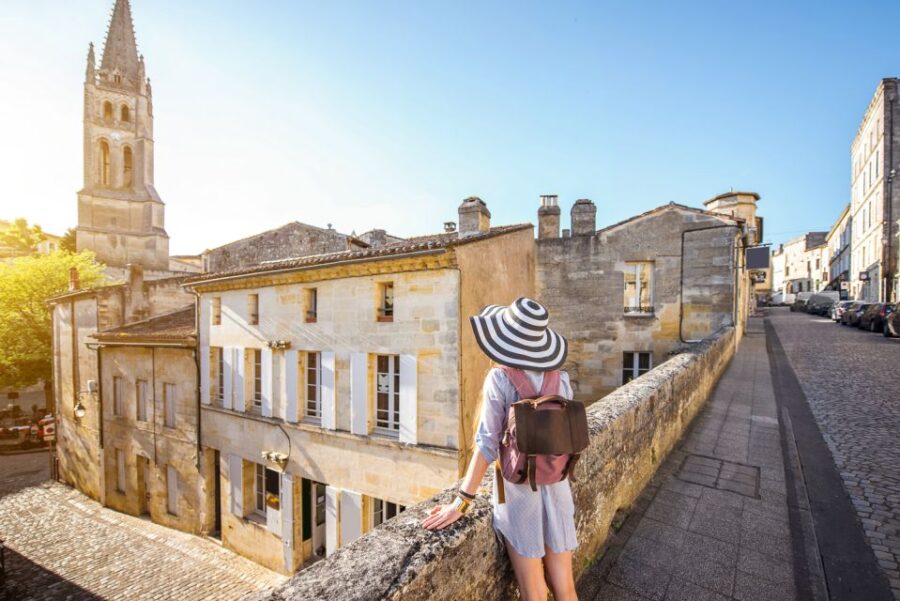
This is the cleanest half-day from Bordeaux. Comfortable van out, guided village walk including the Monolithic Church area, then an hour at a Premier Grand Cru Classé or Grand Cru Classé estate for a proper tasting. Pair it with a morning at the Cité du Vin if you want a full Bordeaux wine day and you’ll have the framework to taste with.
3. Saint-Émilion Afternoon: 2 Wineries, Tastings and Delicacies: $120
The full afternoon is the better experience if you can spare the time. Two wineries is the right number to feel the difference between a small organic family estate and a more commercial operation, and the cheese and charcuterie stop in between is the kind of thing the cheaper half-day cuts. The way Chianti tours from Florence use a long lunch to break up two cellar visits is the same logic at work here.
The Monolithic Church, the thing nobody warned you about
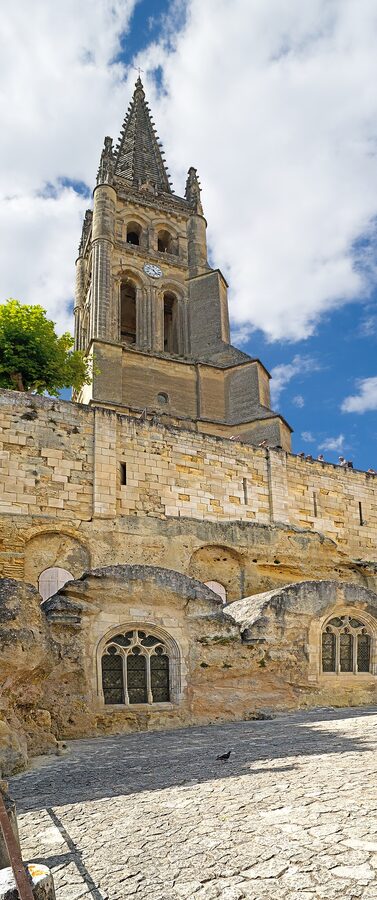
If you only do one thing in Saint-Émilion that is not wine, do the tourist office guided tour of the underground monuments. It runs from the Office de Tourisme on Place des Créneaux, takes about 45 minutes, costs around €13, and it is the only legal way to enter the Monolithic Church. The doors are kept closed otherwise and there is a real reason for that, which is that the rock is unstable in places and a 1990s engineering campaign had to install steel bracing rods after stress fractures showed up in the limestone.
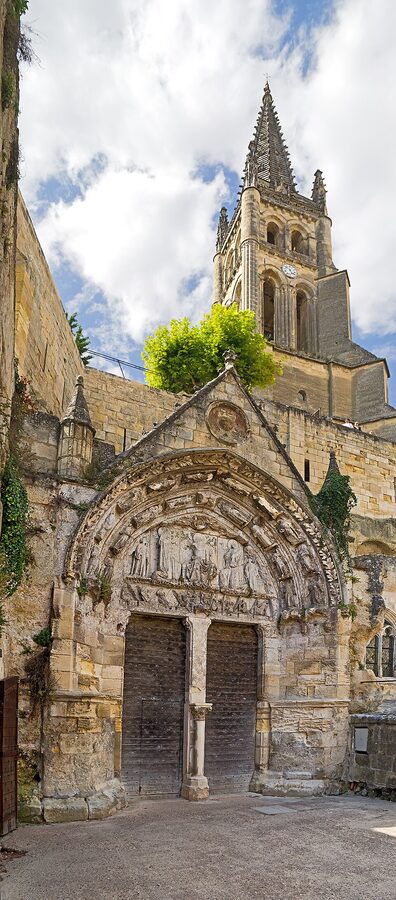
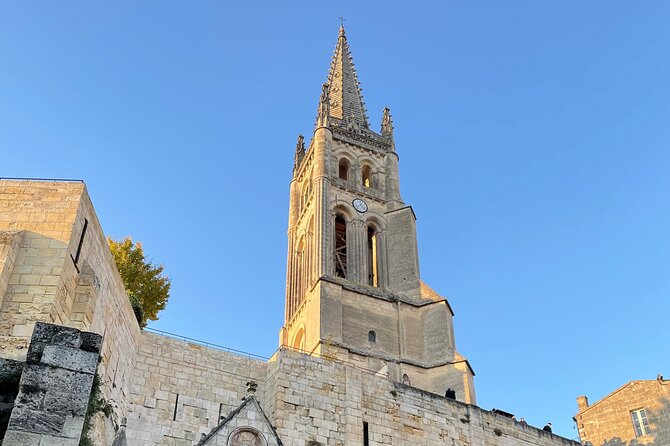
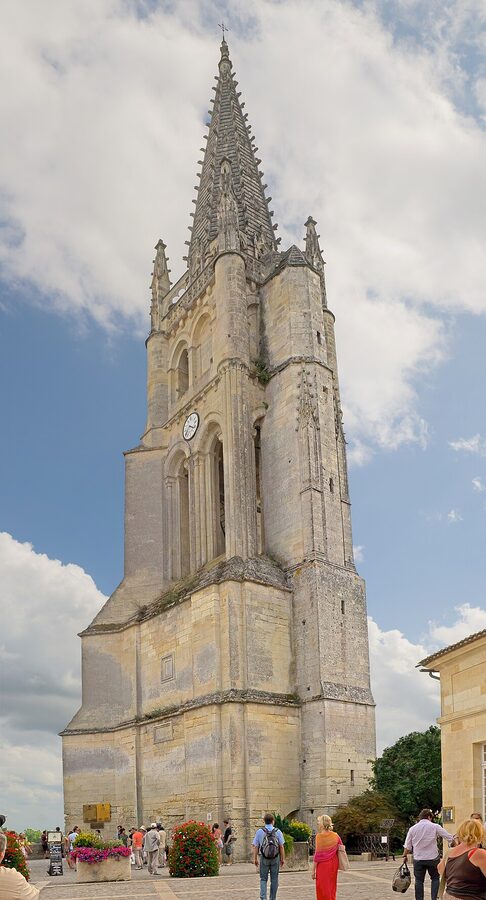
The church is unlike anything else in France. The Benedictines hollowed out a single block of soft limestone in the 12th century and the result is a three-aisled church 38 metres long, 12 wide, 11 high, with rough columns, a baptismal font carved out of the same stone, and frescoes from the 12th to 14th centuries that are still visible on some walls. There is a sculpted Last Judgment over the main entrance, weathered to a soft grey by water seeping through the rock above. The bell tower, which you see from the main square, is the only above-ground part of the building. Everything else is below. Imagine the same engineering decisions made for a wine cellar a century later, and you understand the village.
The same guided tour normally includes the catacombs, the hermitage cave where Émilion himself supposedly lived, and the Trinity Chapel. If you have done the Rome catacombs already, the Saint-Émilion underground reads like a smaller, drier, French Catholic-monastic version of the same idea. Less about death, more about the ascetic monk and the rock.
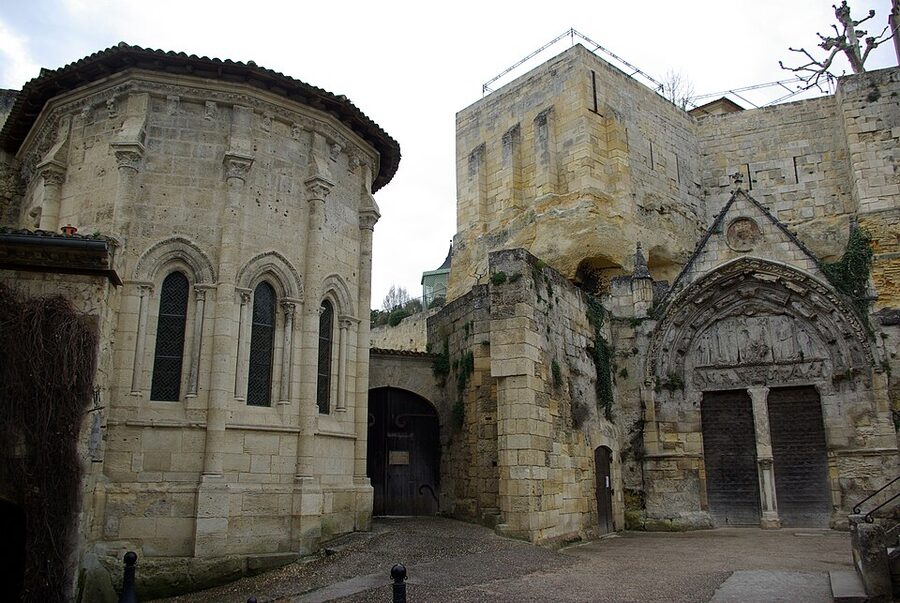
What “tour the cellar” actually looks like
Most travellers picture a wine tour as a sun-drenched stroll between vine rows. The Saint-Émilion cellar visit is more like an underground walk in a working medieval-engineering site that happens to also be a winery. Here is what a typical one-hour Grand Cru Classé visit looks like.
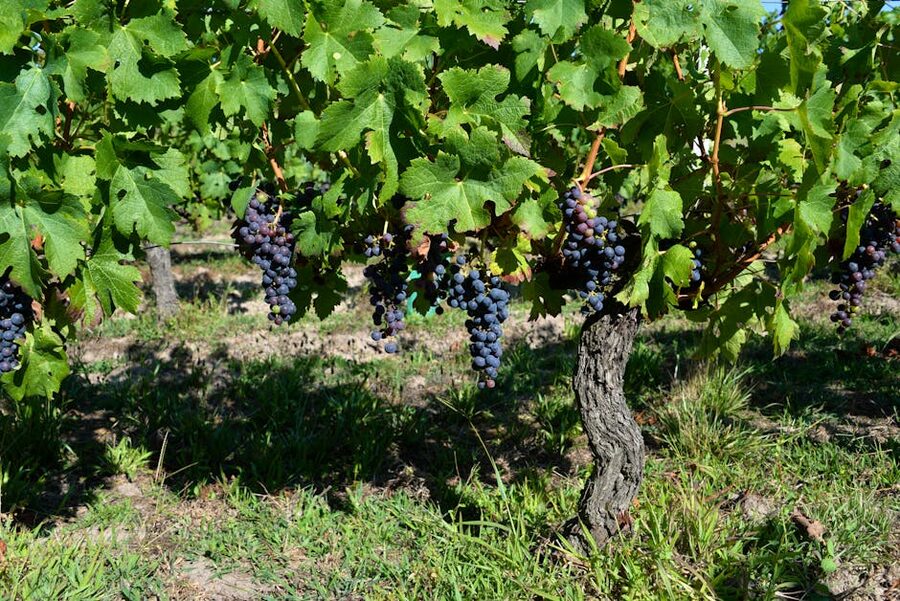
You arrive at the château, which in Saint-Émilion almost always means a 17th- or 18th-century stone manor house at the top of a small slope, surrounded by 5 to 30 hectares of vineyard. The visit starts in the vineyard with the guide showing you the rootstock and the canopy management. They will point out which grape variety is which: Saint-Émilion’s reds are mostly Merlot (around 60% of the appellation) with Cabernet Franc (around 30%) and a little Cabernet Sauvignon (10% or so). Merlot is the dominant grape, which is why Saint-Émilion wines are softer and more approachable young than the Cabernet-dominant Médoc.
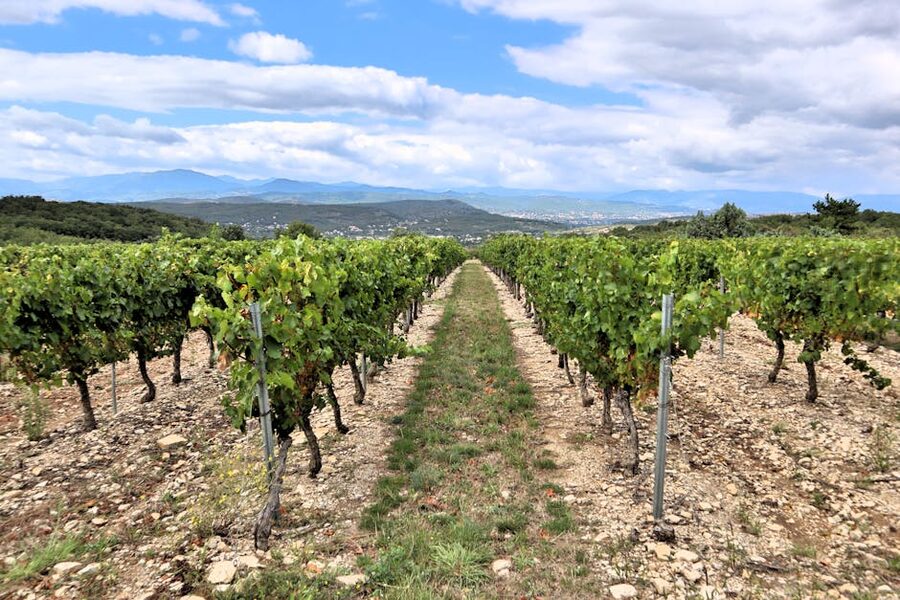
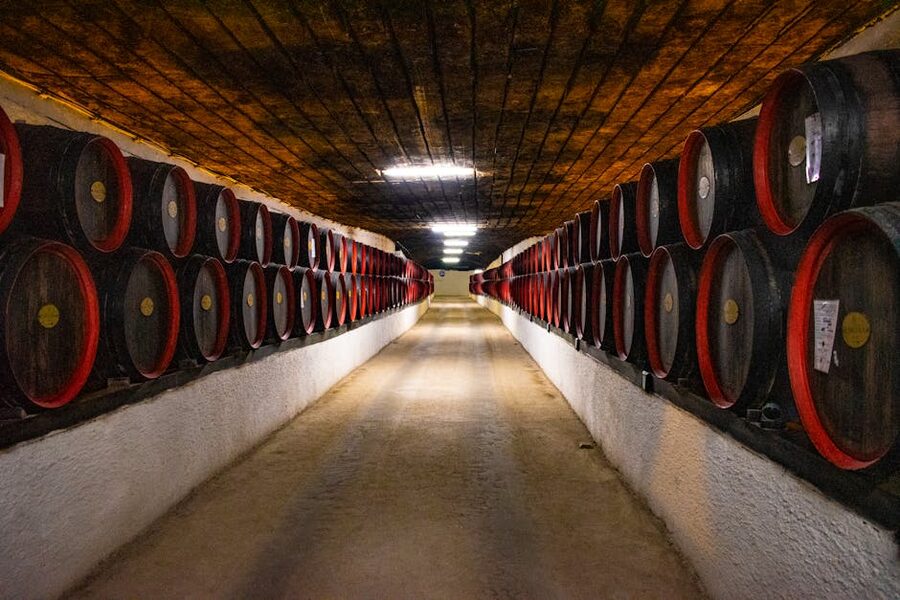
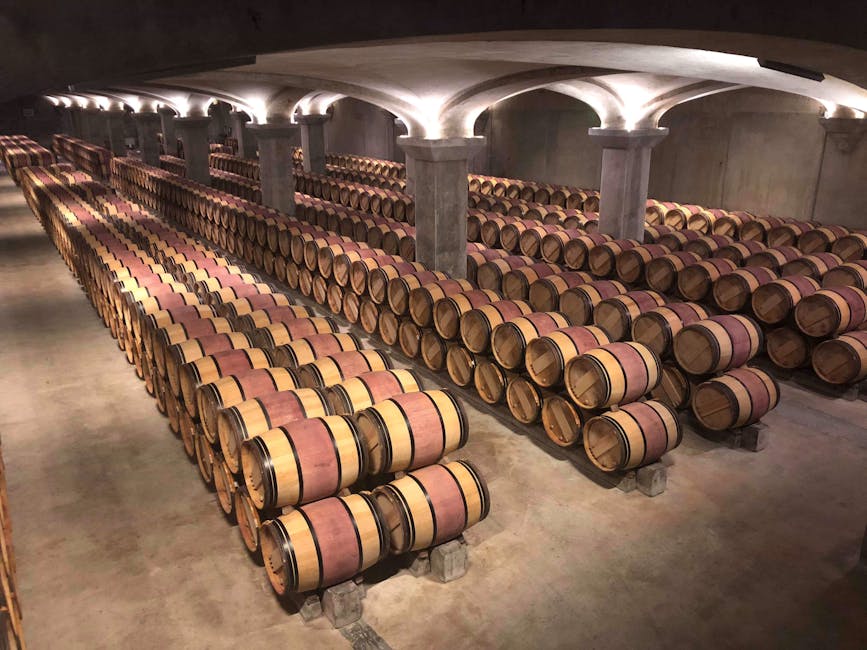
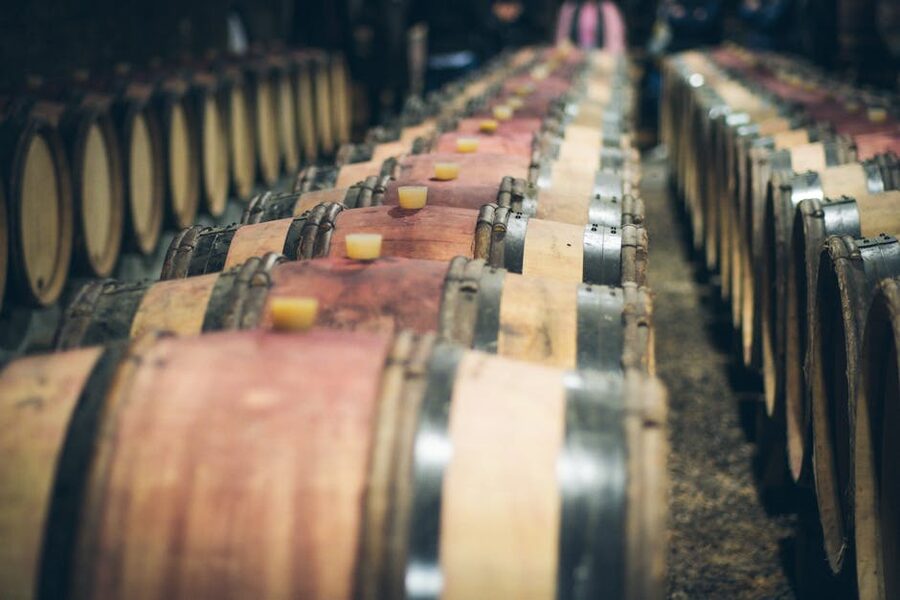
From the vineyard you walk to the vat house. The newer cellars use stainless steel; the older Grand Cru Classé estates often still use big concrete or wooden vats. Then you go down. Almost every Saint-Émilion cellar is below ground, in the limestone, and that is the moment the air gets cool and the sound flattens. The walk through the barrel room is the centrepiece: rows of new French oak barrels, the average price of a barrel is over €700 and a small Grand Cru Classé might use 100 to 200 of them per vintage. The wine ages here for around 18 months. The temperature stays at 13°C without mechanical cooling. That is the thing the village’s geology gives the wine.
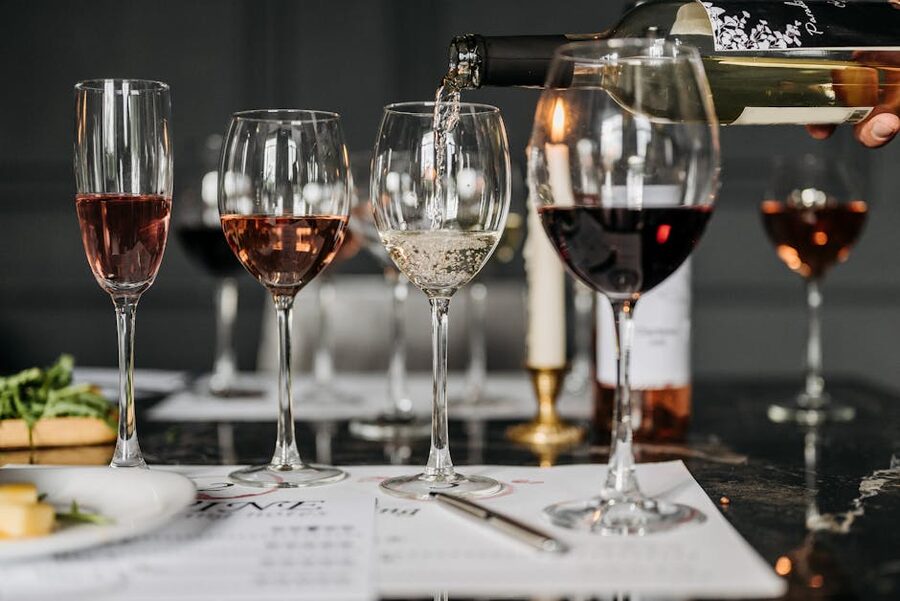
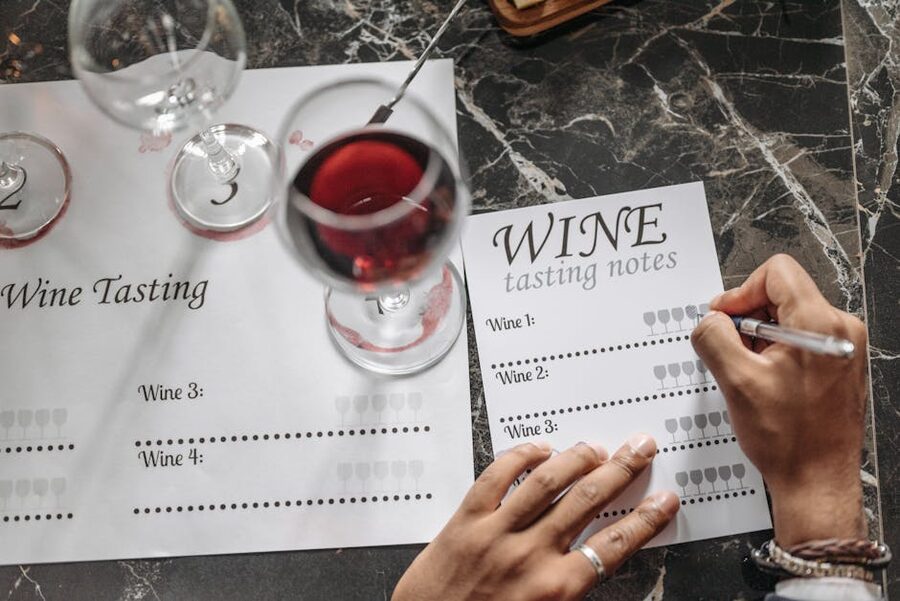
The tasting at the end is normally three pours: a young entry-level wine, the main Grand Cru Classé from the most recent drinkable vintage, and sometimes a second wine or a different parcel. They will pour about 30 millilitres each. You will not get drunk. You will get the structural difference between an entry-level village wine and a Classé.
Where to walk in the village
Even on a wine-focused day, give yourself 90 minutes to walk the village itself. It is small enough that you cannot get properly lost. Three things to find.
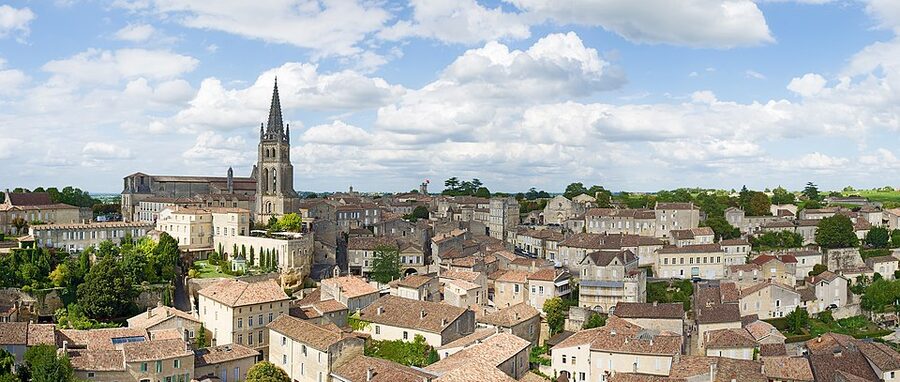
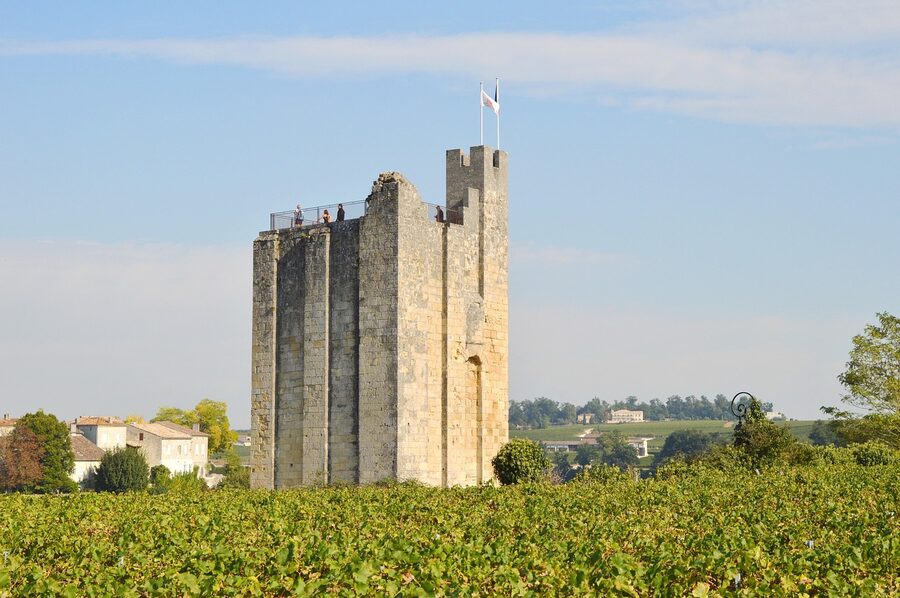
Tour du Roy. The 13th-century stone keep. The only royal-built tower in the region. €5 to climb to the top, the view down across the limestone roofs and out to the vineyards is the photo most people take. It opens about 10am. The climb is steep and the spiral staircase is narrow. Save it for the morning when the air is cool.
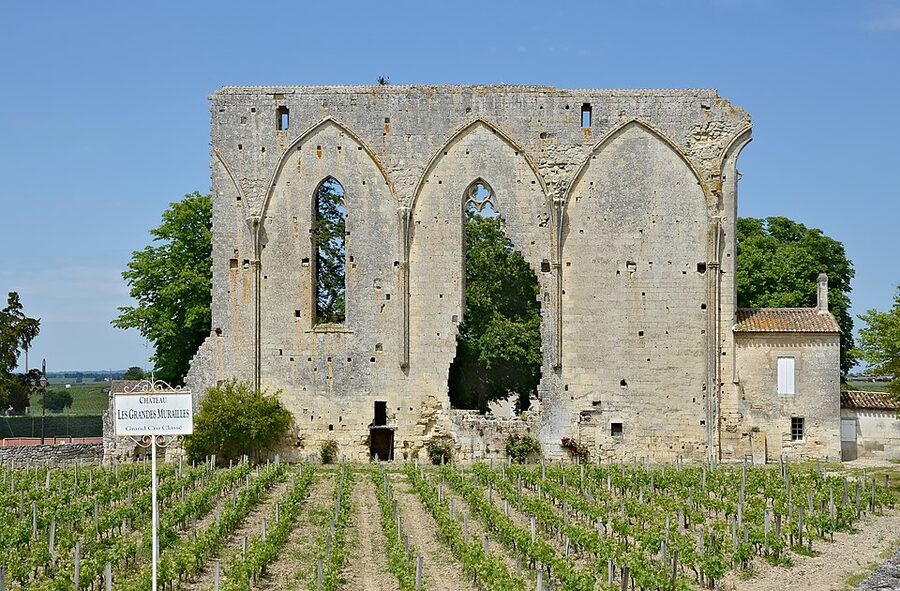
Cordeliers Cloister. The 14th-century Franciscan cloister. The above-ground arches are picturesque, but the real reason to visit is that the lower level houses sparkling wine cellars now (under the old crypts) and you can do a glass and a small tour for around €12. It is one of those weird French juxtapositions: medieval friars overhead, méthode traditionelle in their basement.
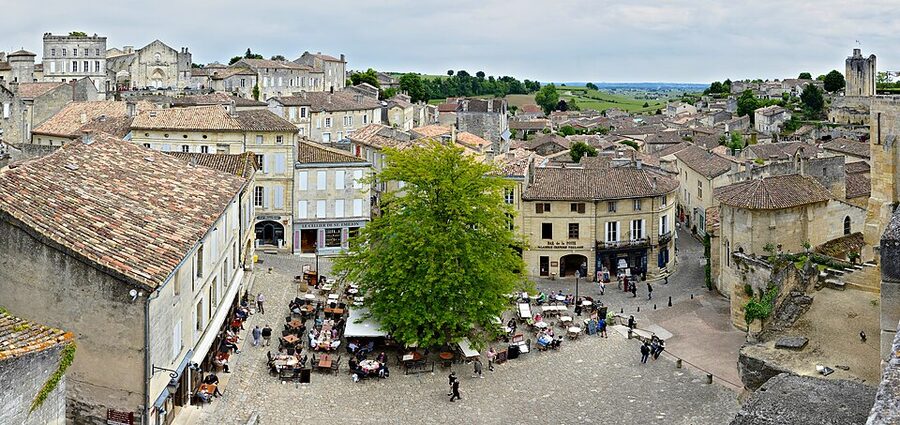
Place du Marché. The main square. Sit at a café table here at 11am with a coffee and a Macaron de Saint-Émilion (the famous local biscuit, made from almonds and egg white, recipe unchanged since 1620 according to the village’s marketing, which I always trust about as far as I can throw it but in this case the convent recipe document is on display in the Office de Tourisme and the dates do check). The square sits directly above the Monolithic Church. You are eating a 400-year-old biscuit on top of an 800-year-old underground church.
Choosing a winery type
The four classification tiers above are the formal structure. The thing that matters more for the actual visit is what kind of producer the winery is. Three rough types.
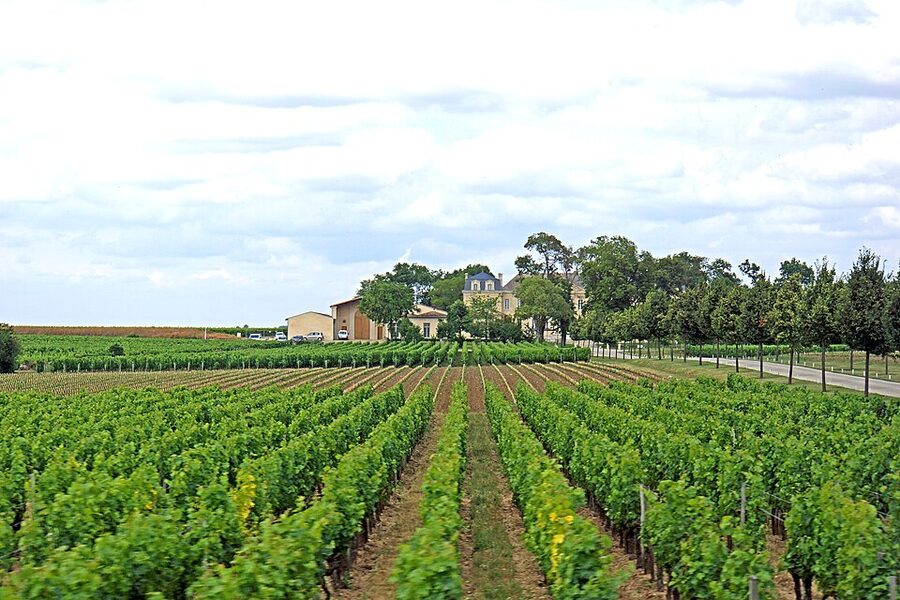
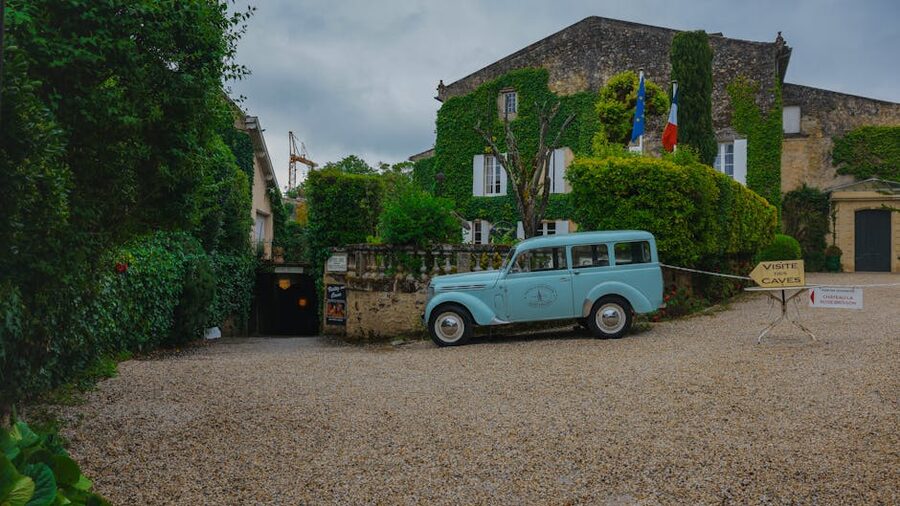
Small family-run estates. 5 to 15 hectares, family ownership going back several generations, often the owner or a family member runs the tasting personally. Château Bernateau (run by the 11th generation of the Lavau family), Château Cadet Bon (Michele and Guy Richard since 2001, organic since 2017), Château de Pressac (Quenin family since 1997). The visit is intimate, the questions get real answers, the wine is somewhere between $40 and $100 a bottle. The trade-off is that you have to book ahead, sometimes by a week, because they only run 4 to 6 visits a day.
Mid-size Grand Cru Classé estates. 20 to 50 hectares, usually with a hired sommelier or visit coordinator running the tour. Château Soutard, Château de Ferrand, Château La Croizille. The visit is more polished, the cellar is bigger, the architecture is often more impressive (Soutard’s 18th-century manor, Ferrand’s beautifully renovated tasting rooms). You feel less of the family and more of the operation. Wines from $40 to $150.
The architectural-statement estates. Châteaux that have rebuilt their cellars in the last 20 years as design objects. Château Cheval Blanc’s Christian de Portzamparc cellar (2011, the swooping white curves), Château Faugères’ new winery, Château Montlabert’s 2018 reconstruction. The visit doubles as architecture tourism. Worth one of your half-day slots if you care about that. Wines from $80 upward.
For a first visit, do one of each. The morning at a small family estate, lunch in the village, the afternoon at a mid-size Grand Cru Classé. The afternoon tour I recommend above is structured roughly that way and is why I rate it.
The walking-distance fact that changes everything
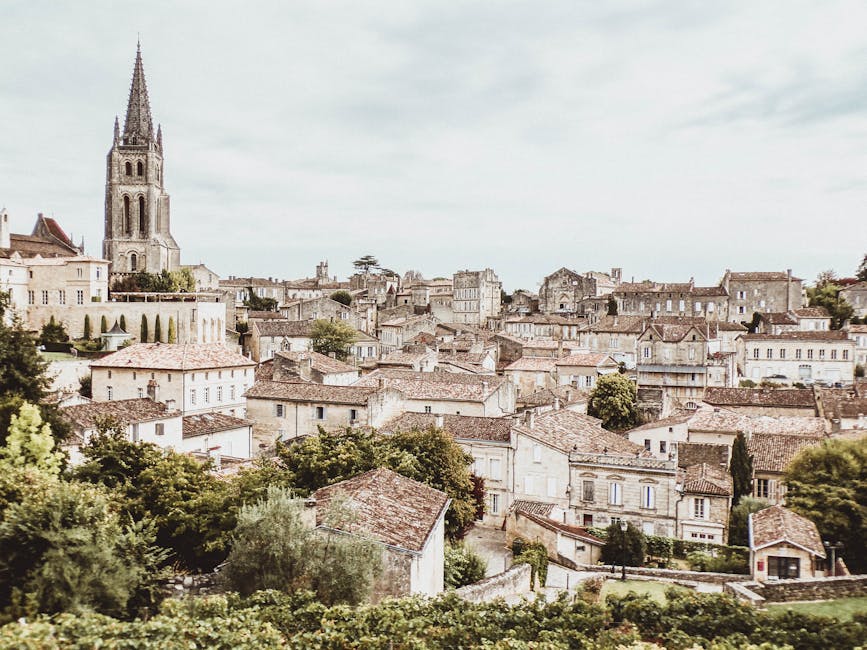
Most Saint-Émilion wineries are within five kilometres of the village. A surprising number are within walking distance of the central square, which is something the Médoc cannot give you. Château Soutard is a 10-minute walk from Place du Marché. Château Cadet Bon is 5 minutes. Château Fonplégade is 15. If you are sleeping in the village and have done one cellar visit in the morning, you can literally walk to the next one for the afternoon. No driver, no taxi, no van.
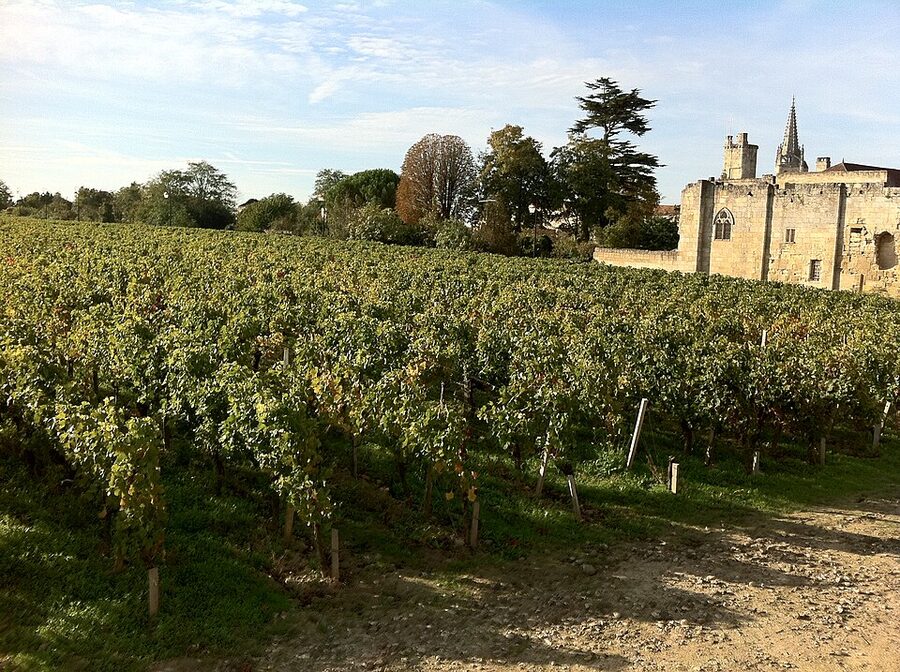
This is what the two-day-base structure gets you. You drink at the morning tasting, you walk back to the village for lunch, you walk to the afternoon tasting, you walk back to your hotel. The driving problem disappears. France’s drink-drive limit is 0.5g/L (lower than the UK’s 0.8) and you will hit it after one tasting if you are not careful, so the walking option matters.
The half-day-from-Bordeaux tours have a coach driver, which is why they work for travellers who want to taste seriously and not worry about it. But the cellar-tour-by-village-owners experience the two-day-base gives you is genuinely better, if you have the time.
What to actually buy and ship
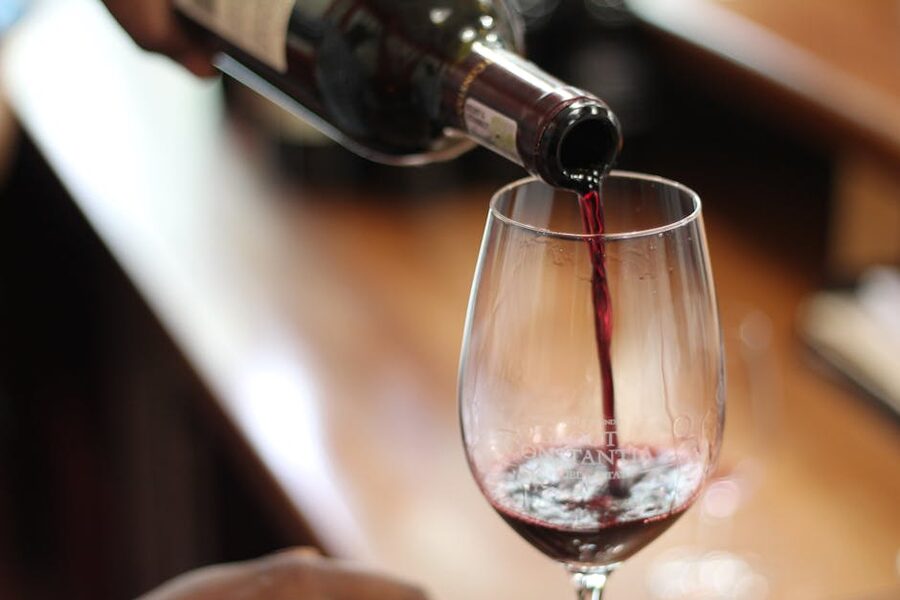
Almost every château will sell to you at the tasting, often at prices 20 to 30% below the wine shops in Bordeaux because there is no retail margin. A bottle of Grand Cru Classé from a 2018 or 2019 vintage will cost €50 to €100 from the cellar door. A few warnings.
The shipping side is the catch. Most châteaux will ship to the US, the UK, and most of the EU but the costs are real: typically €30 to €60 per bottle by international air, plus duty. The 12-bottle case is the unit that makes economic sense. A single bottle is rarely worth shipping. The same logic that applies in Chianti for the small estate purchase applies here. Buy a case or buy nothing.
For the take-home in your luggage, you can fly with up to 5 litres of wine into the US (declared) or up to two cases into the UK and EU within personal-allowance limits. Cushion the bottles. The polystyrene wine carrier sleeves the village shops sell for €8 are worth it.
What it costs, top to bottom
A rough costs framework for the day, in 2026 euros and dollars.
- Train Bordeaux to Saint-Émilion return: about €18.
- One Grand Cru Classé cellar visit + tasting: about €20 to €30 if booked direct, $23 via the GetYourGuide listing I recommend above.
- Tourist office guided underground tour (Monolithic Church): about €13.
- Tour du Roy climb: about €5.
- Lunch at a village bistro with a glass of wine: €25 to €40 per person.
- Macarons de Saint-Émilion (a box of 12): €8 to €12.
- A bottle to take home from the cellar door: €25 to €100 depending on the wine.
A self-organised one-day from Bordeaux comes in at around €60 to €80 if you keep it tight. A half-day coach tour from Bordeaux is $129. A full-afternoon two-winery tour is $120. The two-day-base in Saint-Émilion itself adds a hotel night (€90 to €200) and another tasting on day two.
Practical bits I wish I’d known
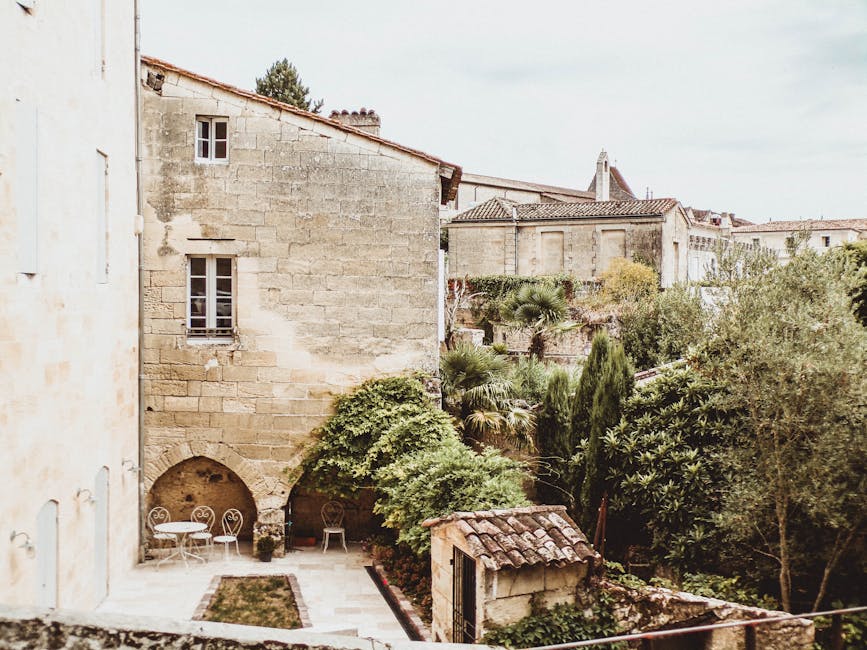
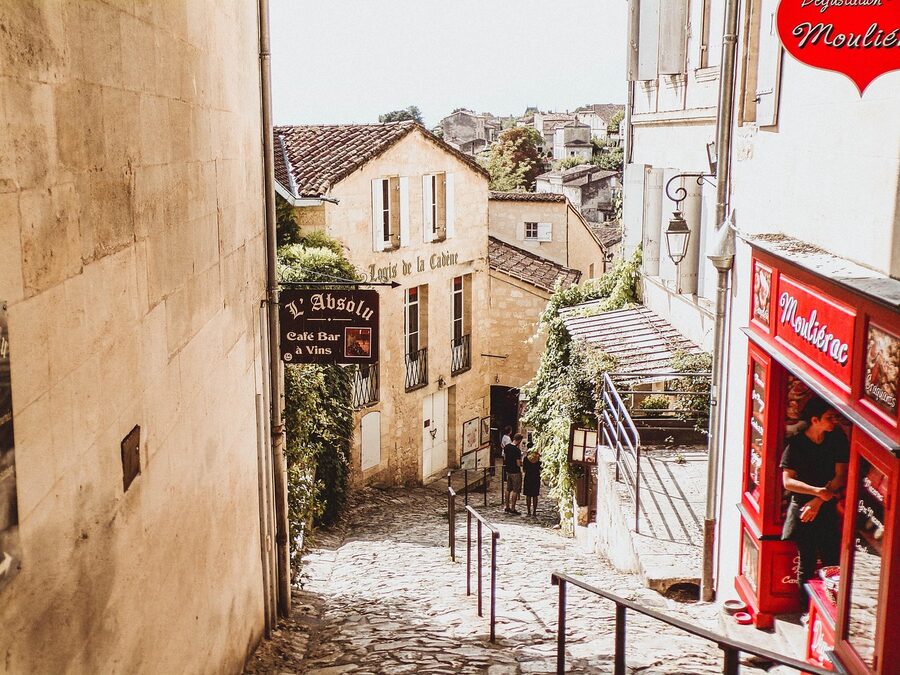
The village is steep and uneven. The cobbles are limestone (the same rock the cellars are dug into) and they are slippery when wet. Bring shoes with grip, especially in winter. The Office de Tourisme sells a one-day “Saint-Émilion Pass” for around €20 that includes the underground guided tour, the Tour du Roy climb, and a small wine tasting at the office’s own boutique. If you are doing all three independently, the pass saves you about €5 and a queue. Worth buying.
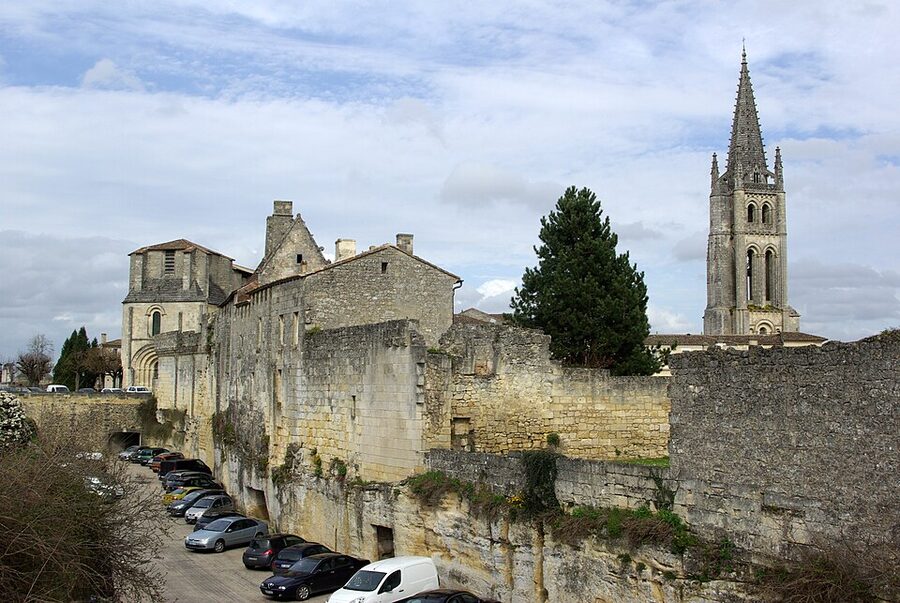
Saint-Émilion in winter is genuinely quieter and the cellar visits are easier to book. Most family-run estates are open year-round (they make wine year-round, the visit is a sideline). The downside of February is that the village’s restaurants run reduced hours and a few are closed. Mid-March onward is the easier time to come.
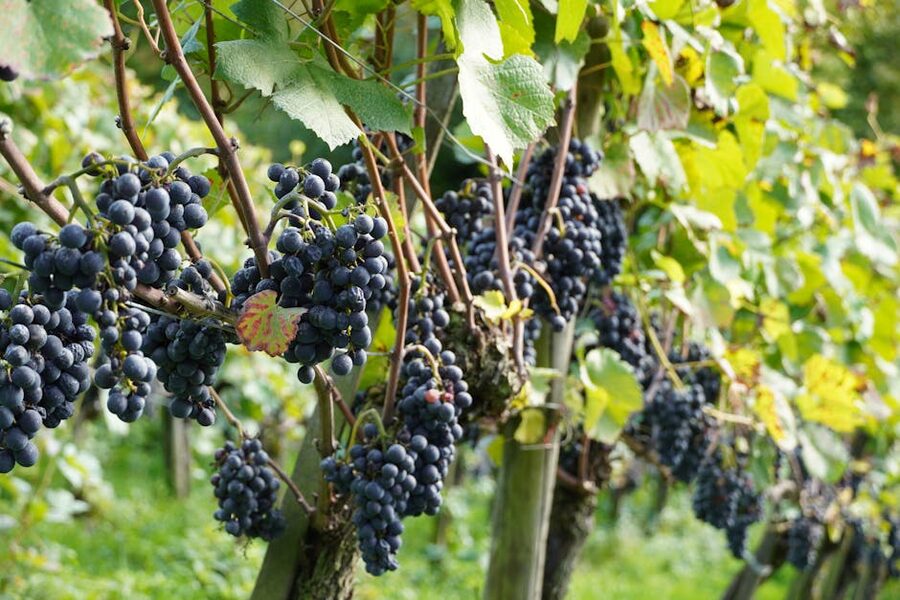
If you are visiting in late September or early October, you can sometimes catch the harvest, which is when the village’s character is most genuine. The Jurade, the medieval wine guild that still exists ceremonially, hosts an annual Ban des Vendanges (the formal proclamation of harvest) on the third Sunday of September from the top of the Tour du Roy. If you can time a visit to that weekend, do.
The toilets in the village are limited to the Office de Tourisme, the cafés (paying customers), and one public block at the bottom of the village near the parking. Plan accordingly if you are with kids.
Combining with other Bordeaux things to do
If you have three full days in the Bordeaux region, the natural shape is one day in Bordeaux city itself (the Cité du Vin in the morning, the Place de la Bourse and the Miroir d’Eau, lunch, the wine-bar quay in the afternoon). One day at Saint-Émilion. One day for either the Médoc (the famous left-bank classified wineries on a Bordeaux wine tour) or, for something different, the Bassin d’Arcachon and the Dune du Pilat for an hour on Europe’s tallest sand dune.
The Saint-Émilion experience is structurally closest to a small-family-winery day in Italy: the village + walking + family wineries with their own caves under the streets feels like the medieval cellar tradition of Chianti from Florence, where the cellar tour is the centrepiece and the village structure does the work. The Champagne version, where you go down 30 metres into the chalk for an hour, has the same temperature-and-rock backbone. If you have already done the Champagne day trip from Paris, you already know what 13°C in a limestone cellar tastes like; Saint-Émilion is the still-red-wine version of that idea.
For travellers cycling around the wine theme more broadly, the Spanish equivalent of a working tasting culture is in Andalusia: Jerez and the sherry bodegas are a fortified-wine version of the same family-vineyard, family-cellar model, with a similar tradition of the visit being run by the producer themselves rather than a hired guide. Different wine, same structure.
If your trip will also pass through Florence, the food side of the Italian wine country is best understood through a Florence food and wine tour; the Florentine bistecca-and-Chianti pairing teaches you the same lesson Saint-Émilion teaches with cheese and a Grand Cru Classé. Wine doesn’t go alone. It goes with the food the region grew up around it.
And on the Spain side, the city tradition of pairing wine with small plates of food (rather than a full meal) is its own thing: the standing-up-at-a-bar version of the same idea. The tapas tours in Barcelona are the cleanest introduction to that style, and the contrast with Saint-Émilion’s seated, three-pour, hour-long cellar format makes both formats clearer.
What to do after Saint-Émilion
If you fly out of Bordeaux the day after, take the morning TGV up to Paris (about 2 hours 5 minutes). The Saint-Émilion-then-Paris pairing makes a satisfying France-by-rail short trip: medieval village + cellars first, then the capital, with the train doing the navigation. Once you are in Paris, the wine narrative continues at the Eiffel Tower‘s Le Jules Verne (the Joël Robuchon-trained kitchen pours mostly French wine and there are bottles from Saint-Émilion on the list) or, for a less restaurant-priced experience, the Musée d’Orsay café where the wine list is well-priced and the view of the Seine is hard to beat. If you are taking a day trip out from Paris, the Versailles palace is the natural one to pair, or the slower Giverny and Monet’s water garden for the gentler day. A Seine river cruise in the evening, with a glass in your hand, is the way the trip closes.
Drive south and you reach the Loire and the next density of wine châteaux. The Loire Valley castles are the next stop in the wine-and-architecture loop, with Chenonceau and Chambord giving you the renaissance-château version after the medieval-village version. Or push east and you hit Burgundy and a totally different wine grammar (Pinot Noir, smaller plots, more obsessive monks).
For a totally different Mediterranean pivot, the French Riviera from Nice or the Camargue from Arles swap the cool limestone for hot pine and salt marsh. They are not wine days but they reset the palate, and the Provence rosés you’ll have at lunch make a clean pairing with what you just drank in Saint-Émilion.
So is it worth a day of your trip
Yes. Even more so if you have any interest in the link between geology, agriculture, and architecture. The same limestone that gives the wines their structure is the rock the cellars are dug into is the rock the village is built from is the rock the underground church is hollowed out of. The whole place is one thing. There is a tightness to the experience the bigger Médoc châteaux just cannot match.
If you only have a half-day from Bordeaux, take the $129 from-Bordeaux tour and call it done. If you have a full day, train out, do the underground tour, walk the village, pick a Grand Cru Classé cellar for the afternoon, train back. If you have two days, base yourself in the village and let the walking-distance fact do the rest.
One bottle. From the cellar door. To take home. That is the single souvenir. The macarons travel badly and the Tour du Roy keychain is a Tour du Roy keychain. A 2019 Grand Cru Classé in your suitcase is the village in liquid form, and 12°C in a Saint-Émilion cellar is what you’ll think of when you pull the cork two years from now.