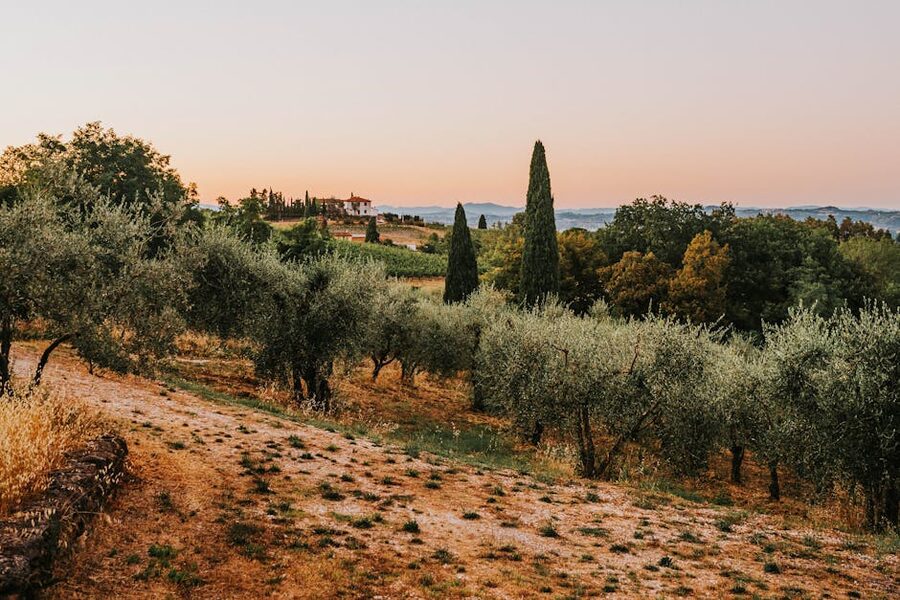
Every bottle of Chianti Classico has a black rooster on the neck. The story behind that rooster is a 13th-century border dispute between Florence and Siena — both cities decided to settle the territorial fight by sending a knight at sunrise, when the rooster crowed. Siena’s white rooster overslept. Florence’s black rooster crowed before dawn. Florence’s knight got a head start, met Siena’s almost at the gates of Siena itself, and the border was drawn there. Florence kept the bigger half. Eight hundred years later, the wine made on that bigger half is called Chianti Classico, and the rooster is still on the bottle.
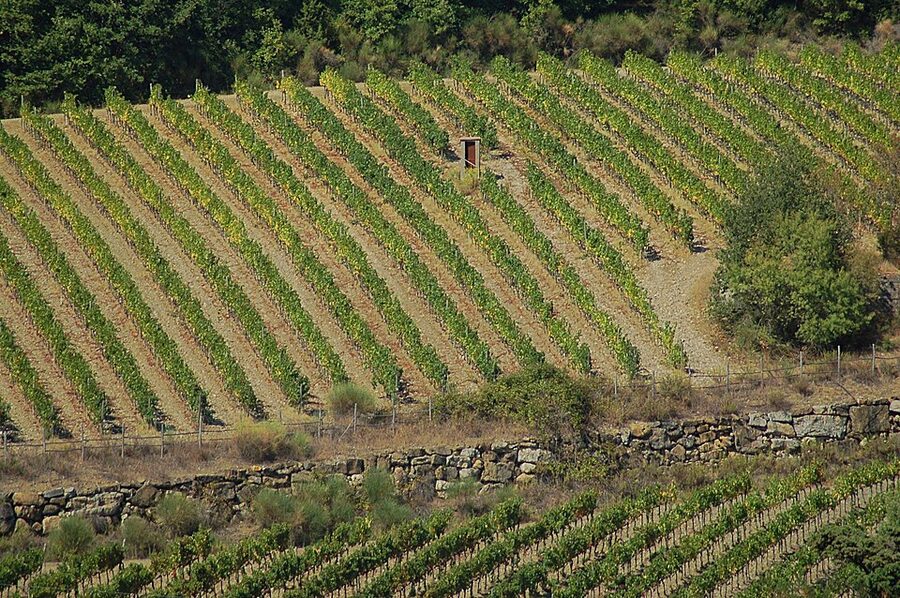
This guide covers the day-trip wine tours from Florence into the Chianti hills — the half-day and full-day options that get you out to the wineries, through the cellars, and back with your day complete. Below is what to book, what you’ll actually drink, and how the half-day option compares to the all-day premium experience.
In a Hurry — Just Tell Me What to Book
- Best value half-day: Chianti Wineries Tour with Wine Tasting ($41) — 5-hour afternoon trip, two wineries, light snacks, the most-booked option for budget travellers
- Wineries plus food: Chianti Wineries Tour with Food and Wine Tasting ($56) — same operator, adds a proper Tuscan lunch with the tasting
- Premium full-day: Chianti Safari with Vineyards, Cheese, Wine & Lunch ($157) — 7-9 hour day visiting Tuscan villas with cheese, wine, and a long farmhouse lunch
What a Chianti Day Trip Actually Looks Like
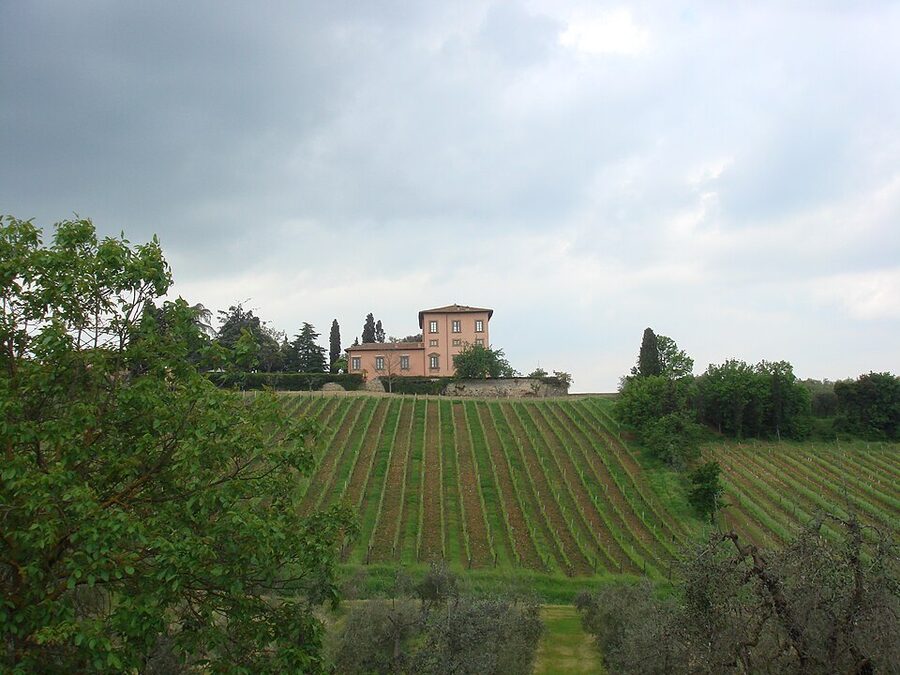
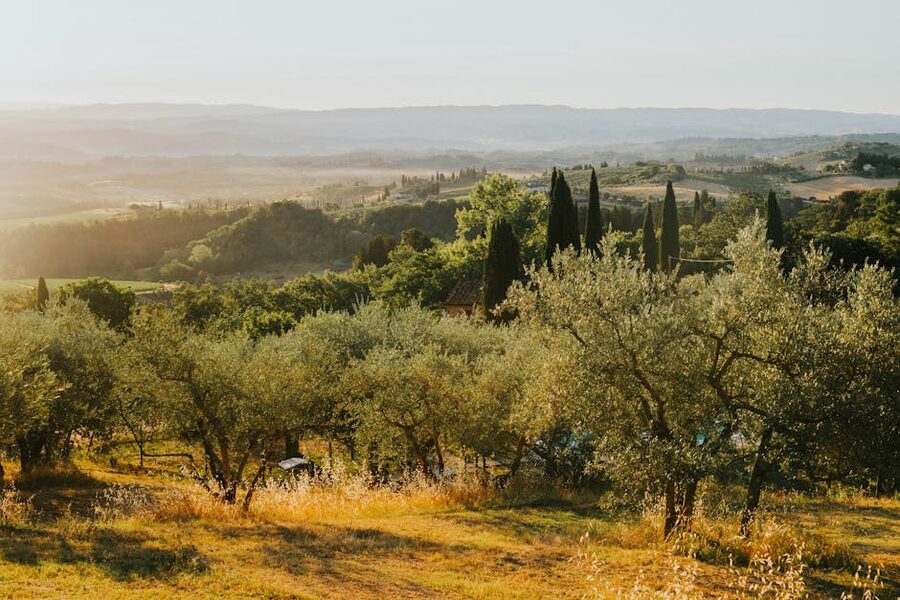
The standard Florence-to-Chianti day trip works like this: a small coach (16-25 seats for premium tours, 50+ for budget bus tours) picks you up near Santa Maria Novella station, drives an hour south through the Chianti hills, and stops at two or three wineries over the course of 5 to 9 hours, the same architecture used by a Bordeaux wine tour visiting Médoc châteaux or a Saint-Émilion tasting day circling the Right Bank.
At each winery, you get a 15-30 minute cellar tour (the production rooms, the barrel cellars, sometimes a vineyard walk if the harvest is happening), then a 30-45 minute seated tasting of 3-5 wines paired with light food. Lunch, if your tour includes one, is usually at the second winery, sometimes at a third venue with longer food courses, the same rhythm a Champagne day trip from Paris follows when it pairs cellar visits with a long Reims lunch.
The biggest difference between budget and premium tours isn’t the wine quality. It’s the food, the group size, and the time you spend at each winery. Budget tours rush through; premium tours let you linger. A €40 tour gives you 30 minutes per stop. A €150 tour gives you 90 minutes per stop and a 90-minute lunch.
You’re back in Florence by 6-7pm in time for dinner, well-fed and well-watered. The drive back is when most people fall asleep on the coach.
The Three Tickets Worth Booking
The three picks below cover the spectrum from cheapest legitimate option to premium full-day experience. All three are run by established operators with thousands of reviews, not the unlicensed bus tours that occasionally pop up in the Florence tour market.
1. Chianti Wineries Tour with Wine Tasting — $41
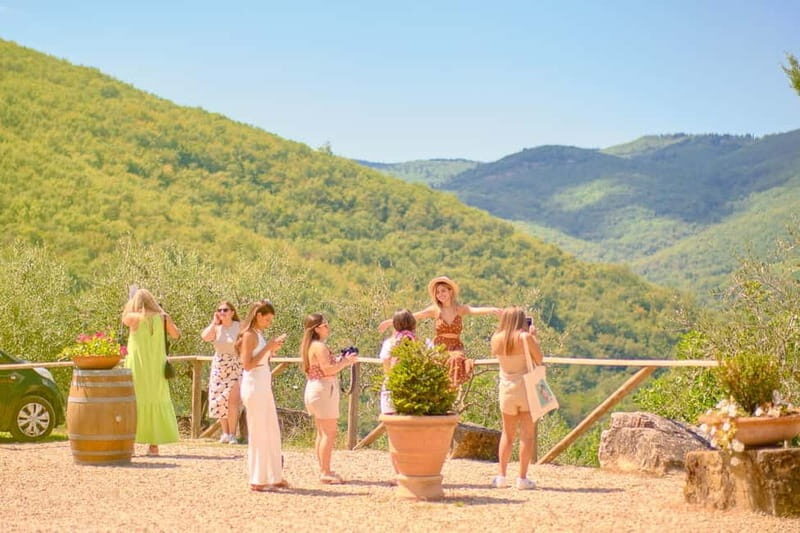
This is the right pick for budget-conscious wine drinkers. $41 for 5 hours, two wineries, three wines tasted at each stop with light snacks (cheese, prosciutto, olive oil). Coach format, group of 30-40, but each winery splits the group into smaller pods for the cellar tour. A walkthrough of which wineries the operator typically uses — they rotate between 4-5 partner estates depending on the day.
2. Chianti Wineries Tour with Food and Wine Tasting — $56.37
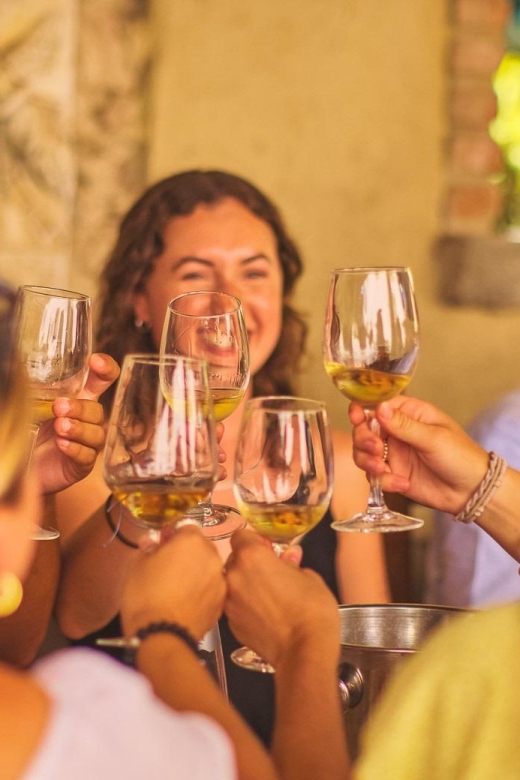
The mid-range pick that delivers the best ratio of cost to experience. $56.37 for the same 5-hour structure plus a real Tuscan lunch. The lunch alone would cost €30+ at a comparable restaurant in town, so the upgrade is genuinely good value. The lunch is hosted in the winery’s own dining room — usually 4-5 courses with the family who runs the estate sitting down with the group for at least one of them.
3. Chianti Safari with Vineyards, Cheese, Wine & Lunch — $157.21
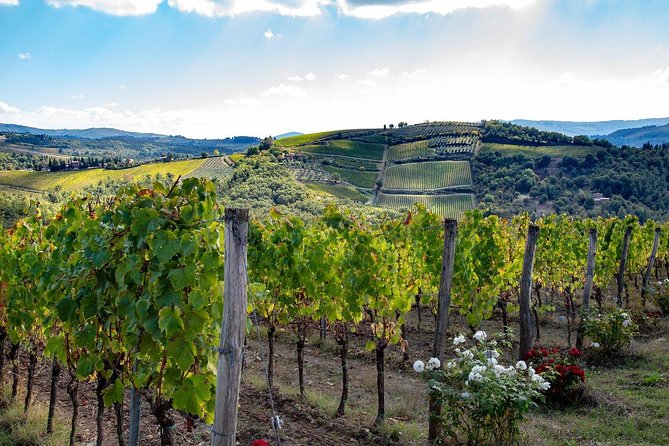
The full-day premium experience for visitors who want to do Chianti properly. 7-9 hours, three estates, includes a cheese-makers visit, multi-course farmhouse lunch, smaller group (12-16 max). The “safari” name is marketing — there’s no actual safari component — but the format does cover more ground than the half-day tours. The cheese stop is the differentiator — the visit to a working pecorino producer is the part most groups end up rating as their favourite of the day.
What Chianti Actually Is
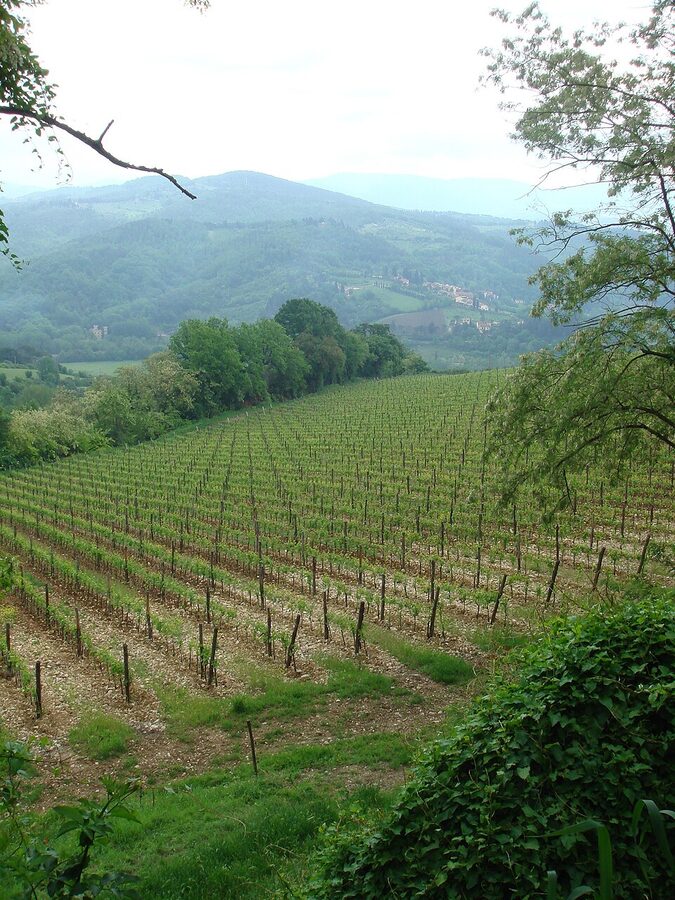
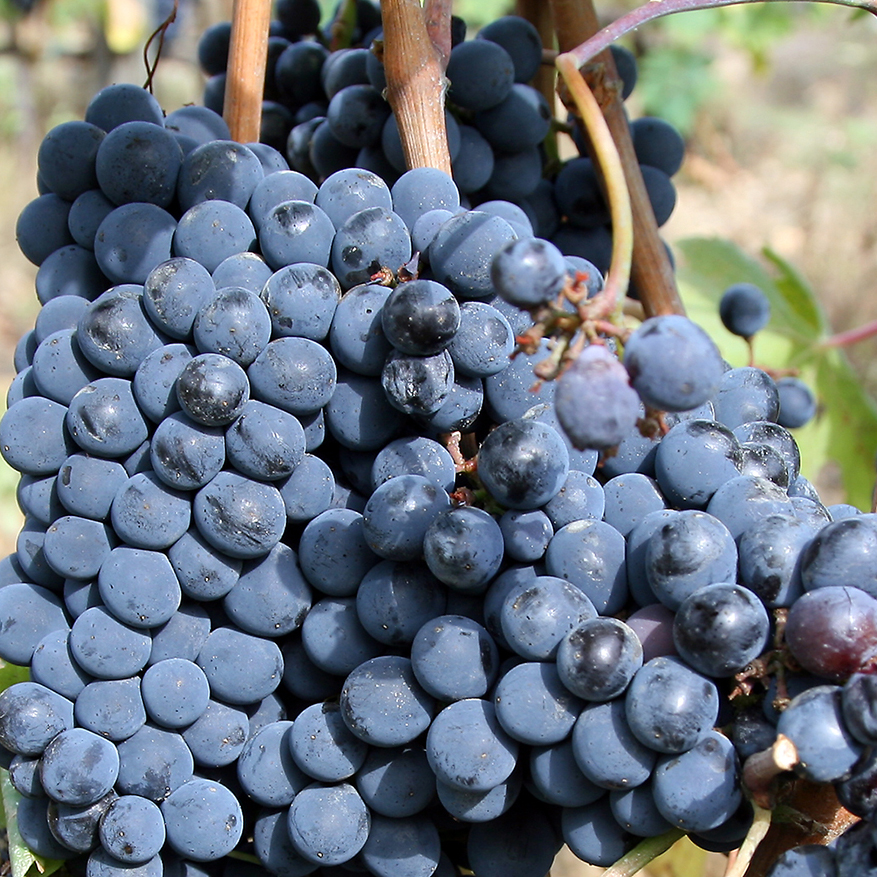
Chianti is a red wine made primarily from Sangiovese grapes in a defined region of Tuscany. By law, Chianti DOCG must be at least 75% Sangiovese (Chianti Classico is at least 80%). The other 20-25% can be Canaiolo, Colorino, or international varieties like Cabernet Sauvignon and Merlot, depending on the producer’s house style.
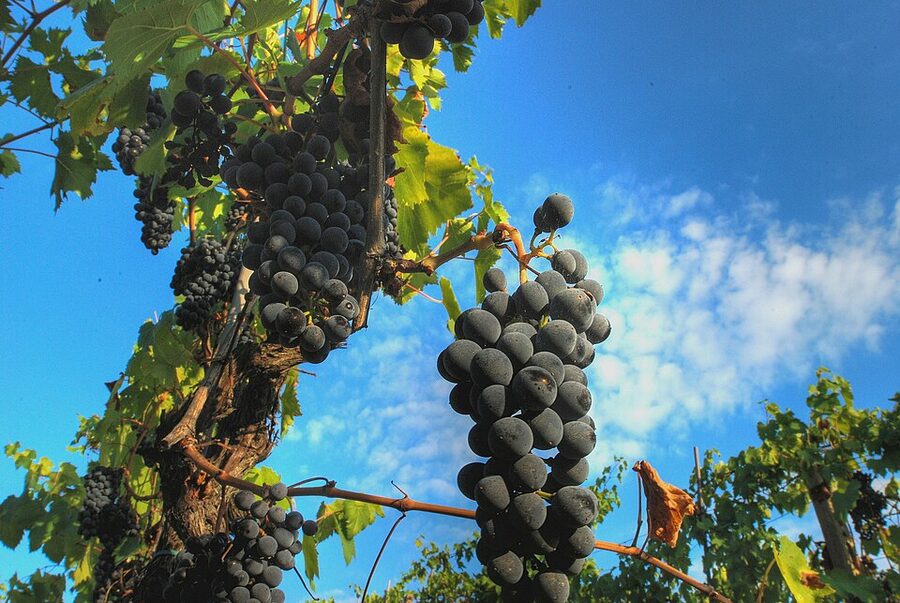
The region was officially defined in 1716 by Cosimo III de’ Medici, making Chianti the world’s oldest legally-defined wine region. The 1716 edict drew lines around the territory between Florence and Siena that’s now called Chianti Classico — the original heartland of the wine industry.
There are seven Chianti subzones total, but only Chianti Classico carries the historical weight (and the famous black rooster seal). The others are Colli Fiorentini (south of Florence), Chianti Rufina (north-east), Colli Aretini (Arezzo), Colli Senesi (Siena hills), Colline Pisane (near Pisa), and Montalbano (north-west). Most day tours from Florence go to Chianti Classico because it’s the closest and the most famous.
The wine itself is medium-bodied, high-acid, and built for food pairing, that’s the defining trait. Chianti is not a wine that works on its own; it needs the steak, the ragù, the salty pecorino. The high acidity cuts through fat and the tannin grips meat protein. Drinking Chianti without food is like driving a sports car in first gear. The same logic explains why a Bordeaux Cité du Vin tasting room comes with food pairings on the chef’s tour, and why a properly thrown Barcelona tapas crawl always arrives with bread, jamón, or olives in front of every glass of Tempranillo.
The Hierarchy: Chianti vs Chianti Classico vs Riserva
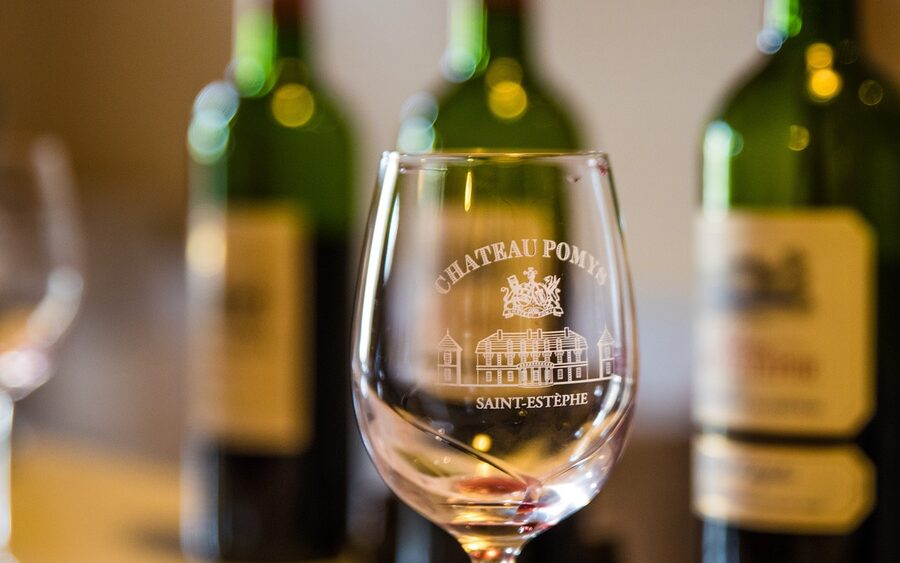
The Chianti hierarchy goes from cheapest to most expensive in four steps:
Chianti DOCG — the basic tier. From any of the seven subzones except Classico. Aged at least 6 months. Usually €5-12 a bottle at retail. Drink within 3-5 years of vintage.
Chianti Classico DOCG — the premium tier. From the original Classico subzone, marked with the black rooster on the neck. Minimum 80% Sangiovese, aged at least 12 months. €15-30 a bottle at retail. Drinks well for 5-8 years.
Chianti Classico Riserva — the aged tier. Same Classico region, but aged at least 24 months (3 months of which must be in bottle). Higher minimum alcohol. €25-50 at retail. Drinks well for 10-15 years.
Chianti Classico Gran Selezione — the top tier, created in 2014. Estate-grown grapes only (no purchased fruit), aged at least 30 months, must come from a specific named vineyard. €40-100+ at retail. The serious collector wine.
Most day-tour wineries pour you 1-2 wines from each tier. The cheap Chianti you’d get with a cheap pizza in Florence is usually the basic DOCG; the wine you’ll taste at the wineries is mostly Classico or Riserva.
The Wineries the Tours Actually Visit
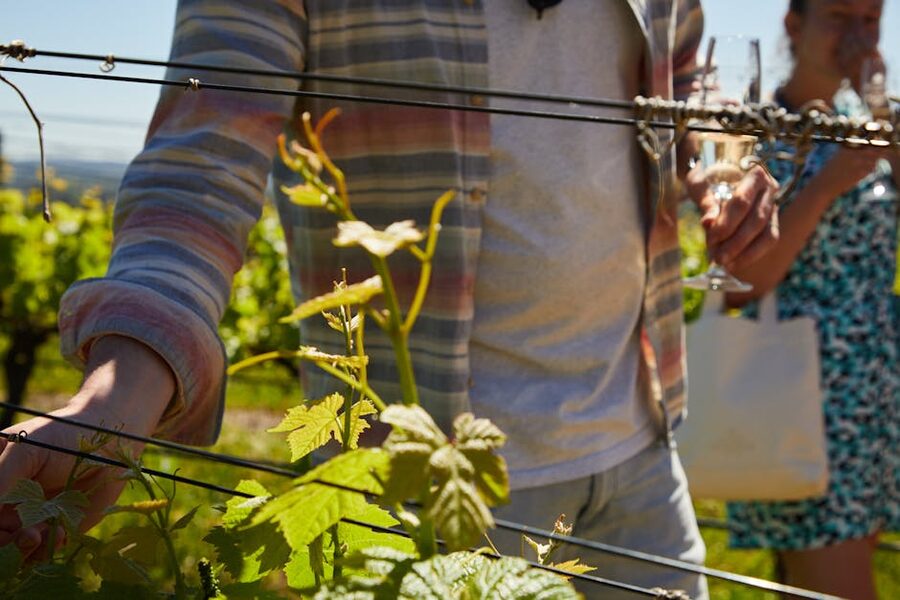
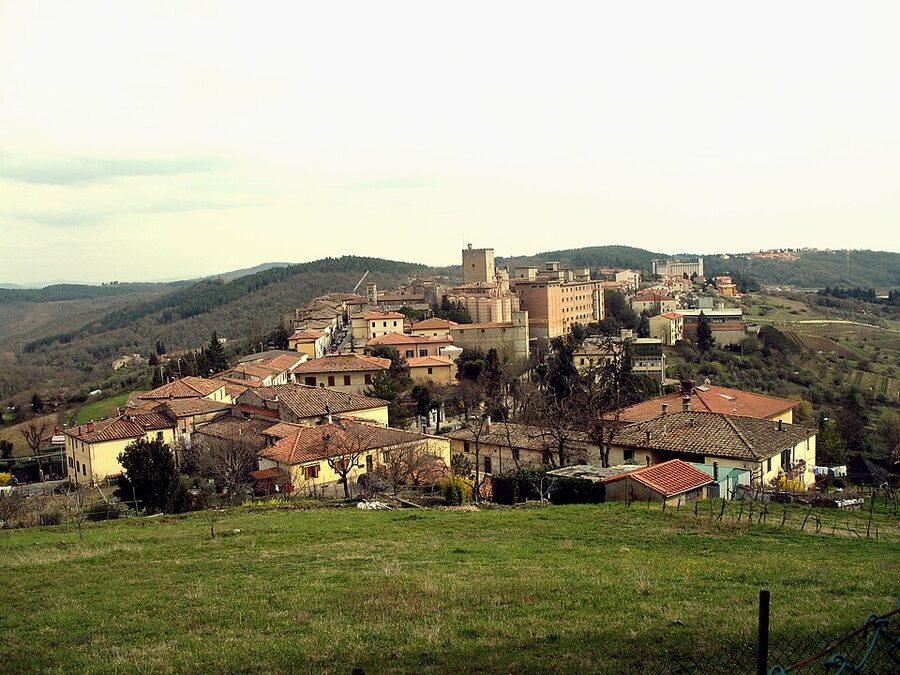
The day-trip operators rotate between a roster of partner wineries depending on the season and group sizes. You’re unlikely to know which winery you’ll visit until you book — and even then it can change. Most tours visit estates in Greve in Chianti or Castellina in Chianti, both about an hour south of Florence.
The two main types of winery you’ll visit:
Family-run small producers — 20-50 hectares, family lives on site, often the third or fourth generation running the place. The grandmother (Nonna) sometimes makes the food. The cellar tour is informal and personal. Wines tend to be more variable from year to year because the production is small.
Larger commercial estates — 100+ hectares, professional staff, bigger cellars, more polished tours. The wine is more consistent year to year. The experience is less intimate but the production methods are more interesting because the equipment is larger and easier to see.
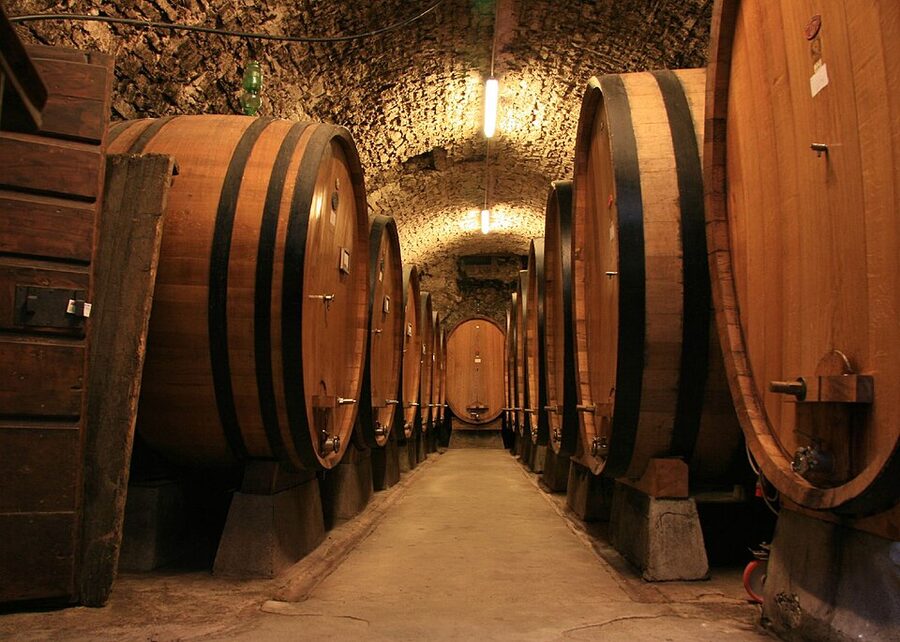
Most tours visit one of each, which gives you the contrast. The reviews that say “we visited a small family winery and a big commercial one” are usually talking about exactly this format.
What You’ll Actually Taste
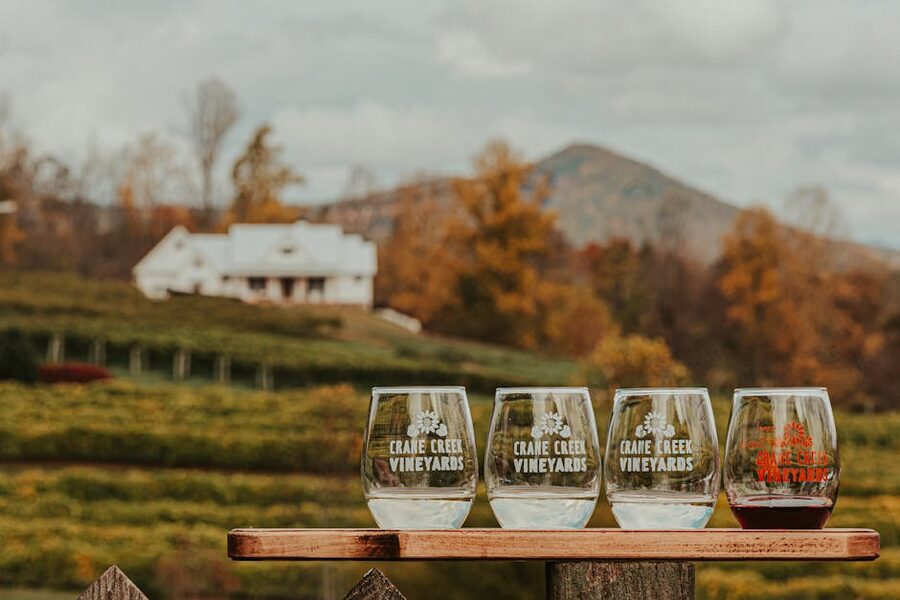
A standard winery tasting at a Chianti tour stop is 3-5 wines, poured one at a time with brief explanations. The progression usually goes:
Wine 1: Entry-level Chianti or Chianti Classico. Bright, fruit-forward, easy-drinking. The wine you’d buy by the case for everyday meals at home.
Wine 2: Chianti Classico Riserva. More structure, more oak influence, more complexity. The serious wine of the lineup.
Wine 3: A “Super Tuscan” if the estate makes one. These are non-DOCG blends — usually Sangiovese with Cabernet or Merlot — that broke regional rules in the 1970s and became Italy’s most internationally famous wines. Names you might hear: Sassicaia, Tignanello, Solaia.
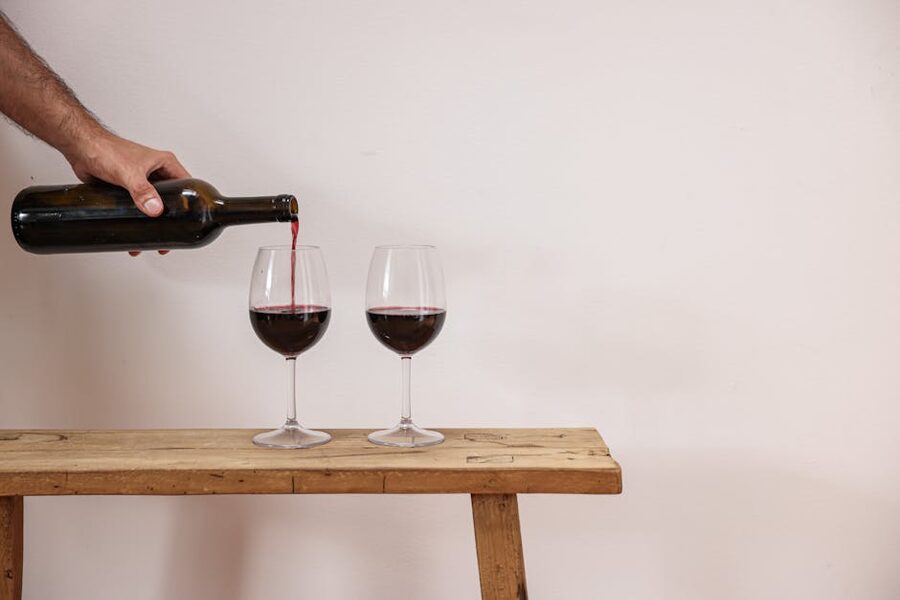
Wine 4 (sometimes): A Vin Santo. The Tuscan dessert wine, served with cantucci biscotti for dunking. Usually the final pour.
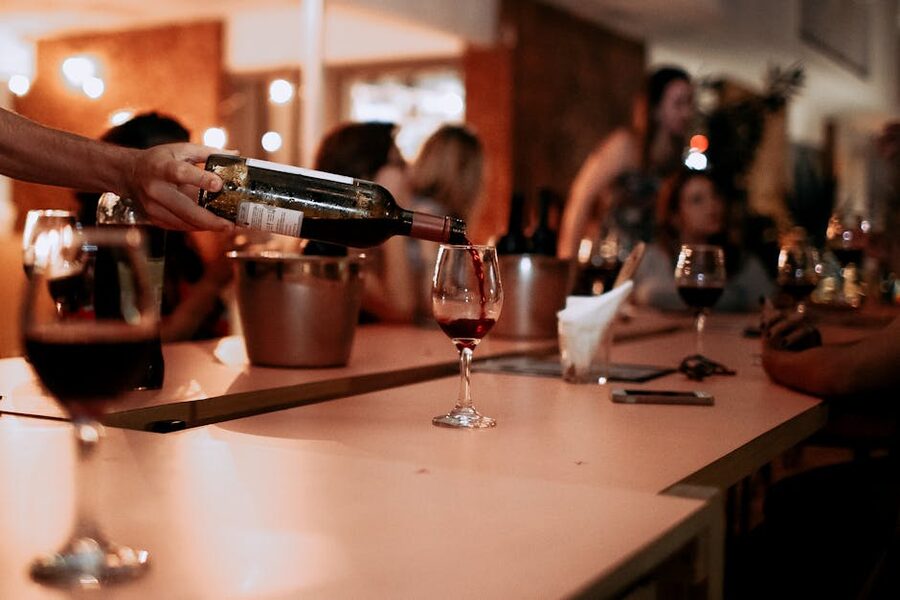
You’ll get small pours, about 30ml per wine. Even with three wines at two wineries, that’s 180ml total, which is roughly one and a half normal glasses. You won’t get drunk, but you will get pleasantly buzzed. Spit buckets are usually provided if you want to taste without consuming, but most tour participants drink it all, the same way visitors actually swallow most of the samples at the Heineken Experience in Amsterdam.
Greve in Chianti — The Town Most Tours Visit
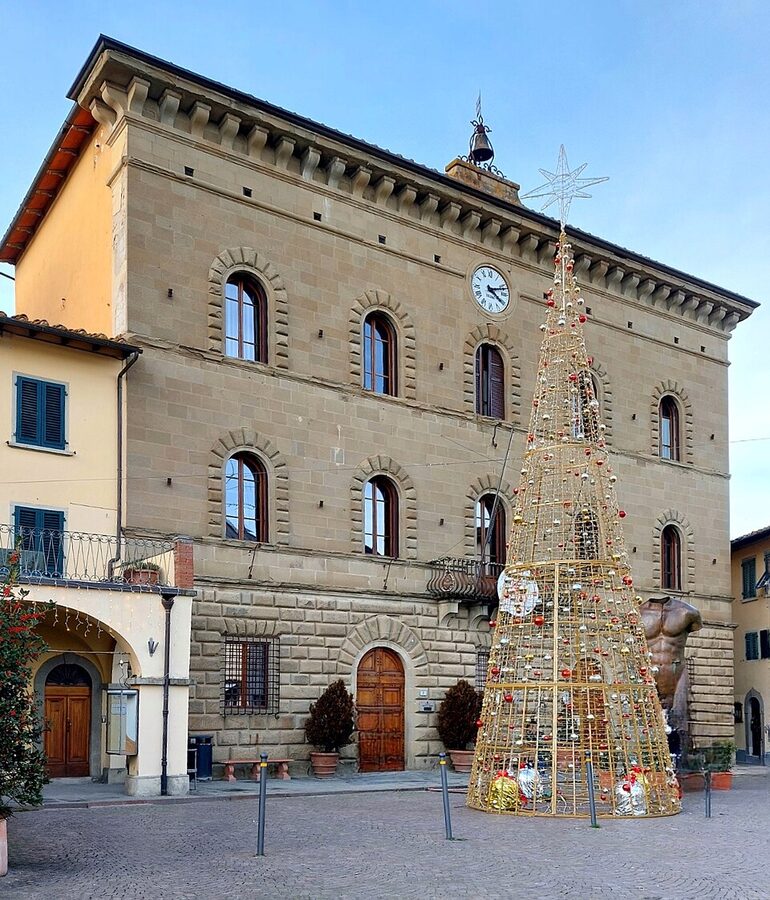
Greve in Chianti is the unofficial capital of the Chianti Classico region. Population about 14,000. Most day tours stop here for 30-60 minutes between winery visits — long enough for a coffee, a walk around the central piazza, and a souvenir purchase.
The town’s main square is Piazza Matteotti, a triangular piazza with the 14th-century town hall on one side, a colonnade running around the perimeter, and a statue of Giovanni da Verrazzano (the Florentine explorer) in the centre — Verrazzano was born in nearby Greve, and the bridge in New York is named after him.
The reason most tour operators stop in Greve: it has Antica Macelleria Falorni, one of the oldest butcher shops in Italy (founded 1729). They make Chianti’s signature wild boar salami and most tour groups get to taste it before getting back on the coach. Buying a small package to take home is one of the better souvenir options.
The Lunch Question
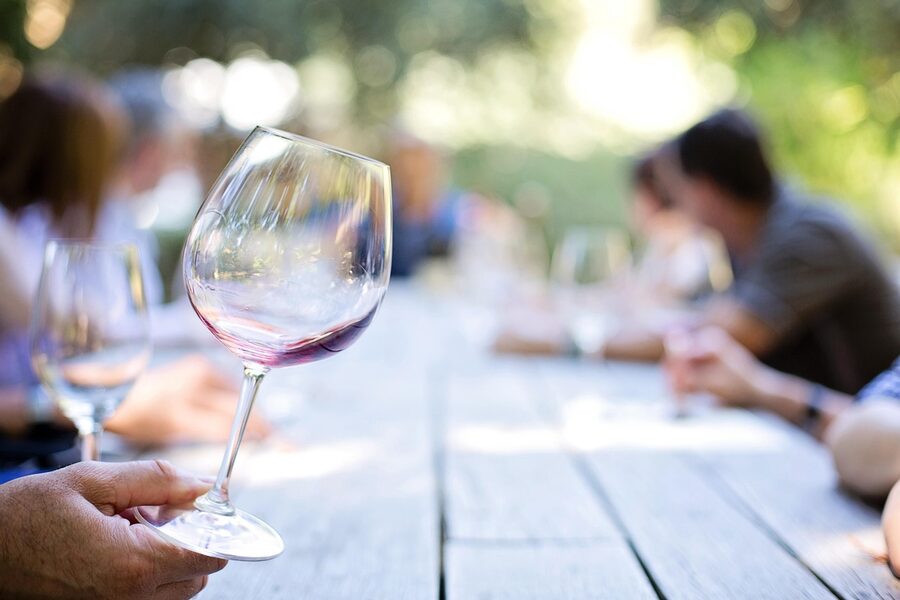
If your tour includes lunch, expect 3-5 courses with wine pairings at the second or third winery stop. The food is usually genuinely good — better than what you’d eat at a tourist restaurant in Florence — because the wineries either run their own kitchen or contract with a local trattoria for the day.
A typical winery lunch menu:
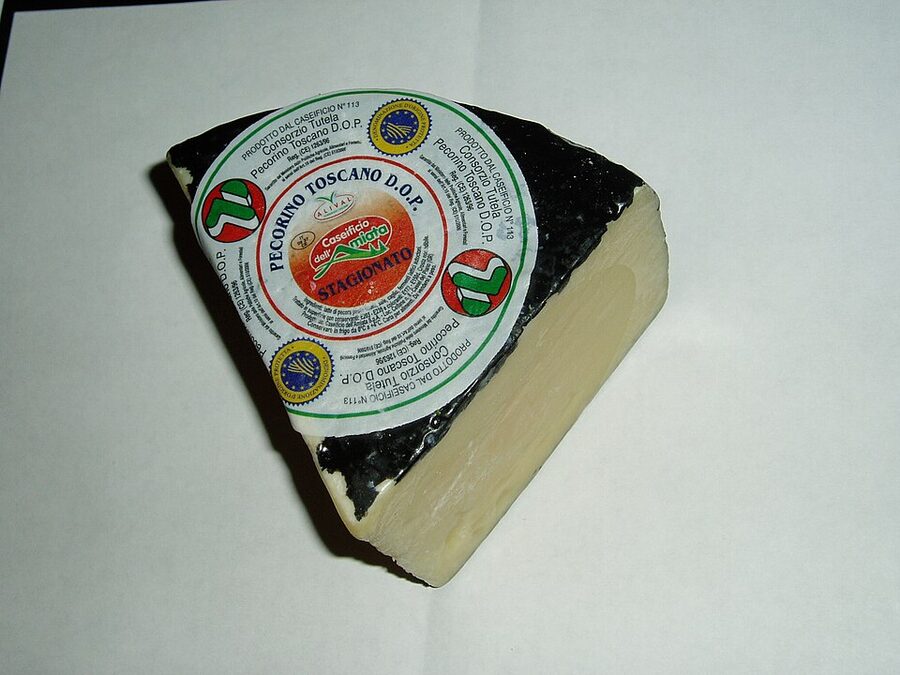
Antipasti — board of local pecorino, prosciutto Toscano, finocchiona (fennel salami), bruschetta with tomato, marinated artichokes, sometimes a small dish of olives. Paired with a young Chianti or a sparkling Prosecco.
Primo (pasta course) — usually pappardelle with wild boar ragù in winter or pici with cacio e pepe in summer. Paired with a basic Chianti Classico.
Secondo (meat course) — sometimes included in premium tours only. Roast pork or wild boar stew with vegetables. Paired with a Chianti Classico Riserva.
Dolce (dessert) — cantucci with Vin Santo for dunking. Sometimes also a slice of cake or a small panna cotta.
If you have dietary restrictions, tell the operator at booking time, not on the day. The wineries can accommodate vegetarian (substitute the meat with a vegetable lasagne or risotto) and gluten-free with notice, but they need at least 24 hours’ warning.
When to Book and What to Wear
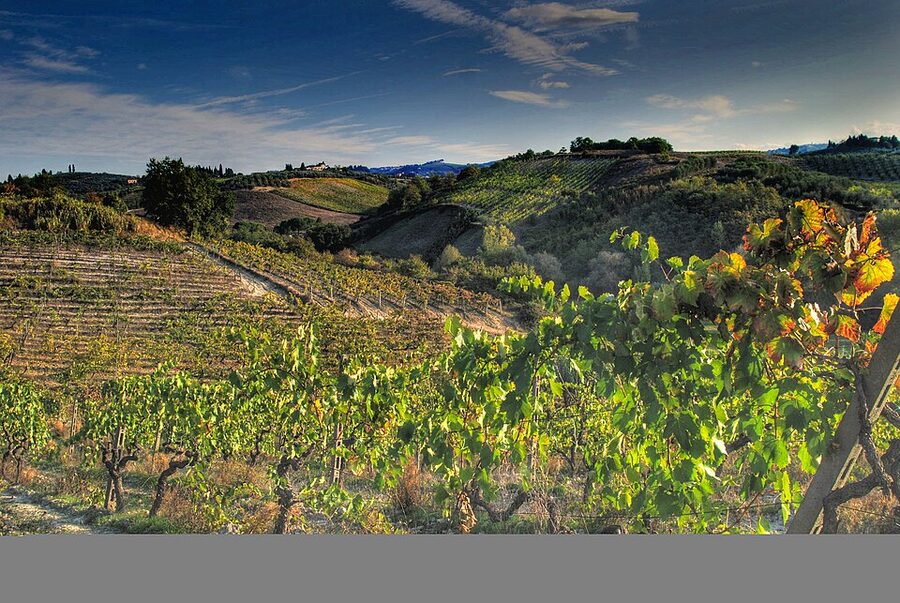
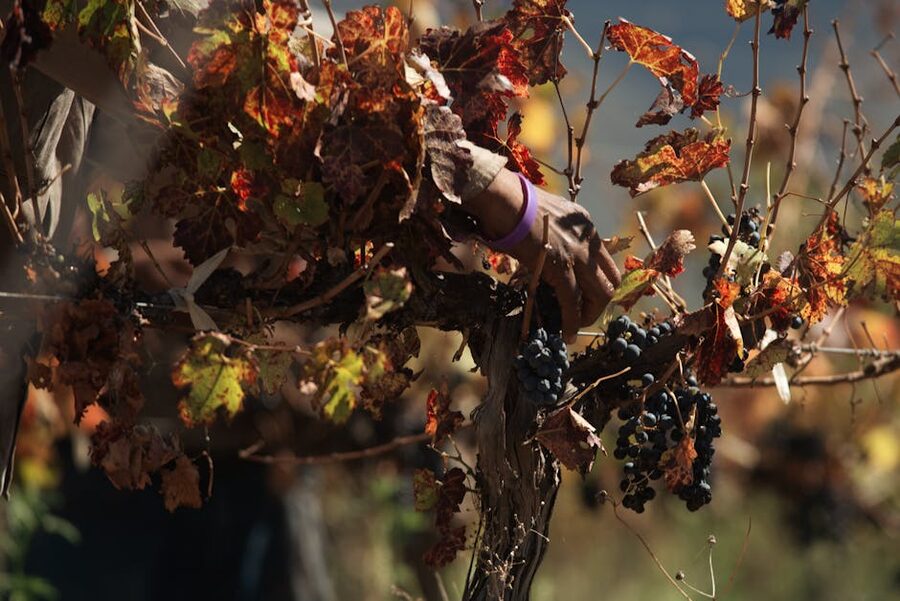
Best season: April to October. The vineyards are visually best in May (full leaf, bright green) and September-October (harvest, golden colours). November to March is technically open but the vineyards are bare and the wineries are less atmospheric.
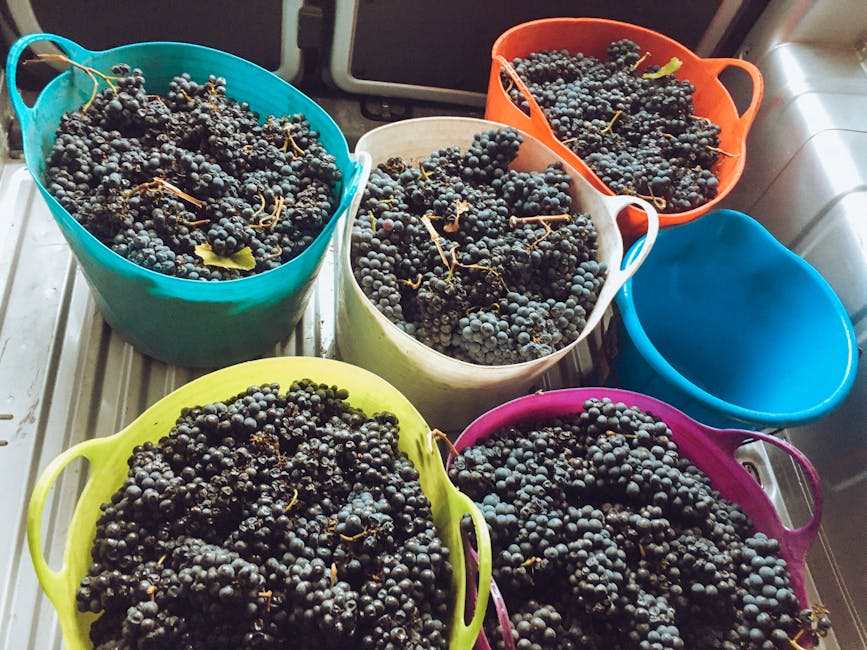
Avoid August. Italy’s summer holiday month — many wineries are closed for ferragosto (the August holiday period) and the heat in the afternoon is brutal. Most tours run reduced schedules in August.
Best time of day: The half-day afternoon tours (1pm-6pm) are better than morning tours because lunch is folded in naturally and the light at the wineries is at its best. Morning tours mean drinking wine at 11am, which most people find too early.
What to wear: Comfortable walking shoes (the cellars sometimes have rough stone floors), a light layer (cellars are 12-15°C year round), and clothes you don’t mind getting dust on. The vineyard walk in summer means dusty shoes and trouser hems by the end.
Bring sunglasses and water, especially in summer. The bus to and from Florence usually has air con but the winery courtyards in afternoon sun are unforgiving.
Practical Tips for the Day
Eat breakfast. The first wine of the day at the first winery hits hard if you’ve skipped breakfast. Even on tours that include lunch, the lunch isn’t until mid-day, and you’ll have tasted 2-3 wines on an empty stomach by then.
Pace yourself. The wines come fast and the pours are generous. By the third wine at the second winery you’ll be 6 wines deep into the day. Use the spit bucket if you need to.
Bring cash for tipping. €10-15 per person for the guide at the end of the day. Some operators include it; most don’t.
Buying wine to take home: Every winery sells bottles in their cellar shop, usually €15-50 a bottle. Most can ship a case home for you for €30-50 in shipping costs (depending on country) — works out cheaper than packing bottles in your luggage and risking customs limits. Ask at the cellar shop; the staff know the process for shipping to your country.
Customs limits: EU travellers can carry as much wine as they want personally. US travellers can carry 1 litre duty-free; anything beyond that gets a small duty charge but no other restrictions. UK travellers post-Brexit are limited to 18 litres of wine per person without duty. Check your own country’s limits before you load up.
Getting To and From the Coach
All three of the day-trip operators have meeting points within walking distance of Santa Maria Novella station. The most common pickup point is Piazza Stazione (the train station square) or Piazza Adua (one block east).
Be there 15 minutes before the listed departure time. The coaches are punctual and they will leave on schedule if you’re late. Confirmations include a phone number for the local operator if you have a problem getting there.
The drive south follows the same route as the SS222 — the Strada del Vino, or “wine road” — which runs through the centre of the Chianti Classico region. Sit on the right side of the coach going down; the views over the hills are better from that side.
What to Pair It With
The natural pairing is the Florence pasta and cooking class on a different day. The cooking class teaches you how to make the food; the wine tour teaches you what to drink it with. Doing both gives you the full Tuscan food culture in 48 hours.
For an art-and-wine combination day, do the Pitti Palace in the morning and a half-day Chianti tour in the afternoon. The Pitti opens at 8:15am and the wine tours leave at 1pm — that’s a tight but doable combination.
If you’ve got 3 days in Florence, the right sequence is: Uffizi on day 1, Accademia and David + Duomo on day 2, full-day Chianti tour on day 3. That gives you the city’s headline attractions on the first two days and a relaxing day-trip finale.
For visitors continuing on to Rome, the same Italian wine tradition continues there — the Rome food and cooking class circuit covers Lazio reds (Frascati, Cesanese) and Roman cooking, which is genuinely different from Tuscan. Doing both gives you north and central Italian wine country in a single trip.