
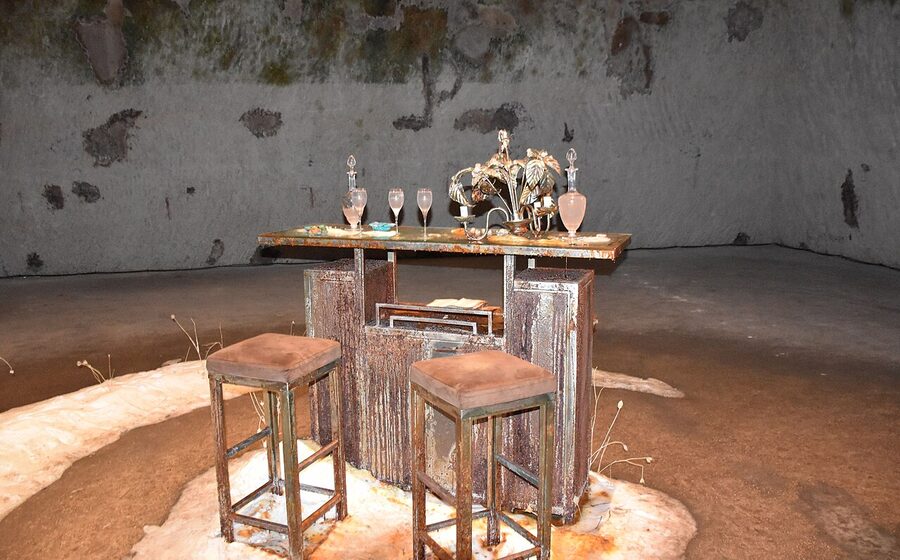
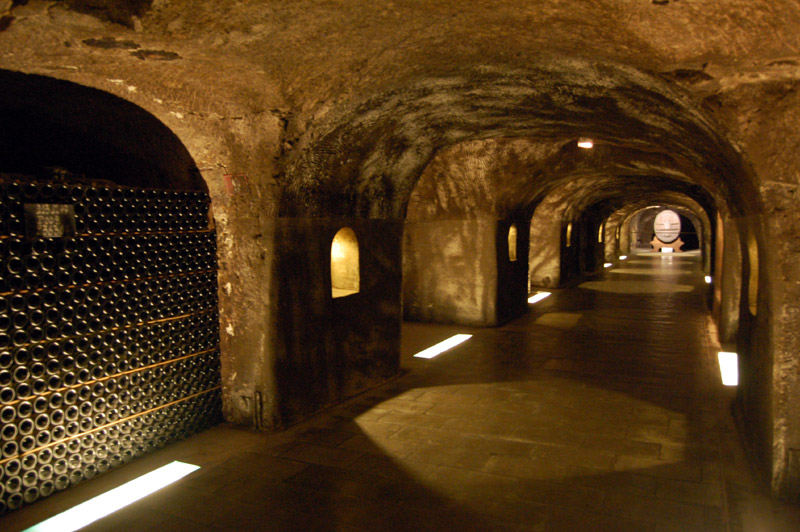
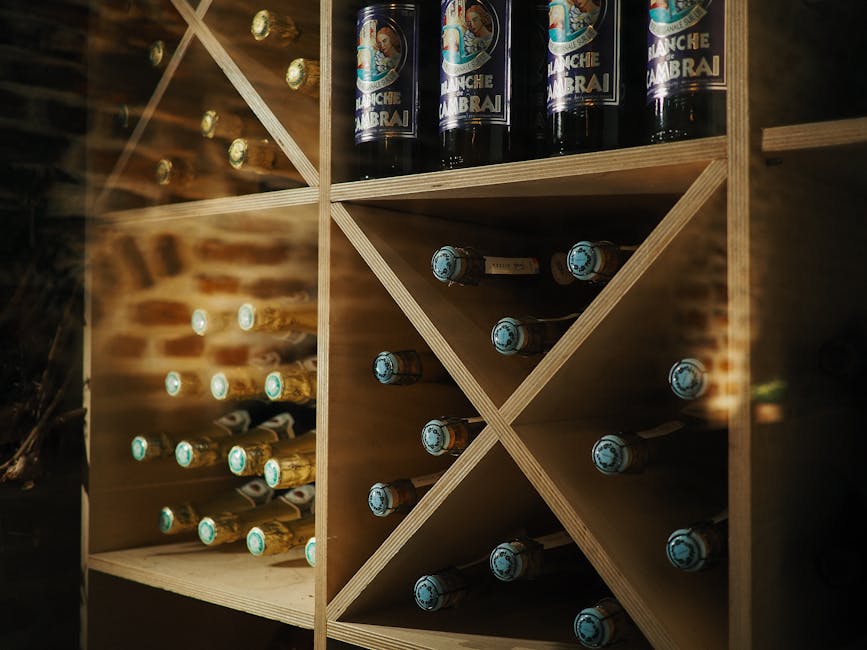
Twenty-five metres below the streets of Reims, the temperature is a constant 12 degrees and the air smells like wet stone. You’re walking through a chalk cave that the Romans cut as a quarry two thousand years ago. The walls are scratched with graffiti from 1916, when the cellar was a field hospital. There are 20 million bottles of champagne aging on either side of you, neck-down in wooden racks, getting a quarter-turn every day for two years.
This is the part of a Champagne day trip nobody warns you about. The bus from Paris is two hours of motorway, the tasting room is a marketing-room, the lunch is fine. The cave is the moment the day clicks.
One thing worth knowing before you book any of this: Champagne is the only sparkling wine in the world that can legally be called Champagne. The Champagne AOC was established in 1936 and it’s defended ferociously. Cava from Spain, Prosecco from Italy, Crémant from the rest of France, English sparkling, Californian “champagne method”, they all use the same second-fermentation technique, but the word belongs to this 33,500 hectares of chalk soil east of Paris and nowhere else.
In a Hurry: Best Champagne Day Trips From Paris
- Full day, 8 tastings + lunch ($345): the flagship pick if Champagne is the whole reason you’re going. Check availability.
- Family-house focus, 6 tastings ($278): smaller group, family wineries, slightly cheaper. Check availability.
- Reims Cathedral guided tour ($12): the budget pick if you’re already in Reims and skipping the wine. Check availability.
The real answer: a day trip is not enough, but here’s how to do it anyway
I’ll tell you what I tell every friend who asks. The right Champagne trip is two days, based in Reims, with a winery overnight on the Avenue de Champagne in Épernay. You taste in the morning when your palate is fresh, you eat a long French lunch, you taste again in a different style of house in the afternoon, you sleep over the cellars, and you do it all again. That’s the trip.
A Paris-to-Champagne day trip is roughly 12 hours door-to-door. Two hours each way on the bus, ninety minutes for lunch, three or four cellar visits stacked into the middle of the day. You’ll see two cities, four wineries, one cathedral, and you’ll be back at your Paris hotel by 9pm with a slight headache and a bag of bottles.
The day-trip works because the alternative is “I came to Paris and never saw Champagne”, which is worse. If you’re already on a tight Paris itinerary that includes Versailles, Giverny, the Louvre and the Eiffel Tower, a Champagne day is the only way the region fits. The same long-day-by-coach calculus runs the Zaanse Schans windmill day from Amsterdam, where the rural Dutch countryside is reachable in one disciplined out-and-back if you book the morning bus.
What you’re actually drinking: a 60-second crash course
Skip this if you already know the difference between brut and demi-sec. If you don’t, the cellar guides will assume you do and your two-day-condensed-into-one-day brain will quietly drown.
Champagne is made from three grapes: Chardonnay (white), Pinot Noir (black, but pressed quick so the juice stays white) and Pinot Meunier (also black, also quick-pressed). A “Blanc de Blancs” is 100% Chardonnay. A “Blanc de Noirs” is 100% black grapes pressed white. Most champagnes are a blend.
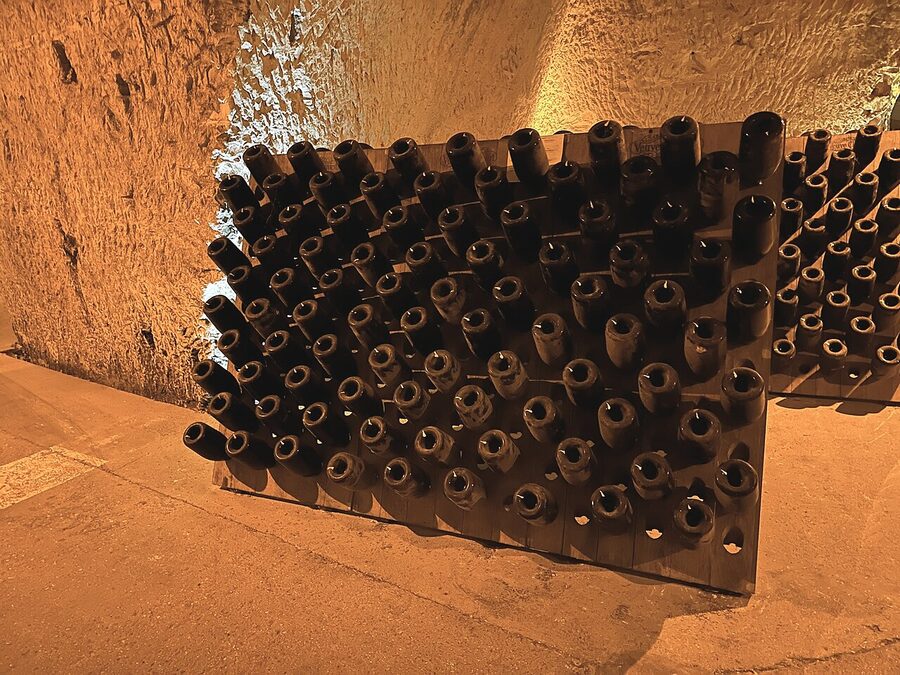
The bubbles come from a second fermentation in the bottle, which is the bit that’s legally protected. You ferment a still wine, you bottle it with a little sugar and yeast, and the yeast eats that sugar and makes more alcohol plus carbon dioxide. The carbon dioxide has nowhere to go because the bottle is sealed, so it dissolves into the wine. That’s your fizz. The yeast dies, the dead yeast gives champagne its bready-toasty flavour during long aging, and then you have to get the dead yeast out of the bottle. That’s where the riddling rack comes in.
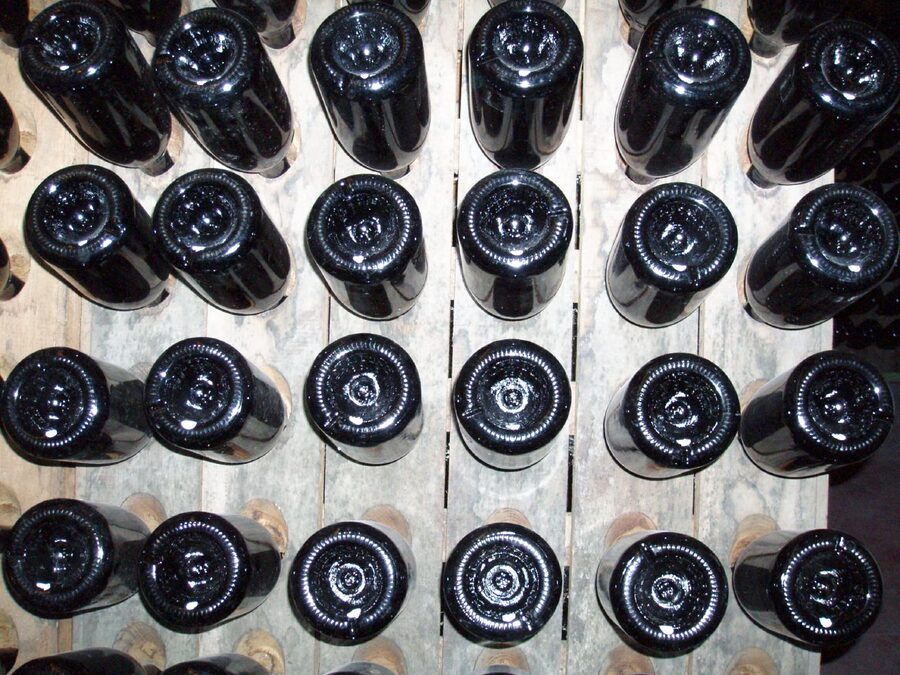
After remuage, the neck of the bottle is dipped in a freezing brine. The yeast plug freezes solid, you pop the temporary cap, the pressure inside the bottle ejects the frozen plug, and you’re left with clean champagne. Then you top it up with a small amount of sugared wine called the “dosage”, which is what determines how dry or sweet the final bottle is. Brut Nature has zero added sugar. Brut has up to 12 grams per litre. Demi-sec has up to 50, which is your dessert champagne.
That whole process is “méthode champenoise”. A Chianti wine tour teaches you about Sangiovese terroir and oak barrels; a Champagne tour is about a manufacturing process. The grapes matter, the soil matters, but it’s the technique that makes the difference, and that’s why every cellar tour you do will spend 20 minutes explaining what I just covered in three paragraphs. The closest northern parallel for a one-stop drink-as-industrial-process walkthrough is the Heineken Experience in Amsterdam, which spends roughly the same 20 minutes on lager fermentation before letting visitors anywhere near the tasting bar.
The two cities: what each one is for
Reims, the cathedral town
Reims is bigger and feels like a real city. Population around 180,000. The cathedral is the headline. The biggest champagne houses are here: Pommery, Veuve Clicquot, Taittinger, Mumm, Ruinart, Krug, Lanson. They mostly sit on or near the Avenue du Général-Giraud and along the Boulevard Lundy. Nine of the major brands are within a 20-minute drive of each other.
If you’re doing a wine-led day trip, you’ll usually visit one or two of the big Reims houses in the morning, then drive 25 minutes south to Épernay for the afternoon. Reims is also where the cathedral fits naturally; most day trips include either a quick photo stop or a 30-minute walk-through.
Épernay, the wine town
Épernay is smaller, around 23,000 people, and it functions as a single-purpose champagne capital. The Avenue de Champagne is its only famous street. It’s about a kilometre long and lined with the headquarters of Moët & Chandon, Pol Roger, Mercier, Perrier-Jouët, De Castellane, Boizel, and a dozen smaller houses. Beneath that one street there are 110 kilometres of underground cellars holding roughly 200 million bottles. UNESCO listed it as a World Heritage Site in 2015, and rightly so.
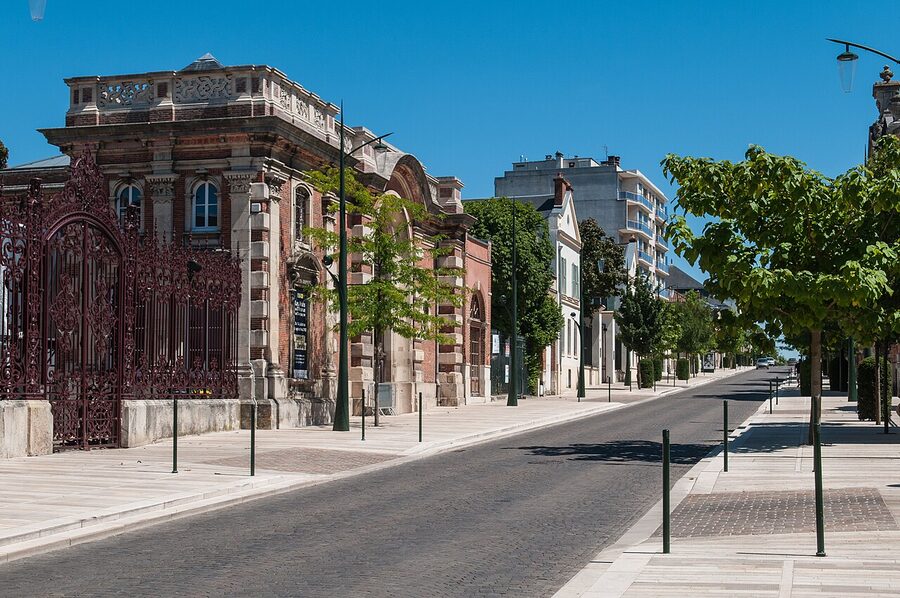
If your day-trip package puts you on the Avenue de Champagne for an hour, walk it. From the Moët & Chandon main house at number 20 down to the smaller boutique tasting rooms at the far end is about 15 minutes at a slow pace. The buildings are all gorgeous late-19th-century townhouses that the houses outdid each other building.
Top Day Trip Tours From Paris
Three picks across three price tiers. The differences are not subtle.
1. Full Champagne Day Tour From Paris With 8 Tastings & Lunch: $345
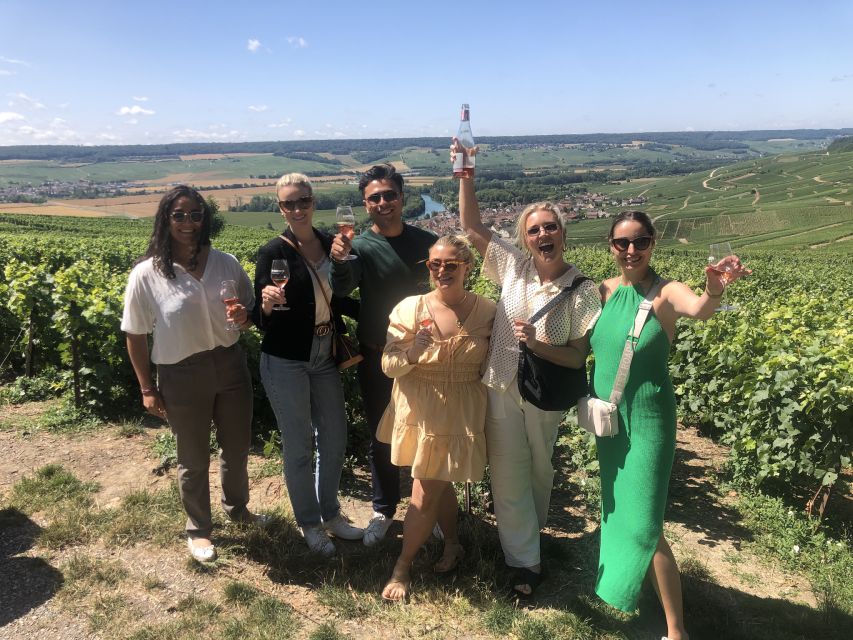
This is the right pick if Champagne is genuinely the reason you’re spending the day, and you want a mix of grande marque and small grower-producers in one outing. The visits split between a famous Reims house in the morning and family wineries in the Vallée de la Marne in the afternoon, which is the comparison every wine person actually wants. Our full review of the 8-tastings tour covers the typical lunch menu and which family houses are on rotation.
2. Champagne Day Trip With 6 Tastings, Reims and Winery: $278
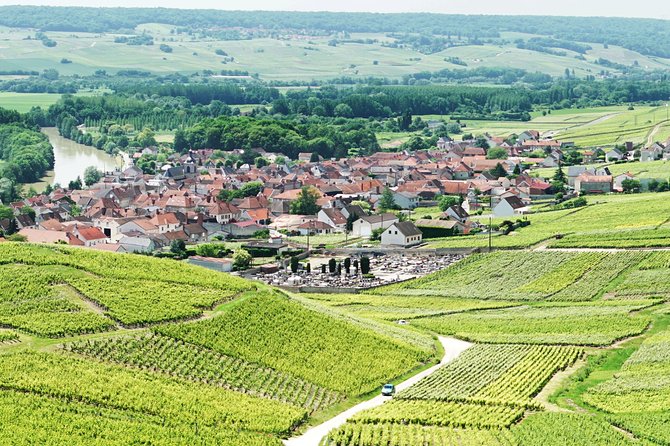
Pick this one if you want a quieter, smaller-group day with more time at fewer wineries. It still includes a Reims city stop and a Nicolas Feuillatte cellar visit, but the tastings are weighted toward family-owned estates, which is where the more interesting wines often are. The 6-tastings tour review goes into the small-group dynamic and the lunch options.
3. Reims Cathedral Guided Tour: $12
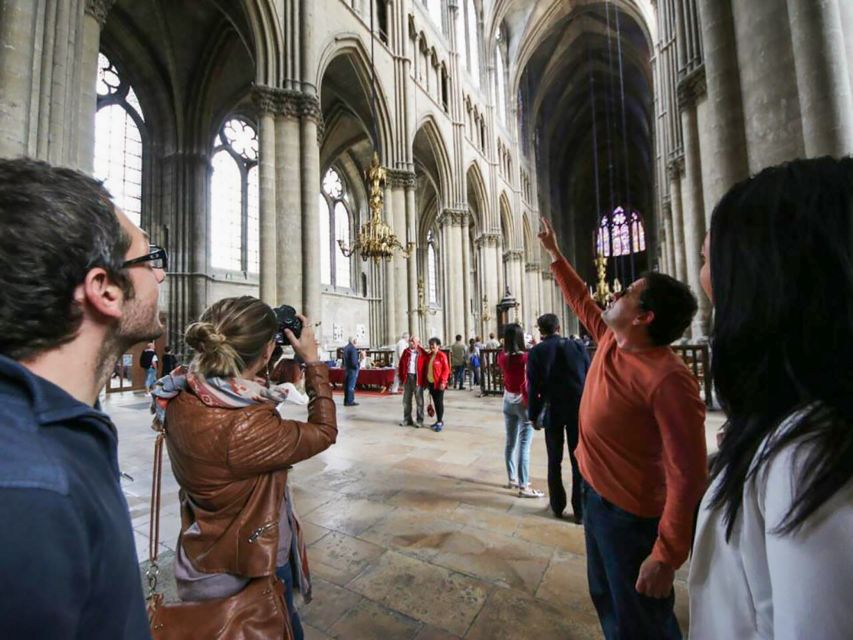
This is a different audience entirely. It’s for travellers who get themselves to Reims by train (1h25 from Paris-Est on the TGV) and care about Gothic architecture more than wine. The cathedral really does deserve more than the 30-minute photo stop the wine tours give it, and our Reims cathedral tour review covers what the guided narration adds over the free entry.
Is $345 actually worth it?
Yes and no, depending on what you compare it against.
Compared with a similarly-priced wine day from Florence (a full-day Chianti tour tops out around $157 for the premium version), the Champagne tour is roughly twice the price. That’s the gap. Champagne wineries charge tasting fees, the bus is longer, lunch is more, and the houses themselves price the experience higher because they’re famous global brands rather than small-region producers.
Compared with the alternative of getting yourself to Reims, paying for cellar tours individually (Pommery is around €30, Taittinger around €25, Veuve Clicquot is €60 for the full visit), and adding a TGV return ticket (~€60), you’re already at €175 for two house tours and a train. Add a tasting elsewhere, lunch, and the value gap closes fast. The tour also handles the hard part: you don’t drive, you don’t worry about getting lost between houses, and you don’t have to plan around French lunch hours, which can shut a winery for ninety minutes in the middle of your day.
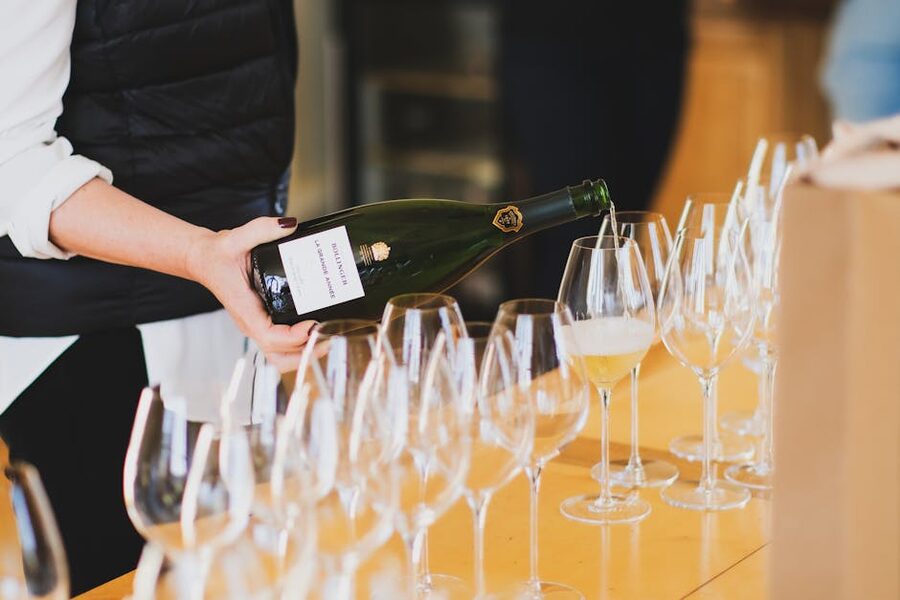
The short version: $345 is worth it if Champagne is a genuine priority. If you’re including it because “we should probably see Champagne”, the $278 alternative is the better value because it weights the day toward smaller wineries where the wines are more interesting and the room-feel is less industrial. If wine is not the point and you only want to see the region, take the train to Reims yourself and book the $12 cathedral tour plus one big-house cellar visit (Pommery is the showpiece). That’s a self-organised day for under €100, with the wine cost on top.
What a typical day actually looks like
Most tours leave Paris between 7am and 8am from a meeting point near the Opéra. You’ll meet your guide and a minivan with 14 to 18 seats. The drive east is two hours of motorway, mostly the A4, with one rest stop. The first cellar visit usually starts at 10:30am or 11am.
The cellar visits are 60 to 75 minutes, including the underground walk-through and a tasting of two or three wines at the end. There’s usually one Reims grande marque (Pommery, Taittinger, Mumm), then a family producer 25 minutes south in the Vallée de la Marne. Lunch happens around 1pm, generally at a winery restaurant with another champagne paired to the food. Then one more cellar in the afternoon, a short stop in Épernay or Reims itself, and the bus turns west around 5pm. You’re back in Paris by 7:30 or 8pm.
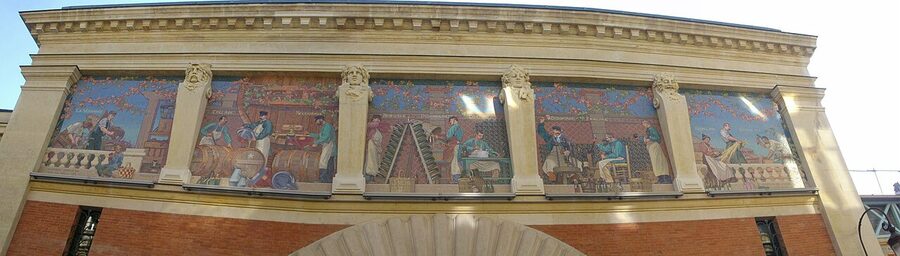
The thing nobody warns you about: you will eat a real French lunch in the middle of a wine day. Two hours, three courses, paired wine, coffee. By the time you stand up your blood sugar is fighting the alcohol and the afternoon cellar starts at the wrong moment. Most regulars I know either skip dessert or just have a small tasting at the afternoon stop. If you’ve done a Florence food and wine tour, the Italian model of small bites and frequent walking actually paces alcohol better than the French sit-down lunch model; on a Champagne day, prepare for that. If you’re prone to wine fatigue, this is the moment to slow down.
The Reims cathedral side of the day
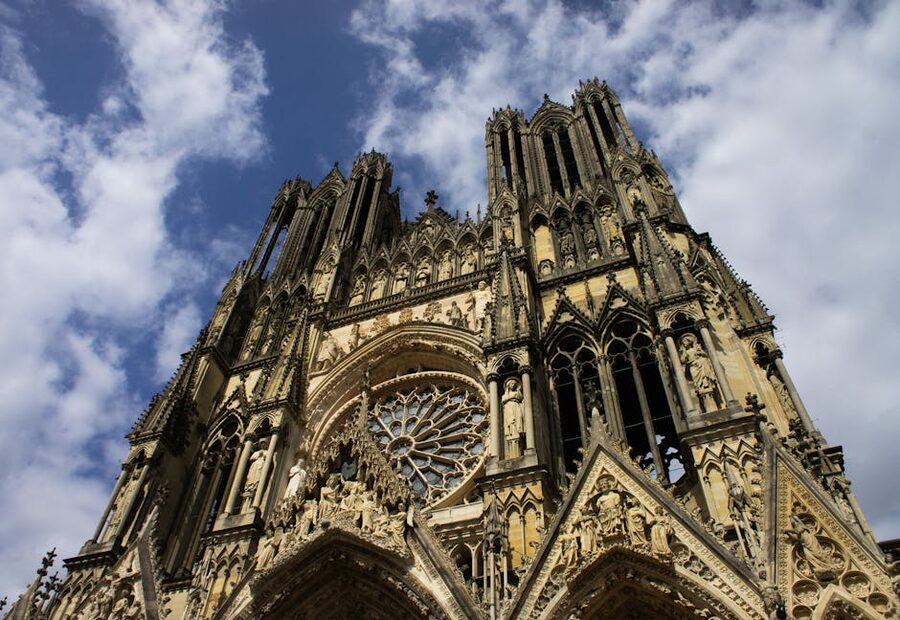
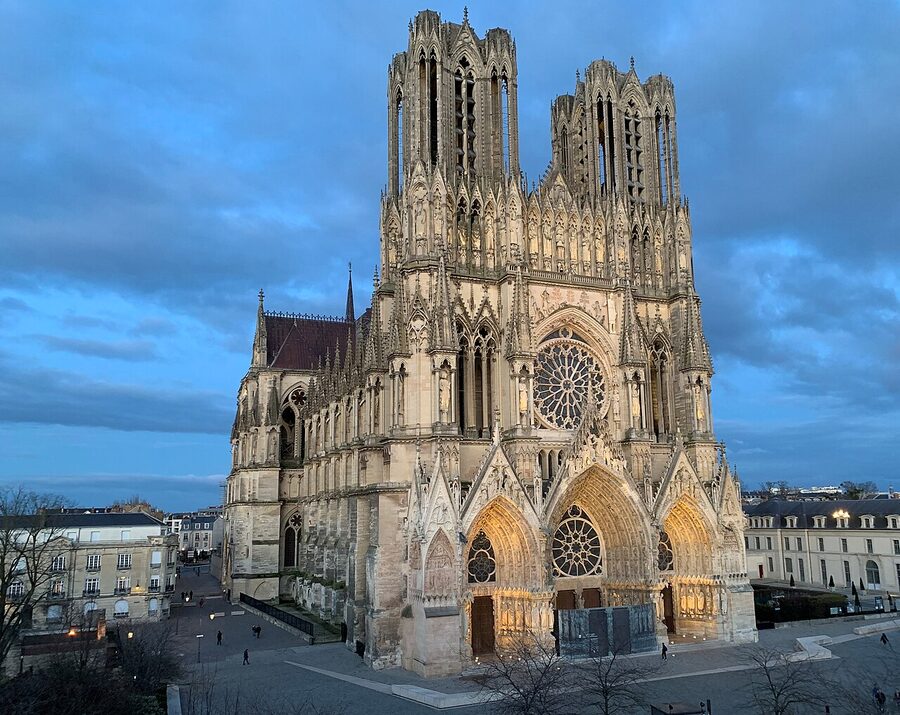
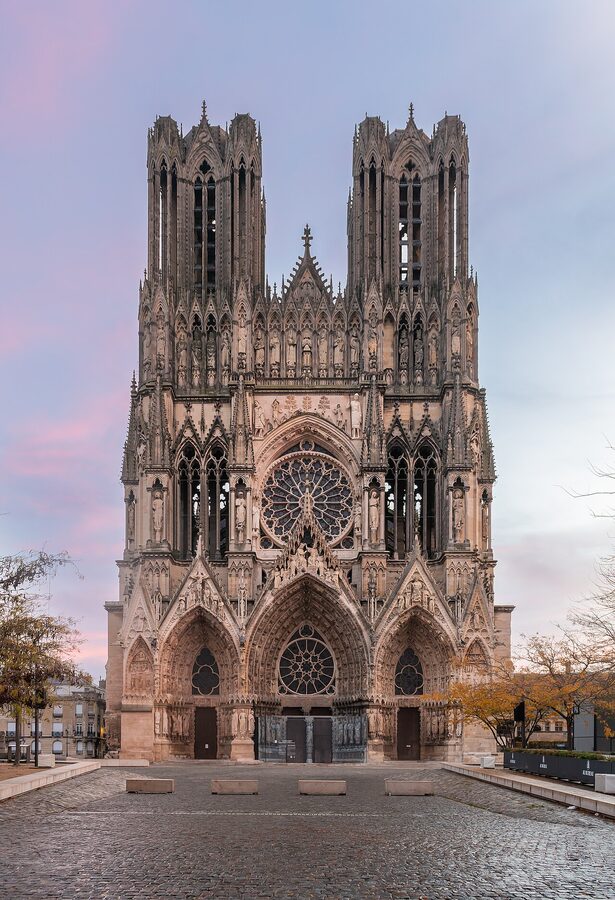
The cathedral is one of the four or five most important Gothic buildings in France. It’s the same architectural family as Sainte-Chapelle and the Panthéon in Paris, and it’s roughly contemporaneous with Florence’s Duomo, although the construction logic is completely different. Florence built up; Reims built tall and thin and pushed the buttresses out.
The interior is 138 metres long and 38 metres high under the vaults. The west rose window is 12 metres across. The 13th-century stained glass survived the first and second world wars (the cathedral was shelled in 1914, partially rebuilt in the 1920s with Rockefeller money). The Marc Chagall windows in the eastern chapel were installed in 1974 and are spectacular.
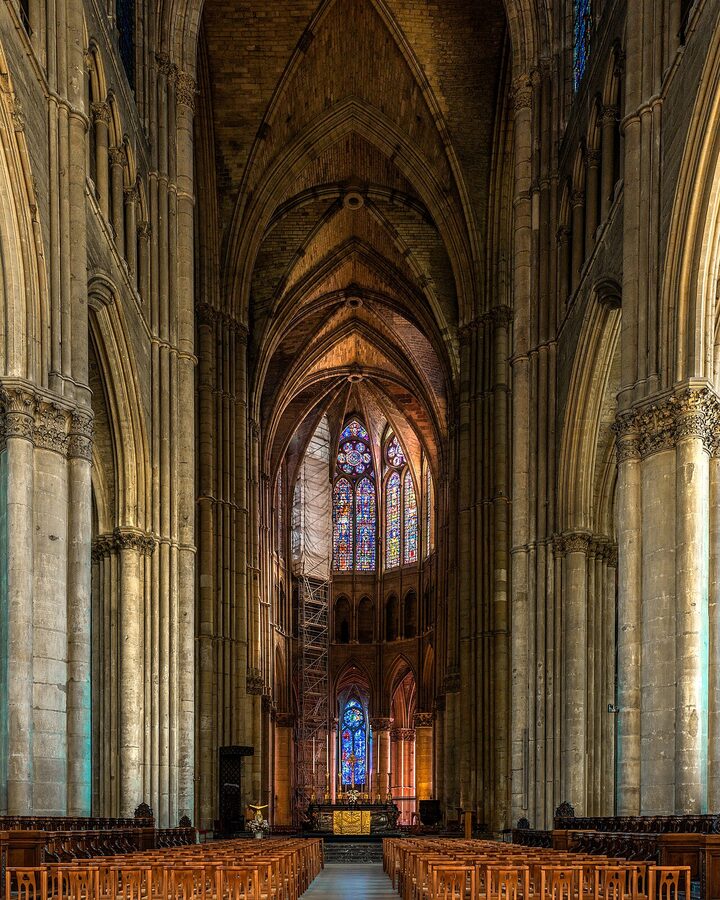
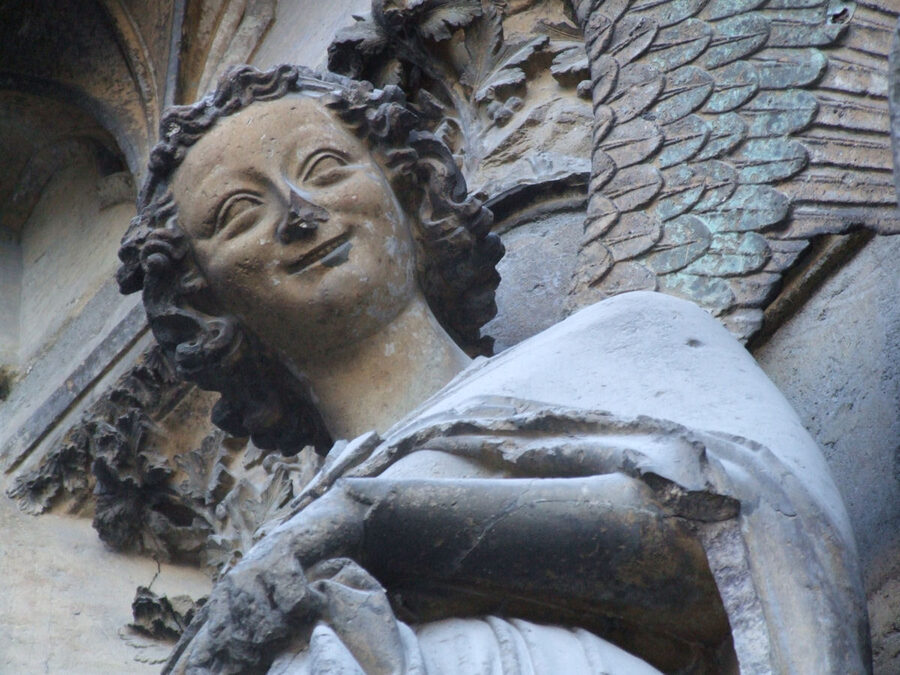
If you’re on a wine day trip, you’ll get 30 minutes here. Use them to do this loop: stand at the west door and look down the full length of the nave (the volume hits hardest from the entrance), walk the south aisle to the chevet at the east end, find the Chagall windows, then walk back along the north side to find the smiling angel statue tucked into the north portal of the west facade as you exit. That’s the most-photographed sculpture on the building.
The coronations: why this cathedral specifically
The short version: Clovis, the first king of the Franks, was baptised in Reims around 496 by Bishop Remigius. From that moment Reims became the symbolic place where French kings were anointed with oil from the Sainte Ampoule, a tradition that ran almost without interruption for 1,000 years. The cathedral you see today wasn’t built until 1211, but the coronation tradition was already 700 years old when construction started. Twenty-five French kings were crowned here including Louis VII, Philip II Augustus, Louis IX (Saint Louis), Charles V, Charles VII, Louis XIV, and finally Charles X in 1825.
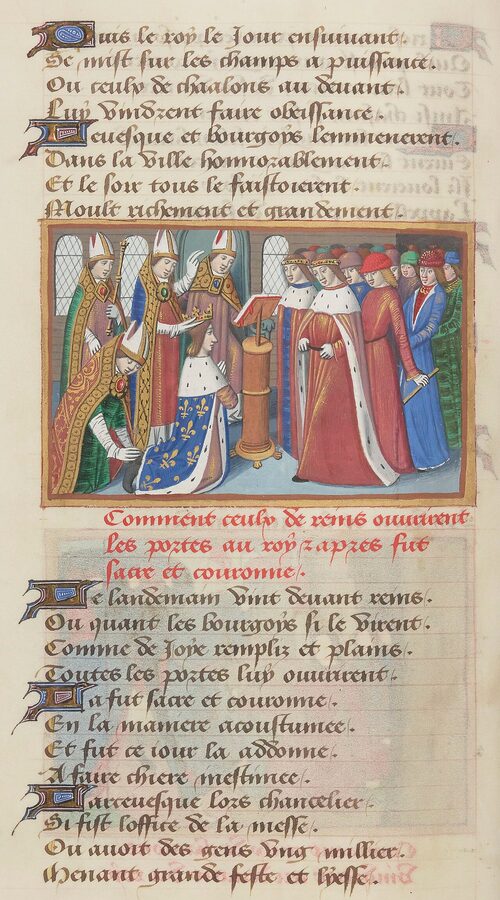
This is the same kind of accumulated political weight that Versailles carries (residence-of-power) and Les Invalides carries (burial-of-power), but Reims is the third leg of that triangle: it’s the place where French monarchy was made legitimate, by anointing rather than blood. That’s why even republican France still treats this cathedral as a national monument. It’s also why there are no fewer than six coronation paintings in the Louvre and three more in the Orsay.
Inside the cellars: what you actually see
This is the bit that makes the day. Every grande marque has cellars dug into the chalk, between 18 and 30 metres below ground. The chalk is a feature, not a bug. It holds humidity at around 95%, which keeps the corks from drying out, and it stays at 10 to 12 degrees year-round, which is exactly the temperature champagne wants for the second fermentation and the long aging that follows.
The Romans dug these caves originally as building-stone quarries, leaving giant pyramidal pits called crayères. The medieval and early-modern champagne houses bought them up cheap because they were already underground, already cool, and already big enough to store millions of bottles. Pommery, Ruinart, Taittinger and Veuve Clicquot all use the original crayères. UNESCO listed them as part of the same 2015 World Heritage designation that covers the Avenue de Champagne.
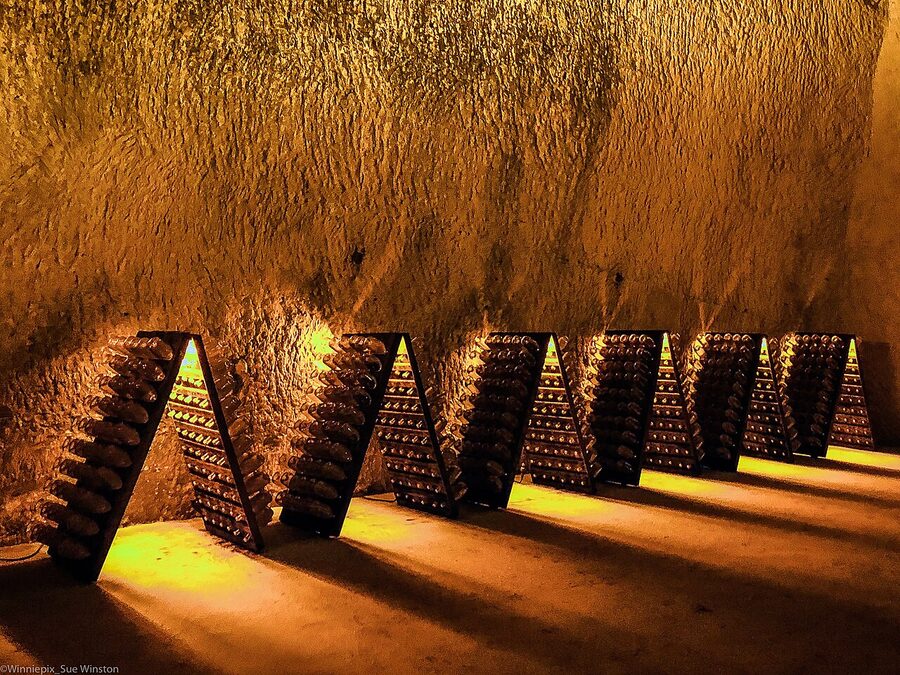
The walk-through is structured the same way at every house. You go down a long staircase or a small lift. The temperature drops fast. The guide stops you at three or four points along the route to explain what’s happening at each stage of production: the assemblage (blending), the second fermentation (in bottle), the riddling (those wooden racks), the aging (years on lees), the disgorgement (popping the frozen yeast plug), and the dosage (the final sugar addition). Then you walk back up to the tasting room.
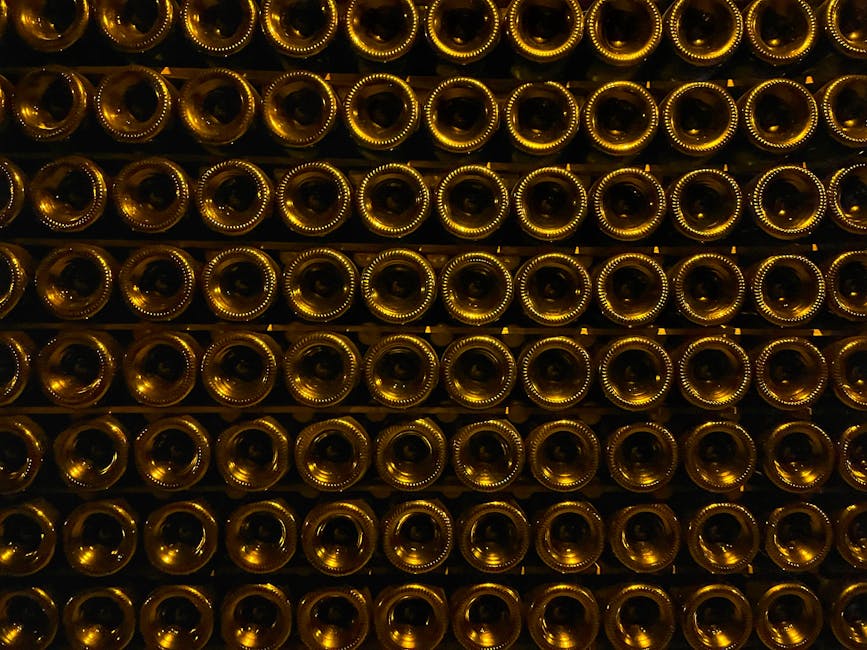
The Veuve Clicquot tour is particularly good on the riddling story because the technique was invented by the widow Clicquot herself in 1816. She was 39 and running the house alone after her husband’s death. Before her, champagne was always cloudy with sediment. She figured out that if you angled the bottles neck-down and turned them slightly each day, the dead yeast would slide along the inside of the bottle and collect at the cork. It took two years of tinkering to get the angles right. The riddling rack she invented is still in use, mostly unchanged, two centuries later.
The five sub-regions and why they taste different
The Champagne AOC is 33,500 hectares split across five distinct sub-regions. Most travellers don’t know this and end up tasting wines from all five during a day trip without realising they’re drinking five different terroirs. Quick map:
- Montagne de Reims: the wooded ridge south of Reims. Mostly Pinot Noir. Big-bodied, structured wines. Verzenay and Bouzy are famous villages here.
- Vallée de la Marne: the river valley running west from Épernay. Mostly Pinot Meunier. Fruity, approachable wines. Hautvillers (where Dom Pérignon was a monk) is here.
- Côte des Blancs: south of Épernay. Almost entirely Chardonnay on chalk. Crisp, mineral, classic Blanc de Blancs country.
- Côte de Sézanne: further south, also Chardonnay-dominant, slightly riper style.
- Aube: the southernmost outlier, near Troyes. Mostly Pinot Noir, often more rustic. The growers here lean younger and more experimental.
A typical day-trip will visit Reims (Montagne) in the morning and a Vallée de la Marne family producer in the afternoon. That’s two of five sub-regions. If you taste a Côte des Blancs cuvée at lunch you’ve covered three. The other two you’ll probably never reach on a single day from Paris.
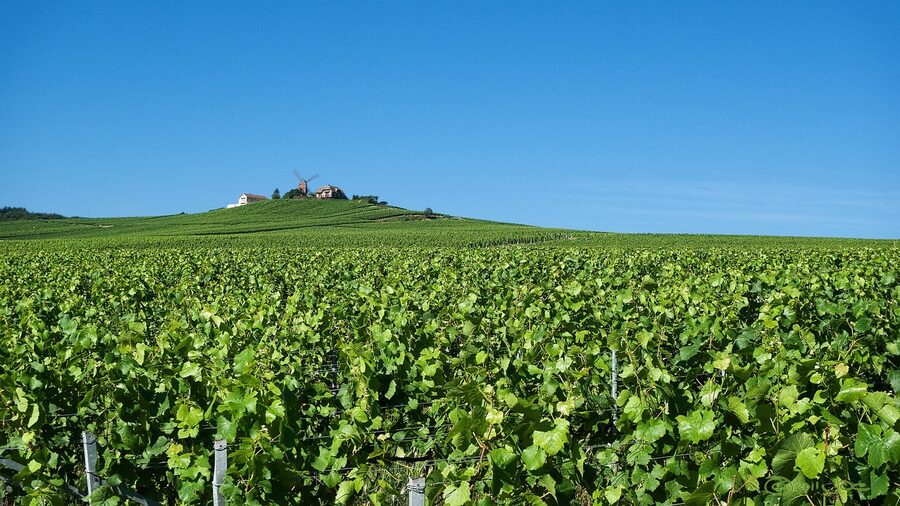
Hautvillers: the Dom Pérignon story
If your tour stops in Hautvillers, this is why. The hilltop village above Épernay has a Benedictine abbey where, in 1668, a young monk named Pierre Pérignon was appointed cellarer. He spent the next 47 years there, until his death in 1715, refining the local wines. The popular myth, mostly invented by the Moët marketing department in the 19th century, is that he “invented champagne” and exclaimed “Come quickly, I am tasting the stars!” upon his first sip of bubbly.
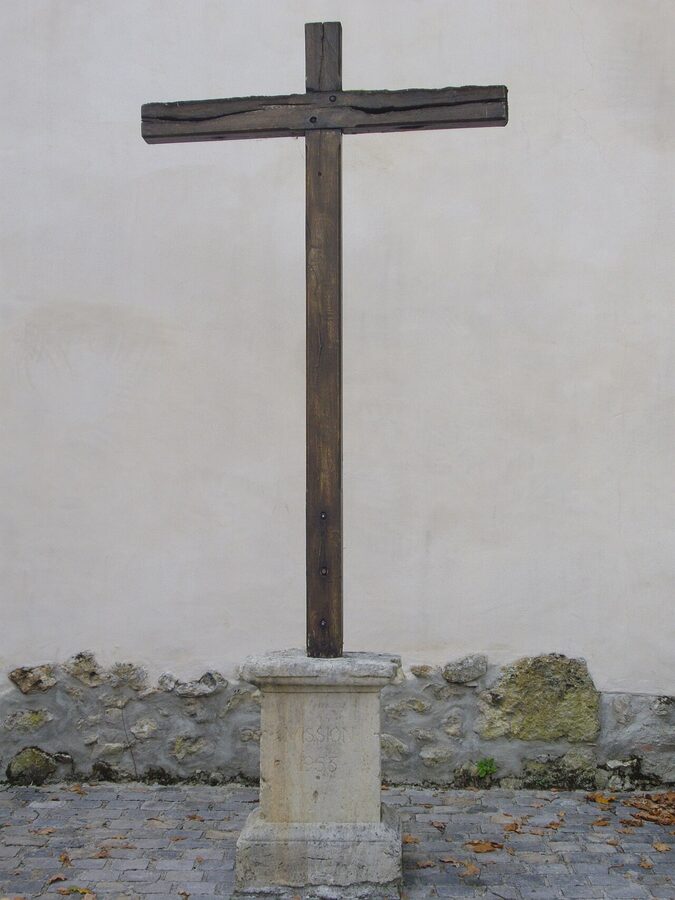
The truth is more interesting. Dom Pérignon spent his career trying to prevent his wines from going fizzy, because spontaneous second fermentation was considered a flaw at the time and the bottles often exploded in the cellar (cellar workers wore iron masks). What he actually invented was the modern champagne blend (the assemblage of multiple grape varieties from multiple villages) and the gentle pressing technique that lets you make white wine from black grapes. The fizz became fashionable later, mostly in the English court, and it took until the 19th century before the bottles were strong enough to safely contain it.
This is roughly the same kind of myth-versus-reality story you get with Leonardo’s flying machines in Florence: a real innovator with real achievements gets retroactively given credit for everything that happened in his field for the next two centuries. Dom Pérignon was important. He didn’t invent champagne.
Moët, Mercier, and what’s actually on the Avenue
The Avenue de Champagne is shorter than you’d expect, about a kilometre. The houses are mostly clustered between numbers 9 and 22. From the Épernay station it’s a 10-minute walk. Here’s what’s where:
- Moët & Chandon (number 20): the largest house by volume (about 28 million bottles a year). The cellars are 28 km long. Tours run hourly and the standard visit is around €30 with two-glass tasting.
- Mercier (number 70): a quirky, less-formal alternative. Their underground tour is on a small electric train, which sounds gimmicky but is actually fun and the cellar is huge. Around €19.
- Pol Roger (number 1): Churchill’s preferred house. Don’t expect drop-in tours; visits are by appointment and small.
- Perrier-Jouët (number 26-28): famous for the Belle Époque painted-anemone bottle. By appointment.
- De Castellane (number 57): known for the tower at the entrance and a small museum of riddling-rack and labelling artefacts. Around €15.
If the day trip drops you in Épernay for an hour and you want to maximise it, walk to Moët, take the photo of the Dom Pérignon statue out front, walk down to Mercier (10 minutes), and either tour Mercier’s electric-train cellar or just walk back along the Avenue and enjoy the buildings. Don’t try to fit two cellar tours into an hour.
Doing it yourself by TGV: the alternative plan
If you’re not booking a tour, here’s the self-organised version. The TGV from Paris-Est to Reims runs hourly, takes 1h25, and costs around €30 each way if booked a few days in advance (€60 walk-up). To Épernay it’s a two-hour journey via Reims and you usually have to change. It’s easier to do Reims one day, then drive or coach down to Épernay for a half-day.
For Reims-only: TGV at 9am gets you in at 10:25am. Walk 5 minutes to the cathedral, do the 90-minute cathedral tour, lunch on the Place Drouet d’Erlon, then a 2pm cellar visit at Pommery (the most spectacular crayères, around €30) and a 4pm tasting at a smaller producer like Lanson. TGV back at 6:30pm, in Paris by 7:55pm. You get a full Reims day for under €120 plus tasting fees.
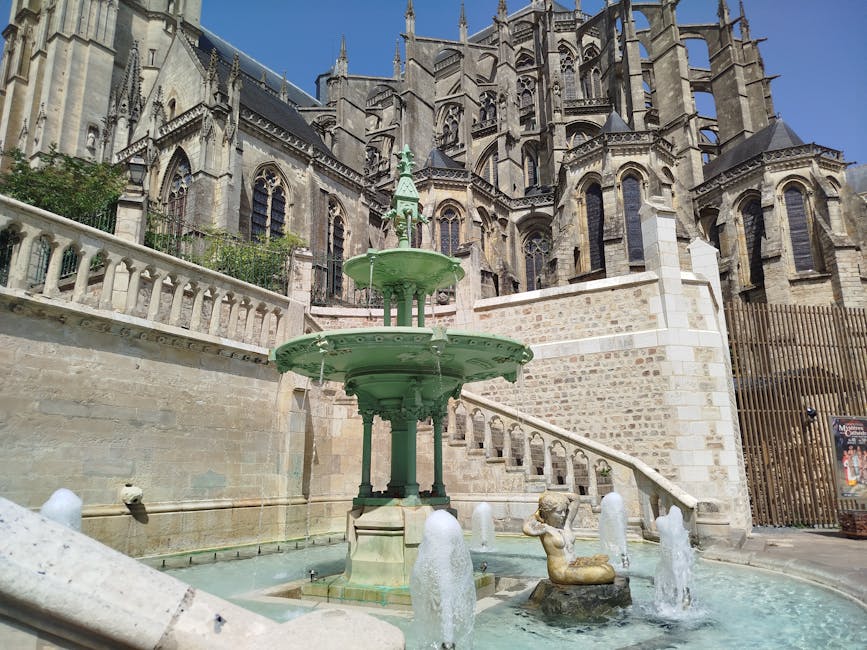
For Épernay-only it’s harder; the connection is less frequent. If wine is the only goal, just take a tour. Trying to coordinate two TGV legs and a cellar booking yourself in one day is exhausting and the savings are marginal.
Best months and the harvest
Champagne is at its best from mid-April to late October. The vines bud in April. They flower in June. The grapes ripen through July and August. Harvest, the vendange, is mid-September into early October. The exact start date is set by the Comité Champagne and announced two weeks before, varying by sub-region and grape.
If you can time your visit for harvest week, do. The vineyards are alive with pickers, the village squares smell like fermenting must, and the cellars are running their first pressings while you tour them. The downside: every winery is busy and tours can be harder to get on short notice.
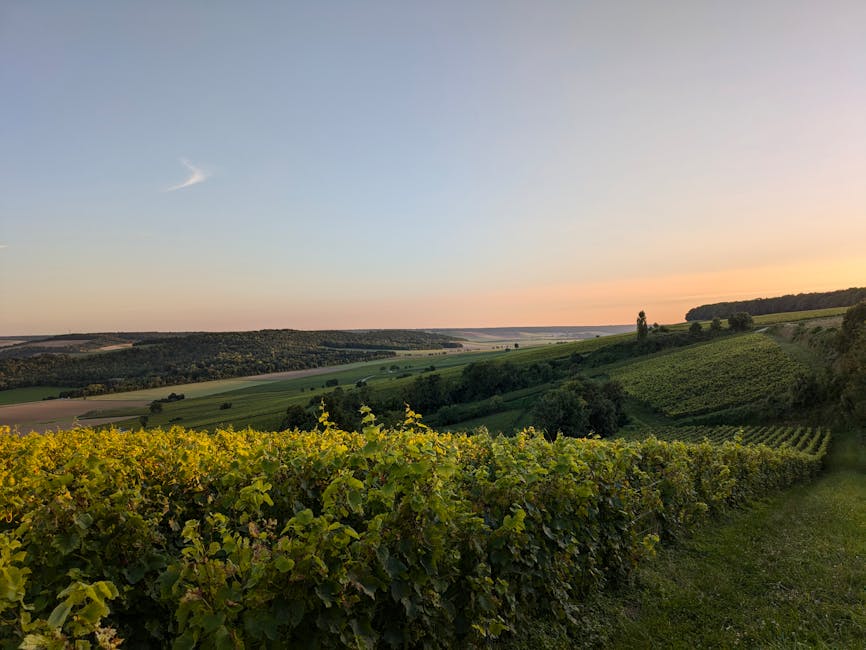
November to March, the vines are dormant and the landscape is grey. The cellar tours run year-round though, and the underground temperature is the same in February as in August, which is part of the appeal. If you’re already in Paris in winter, the day trip still works; you just don’t get the vineyard photo. The Christmas market in Reims (late November to late December) is a good reason to come in winter, with the cathedral lit at night.
What to bring back: the bottle question
You will buy a bottle. Possibly several. The day-trip tours all stop at one of the houses’ boutiques after the tasting; a Moët bottle will run €40-€50, a Pommery is €30-€45, a Veuve Clicquot Yellow Label is €45. Where it gets interesting is the vintage and prestige cuvées (Dom Pérignon, Cristal, Krug Grande Cuvée, Pol Roger Sir Winston Churchill), which are €150-€300 a bottle and very rarely cheaper than at home, despite what the boutique salesperson will tell you.
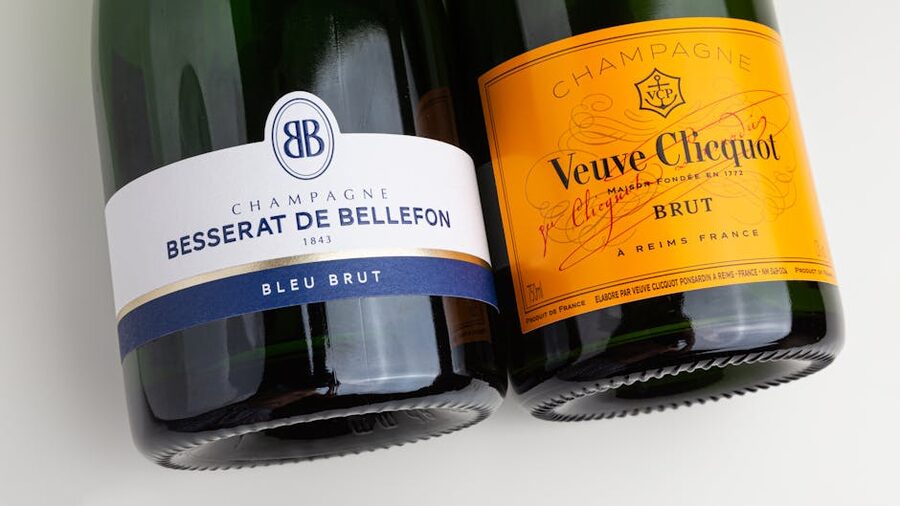
The right thing to buy at the boutique is something you can’t easily get at home: a small grower-producer’s bottle, often in the €25-€40 range, that’s not exported or barely exported. Ask the cellar staff specifically for “their grower-producer recommendation” or “a small house I won’t find at home”. They’ll know exactly what you mean and the bottle they pick will probably be more interesting than a third Veuve Clicquot Yellow Label.
Customs: EU travellers can take whatever they can carry in checked luggage. Non-EU (US, UK, etc.) travellers should know that 1 litre of wine per adult is the duty-free allowance for the US (UK is 4 litres), but enforcement at most major airports is light if you stay under five or six bottles and pack them well. Bubble wrap is your friend; the cellar boutiques will sell you padded bottle bags for €3-€5.
Practical: getting from Paris
- By TGV to Reims: 1h25 from Gare de l’Est, ~€30 advance, 8-12 services per day. The fastest option.
- By TGV to Épernay: 2h via Reims with a change, less frequent. Train direct to Épernay from Gare de l’Est runs but slower (TER, ~1h15 nominally, often 1h30+).
- By car to Reims: 1h45 via the A4 motorway. Tolls about €17 each way. A useful option if you want to combine Champagne with another stop.
- By bus tour: 2h via the A4. Door-to-door from a Paris meeting point, no logistics, but you’re on the tour’s schedule.
If you’re already planning a Loire Valley day from Paris or going on to Giverny, slot Champagne separately. The two regions are in opposite directions from Paris and trying to combine them in a single multi-day road trip stretches the schedule.
Champagne versus the other French wine regions
If you’ve already done a wine pilgrimage in France or you’re trying to choose, here’s how Champagne compares with the other major wine regions you might be debating.
Bordeaux is bigger, more sprawling, and more about chateaux. The wines are still and almost all red. The day-trip format from Paris doesn’t really work because Bordeaux is 3 hours by TGV; it’s a region you base in for two or three nights. The wineries are family-owned chateaux rather than industrial-scale houses.
Saint-Émilion, Bordeaux’s most famous sub-region, is the medieval-village version: a Unesco-listed limestone town with cellars dug into the hill underneath it. If you like the underground-cellar element of Champagne but want still wine in a smaller setting, this is the closest French equivalent.
La Cité du Vin in Bordeaux is the wine museum that pulls together all of France’s wine regions in one building, including Champagne. It’s a useful primer if you’ve never tasted seriously before, but it’s not a substitute for the actual region.
Outside France, the closest comparison is Spanish Cava country in Penedès (a day trip from Barcelona) which uses the same méthode champenoise on different grapes; Italian Franciacorta near Brescia; English sparkling in Sussex and Kent. None of them is allowed to use the word “champagne” on the label and most of them are 30-40% cheaper. The wines are good. The mystique isn’t the same. There’s also the parallel story of Jerez in Spain, which built an equally specific protected-name tradition around fortified wine (sherry); the cellar architecture and the family-house structure feel familiar if you’ve done both regions.
Why Champagne lives in the popular imagination
The drink is everywhere because it built itself a brand for two centuries. The houses funded the imagery. The Moulin Rouge opened in 1889 with champagne already as the in-house spectacle drink; champagne is the toast at every wedding, every New Year, every product launch. It’s the most successful regional luxury product in the world, and the houses have spent a century making sure of that.
What the day trip does is collapse the brand back into a place. You stand on chalk that’s been a quarry, a hospital, a wine cellar, a bomb shelter. The wines are made by the same six families that have run them for generations. The cathedral around the corner crowned 25 kings. It’s a small region with disproportionate weight, and even on a rushed day trip, you feel that.
Where to go after this
A Champagne day pairs naturally with a couple of other Paris-region day trips. If you want to keep going on the wine theme, Bordeaux is the obvious next region, with Saint-Émilion as the underground-cellar counterpart and La Cité du Vin as the explainer museum. If you’ve done the wine and want a Gothic-cathedral follow-up, the Loire Valley has its own architectural pilgrimage in Chambord and Chenonceau. For the painter angle that the Hautvillers monks accidentally inspired, Giverny is 90 minutes northwest. And back in Paris, a Seine river cruise at golden hour is the cheapest way to end a day where you’ve already drunk eight tastings of champagne. A Seine dinner cruise the same evening is the right end if you’ve still got room for one more glass.