Berlin is enormous. The city is roughly nine times the area of Paris by city limits, and the standard hop-on-hop-off loop covers a sliver of it: Mitte, Tiergarten, Kurfürstendamm. Kreuzberg, Friedrichshain, the East Side Gallery, Neukölln, Prenzlauer Berg, the post-1989 neighbourhoods that make Berlin actually Berlin, the bus skips them all.
So the question isn’t really “is this bus worth it.” The question is “what is this bus actually for in a city this size, and when does it earn its $22 to $30.” The real answer: a Mitte-and-government-district orientation for first-time visitors who haven’t worked out the U-Bahn yet, especially if it’s 32°C in July and the walk from the Brandenburg Gate to the Hauptbahnhof is suddenly four times further than it looked on the map.
In a Hurry?
- Best overall (red bus, English live guide): Berlin Hop-On Hop-Off with Live Commentary ($22). The flagship, by review count, and the only one with a real human guide.
- Cheapest 24-hour: City Sightseeing Hop-On Hop-Off ($25). Basic audio loop, City Sightseeing red brand, fine if you only want to ride the bus once.
- Boat combo: Hop-On Hop-Off Bus + Boat ($30). The bus does Mitte and the boat does the Spree, which is the better way to see the East Side Gallery anyway.
The Berlin problem most HOHO articles pretend doesn’t exist
Berlin sits at 891 km². Paris is 105 km². Madrid is 605. Rome is 1,287, but the actual touristed core of Rome is the dense old city plus the Vatican, which adds up to roughly the area of Berlin’s Mitte alone. So when you look at the loop maps for the three big Berlin operators, Big Bus, City Sightseeing, Berlin City Tour, what you’re seeing is not a tour of Berlin. You’re seeing a tour of the western half of central Mitte plus the Tiergarten plus the Kurfürstendamm shopping strip.
That’s the structural truth. Now look at what the loop misses. Kreuzberg, the Turkish-German neighbourhood with the actual food. Friedrichshain, where the East Side Gallery is. Neukölln, where the cheap rent and the artist studios were until five years ago. Prenzlauer Berg, the post-reunification gentrification belt with the Mauerpark Sunday flea market. None of these places appear on a standard HOHO route. You will spend four hours circling Mitte and Charlottenburg and you will not see any of the Berlin that people who actually live in Berlin would tell you to look at.
So if you came to Berlin to see the East Side Gallery and eat döner in Kreuzberg, the bus is the wrong tool. The right tool is the BVG day pass for around €10 and a pair of comfortable shoes. The U-Bahn covers everything the bus covers and everything the bus skips, and the trip from Alexanderplatz to Görlitzer Bahnhof in Kreuzberg is twelve minutes on the U1.
The bus does have its narrow scenarios where it’s the right answer. Two of them, really. First, you’ve just landed, you’re tired, it’s hot, and you want a structural overview of Mitte before you commit to any single museum or memorial. Second, you have mobility limits and the U-Bahn’s stair-only stations are not workable. In both of those cases the bus pays its way. Outside those cases, the bus is a confused product, and most travellers who buy it because they bought one in Rome or Paris walk away thinking the bus didn’t deliver. It didn’t deliver because it’s the wrong shape for Berlin.
What the loop actually covers (and what it skips)
Every Berlin HOHO route is essentially the same: 14 to 16 stops, about 90 minutes per full circuit, running from roughly 10:00 to 18:00 in summer with reduced winter hours. Big Bus, City Sightseeing, Berlin City Tour all run nearly identical routes through identical stops because the operators all know which monuments tourists will pay to see from a top deck.
Here’s the typical stop list, in clockwise loop order:
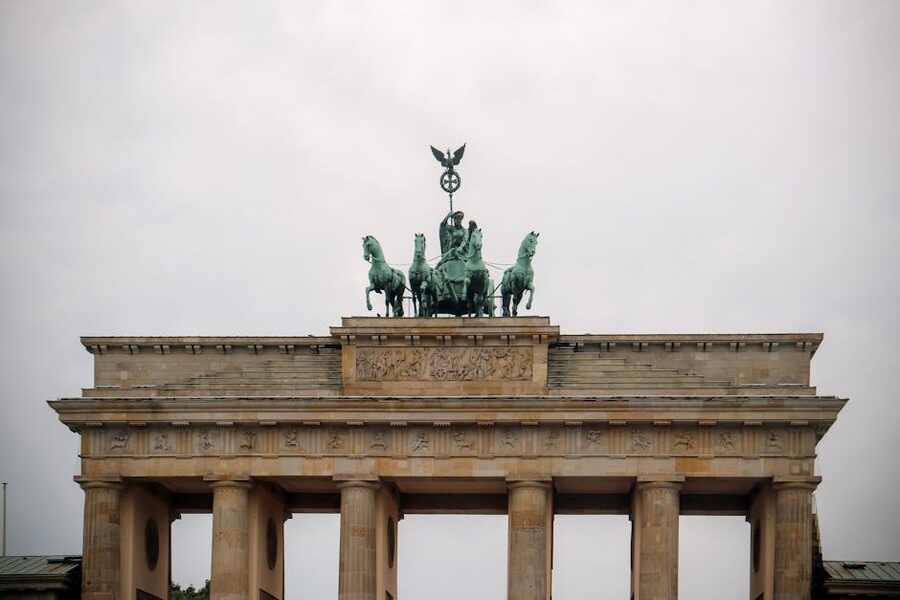
- Brandenburger Tor
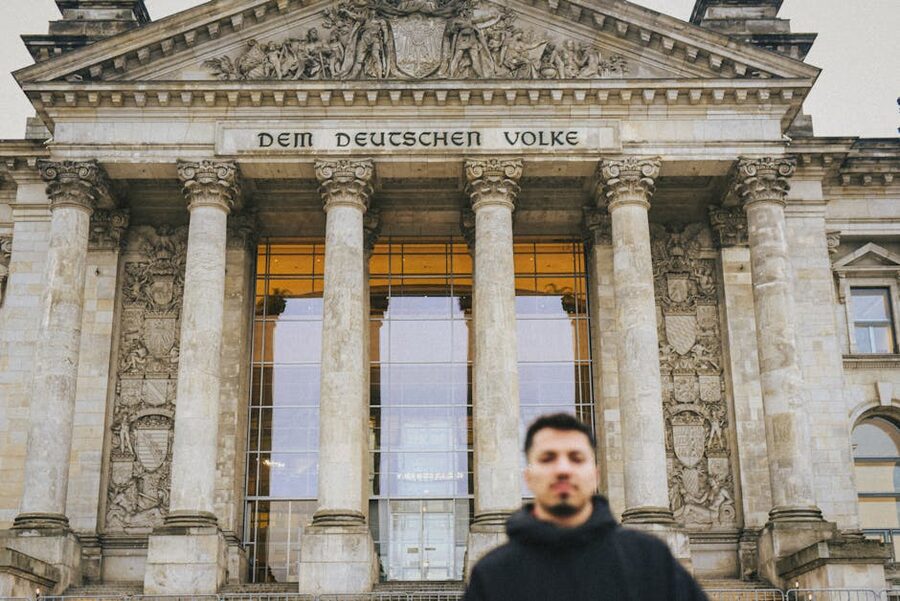
- Reichstag and the government district
- Hauptbahnhof (the main station)
- Tiergarten / Siegessäule (the Victory Column)
- Bahnhof Zoo
- Kurfürstendamm and the Kaiser Wilhelm Memorial Church
- Charlottenburg Palace (sometimes a longer version of the loop)
- Potsdamer Platz
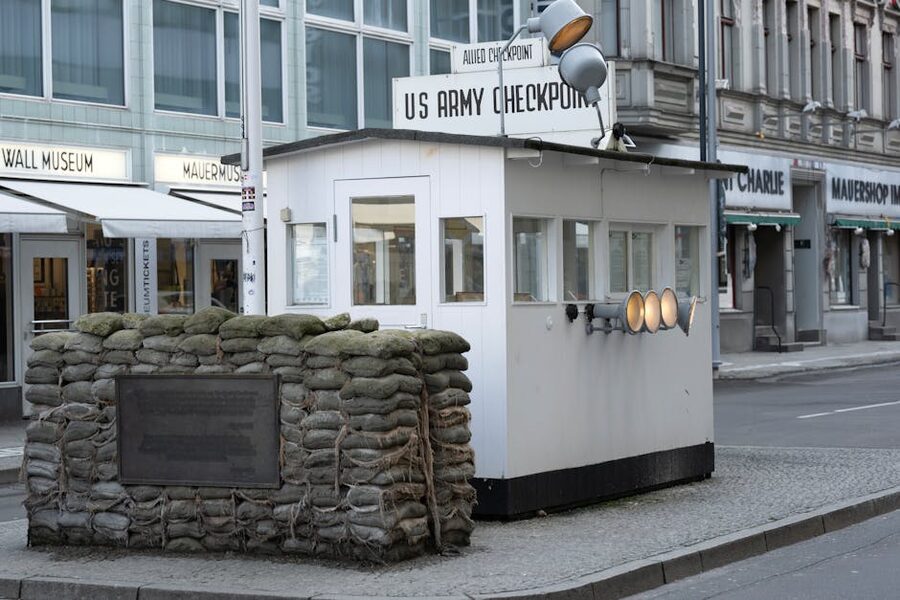
- Checkpoint Charlie
- Gendarmenmarkt
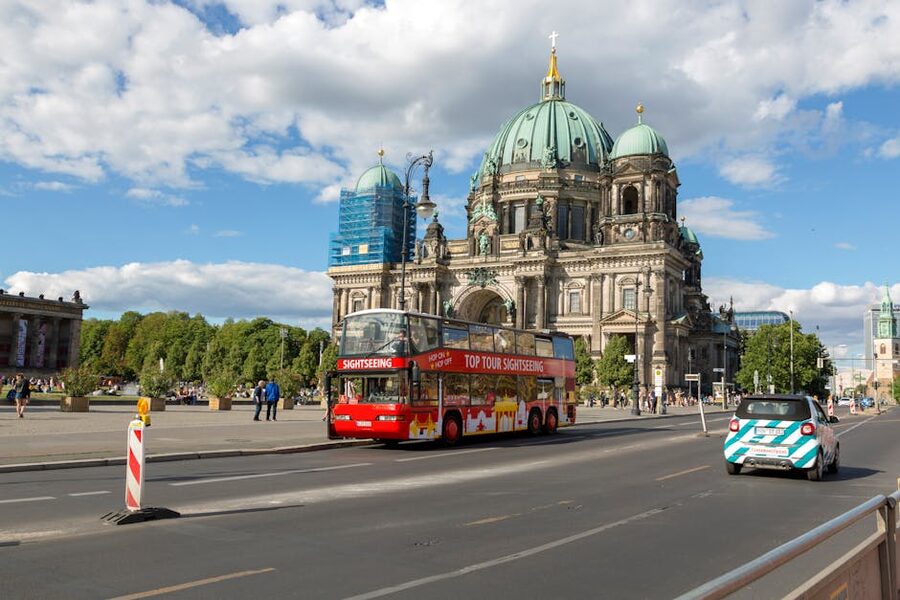
- Berliner Dom and Museum Island
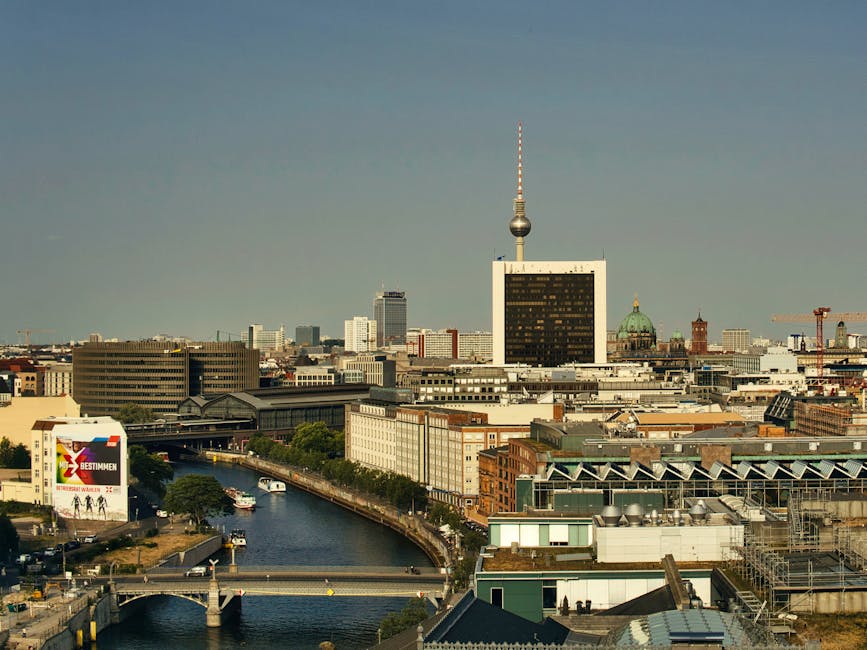
- Alexanderplatz and the Fernsehturm
- Hackescher Markt
What’s missing? The East Side Gallery. Kreuzberg’s Bergmannkiez and Görlitzer Park. Neukölln’s Sonnenallee. The Mauerpark in Prenzlauer Berg. The Holocaust Memorial gets a drive-by from a few blocks away but no proper stop. Sachsenhausen, the concentration-camp memorial 35 km north of the city, is a separate train trip, never on a HOHO loop. The Berlin Story Bunker at Anhalter Bahnhof is technically near Potsdamer Platz, walkable, but the bus doesn’t market it.
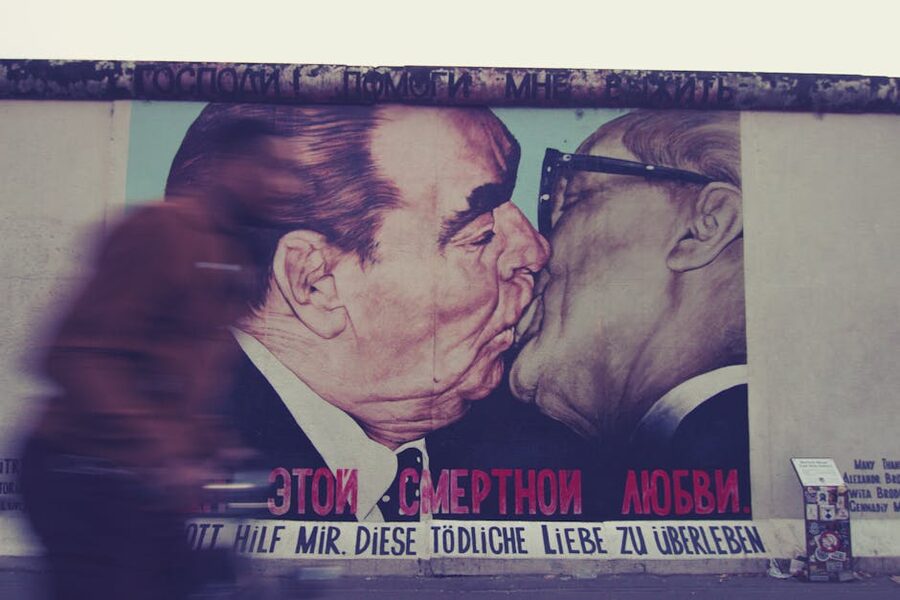
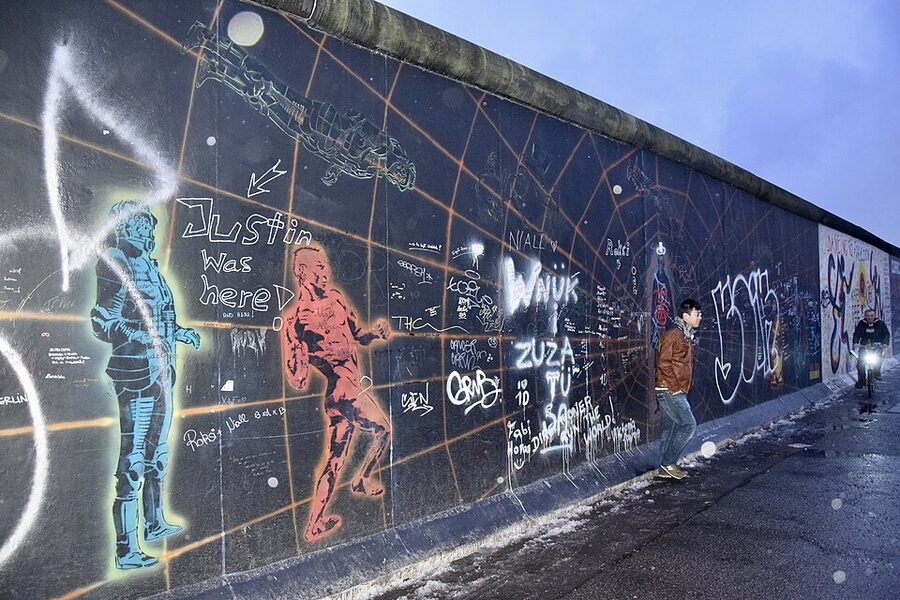
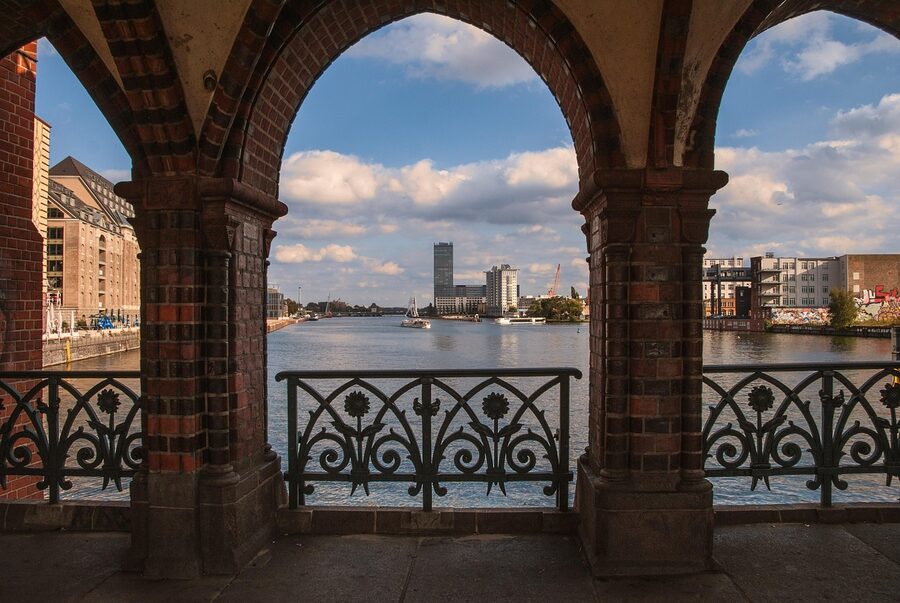
The East Side Gallery is the single most important omission. It’s 1.3 km of preserved Berlin Wall painted in 1990 by 118 artists from 21 countries, including the Brezhnev-Honecker kiss painting that everyone has seen on a postcard. It’s free, it’s outdoors, it’s the only intact long stretch of the Wall left in the city, and it sits directly on the Spree riverside in Friedrichshain. The bus doesn’t go there. The Spree boat does, and the boat is also $20 to $25, runs every 30 minutes from Friedrichstrasse, and gives you a far better view of the Wall art than you’d ever get from a top deck. If you’re considering the bus mainly to see the Wall, take a Spree boat tour instead and save the bus fare.
Where the bus does earn its place: the government district
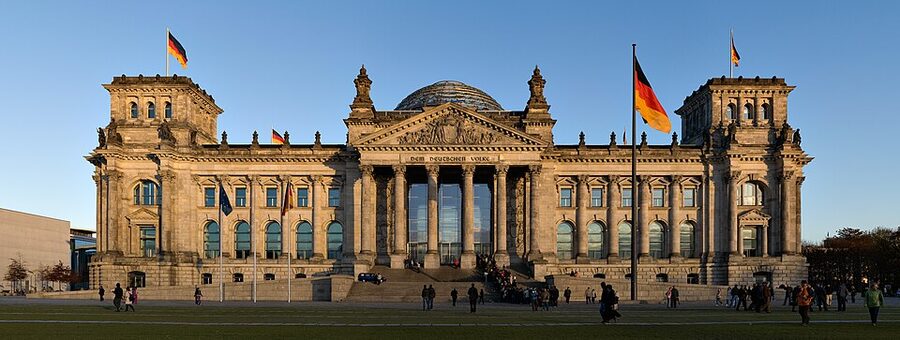
The one stretch where the bus is genuinely the right tool is the government walking corridor, which runs roughly from Brandenburger Tor north to the Reichstag, west along the Spree past the Chancellery (the Bundeskanzleramt) and the Paul-Löbe-Haus, ending at the Hauptbahnhof. It’s about a kilometre and a half on foot. In April or October it’s a beautiful walk, plane trees, the Spree on your left, modern parliamentary architecture on your right. In July at 32°C with no shade and your hotel a 40-minute walk in the wrong direction, it’s miserable.
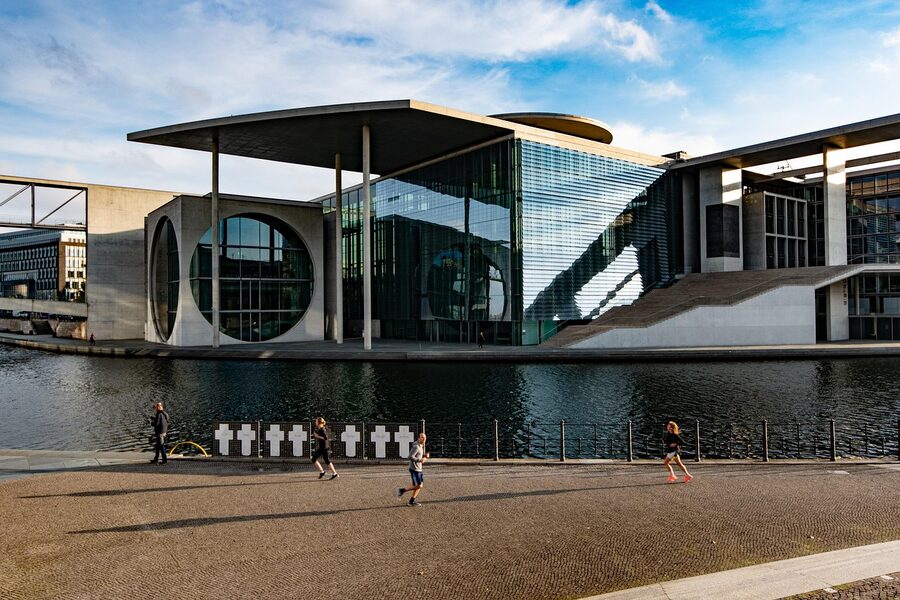
This is where the bus pays for itself. You get on at Brandenburger Tor, ride two stops, get off at Hauptbahnhof, and you’ve covered the same ground in eight minutes from an air-conditioned top deck with a guide telling you that the Chancellery’s nickname is “the washing machine” because of its giant round portholes. If you’re already booked into the Reichstag dome (which you should be, it’s free, it’s Norman Foster’s spiral, it’s one of the best things to do in Berlin and you’ll need to register at least five days ahead), then doing the bus loop in the same morning is genuinely efficient.
This corridor is the bus’s strongest case. It’s a stretch of the city designed to be looked at, the buildings are all post-1990 and consciously theatrical, and walking it in the heat is a real ordeal. Outside this stretch, the bus is competing with a U-Bahn that’s faster, an S-Bahn that’s prettier, a Spree boat that has better views, and your own legs.
Operator differences (which red bus is which)
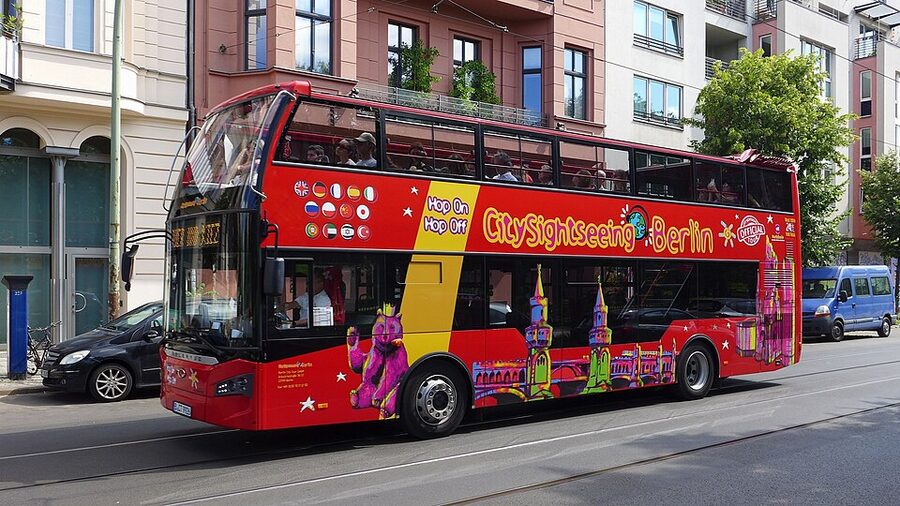
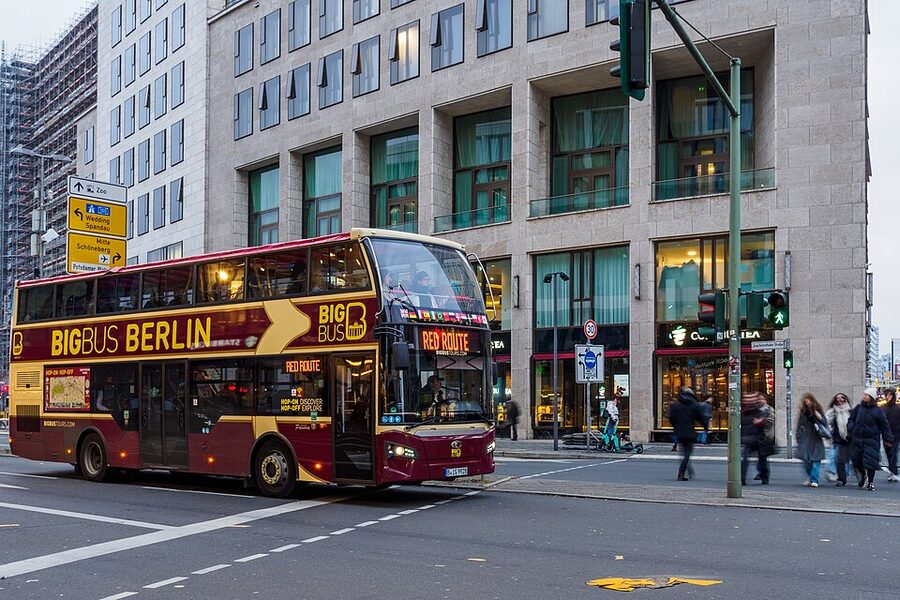
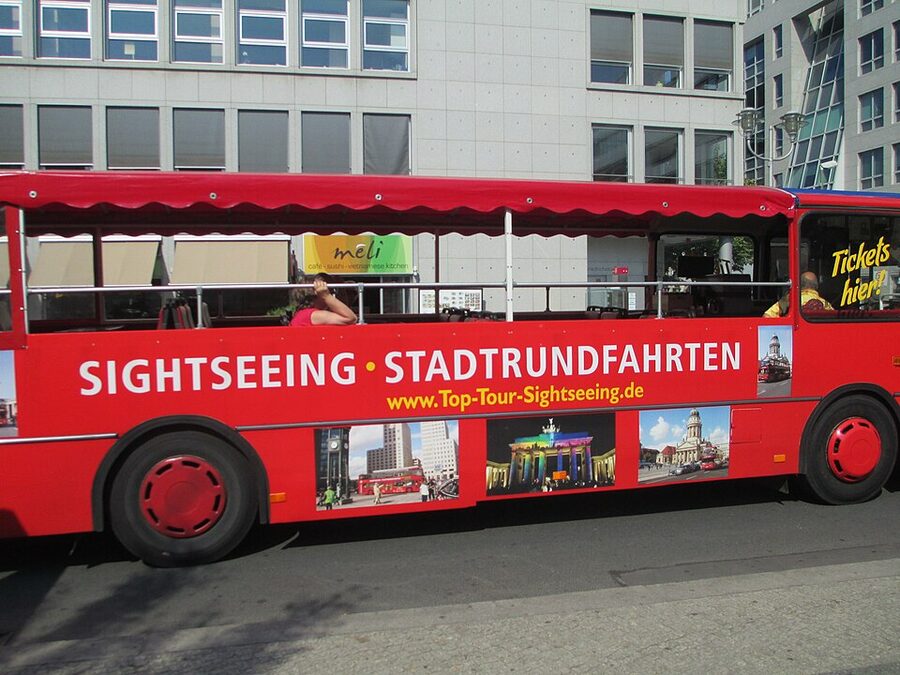
There are basically three operators running real HOHO loops in Berlin. Big Bus runs blue and red double-deckers and is the global brand most travellers know. City Sightseeing runs the iconic red City Sightseeing-livery buses you’ve seen everywhere from Barcelona to Seville. Berlin City Tour runs yellow buses and is the local independent. The routes overlap heavily but not completely.
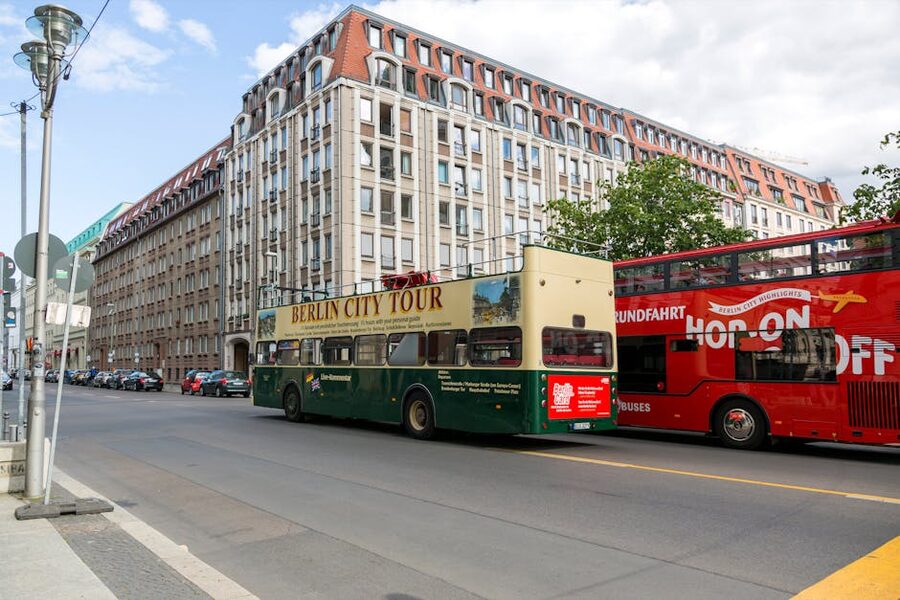
The single biggest practical difference: live commentary versus recorded audio. Some routes still have a real guide standing at the front of the top deck, mic in hand, telling you that the Sony Center on Potsdamer Platz was designed by the same architect who did the Petronas Towers in Kuala Lumpur, and that the spot where you’re sitting was a death strip until 1989. Others have only recorded audio in eight languages, plugged in via headphones at your seat. The live-guide product is materially better. It’s also harder to find. The flagship $22 product on GetYourGuide is the only one we’d actively flag as having a guide.
The recorded audio is fine. It does its job. But it’s the same kind of bored, patient, over-rehearsed delivery you’ve heard on a HOHO in Milan or Naples, and it doesn’t give you anything you couldn’t get from a Wikipedia tab. The live guide gives you Berlin: the dry humour, the casual references to the wall, the moment where they point out the granite-and-cobblestone strip set into the pavement that traces where the Wall actually ran. That’s worth $4 over the cheaper option, in our reading.
Tickets: 24-hour vs 48-hour vs Combo
The pricing tiers are roughly stable across operators. The 24-hour ticket runs $22 to $30 depending on operator and on whether the booking goes direct or through GetYourGuide or Viator. The 48-hour ticket adds about $10 to that. The bus + boat combo is typically $30 to $45 and is the genuinely interesting one to think about.
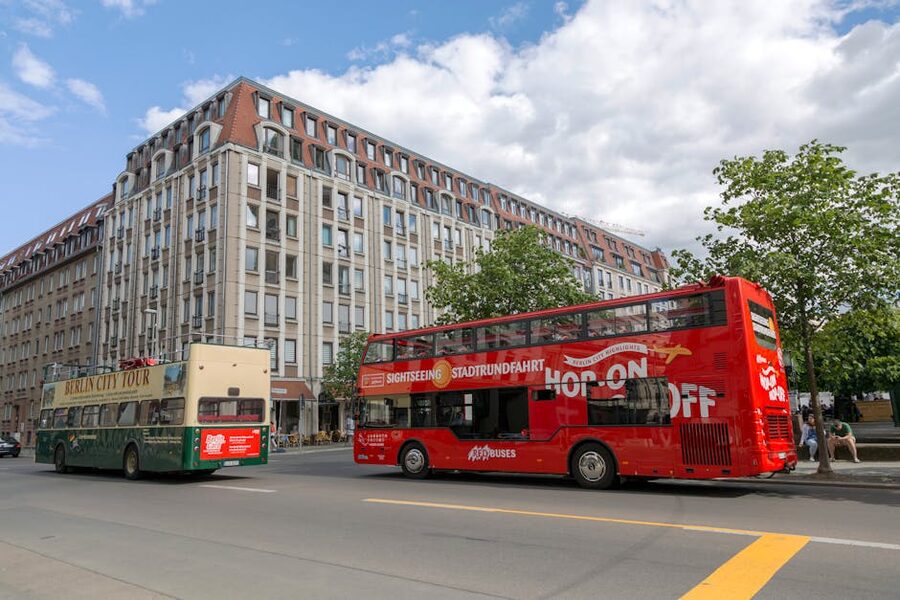
The 24-hour pass is the right buy if you’re only going to ride the bus once or twice and you treat it as a single guided overview ride rather than a transport pass. Get on at Brandenburger Tor at 11:00, ride the loop without getting off, get back at 12:30, and you’ve done what the bus is actually best at: orientation. Total cost: $22 to $25.
The 48-hour pass only makes sense if you’re spending two full days using the bus as transport between sites in Mitte. Most travellers don’t. The U-Bahn is faster, runs every 5 minutes, and costs €3.80 for a 2-hour day pass or €10 for a 24-hour AB-zone pass. If you’ve bought the Berlin WelcomeCard, BVG transit is included anyway, which makes the 48-hour HOHO ticket a duplicate spend for transport you already have.
The bus + boat combo is the most defensible upsell. The boat covers the East Side Gallery from the water, which the bus can’t do, and the Mitte stretch of the Spree threads behind the Reichstag and past Museum Island. You’re getting two non-overlapping orientation loops for $30 to $45 total. If you only buy one HOHO product in Berlin, the combo is the strongest case.
Three tours that actually deliver in Berlin
Three operators carry the load on the platforms. The differences between them are smaller than the marketing suggests. We’d push first-time bookers towards the live-commentary product, second-time bookers towards the boat combo, and budget travellers towards the basic 24-hour City Sightseeing.
1. Berlin Hop-On Hop-Off Bus Tour with Live Commentary: $22
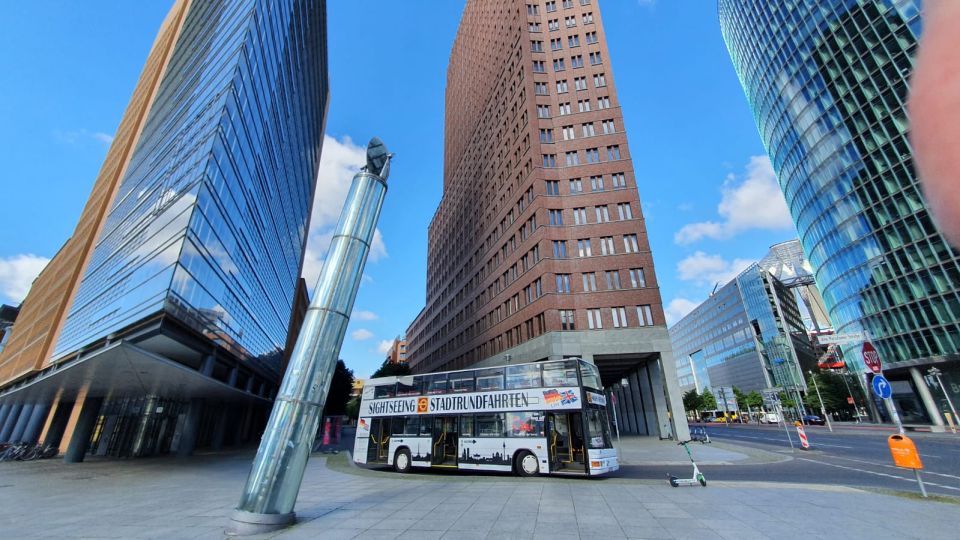
This is the highest-reviewed Berlin HOHO product on the platforms and the only one we’d actively recommend if you can find a departure with a real human guide rather than headphones. Our full review covers which morning departures are most likely to get the live English guide. At this price it’s the cleanest bus-orientation option in the city.
2. Berlin City Sightseeing Hop-On Hop-Off: $25
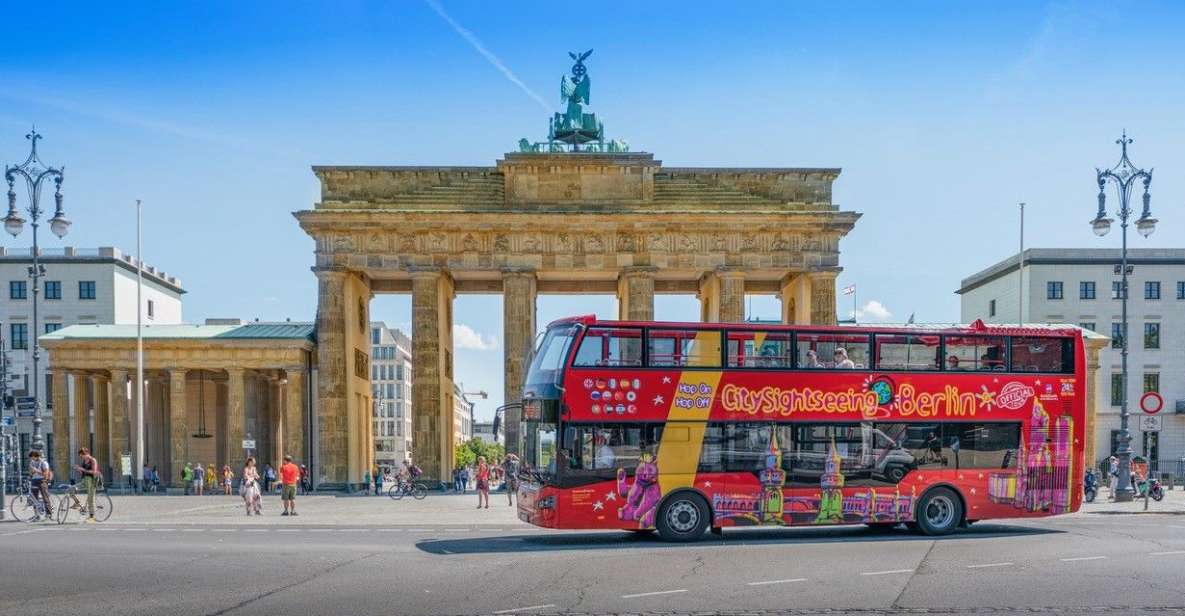
The classic red City Sightseeing product, with the same recorded-audio formula you’ll have heard in fifteen other European cities. Our review of the City Sightseeing 24h ticket notes the strong app for tracking buses in real time. Pick this one if the live-commentary version is sold out or you want both classic and East Berlin loops.
3. Berlin Hop-On Hop-Off + Boat Combo: $30
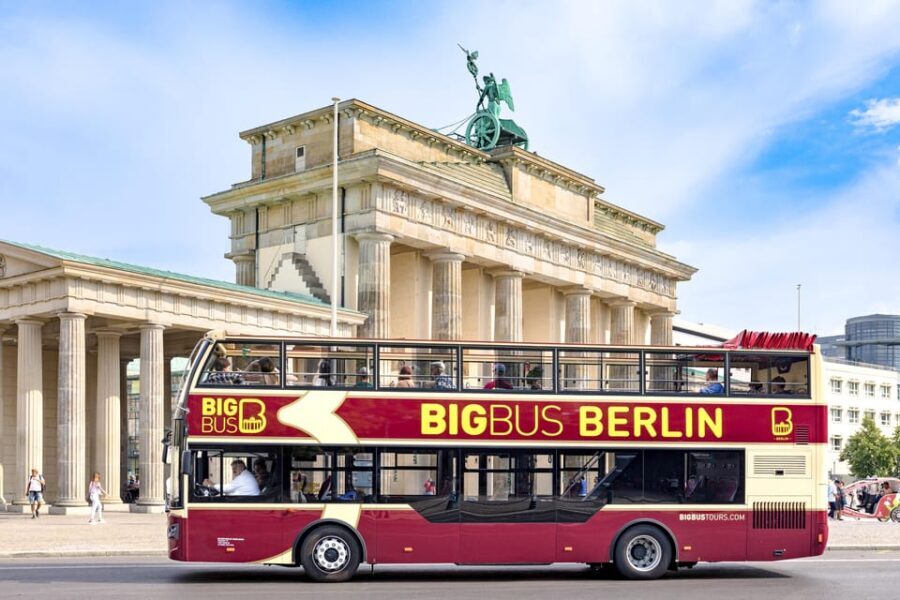
Our pick if you can only afford one product, because the Spree section gives you the East Side Gallery and Museum Island from the water, which is the angle the bus loop completely misses. Our combo review walks through which boat operator partners with the bus ticket and where the Spree pickup is. At this price it’s twice the orientation for not much more money.
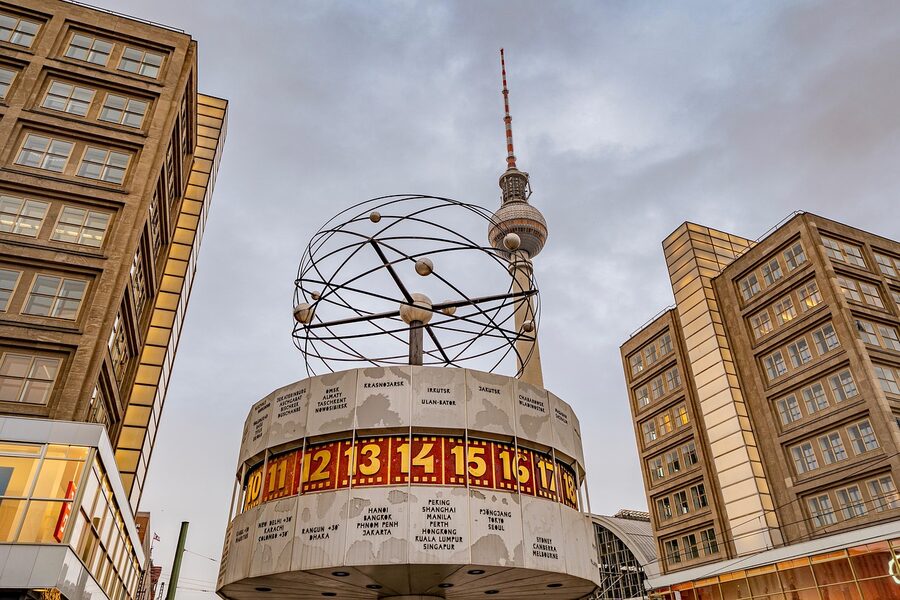
The U-Bahn is the better tool for everything else
Here’s the practical comparison no HOHO blog wants to write. Berlin’s BVG transit network (U-Bahn, S-Bahn, Tram, Bus) is one of the best in Europe. Trains run every 5 minutes during the day, until midnight on weekdays and 24 hours on weekends. The U-Bahn alone has 173 stations across 10 lines covering 155 km. A 24-hour AB-zone day pass costs about €10. A weekly 7-day pass is €43.
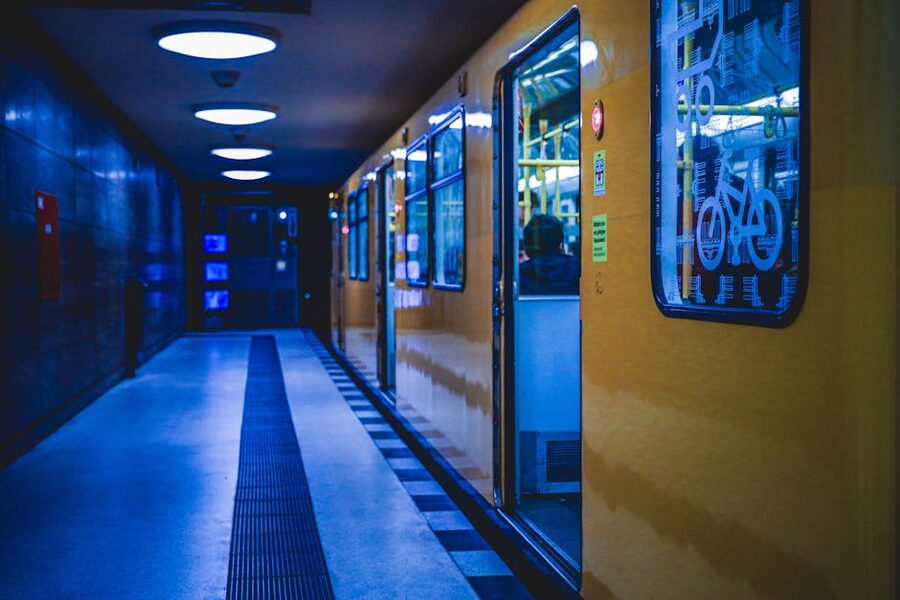
That €10 day pass takes you from Mitte to Kreuzberg in 12 minutes. From Brandenburger Tor to the East Side Gallery in 18. From Alexanderplatz to Prenzlauer Berg in 7. The HOHO bus, by contrast, takes 90 minutes for one full loop and goes nowhere near any of these places. The price difference is real: the BVG pass is half the price of a single HOHO ticket, and it’s good for trams, buses, and the S-Bahn out to Potsdam if you want a day trip.
The catch with the U-Bahn is the stairs. Berlin’s older stations, particularly on the U1, U2, and U6, have stair-only access. If you’ve got a heavy suitcase, a stroller, or any kind of mobility limit, this is a real problem. The newer stations on the U5 (Hauptbahnhof, Bundestag, Brandenburger Tor, Unter den Linden, Museumsinsel) all have lifts, but the older stations don’t, and the elevators that do exist are sometimes broken. This is one of the genuine cases where the bus is the right answer over the U-Bahn.
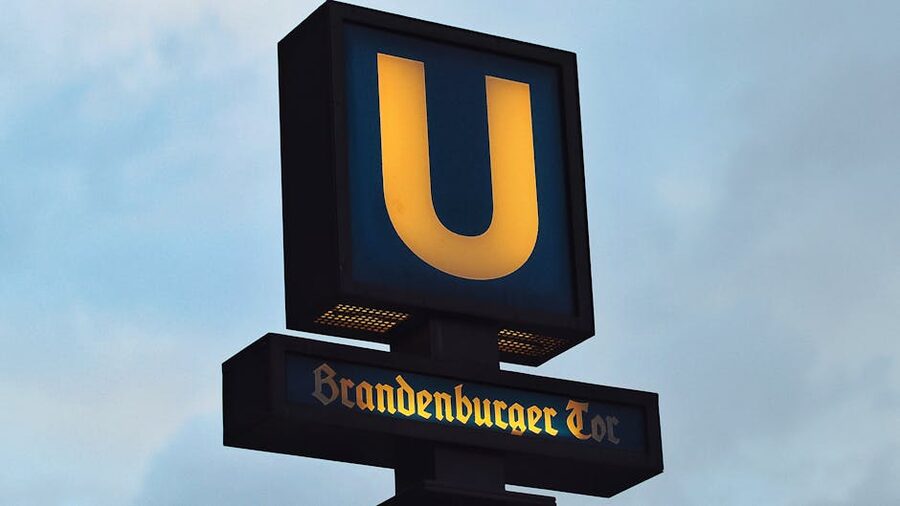
The other catch: the U-Bahn doesn’t tell you what you’re looking at. The HOHO does. So if you want a guided overview of the city’s history before you start walking it on your own, the bus has a role. If you already know roughly what you want to see and you just need to get there, the U-Bahn wins on every metric.
Three places where the bus genuinely pays off
We’ve been hard on the bus through this article, so let’s name the specific stretches where it’s the right call.
Brandenburger Tor → Reichstag → Hauptbahnhof. Already covered above. The government corridor is the bus’s strongest case. In summer heat, walking it is a real chore. The bus does it in 8 minutes. If you’re booked into the Reichstag dome in the morning, ride the loop straight after.
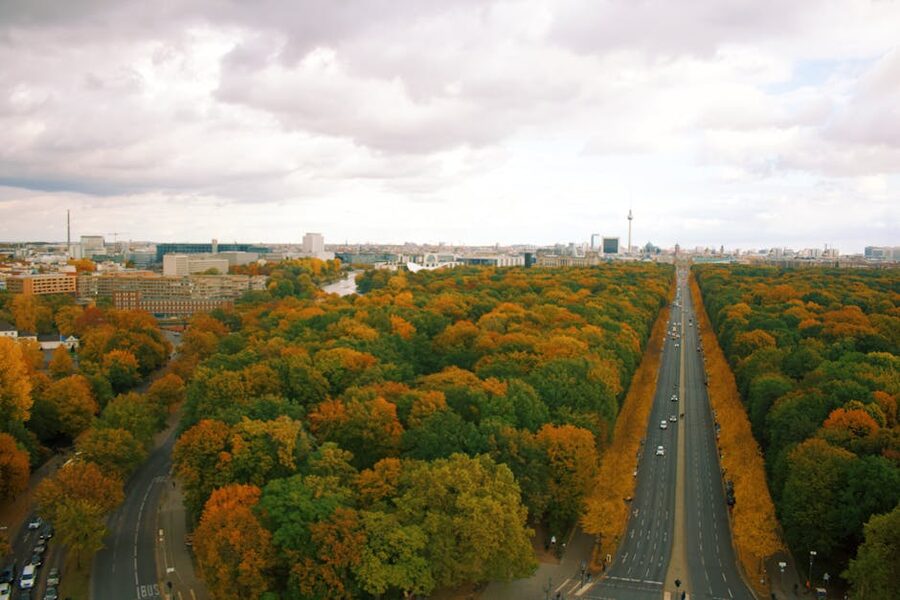
Tiergarten → Siegessäule → Charlottenburg. The Tiergarten is the big central park, and the long stretch west to Charlottenburg Palace is one of the prettiest urban-park-and-grand-avenue rides in Europe in autumn. From a top deck in October, with the chestnuts turning, this is a genuinely great 25 minutes. The Siegessäule (Victory Column) is the marble pillar in the middle of the park, and you’ll get a circular view of it from above as the bus rounds it. The walk version is over 5 km. The bus is doing real work here.
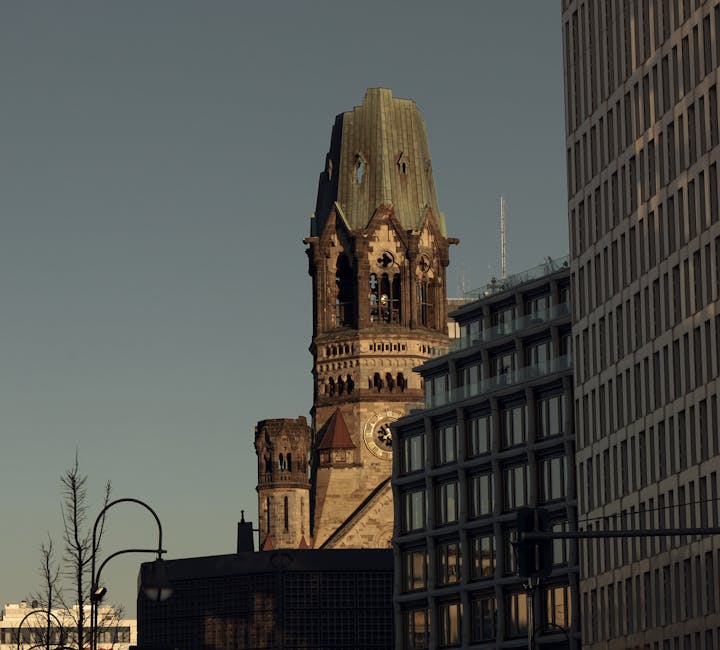
Bahnhof Zoo → Kurfürstendamm → Kaiser Wilhelm Memorial Church. The Ku’damm is the West Berlin shopping strip, and from the bus’s top deck you’ll see the broken tower of the Kaiser Wilhelm Memorial Church (the Gedächtniskirche) which was bombed in 1943 and intentionally left half-ruined as a war memorial. The walk is fine but unremarkable. The view from the top of the bus is the view of West Berlin’s commercial spine, and that’s a genuine angle on the city the U-Bahn (which runs underground here) can’t give you.
Outside these three stretches, the bus is mostly redundant. The U-Bahn covers the rest faster, the Spree boat covers the rest more atmospherically, and walking covers the rest at the pace Berlin actually rewards.
What about the night tour?
A few operators run an evening HOHO loop, typically a separate $20 to $25 product, departing around 19:30 and running until about 22:00. The night version is, in most ways, better than the day loop. Crowds are thinner, the buildings are illuminated, and the Reichstag dome at dusk is genuinely beautiful. The catch is that several of the standard daytime stops (Charlottenburg Palace, the Tiergarten interior) don’t lend themselves to a night ride, so the night route is shorter and more focused on Mitte’s monuments.
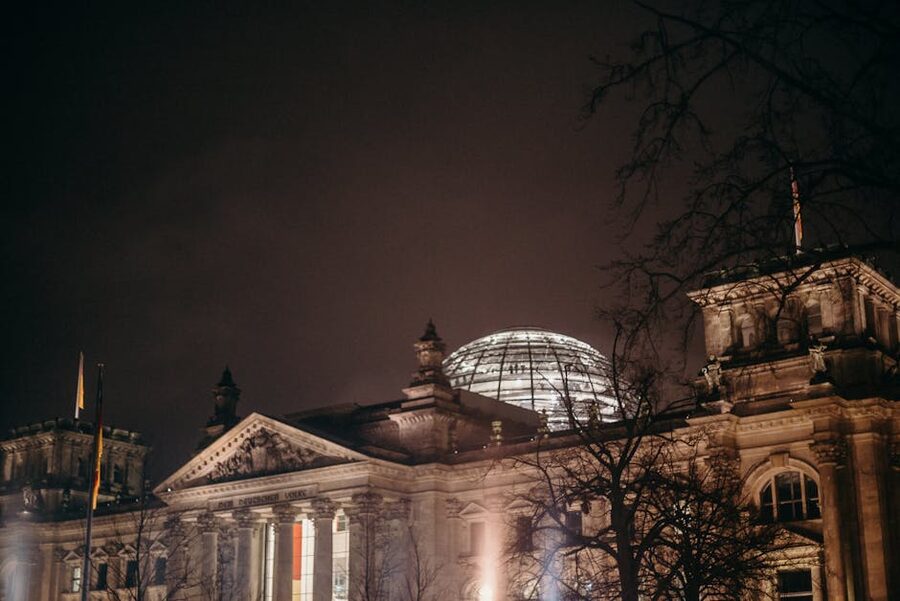
If you can only do one HOHO product and you’ve got the energy for an evening ride, the night loop is the more atmospheric choice. The Reichstag, the Brandenburger Tor, the Berliner Dom, the Fernsehturm at the far end of Karl-Liebknecht-Strasse: all four read better at night than in flat afternoon light. That said, you can also walk this same circuit for free, and it’s only about 4 km end-to-end.
Things HOHO buses can’t help with
Some of the most important Berlin experiences sit completely outside the HOHO orbit. Knowing which is which saves you the disappointment of buying the bus pass and then realising you needed something else entirely.
The actual Wall. The HOHO loop touches the Wall at Checkpoint Charlie (a tourist trap with a fake guard post and a McDonald’s), and that’s it. To see the Wall properly you want the East Side Gallery in Friedrichshain and the Berlin Wall Memorial at Bernauer Strasse, which has a preserved death strip and watchtower. Neither is on the bus. The Bernauer Strasse Memorial is on the U8 / S-Bahn at Nordbahnhof. The East Side Gallery is on the U1 at Warschauer Strasse or accessible by Spree boat.
Cold War history. The bus drives past Checkpoint Charlie in 30 seconds and that’s the entirety of the bus’s Cold War content. For the actual story you want a dedicated walking tour of the divided city, like a Third Reich and Cold War tour, or the Berlin Story Bunker exhibit at Anhalter Bahnhof, which is an actual WWII air-raid bunker rebuilt as a museum. Neither is on the HOHO.
Jewish Berlin. The bus drives past the Holocaust Memorial (the Stelenfeld) and past the Neue Synagoge on Oranienburger Strasse, but it doesn’t stop at either. For the proper context the Jewish Museum in Kreuzberg is the single most important building, and it’s nowhere near the loop.
The hidden Berlin. The Hackesche Höfe, the chain of restored 1907 Art Nouveau courtyards in Mitte, gets a HOHO drive-by but no proper visit. For the dense layered version of Berlin’s interiors, the hidden backyards walking tour takes you behind the facades the bus glides past.
Day trips. Sachsenhausen, the Nazi concentration camp memorial 35 km north, is reached by S1 train to Oranienburg and a 20-minute walk, not by HOHO. Potsdam, the palace town to the southwest, is on the S7. None of these can be reached on a city HOHO.
How a Berlin HOHO compares to its sister cities
Worth comparing this product to its closest cousins, because the Berlin version has specific weaknesses you don’t see elsewhere.
The Amsterdam HOHO has the same structural problem Berlin does. Amsterdam is too compact and too atmospheric for a bus to be the right tool. The canal cruise is the alternative everyone recommends, and it’s the same logic in Berlin: take the Spree boat, skip the bus.
The Rome HOHO works much better than Berlin’s because Rome’s tourist core is dense and the bus actually delivers you to the major sites in a tight 90-minute loop. Same for the Paris HOHO, where the loop covers everything from the Eiffel Tower to the Louvre in one ride. Berlin’s geography simply doesn’t compress like that.
The Florence HOHO is the closest comparison structurally: the historic core is pedestrian-only and the bus goes around the edges, which means the bus takes you to the things outside the centre (Piazzale Michelangelo, Fiesole) but can’t enter the centre itself. Berlin’s bus has the opposite problem: it goes around the centre but can’t reach the alt-Berlin neighbourhoods that ring it.
The Milan HOHO is also structurally weak, for similar reasons: Milan’s main attractions are clustered and walkable, the metro is excellent, and the bus is a redundancy. The verdict on the Milan bus is “mostly no”, and the same verdict applies to Berlin in 2026.
For comparison the Barcelona HOHO is genuinely useful because Gaudí’s buildings are spread across a wide area that’s awkward on the metro. The Seville HOHO works for the same reason: separate sights, hot weather, walkable distances that get unpleasant in summer. Berlin doesn’t quite hit that sweet spot. The U-Bahn is too good. The boat is too good. The bus is squeezed in the middle.
And the Naples version? The Naples HOHO earns its place by reaching Posillipo and Capodimonte, which are genuinely awkward to get to. The Berlin equivalent would be a HOHO that actually went to Kreuzberg and Friedrichshain. None of them do.
Practical: when to ride, where to start, what to bring
If you’ve decided to ride, a few real pieces of practical advice nobody else writes.
Start at Brandenburger Tor. Every operator has a stop here, and it’s the cleanest place to begin a clockwise loop. Get the bus going east, you’ll do Mitte and the East-side stops first while the morning light is good, then come back west through the Tiergarten in the afternoon. The opposite direction works too but lands you in the Charlottenburg shopping zone at midday, which is the dullest stretch.
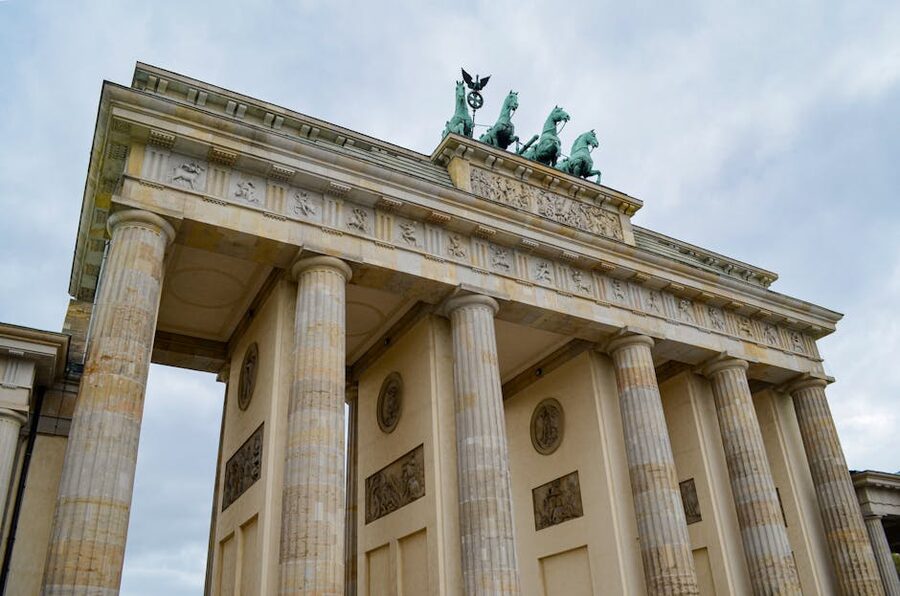
Pick a clear day. Berlin gets cloudy and rainy in shoulder season. The HOHO is an open-top product (or a half-open product with a covered lower deck), and the rain ruins the experience completely. Watch the weather and shift your bus day to whichever of your three Berlin days is forecast bluest. If it rains, switch to the Fernsehturm (the TV Tower at Alexanderplatz) for high-altitude views from inside.
Take a sweater. Even in July, the top deck at speed is genuinely cold. Berliners get this and dress for it. Tourists routinely don’t.
Plug in early. The recorded-audio products give you headphones at your seat, but the jacks are sometimes broken or filthy. Pick your seat by testing the audio first. The live-commentary product doesn’t have this problem.
Don’t trust the schedule on a Sunday. Berlin shuts down more on Sundays than other capitals, and the HOHO frequency drops. If you’ve only got Sunday for the bus, check the operator’s actual departures the morning of. The U-Bahn runs full service on Sundays, which is another vote for the U-Bahn.
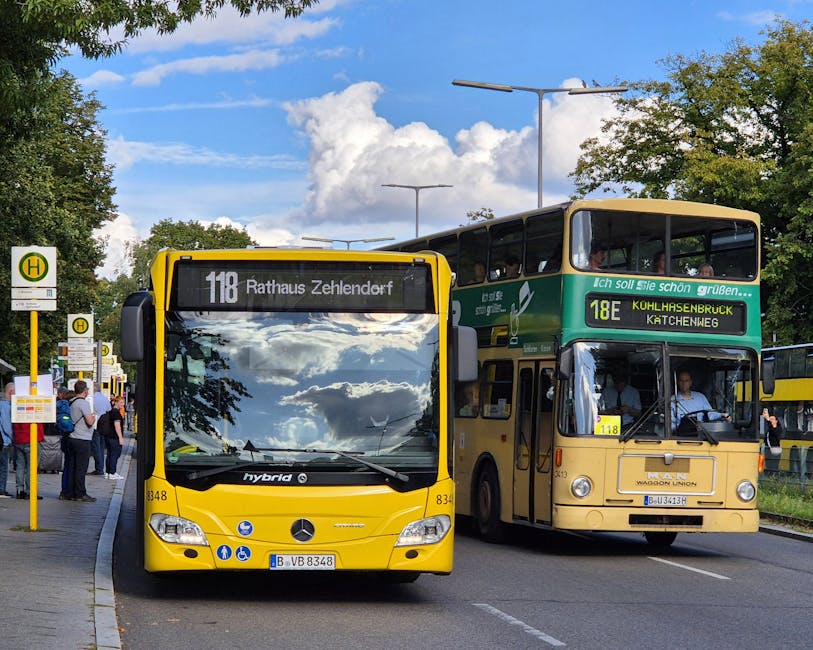
Buy online, not from the driver. The kerbside ticket is sometimes a few euros more than the GetYourGuide or Viator price, and the operators sometimes oversell the kerbside, which means you stand in the cold for 20 minutes hoping the next bus has a free seat. The platform booking guarantees you a place on the next departure.
The verdict
Berlin’s hop-on-hop-off bus is a confused product that works in narrow scenarios and fails outside them. It’s the right tool if you’re newly arrived, hot, tired, mobility-limited, and want a Mitte-and-government overview before you commit your day to a museum. It’s the wrong tool if you came to Berlin to see the East Side Gallery, eat in Kreuzberg, hear about the Wall, or get the layered post-1989 city the bus loop genuinely doesn’t reach.
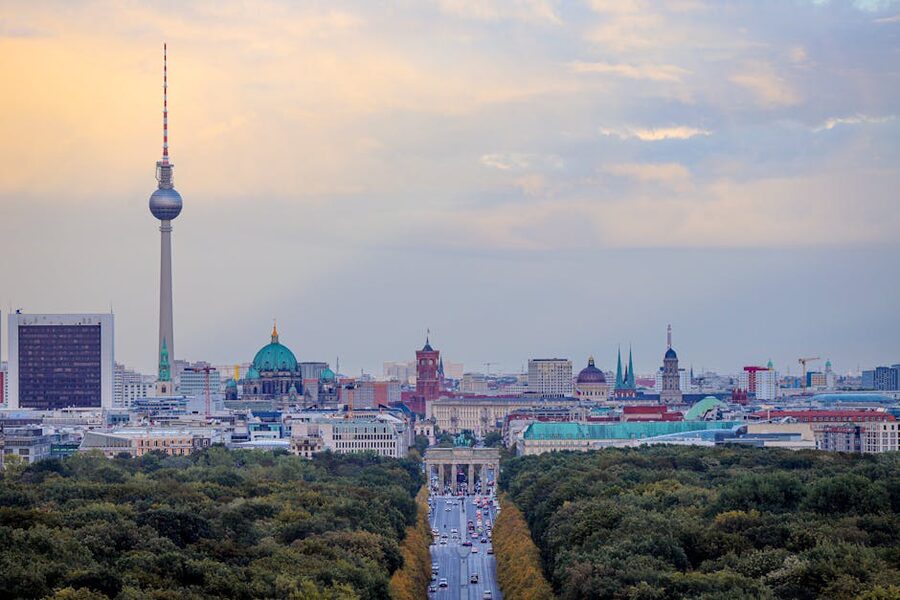
For most travellers most of the time, the better answer is a €10 BVG day pass, comfortable shoes, and one of the focused experiences instead: the Spree boat tour for the river orientation, the Reichstag dome for the political layer, the Fernsehturm for the high-altitude view, and the Jewish Museum or Sachsenhausen for the deeper history. Add the Berlin WelcomeCard if you want the transport bundled with discounts, and you’ve got a city pass that’s better than any HOHO ticket and cheaper too.
If you do buy the bus, get the live-commentary product or the boat combo, ride it once on a sunny morning, and use the rest of your time on the U-Bahn and your legs. That’s the version of Berlin that actually pays for the trip.

Adjacent ideas worth your time
Once you’ve done the bus or decided against it, the rest of Berlin opens up. The Spree boat is the single best one-hour orientation in the city and runs from Friedrichstrasse roughly every 30 minutes. The Reichstag dome is free with advance registration and Norman Foster’s spiral is genuinely one of the best free experiences in any European capital. The Fernsehturm at sunset gives you the high-altitude view the bus can’t, and the rotating Sphere restaurant at the top does one full rotation per 30 minutes. For the Wall and the Cold War, a Third Reich and Cold War walking tour covers the layered history in a way no bus can. The Sachsenhausen Memorial day trip is the heaviest thing you’ll do in Berlin and the most important. The Jewish Museum in Kreuzberg pairs naturally with the Berlin Story Bunker for a full half-day on Berlin’s 20th-century history. And the hidden backyards tour shows you the layered Hackesche Höfe interior life the HOHO drives past in two minutes flat.
If you’re moving on to the rest of Germany, the Hamburg HOHO and Munich HOHO are worth comparing too. The shape-of-the-city argument that breaks Berlin’s bus also runs through both. Hamburg’s harbour cruise tends to be the better orientation product there, the same way Berlin’s Spree boat outpaces its bus. And if you’re coming from elsewhere in Europe and want the bus comparisons, our Amsterdam HOHO piece makes the same argument we’ve made here: the city is too dense and atmospheric for a bus, take the canal cruise instead.