My friend spent four days walking Rome and averaged 28,000 steps a day. By day three, she was ordering taxis to get between lunch and dinner. The hop-on hop-off bus would have saved her knees, her phone battery, and probably her marriage — but she’d dismissed it as “too touristy” before the trip.
Here’s the thing about hop-on hop-off buses in Rome: they’re not the most atmospheric way to see the city, and they can’t get close to everything because Rome’s ancient streets are narrow and pedestrianized in many key areas. But for getting between the Colosseum, the Vatican, the Spanish Steps, and Piazza Venezia without destroying your feet, they’re genuinely useful — especially if you’re short on time or traveling with kids or anyone with mobility limitations.
Short on Time? My Top Picks
Panoramic Open Bus — 3 Circuits — $19. Three routes covering all major areas. The most comprehensive option with 18,000+ bookings.
City Sightseeing Bus with Audioguide — $15. The budget pick. One main route through the historic center with onboard audio commentary in multiple languages.
Panoramic Open Bus Ticket — $20. Single circuit covering the essential landmarks. Good for a half-day orientation ride.
How the Hop-On Hop-Off System Works in Rome
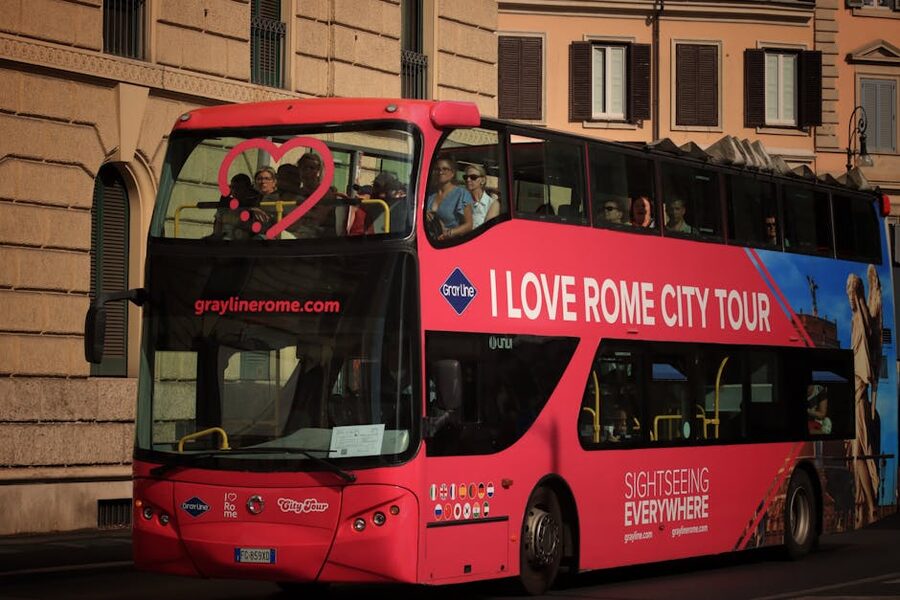
Rome has several competing HOHO operators — Big Bus, City Sightseeing, Green Line, and I Love Rome are the main ones. They all run open-top double-decker buses on overlapping routes, with slight differences in stops, frequency, and pricing.
The basic concept is the same across all operators: buy a ticket (usually 24, 48, or 72 hours), get on at any stop, ride as long as you want, get off when you see something interesting, explore, then catch the next bus to the next stop. Buses run every 15-30 minutes depending on the route and time of day, the same operating model used by the Paris hop-on circuit and Barcelona’s three-route system.
Most tickets include an onboard audio guide — either through headphones plugged into the seat or via an app on your phone. The commentary covers the landmarks you’re passing, though the quality varies. Some routes are narrated live by a guide, which is significantly better.
What the Routes Cover
The main route typically hits these stops (exact sequence varies by operator):
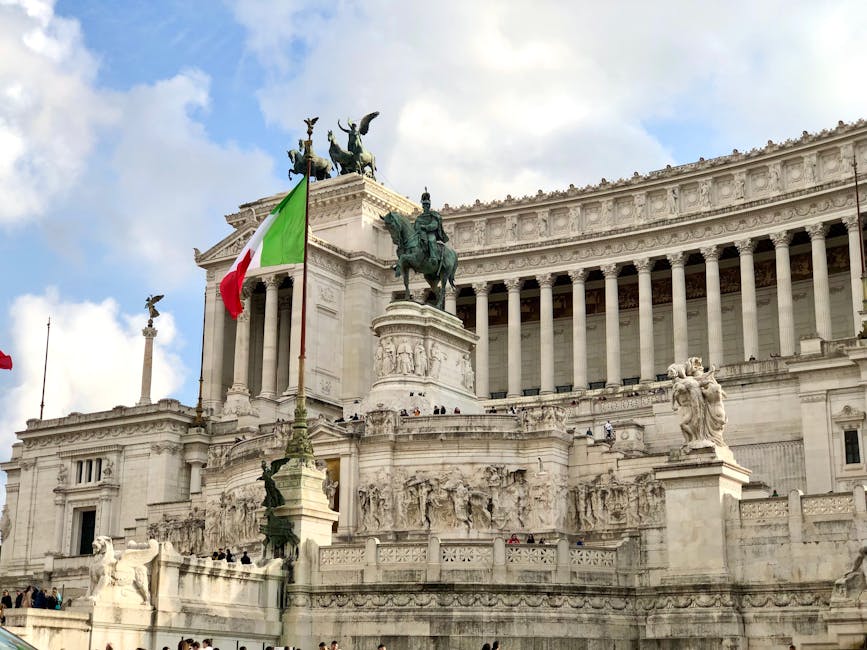
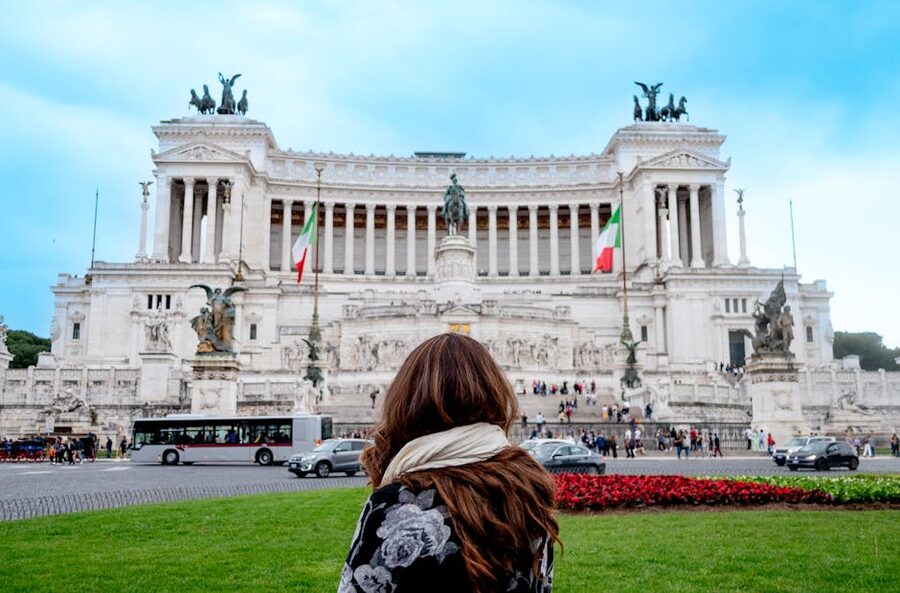
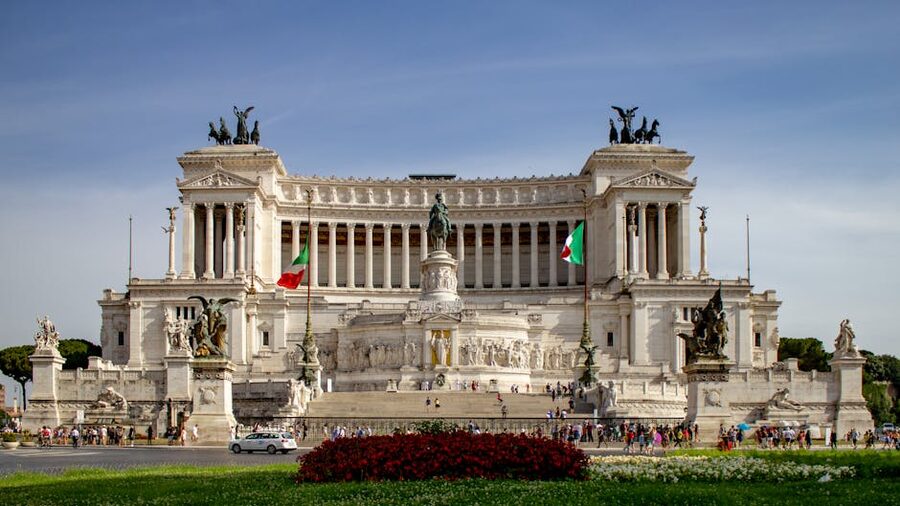
Piazza Venezia / Vittoriano — The central hub. Most routes start and end here. The Victor Emmanuel Monument offers a free elevator to its rooftop terrace with excellent views.
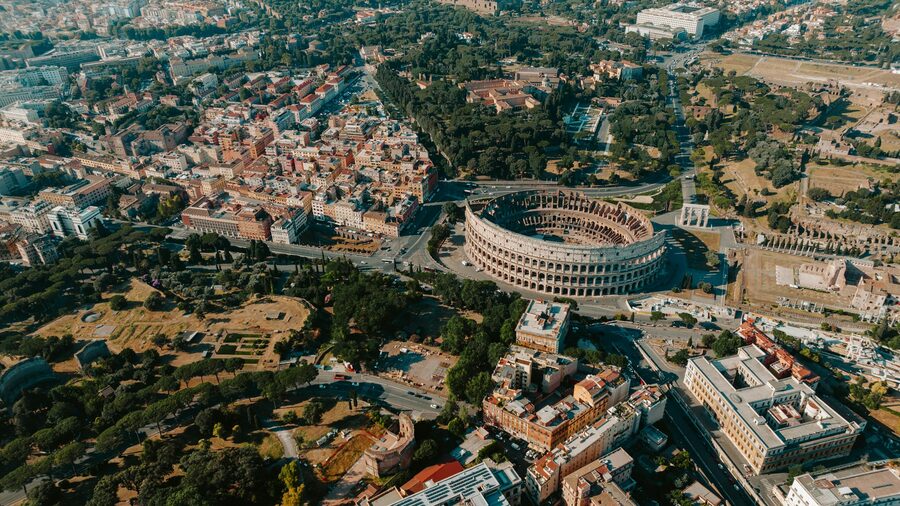
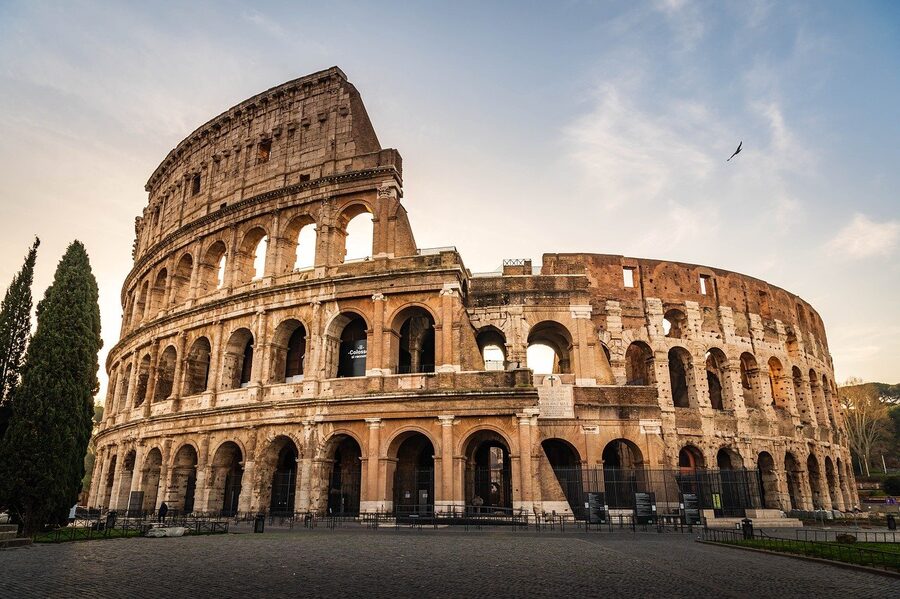
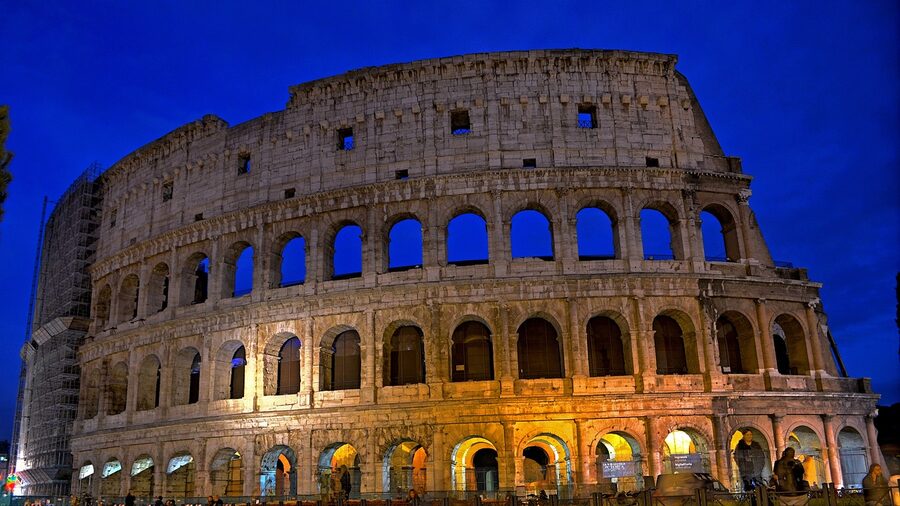
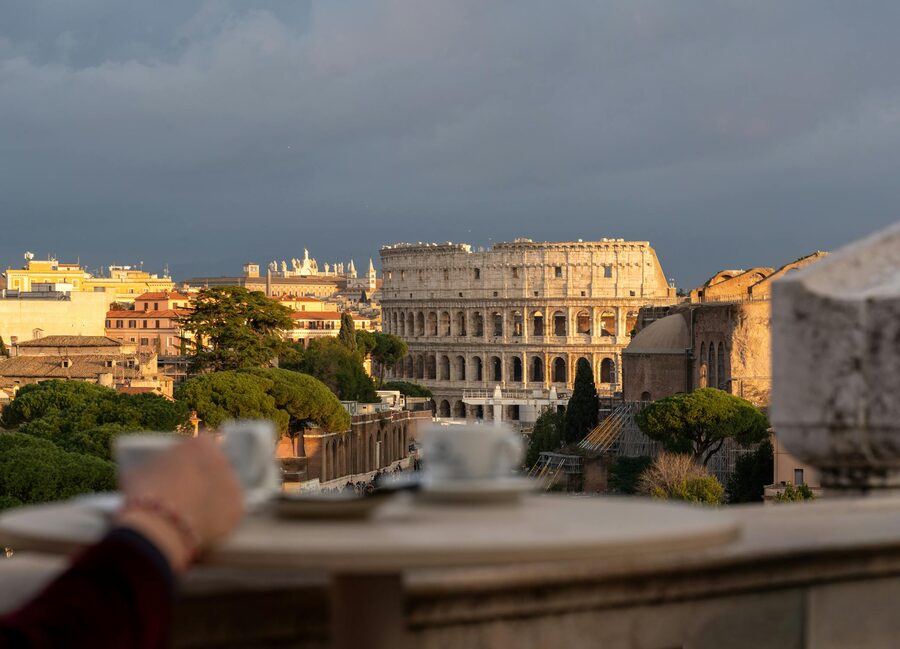
The Colosseum — The bus stops right on Via dei Fori Imperiali, about a 3-minute walk from the main entrance. This is the most popular hop-off point.
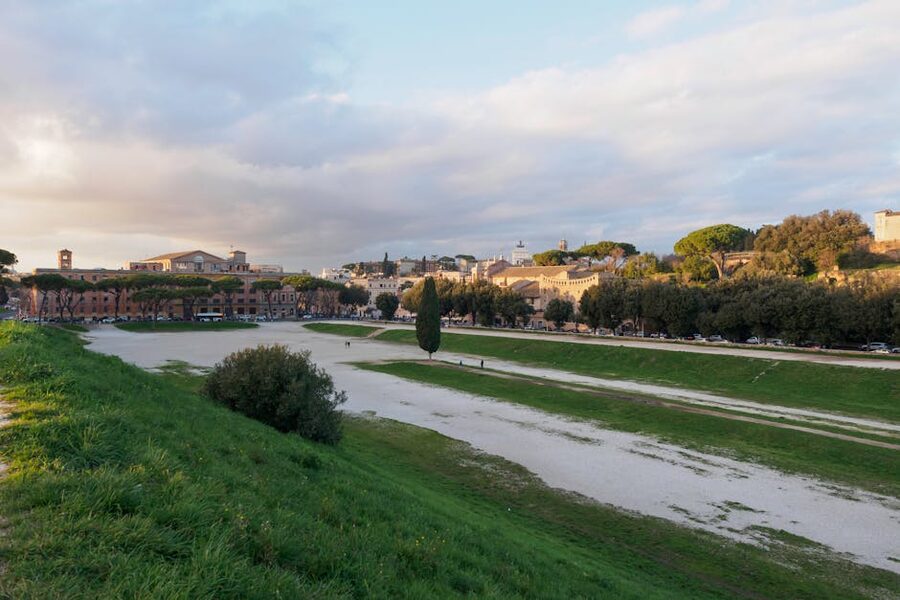
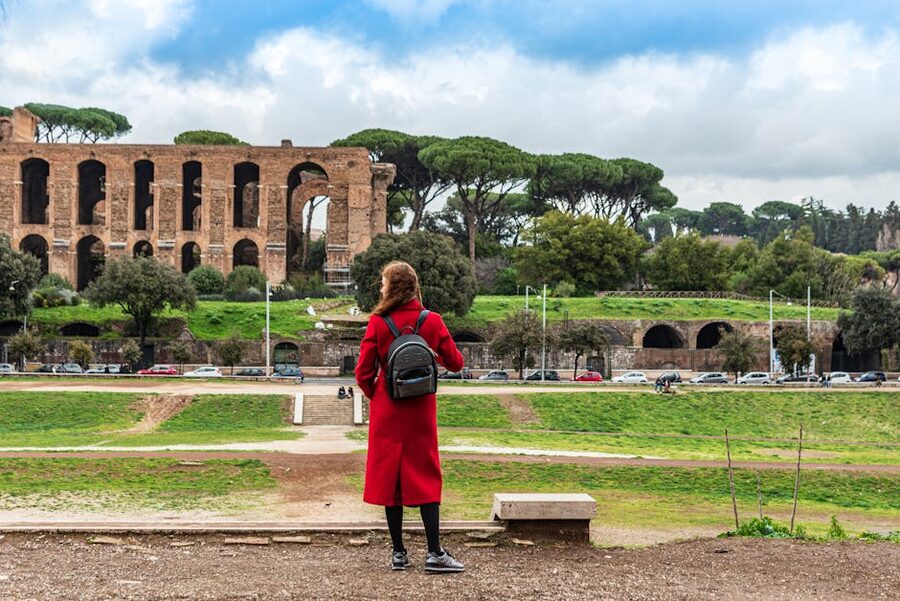
Circus Maximus — The ancient chariot-racing stadium. Less dramatic than the Colosseum but interesting for the sheer scale — it held 250,000 spectators, five times the Colosseum’s capacity.
The Vatican / St. Peter’s — The bus stops on Via della Conciliazione or nearby. The walk to St. Peter’s Square takes about 5-10 minutes. This is one of the weaker connections — the bus can’t get right to the door.
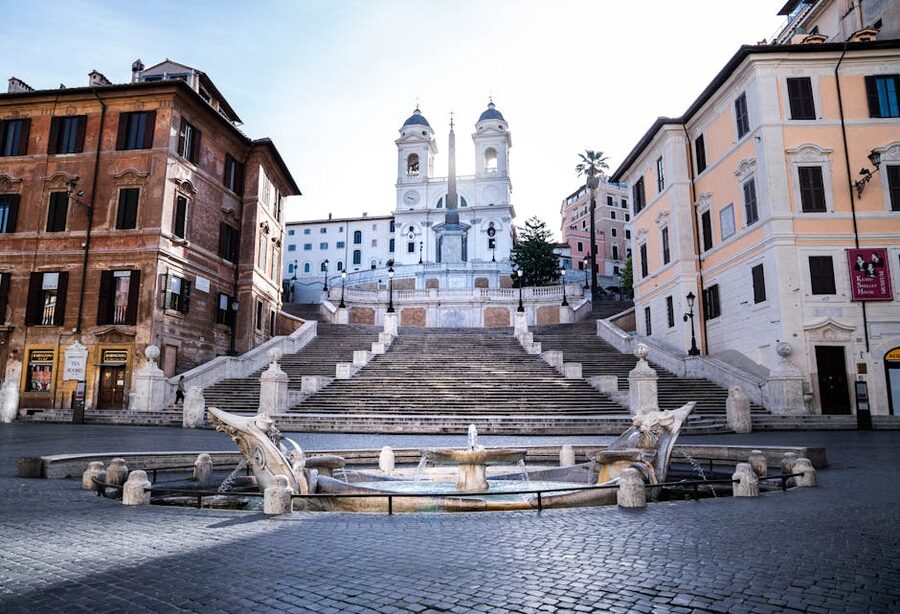
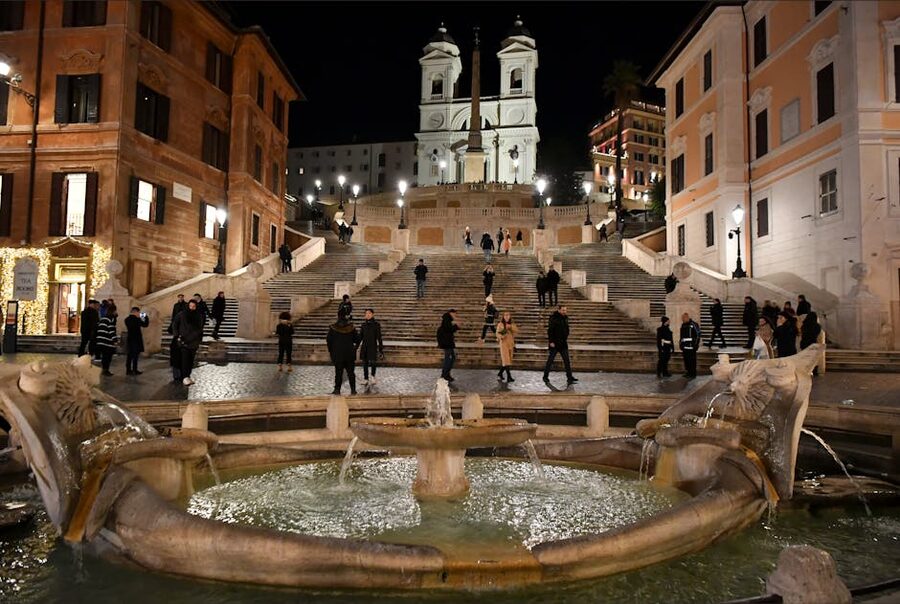
Spanish Steps — The stop is near Piazza Barberini, about a 5-minute walk from the steps themselves. Still worth hopping off — the Barberini neighborhood has excellent gelato and coffee.
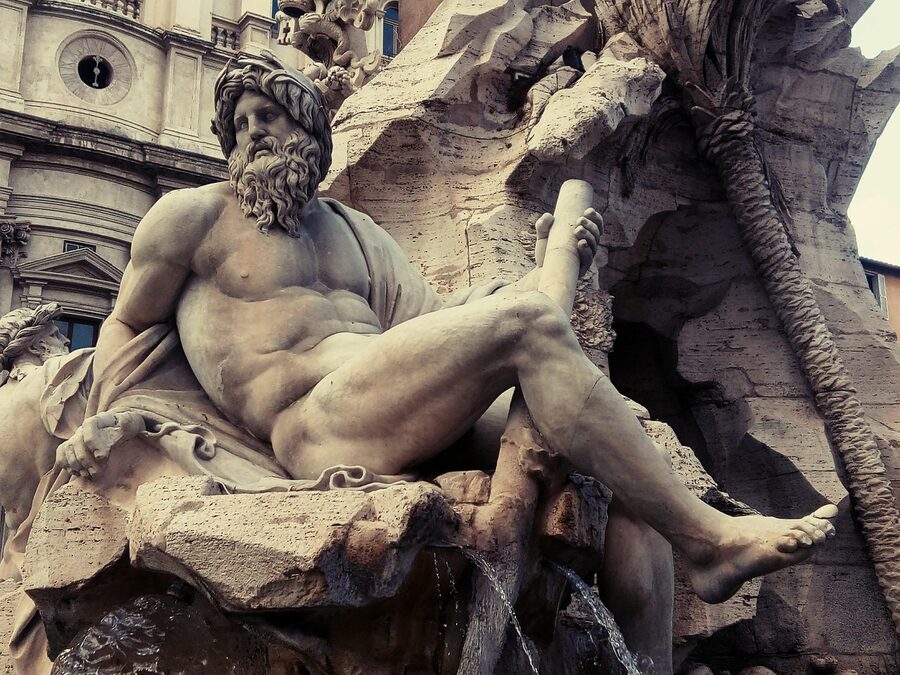
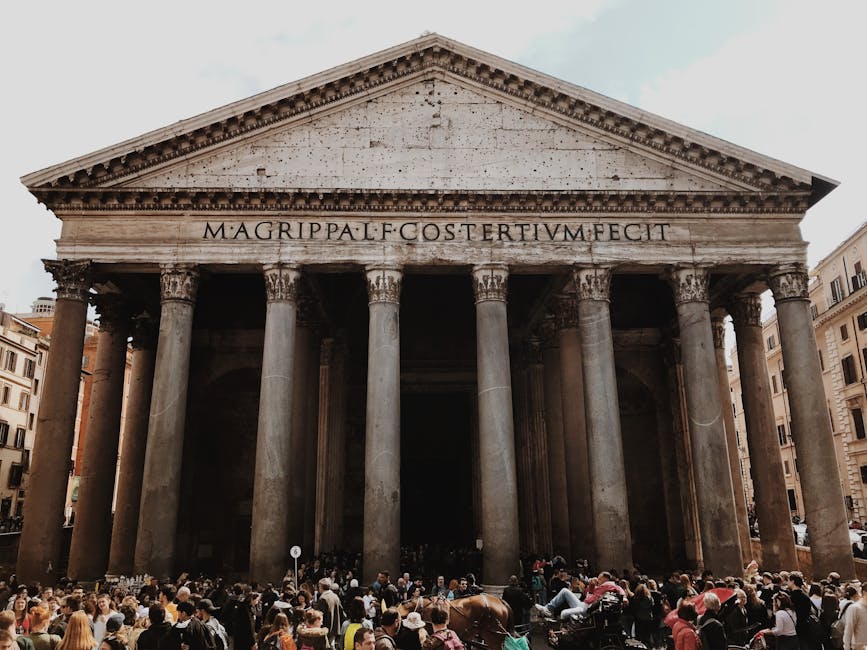
Piazza Navona area — Some operators stop near Corso Vittorio Emanuele II, a short walk from Piazza Navona, the Pantheon, and the historic center. This is where you’ll want to hop off for lunch.
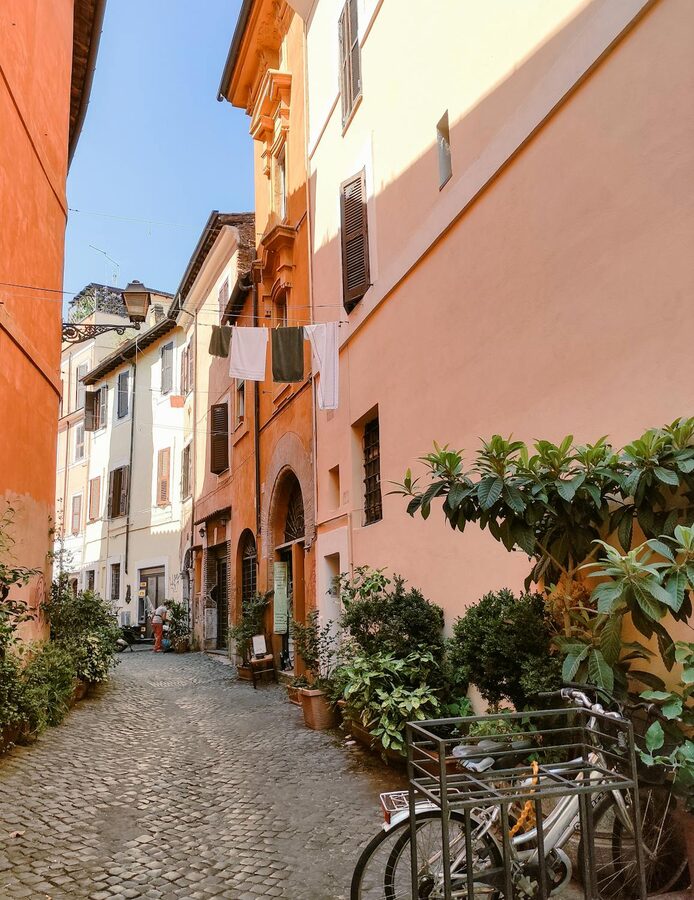
Trastevere — The extended routes on some operators cross the Tiber into Trastevere, Rome’s most charming neighborhood for eating and wandering. Not all operators include this stop.
Who the HOHO Bus Is Actually For
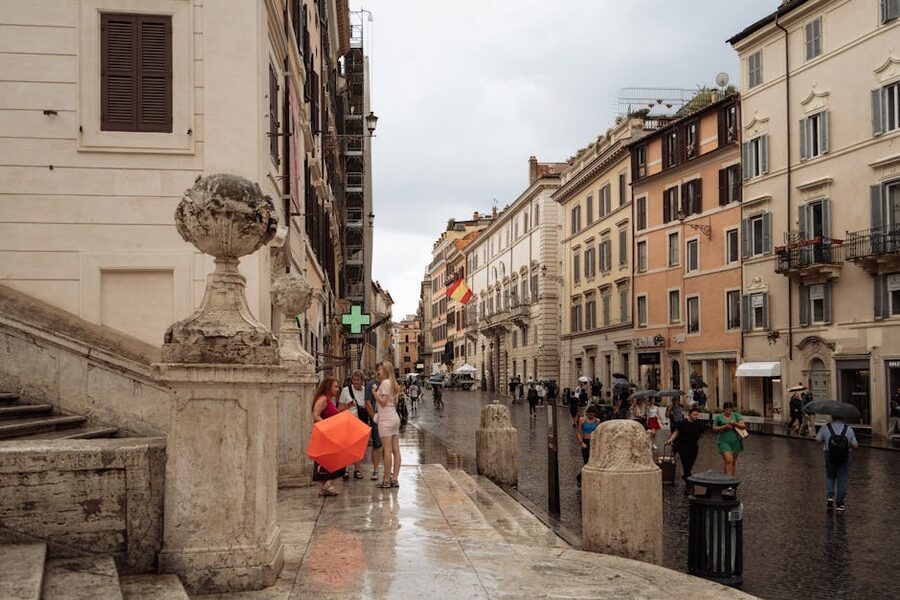
I’ll be honest: the HOHO bus in Rome gets mixed reviews, and some of that is deserved. Rome isn’t like London or Amsterdam, where the bus drops you right at the door of every major attraction. Rome’s most interesting areas, the historic center, Trastevere, the Jewish Ghetto, are pedestrian zones that buses physically can’t enter, the same constraint that makes Seville’s hop-on bus circle endlessly outside the medieval centro rather than weave into it.
That said, the bus works brilliantly in specific situations:
Day one orientation. If you’ve just arrived and want to get the lay of the land, a full circuit on the bus (about 90 minutes without getting off) gives you a visual map of the city that no guidebook can match. You’ll see how the Colosseum, Vatican, and historic center relate to each other geographically, which makes planning the rest of your trip much easier.
Families with young kids. Children under 5 ride free on most operators. The open-top upper deck is exciting for kids, the ride provides built-in rest breaks between sights, and you’re not begging a tired 4-year-old to walk another 2 kilometers.
Limited mobility. Rome is brutally hilly and cobblestoned. For visitors who can’t walk long distances, the bus provides access to landmarks that would otherwise require significant walking.
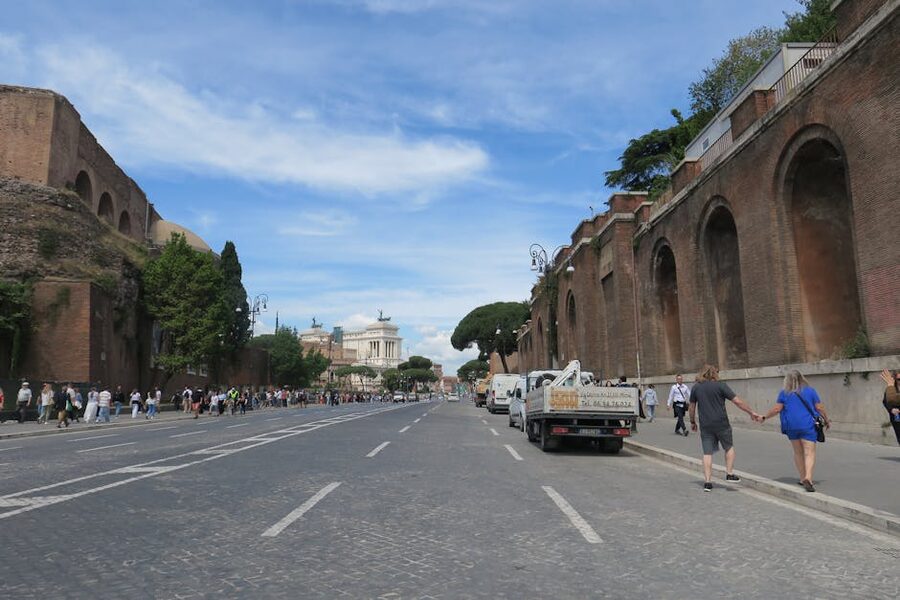

Hot weather survival. July and August in Rome regularly hit 35-38°C. Walking 10 kilometers in that heat is miserable. The bus provides shade on the lower deck, breeze on the upper deck, and a seat while you move between attractions, the same lifesaver that the Marseille and Palma circuits become for visitors crawling through Mediterranean summers.
The Best Rome Hop-On Hop-Off Tickets
1. Panoramic Open Bus — 3 Circuits — $19

The most comprehensive option available. Three separate bus circuits cover the historic center, the Vatican area, and extended neighborhoods that other operators don’t reach. At $19 for the first day, it’s excellent value. The 4.0 rating reflects the reality of HOHO buses in Rome — great for logistics, less great for atmosphere. I go into the specific route differences and which circuit to ride first based on where your hotel is.
2. City Sightseeing Bus with Audioguide — $15
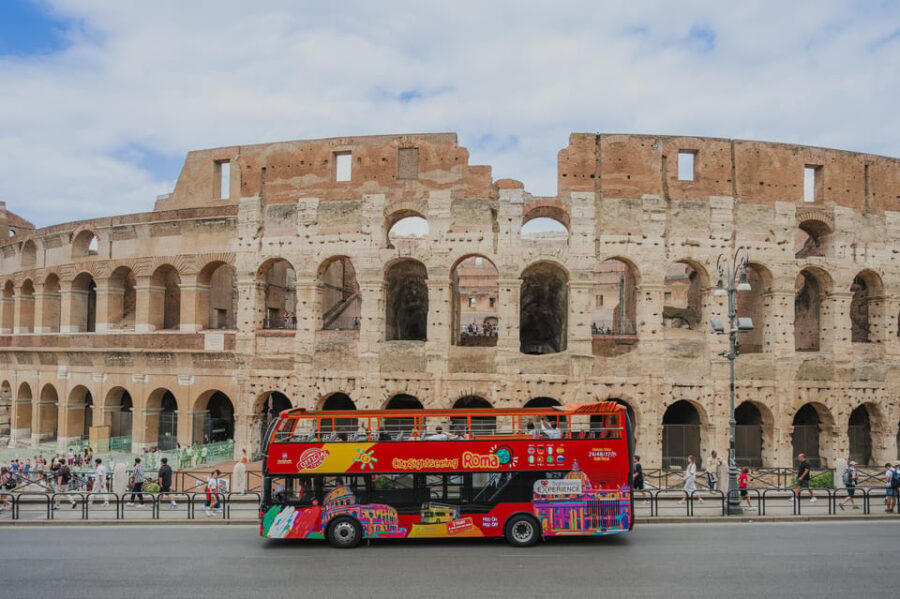
The budget option at $15 for a day pass. City Sightseeing runs the familiar red double-deckers on a single route through central Rome with audioguide commentary. It’s the simplest choice — one route, one price, hop on and off wherever you want. With 16,000+ reviews averaging 4.0, the feedback is consistent: fine for getting around, don’t expect a luxury experience. We cover the full stop-by-stop route and where the audio guide adds value.
3. Panoramic Open Bus Ticket — $20
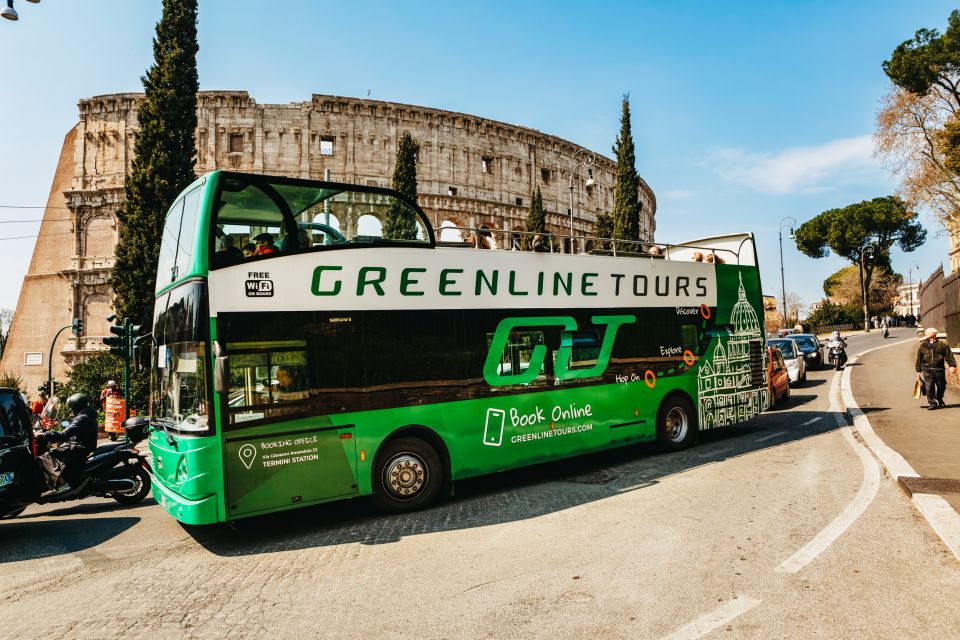
The mid-range single-circuit option. One panoramic route covering the essential landmarks for $20. It’s less comprehensive than the 3-circuit option above but simpler to navigate — just one loop, no thinking required. With 15,400+ reviews, the track record is solid for what it is. More on how this compares to the multi-circuit ticket and which one offers better value depending on how many days you’re in Rome.
HOHO vs. Other Ways to Get Around Rome
The HOHO bus is one option, but it’s worth understanding how it stacks up against alternatives.
Walking — Free and the best way to discover Rome’s hidden corners. But Rome is hilly, cobblestoned, and the major sights are far apart. Budget 25,000+ steps per day if you’re walking between the Vatican, historic center, and Colosseum. Comfortable shoes are mandatory.
Metro — Rome’s Metro has only two useful lines (A and B) with a transfer at Termini. Line B hits the Colosseum directly; Line A serves the Vatican (Ottaviano) and Spanish Steps (Spagna). It’s €1.50 per ride or €7 for a day pass. Fast but limited coverage — most of the historic center is too far from any station.
Bus/tram — Rome’s public bus system covers far more ground than the Metro but is confusing, unreliable, and often overcrowded. Bus 64 from Termini to the Vatican is useful but notorious for pickpockets.
Taxi/Uber — Available everywhere but expensive (€10-20 per short ride). Rome’s taxi drivers are professional and metered, but traffic can make a 2-kilometer ride take 25 minutes.
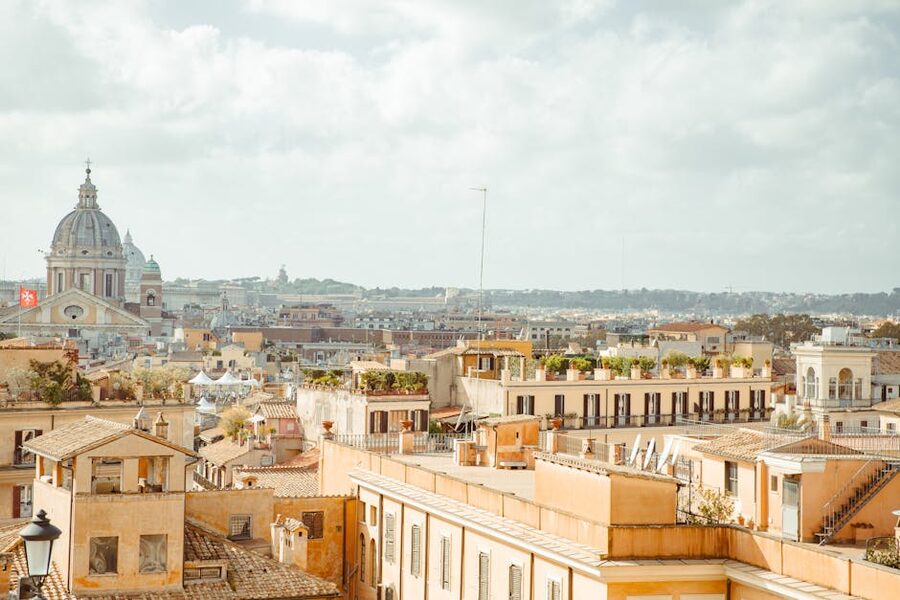

The verdict: The HOHO bus doesn’t replace walking — you’ll still walk 15,000+ steps even on a bus day because the stops aren’t right at the doors. But it replaces the boring, sweaty stretches between clusters of sights. Use it as a connector, not a replacement for exploring on foot.
Practical Tips for the HOHO Bus
Sit upstairs. The whole point is the view. The lower deck is air-conditioned, which matters in summer, but you’re riding a bus, not visiting Rome. Go up.
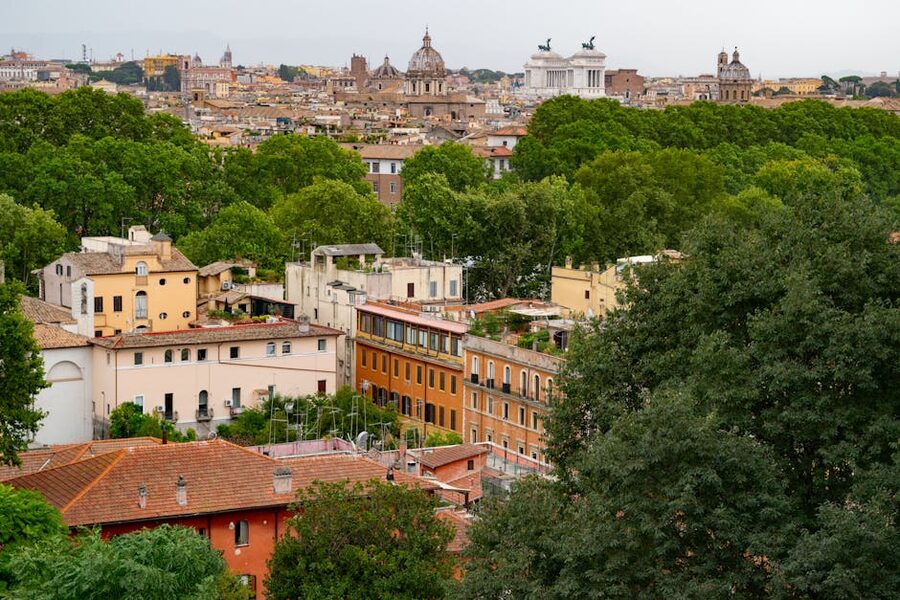
Bring sunscreen and a hat. The upper deck has no shade. In summer, the metal seats absorb heat and the sun is relentless. Sunscreen, a hat, and water are essential.
Don’t rely on the bus for tight schedules. Rome traffic is unpredictable. A route that takes 90 minutes in the morning can take 2+ hours in afternoon traffic. If you have a timed entry for the Colosseum at 2 PM, take the Metro — don’t gamble on the bus arriving on time.
Start at Piazza Venezia or Termini. These are the highest-frequency stops with the most operator options. Starting at a smaller stop can mean longer waits.
The 24-hour ticket is usually enough. Most visitors use the bus for one full day of orientation, then walk or Metro for the remaining days. The 48 and 72-hour options exist but are only worth it if you’re genuinely planning to ride multiple days.
Check if your Rome Pass includes bus access. Some city passes bundle HOHO rides with museum entries. If you’re buying a Roma Pass or similar, check what’s included before buying a separate bus ticket.
Getting Around Between Stops
The bus’s biggest limitation in Rome is that it can’t access the most interesting pedestrian zones. Here’s how to fill the gaps:
Colosseum → Roman Forum → Palatine Hill: All walkable from the Colosseum bus stop (3-5 minutes).
Spanish Steps → Trevi Fountain → Pantheon: A natural walking loop from the Barberini bus stop. About 30 minutes total on foot, all flat.
Vatican bus stop → St. Peter’s → Vatican Museums: 5-10 minute walk to St. Peter’s Square, then 15 minutes along the Vatican walls to the museum entrance.
Piazza Venezia → Jewish Ghetto → Trastevere: A pleasant 20-minute walk south from the Venezia stop, crossing the Tiber at Ponte Fabricio (the oldest bridge in Rome, built 62 BC).
When to Ride: Seasons and Weather
The HOHO experience changes dramatically by season, and knowing what to expect will affect when you choose to ride.
Spring (March–May) — The best time for HOHO buses. Temperatures in the 18-25°C range make the upper deck comfortable all day. Easter week is peak crowds — avoid that specific week if possible, but the rest of spring is ideal.
Summer (June–August) — Hot. The upper deck becomes a griddle by midday, with seat temperatures that will burn bare skin. Ride in the morning (before 11 AM) or late afternoon (after 4 PM). The midday hours are better spent inside museums or eating a long lunch.
Fall (September–November) — Excellent riding weather. October is particularly good — warm enough for the open top, cool enough that you’re not drenched in sweat. November can be rainy, which makes the lower deck the only option.
Winter (December–February) — Cold but uncrowded. Bundle up for the upper deck or sit below with the heaters. December has Christmas markets and holiday lighting along the route that you won’t see in other seasons. January and February are the quietest months — you might have the entire upper deck to yourself.
Common Mistakes to Avoid
Don’t try to see everything from the bus. The bus is a tool for getting between areas, not a replacement for exploring on foot. Hop off at every stop that interests you. The biggest mistake I see is travelers riding the full 90-minute circuit without getting off, then complaining that they “didn’t really see Rome.”
Don’t confuse operators. Different companies use different colored buses and different stop locations. If you buy a ticket from Operator A, you can’t board Operator B’s bus — even if it stops at the same landmark. Stick with the operator you booked.
Don’t buy at the bus stop. Street prices are almost always higher than online prices. Book in advance — you’ll save €3-5 and have a guaranteed ticket on your phone.
Don’t expect London frequency. In London, a HOHO bus comes every 5-8 minutes. In Rome, it’s more like 15-30 minutes, and traffic can stretch that further. Don’t hop off without checking the next bus time, or you might wait longer than planned.
HOHO Bus vs. Golf Cart Tours
Worth mentioning because the Rome SERP increasingly features golf cart tours as an alternative to HOHO buses. Golf carts can go where buses can’t — through narrow cobblestone streets, into piazzas, right up to monument entrances. They’re smaller (usually 4-6 passengers), guided by a driver who narrates, and significantly more personal.
The tradeoff: golf carts cost $50-180+ per person compared to $15-20 for the bus, and they run on fixed schedules rather than hop-on/hop-off. If you want flexibility and budget, take the bus. If you want access and atmosphere, a golf cart tour is worth the splurge.
More Booking Guides for Rome
The HOHO bus connects the dots, but Rome’s individual landmarks each have their own booking quirks worth understanding. The Colosseum needs advance tickets — showing up at the door is a mistake you’ll only make once. The Vatican Museums sell out days in advance during summer, and St. Peter’s Basilica dome climb has a new timed-entry system worth booking online. Even the Pantheon, which used to be free, now requires a €5 timed ticket. Plan your bookings before you plan your bus route — the tickets determine your schedule, not the other way around.