We covered more ground in three hours on a golf cart than I’d managed in two full days of walking. That’s not an exaggeration — the cart zipped down alleys I’d walked past without noticing, pulled up to fountains I didn’t know existed, and parked directly in front of monuments that would have taken 20 minutes to reach on foot from the nearest bus stop. By the end, I had a mental map of Rome that three trips of walking hadn’t given me.

Golf cart tours in Rome solve a specific problem: the city’s most interesting sights are spread across hilly terrain, connected by cobblestone streets that destroy your feet, and the most atmospheric areas are off-limits to buses. A golf cart threads the needle, small enough to go where buses can’t, electric and quiet enough to be allowed in pedestrian zones, and driven by a guide who knows every shortcut, hidden piazza, and back-alley secret in the city. Other capitals solve the same problem differently: Amsterdam stitches its sights together by water with the canal cruise, Barcelona hands you altitude on the Montjuïc cable car, and Paris just leans on the classic open-top bus.
They’re not cheap. Prices range from $45 to $180 per person depending on whether you go private or semi-private, and how long the tour runs. But if you want to see the maximum amount of Rome in the minimum amount of time, or if walking long distances isn’t an option, they’re worth every cent. Compared to the convenience pricing of an Amsterdam hop-on bus, you’re paying a serious premium for that level of personal access.
Short on Time? My Top Picks
Rome Highlights Private Golf Cart Tour — $180.67. The original and highest-rated private tour with a perfect 5.0 across 4,300+ reviews. Customize your route, go at your own pace.
Semi-Private Golf Cart Tour (Max 6) — $168.09. Smaller group alternative to private. Same quality, shared cost, max 6 people in the cart.
City Highlights Golf Cart Tour — $45. The budget option. Shared group tour covering the main landmarks in 2-3 hours. Best value if you don’t need a private experience.
How Golf Cart Tours Work in Rome
Golf cart tours operate with small electric vehicles that seat 4-6 passengers plus a driver/guide. They’re fully street-legal in Rome’s historic center and are classified as low-speed vehicles, which means they can access pedestrian zones, narrow medieval streets, and restricted traffic areas that cars, buses, and even taxis can’t enter.

Most tours pick you up at a central meeting point (usually near Piazza Venezia or the Colosseum) or from your hotel if you’re in the historic center. The driver doubles as a guide — narrating the history and sharing local stories as you zip between landmarks. The best drivers are genuinely knowledgeable and passionate about their city, not just reading from a script.
Private vs. Semi-Private vs. Group
Private tours ($80-180 per person) — Just your group and the driver. You can customize the route, linger at spots that interest you, and skip things that don’t. This is the best option for couples and families. The higher price covers the exclusivity — you’re booking the entire cart.
Semi-private tours ($100-170 per person) — You share the cart with up to 4-5 other travelers, max 6 total. The route is fixed but the experience is similar. Good for solo travelers or couples who don’t mind sharing.
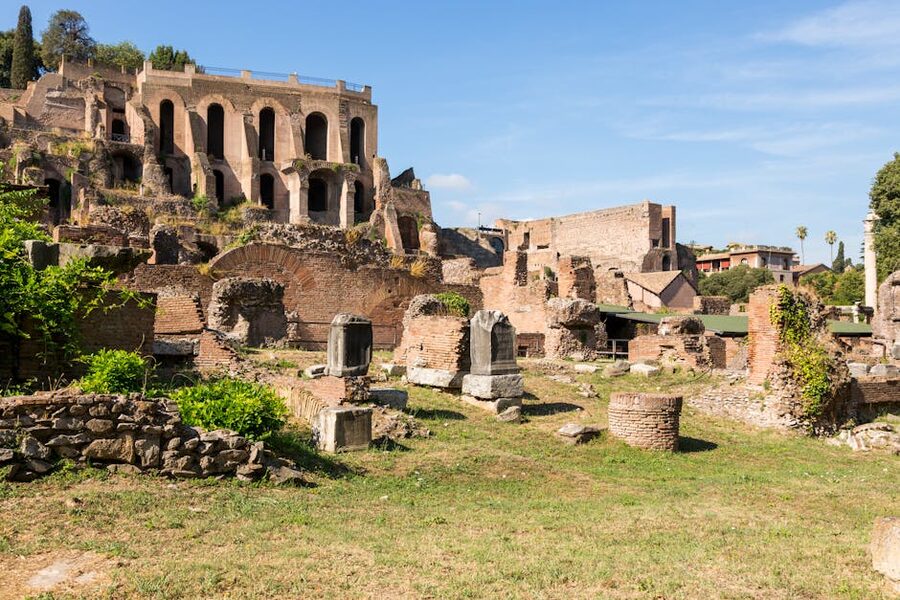
Group tours ($45-70 per person) — Larger groups, fixed routes, less personalization. The budget option. Still fun and informative, but you won’t get the same level of customization or the ability to stop wherever you want.
What to Expect on the Tour
A typical 3-hour private tour covers 15-25 major landmarks and hidden spots. You’ll stop at most of them for photos and a brief explanation, with longer stops at the highlights. The cart drives slowly through narrow streets, giving you time to take in the architecture and street life. It’s not a race, it’s a guided meander through 2,500 years of history, the same unhurried pace you get on a Lyon city tour or a Seville hop-on circuit when you let the route do the work.
The driver will usually ask what you’re most interested in and adjust the route accordingly. Want to focus on ancient Rome? They’ll spend more time around the Forum and Palatine. Interested in Baroque architecture? They’ll swing through Piazza Navona and the Trevi Fountain area. Obsessed with food? They know every bakery, supplì shop, and gelato spot worth stopping at.

The Best Rome Golf Cart Tours
1. Rome Highlights Private Golf Cart Tour — $180.67
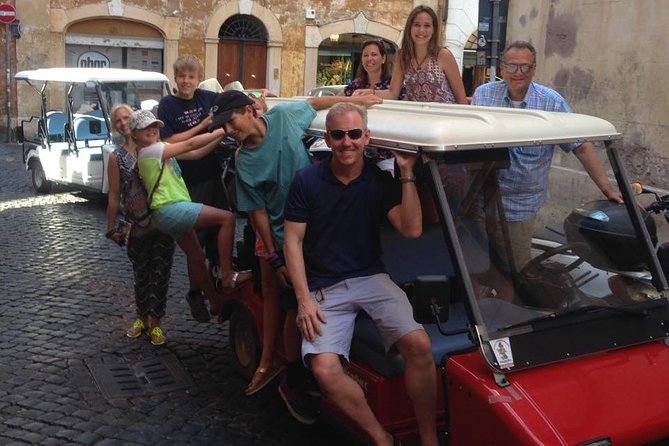
The gold standard. A perfect 5.0 rating across 4,300+ reviews on Viator is almost impossible to maintain at this scale, but this tour does it. Your driver customizes the 2-7 hour route (you choose the duration) to your interests, with stops at both famous landmarks and hidden corners that guidebooks miss. One visitor described Oscar as going “beyond a 5-star experience” — and that level of praise shows up review after review. I go into what makes the private format worth the premium and which duration to choose for different interests.
2. Semi-Private Golf Cart Tour (Max 6) — $168.09
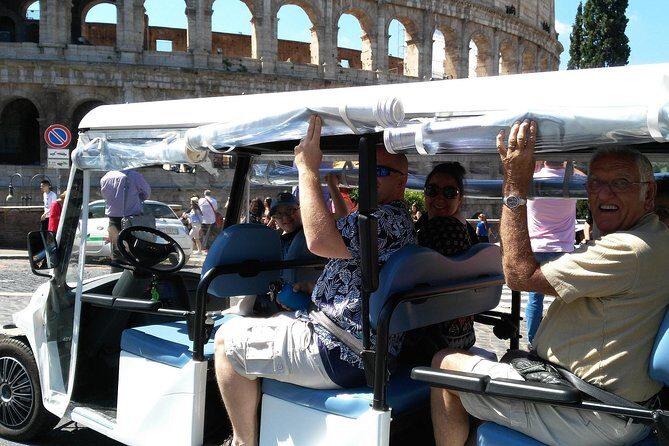
The sweet spot between private and budget. Three hours, max 6 people, same quality guides as the private option. At $168 per person, you save about $12 compared to private while getting an experience that’s nearly identical. The only real difference is that you share the cart and can’t fully customize the route. We cover how the semi-private experience compares to the private one and when the upgrade is worth paying for.
3. City Highlights Golf Cart Tour — $45
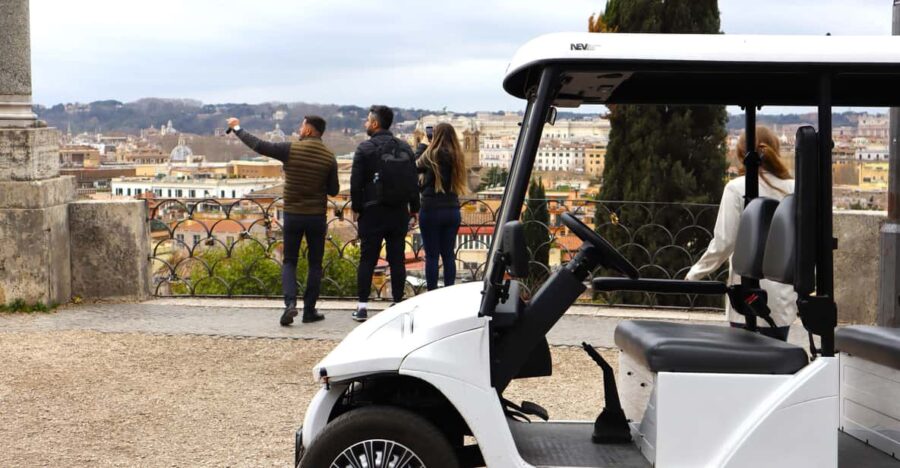
The budget pick for travelers who want the golf cart experience without the premium price. At $45, it’s less than a quarter of the private option and still covers Rome’s main highlights in 2-3 hours. The shared format means a larger group and a fixed route, but the drivers are just as knowledgeable. Dennis, a regular guide, gets praised for bringing energy and genuine local knowledge. More on what the $45 price point actually gets you compared to the premium options.
What You’ll See on a Golf Cart Tour
The exact route varies by operator and your preferences (on private tours), but a typical 3-hour tour covers these areas:
The Colosseum and Ancient Rome
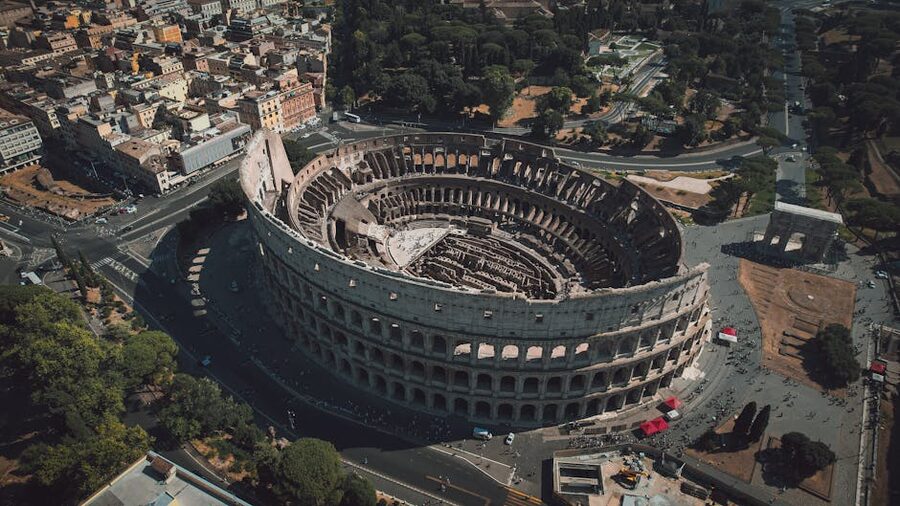
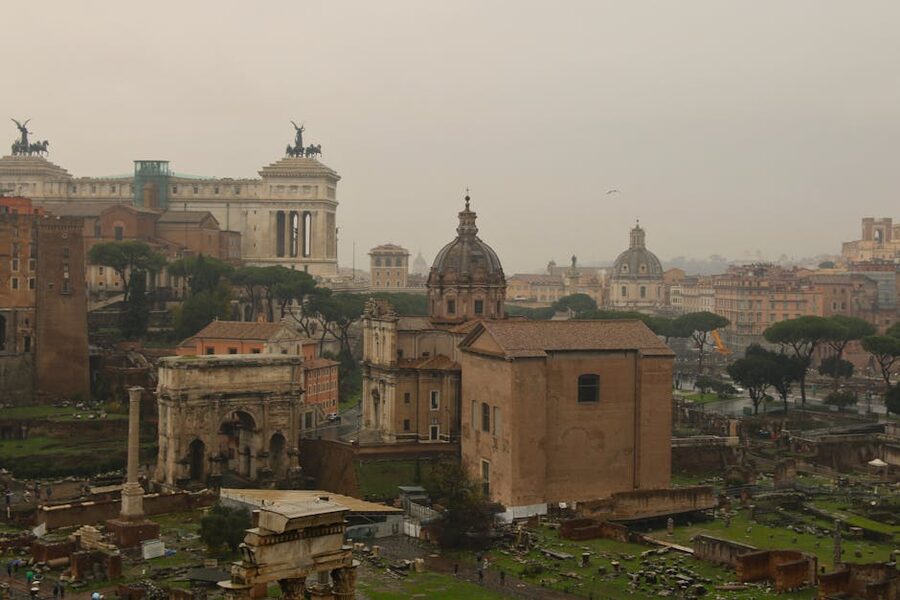
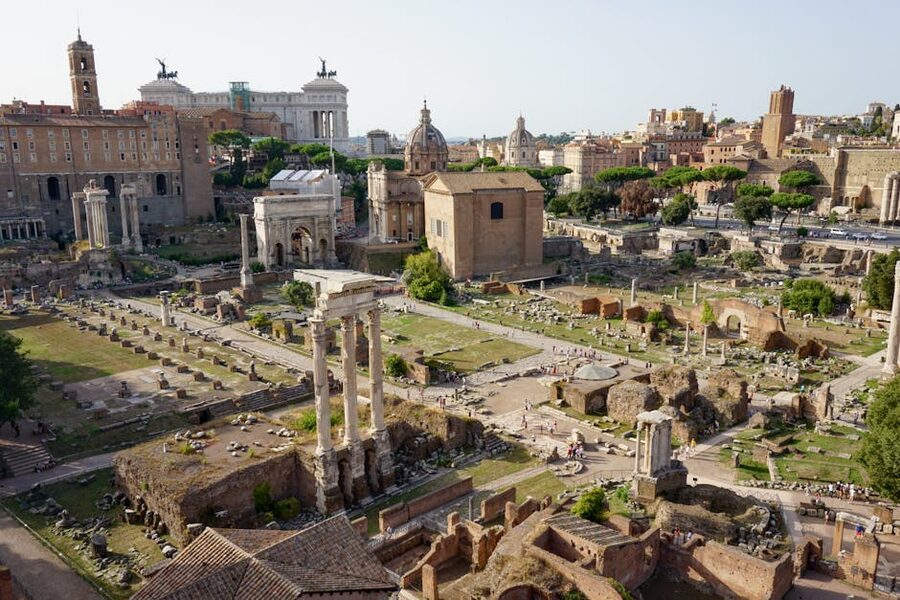
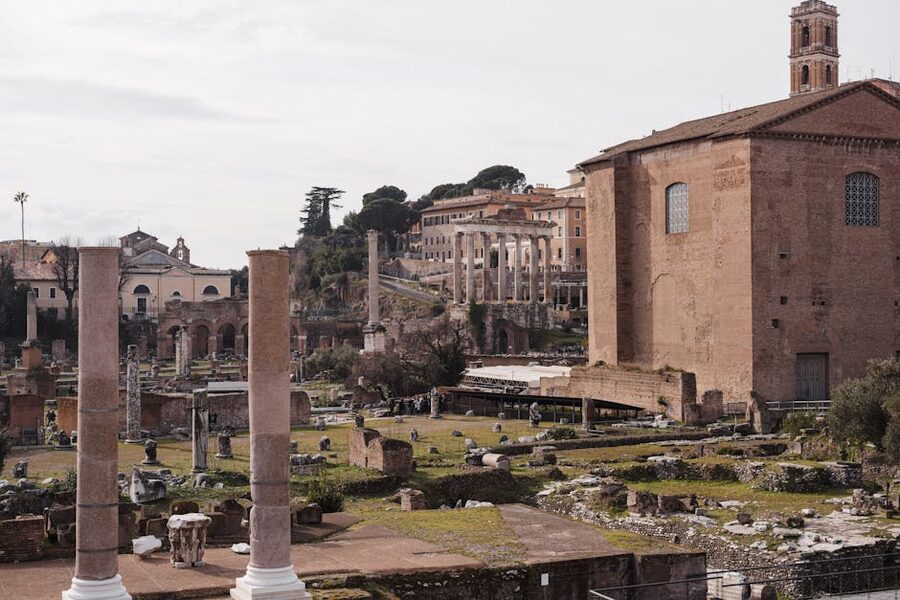
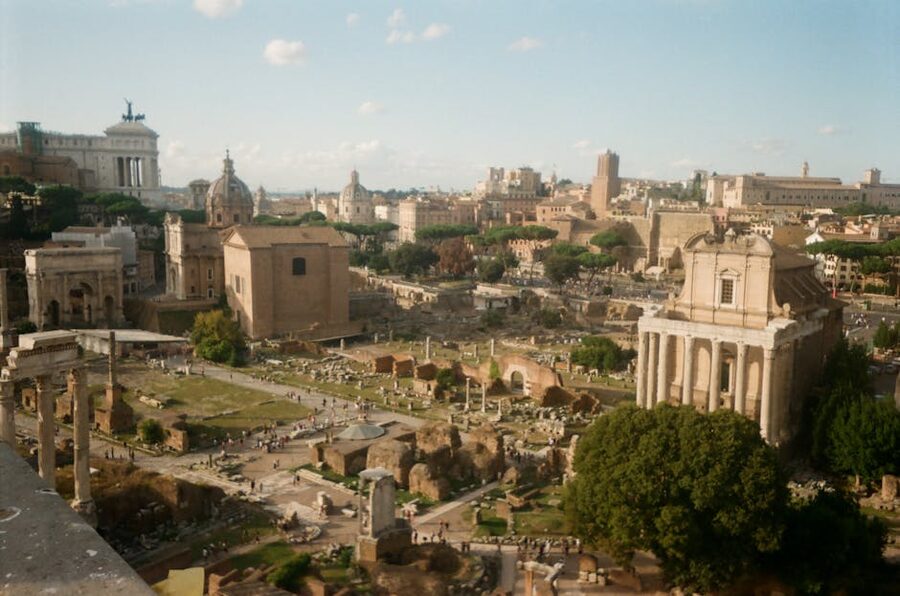
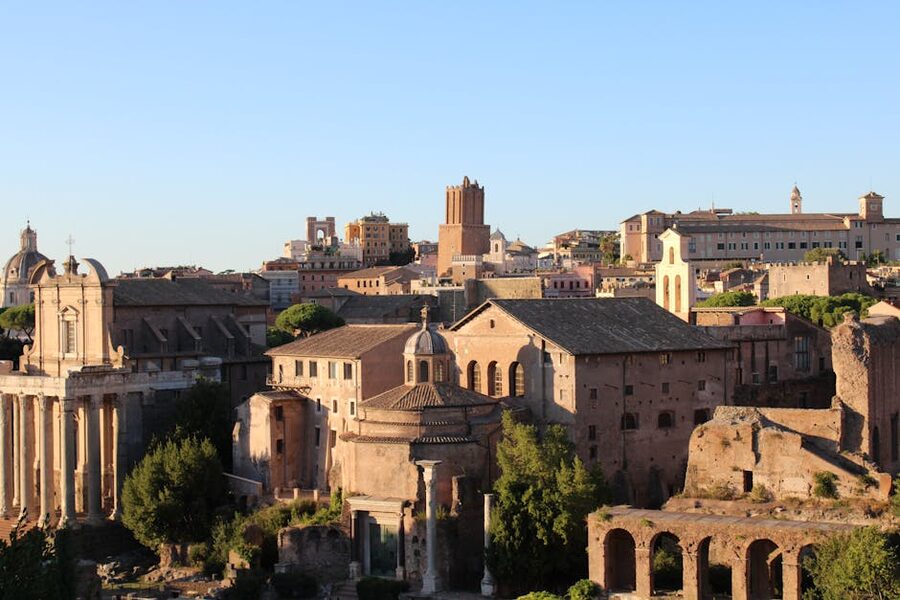
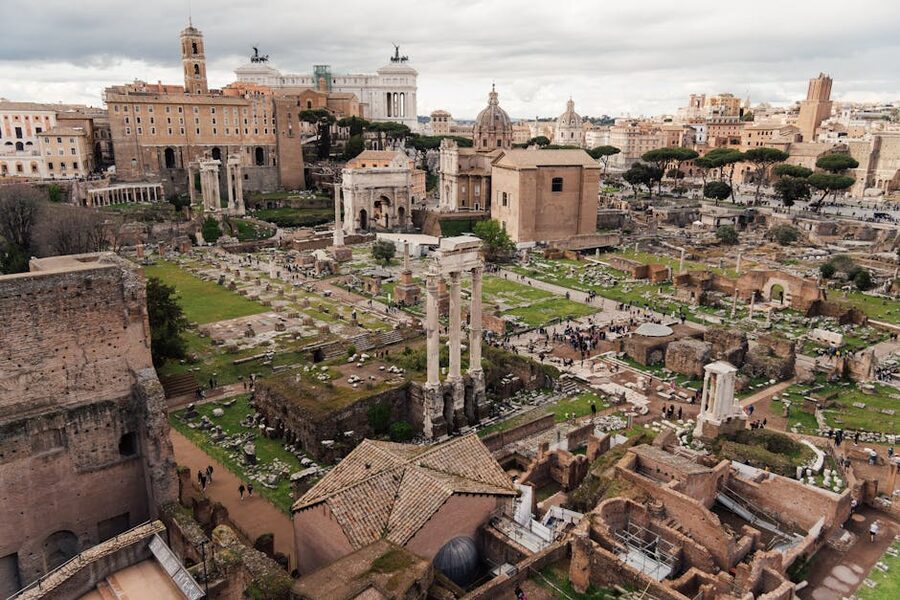
Every golf cart tour passes the Colosseum, usually with a slow circuit around the exterior. From there, the cart heads along the Via dei Fori Imperiali, passing the Roman Forum and Trajan’s Column. The advantage over walking: you see the full sweep of ancient Rome’s monumental core in context, as a continuous landscape rather than isolated landmarks.
The Historic Center
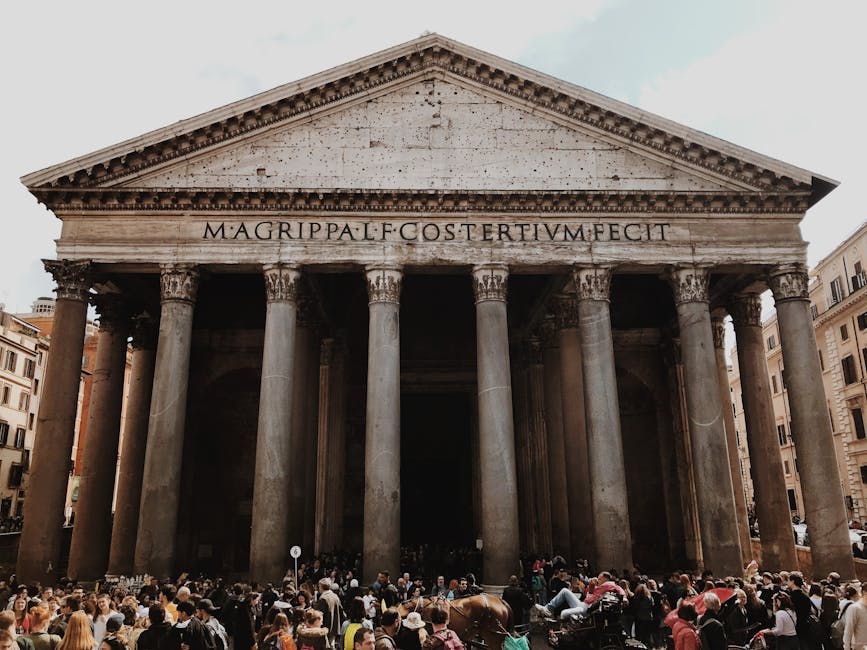
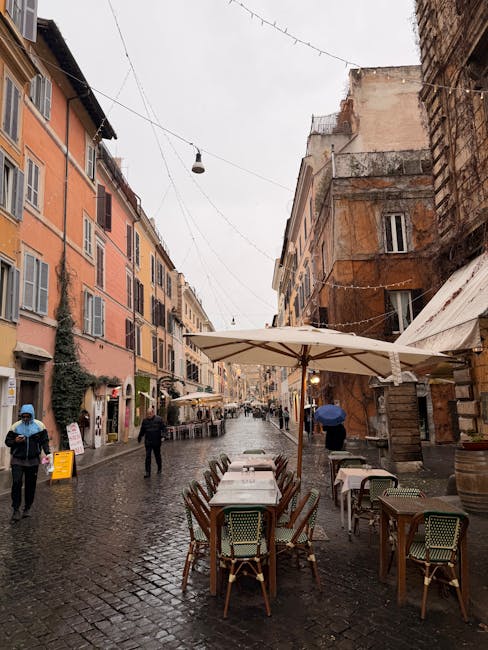
This is where the golf cart really shines. The cart threads through narrow lanes that no bus can enter, passing through piazzas like Piazza Navona, Campo de’ Fiori, and the Pantheon area. You’ll stop at hidden fountains, tucked-away churches with Caravaggio paintings inside, and viewpoints that most travelers never find.
Trastevere
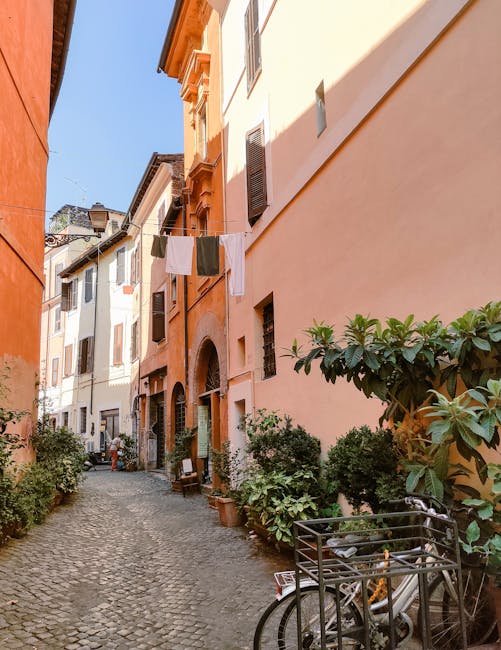
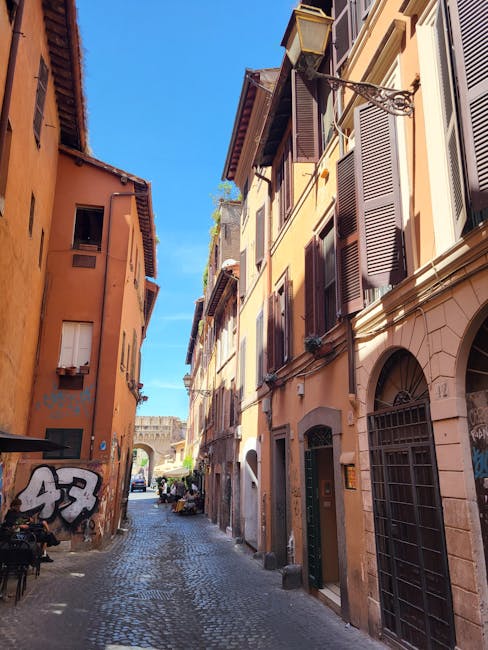
Many tours cross the Tiber into Trastevere — Rome’s most photogenic neighborhood. The cart winds through ivy-covered lanes, past street art, family-run trattorias, and the kind of Roman life that the tourist areas on the other side of the river don’t show you.
The Vatican Area
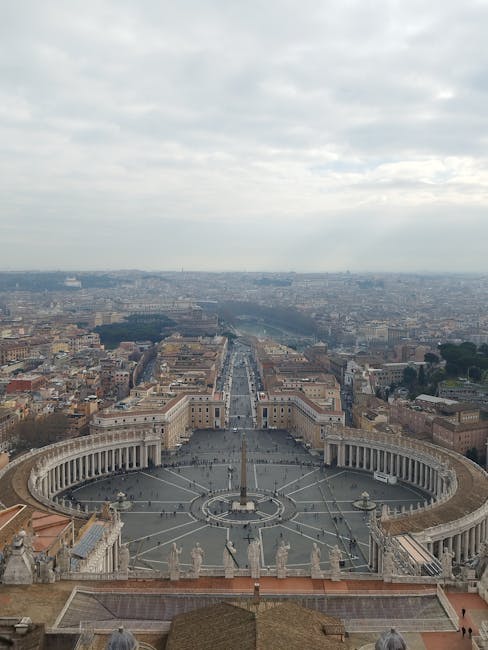
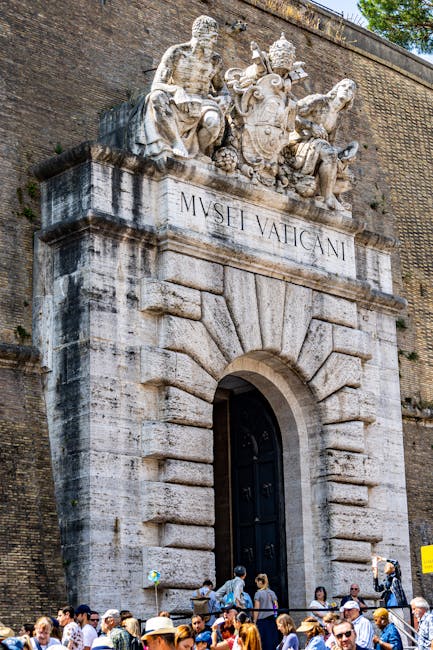
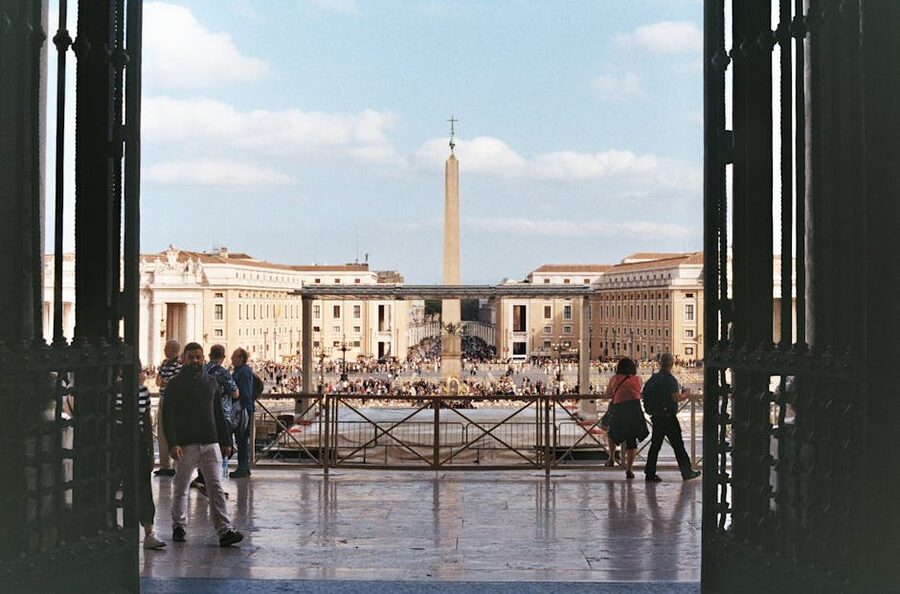
Longer tours (3+ hours) often include the Vatican perimeter, driving along the ancient walls and stopping at viewpoints that show St. Peter’s dome from angles you won’t get as a pedestrian. The cart can’t enter Vatican City itself, but the exterior views and the surrounding Prati neighborhood make for excellent stops.
Hidden Gems
The real value of a golf cart tour is the places between the famous landmarks. Your driver might stop at:
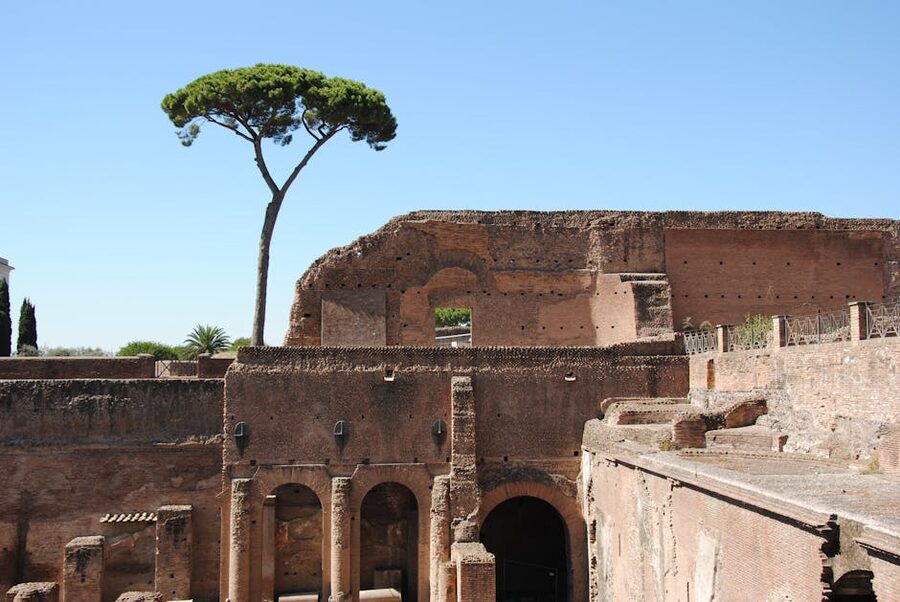
The Aventine Hill keyhole — a small hole in a door that frames St. Peter’s dome perfectly at the end of a garden path. The Mouth of Truth at Santa Maria in Cosmedin. The Orange Garden (Giardino degli Aranci) with its panoramic terrace overlooking the Tiber. The Quattro Fontane intersection with Baroque fountains on all four corners. These are the kinds of stops that make a local guide invaluable — you’d never find them on your own without hours of research.
Golf Cart vs. Walking vs. HOHO Bus
Golf cart vs. walking: A 3-hour golf cart tour covers what would take 2-3 days of walking. You see more, walk less, and get a guide who provides context you’d miss alone. The tradeoff: walking lets you wander and discover at random. The cart follows a route, even if it’s a flexible one.
Golf cart vs. HOHO bus: The bus is cheaper ($15-20 vs. $45-180) and offers unlimited hop-on/hop-off access all day. But the bus can’t access Rome’s most interesting narrow streets and pedestrian zones — which is exactly where the golf cart goes. The bus covers Rome’s perimeter; the golf cart covers its heart.

Golf cart vs. Vespa/scooter tours: Scooters go even faster and cover more ground, but they require a motorcycle license and aren’t suitable for families or older travelers. Golf carts are accessible to everyone.
Who Should Book a Golf Cart Tour
Families with kids: Children love riding in the open-air cart, and the tour format keeps them engaged without requiring hours of walking.
Visitors with mobility limitations: Rome is not wheelchair-friendly. Cobblestones, hills, and stairs are everywhere. A golf cart tour provides access to areas that would otherwise be extremely difficult to navigate.
Short-stay visitors: If you only have one day in Rome (cruise port stop, layover, or tight itinerary), a golf cart tour is the most efficient way to see the highlights. Three hours covers what would take three days of walking.
Repeat visitors: If you’ve already done the Colosseum, Vatican, and Pantheon on foot and want to go deeper — hidden alleys, local neighborhoods, off-the-beaten-path viewpoints — a private golf cart with a knowledgeable driver is perfect.
When to Book a Golf Cart Tour
Best months: April-May and September-October. The weather is comfortable, the crowds are manageable, and the light is beautiful. Avoid August if possible — many Romans leave the city and some smaller restaurants close, which reduces the charm factor.
Best time of day: Morning tours (9-10 AM start) see the city before the crowds descend. Sunset tours (starting around 5-6 PM) catch golden hour light and the transition from day to evening atmosphere. Midday tours in summer are brutally hot on the open cart.
How far in advance: Private tours in peak season sell out 1-2 weeks ahead. Budget group tours can often be booked a few days before. For weekend sunset tours in spring, book as early as possible.
Practical Tips
Book at least 3-5 days in advance. Popular time slots (morning and sunset) sell out quickly, especially for private tours during peak season.
Bring a light jacket for evening tours. The cart is open-air, and moving at speed creates a breeze. After sunset, even in summer, it can feel cool.
Tip your driver. These guides are usually independent operators, and a good tip ($20-30 per cart) is appreciated for great service. If your driver goes above and beyond — and based on the reviews, many do — tip accordingly.

Charge your phone. You’ll want it for photos at every stop. Three hours of constant camera use drains batteries fast.
Combine with walking tours. The golf cart gives you the big picture. Once you know the lay of the land, you can return on foot to explore the areas that interested you most. Many visitors use the golf cart on day one for orientation, then walk specific neighborhoods on subsequent days.
More Booking Guides for Rome
A golf cart tour is the perfect complement to Rome’s individual monument visits. Once you’ve seen the big picture from the cart, you’ll know which sights deserve a closer look. The Colosseum and Vatican Museums each need their own half-day with timed entry tickets booked in advance. The Pantheon is a quick €5 stop that slots into any day. And once you know where the good food hides — something your golf cart driver will almost certainly show you — book a food tour through Trastevere to go deeper into Rome’s culinary side streets.