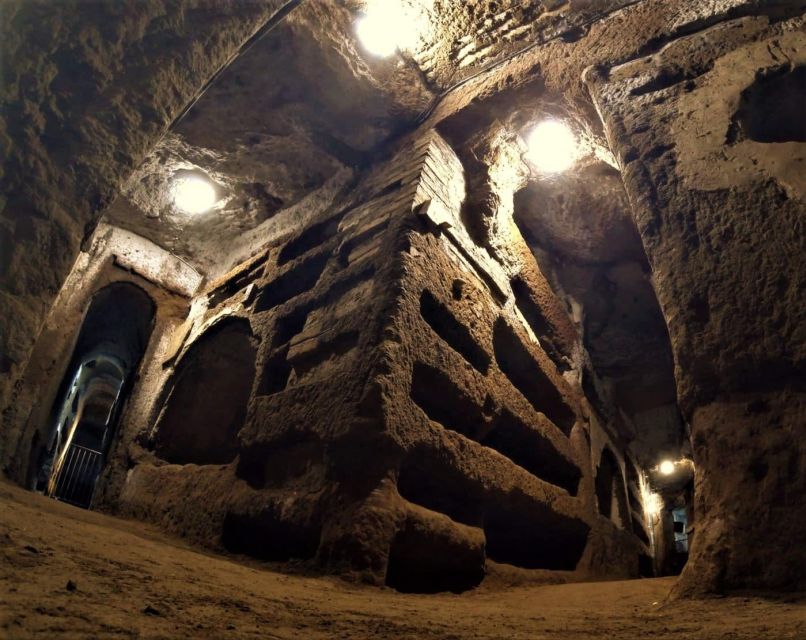
Six meters below street level, the temperature drops. The guide switches on a flashlight and the beam catches rows of carved niches in the tufa rock — hundreds of them, stacked floor to ceiling, each one sized for a human body. Some still have faded frescoes above them. Others have names scratched into the stone in Greek and Latin. This is where Rome buried its dead for three centuries, and the silence down here hasn’t changed since the 4th century.
Rome’s catacombs and crypts are the city’s most atmospheric underground experience, and genuinely unsettling in the best way. While the Colosseum and Vatican get all the attention, the subterranean burial networks beneath the city offer something no other attraction can: the feeling of stepping into a world that’s been sealed for over a thousand years, the same out-of-time hush you get descending into Mallorca’s Caves of Hams or stepping into the modern wooden underbelly of Seville’s Setas.
Here’s how to visit them, what to expect underground, and which tours are worth booking.
Short on Time? My Top Picks
Crypts & Catacombs Underground Tour — $74.02. The comprehensive option. Covers multiple underground sites with transport between them. Most booked with 5,300+ reviews.
Catacombs of St. Callixtus Entry & Tour — $16. The budget pick. Just the main catacombs with a 30-minute guided tour. The best single-site option.
Catacombs & Capuchin Crypt Tour — $41. Combines the catacombs with Rome’s most macabre site — the crypt decorated entirely with monks’ bones. Two very different underground experiences in one tour.
What Are Rome’s Catacombs?
The catacombs are underground burial tunnels carved into the soft tufa rock beneath Rome’s outskirts. Early Christians used them from the 2nd to 5th centuries AD — not as hiding places (that’s a myth) but as cemeteries, since Roman law prohibited burials within city walls.
There are over 60 known catacombs beneath Rome, containing an estimated 750,000 to 1 million burials. Most are closed to the public. The main ones open to visitors are:
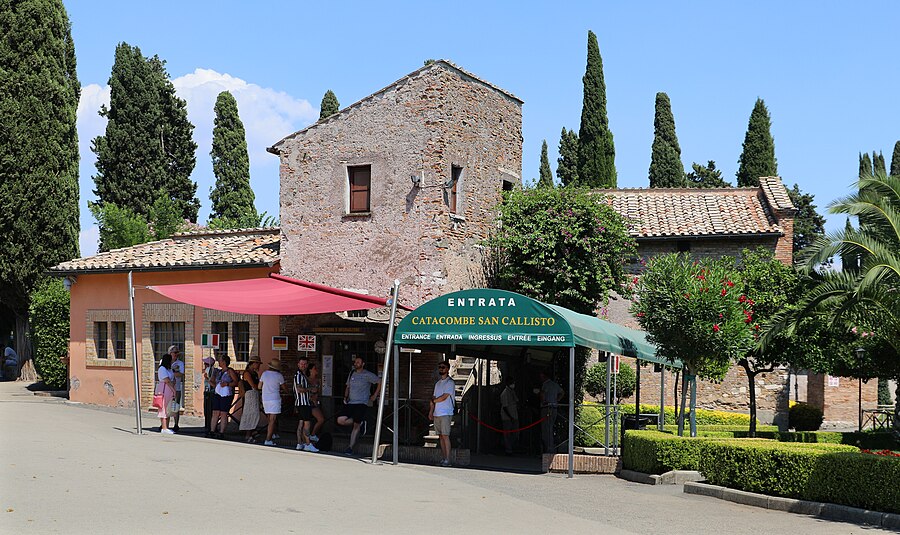
Catacombs of San Callisto (St. Callixtus): The largest and most important. 20 kilometers of tunnels on four levels, containing the tombs of 16 popes and dozens of martyrs. This is the one most tours visit.
Catacombs of San Sebastiano: Located on the Appian Way, these gave the word “catacomb” to the world (from the Latin “catacumbas,” meaning “near the hollows”). Smaller but historically significant.
Catacombs of Priscilla: Known for the oldest known painting of the Virgin Mary (mid-2nd century). Less visited and more intimate than San Callisto.
Catacombs of Domitilla: The largest in Rome by total area, with tunnels spanning 17 kilometers. Contains an underground 4th-century basilica that’s genuinely stunning.
The Capuchin Crypt: Something Different Entirely
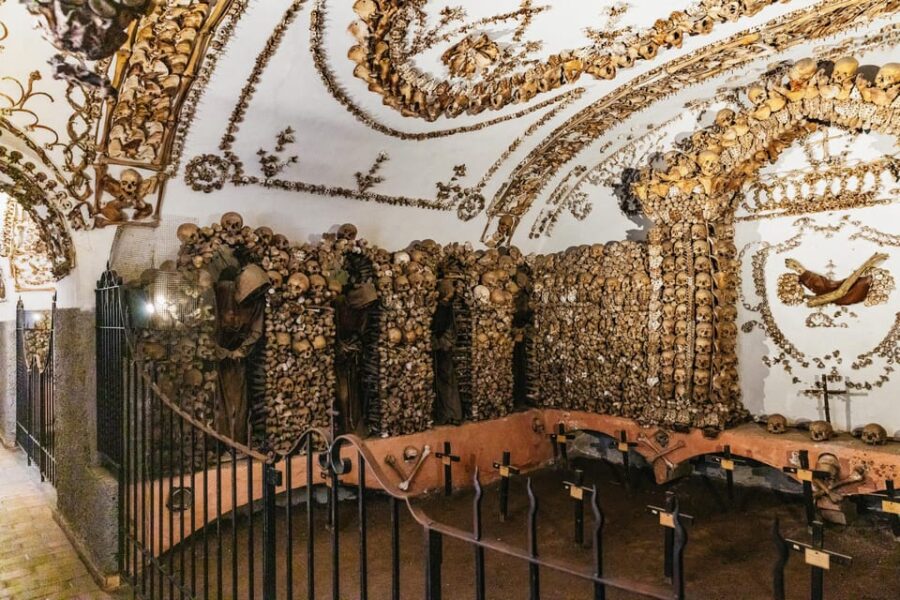
The Capuchin Crypt is not a catacomb. It’s a series of six small chapels beneath the Church of Santa Maria della Concezione dei Cappuccini, near Piazza Barberini. The walls, ceilings, and decorative elements of these chapels are made entirely from the bones and skulls of 3,700 Capuchin friars who died between 1528 and 1870.
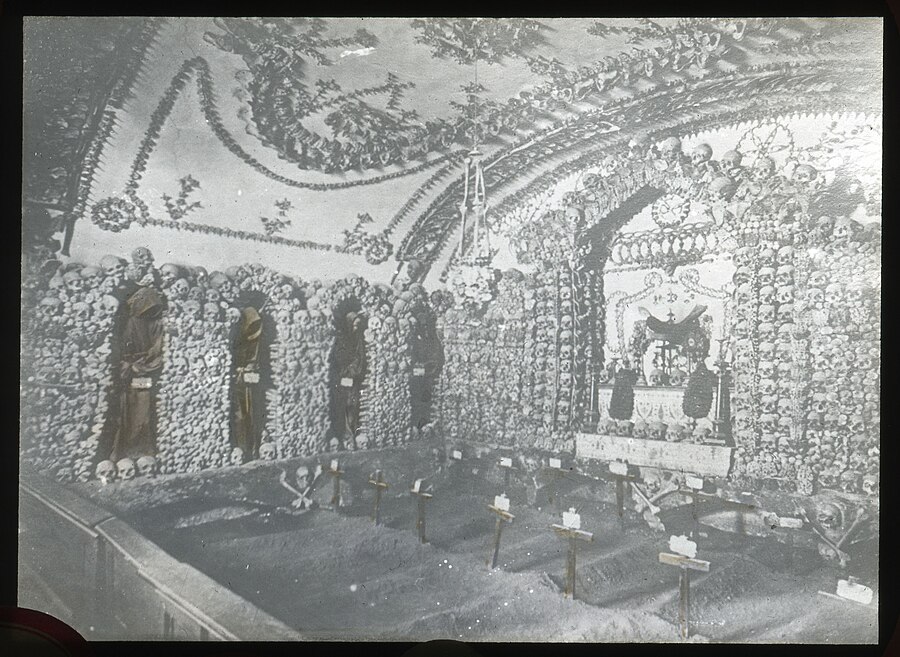
It’s simultaneously beautiful and deeply unsettling. Bones are arranged into decorative patterns, chandeliers made from vertebrae, clock shapes from shoulder blades, floral designs from pelvic bones. Fully robed skeletons of Capuchin monks stand in niches. A plaque at the exit reads: “What you are now, we once were. What we are now, you shall be.” It’s the same uncomfortable memento mori energy that hangs over Paris’s Père Lachaise cemetery and the imperial crypt at Les Invalides.
The crypt is in central Rome (Metro stop: Barberini, Line A) and can be visited independently for €10 or as part of a combined tour with the catacombs.
The Best Catacombs and Crypts Tours
1. Crypts & Catacombs Underground Tour — $74.02
The most comprehensive underground experience in Rome. This tour visits multiple sites — typically the Catacombs of San Callisto or Domitilla plus the Capuchin Crypt — with air-conditioned coach transfers between them. At $74, it’s not cheap, but it eliminates the logistics of getting to the Appian Way on your own, which is a genuine headache. Over 5,300 visitors have rated it 4.6. We go into which specific catacombs the tour visits and how the Capuchin Crypt compares in terms of atmosphere and impact.
2. Catacombs of St. Callixtus Entry & Tour — $16
The best single-site option at just $16. The Catacombs of San Callisto are the most important in Rome — 16 popes were buried here, along with thousands of early Christians. The 30-minute guided tour covers two underground levels and includes the Crypt of the Popes and the tomb of St. Cecilia. With over 3,000 reviews at 4.6, the guides consistently get praised for making the dark tunnels come alive with stories. More on what you’ll actually see in the tunnels and how the guides handle the atmosphere.
3. Catacombs & Capuchin Crypt Tour — $41
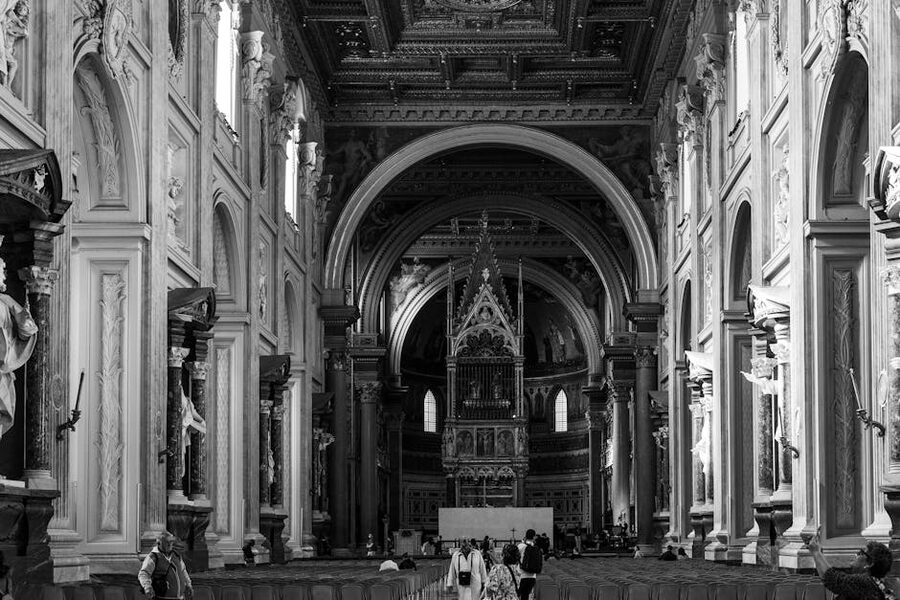
The mid-range option that combines both underground worlds — ancient Christian catacombs and the bone-decorated Capuchin Crypt. At $41 with coach transfer included, it’s excellent value for two very different experiences. The catacombs are solemn and historically significant; the Capuchin Crypt is artistically extraordinary and genuinely eerie. Together they give you the full range of Rome’s relationship with death and remembrance. We compare how the two sites differ in tone and impact and which one stays with you longer.
The Appian Way: Getting to the Catacombs
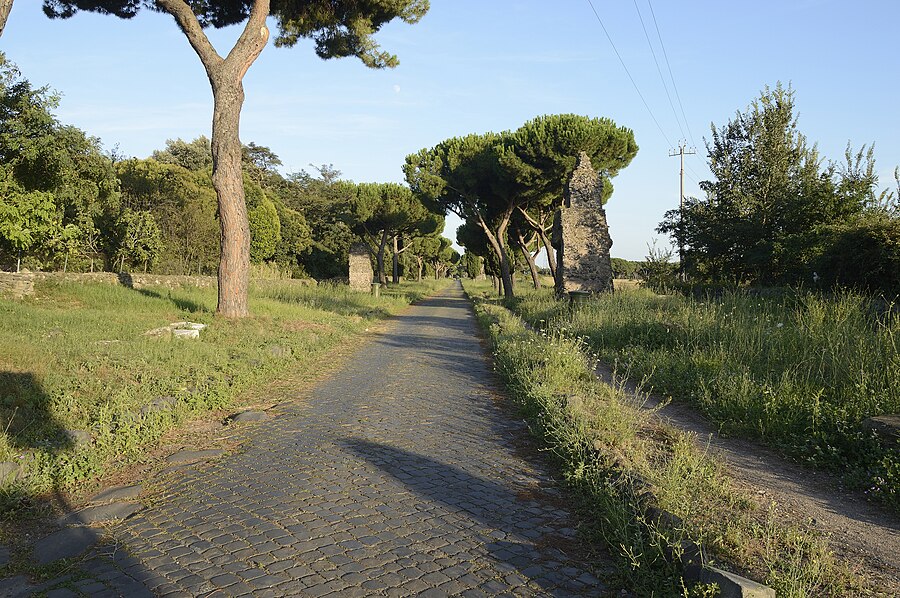
Most of the catacombs are located along the Via Appia Antica (Appian Way), the ancient road that once connected Rome to Brindisi in southern Italy. The Appian Way itself is one of the oldest roads in the world — built in 312 BC and still paved with the original basalt stones in many sections.
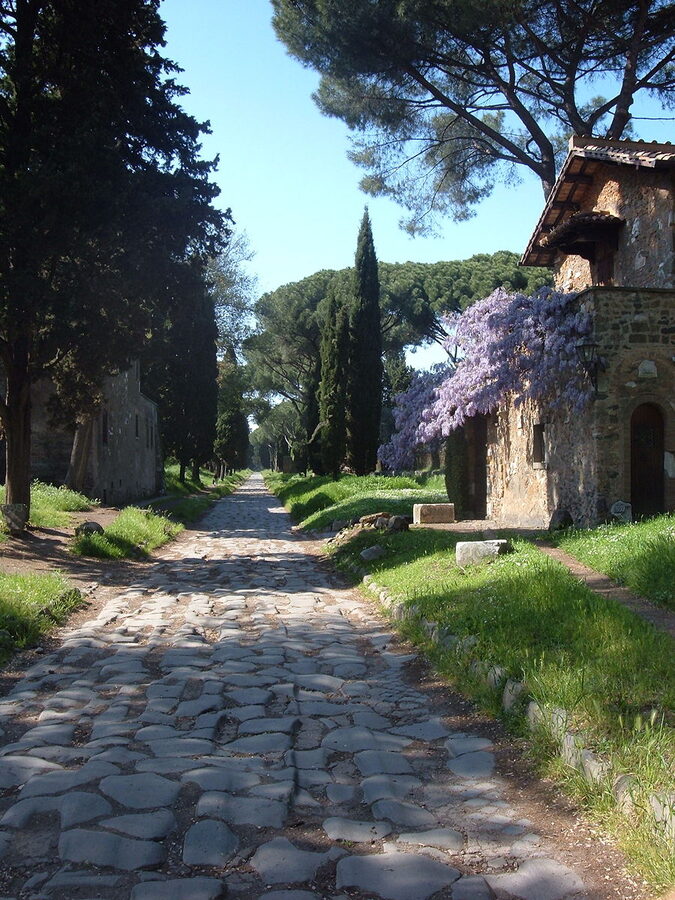
Getting to the Appian Way independently is possible but inconvenient. Bus 118 from the Colosseum or Circus Maximus runs along the road, but it’s infrequent (every 20-40 minutes) and doesn’t always stop right at the catacomb entrances. Bus 218 from San Giovanni in Laterano is an alternative. The journey takes 30-45 minutes from central Rome.
This is the main reason organized tours are popular — they include coach transfers that eliminate the bus logistics. If you want to explore independently, consider renting an e-bike at the start of the Appian Way. The road is closed to most car traffic on Sundays, making it perfect for cycling between catacomb sites with ruins and countryside between them.
Which Catacomb Should You Visit?
If you’re choosing just one catacomb, here’s how they compare:
San Callisto is the biggest, most historically significant, and most visited. It has the Crypt of the Popes and the best frescoes. Visit here if you only have time for one.
Domitilla is the largest by total area and contains an underground basilica — a 4th-century church built entirely below ground. It’s less crowded than San Callisto and arguably more atmospheric. Visit here for a quieter, more immersive experience.
San Sebastiano is smaller but sits directly on the Appian Way with beautiful grounds. The tunnels are well-preserved and the guided tours are intimate. Visit here if you’re combining with an Appian Way walk.
Priscilla is the most art-focused, containing the oldest known image of the Virgin Mary. It’s in a different part of Rome (northern suburbs, near Via Salaria) and less convenient to reach. Visit here if early Christian art is your primary interest.
The Capuchin Crypt is not a catacomb but a bone church — completely different in character. It’s in central Rome, easy to reach, and takes only 20-30 minutes. If you want the macabre without the underground tunnels, this is your spot. Combine it with a catacomb visit for the full spectrum of Rome’s funerary culture.
E-Bike Tours: The Appian Way Alternative
If claustrophobic underground tunnels aren’t your thing, consider an e-bike tour of the Appian Way instead. These combine outdoor cycling along the ancient road with stops at the catacombs, Roman aqueduct ruins, and countryside landscapes. It’s Rome’s best half-day escape from the city center.
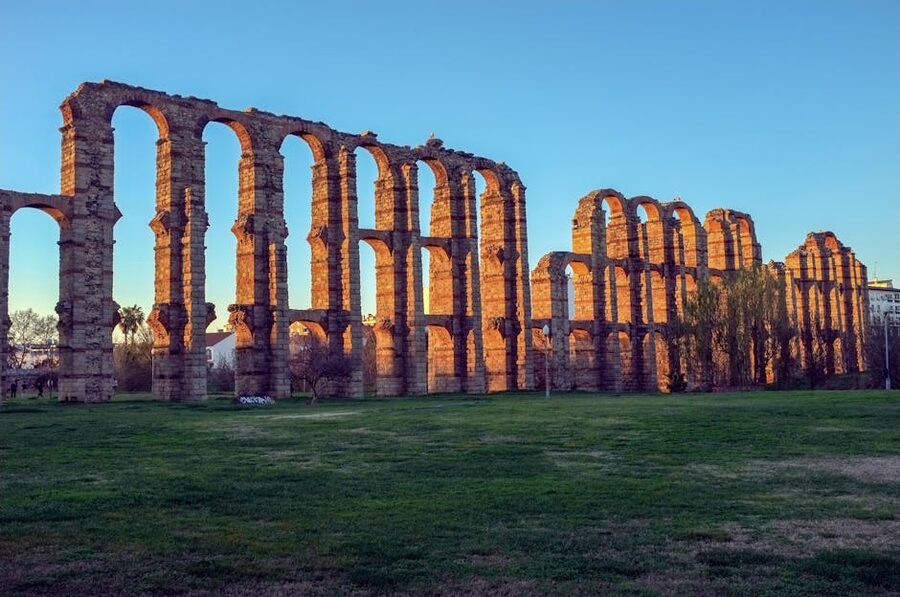
The e-bike tours run about 3-4 hours, cover 15-20 kilometers of mostly flat terrain, and cost $85-103 per person. They typically include a stop at one set of catacombs (usually San Callisto or San Sebastiano) plus the aqueduct park and several ancient tombs along the road. The combination of outdoor cycling and underground exploration makes for one of Rome’s most varied half-day experiences.
What to Expect Underground
A few practical realities about visiting the catacombs that most guides don’t mention upfront.
It’s dark. The tunnels are lit but dimly. Your guide carries a flashlight and illuminates specific areas as they explain them. Photography is usually not allowed in the tunnels (the flash damages ancient frescoes).
It’s cool. Underground temperatures stay around 15°C (59°F) year-round. In summer, this feels refreshing. In winter, bring a layer.
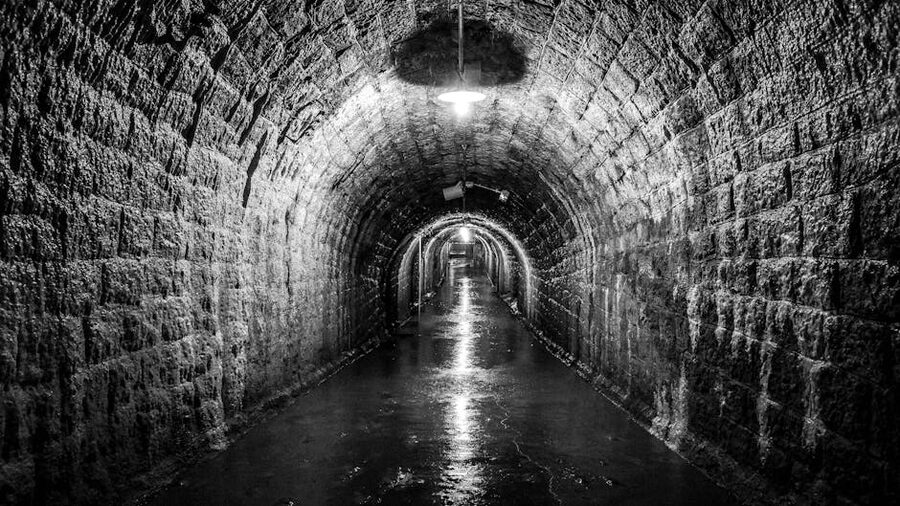
It’s narrow. The tunnels were carved for function, not comfort. Some passages are barely shoulder-width, and ceilings can be low. If you’re significantly claustrophobic, the underground sections will be uncomfortable.
It’s real. These are actual burial sites. Some niches still contain fragments of ancient sarcophagi. The bones were largely removed centuries ago, but the scale, hundreds of carved niches stretching into the darkness, is genuinely affecting. This isn’t a theme park experience, the same way standing in the canal-house attic where Anne Frank’s family hid isn’t a theme-park experience either.
What You’ll See in the Tunnels
Loculi: Rectangular niches carved into the tunnel walls, each sized for one body. They’re stacked up to seven high in some sections. Most are now empty, sealed with marble slabs inscribed with names and Christian symbols.
Cubicula: Small chambers branching off the main tunnels, used as family burial rooms. Some contain the finest frescoes — early Christian art dating from the 2nd and 3rd centuries, including some of the oldest known representations of Christ.
The Crypt of the Popes: In San Callisto, a special chamber holds the remains of 16 popes from the 3rd century. The inscriptions on the walls list their names in Greek. This room is the most historically significant space in any of Rome’s catacombs.
Early Christian frescoes: Symbols and paintings on the walls include fish (an early Christian symbol), anchors (representing hope), doves (peace), and the Chi-Rho monogram. Some of the earliest known images of baptism and the Eucharist are found here.
A Brief History
Roman law prohibited burial within the city walls. For pagans, this meant cremation or roadside tombs along routes like the Appian Way. But early Christians rejected cremation — they believed in bodily resurrection, which required the body to remain intact. Underground burial in the soft tufa rock outside the city walls was the solution.
The catacombs were in active use from the 2nd to 5th centuries AD. When Rome was sacked by the Visigoths in 410 and the Vandals in 455, many remains were moved inside the city walls for protection. The catacombs were gradually abandoned, sealed, and forgotten for nearly 1,000 years.
They were rediscovered in 1578 when workers accidentally broke through into the Catacombs of Via Salaria. Systematic exploration began in the 19th century under archaeologist Giovanni Battista de Rossi, who mapped San Callisto and established the catacombs as a major field of study.
Practical Tips
Book in advance for San Callisto. As the most popular catacomb, it fills up during peak season. Tours run every 20-30 minutes in multiple languages. Entry is €10 adults, €7 children 7-16, free under 7. You can only visit with a guided tour — no independent exploration.
Closed days vary by catacomb. San Callisto is closed Wednesdays, San Sebastiano on Sundays, Priscilla on Mondays. Check before planning your visit.
Wear closed-toe shoes. The underground floors are uneven, sometimes damp, and occasionally steep. Sandals are a bad idea.
Not suitable for everyone. The narrow passages, low ceilings, and underground setting can trigger claustrophobia. The Capuchin Crypt has bone decorations that some visitors (especially young children) find disturbing. Use your judgment.
Combine with the Appian Way. If you’re visiting the catacombs independently, allocate a full half-day for the Appian Way area. The road itself is fascinating, and there are ancient tombs, ruins, and parkland worth exploring between the catacomb sites.
The Capuchin Crypt is in central Rome. Unlike the catacombs (which are outside the city center on the Appian Way), the Capuchin Crypt is at Via Veneto 27, right next to Piazza Barberini. Metro stop: Barberini (Line A). Open daily 10 AM – 7 PM. Entry €10.
Getting There
To the Catacombs (Appian Way): Bus 118 from the Colosseum area or Bus 218 from San Giovanni in Laterano. The ride takes 20-30 minutes. Alternatively, take Metro Line A to Colli Albani, then Bus 660 to the Via Appia Antica.
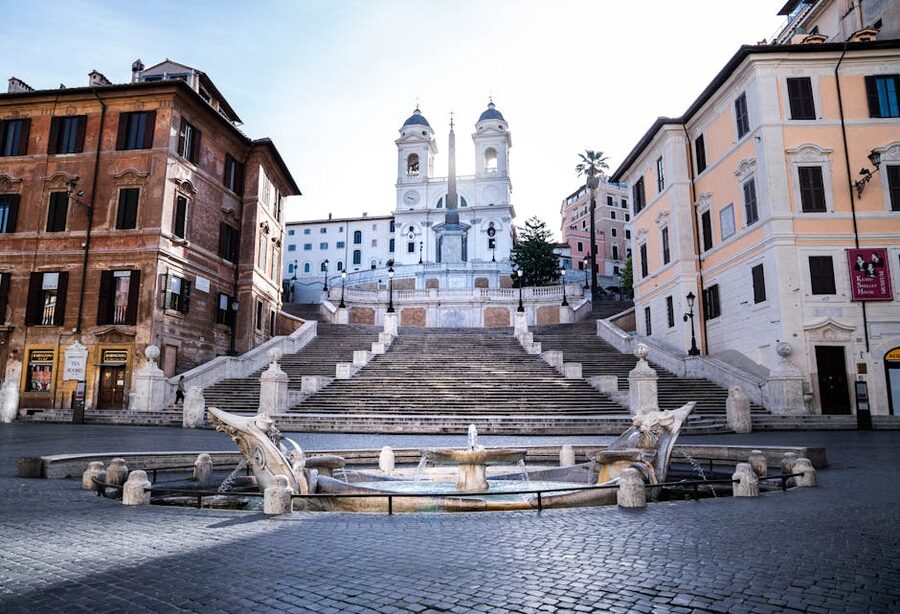
To the Capuchin Crypt: Metro Line A to Barberini. The church is a 2-minute walk from the station exit. Or walk from the Spanish Steps (10 minutes) or Piazza Venezia (15 minutes).
More Booking Guides for Rome
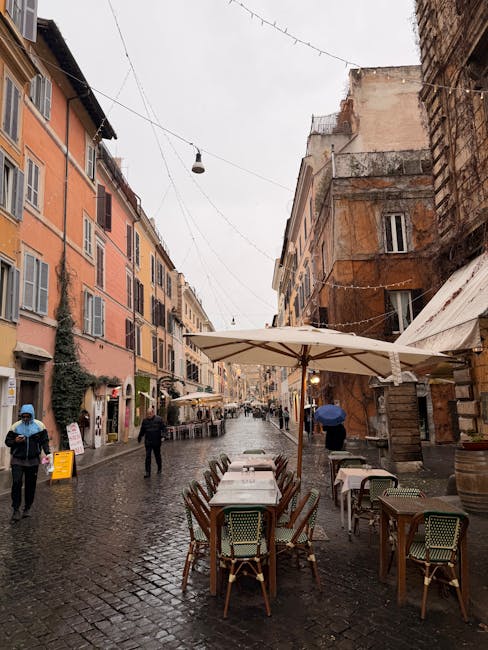
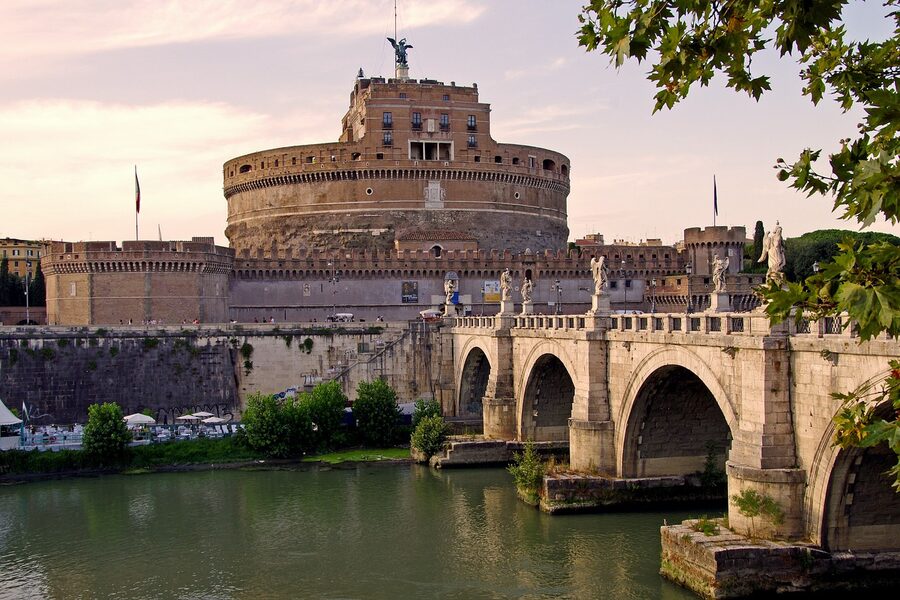
The catacombs show a completely different side of Rome from the typical above-ground attractions. For the major monuments, the Colosseum and Vatican Museums both need advance tickets and careful timing. Castel Sant’Angelo — a 2,000-year-old fortress that was also once a tomb — pairs thematically with the catacombs and is a short walk from the Capuchin Crypt. And for something entirely different, a food tour through Trastevere is the perfect palate cleanser after a morning spent underground with the dead.