
The lights drop. You’re standing in a curved acrylic tunnel 70 metres long, with seven million litres of saltwater overhead. A sand tiger shark swims past your face, ten centimetres of plexiglass between its mouth and your nose. Behind it, a school of barracuda. Above that, a roughtail stingray with a wingspan wider than you are tall. This is the Oceans tank at L’Oceanogràfic Valencia. It is the largest aquarium tank in Europe, and it sits inside the largest aquarium in Europe, and most travellers planning a trip to Spain don’t know it’s there.
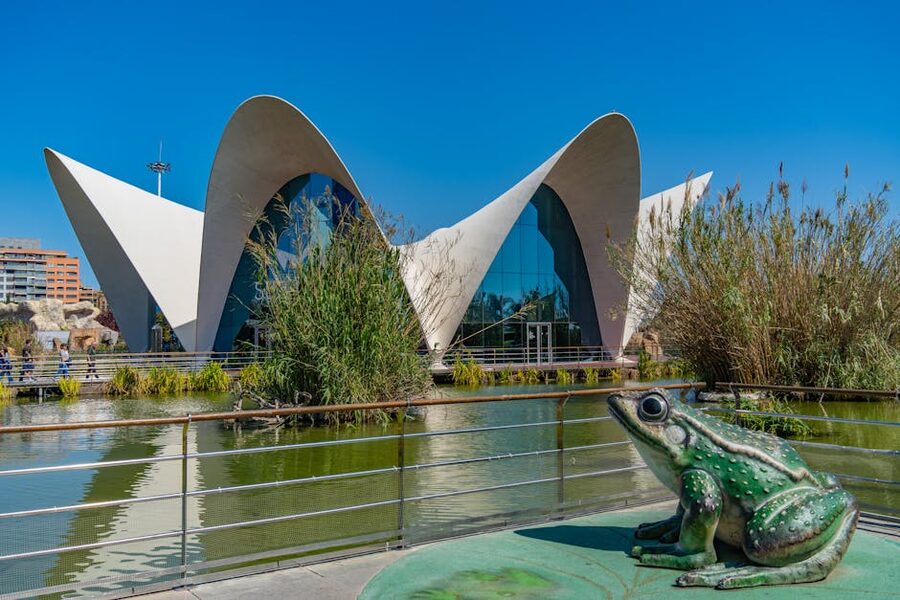
The numbers are real. 42 million litres of water. Roughly 45,000 marine animals. Five hundred species across nine ecosystems. It opened in February 2003. By every metric anyone uses to compare aquariums, this is the biggest one on the continent. The Genoa Aquarium has more storytelling around the building. Lisbon’s Oceanário is more architecturally famous. But for sheer volume, the species count, and the experience of standing under the open ocean, Valencia’s the one. And the building it sits inside is one of the most striking pieces of civic architecture in Spain.
Quick picks
- Cheapest entry: Oceanogràfic standard ticket from $44. The one to pick if you’re only doing the aquarium.
- Best combo: Oceanogràfic + Hemisferic + Science Museum from $54. Adds the planetarium and the science museum for ten extra euros.
- Science Museum only: Príncipe Felipe Science Museum from $11. The cheapest way into the Calatrava complex if you’re skipping the fish.
What you actually see (and where the time goes)
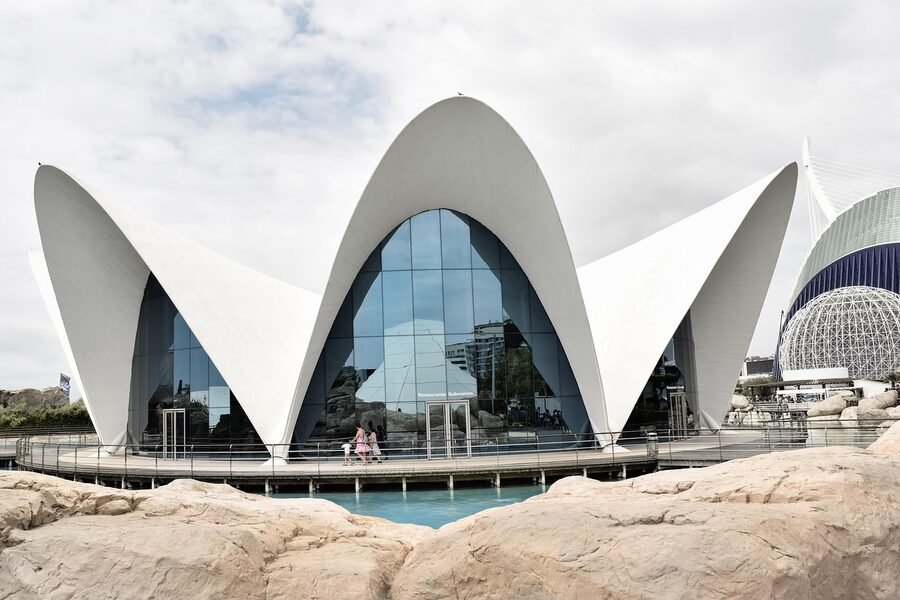
The complex is bigger than it looks on the map. You enter through the main building (the curved white-shell one), and from there you spiral down through nine zones, most of which are underground. People do this in two hours and feel rushed. The real minimum is three. Four if you want to see the dolphin show and the Beluga feeding without sprinting between them. The Oceanogràfic is laid out like a small theme park, not a single building, and the walking between zones is part of the day.
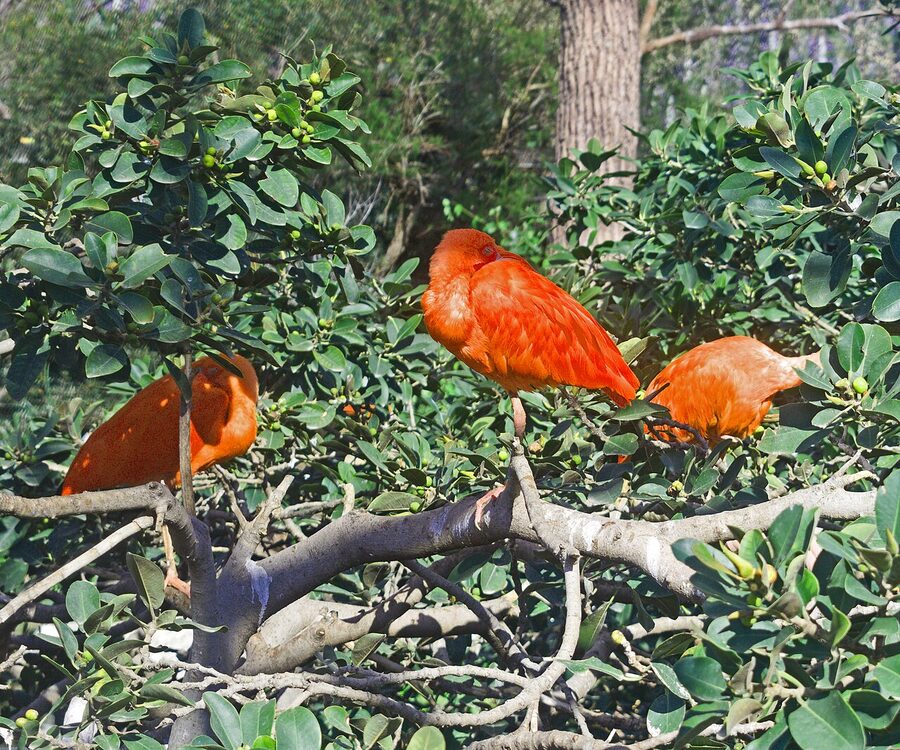
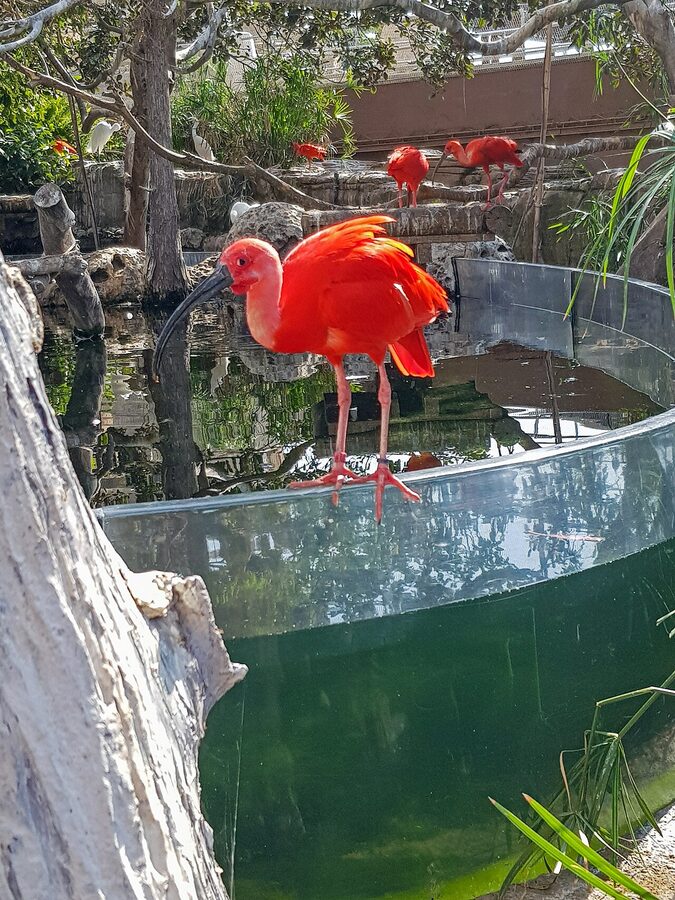
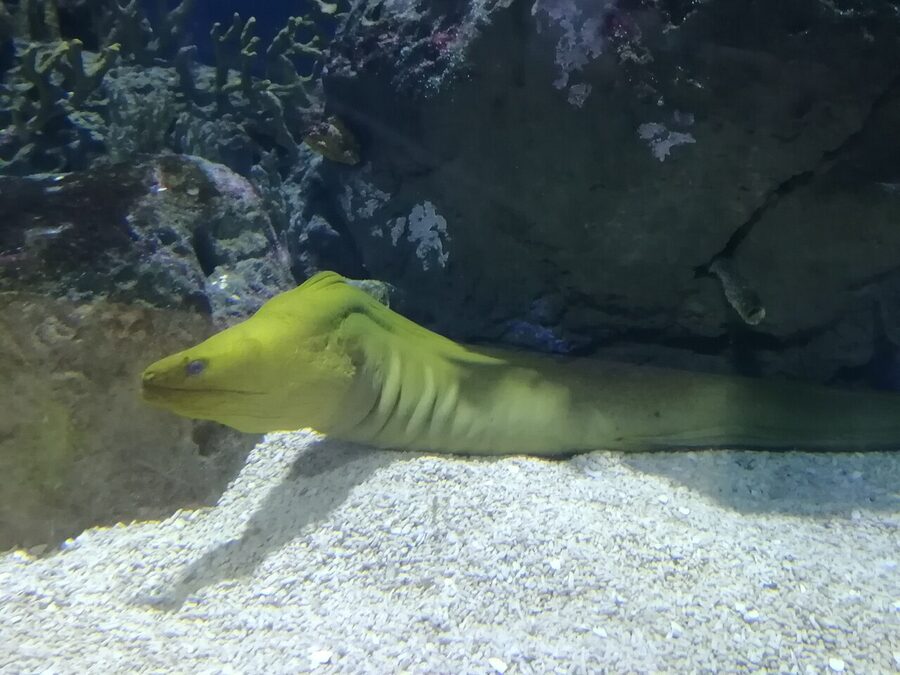
Here’s how the nine zones break down. The Mediterranean tank is the first thing you’ll see and it’s the one most travellers underrate. It’s a deep open tank with European species (groupers, seabream, octopus, the occasional moray) and a glass curtain you can stand right against. Locals call it the warm-up. Then Wetlands, which is an outdoor wading-bird zone with flamingos, scarlet ibis, and a small mangrove-style aviary. Then Temperate (sea lions, harbour seals), Tropical (the colourful reef stuff), Oceans (the big one, with the 70m tunnel), Antarctic (the Gentoo penguins), Arctic (the Belugas), Islands (Patagonian sea lions and seabirds), and Red Sea (a domed tropical reef tank that’s basically a quiet room with one giant window).
The order isn’t fixed. You can do the loop in either direction. I went clockwise on my first visit and counter-clockwise on the second, and counter-clockwise was better. You start with the Belugas (which are magnetic, more on that below) and end with the Mediterranean tank, which is the easiest to ignore on a tired second hour but rewards a fresh eye on a fresh first one.
The 70-metre tunnel
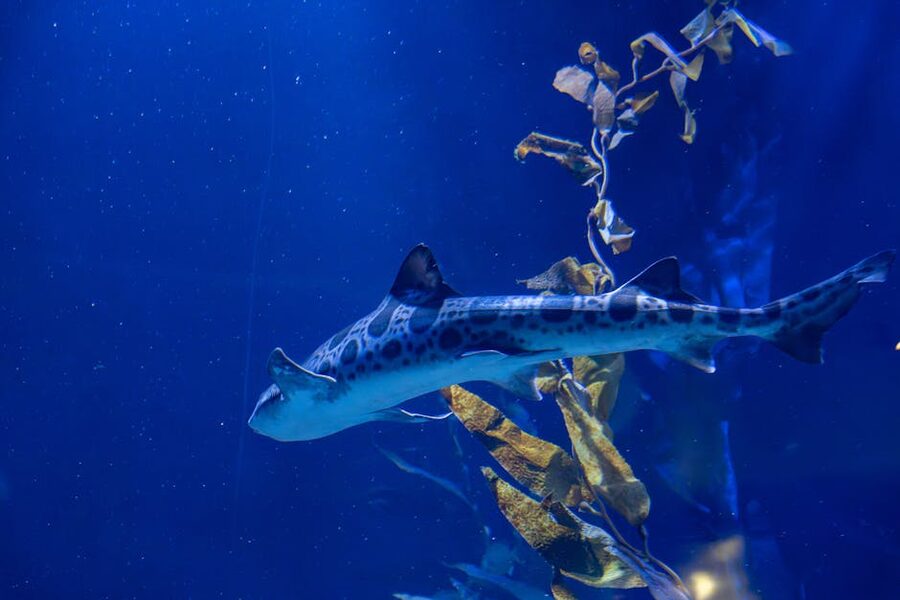
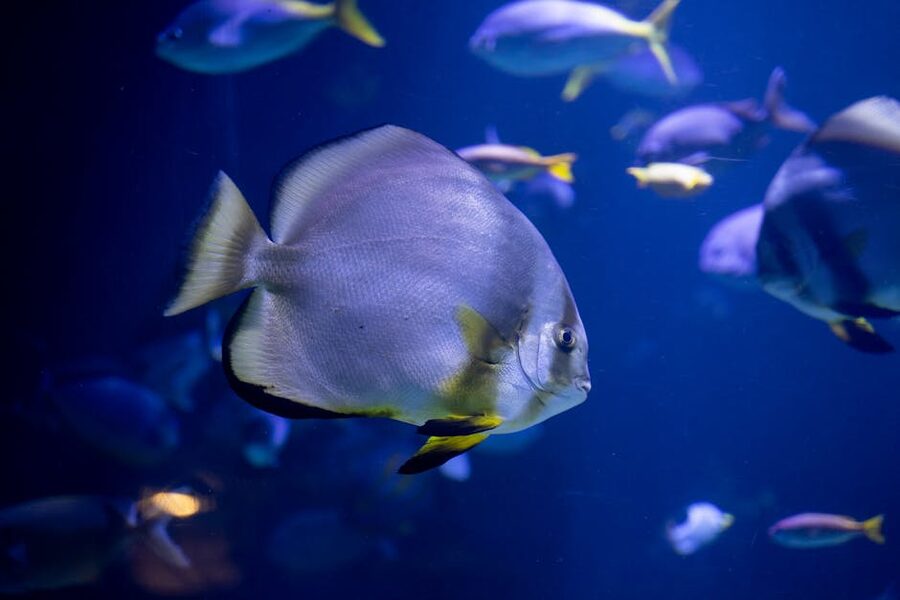
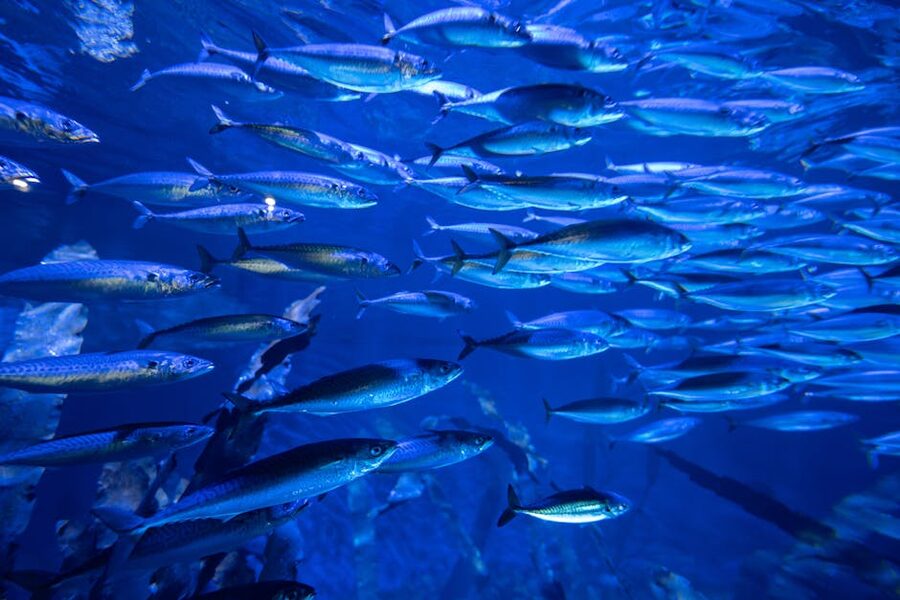
This is the centrepiece. The Oceans tank holds seven million litres of saltwater and the acrylic tunnel runs through it. You stand on a moving walkway (slow, you can step off whenever you want) and the tank is over you, around you, and below you all at once. Sand tiger sharks, a few leopard sharks, large nurse sharks, schools of bonito and barracuda, and a few enormous stingrays patrol the upper third. There’s also a sunfish that’s been there for years and shows up roughly half the time.
If you’ve been through Genoa’s main shark tunnel, this one is bigger but quieter. Genoa tells more of a story (it’s set up like a journey through Mediterranean and Atlantic ecosystems). Valencia’s Oceans tunnel is more spectacle: you stand under a working ocean and watch it happen. The lighting is dim and blue. People speak in whispers without being told to. Children stop running. The closest immersive-light installation that produces the same hush in northern Europe is the Fabrique des Lumières in Amsterdam, where projected painting fills a former gasworks; same instinct of a darkened room and a moving image that makes a noisy crowd quiet.
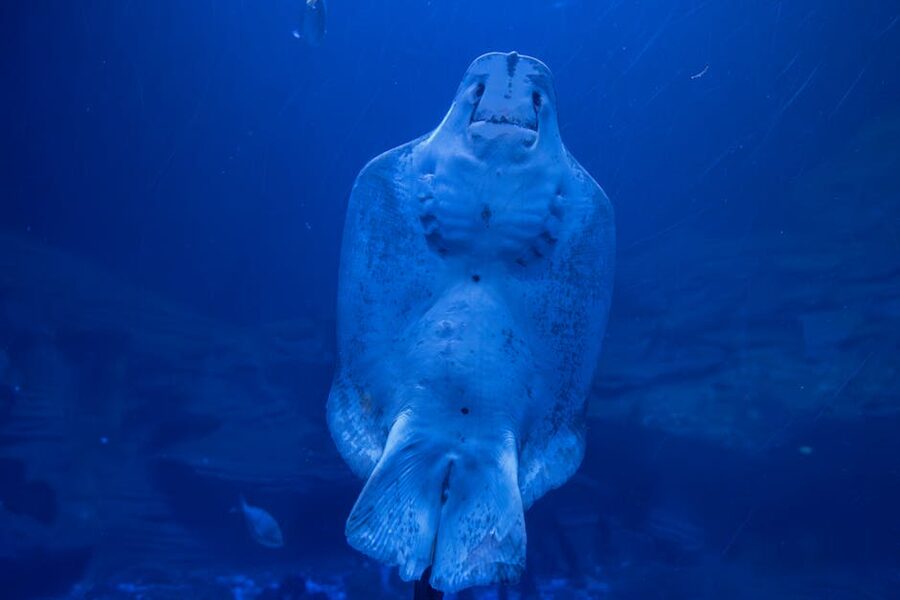
Best time inside the tunnel is the first 90 minutes after opening or the last 90 before closing. The mid-afternoon crush of school groups is genuinely overwhelming. I went on a Tuesday in April and the tunnel was busy by 11:30. By 16:00 it had cleared again. By 17:00 I had a solo five-minute window with a sand tiger that swam back and forth in front of me as if it was checking me out. That’s the moment you came for.
The Beluga whales (the only ones in Europe)
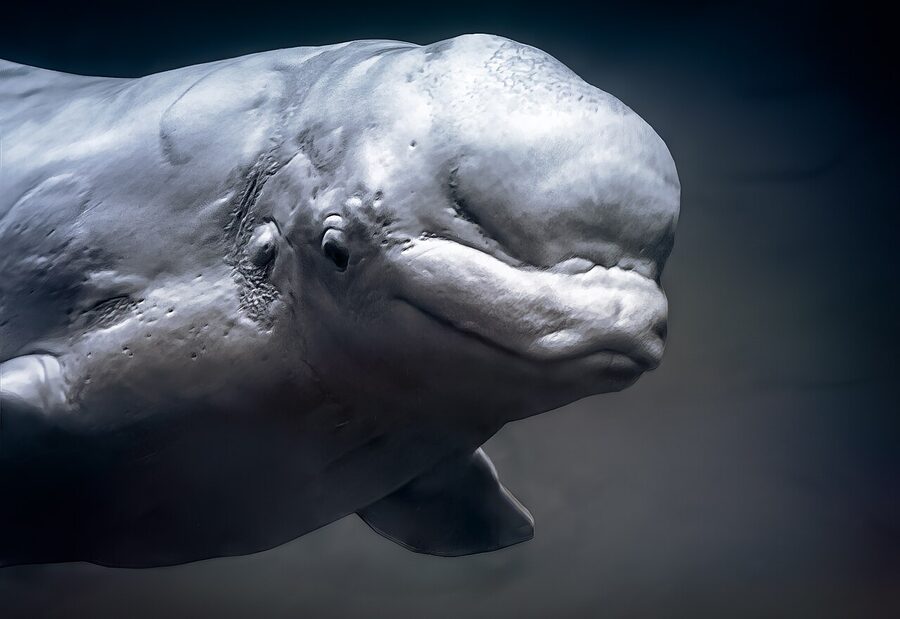
Two Belugas. Their names are Yulka and Plombir. They came from a Russian aquarium in 2014 and 2016 respectively. Valencia’s Oceanogràfic is the only place in Europe where you can see Beluga whales, and that’s a fact worth sitting with for a moment. There are roughly 200 captive Belugas globally, almost all in Asian and North American facilities, and these two live in a chilled pool in the Arctic zone with a viewing window the size of a small cinema screen.
The exhibit is divisive. If you’re firmly against captive cetaceans, you should know what you’re walking into and probably skip the dolphinarium too. The aquarium publishes a Beluga research programme and presents the animals as a conservation and education effort. They’re well cared for by the standards of captive marine work. Whether that’s enough is your call. Loro Parque on Tenerife handles a similar tension with their orcas, and the conversation is identical.
The encounter itself is real. Belugas vocalise. They squeak, click, and produce a sound like a creaky door, which is why early sailors called them sea canaries. Stand against the glass for ten minutes and one will come up to you. Their faces are expressive in a way most fish aren’t. You can see the melon (the fatty echolocation organ on the forehead) flex when they’re scanning you. My niece, six at the time, asked if she could come back tomorrow. We did.
The dolphinarium
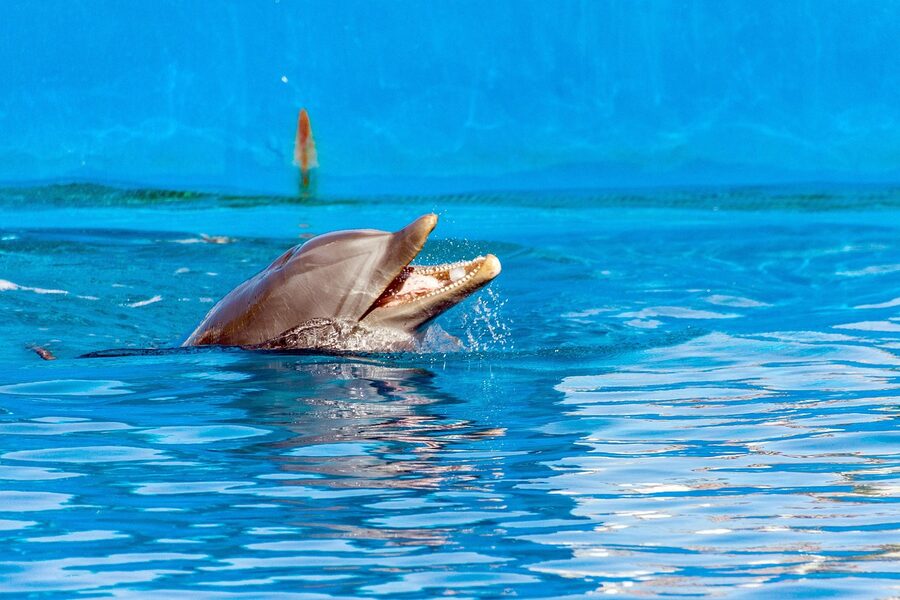
The Delfinario is a 26m by 80m pool with around 12 bottlenose dolphins. The amphitheatre seats 5,000. The presentation runs three to four times daily and lasts about 25 minutes. Same caveat as the Belugas: this is captive cetacean work and you may have feelings about it. The presentation is mostly natural-behaviour demonstrations now (not the trick-circus format of older shows). It’s framed as education, the trainers narrate, and the dolphins do leaps, tail walks, and the famous breach where they push themselves entirely out of the water and slide on their bellies along the pool deck.
If you only have time for one of these (Belugas or dolphins), do the Belugas. The Belugas are unique in Europe. The dolphins are not. Half the marine parks in Spain have bottlenose dolphins, and you can see them genuinely wild on a whale-and-dolphin watching boat from Los Cristianos or a Gran Canaria dolphin cruise if you want the wild version. The Beluga viewing is the thing you can’t get anywhere else on this continent.
The architecture (and why it matters)
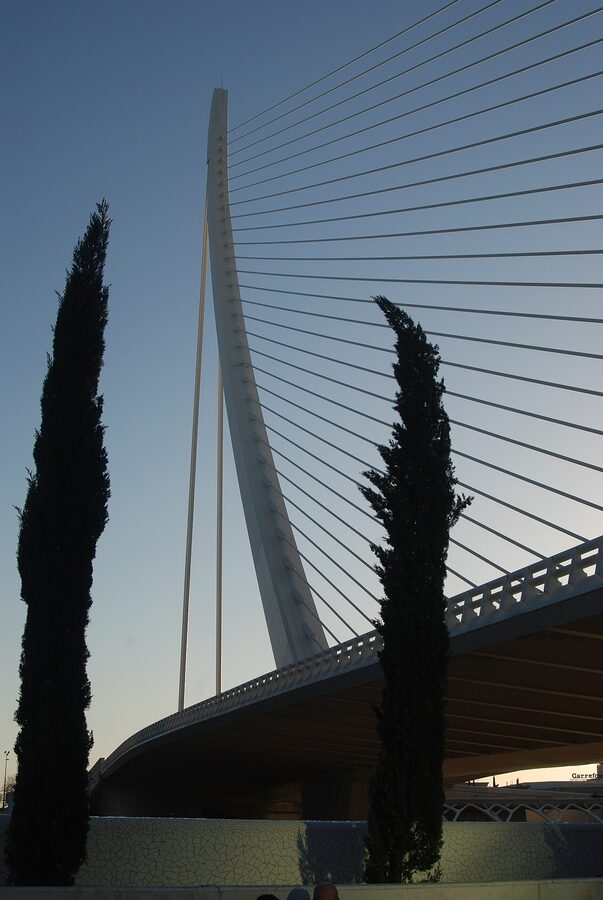
Walk the path between the entrance and the main building and look up. Those swooping concrete shells aren’t decoration. They’re structural. The architect was Félix Candela, a Spanish engineer (1910-1997) who fled Franco’s Spain for Mexico after the Civil War and spent his career inventing thin-shell concrete construction. His signature was the hyperbolic paraboloid roof: a saddle-shaped curve of reinforced concrete only a few centimetres thick, with no internal supports, that holds itself up purely through its geometry. He died in 1997 and didn’t live to see the Oceanogràfic finished, but the entrance pavilion and several restaurants and access points are pure Candela. They’re some of the last work he ever drew.

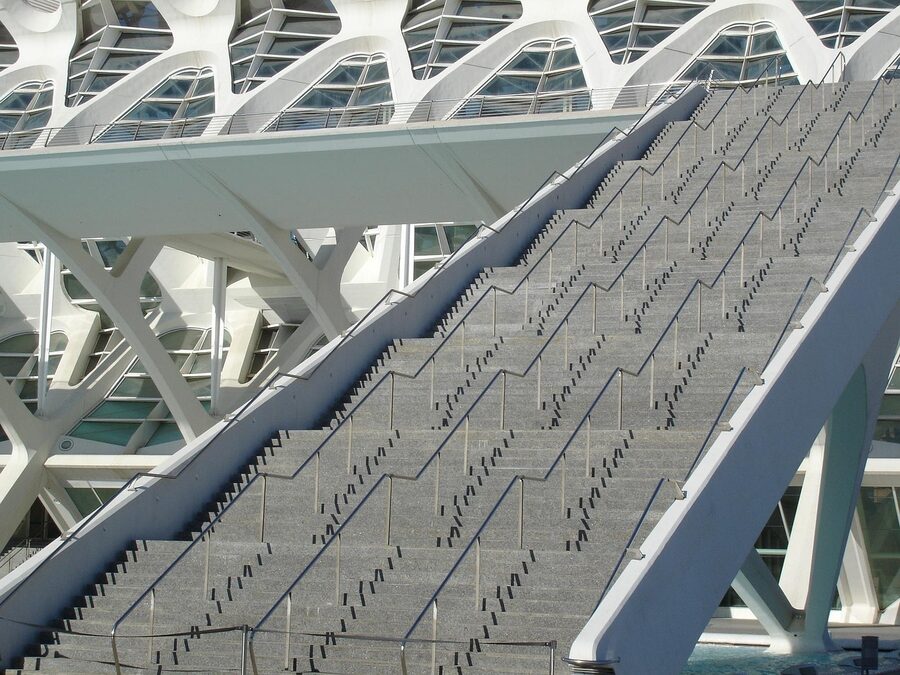
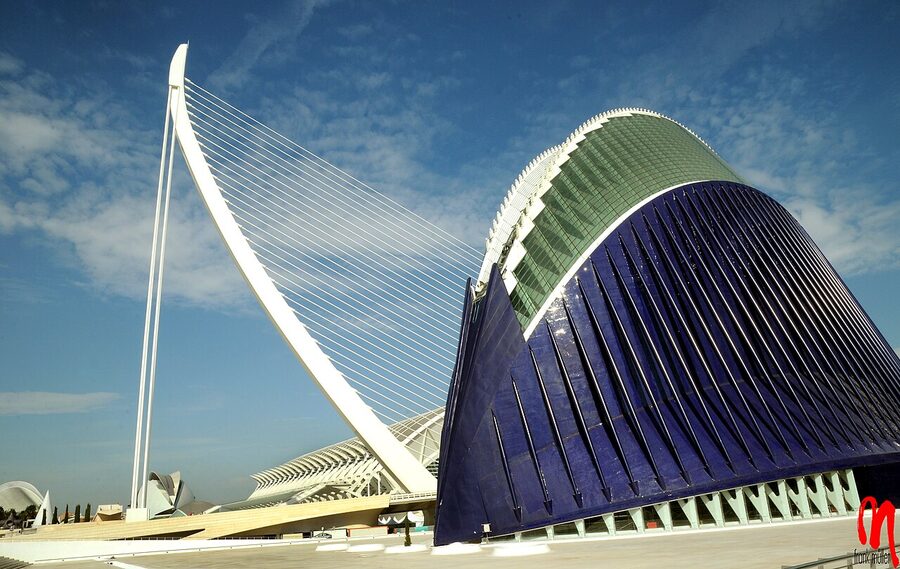
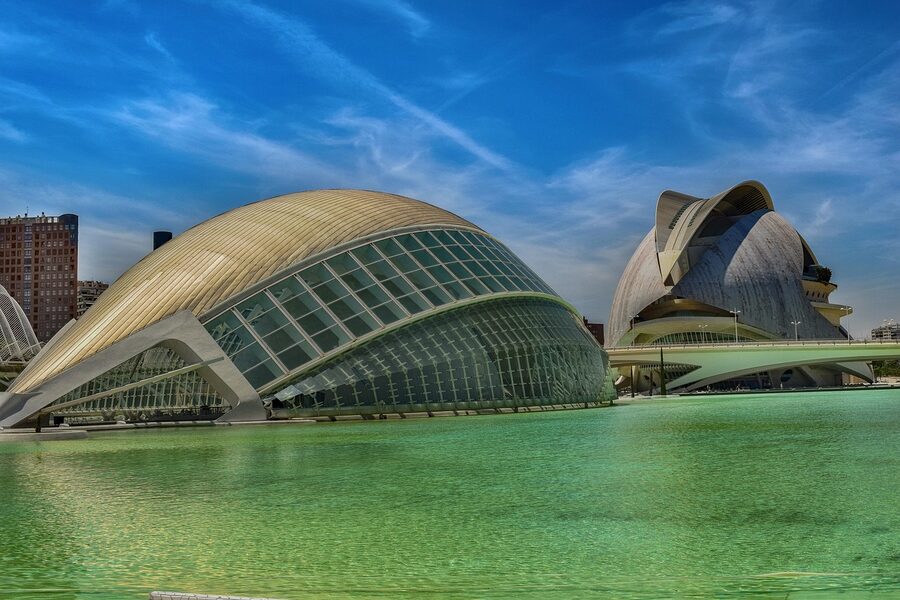
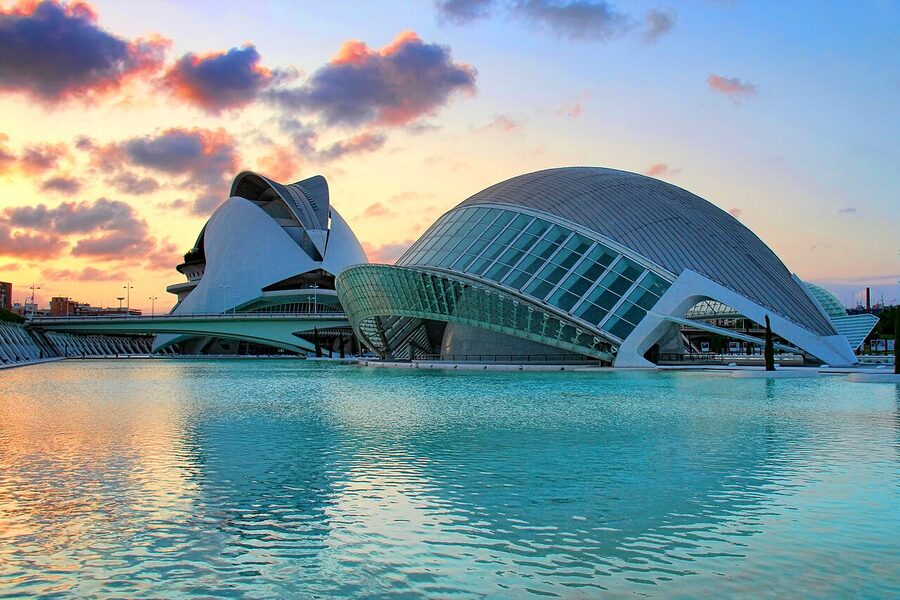
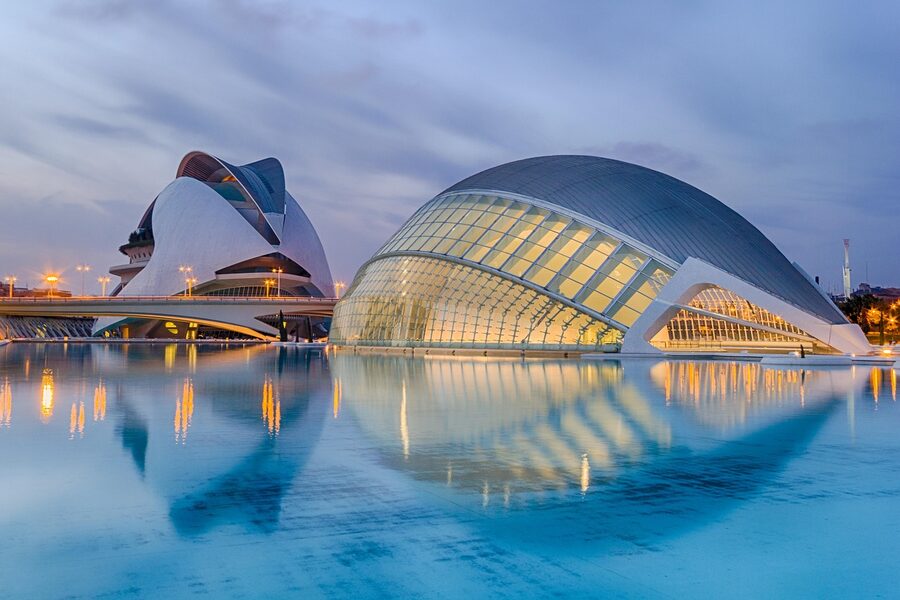
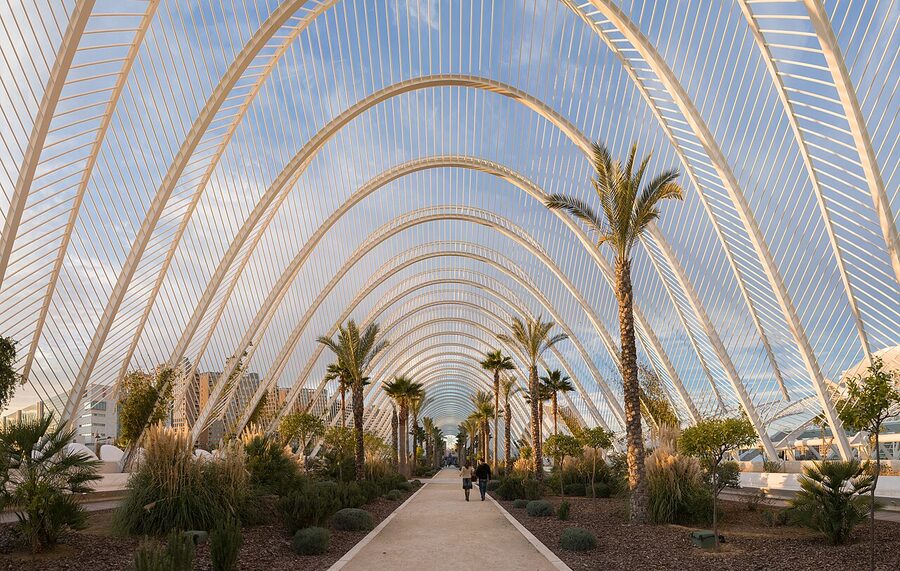
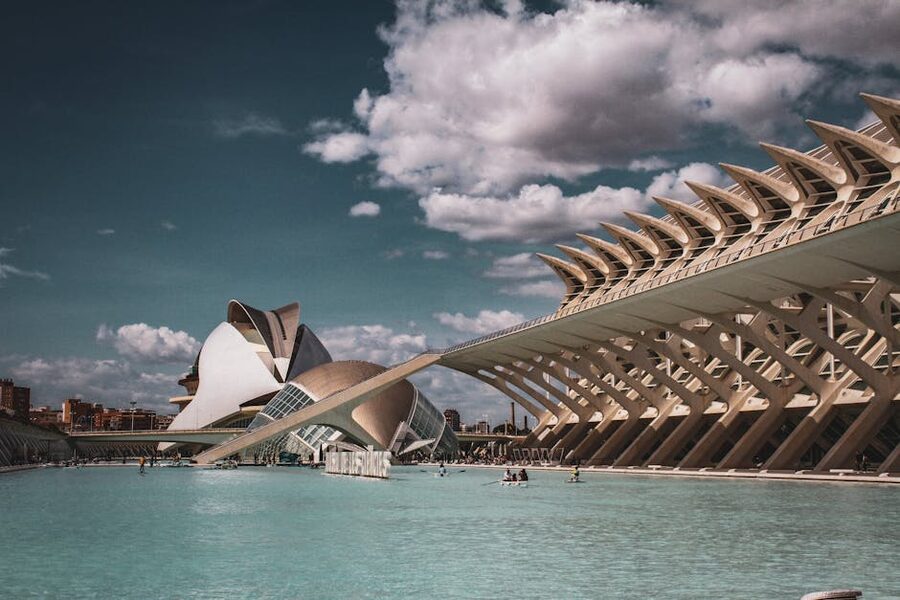
The Oceanogràfic sits inside a much bigger architectural project. The whole complex is the Ciutat de les Arts i les Ciències (Catalan for City of Arts and Sciences), masterplanned by Santiago Calatrava starting in 1989. It runs along the bed of the old Turia river, which used to flood Valencia until the 1957 disaster pushed the city to redirect it and turn the empty bed into a long park. Calatrava’s complex includes the Hemisfèric (the eye-shaped IMAX/planetarium), the Príncipe Felipe Science Museum (the long whale-skeleton-like building), the Palau de les Arts Reina Sofía (the opera house), the Umbracle (the open-air promenade and sculpture garden), and the Àgora (the indoor event space). The Oceanogràfic is the only piece Calatrava didn’t design himself. He brought in Candela for that one.
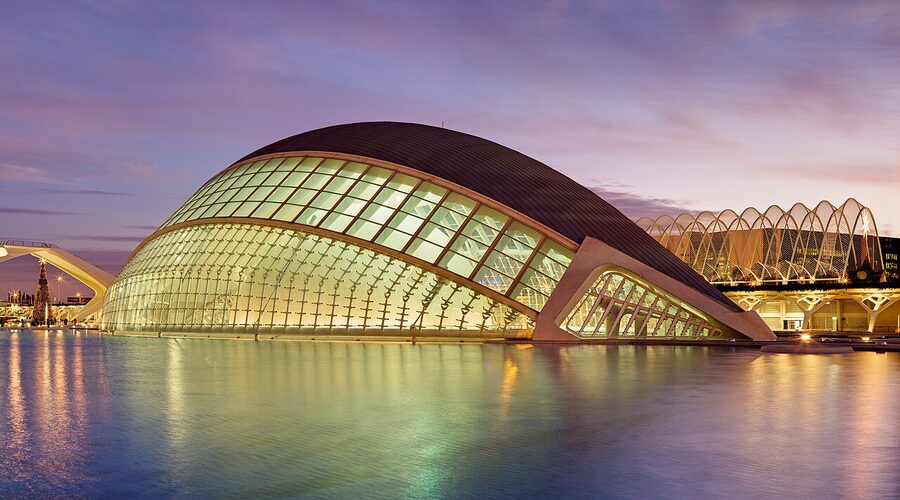
The whole thing is one of Spain’s most striking modernist civic projects, full stop. If Sagrada Familia is what Catalan modernism became when Gaudí pushed it through to the millennium, the City of Arts and Sciences is what secular Spanish modernism looks like when an engineer-architect gets a blank cheque and an old riverbed. Casa Batlló‘s organic curves and La Pedrera‘s wave facade are the spiritual ancestors. Calatrava’s complex is the secular, scientific descendant. The closest French parallel for a single architect’s signature shaping a whole new civic quarter is Frank Gehry’s Fondation Louis Vuitton in the Bois de Boulogne, where the Gehry curves work the same instinct in glass instead of concrete.
Tickets, prices, and what’s in each combo
Standard adult entry to the Oceanogràfic alone is about €34 at the gate, or $44 booked through resellers. The official site has the full table. There are five real ways to buy:
- Oceanogràfic only. One building, three to four hours, the option most people pick.
- Oceanogràfic + Hemisfèric. Adds the IMAX/planetarium dome. The IMAX films cycle every couple of hours, are only 45 minutes, and only some are in English (most have Spanish-language audio with English subtitles). The pairing of an iconic-form planetarium with the science-and-culture programme is the same logic that puts the Eiffel Tower at the centre of its Paris quarter, an engineering object that pays for itself by being instantly recognisable from every angle of the city.
- Oceanogràfic + Hemisfèric + Príncipe Felipe Science Museum (the three-building combo). The science museum is huge and very hands-on. It’s the right add-on if you’ve got kids who like to push buttons and pull levers. The Foucault pendulum on the ground floor is the photo most people leave with.
- All-Access pass covering the four ticketed buildings (Oceanogràfic, Hemisfèric, Science Museum, plus a few extras like the dolphin show or specific exhibitions). Around €80+. Worth it only if you’re committed to a full two-day visit.
- Science Museum entry alone. Around €11 at the gate. The cheapest way into the Calatrava complex if you don’t want the fish.
I’d point most travellers at the three-building combo if you have children or you genuinely want to do the architecture as well as the marine life. The Oceanogràfic-only ticket is the better choice if you’ve got an afternoon, not a full day. Don’t try to do all four buildings in one day. You’ll be exhausted and you’ll resent the science museum at hour seven.
When to go (and the school-group warning)
Shoulder season is correct. April-May and September-October give you mild weather, smaller queues, and almost no school groups. Summer is brutal: the queues for the dolphin show and the tunnel start forming an hour before, and the indoor zones get genuinely crowded. Christmas week is also a peak (Spanish school holidays run through Three Kings on January 6th).
The school-group warning matters. From mid-October through the end of May (excluding holidays), Spanish schools run educational visits to the Oceanogràfic. The bus parking fills with coaches by 10:30. The Tropical and Oceans zones become genuinely loud between 11:00 and 13:00. If you can swing it, arrive at opening or in the late afternoon (after 15:30 in winter, 16:30 in summer). The aquarium stays open until 18:00 in low season and 20:00 or even 24:00 on summer Saturdays. Late entry is the move.
Weather matters less than you’d think because most zones are indoors. But the Wetlands and the dolphinarium are open-air. A grey day in February can make those two feel grim.
How it compares to the others
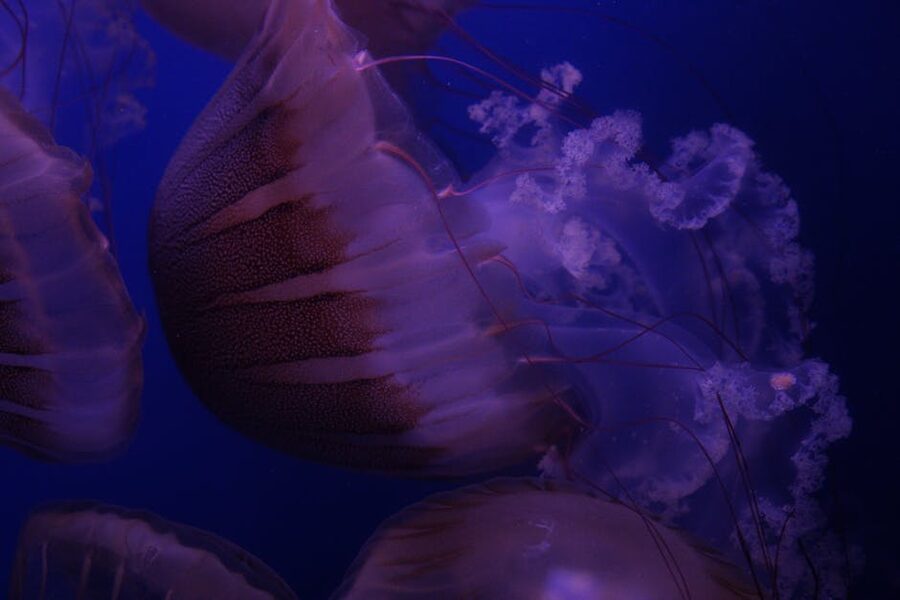
Spain has two major aquariums. The Barcelona Aquarium at Port Vell is older (opened 1995), entirely indoors, and Mediterranean-focused. It’s the right pick if you’ve got two hours in central Barcelona and you want to add aquarium time to a port-area afternoon. Valencia is the right pick if you want a half-day commitment, the global ocean rather than the Mediterranean, and a building that’s worth seeing in its own right. They aren’t really competing. Barcelona is a city aquarium. Valencia is an aquarium destination.
For the Italian comparison, the Genoa Aquarium is the closest analogue in scale and ambition. Genoa has a stronger architectural narrative (Renzo Piano designed the surrounding port), better Mediterranean storytelling, and the famous dolphin pavilion. Valencia has the bigger volumes, the Belugas, the more dramatic single tank, and the Calatrava complex around it. Pick Genoa for the journey-through-ecosystems experience, Valencia for the scale and the architecture. The Dutch parallel for Renzo Piano’s hand on a working civic museum is the NEMO Science Museum on the Amsterdam waterfront, which Piano also designed and which works the same instinct of a famous architect’s signature on a public-science building.
For wild marine alternatives in Spain, you’ve got better options outside Valencia for actually seeing wildlife in its habitat. Whale watching off Tenerife puts you next to genuinely wild bottlenose and pilot whales. Kayaking with turtles in Tenerife is the small-group cousin of the same experience. Aquariums are aquariums. They’re the place to see species and study; they’re not a substitute for the open water.
Getting there from central Valencia
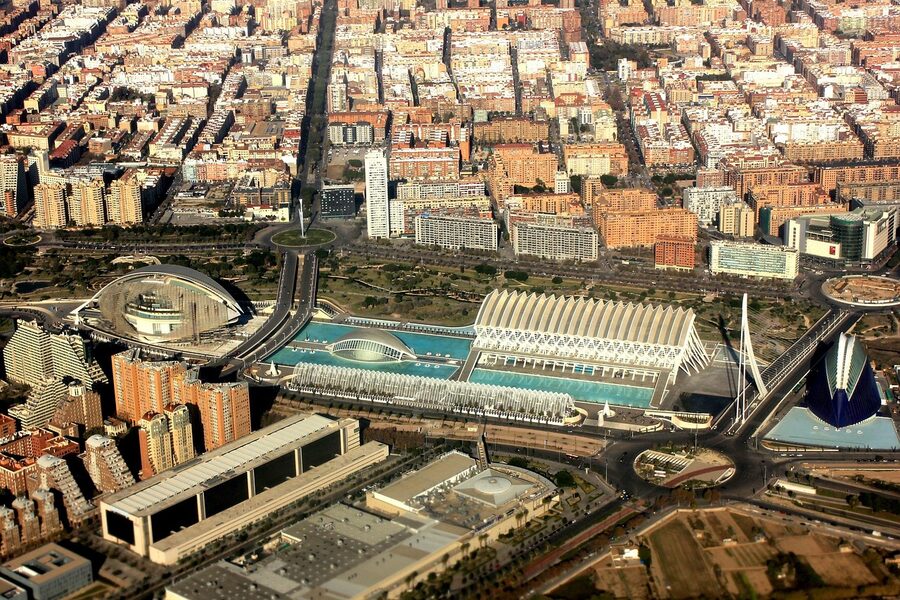
The complex sits at the south end of the old Turia riverbed, about 3km from the historic centre. Walking is genuinely viable if you’re already moving along the riverbed park (which is itself one of Valencia’s best assets, a 9km linear park where the river used to run). From Plaza de la Reina, walking takes about 40 minutes through the park. From the Cathedral, similar.
If you don’t want to walk, Valencia’s metro Line 10 has a stop called Oceanogràfic that drops you 200 metres from the entrance. The line opened in 2022 and is genuinely the most convenient way to do this. From the city centre take metro Line 3 or 5 to Alameda, then Line 10 directly to Oceanogràfic. About 15 minutes total. Single-ticket Metro fares are a couple of euros.
The bus options are EMT lines 95, 14, 19, and 35. Buses are slightly slower than metro but more frequent. If you’re staying near the City of Arts already (a few hotels do, mostly the modern chain ones along Avenida del Profesor López Piñero), you’ll walk it.
There’s also the Valencia Tourist Card, which bundles unlimited public transport with discounts on the Oceanogràfic and other sights. If you’re doing two or three of the Calatrava buildings plus the metro, the card pays for itself. Same logic as the Hello Barcelona Card in Barcelona, though Valencia’s discounts are smaller.
Three ways to book
The pre-pulled tour pool gives us three good options. They cover the cheapest entry (just the aquarium), the architecturally complete combo (the three-building Calatrava package), and the cheapest way into the science museum on its own.
1. Oceanogràfic Entry Ticket: $44
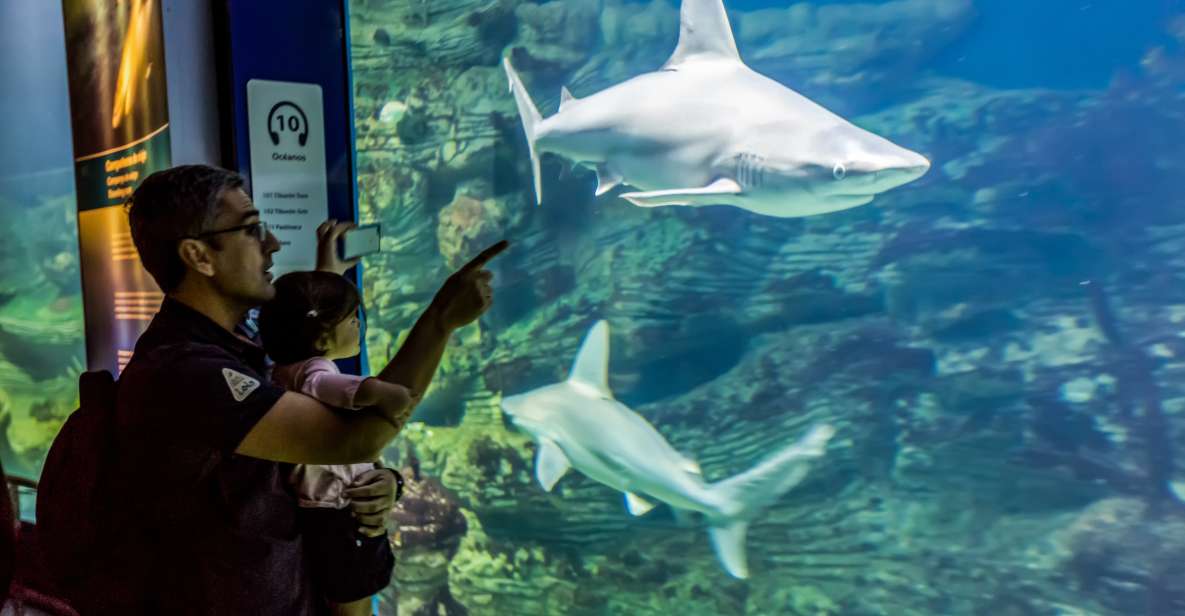
This is the right pick if the aquarium is your main reason for being in Valencia and you don’t care about the science museum or the planetarium next door. Our full review of the Oceanogràfic entry ticket covers timed-entry slots and what flexibility you actually get. Skip-the-line is included; you still queue briefly to enter the building, but not at the ticket counter.
2. Oceanogràfic + Hemisfèric + Science Museum Combo: $54
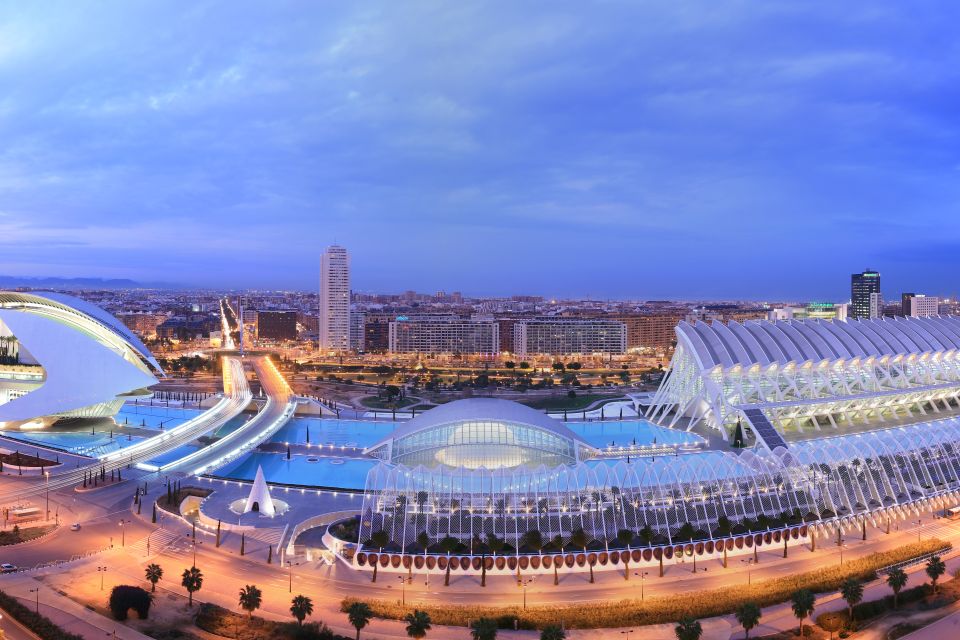
For ten extra dollars over the standard entry you also get the planetarium and the Príncipe Felipe Science Museum. Our full review of the three-building combo walks through how to sequence the visit. Do the Oceanogràfic in the morning when you’re sharpest, then the Science Museum in the afternoon, with the Hemisfèric IMAX film as a sit-down break in between.
3. Príncipe Felipe Science Museum: $11
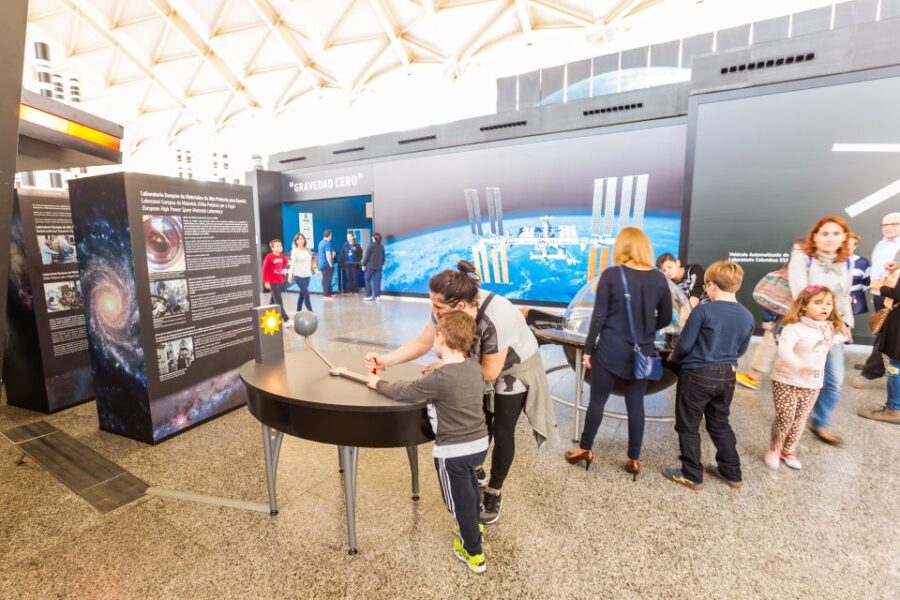
This is the budget option if you’ve already done an aquarium recently and just want to walk the architecture and push some buttons. The full review of the Science Museum ticket has the highlights: Foucault pendulum, DNA helix gallery, interactive physics floor. Two to three hours inside, genuinely fun for kids, slightly dated for adults who’ve recently visited a major science museum.
The wider zones, in detail
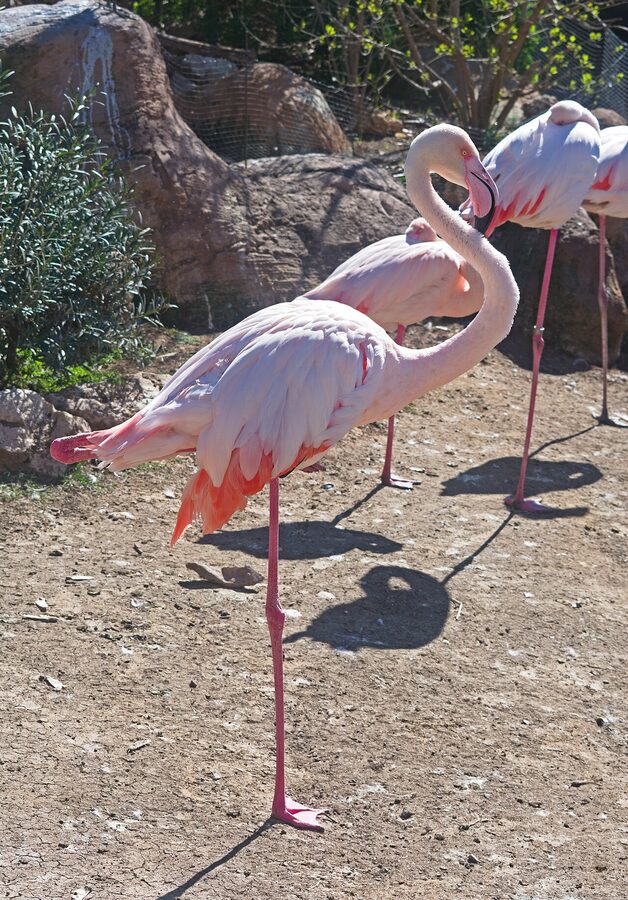
People rush through Wetlands. Don’t. It’s the only outdoor zone with bird life, and the lighting is much better for photos than anywhere indoors. Pink flamingos, scarlet ibis, a few smaller waders. The aviary structure (a free-walk wire-mesh enclosure) is one of Candela’s last designs.
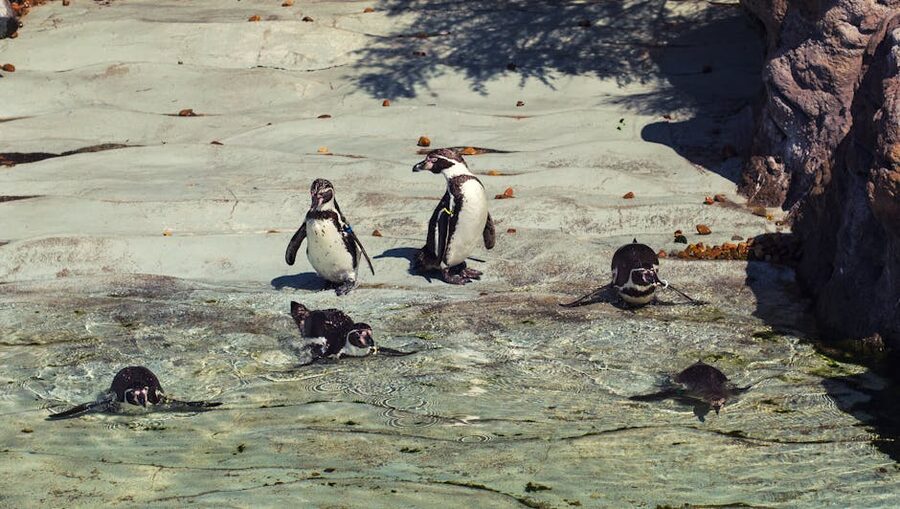
Antarctic and Arctic are stacked next to each other. The Antarctic zone has the Gentoo and Humboldt penguins (yes, the Humboldts are technically temperate, but they’re in the cold-zone area). The viewing is split: an above-water deck and a below-water acrylic wall where you can watch them swim. Penguins underwater are remarkable. They look nothing like penguins on land. They’re streamlined, fast, and they hunt in groups.
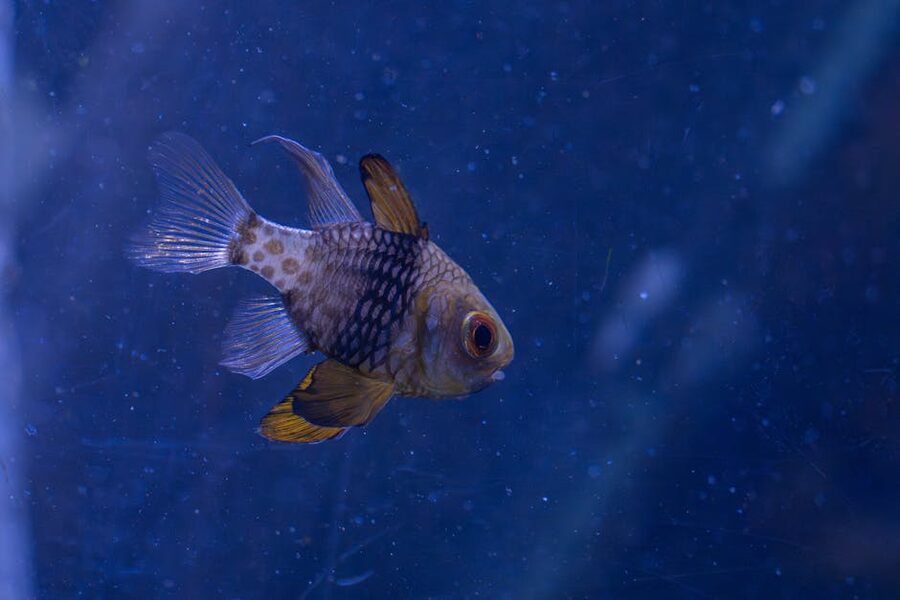
The Tropical zone is the colour zone. Reef fish, anemones, the kind of close-up tank work that’s perfect for kids and patient photographers. There’s a small Indo-Pacific room with a pufferfish that’s been there for years and a giant grouper that watches you back.
Mediterranean and Red Sea are the bookends. Mediterranean is the warm-up; Red Sea is the cool-down. Both have a single dominant tank with a big window and a bench in front of it. Sit on the Red Sea bench for ten minutes at the end of your visit. It resets your eyes.
Practical bits people get wrong
The food situation. There’s an underwater restaurant called Submarino on the lower floor of the main building. It’s encircled by a 360-degree fish tank. The food is fine, the prices are aquarium-level (mains around €25-€45), and the experience is the point. Book two weeks ahead in summer or you won’t get in. There are also two casual self-service places inside the complex, plus food trucks on busy days. Bring water; the indoor zones get warm.
Strollers and wheelchairs work everywhere. The whole site is step-free with lifts. The walking distances between zones are real (you’ll cover 3-4km inside without realising it), so plan rests for older visitors and small kids. Lockers near the entrance are €2 and worth it; the walking is easier without coats and bags.
Photography is fine almost everywhere except the dolphin show. Flash isn’t allowed at any of the tanks, which is good because flash photography of fish through glass is uniformly bad anyway. The acrylic in the tunnel is reflective: the trick is to lean your phone or lens directly against the glass.
Refunds and rescheduling are the trickiest detail. The cheapest entry tickets through resellers are non-refundable. If your dates might shift, pay the small upgrade for flexible tickets at GetYourGuide or buy directly from oceanografic.org with the flexible-cancellation option. Same is true at Loro Parque and most major Spanish attractions; the cheapest tier is locked once you’ve bought.
Why Valencia, and why now
Most travellers planning Spain go Barcelona, Madrid, Andalusia, and skip the east coast entirely. That’s a mistake. Valencia is Spain’s third city by population, has an old town nearly as walkable as Barcelona’s, paella was invented here (the rice fields of L’Albufera are 10km south), and the City of Arts and Sciences is one of the strongest reasons to add a city to a Spanish itinerary. A long weekend in Valencia gives you the old town, the Mercado Central (one of Europe’s great covered markets), the L’Albufera paella tour, the beach at Malvarrosa, and the Oceanogràfic-plus-Calatrava complex. That’s a full programme.
And the timing is good. The metro Line 10 only opened in 2022, so the access is genuinely improved. The summer crowds are increasing year on year (Valencia has been quietly booming since around 2018), but it’s still less heaving than Barcelona or Seville. April-May and October are genuinely idyllic.
What to do around it
The riverbed park (Jardí del Túria) is the best free activity in Valencia. It runs 9km from the Bioparc to the City of Arts. Rent a bike or just walk a section. The botanical gardens at the western end are worth an hour. There’s a giant Gulliver-shaped playground halfway along where kids climb on Gulliver’s body. (Yes, really.)
For dinner, walk back into the old town and find a paella place that closes at 16:00 (the locals’ tell that they’re serious about lunch). The old town’s barrios (Carmen, Russafa, Cabanyal near the beach) all have their own personalities. Carmen for old buildings and quiet bars, Russafa for younger crowds and modern food, Cabanyal for fishermen’s-quarter charm and the beach.
Evening: the Mercado Central is closed by then, but the Lonja de la Seda (the 15th-century silk exchange, UNESCO listed, around €2 entry) opens late on some summer Tuesdays. Walk past the cathedral on Plaza de la Reina and climb the Miguelete bell tower if it’s open. Valencia’s main cathedral isn’t on the level of Sagrada Familia or the Giralda, but it has a wooden cup that several traditions claim is the actual Holy Grail (no really).
If you’ve already booked Barcelona
Then you’re well-positioned. Valencia is a 3.5-hour direct AVE high-speed train from Madrid (€30-€80 depending on day and class) and a 3-hour AVE from Barcelona. Cheaper Avlo trains go for as little as €15 each way. As an add-on to a Spain trip, Valencia is a long weekend or a 2-night stop on a Madrid-Barcelona corridor.
If you’ve done Barcelona Aquarium already, you might wonder if you really need another one. Yes. They’re different in scale and ambition; Valencia rewards you with the Belugas, the bigger tunnel, and the architecture. If you’ve done Loro Parque in Tenerife, the comparison is closer because both have orcas/whales and dolphin shows; but Loro is more of a zoo (parrots, gorillas, big-cat encounters) and Oceanogràfic is more single-mindedly marine. You won’t be repeating yourself.
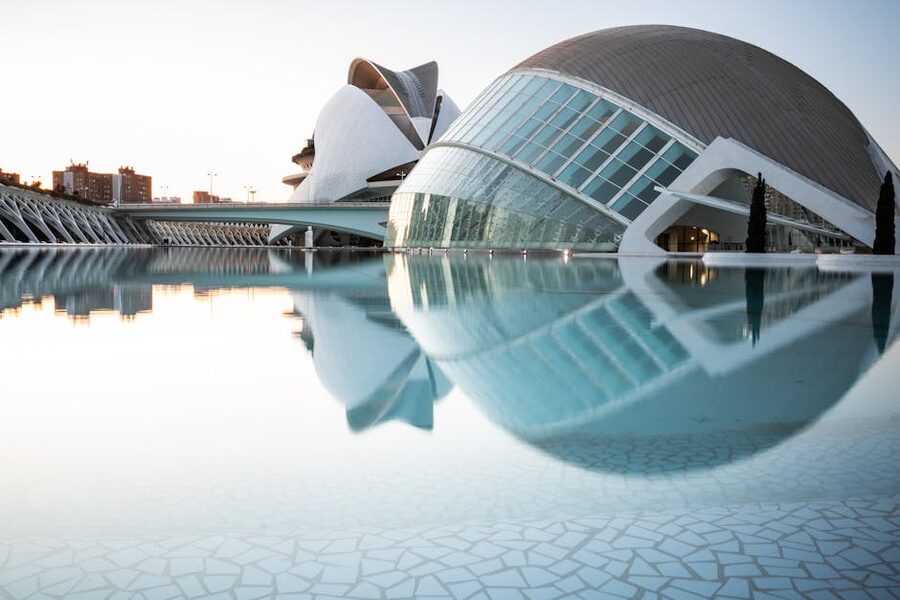
One more thing on the architecture
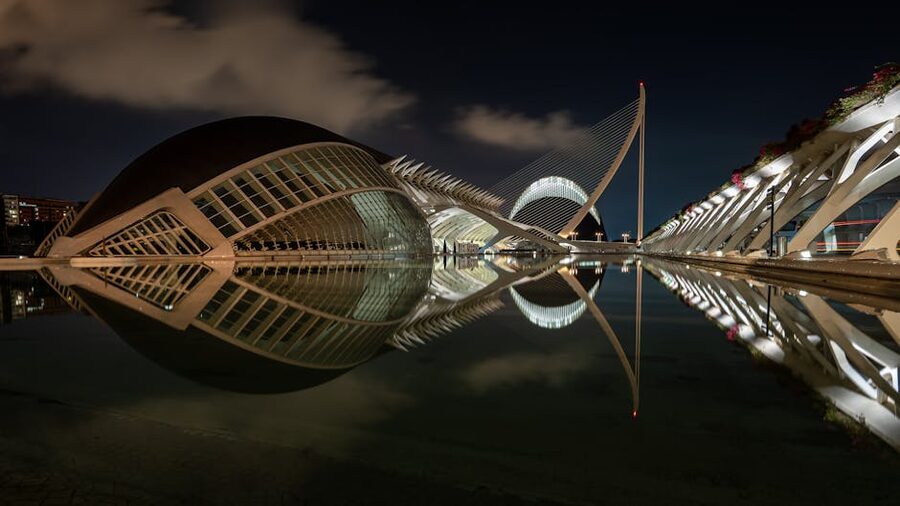
The Calatrava-Candela double-act is the thing serious architecture travellers come for. Calatrava is a polarising figure (the buildings have had famous structural problems, the cost overruns at the City of Arts and Sciences ran into hundreds of millions, and there are ongoing maintenance debates). But the visual signature is unmistakable. Skeletal white concrete, organic curves, water everywhere, blue at night.
Candela is the quieter genius. He’s almost unknown outside architecture circles but his work is in Mexico City (Los Manantiales restaurant in Xochimilco), the Bacardi rum factory near Mexico City, the Olympic Velodrome in Mexico for the 1968 games, and a handful of churches and industrial buildings around the world. His thin-shell concrete is what makes the Oceanogràfic entrance unmistakable. The roof is only 6cm thick at its thinnest. It’s holding itself up through pure geometry.
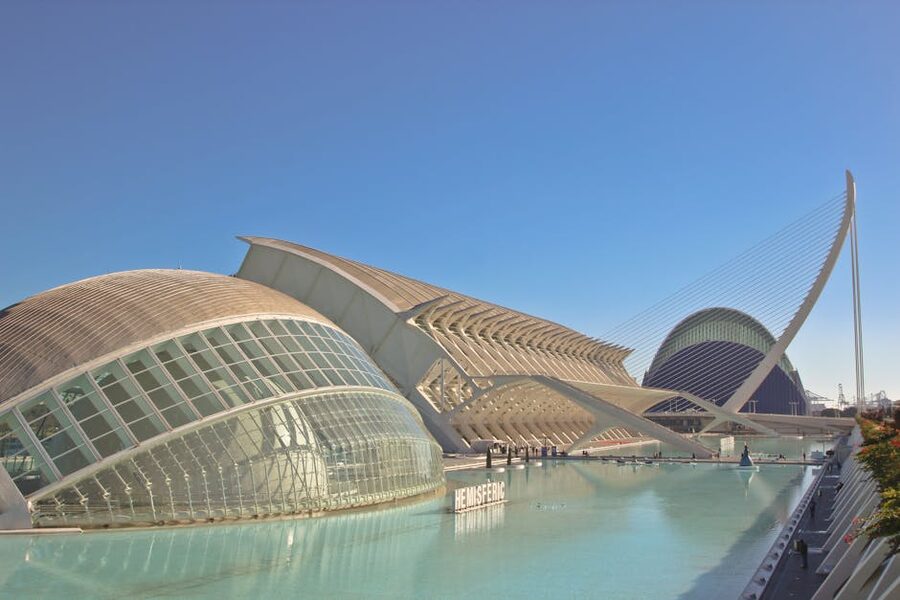
If you’re in Spain partly to see modernist architecture, the City of Arts and Sciences is the secular twin of the Gaudí pilgrimage. Park Güell and Sagrada Familia are religion and Catalan nationalism rendered in stone and broken tile. Calatrava’s complex is engineering and science rendered in concrete and water. Las Setas in Seville is a different generation again (2011, by Jürgen Mayer) but plays on the same theme of placing radical modernism inside a historic Spanish city. The three together (Sagrada, City of Arts, Setas) make a strong architectural triangle for a longer Spain trip.
The thing nobody tells you
Bring a layer. The Antarctic zone is genuinely cold. They keep it around 14°C for the penguins and the Belugas, and after an hour your hands will be cold even in summer. I learned this in August. A light jumper or hoodie is the difference between enjoying the Belugas for ten minutes and bailing after three.
And eat before you go. The on-site food is fine and the underwater restaurant is a memorable experience, but if you’re not booking Submarino, the queues at the casual options around 13:00 are long. Have an early Valencian lunch in the city before the metro out, then graze inside on a coffee and a pastry if you need fuel. Three hours inside is more tiring than people expect. The lights are dim, the floors are smooth and slightly slippery from foot traffic, the sensory load is constant. You’ll be hungrier than you think.
The day, in shape
If I were planning a single perfect day around the Oceanogràfic, here’s what it would look like. Walk or metro out from the old town by 09:30. Coffee at the cafe outside the entrance. Inside by 10:00 (opening). Belugas, then dolphinarium first show, then the Oceans tunnel before the school groups arrive. Lunch at 13:00 either at Submarino (book ahead) or in the casual zone. Wetlands and aviary in the early afternoon (best light). Mediterranean and Red Sea at the end. Out by 15:30. Walk back through the riverbed park, taking the Umbracle promenade and the science-museum exterior at golden hour. Dinner in Russafa around 21:00. That’s a full Valencia day.
And if you’ve still got light, walk back through the City of Arts at night when the buildings are floodlit and the water turns the whole complex into a doubled silhouette. It’s ten minutes of free architecture that you’ll think about for weeks.
Where to go next
If you’re working a longer Spain trip and the Oceanogràfic was one of your anchor experiences, the natural next moves split by what hooked you. If you came for the marine life, look at whale watching off Tenerife for the wild version of what you just saw in tanks, and Loro Parque if you want another structured marine-park day. If you came for the architecture, get on the next train to Barcelona for the Sagrada Familia, Casa Batlló, and Park Güell sequence. Italy completists should look at the Genoa Aquarium as the closest counterpart, the only Italian aquarium operating at this scale. If you’re staying in Valencia for another day, the Bioparc on the western end of the Turia park is an immersive zoo built around savanna and Madagascar habitats; it’s the closest thing in town to the Oceanogràfic in ambition.