
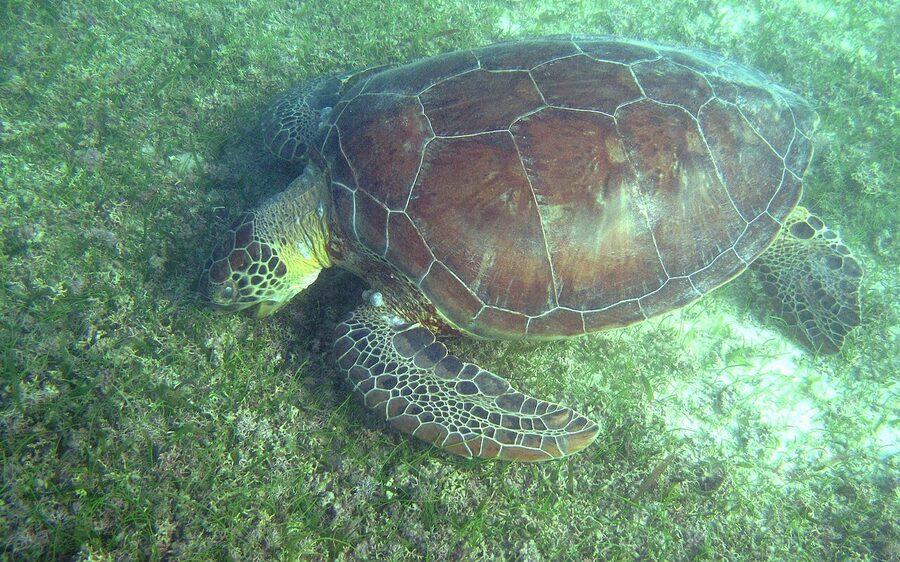
The kayak stops moving and so does everything else. You are 200 metres off the beach at Playa Paraiso, the water under the hull is four metres deep, and the seagrass on the bottom is a slow green field rocking in the swell. A round shadow rises from the grass. The turtle surfaces two metres from your boat, breathes once with a sound like a small bicycle pump, looks at you for half a second, and goes back down to graze.
That is the entire show. There is no jumping, no clapping, no trainer with a fish. The turtle is wild, the boat is silent, and the rule that keeps everyone here is the five-metre buffer printed on the operator’s licence. This is the article on how to book it without booking the wrong thing.
In a hurry? Three picks
- Best overall: Kayak and Snorkel with Turtles, wetsuits included ($35).
- Cheapest with photos: Kayak Safari and Sea Turtle Snorkeling with Photos ($29).
- Boat-only, no paddling: Snorkeling Trip in a Turtle Habitat ($41).
Wild, not captive: what you are actually paying for
Most of Tenerife’s big-ticket marine encounters happen behind glass or aboard a fast catamaran with a sun deck. Loro Parque is the headline aquarium and zoo combination on the island and it does its job well, but the orcas there are in tanks and the dolphins do scheduled shows. Whale watching off Los Gigantes is genuinely wild, but the encounter is at scale and at distance. You are looking at pilot whales and the occasional pod of bottlenose dolphins from the rail of a 20-metre boat, often a hundred metres or more away. The turtle paddle is the macro versus micro flip of the same trip. You are sitting on the water, not above it. The animal is two metres away, not a hundred.
The legal frame matters because it shapes the experience. Tenerife’s south coast is part of a protected marine zone and the Spanish national rules around Chelonia mydas (the green turtle) and Caretta caretta (the loggerhead) are strict: five-metre minimum distance, no touching, no feeding, no chasing. The EU Habitats Directive backs the same rules. Operators who breach them lose their licence. That is why the turtles tolerate you. The kayaks are silent, they don’t carry fishing gear, and nobody in a wetsuit is allowed to grab a flipper for a selfie.
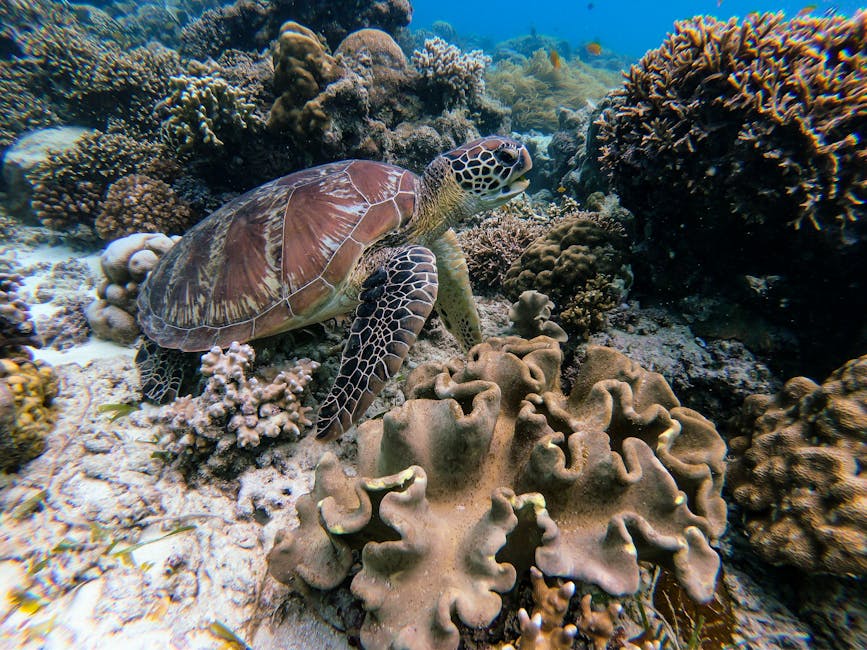
If you have already done the more famous wild-marine trip, the shape of this one will surprise you. Gran Canaria’s resident bottlenose dolphins are watched from a catamaran. The whales off Los Gigantes are watched from a motor cruiser. Here the platform is a sit-on-top kayak with a transparent hull section in some operators’ fleet. You are at sea level, paddling slowly, and the turtle is below you. The intimacy of the encounter is the point.
Where the turtles actually are
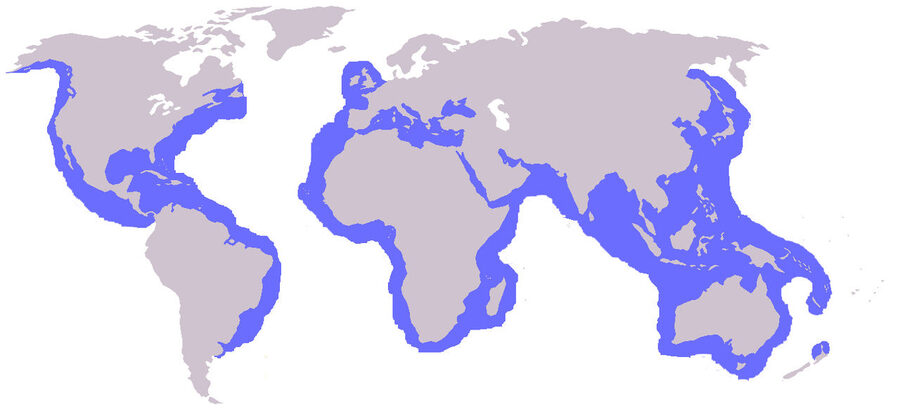
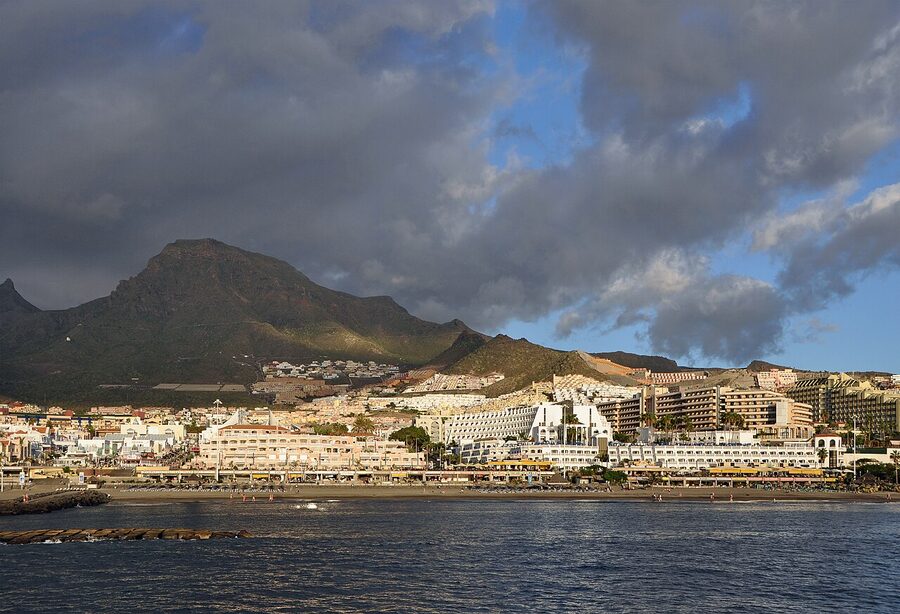
South-west Tenerife. That is the short answer and it is not negotiable. The seagrass meadows that feed the resident green turtle population sit in a narrow band of shallow water between roughly Playa de las Vistas in Los Cristianos and Playa San Juan, with the densest sightings off Playa Paraiso in Adeje and Costa del Silencio further south. Every reputable operator launches from one of those beaches. Marine biologists working the area put the resident green-turtle population at somewhere between 50 and 100 individuals, with loggerheads passing through more sporadically.
It helps to think about scale before booking. The whale routes off Los Gigantes are 25 kilometres of coastline. The seagrass band the kayak operators work is more like 8 kilometres. The whale-watching cruise itineraries head west and out into deeper water. The kayak stays close to shore and stays shallow. That difference in geography is the difference between the two products. Same island, totally different patch of sea.
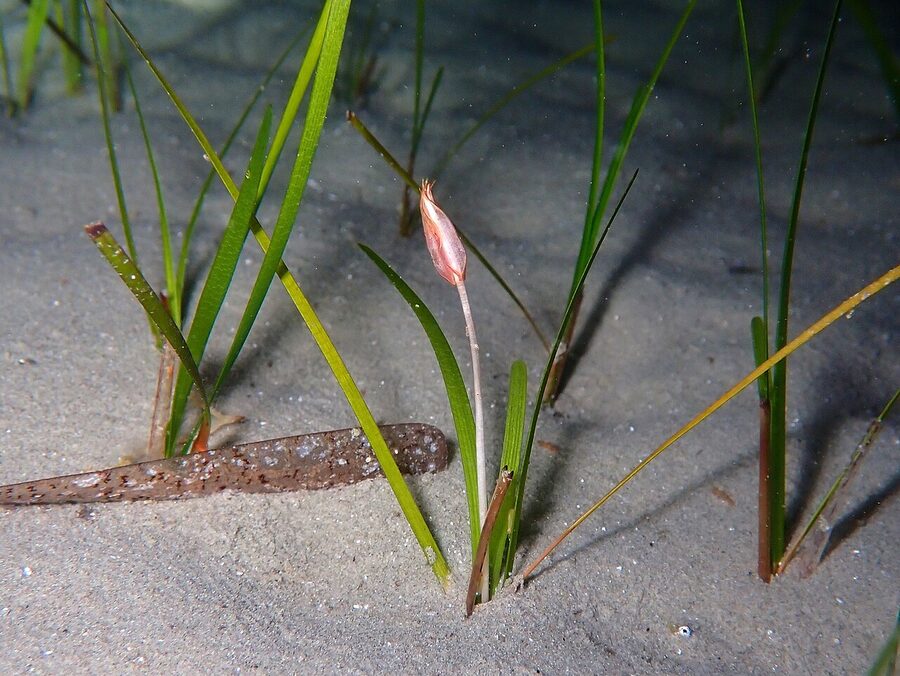
The reason it works here and almost nowhere else on the island is the seagrass itself. The species is Cymodocea nodosa, a slow-growing meadow plant that needs sheltered water and a sandy bottom. The Atlantic side of the island, the north coast, has neither. The south coast has both. Adult green turtles eat almost nothing else. They are obligate herbivores from about three years of age onwards and a square metre of healthy seagrass is roughly a day’s food. Loggerheads are different. Omnivores eating jellyfish, crustaceans, and fish, so they pass through the meadows but do not stay there the way the greens do.
If you have already done a captive-aquarium trip on a previous holiday, this is the inversion of that experience. Barcelona’s aquarium shows you a Mediterranean tank with built-up coral. Valencia’s Oceanografic goes one level bigger with a full tunnel of sharks. The Genoa aquarium is the largest in Europe and goes deeper still on education and conservation. They are all good in their own ways. None of them is a wild turtle three metres under your kayak in its actual food meadow. The kayak is the photo-negative.
The three launch beaches
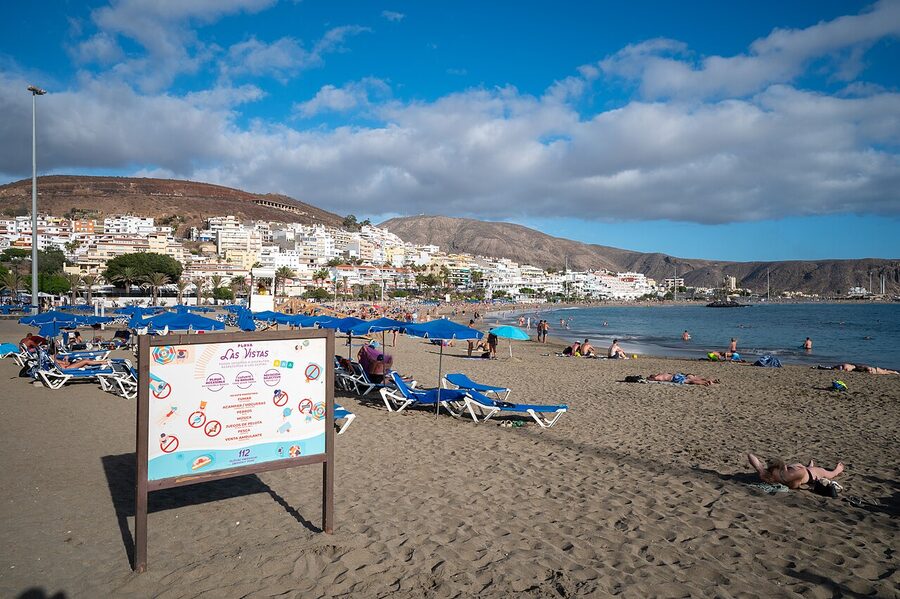
Playa de las Vistas (Los Cristianos). The biggest, most central, easiest to find. Most operators with the highest review counts launch here. The walk from the kayak racks to waist-deep water is about 60 seconds. Parking nearby is paid and metered. If your hotel is in the Playa de las Americas / Los Cristianos / Costa Adeje strip, this is your default.
Playa Paraiso (Adeje). Smaller, quieter, and arguably the best for sightings. The seagrass meadow here sits closer to shore, the depth band where green turtles graze starts about 100 metres out. The catch is that fewer operators launch here and the beach itself is a small concrete and sand cove rather than a long strand. If you can find a tour leaving from Paraiso, take it.
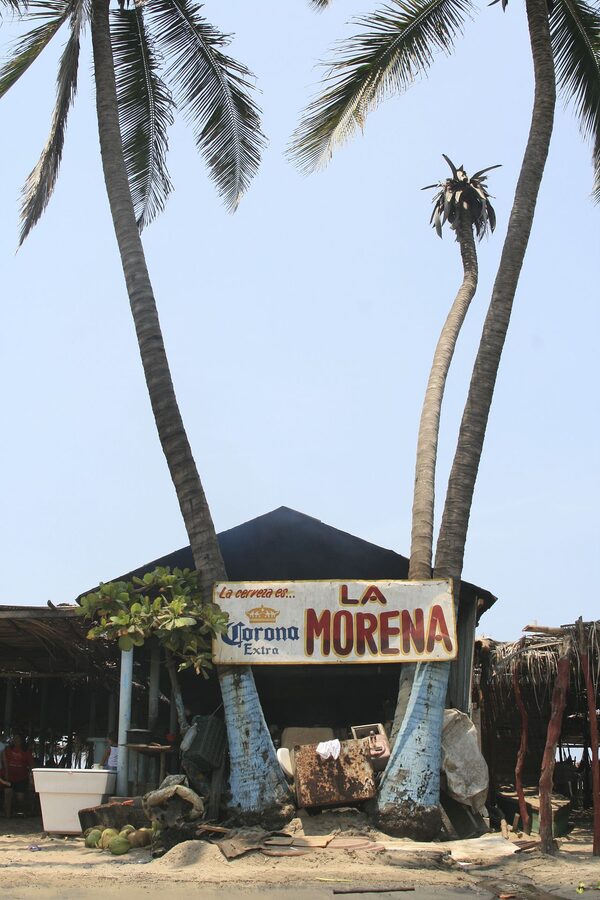
Costa del Silencio / Playa San Juan. Further south and west respectively. Quieter, more local, fewer English-language operators on the books. The Costa del Silencio launches tend to be popular with diving schools running their snorkel-with-turtles option as an add-on rather than as a flagship product. Worth knowing about if your hotel is on that stretch.
If you’ve spent time on enclosed-water boats on a city break elsewhere, the difference in pace is striking: an Amsterdam canal cruise is the same time on the water with a glass of wine and a guide narrating, while the kayak gives you wind, wetsuit, and an hour of silent floating instead. If you are pairing the kayak day with the rest of the south coast’s headline experiences, the geography is friendly. Siam Park sits 15 minutes inland from Playa de las Vistas and works as the loud-and-fun afternoon counterweight to the quiet morning. Loro Parque is a 40-minute drive up to Puerto de la Cruz on the north coast, so it is a separate-day trip rather than a pairing. The Mount Teide cable car is an hour inland and works well as a calm second day after the kayak. None of these double-up well, do them as separate days.
What three hours actually looks like
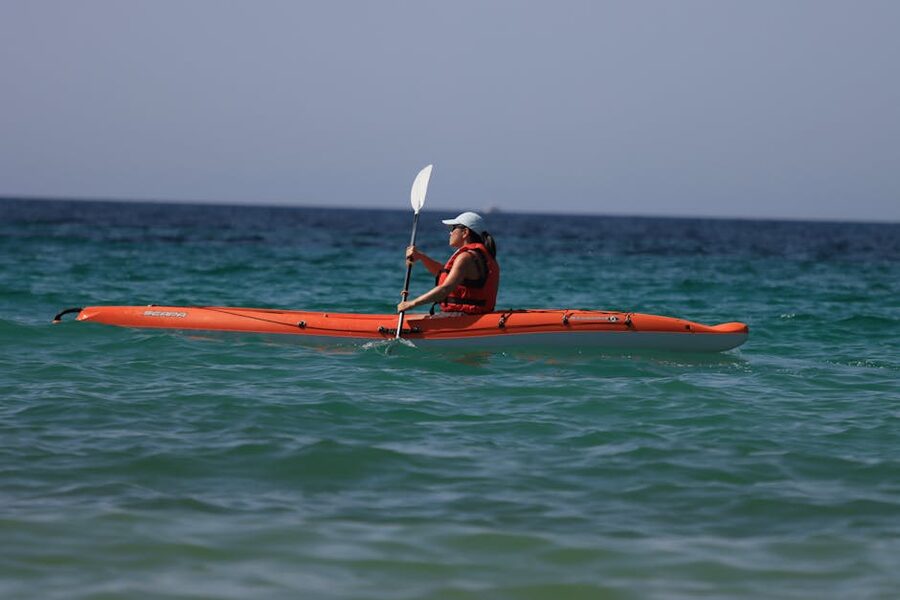
The standard tour is two-and-a-half to three hours from check-in to towel. About 30 minutes of that is briefing, kit-up, and walking the kayaks to the water. About an hour is paddling. Out to the seagrass meadow, then drifting along it, then a short paddle back. About an hour is in the water snorkelling with the kayak tethered to a float. The remaining 30 minutes is the kit-down, the photo-share, and the walk back up the beach.
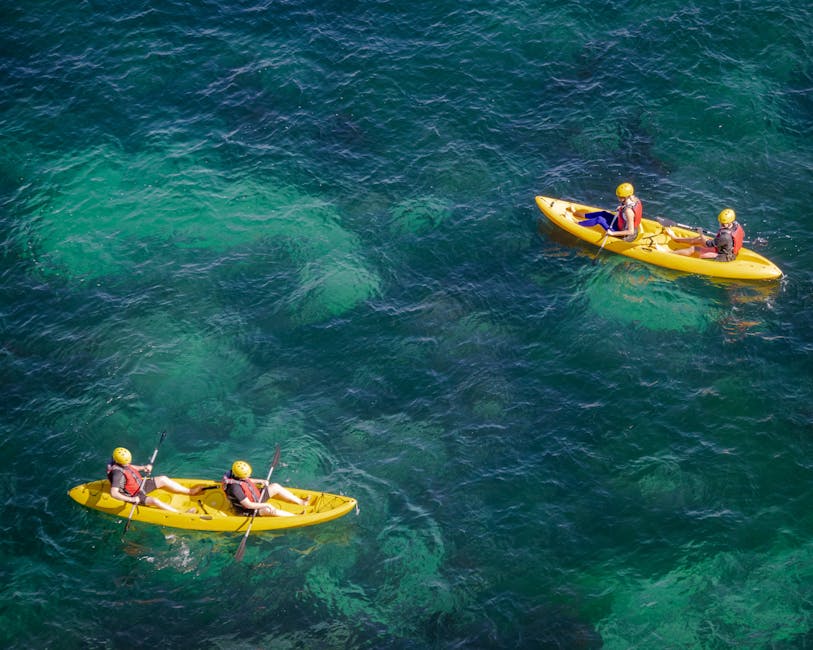
The briefing is where the rules go in. Five metres, no flash photography, no diving down, hand-signals from the guide. The good operators do this on the sand with the kayaks lined up, draw the seagrass map on a whiteboard, and spend a minute explaining what to do if the turtle comes to you (answer: hold still, the rule is about you not closing distance, not about the turtle). The bad operators tick a box on a clipboard and shove you in the water. The reviews are usually a tell. A guide who is named in dozens of reviews, Carlos and Allisia keep coming up across the south-coast operators, is doing the briefing properly. A nameless guide is usually the rushed-through-it kind.
The kit you wear is a wetsuit (always included on the better tours, sometimes a $5 add-on on the cheapest), mask, snorkel, fins, and a buoyancy aid for the paddle. The water in summer sits at around 22 to 23 degrees, in winter around 19. You can paddle without a wetsuit in July and August and survive, but the snorkel section is the cold bit and a 3mm shorty is what stops you cutting the swim short. Bring your own swimwear, a towel, water shoes for the rocky launches, and a hat. Sunscreen goes on at home, not at the beach. The reef-safe rules are taken seriously here and so they should be, because you are about to swim over the reef.
The snorkel half
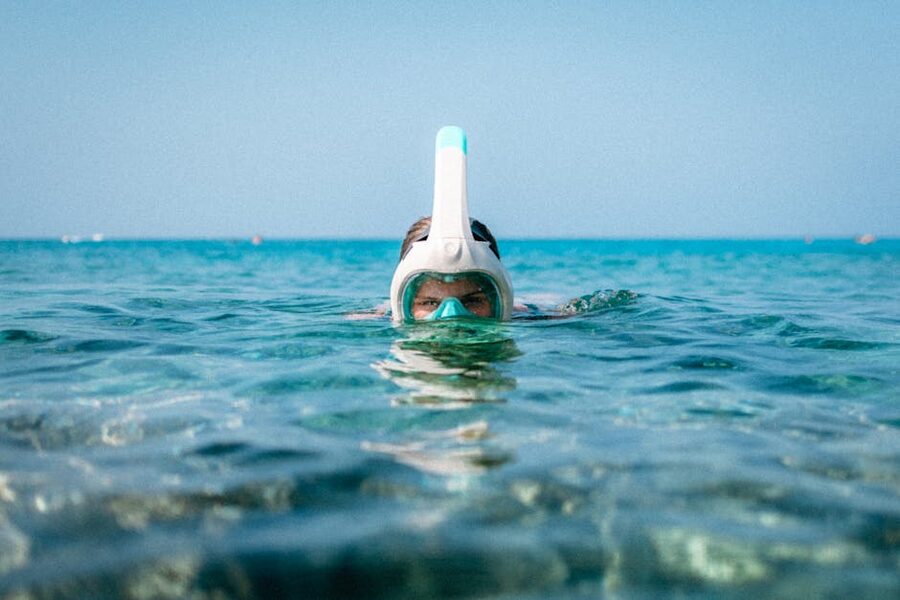
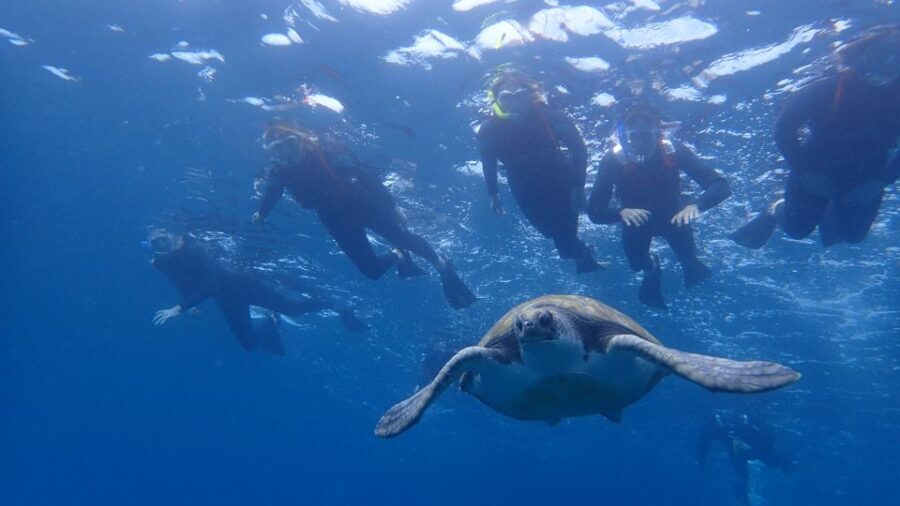
Once you reach the seagrass band, the guide rafts the kayaks together, you tip in, and you spend about an hour drifting along the meadow with a snorkel. The water visibility on the south coast in calm conditions is 15 to 20 metres. The depth where you actually see the turtles is between 3 and 6 metres. You don’t need to be a strong swimmer for this. You need to be able to float, breathe through a snorkel, and stay still. The turtles are the ones moving. You are the still object they are deciding whether to ignore or surface near.
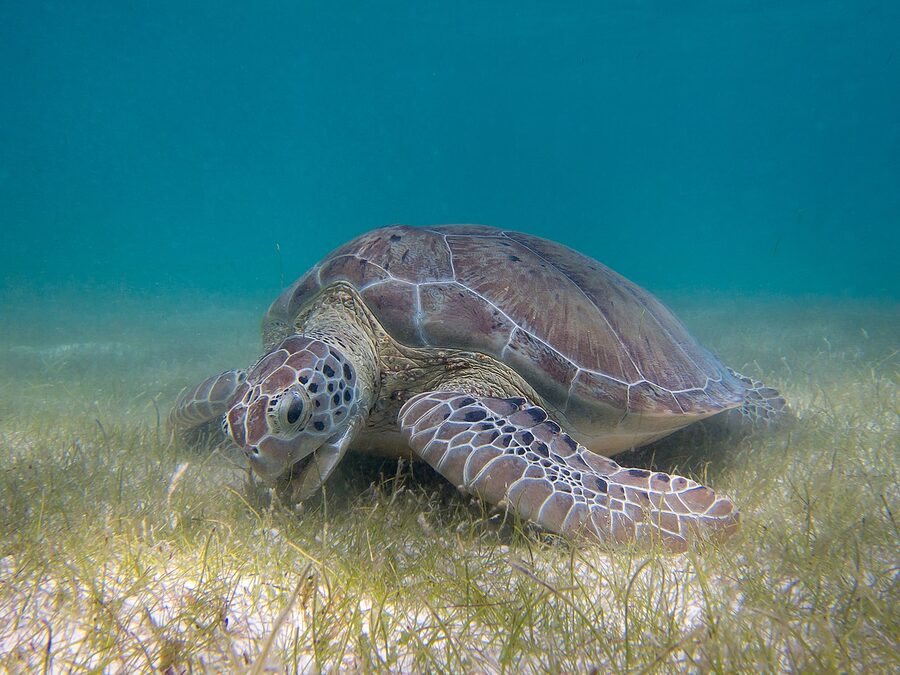
The turtles surface to breathe every five to ten minutes when they’re grazing actively. If a turtle decides to surface near a snorkeller, the moment is brief. They take a single breath, look around, and go back down. They are not playing with you. They are not curious about you. They have decided that you are not a threat and is therefore not interesting. That is exactly why the encounter is worth booking. It is not a show, and the lack of show is the show.
Seasonal advice that matters
The operators run year-round. The water is warmer and the swell is smaller from April to October, which is why most of the four- and five-star reviews are stamped with summer dates. November to March, you are looking at slightly choppier water, a 19-degree swim, and a higher chance of a cancelled session if the wind picks up. The turtles are still there. They don’t migrate, they live here. But the conditions for finding them and staying comfortable in the water are tougher.
If you are visiting in February or March and the booking page shows availability, take the morning slot rather than the afternoon. The wind on the south coast picks up around 1pm most days. Morning sessions get the calmer water, the better visibility, and the better odds of the cancellation refund clearing on the same day if the conditions go bad. The afternoon slot is the one that gets the disappointing email at 11am.
The flip side: in the summer peak, the morning slots sell out 5 to 10 days ahead. If you are booking in July or August, book before you fly. Walk-up availability exists but it is the afternoon you’ll get, and the afternoon is when the wind picks up.
For the urban-water alternative at the other end of the European boat-tour scale, a Rotterdam harbour cruise shows you the largest port in Europe in seventy-five minutes of glass-roof comfort, the opposite of a wetsuit morning over a seagrass meadow. The Italian boat parallels are useful to think about because they sit in the same booking-window logic. The Capri boat tours from Naples sell out the same way in July and August. La Maddalena in Sardinia runs out of morning slots in August. The Polignano a Mare cruise from Bari is similar, and on the French side the Ajaccio boat tour out into the Sanguinaires gulf in Corsica sells out the same way once the trade-wind chop arrives in the afternoon. The Tenerife south coast is on the same Mediterranean-summer rhythm even though it is technically Atlantic. Book early, take the morning, and you avoid the afternoon weather everywhere.
The three tours worth booking
Tenerife has dozens of kayak-and-snorkel operators on the booking platforms and the differences between them are real. The picks below are the three with the most weight in independent reviews and the clearest delivery on the rules above. The cheapest two are kayak-from-shore tours; the third is the boat-based snorkel-only alternative for travellers who want the turtle encounter without the paddling.
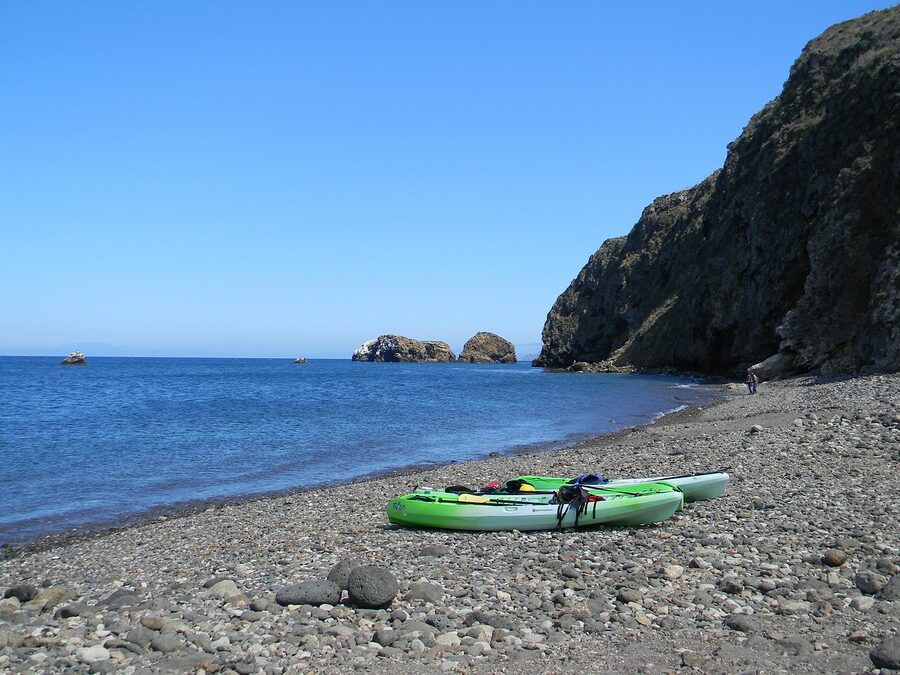
1. Kayak and Snorkel with Turtles, Wetsuits Included: $35
This is the volume leader on the south coast for a reason: wetsuit and gear included at the price, departures from Playa de las Vistas every morning, and the guides Carlos and team get named by name in our full review for the briefing discipline and the turtle-spotting hit rate. Group sizes cap at 10 kayaks per guide which keeps the seagrass meadow under-disturbed. Book the morning slot if you have a choice.
2. Kayak Safari and Sea Turtle Snorkeling with Photos: $29
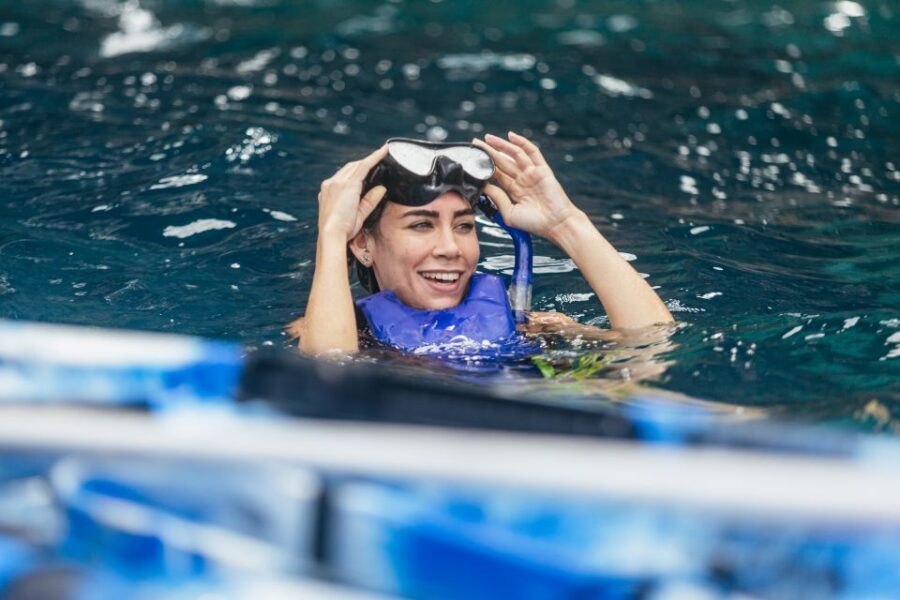
The closest direct alternative if pick 1 is sold out: same shape of trip, six dollars cheaper, and the included professional photos are the genuine differentiator over the rest of the field. Allisia’s name comes up repeatedly as the guide of choice; our full review covers the route and the photo-pack delivery in detail. Smaller group sizes than pick 1 but a slightly longer walk to the launch point.
3. Snorkeling Trip in a Turtle Habitat: $41
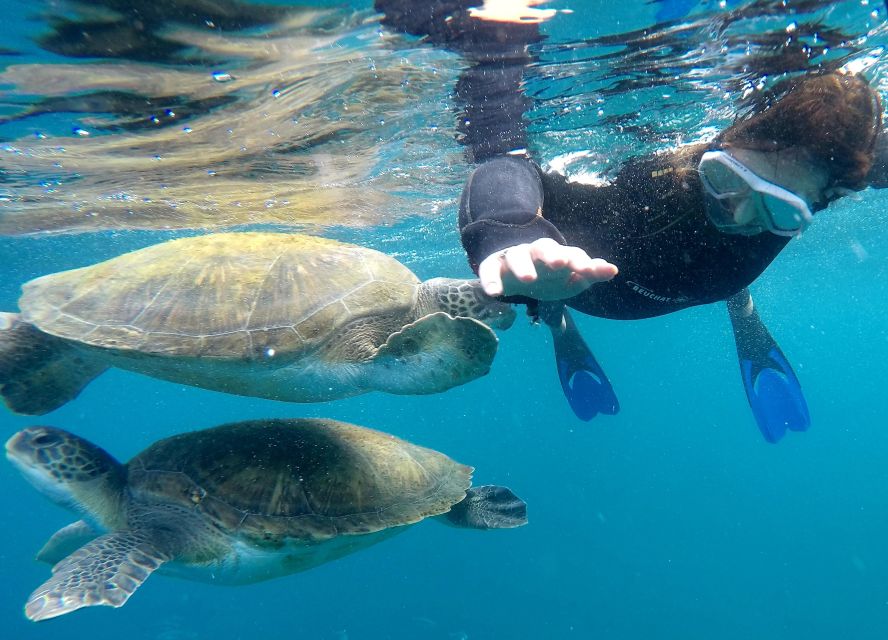
Pick this one if a kayak is a non-starter for any reason: small kids, a bad shoulder, or simply not wanting to paddle on holiday. The trade-off is real: the speedboat is faster to the meadow but louder than a kayak, the encounter window is shorter, and the rating sits lower than picks 1 and 2 because some of the negative reviews flag the rushed briefing. Our full review walks through who this works for and who should book picks 1 or 2 instead.
What you actually need to bring
The good operators include almost everything. You bring what you want to wear under the wetsuit, which is normal swimwear, plus a towel, water shoes, sun hat, sunglasses, a reef-safe sunscreen if you have one, and a sealed water bottle. Phones go in a dry bag at the briefing. Anything you don’t want in salt water stays in your hotel room.
The kit list not to bring: any chemical sunscreen with oxybenzone or octinoxate (it stays on the seagrass and damages the meadow), an underwater camera with a flash (the flash is what spooks the turtles, even from a metre away), and any food at all because feeding wildlife is one of the breaches that loses an operator their licence on the spot.
How this trip stacks against the rest of Tenerife’s marine menu
Tenerife runs three flavours of marine encounter and they don’t replace each other. Loro Parque is the captive option: orcas, dolphins, sea lions, all in tanks, the show experience that families with small kids book for the legibility and the air-conditioning. Whale watching off Los Gigantes is the wild encounter at scale: pilot whales 100 metres off the bow, two-hour cruises with hot food and a bar. The kayak-and-snorkel turtle paddle is the wild encounter up close, the smallest and quietest version of the same idea. If you are doing all three on a one-week trip, do them in roughly that order: the captive show first, then the open-ocean cruise, then the kayak. The kayak is the one you don’t want to follow with anything noisy.
The Canary parallel further south is the resident bottlenose dolphin pod off Gran Canaria’s south coast, which is a closer cousin to the Tenerife kayak in spirit because it is also wild, also small-scale at the better operators, and also driven by a resident population rather than a migration window. The dolphins are watched from a catamaran rather than a kayak, but the wild-versus-captive frame is the same. If you are island-hopping between Tenerife and Gran Canaria, do both. If you are choosing one, the turtles are the more intimate encounter and the dolphins are the more reliable sighting; pick on whichever you value more.
The five-metre rule and why it works
Spend a minute on this because it is the foundation of the whole product. The Tenerife marine ordinance covering the south coast was tightened in the early 2010s after a decade of poorly-regulated turtle tourism. The current rules are: minimum five metres between any human and any turtle, no touching, no feeding, no chasing, no flash photography, and a maximum group size that varies by operator licence. The fines for breaches are real and they are levied on the operator, not the tourist, which is why the better guides are firm on the briefing.
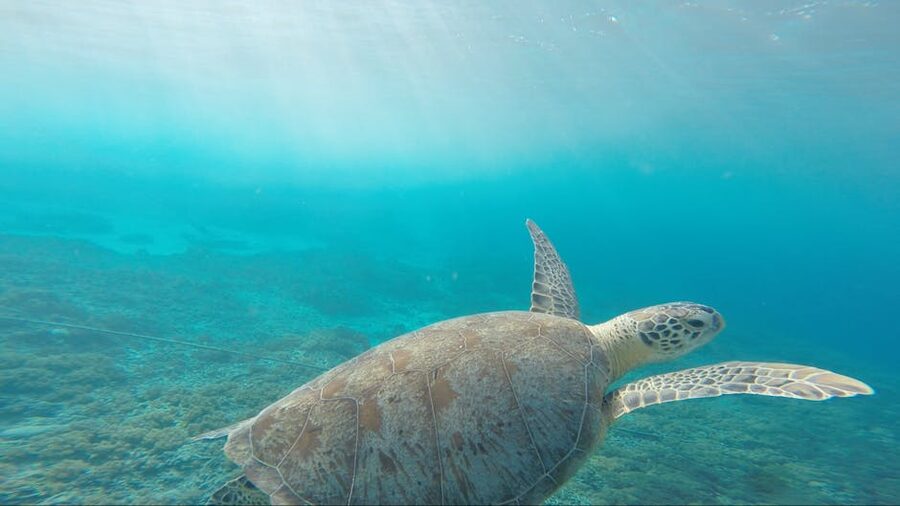
What this looks like in practice: the turtle is doing its thing, you are floating still, and the gap closes only if the turtle decides to close it. If you actively swim towards a turtle and your guide sees you, the briefing escalates fast. The first warning is verbal, the second is the end of your snorkel session, and the third has happened to a guide I know with a 60-strong group of stag-do tourists who all thought the rule was a suggestion. Don’t be in that group.
The reason this works rather than failing is that turtles are not seals. They are not particularly social, they don’t crave human interaction, and they don’t learn to associate boats with food because the boats don’t have food. The kayak passes overhead and the turtle treats it like a piece of slow drifting kelp. The snorkeller floats and the turtle treats it like a curious lump of jellyfish without the sting. That is the equilibrium and it is fragile. The five-metre rule is what keeps it from breaking.
Two more things worth knowing
First, the dolphins. Most of the kayak operators advertise “turtles and dolphins” on their booking pages, and you may indeed see a small pod of bottlenose dolphins on the paddle out or back. They are not what you came for and you should not book the trip on the assumption you’ll see them. They are passing through. If dolphins are the reason you are in the water, the Gran Canaria cruise is the right product. If you see them on the kayak, treat it as a bonus, not the main event.
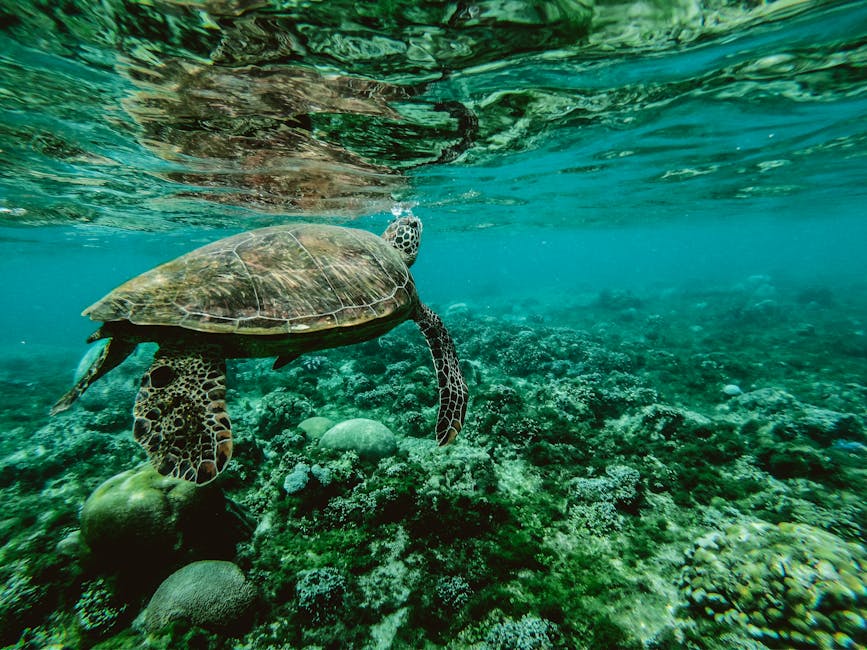
Second, the photography. The good operators include a photo pack from a GoPro mounted on the guide’s kayak. The photos are decent but generic: wide-angle, blue-water, your face fogged in a mask. If you want a personal photograph, bring a phone in a dry pouch and shoot from above the water. A DIY underwater photo of a turtle, taken at the five-metre rule, will be a small green smudge with a fin. You will not get the National Geographic shot. Accept that early and the trip is more rewarding.
How to book without booking the wrong thing
The traps are predictable. The cheapest tour on the platform is sometimes a knock-off operator launching from the same beach as the named ones: read the photographs on the listing carefully and check whether the boat in the cover image matches the boat in the recent reviews. The boat-based snorkel options vary wildly in quality and the rating gap between picks 2 and 3 above is real. The combination tours that bundle the turtle paddle with a buffet lunch and a sunset cruise are usually rushed at the turtle stop, which is the half of the trip you actually came for.
Book direct on GetYourGuide or Viator rather than walking up to the kayak rack on the day. Walk-up pricing is often 20 to 30 per cent higher than the booking-platform price for the same operator, and the morning slots that have the best conditions are usually pre-booked anyway. The cancellation policy on the platforms is more generous than the on-the-day policy on the beach, which matters because the wind decides about 5 per cent of mornings.
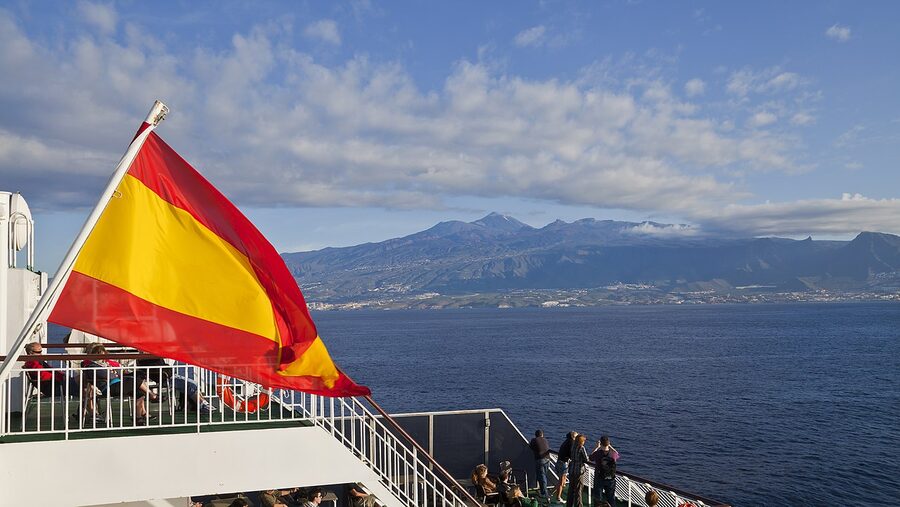
The age cut-off varies by operator. The kayak tours generally take children from 5 or 6 upwards in a tandem with a parent. The boat-based snorkel options are usually 8 and up because the entry into open water from a moving boat is harder than from a tethered kayak. Pregnant travellers should skip the kayak. Sit-on-top kayaks are stable but a fall in is a real risk and the wetsuit pressure is uncomfortable past the second trimester. The boat-based option is the better call if you want the encounter and the kayak is off the table.
What “wild” means here, exactly
You see this phrase everywhere on the booking platforms and most of the time it is marketing dressing on a captive experience. In Tenerife’s south-coast turtle paddles, the word holds. The turtles are not stocked, fed, lured, or staged. The seagrass is a natural meadow on a natural seabed. The boats are silent and the rules are enforced. The encounter happens because the animal decides to be where you are paddling, and on roughly 90 per cent of trips one or two of them will be.
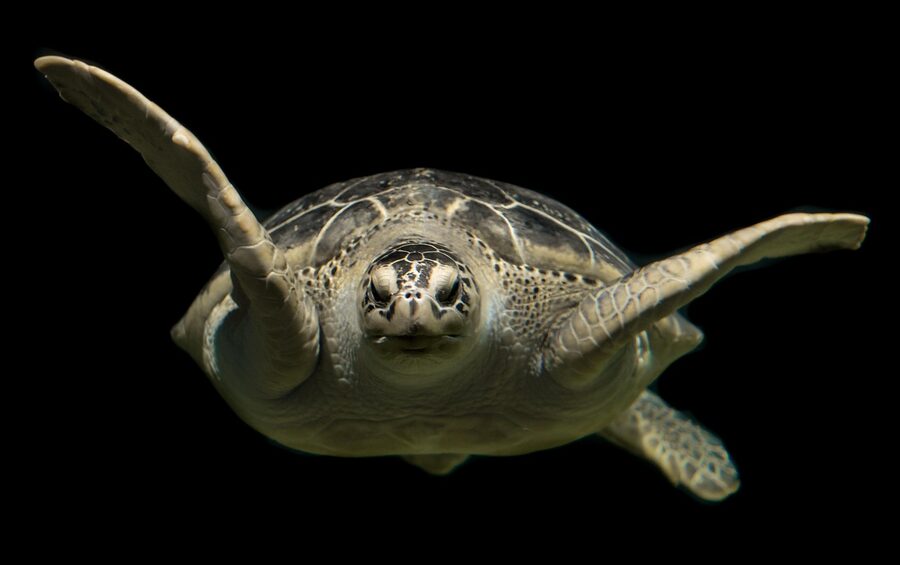
The 10 per cent of trips where you don’t see a turtle is real data. The good operators will say up front that wildlife is wildlife and a no-show is possible. The cheap operators will not, and that gap shows up in the reviews: the one-star reviews on a no-show day are usually on tours that promised a sighting in the listing. The booking platforms’ refund policies vary, but most reputable Tenerife operators offer a re-book or partial refund for a confirmed no-sighting day. The better tours bake this into the booking page in writing. The cheaper ones bury it.
The animal you should not see, ever, is one with a barnacle-encrusted shell and visible tags. Those are rescue turtles being released from the marine rehabilitation centre at Playa de Las Galletas and the sighting is delightful but accidental. They live wild after release. The rescue centre runs separate education tours which are worth a separate booking if marine biology is your reason for being on the island in the first place.
Where the rest of your Tenerife day fits
The kayak takes a morning. That leaves an afternoon that you can fill in any number of ways without breaking the rhythm of the trip. The most common pairing is the turtle paddle in the morning and Siam Park in the afternoon, which is the south coast’s headline waterpark and the kind of low-stakes high-fun bookend that keeps a family happy. The flip in tone is the point: wild quiet morning, loud chlorinated afternoon, both delivered.
The other natural pairing is the kayak on a Tuesday, the Mount Teide tour on a Wednesday, the whale watching cruise on a Thursday. That is a three-day arc covering the volcano, the open ocean, and the seagrass: the three landscapes Tenerife actually has, and it’s the version of the island most travellers leave wishing they’d done. The kayak is the day people remember most because it is the slowest. The volcano and the cruise are the days that show up in the photographs. The kayak is the one that shows up in the conversation back home.
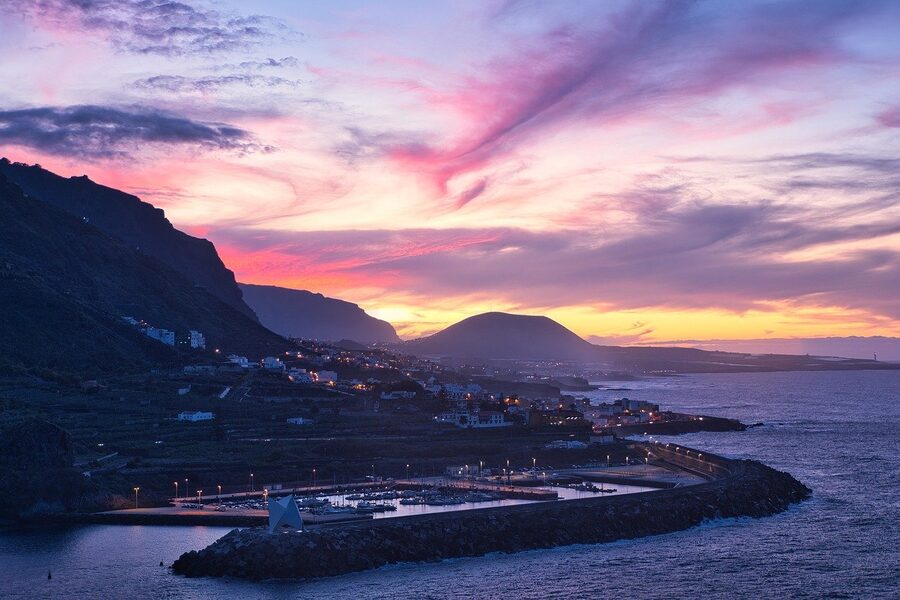
How the turtle population got there
Quick context that puts the encounter in scale. Both species you might see are listed as threatened. The green turtle is endangered globally and the loggerhead is vulnerable. The Mediterranean has its own loggerhead nesting populations on Greek and Cypriot beaches; the Atlantic has its strongholds on the south-east coast of the United States, the Cape Verde islands, and the African mainland. Tenerife is a feeding ground rather than a nesting ground. The greens here are mostly juveniles and sub-adults that hatched somewhere else and arrived as drifters in the Canary Current.
The seagrass beds off the south coast became a recognised feeding ground in the late 1990s, the protections went on in the 2000s, and the resident population stabilised in the 2010s. That history is the reason the encounter is reliable today. It is a 30-year conservation success story sold for $35 a ticket, which is one of the better deals in Spanish marine tourism if you stop to add it up. The Italian parallel is the Polignano-area Mediterranean loggerheads: the Polignano a Mare cruise from Bari is a similar story of small operators working a recovering population on a protected coast.
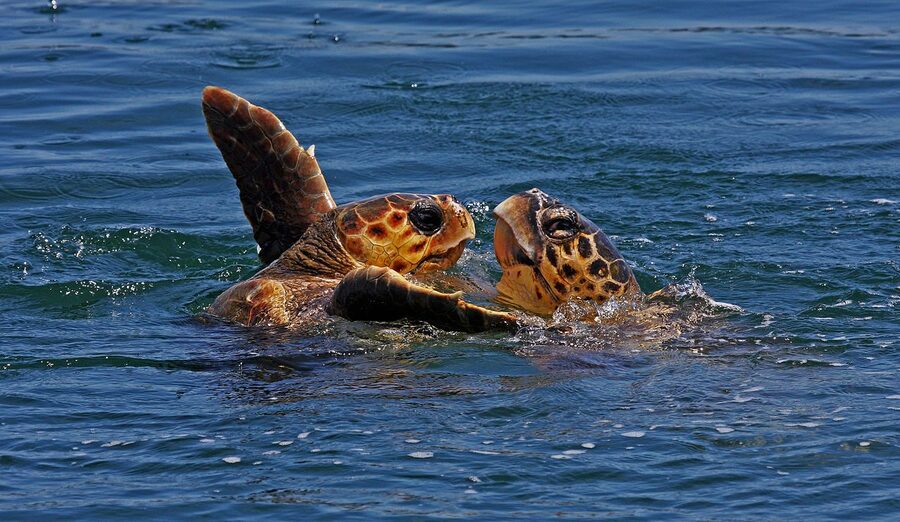
The captive comparison, briefly
Worth saying once. Loro Parque has its own turtle exhibit and so do the bigger aquariums on the island. Those exhibits are good in their own way and they serve a real purpose: the kids that get a captive-tank intro to a sea turtle are more likely to grow into the adults that book the wild kayak version, which is how the marine-tourism food chain feeds itself. But the captive turtle is a different animal experience to the wild one. The tank turtle has nowhere to go and no choice about where it is. The wild turtle is grazing in three metres of water because that is where the grass is, and it has decided that you are not worth swimming away from. That difference is what the kayak ticket buys.
For the broader captive-versus-wild aquarium frame, both Barcelona’s aquarium and Valencia’s Oceanografic own the trade-off cleanly and are worth visiting on their own terms. The same goes for Italy: the Genoa aquarium is the largest in Europe and runs the same kind of education-meets-spectacle program. None of them substitutes for an hour over a real seagrass meadow, but they all have a place in a longer trip.
The reality check
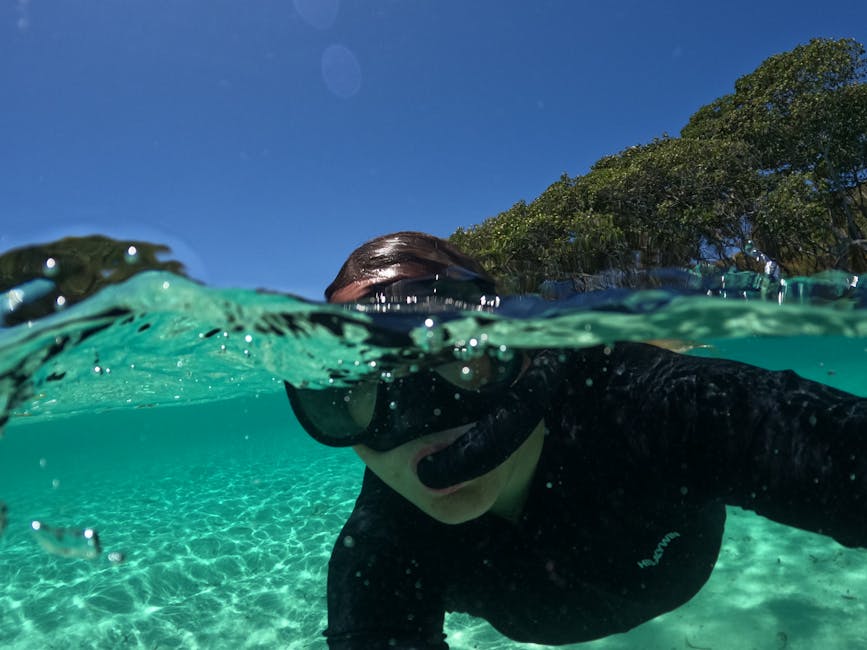
This is not a trip where you stand up in the kayak and shout at a sunrise. You sit in the kayak quietly. You float in the water quietly. You see the turtle for between 30 seconds and four minutes total over the course of an hour, in fragments. The first time, you will probably miss the first sighting because you are still adjusting your mask. By the third sighting you will have learned to hold position and breathe through the snorkel without making bubbles. The good guides will tell you all of this in the briefing. The bad ones will not.
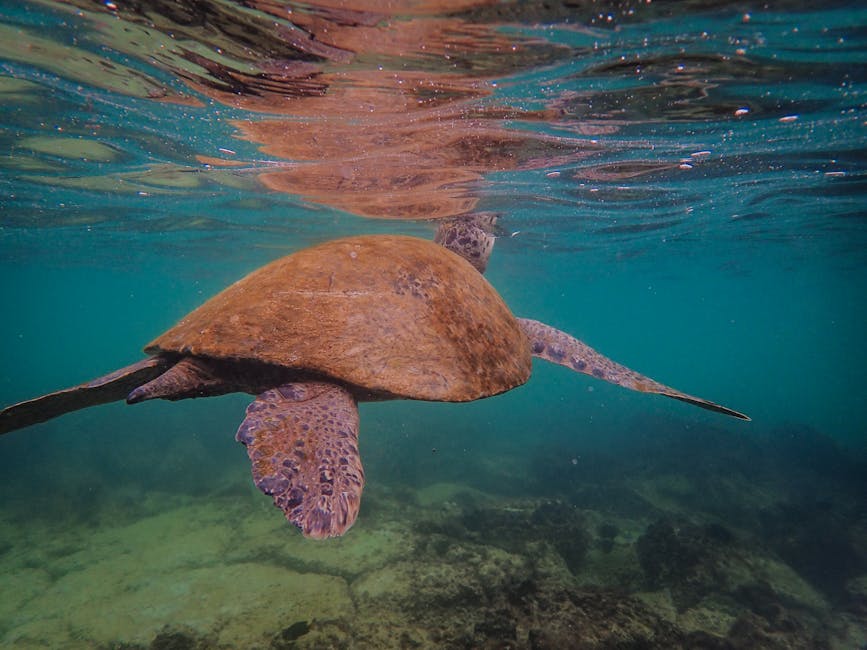
If you are going for an Instagram trophy you will probably leave disappointed. If you are going for a single 10-second moment of being in the same patch of water as a wild three-foot reptile that has decided you are tolerable, you will leave delighted. That is the calibration to take into the booking page. The trip is what it is. The five-metre rule is what makes it work. The seagrass is what makes the turtles want to be there. You are a guest for ninety minutes in a small wild place, and you will leave it as you found it.
If you only book one Tenerife marine trip
Book this one. Whale watching is louder, more efficient, and gets you closer to bigger animals, but the boat is between you and them. Loro Parque is more reliable for delivering on a kid’s expectations of seeing marine animals, but the orcas are in tanks. The kayak-and-snorkel turtle paddle is the only one of the three where the animal you came to see is a few metres away in its actual home and you are the one who has to behave. That delta is what makes it the better story to tell.
The other Spanish marine encounters are good in their own ways. The Barcelona catamarans off the Costa Brava are about coastline and lunch rather than wildlife. The Gran Canaria dolphin cruise is the closer wildlife sister and it is genuinely worth doing. The closest French Mediterranean parallel for the small-island, short-paddle, clear-water register is the short Sainte-Marguerite ferry from Cannes, which puts you on a similar shallow-and-protected coast within a 15-minute crossing. The Italian boat trips along the Sorrento and Capri coast and around La Maddalena are scenic-coast trips with a swim stop. They are different products with different upsides. The Tenerife turtle paddle is the wildlife-up-close one in the Spanish lineup, and there is no closer comparison.
One more practical: if you are renting a car on the island, the kayak operators have free parking on most of the beaches, but only for the duration of the trip. If you are staying past the wash-down, the meter starts ticking. The walk between the harbour at Los Cristianos and the eastern end of Playa de las Vistas is about 10 minutes if you want a longer post-tour wander.
What to do after
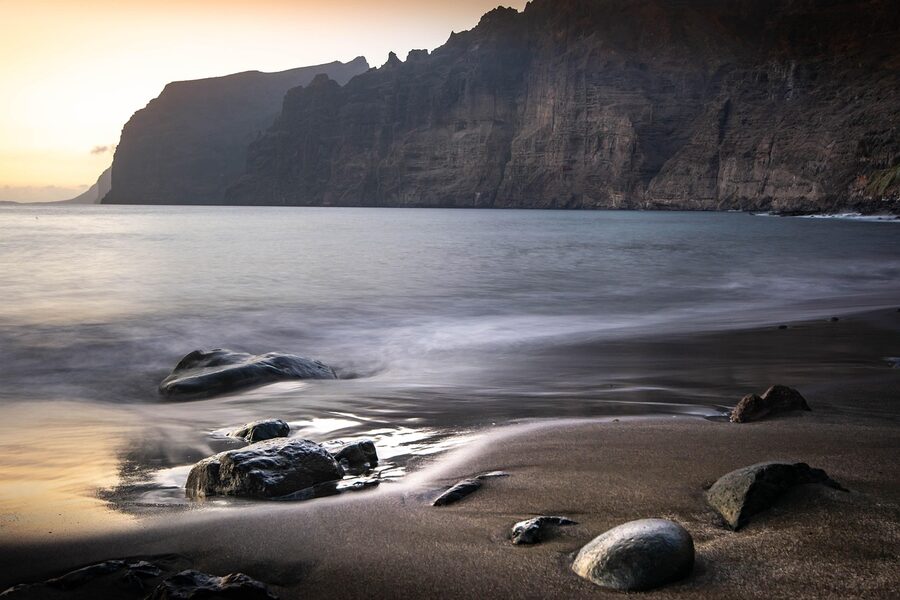
The day after a turtle paddle is usually a quieter one. The cold-water swim and the paddle leave you more tired than you expected and the urge for another active morning is low. That makes the kayak-day-plus-rest-day pairing the most common one in the south-coast itineraries. If you are using your full week, the post-paddle rest day is the time to drive up to the Mount Teide cable car or to walk the Anaga laurel forest in the north of the island, both of which are slower-pace days that complement the kayak.
The turtle photo from the kayak does end up on social media and the captions are usually wrong. People say “I touched a turtle in Tenerife” and what they mean is “a turtle came within five metres of my kayak and I sat very still.” That is the better version anyway. The trip rewards being a quieter version of yourself for an hour, and the photographs are the secondary souvenir. The primary one is the breath-sound the turtle makes when it surfaces two metres from your bow. Once you have heard it you remember it.
The rest of the south coast
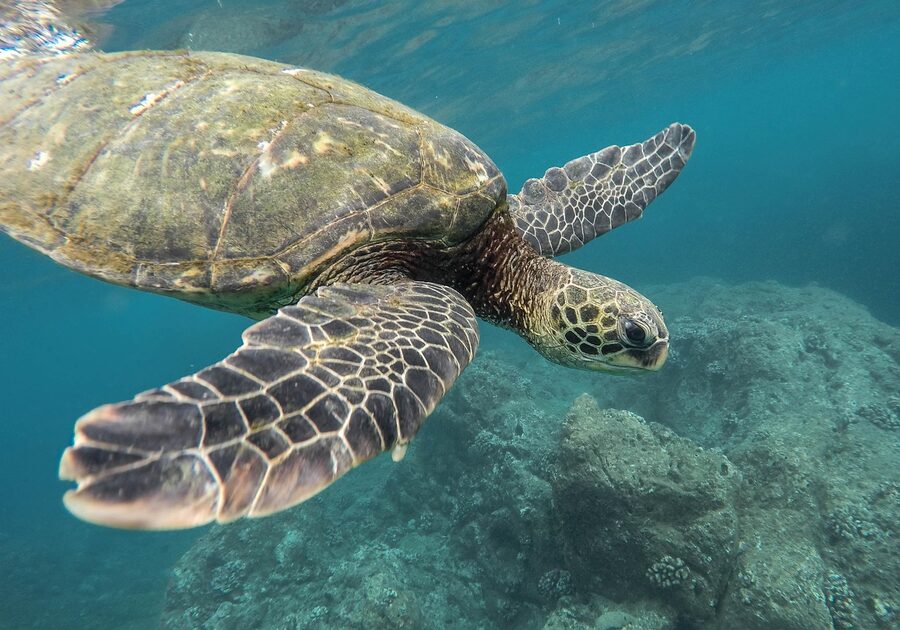
If the kayak morning has set the tone for the kind of trip you want, slow, observational, low-volume, the rest of the south coast pairs well. The whale-watching cruise is the bigger sibling and an obvious next-day pairing for the same wildlife frame. The volcano day on Mount Teide is the geological counterpart, the long quiet drive up to 2,300 metres and the cable car to the summit ridge. The Las Galletas turtle rescue centre runs short education tours and it is a worthwhile half-hour if you want the conservation half of the kayak experience explained in detail. None of these are the headline attractions of the south coast, Siam Park and Loro Parque are, but they are the trips that the people who actually live on the island recommend when you ask.
Mallorca and the Balearics run a different version of the same wild-marine bookable in the spring and autumn windows. The Mallorca catamaran day-trips include a snorkel stop in shallow coves where loggerheads do pass through, but it is not the same shape of encounter as the Tenerife meadow because there is no resident population. If you are in the Balearics for the cruise, take the cruise; if you want the wildlife-up-close trip, the Tenerife kayak is the right ticket.