
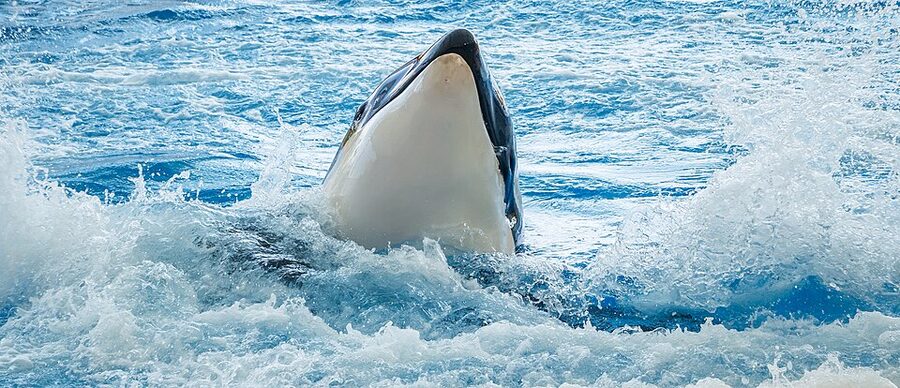
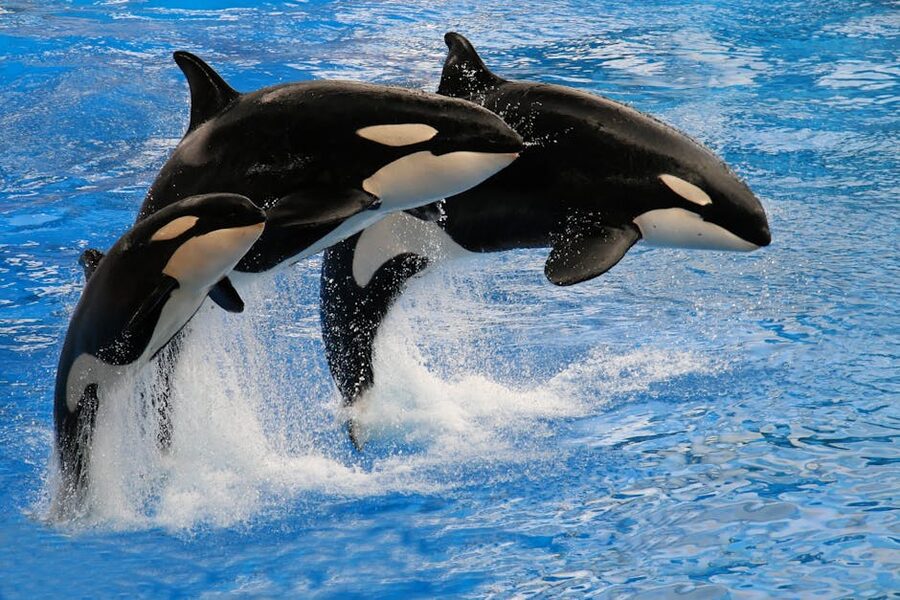
Stand in front of the Orca Ocean glass at 11:45 on a normal Tuesday and you’ll see five animals weighing about 18 tonnes between them gliding past at eye level, fins higher than your head, and a small child a metre to your left will go completely silent. That’s the moment most visitors describe later. Not the parrots. Not the show. The first time an orca slows down a metre from the glass and looks at you.
Loro Parque has been one of the most-talked-about zoological parks in Europe since the day in 2006 the Orca Ocean opened with four orcas on loan from SeaWorld Orlando. The conversation hasn’t stopped. It’s a serious conservation centre and an active orca-show venue at the same time, and the tension between those two things is part of the visit. This is a guide to seeing the place clearly: how to book, what to actually plan your day around, where the crowd-flow gets ugly, and where the place earns its reputation.
In a hurry? Here are the three picks worth booking right now
- Loro Parque entry ticket ($52): the flagship and what most people should book. Skip the Puerto kiosks and arrive with a printed QR. Check availability
- Loro Parque + Siam Park combo ($92): two days, two parks, one ticket. Cheaper than buying separately, and you’ll need both days for both parks. Check availability
- Loro Parque + Siam Park with hotel transfers ($115): for groups without a car staying south. Includes the bus from Costa Adeje hotels and back. Check availability
What Loro Parque actually is in 2026
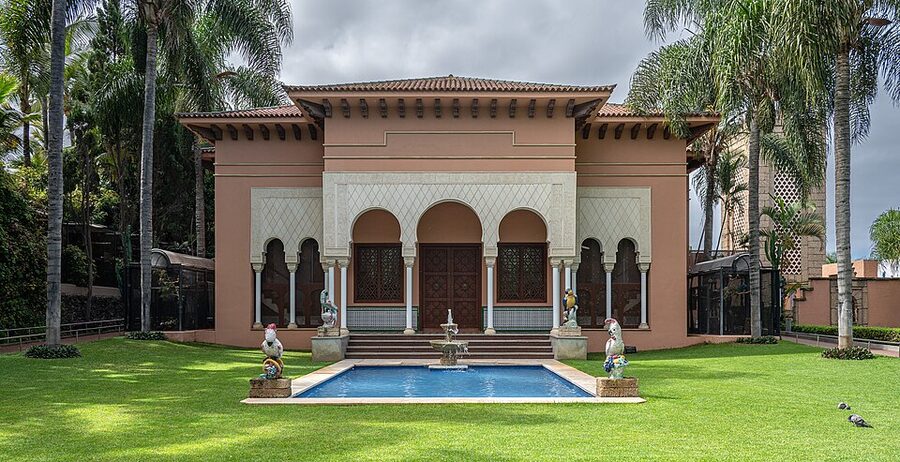
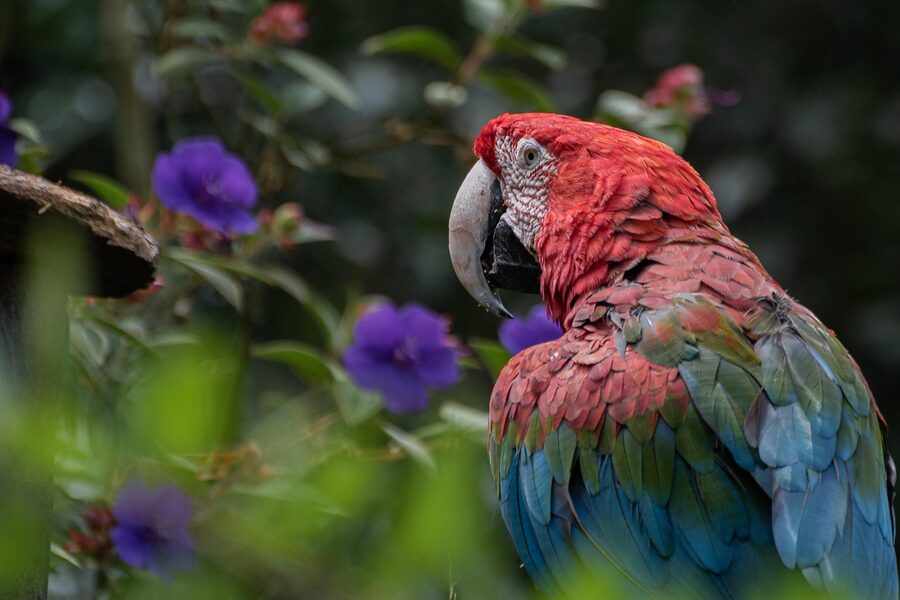
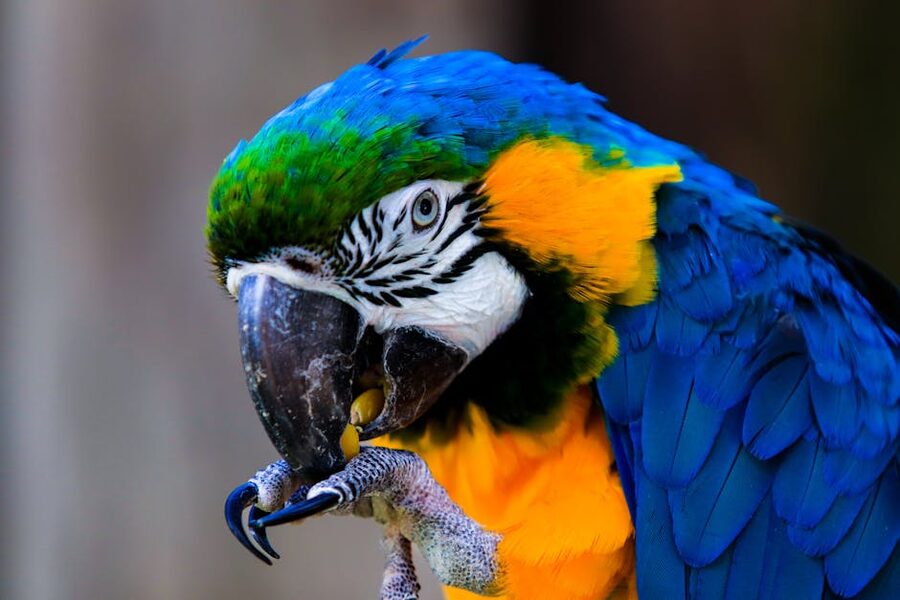
Loro means “parrot” in Spanish, and the park opened on 17 December 1972 as a small private parrot collection by Wolfgang Kiessling, a German entrepreneur from Düsseldorf. The original site held about 150 birds. Five decades later it holds more than 4,000 parrots of around 350 species. That makes it the largest parrot reserve in the world, recognised as an Animal Embassy by UNEP-WCMC, and home to the largest captive breeding programme for parrots on the planet. Eighteen of those species exist now in stable captive populations only because of breeding work done here.
That’s the part the marketing leads with, and it’s true. The other part is also true. In 2006 the park opened Orca Ocean, a 22.5-million-litre, six-pool complex housing four orcas on loan from SeaWorld Orlando: Skyla, Kohana, Tekoa, and Keto. Two of those four (Skyla and Kohana) have since died, both before the age of 12. The remaining animals were joined by Morgan, an orca rescued from the Wadden Sea off the Dutch coast in 2010 in poor health, deemed un-releasable by the Dutch government, and transferred to Loro Parque under a Bavarian rescue and rehabilitation arrangement. Morgan has since had a calf, Ula, in 2018. Ula died in 2021. The Bavarian rescue partnership and the rehab status of Morgan are still legally contested and have never been formally resolved.
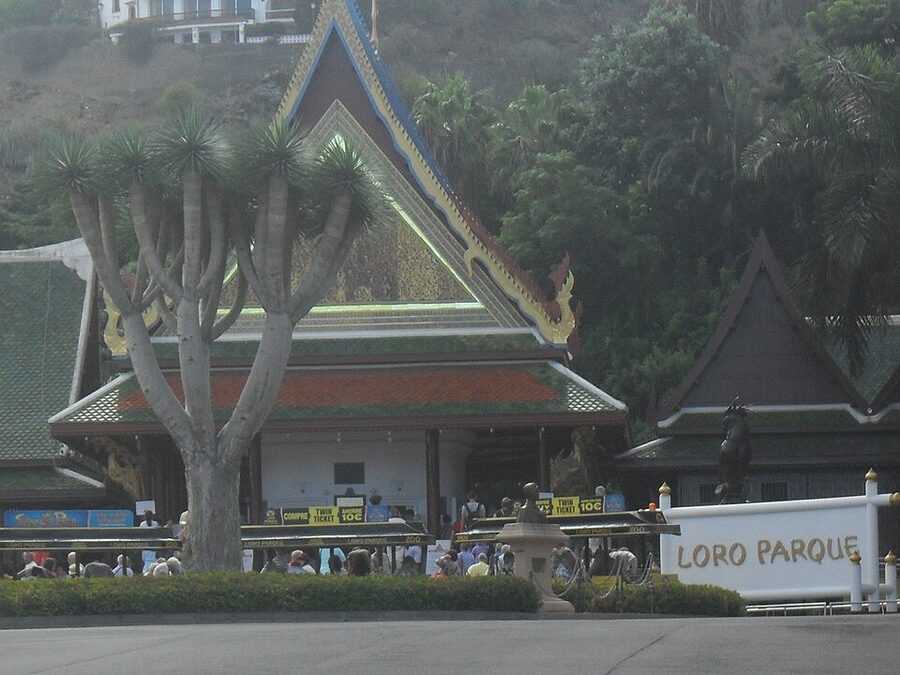
If you’re coming from Costa Adeje and you’re also planning a day at Siam Park the same week, the combo ticket is the right move. The two parks are owned by the same family and the combo is genuinely cheaper than buying both separately. If you’re choosing between Loro Parque and a half-day on a boat, that’s a different question, and we’ll get to it further down.
The Orca Ocean question, head on
Most articles about Loro Parque either ignore the orcas entirely or write a thousand words of moral preamble before getting to anything practical. Both are wrong. You’re a grown adult capable of reading the situation, and the situation is this.
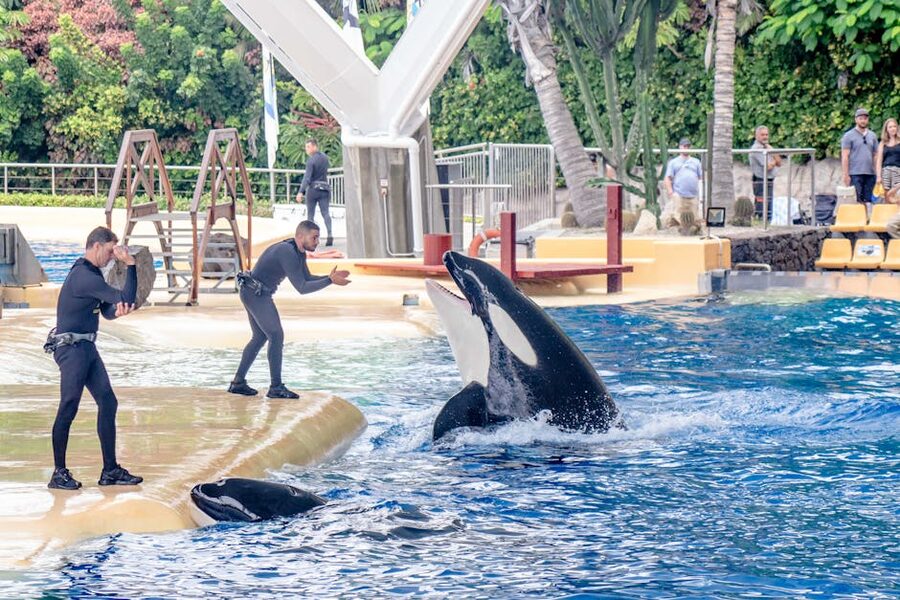
The original four orcas came from SeaWorld Orlando. SeaWorld stopped its orca breeding programme in 2016, partly under public pressure after the 2013 documentary Blackfish. Loro Parque has not. A calf, Adán, was born here in 2010 and a second, Vicky, in 2012. Vicky died at 10 months. Adán is still alive. The park’s official position is that its orca programme contributes to research into the species and that the animals are well cared for. Animal-welfare organisations including the Whale and Dolphin Conservation society dispute that. The European Association of Zoos and Aquaria has accredited the park. The trainer death in 2009 is a fact. The premature deaths of multiple orcas under 12 are a fact. The successful captive breeding programmes for many parrot species, some of which have prevented extinction, are also a fact.
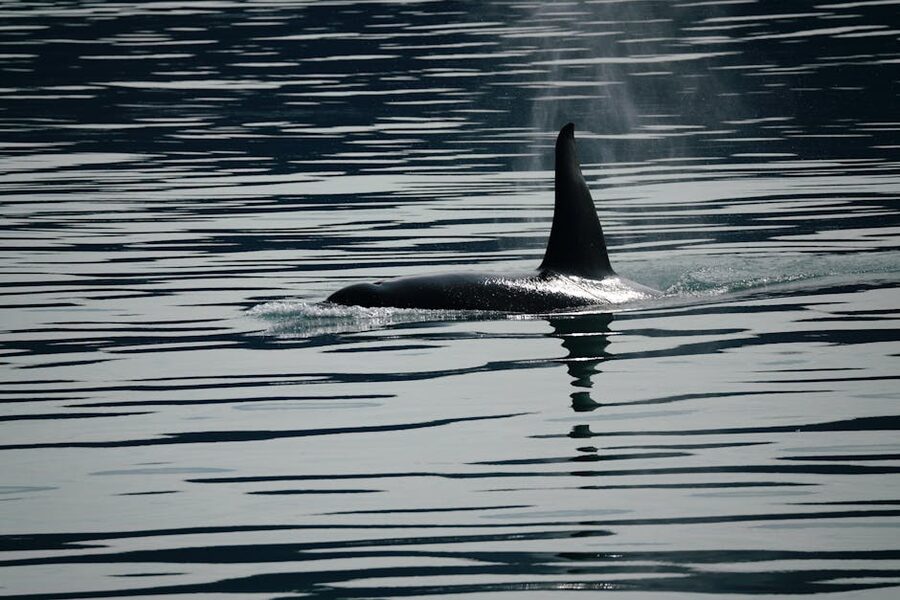
The straight read on this: if the captive-orca question matters to you ethically, you already know what you’re going to do. If it doesn’t, the Orca Ocean is a remarkable enclosure and you’re going to feel things in front of it that don’t have easy names. The underwater viewing gallery, where the animals pass at glass-touching distance, is the moment of the day for most first-time visitors. The trainer-led “Orca Encounter” presentation runs three times a day and is short, dignified, and information-heavy. It is not the SeaWorld-style ball-on-the-nose show. The park stopped that format years ago. If you’ve been to the Genoa Aquarium or the Barcelona Aquarium and didn’t have a problem with what you saw there, the format here is comparable. The size of the animals isn’t.
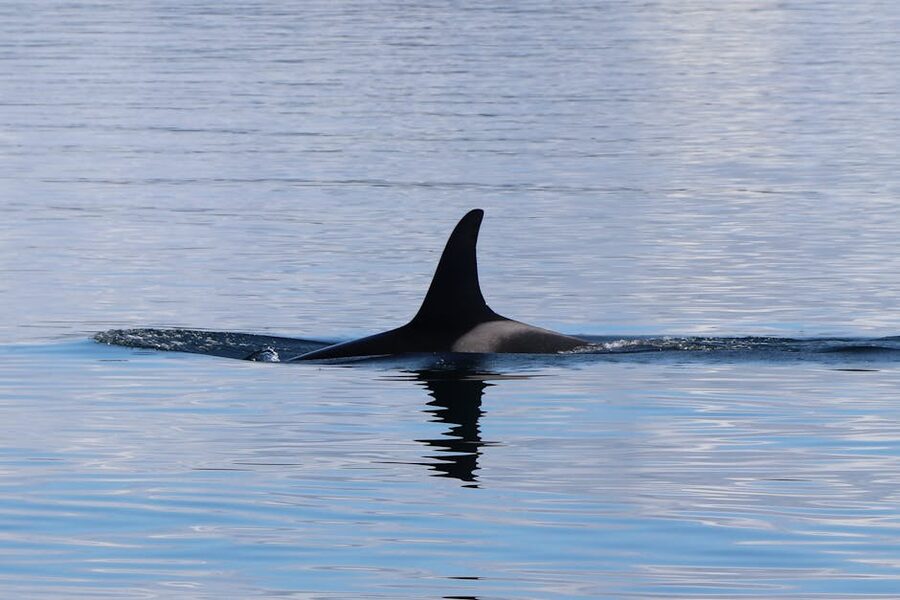
If you’d rather see orcas and other large marine mammals in their actual environment, the answer is on the same island. Tenerife’s south-west coast sits over a 2,000-metre drop where pilot whales and bottlenose dolphins live year-round. Whale watching from Los Cristianos runs every morning and afternoon, sightings are functionally guaranteed by reputable operators, and the price difference is small. We’re not telling you which to pick. Both, ideally, on different days. The captive-versus-wild conversation is the most interesting one Tenerife forces you to have, and seeing both is the only way to have it for real.
Planet Penguin: 12 metres of glass and 200 tonnes of snow
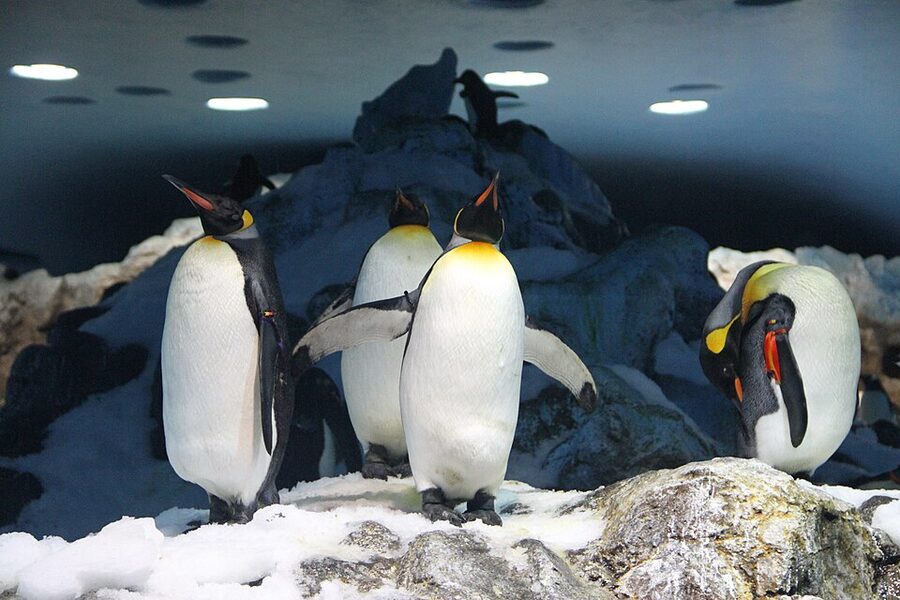
This is the surprise of the day for most visitors and the part that consistently outperforms expectations. Planet Penguin is a walk-through, two-storey Antarctic habitat with a 12-metre floor-to-ceiling viewing wall, snow machines that drop about 12,000 kilograms of snow a day, and a moving walkway that carries you past the colony at a fixed pace.
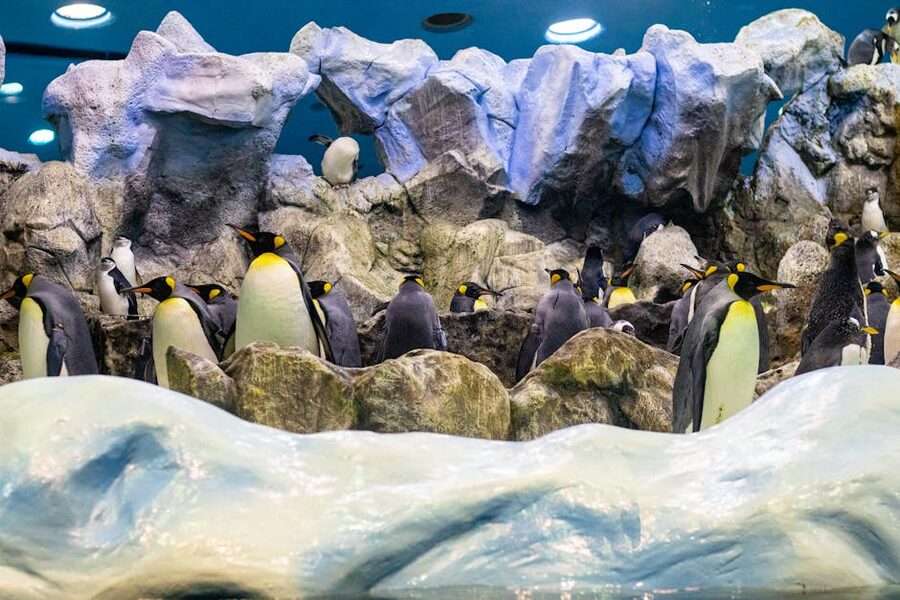
The walkway pace is non-negotiable. You can’t stop. This sounds annoying and it is, slightly, the first time. But it solves the queue problem that crushes other penguin exhibits. Volume keeps moving, nobody hogs the prime spot, and you can ride it twice if you want by exiting and queuing again. Most people do.
The cold is real. They’re not cheating it. The exhibit holds about minus 1 Celsius in winter mode and the wind blows. Wear something with sleeves. The glass fogs near the end of the walkway and the staff swap panels routinely. If you can time your visit to the first 15 minutes after a fresh snowfall (about every two hours during opening), the colony is more active and the photographs are better.
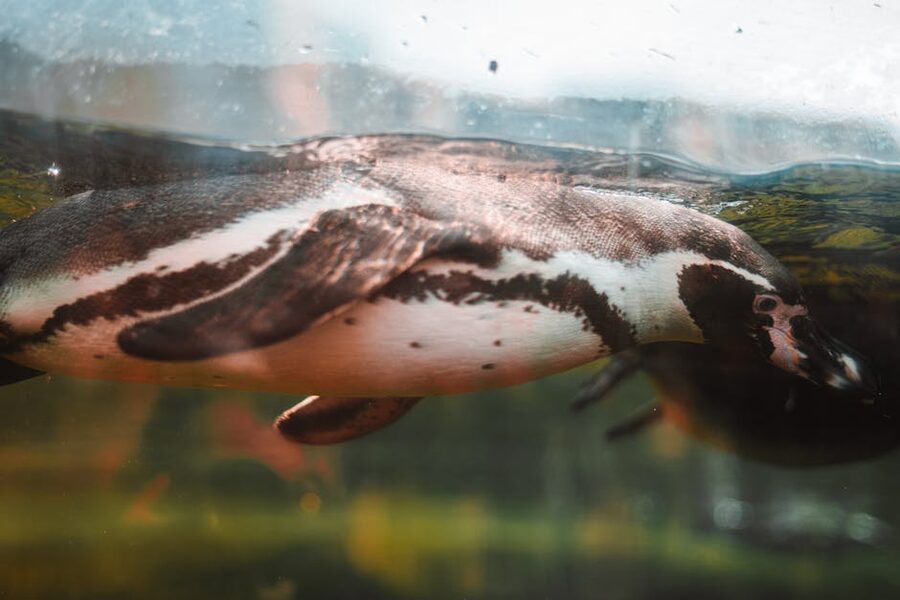
If you’ve been to the Valencia Oceanogràfic, the Loro Parque penguin habitat is comparable in scale and arguably better-engineered. Valencia has more total water volume across the whole site. Loro Parque has the colder climate simulation and the better snowfall.
The Aquarium tunnel and the 18 species of shark
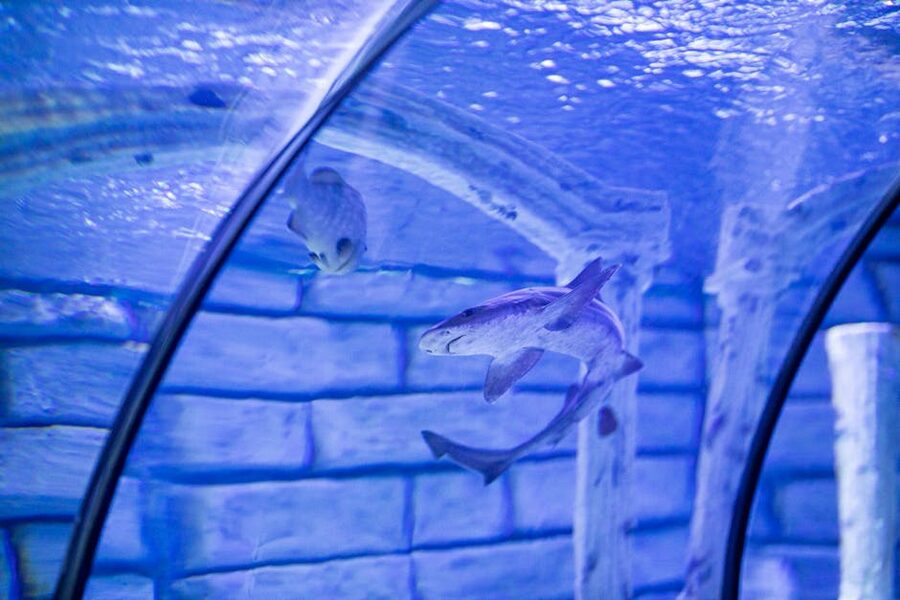
The Aquarium is the underrated section of the park. Most visitors walk it once on the way to something else. They shouldn’t. The tunnel runs about 20 metres and houses 18 shark species across the wider Aquarium complex. You’ll see sand tigers, blacktip reef sharks, nurse sharks, and several species of small ground shark. The pelagic species are not what makes the room good. The lighting is.
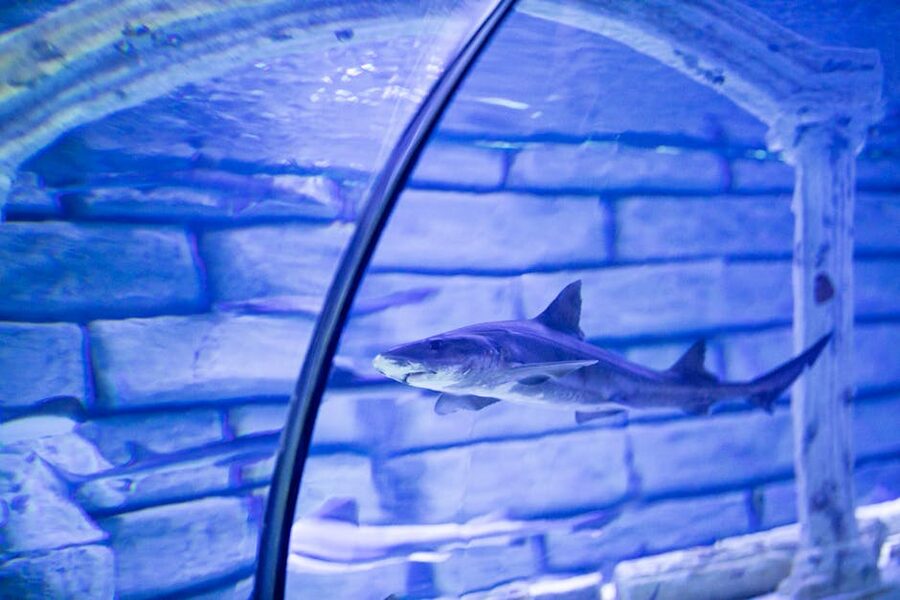
The way the tank is lit means you can take a phone photo through the acrylic without flash and have it come out usable. That’s not common in shark tunnels. The Barcelona Aquarium tunnel, which most people on the Spanish circuit have already done, runs longer (80 metres) but darker; you get the scale, you don’t get the photograph. The Loro Parque tunnel is smaller and brighter and you’ll come out with two or three usable shots. The closest mainland match for the lighting and tunnel-flow combination is actually the Genoa Aquarium in Italy, which lights its sharks the same way and has the same camera-friendly result.
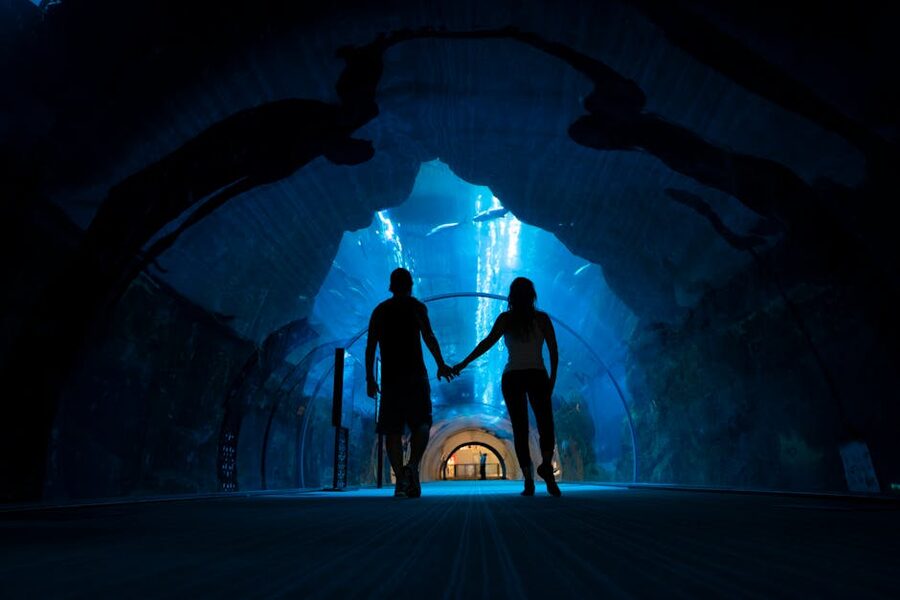
Around the tunnel, the cylindrical tanks at child-eye height are where the smaller kids should spend their time. Cleaner shrimp, lionfish, mantis shrimp. The mantis shrimp are the highlight. They punch like a small calibre handgun.
The parrots, which are still the point
The headline shifted to the orcas the day Orca Ocean opened, but the heart of the park is still upstairs in the parrot section. Four thousand birds. Three hundred and fifty species. The largest collection on Earth and the breeding centre of last resort for several species that don’t exist outside captivity in stable numbers any more. If you’ve come from a marine-heavy itinerary (Los Cristianos whale watching, turtle snorkelling, a Gran Canaria dolphin cruise) the parrot section is the change of pace that resets the day.
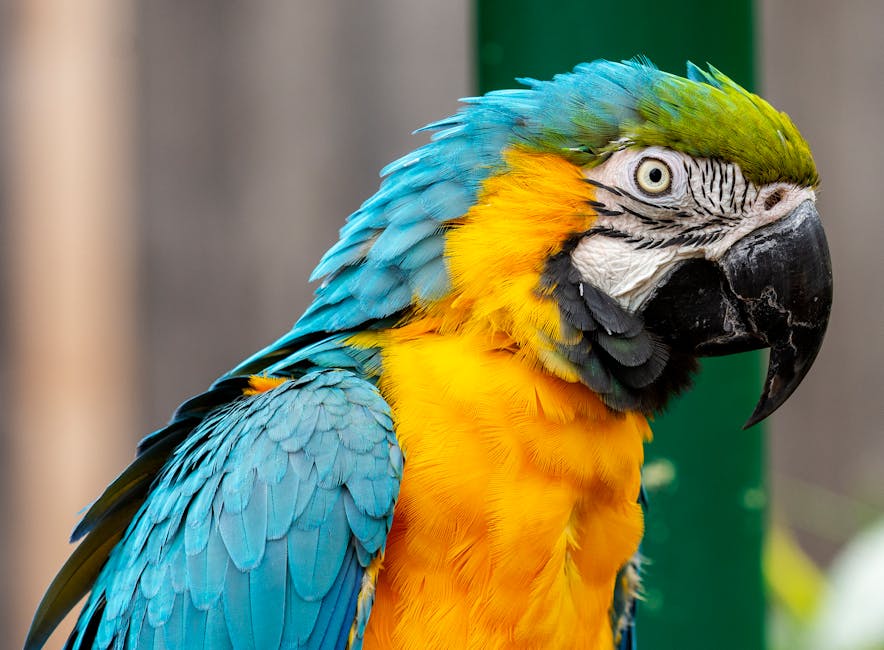
The free-flight aviaries are the highlight. They’re walk-through, you’re inside the enclosure with the birds, and the birds are not particularly bothered by you. Cockatoos will land on the railing a metre from your hand. They’re not trained to do that and they don’t expect food. They’re just curious.
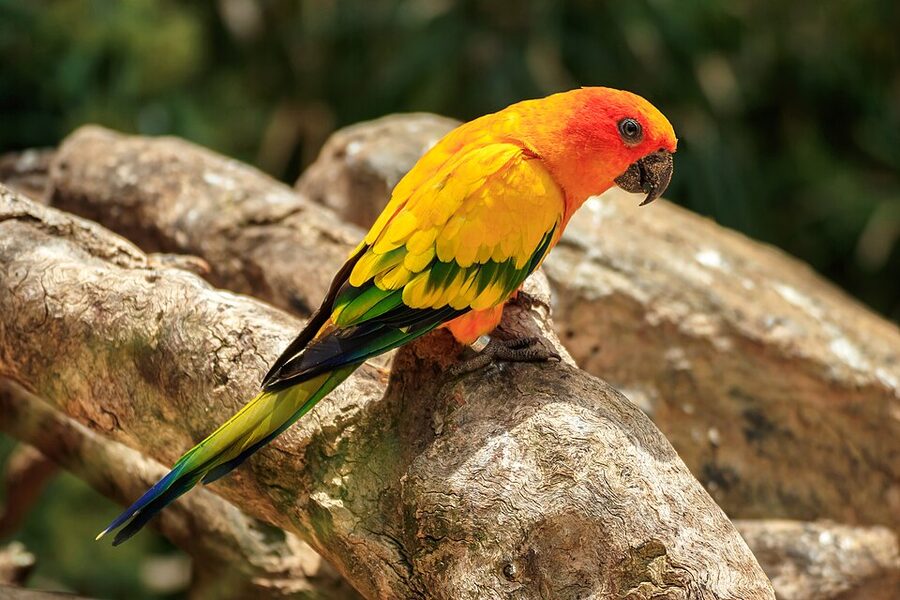
The parrot show runs five or six times a day depending on the season. It’s set up like a circus act with the birds flying low over the audience and landing on cued perches. There’s a part where a macaw rides a tiny scooter that some visitors find delightful and others find faintly demeaning. Your call. The macaws don’t seem to mind. The longer-form section, where individual species are flown over the seated audience and identified, is the better part. You get the wingspan up close and you learn what each species does in the wild.
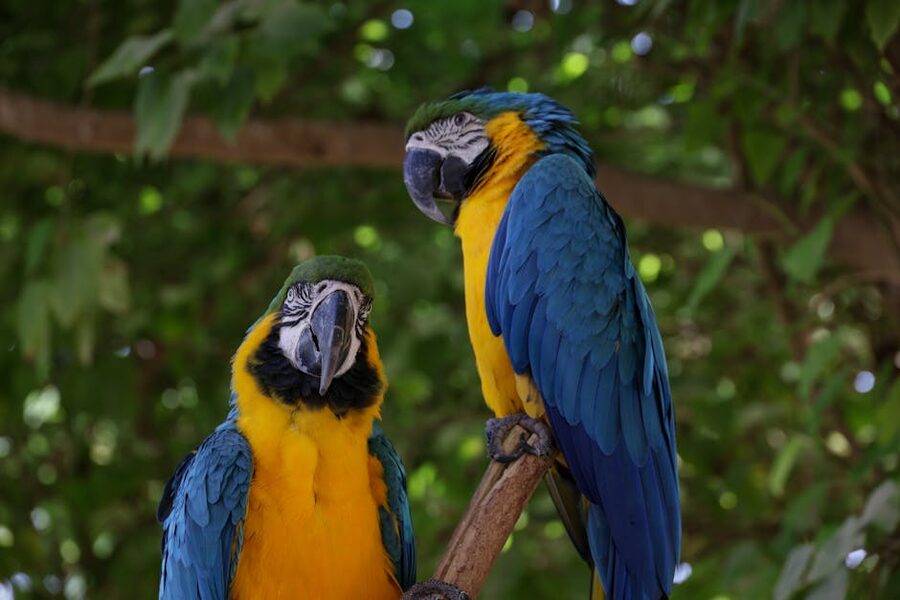
The section that’s harder to find on the map and worth the search: the Katandra Treetops aviary. Australian species, walk-through, lower foot traffic. Cockatoos and lorikeets close enough to count their feathers. Most tour groups skip it because it’s a small detour off the main path. Take the detour.
The other animals (which the brochure undersells)
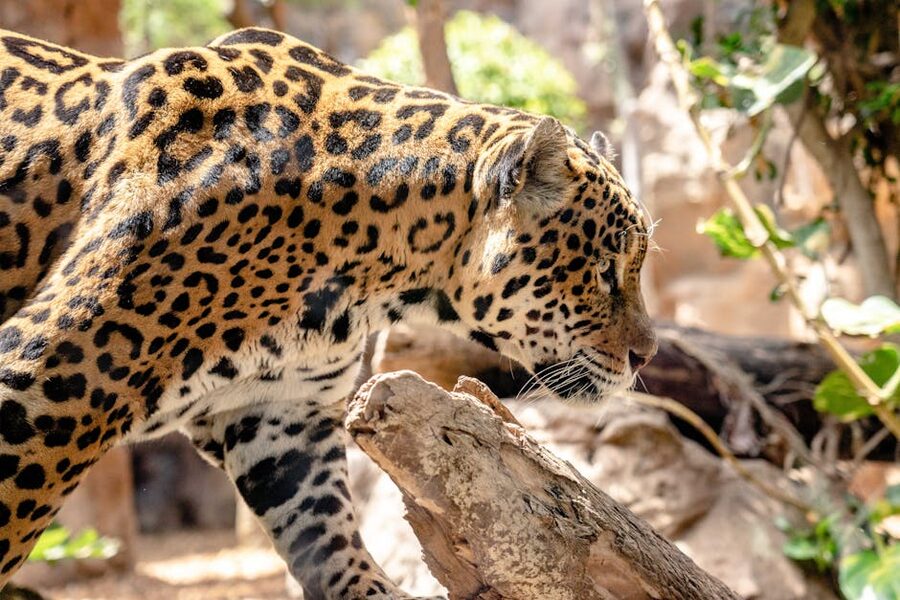
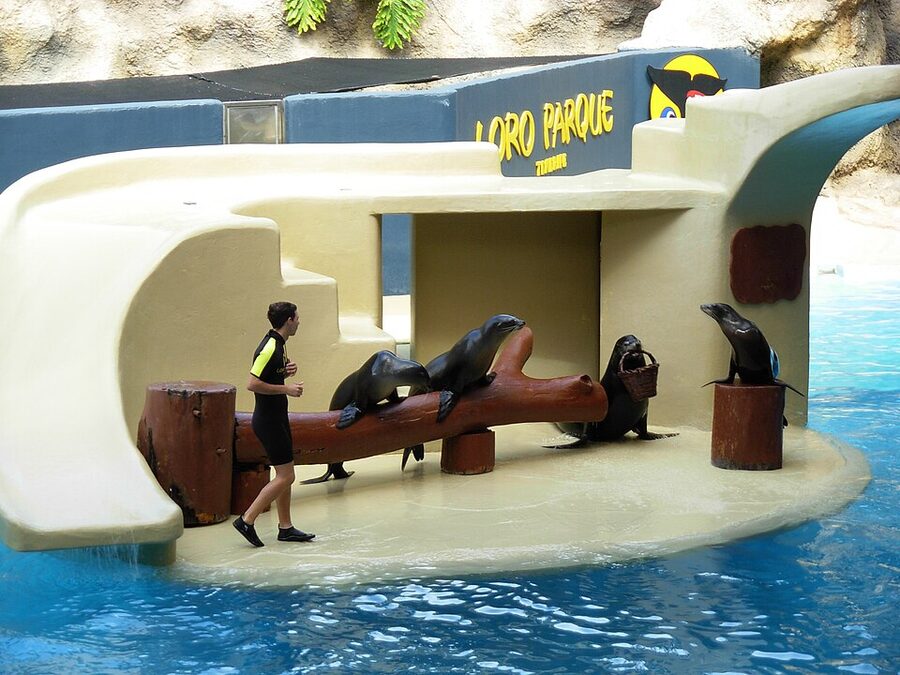
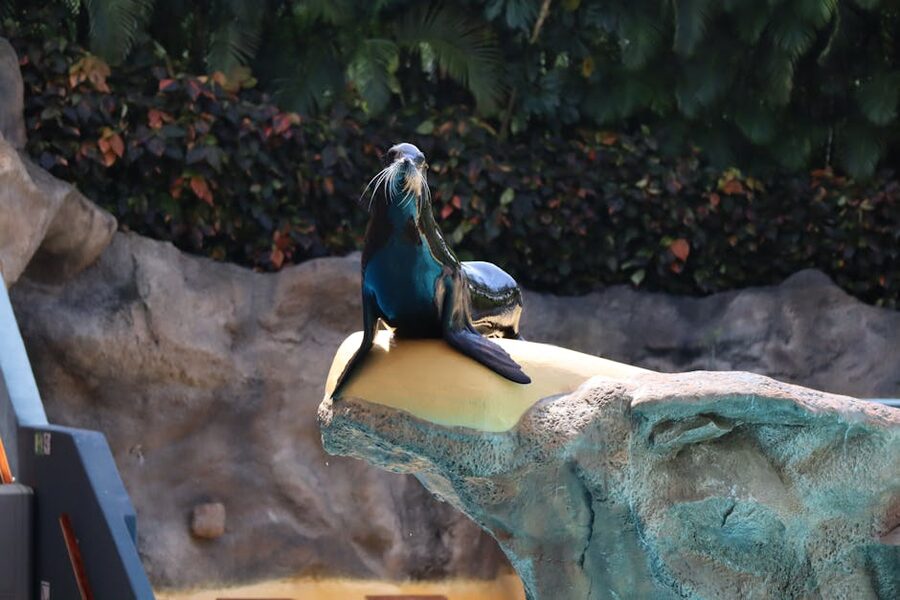
The park is bigger than the four headline exhibits. The parts that don’t make the marketing reels include a substantial primate section, a big-cat compound that’s smaller than the others on this list but still worth a stop, and a sea-lion exhibit that beats every dolphin exhibit in pull-quote-worthy moments per minute. If your only previous reference for a long-day zoological visit is the Valencia Oceanogràfic on the mainland, the secondary exhibits at Loro Parque are where it pulls ahead. Valencia has the better marine science. Loro Parque has the better terrestrial range.
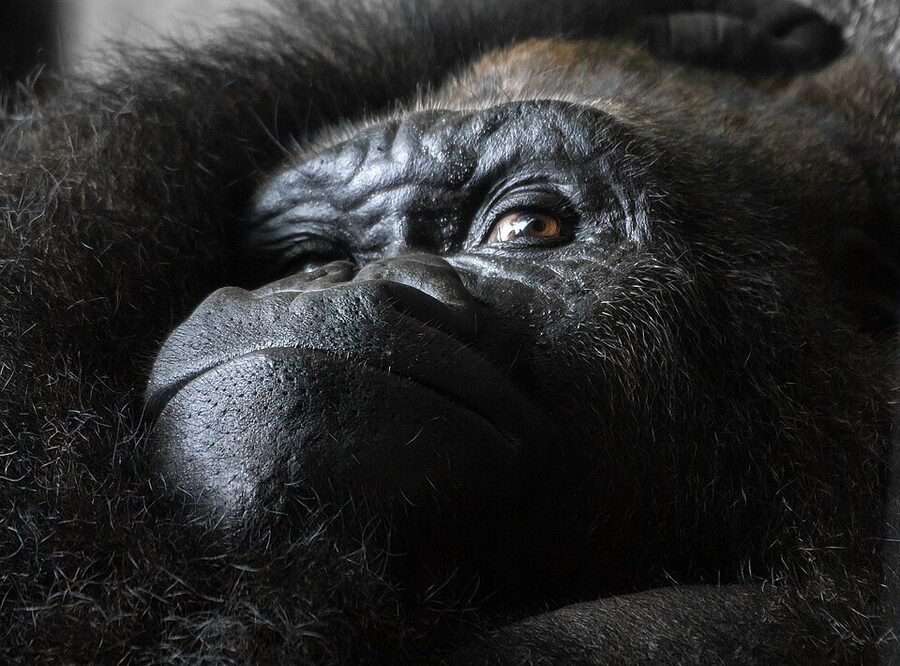
The gorilla enclosure is a quiet section in the middle of a loud park, and it’s where I’d send anyone who asks me what to skip if they’re short on time. Don’t skip this one. Sit on the bench across from the viewing window. Wait. They come over. The glass is double-thickness and you can hear nothing of what’s happening on their side, which makes it feel like a silent film.

How to plan a day inside the gates
The park opens at 08:30 and closes at 18:35. That’s nearly 10 hours. You can’t see everything. People who try come out tired and grumpy. The structure that works for most visitors is to plan around the four show times and walk the rest of the park around them.
The headline shows and their typical schedule:
- Sea Lions show: usually 09:35, 12:30, 14:15, 15:30, 16:55. Five slots, the easiest to fit in.
- Parrot show: 10:25, 11:50, 13:30, 15:00, 16:00, 17:30. Six slots in summer.
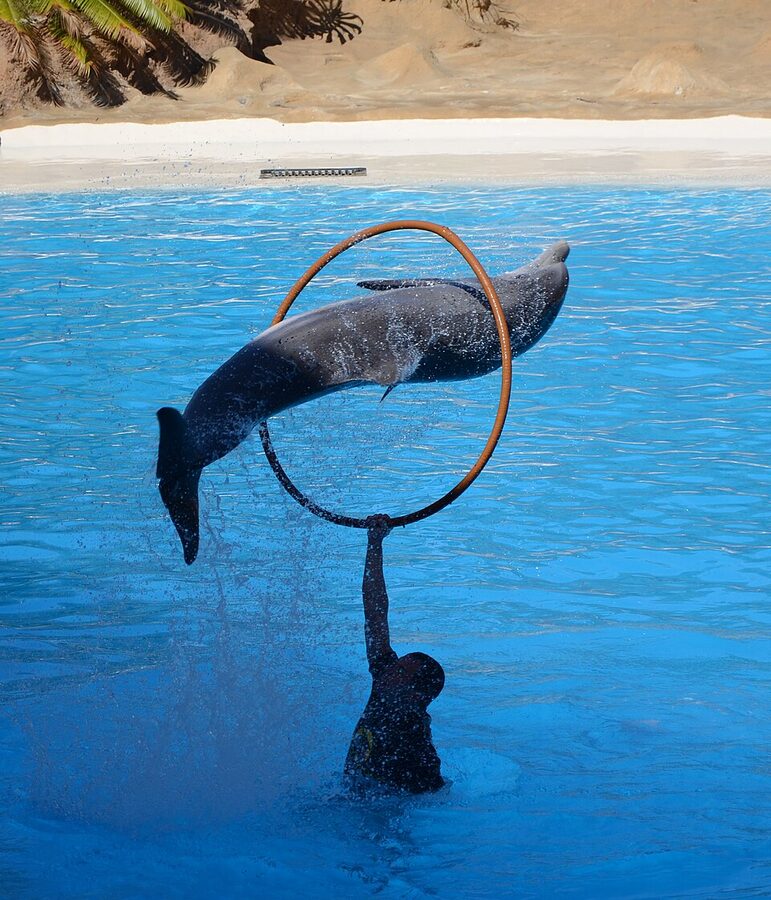
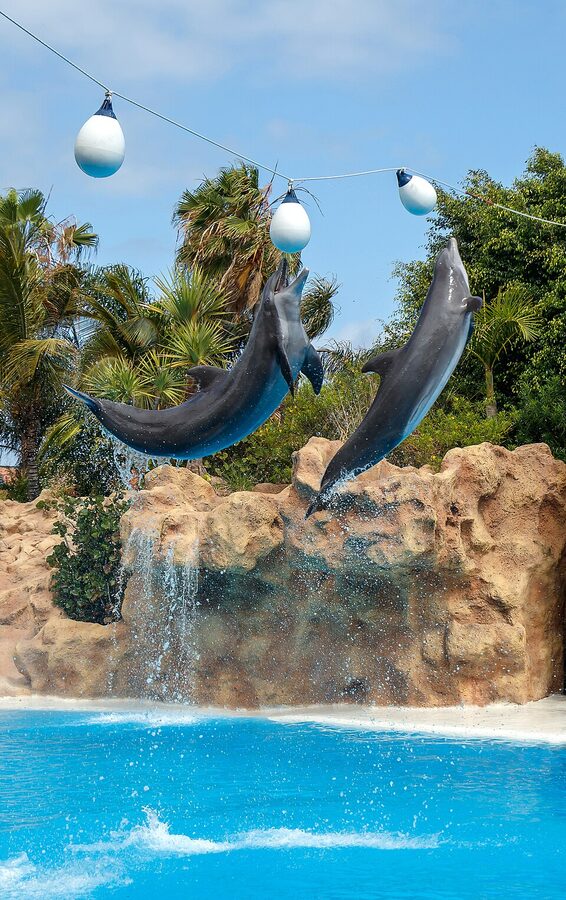
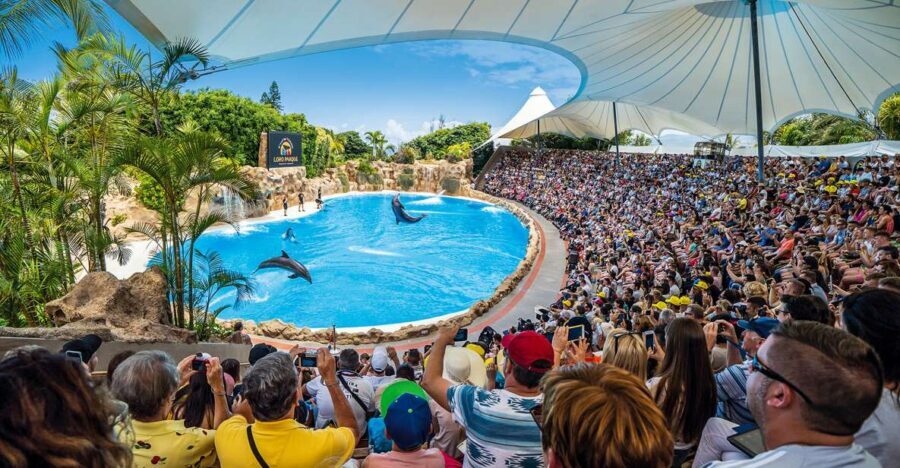
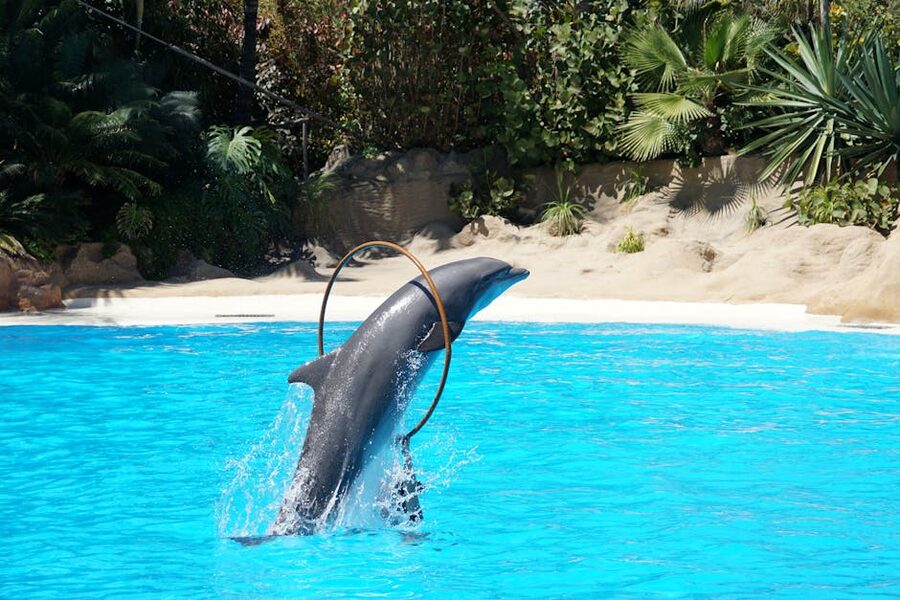
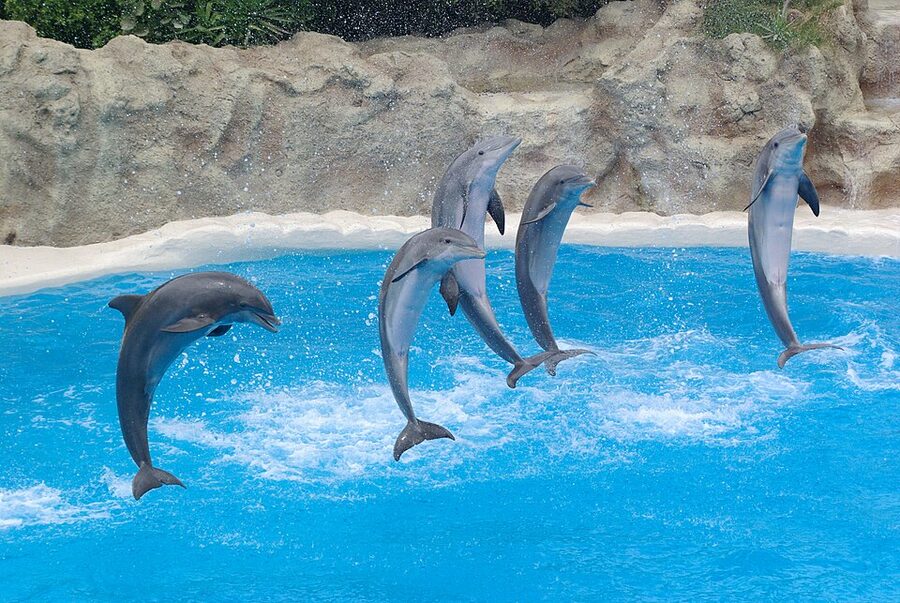
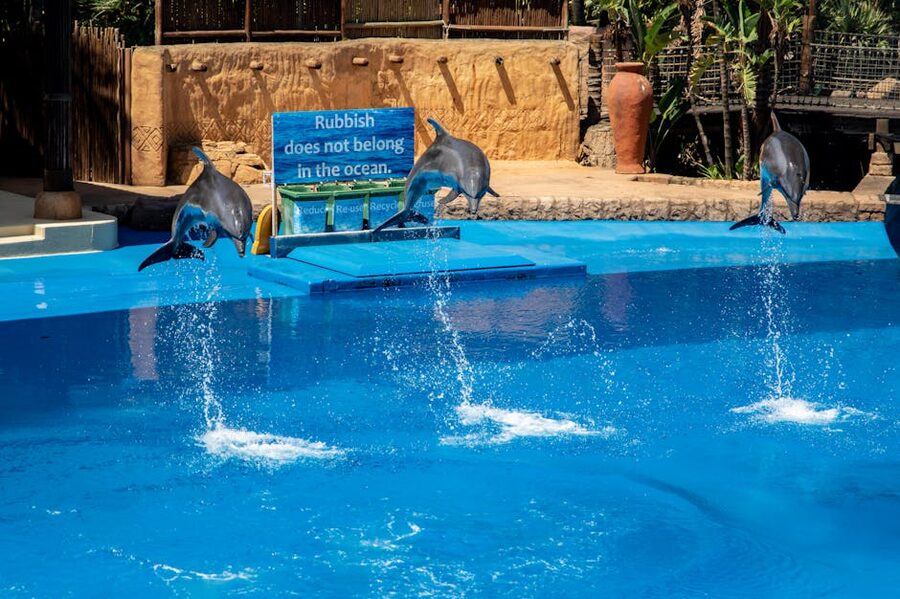
- Dolphinarium: 11:00, 13:15, 14:45, 16:00. Four slots.
- Orca Ocean presentation: 11:45, 14:00, 16:45. Three slots, the smallest theatre, the hardest queue.
Schedules drift seasonally; check the printed map you get at the gate, which has that day’s confirmed times stamped on it. The orca presentation is the one to plan around because the theatre fills first and seats run out 20 minutes before showtime in summer. The pacing problem is similar to Siam Park on the south coast, which has the same morning rush at the headline rides for the same reason. Either park rewards an early start.
A working day-plan that avoids the crowd swell:
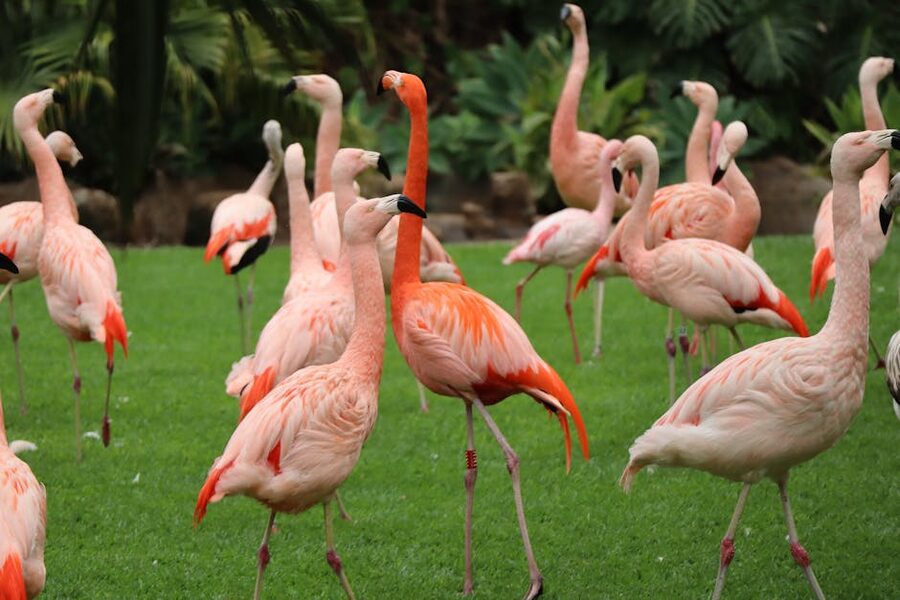
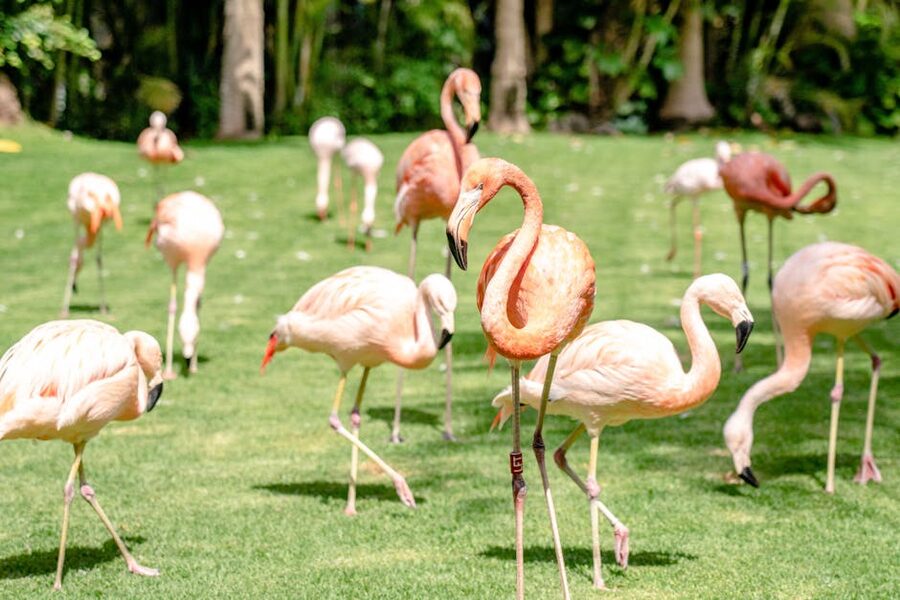
- Be at the gate by 09:00. Walk past the flamingos without stopping. You’ll come back to them later.
- Hit the Aquarium first. It’s deserted at 09:15 and packed by 11:00.
- 09:35 Sea Lions show.
- 10:00 to 11:30, walk the parrot section. You’ll catch one of the parrot shows in there.
- 11:45 Orca Ocean. This is your priority slot.
- Lunch from 12:15 to 13:00 at one of the in-park restaurants. Brunelli’s is the better one.
- 13:15 Dolphinarium.
- 14:00 to 16:00, Planet Penguin (twice if you liked it the first time) and the gorilla and primate section.
- 16:00 catch the second Parrot show if you missed it earlier.
- 16:45 second Orca Ocean if the morning one was too crowded for you.
- 17:30 onwards, walk back through the parts you rushed past in the morning. The light is better and the crowds have left for their hotels.
Three tickets worth booking and which one is right for you
The ticket landscape at Loro Parque is simpler than at Italian art museums. There are three real options. The base entry, the combo with Siam Park, and the combo with Siam Park plus transport. That’s it. The other listings are repackaged versions of the same things.
1. Loro Parque Entry Ticket: $52
This is the right pick for most visitors and the one I’d point first-timers to. Our full review of the Loro Parque entry ticket covers the gate procedure and what’s included beyond the printed cost. The €5 to €7 saving over the on-site kiosk price is real, and it skips the morning queue at the box office, which by 10am is 30 deep.
2. Loro Parque + Siam Park Combo: $92
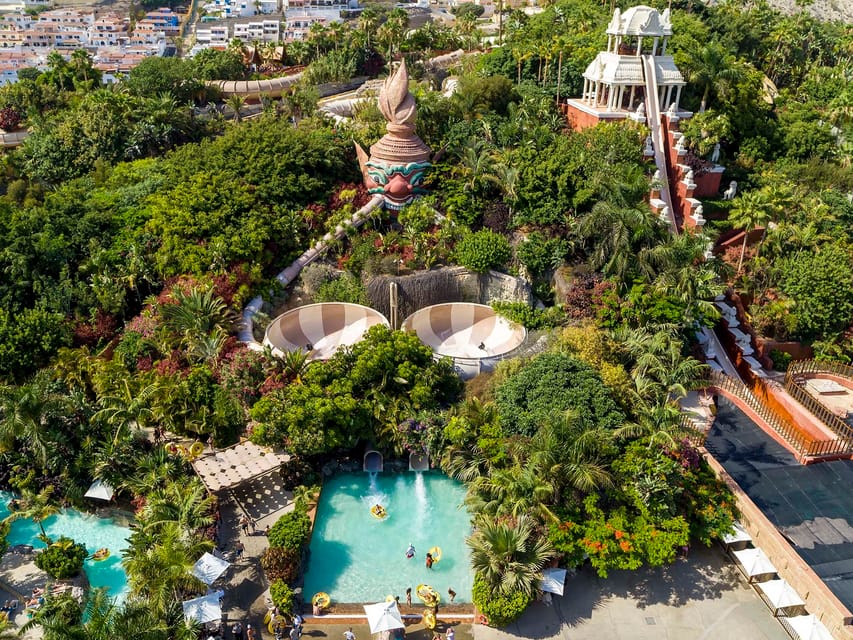
The combo is worth it if you’re staying on Tenerife for three nights or more and you’d be tempted to do Siam Park anyway. Our full review of the combined ticket walks through which day to do which (cooler weather Loro, hotter weather Siam Park). The 14-day validity means you don’t have to do them back-to-back.
3. Loro Parque + Siam Park with Hotel Transfers: $115
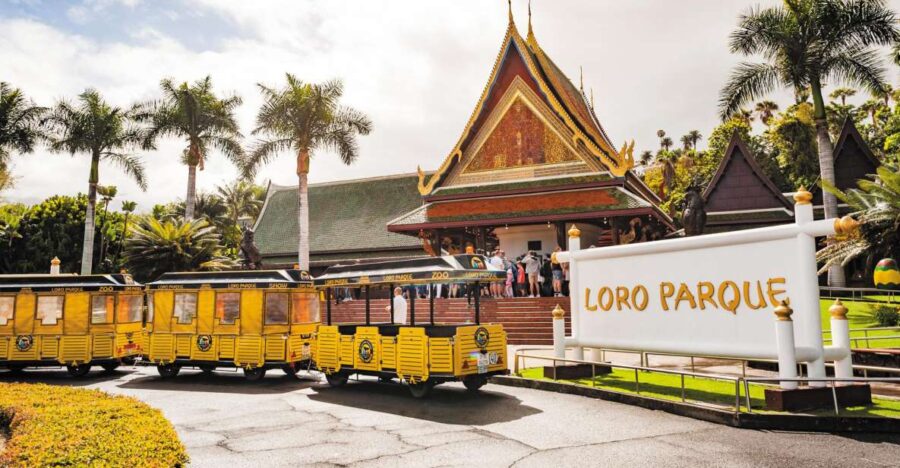
This is the right pick if you’re staying south (Costa Adeje, Playa de las Américas, Los Cristianos) and don’t have a hire car. Our review of the transfer combo covers the bus pickup zones. The transport adds about €23 to the combo price, which is roughly what a return taxi from Costa Adeje to Puerto de la Cruz would cost for one person.
Getting there from the south coast (where most tourists stay)
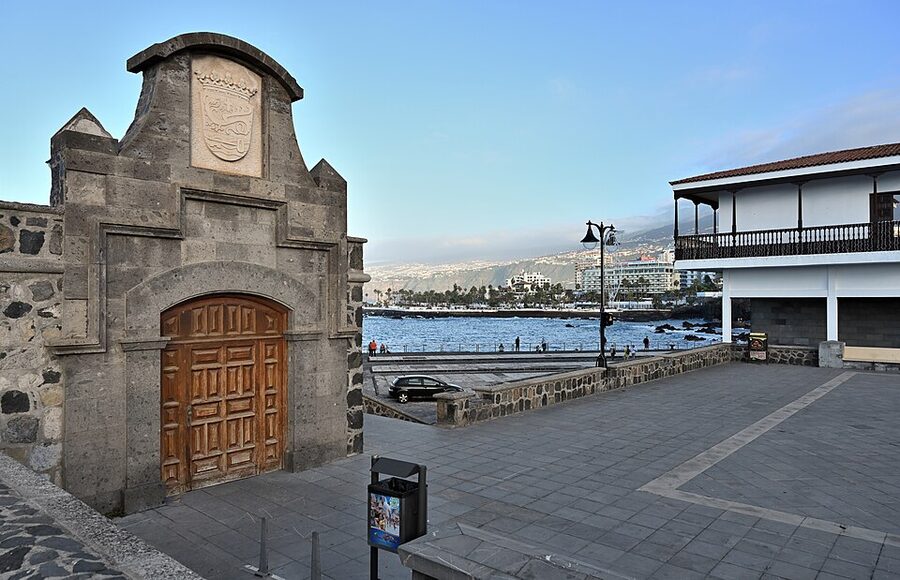
Loro Parque is in Puerto de la Cruz on the north coast of Tenerife. Most tourists stay on the south coast, in Costa Adeje, Playa de las Américas, or Los Cristianos. The drive between the two coasts is roughly 75 to 90 minutes via the TF-1 motorway and the TF-5. The road is good. The scenery is dull until you cross the Anaga ridge.
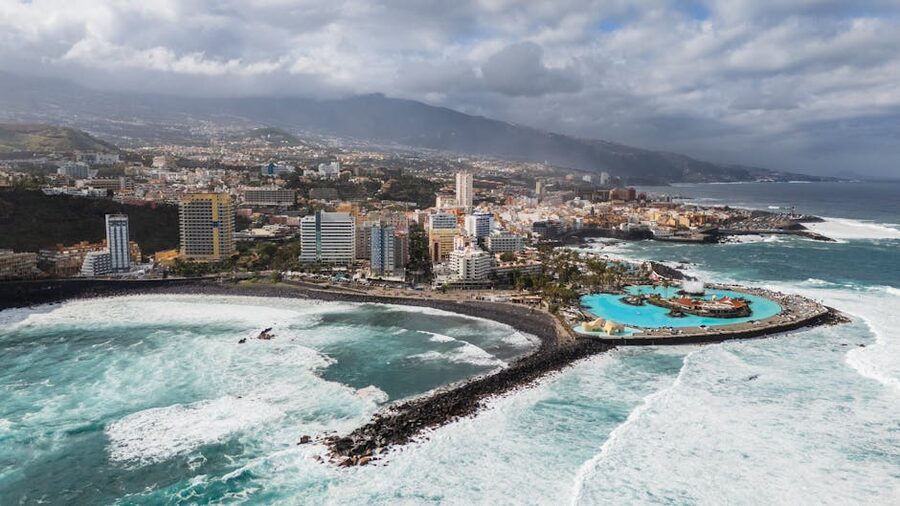
Three ways to get there from the south:
- Hire car. The fastest and most flexible option. €30 to €50 a day off the airport. Parking at Loro Parque is free. The drive is on a motorway-grade road the whole way.
- Operator transfer bus. Built into the third ticket option above. Hotel pickup at 08:00 to 08:30, return at 17:00 to 17:30. About €23 add-on.
- Public bus (Titsa line 343 or 348). Cheap (€11 each way), slow (2.5 hours), runs from Costa Adeje every 90 minutes. Fine if you’re carless and patient. Not fine if you want to be at the gate by 09:00.
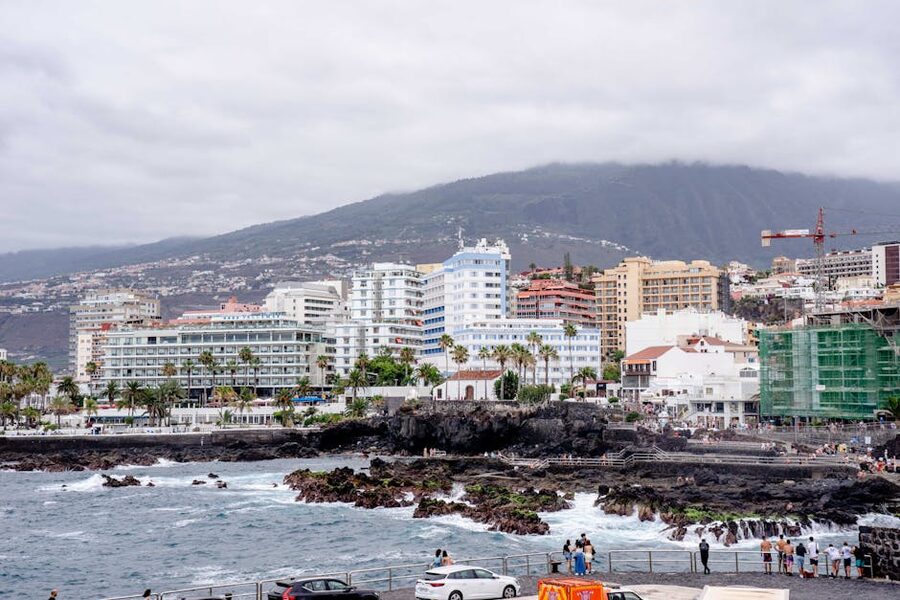
If you’re staying in the north already, in Puerto de la Cruz itself, the free Loro Parque Express miniature train picks up at the Hotel Catalonia Las Vegas on Avenida Reyes Católicos every 20 minutes from 09:00. Last train back is 18:45. It’s free, it’s faintly ridiculous, and the kids think it’s the best part of the day.
What to bring, what to skip, what nobody warns you about
Bring water. The park sells it but the queues at the kiosks at midday are a 15-minute investment. A 1.5L bottle from the Mercadona on the way in is €0.50. The same bottle at the park is €3.50.
Bring a thin sleeve for Planet Penguin even in summer. It’s minus 1 in there. People in shorts and a t-shirt visibly suffer.
Bring sunscreen. Most of the park is outdoors and Tenerife in July is unforgiving. The shade structures are concentrated near the show theatres; the parrot section, in particular, is exposed.
Skip the souvenir shop on the way in. The same plush parrots are €4 cheaper at the second shop near the Aquarium. Why this is true is one of the small mysteries of the park.
Skip the photographers’ booth where they take a posed photo of you and your group at the entrance and try to sell it to you on the way out for €18. The shot is bad. The lighting is overcast even in good weather. You can do better with your phone in front of any of the actual exhibits.
What nobody warns you about: the park is hilly. Properly hilly. There’s about 50 metres of vertical between the lower aquarium section and the upper parrot terraces. There are escalators on the main path and a sort of long sloping ramp, but if you’re with a wheelchair user the route requires a bit of thought. The park has accessibility maps at the gate; ask at the ticket desk.
The other thing nobody warns you about: the Discovery Tour, an extra €20 add-on for a guided behind-the-scenes hour with a keeper, is one of the genuinely good upsells in the European zoo industry. You go behind the parrot breeding centre, you meet hand-reared birds, and the keeper answers questions for an hour. If you’re a serious birder or you’ve got a child seriously interested in animals, this is the one extra to spend on. Walking it up at the gate isn’t always possible; book a few days ahead.
Food inside the park (and the one rule)
The rule: don’t eat at the first restaurant you see. The map shows about eight food options. The good ones are Brunelli’s at the back of the park (a steakhouse that does a passable Iberico burger for €14) and the Patio Canario in the parrot section (Canarian wrinkled potatoes with mojo verde, €8). The two near the entrance are tourist traps and you can taste it.
Picnics are allowed but discouraged. There’s no enforcement; the park’s official line is “please use the cafés.” A backpack with sandwiches will get you nothing more than a side-eye.
The ice cream by the dolphinarium queue is €5 a scoop. It’s also genuinely good. Buy two if you’re going to buy one.
What to do with the rest of the day after the park
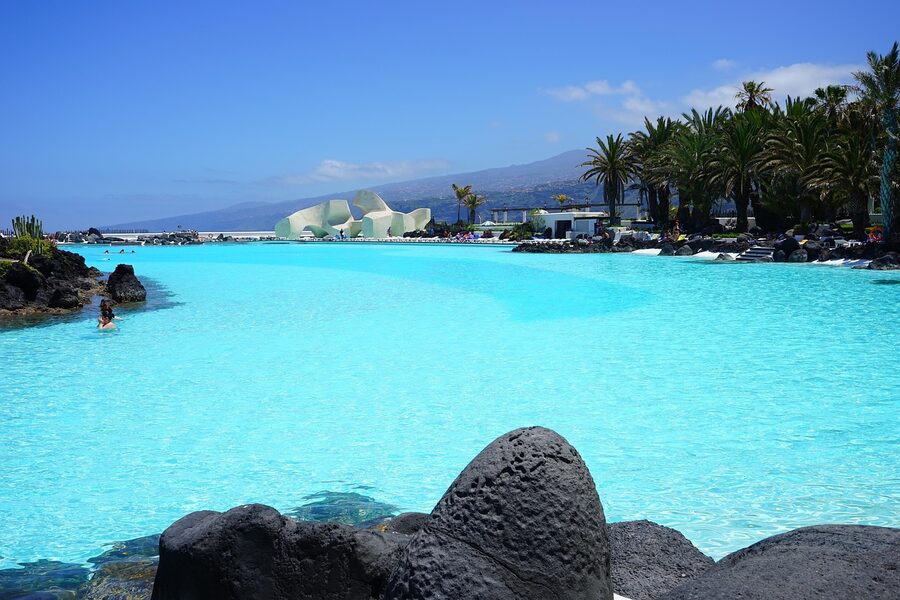
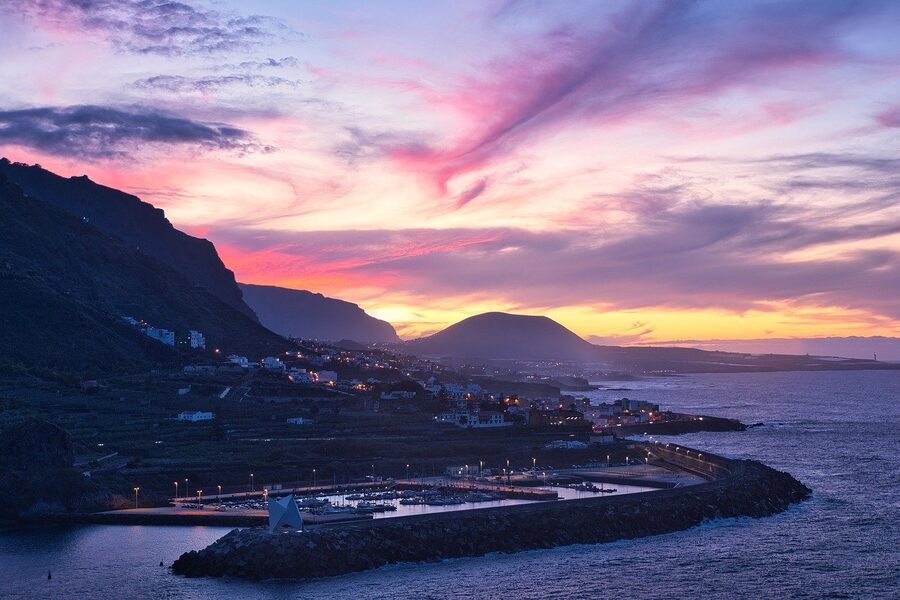
The park closes at 18:35 and most visitors are exhausted by 17:00. If you’re in a hire car and you’re not on the operator bus, the obvious moves from Puerto de la Cruz are dinner in the old town (Restaurante Régulo for slightly fancy, El Limón for vegetarian), a walk along the Lago Martiánez seafront, or the drive back south via the Mirador de Humboldt for the sunset over the Orotava valley.
If your trip is more than 48 hours, the rest of the island deserves more time than the park did. A Mount Teide sunset and stargazing tour from the south is the obvious second night. The cable car at 3,555 metres looks down on the cloud layer and the UNESCO Starlight Reserve sky is the third-best stargazing in the world after Hawaii and Chile. A morning whale-watching trip from Los Cristianos is the obvious counterpoint to the orcas; you’ll see resident pilot whales, no glass between you, and the experience reframes everything you saw at Loro Parque the day before.
The other Canary alternatives, if you’ve got more days and the wild-marine angle has hooked you, include kayak-and-snorkel-with-turtles tours from Los Cristianos (which run cheaper than whale watching and put you in the water with green sea turtles), and a Gran Canaria dolphin cruise from Mogán if you’re hopping islands. Both are wild encounters, both have the no-glass-between-you quality, and they’re worth seeing alongside, not instead of, the park experience. The Mediterranean equivalent for the wild-marine instinct, if your trip continues into France, is an Ajaccio boat tour out into the Sanguinaires gulf in Corsica, which puts you over the same kind of cetacean-rich open water without the ethical layers of a captive collection.
Loro Parque vs Siam Park: which to do first
If you’ve booked the combo, the order matters slightly. Do Siam Park on the hotter day and Loro Parque on the cooler one. Siam Park is a water park; the heat works for you. Loro Parque is mostly outdoor walking; the heat works against you. The two parks are owned by the same family, take the same combined ticket, and run the same Costa Adeje pickup buses. They’re not interchangeable. Siam is adrenaline. Loro is a long, varied day with periodic theatre.
Most visitors plan Siam first because the marketing is louder. The argument for doing Loro first is that you’ll be more tired afterwards and want a low-effort second day, which Siam isn’t. The argument for doing Siam first is that you’ll be more excited going into Loro the second day, because you’ll have spent the previous day on a 28-metre vertical drop and are ready to slow down.
The verdict
Loro Parque is one of the best zoos in Europe by every objective measure that doesn’t involve the captive-orca question. It’s exceptionally well-funded. The animal habitats are above industry standard. The breeding programme has saved real species from real extinction. The staff are knowledgeable. The presentation has moved away from circus-act formats over the past decade. If you’re going to visit one zoological park in Spain, this is probably the one.
It’s also the most ethically contested zoo on the continent, for reasons that are real and aren’t going away. The premature deaths of multiple orcas, the trainer death in 2009, the unresolved Bavarian-rescue legal status of Morgan, and the continuation of a captive breeding programme that SeaWorld stopped a decade ago are all on the record. Those things and the conservation work both exist at the same site. Smart visitors know both before they walk through the gate.
The visit takes a full day, costs around €52 for the basic ticket and around €92 for the combo with Siam Park, and is the busiest indoor-outdoor attraction in the Canary Islands by visitor numbers. If you’ve come to Tenerife with kids, it’s almost certainly on the itinerary regardless. The pull is closer to a single day at Disneyland Paris in scale and intensity than to a typical European zoo, and you should plan stamina accordingly. If you’ve come without, the Aquarium and the parrot aviaries earn the day on their own. The orcas are the conversation that keeps the place in the news. The penguins, the sharks, the gorillas, and the four thousand parrots are the reason you come back.
Pairing the visit with the rest of your Tenerife week
If this is your one Tenerife trip, the obvious itinerary is something like: day one south-coast pool day; day two Loro Parque; day three Siam Park; day four whale watching from Los Cristianos in the morning; day five Mount Teide sunset and stargazing in the evening; day six recovery and beach. That’s six days that hit the headline experiences without rushing. Add a seventh for the old town of La Laguna and you’ve seen the island.
If your Spain trip is wider than just the Canaries, the marine-life thread keeps going on the mainland. The Barcelona Aquarium has a longer shark tunnel and the better Mediterranean species mix. The Valencia Oceanogràfic is the largest aquarium in Europe and the better single-day deep-dive on marine ecosystems. The Loro Parque parrot section has no equivalent on the mainland. For families chasing an animal-and-science day on a Netherlands swing instead, the NEMO Science Museum in Amsterdam is the best indoor parallel: less wildlife, more hands-on physics, but the same all-day stamina demand on the under-12s. If you care about birds, this is the one to make the detour for.
For visitors comparing across the wider European zoo and aquarium circuit, the Genoa Aquarium is the closest experiential parallel to the Loro Parque marine sections. Different climate, different animal mix, similar quality of presentation, similar visitor flow problems at peak hours. If you’ve done one and liked it, you’ll like the other.
The non-marine pairing on Tenerife is the volcano. Teide is a 75-minute drive from Costa Adeje, the cable car summit is at 3,555 metres, and the contrast between a long zoo day and an evening on the volcanic plateau watching the sun fall on the sea of clouds is the best 36-hour stretch on the island. If you only have time for one of the two, the choice depends on the company. Kids tip the scales toward Loro. Anyone over 12 with a camera tips them toward Teide. Most people manage both, on different days, in the same trip.
Cross-island, if you’ve got a longer Canary trip and you’re hopping ferries, the alternatives include a Gran Canaria dolphin cruise from Mogán, which is the cheapest of the wild-marine encounters on the islands and the easiest to fit into a one-day stopover from Tenerife. Pair it with the dunes of Maspalomas and you’ve got a useful day.
And if you’re someone who’d rather think about altitude and cliffs than animals, the Caminito del Rey on the Andalusian mainland is the comparable physical experience for a different week. The 100-metre boardwalks bolted to the cliffs of El Chorro give you the kind of vertigo-and-payoff structure that mountain experiences on Tenerife (Teide, the Anaga Mountains) deliver in their own register. The Montjuïc cable car in Barcelona is the urban equivalent. Different scale, similar pleasure of looking down on something that didn’t expect to be looked at.
The Italian counterpoints, if your wider trip stretches that far, are the ones that pair well thematically. Mount Vesuvius from Pompeii works the same volcanic register as Teide. Montserrat from Barcelona works the same single-day cable-car-and-altitude register. For a city-break alternative if your itinerary detours through northern Europe, the family-friendly indoor circuit in Amsterdam at Madame Tussauds on Dam Square covers the high-intensity-with-kids slot in a different register entirely. The world is bigger than one island, but the patterns rhyme.
Whatever you decide, book the entry ticket online before you go. The kiosk price is higher and the morning queue at the gate is the worst part of the day if you’re stuck in it. Twenty minutes ahead with a printed QR is the difference between starting at the Aquarium at 09:15 and starting at the Aquarium at 10:30. That difference is what separates people who see the park from people who survive the park.