
A friend of mine bought the Hello Barcelona Card on the cab ride from El Prat to her hotel last spring. She’d seen it advertised at the airport, assumed it was the city’s all-in-one tourist pass, and tapped €43.60 on her credit card without checking what it actually included. By day three she was furious: she’d paid for the 120-hour version, walked everywhere in the Eixample for the first 48 hours, and just discovered that her “Barcelona pass” didn’t cover a single museum, monument or attraction. Not Sagrada Familia. Not Park Güell. Not Casa Batlló. Just buses, metros and the airport line.
That mistake is the single biggest misconception I see Barcelona visitors make. The Hola Barcelona Travel Card, branded in English as the Hello Barcelona Card, is a public transport pass and nothing else. It is not a sightseeing pass. It does not include a single attraction. The only thing it gives you is unlimited rides on the metro, the TMB buses, the trams, the FGC and Rodalies trains in zone 1, and crucially the metro line that runs to and from Barcelona Airport.
So is it worth it? It depends entirely on the shape of your trip. For a 3-day weekend mostly spent walking the Eixample and the Gothic Quarter, no. For a 5-day stay with day trips to Montjuïc, Park Güell on the hill, the beach at Barceloneta, and Tibidabo at the top of Collserola, yes, easily. This article walks through the maths, the airport math (which changes everything), and when you should skip the card and just buy a T-Casual ticket strip instead.
In a hurry: the three Barcelona transit options most visitors actually choose
- Hello Barcelona Card 48h ($22): the right pick if you’re flying into El Prat, doing the metro into the city, and have at least one hilltop visit planned (Park Güell, Montjuïc, Tibidabo). Book on GetYourGuide.
- Barcelona Card 72h ($69): the right pick if you genuinely plan to visit a museum a day. Bundles transport plus 25+ museum entries and discounts on Sagrada Familia / Park Güell. Book on GetYourGuide.
- Barcelona Express Card 48h ($30): a budget compromise if you want transport plus discounts (no free entries). Book on GetYourGuide.
What the Hello Barcelona Card actually is
It’s a physical plastic ticket issued by TMB, the Barcelona transport authority. You buy a code online, walk up to any vending machine in any metro station, key in the code, and the machine spits out a real card with a chip. You then tap or insert that card at the metro gate, on the bus, on the tram, and your time starts ticking from the first ride.
The card comes in four lengths: 48, 72, 96 or 120 consecutive hours. Note the word consecutive. It is not “calendar days”. Touch it at 5pm on Monday and a 48-hour card expires at 5pm on Wednesday. The 96-hour card has no use for a 4-night Tuesday-to-Friday trip if you arrive at midnight Tuesday and leave at 9am Saturday: the clock burns the first eight hours while you’re asleep.
Here’s what it covers, and the exclusions matter:
- The TMB metro (lines L1, L2, L3, L4, L5, L9, L10, L11), unlimited.
- The TMB buses, unlimited, including the V- and H-grid Nova Xarxa lines.
- The Barcelona tram (T1 to T6), unlimited, in zone 1.
- The Montjuïc Funicular, unlimited.
- The FGC trains in zone 1 (Plaça Catalunya up to the lower part of Tibidabo at Avinguda Tibidabo).
- Rodalies regional trains in zone 1 (the Sants commuter network within the city).
- The metro to and from Barcelona Airport on L9 Sud, terminals T1 and T2.
And what it doesn’t cover, the bits that catch people out:
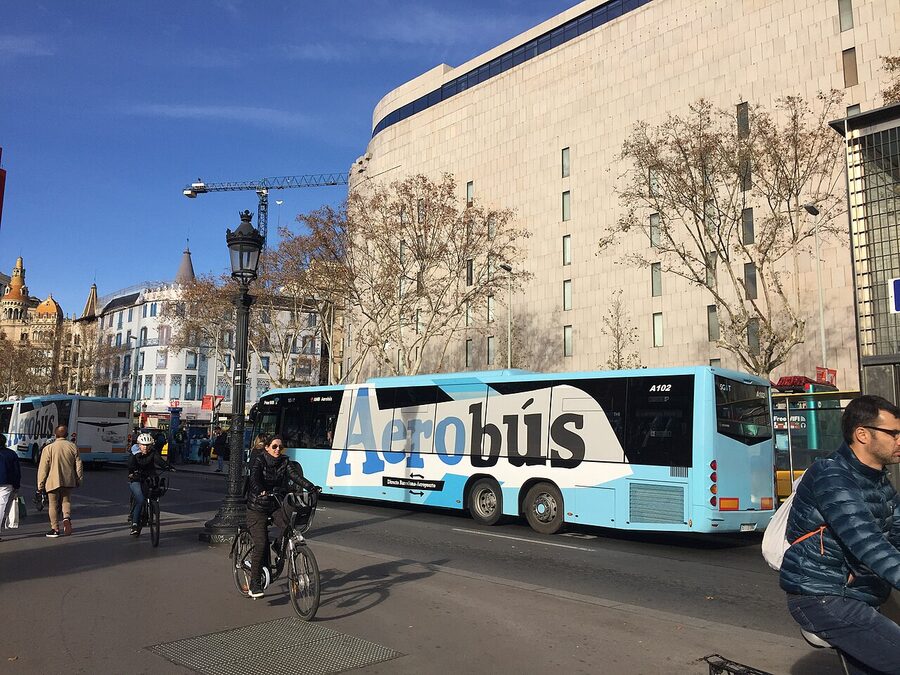
- The Aerobus (the blue express coach to the airport). Different operator, separate ticket.
- The night buses (the N-prefixed routes, like N17). They run when the metro is shut.
- The Montjuïc Cable Car, the cable car that climbs from Avinguda de Miramar up to the castle. That’s a different ride and a different ticket. The funicular below it is included; the cable car above it is not. Easy mistake.
- The Tibidabo Funicular and the Tramvia Blau heritage tram up to Avinguda Tibidabo. These are operated separately.
- The FGC train to Montserrat, which leaves zone 1 the second it crosses west of Sants Estació.
- The Rodalies train to Sitges, Vilanova, Mataró, Girona, anything past zone 1.
- Every single museum, monument and attraction. The card includes nothing other than transport.
The single ticket maths: when the card actually pays off
This is where the decision gets simple. A single TMB metro/bus/tram ticket in 2026 costs €2.90. A single airport-zone metro ticket (the one you need on L9 Sud to or from El Prat) costs €5.90. You can also buy a T-Casual, which is 10 single rides for €13, valid on the same network in zone 1, and shareable across multiple people if you’re travelling solo with friends, though only one tap per ride per person.

Hello Barcelona Card pricing in 2026 is €18.70 (48h), €27.30 (72h), €35.60 (96h) and €43.60 (120h). Online pricing on aggregators sometimes shows the 48h around $22 in dollars; the euro number is the canonical one.
The break-even point is what you actually need. Here are the practical thresholds:
- 48-hour card. Pays off if you make a round trip to the airport plus 3 ordinary rides. Or 7 ordinary rides without the airport leg. That’s roughly 3.5 rides a day.
- 72-hour card. Pays off at airport return plus 6 city rides, or 10 city rides without airport. Roughly 3.3 rides a day.
- 96-hour card. Pays off at airport return plus 9 city rides, or 13 rides without airport. About 3.2 rides a day.
- 120-hour card. Pays off at airport return plus 12 city rides, or 16 rides total without airport.
If you’re flying into El Prat and using the metro both directions, the card is a 4-ride-equivalent before you’ve even set foot in the city centre. That single fact tilts the maths in its favour for almost any trip longer than 48 hours.
The airport metro is the secret unlock
People underestimate what a difference the airport metro makes to the value calculation. €5.90 each way, €11.80 round trip. That’s already 64% of the 48-hour card’s price before you’ve taken a single city ride. If you’re using L9 Sud both ways, the card is a no-brainer for any trip 48 hours or longer.
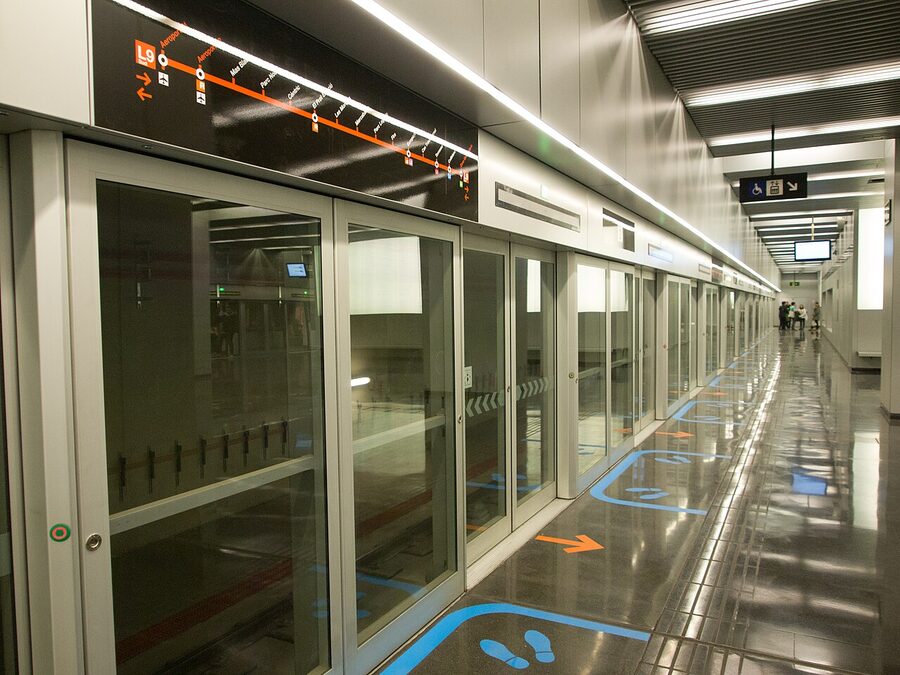
The catch: the airport metro is on L9 Sud, which is its own stub line. To reach the city centre you’ll change at Torrassa onto L1 (red line) or stay on L9 Sud to Collblanc and change to L5 for Sagrada Familia or Diagonal. Total airport-to-Plaça Catalunya time is about 32 to 35 minutes.
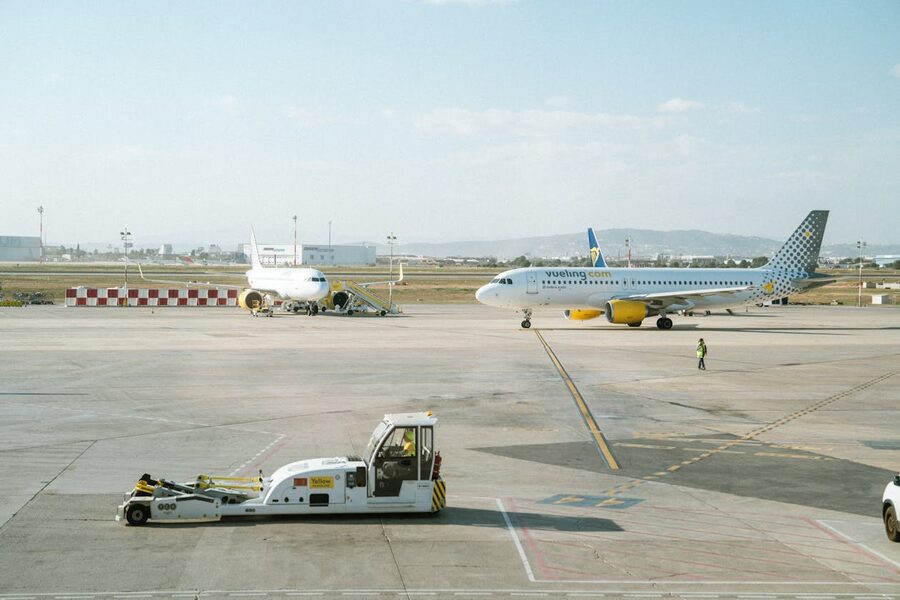
If you’d rather skip the change, the Aerobus is faster (35 minutes direct to Plaça Catalunya) but isn’t covered by the card. It costs roughly €7.25 single, €12.50 return. So the maths shifts: Aerobus return + a few city rides on T-Casual can sometimes match the card price for a short trip.
When the card pays off: the 5-day hilltop trip
This is the trip where the card earns its keep. You’re staying four or five nights, your hotel is somewhere in the Eixample or Gràcia, and your itinerary includes at least three of the following: Park Güell, Montjuïc, Tibidabo, Sagrada Familia (which has its own L2/L5 stop), Camp Nou, the beach at Barceloneta, and a day trip on the FGC out to Sant Cugat or up to the lower Tibidabo.
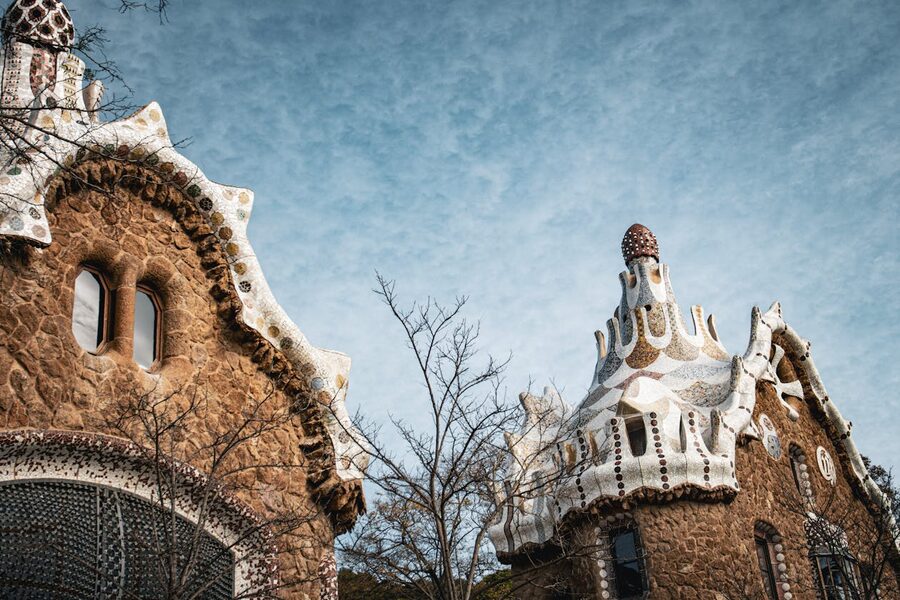
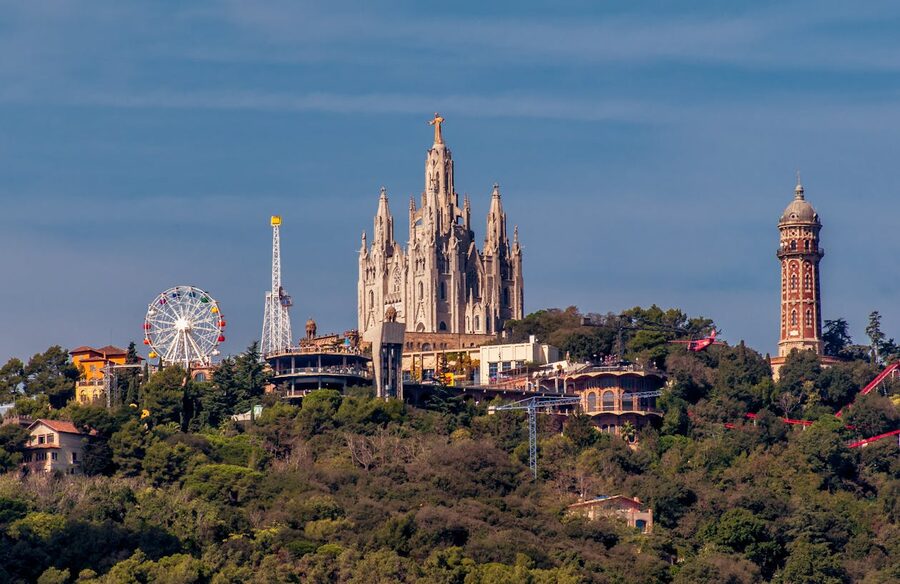
Each of those needs a metro or bus ride to reach. Park Güell is on Carmel hill. There’s no way to walk it from Plaça Catalunya in under an hour, and most visitors take metro L3 to Lesseps and then walk uphill. Tibidabo at the top of Collserola needs the FGC up to Avinguda Tibidabo (covered) plus the Tramvia Blau and Funicular (not covered, alas). Camp Nou is on L3 / L5 out at Palau Reial. The beach is on L4 at Barceloneta. Sagrada Familia is L2 / L5.
The pattern is the same: every signature Barcelona experience that isn’t in the historic centre needs transit. And once you’re using transit four or five times a day for three or four days, the card pays for itself two or three times over.
When to skip the card: the short, central trip
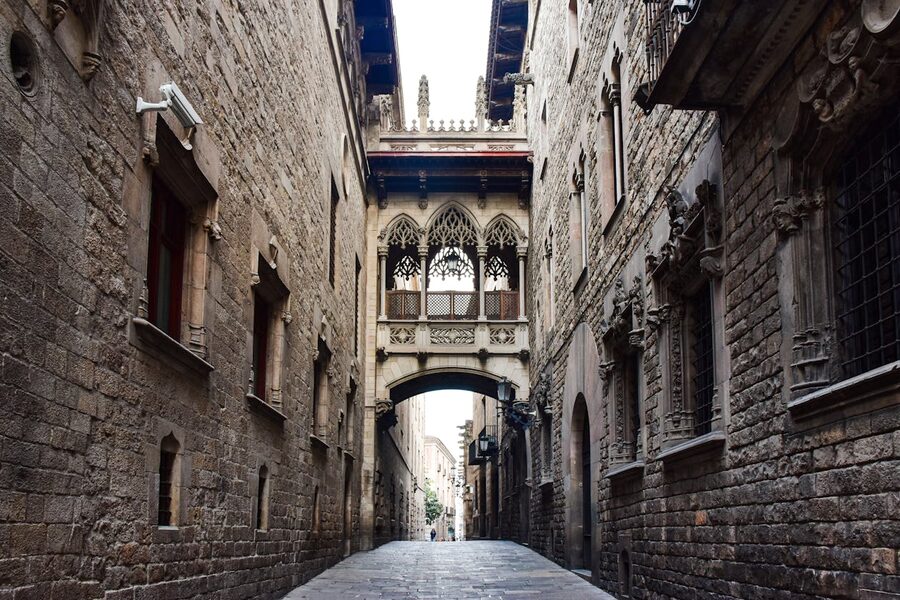
The opposite case is just as clear. If you’re on a 2-day weekend, your hotel is anywhere within 800m of Plaça Catalunya, and you’re planning to walk Las Ramblas, the Casa Batlló block on Passeig de Gràcia, the Gothic Quarter, El Born and Barceloneta beach, you genuinely don’t need the metro. Most of those landmarks are within a 25-minute walk of each other. The Eixample’s grid is wide but flat, and the prettiest way to see the Gaudí buildings is on foot anyway.
For a trip like that, the maths flips. Two airport returns on the Aerobus (€12.50 + €12.50 = €25) plus a T-Casual strip of 10 rides (€13) totals €38, and the strip is shareable. Two people can split a T-Casual and pay €19 each for transit beyond the airport. That’s substantially less than two 48-hour cards (€18.70 × 2 = €37.40), and you almost certainly won’t burn through 10 city rides in 48 hours if you’re walking the centre.
The short version: if your trip is two nights, mostly central, and you can stomach a single change on the Aerobus, skip the card. T-Casual is the right tool. If you’re three nights or more and even one of your days runs to the hills, the card wins.
The Barcelona Card is a different product entirely
This is the second confusion that costs people money. There are two cards with confusingly similar names.
The Hello Barcelona Card (the one this article is about) is transport only, €18.70 to €43.60 depending on duration. It’s the right pick for transit.
The Barcelona Card (also called the Barcelona Tarjeta Turística) is a totally different product: it bundles unlimited transport plus free entry to 25+ museums (MNAC, Museu Picasso, MACBA, Fundació Joan Miró among others) and discounts on the big paid sights including Sagrada Familia and Park Güell. Pricing starts at $69 for 72 hours.

If you’re a museum visitor and you’d reasonably hit two state museums in 72 hours, the Barcelona Card pays for itself. MNAC entry is €12, Picasso is €15, Miró is €15, MACBA is €12. Three museums in three days at full price is €54 versus the Barcelona Card’s bundled entries plus transport. Different maths, different decision.
If you’re not a museum visitor (and plenty of Barcelona visitors aren’t, the city’s better experienced on foot through the streetscape than indoors) then the Hello Barcelona Card is the right pass and the Barcelona Card is overpriced for what you’ll use.
Where the card extends and where it doesn’t
This bit catches people on day-trip days. The card is zone 1 only. Zone 1 covers the whole municipality of Barcelona plus a tight ring of immediate suburbs (L’Hospitalet, Badalona, Esplugues). The second your train crosses into zone 2 or beyond, you need a different ticket.
The most common day trips and what you actually pay:
- Montserrat: the FGC train R5 from Plaça Espanya leaves zone 1 almost immediately. You need an FGC ticket all the way to Monistrol or Aeri de Montserrat. Card doesn’t cover it. Most visitors buy the combined Trans Montserrat ticket instead.
- Sitges, Vilanova, Costa Daurada south: Rodalies R2 Sud leaves zone 1 at Sant Boi. Card doesn’t cover it.
- Girona, Costa Brava north: Rodalies R11 / RG1, well outside zone 1.
- Tarragona: way outside zone 1.
- The Aerobus: already mentioned. Different operator entirely.
Two things the card does cover that surprise people in the right direction. The Montjuïc Funicular (the underground rail-pulled climb from Paral·lel up to Parc de Montjuïc) is part of the TMB metro and fully included. So is the lower stretch of FGC up to Avinguda Tibidabo. Together that means you can ride the card up most of the way to Tibidabo and most of the way up Montjuïc without paying extra. The bits at the top (Tibidabo Funicular and Telefèric de Montjuïc) are separate.
If a Montserrat day trip is on your list, our Montserrat from Barcelona guide walks through the FGC + cog rail / cable car options. Don’t try to make the Hello Barcelona Card stretch to Montserrat. It won’t.
Buying the card: online versus station vending machine
You can buy the card in person at any TMB metro vending machine, but the booking process online is genuinely smoother and the price is the same. The reasons to book online:
- You get a code by email instantly. No standing in front of a machine in arrivals after a flight, fumbling for euro coins, while the queue behind you grows.
- Free cancellation up to 24 hours before your selected date. If your trip changes, no loss.
- You can pay in your home currency. Cleaner card statement, no FX surprise.
- The card activates on first use, not on purchase date. So if your flight is delayed by a day, the card still works correctly when you finally arrive.
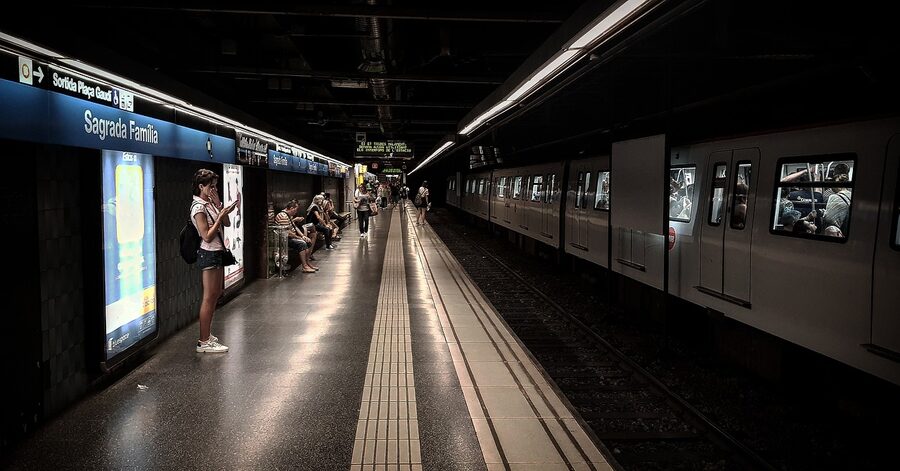
The collection step is identical in either case: you find a vending machine in any metro station, touch the Hola Barcelona option on the screen, enter your booking code, and the card pops out. Most machines are bilingual Catalan / English and a few have French and German. The whole thing takes about 60 seconds.
Top picks: the cards we’d actually book
I’ve narrowed the Barcelona transit pass options down to three. They cover three different traveller types: the visitor who just wants transport, the visitor who wants transport plus museum entries, and the budget visitor who wants both for less money and no free entries.
1. Hello Barcelona Public Transport Travel Card: $22
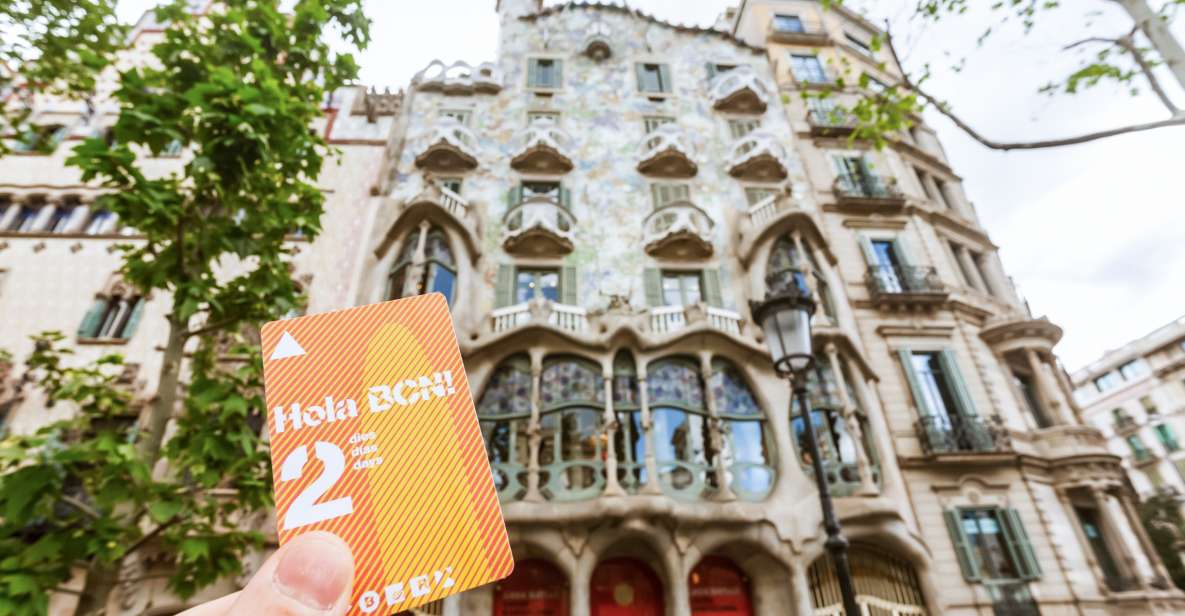
This is the official Hola BCN card sold through GetYourGuide, and it’s the right pick if you’ve read this article and decided you want transport only. Our full review breaks down each duration option with the airport metro maths.
2. Barcelona Card: 25+ Museums and Free Public Transportation: $69
This is the right pick if your trip includes 2+ state museums and you’d hit places like MNAC, Picasso and Miró anyway. Our review works through which museums make the bundle worth it.
3. Barcelona Express Card: 2 Days of Transport & Discounts: $30
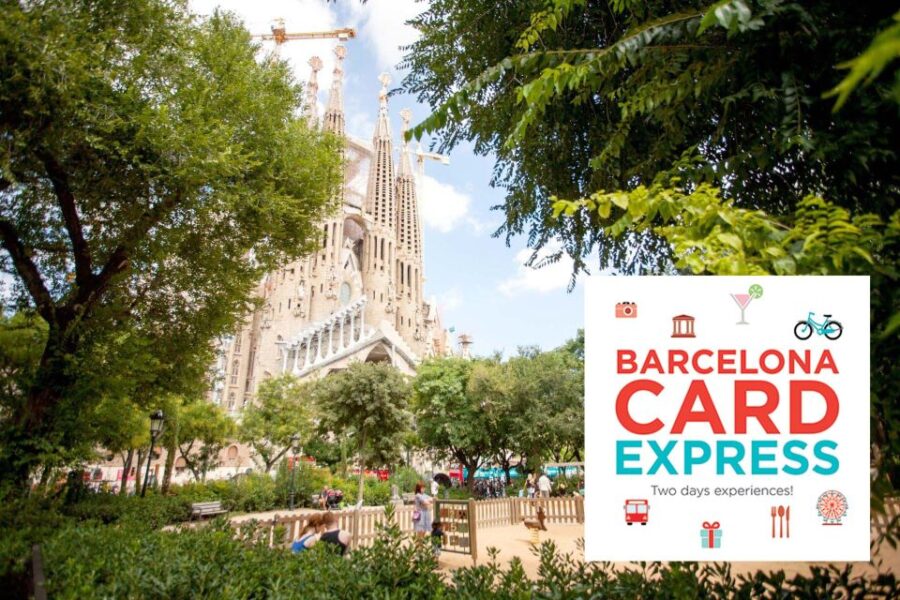
This is the right pick if you want 2 days of transport plus discount vouchers but won’t visit enough museums to justify the full Barcelona Card. Our review covers exactly which discounts hold up.
Practical questions visitors keep asking
Can I use the same Hello Barcelona Card for two people?
No. It’s a single-user card. Two travellers means two cards. The T-Casual ticket strip works differently. That one is shareable, with each person tapping once per ride and the strip burning rides as it goes.
What about kids?
Children under 4 ride free on Barcelona public transport, no card needed. From age 4 they pay the adult fare and need their own card. There’s a free residents-only T-16 card for kids 4 to 16 living in the Metropolitan Transport Area, but it’s not available to visitors.
Can I activate the card the day before to save money?
The card is consecutive hours from first tap, so activating early costs you. If your flight lands at 11pm on a Sunday and you’d rather not start the clock until Monday morning, just buy a single airport ticket (€5.90) for that one ride and activate the card the next day.

What if I lose the card?
If it’s truly lost, that’s the end of it. You’d need to buy a new one. If it’s damaged but readable (bent corners, slight scratches), any metro attendant will swap it for a new one free of charge. The chip is what matters.
Does the card work on the night buses?
No. The N-prefix night buses, which run between roughly midnight and 5am when the metro is shut, are operated separately and not included. If you’re staying out late, factor in either a night-bus single (€2.45) or a taxi.
What’s the difference between the card and the T-Casual?
T-Casual is 10 rides for €13, valid in zone 1 across all the same operators. It doesn’t expire for 30 days from first use. It’s the right pick if you’re making fewer than ~7 rides per 48 hours and don’t need the airport leg covered. It also splits cleanly between travellers, which the personal Hello Barcelona Card does not.
Common mistakes I see Barcelona visitors make
The mistakes pile up in predictable places. Listing the four I see most:
Buying the longest card without thinking. The 120-hour card looks like a deal at €43.60 but only saves money over the 48-hour version if you genuinely use it five full days. Most short-trip visitors burn the first ten hours sleeping and the last six hours travelling to the airport. Right-size it.
Booking the card at the airport in panic. The arrival hall vending machines work fine, but you’re tired, jet-lagged, and the airport area has terrible signage for the L9 platform. Book online before you fly. Walk straight to a vending machine, key in the code, get the card, get on the metro.
Confusing the card with the Aerobus. The Aerobus is the blue express coach you see at Plaça Catalunya and at the airport. It’s faster than the metro for some trips. It is not covered. People tap their Hello Barcelona Card on the Aerobus reader, get rejected, and panic. Different operator, different ticket, sold at the same Plaça Catalunya stop.
Trying to use the card to Montserrat. Don’t. Zone 1 stops short. Buy the FGC ticket or the Trans Montserrat package, not the Hello Barcelona Card.
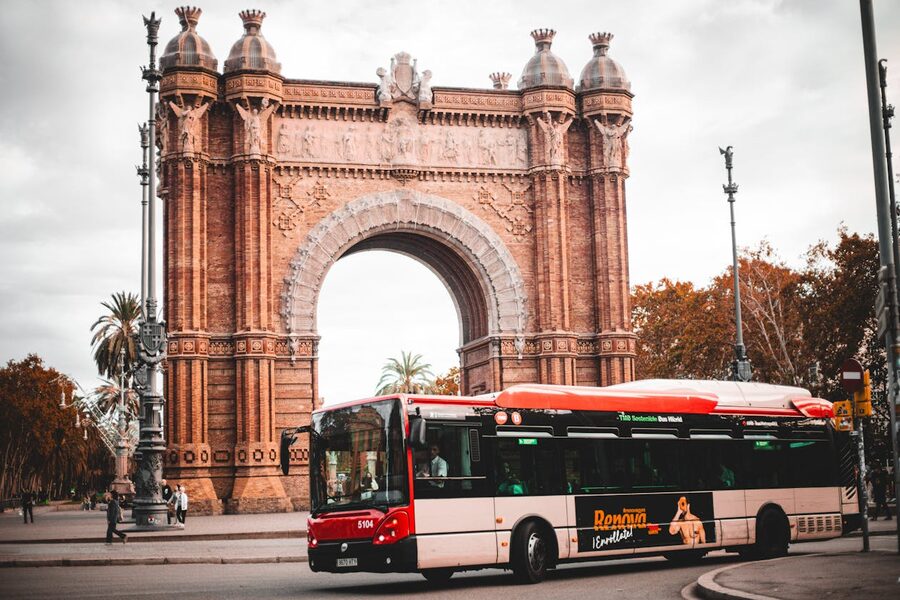
How the card stacks up against other Barcelona transit options
For completeness, the Barcelona transit menu has more options than just the Hello Barcelona Card. Here’s the realistic ranking:
Hello Barcelona Card. Best for visitors making 4+ rides a day for 2 to 5 days, especially if airport metro is in the mix.
T-Casual (10 rides, €13). Best for visitors making fewer rides than that, or for two travellers sharing.
Single tickets (€2.90). Best for visitors making one or two rides total.
Barcelona Card (transport + museum entries). Best for museum-heavy itineraries with 2+ state museum visits in the booking window.
Aerobus + T-Casual combo. Best for visitors who want the fastest airport transfer (35 minutes vs 32 to 35 on the metro, but more reliable scheduling) and minimal city transit.
Bus Turístic (the hop-on-hop-off). Different product entirely. We cover that in our Barcelona Hop-On Bus guide. Short version: it’s a sightseeing tool not a transit one, and it stacks beside the Hello Barcelona Card rather than replacing it. Visitors who’ve used the Amsterdam hop-on bus or paired transit with an Amsterdam canal cruise will recognise the same stacking logic.
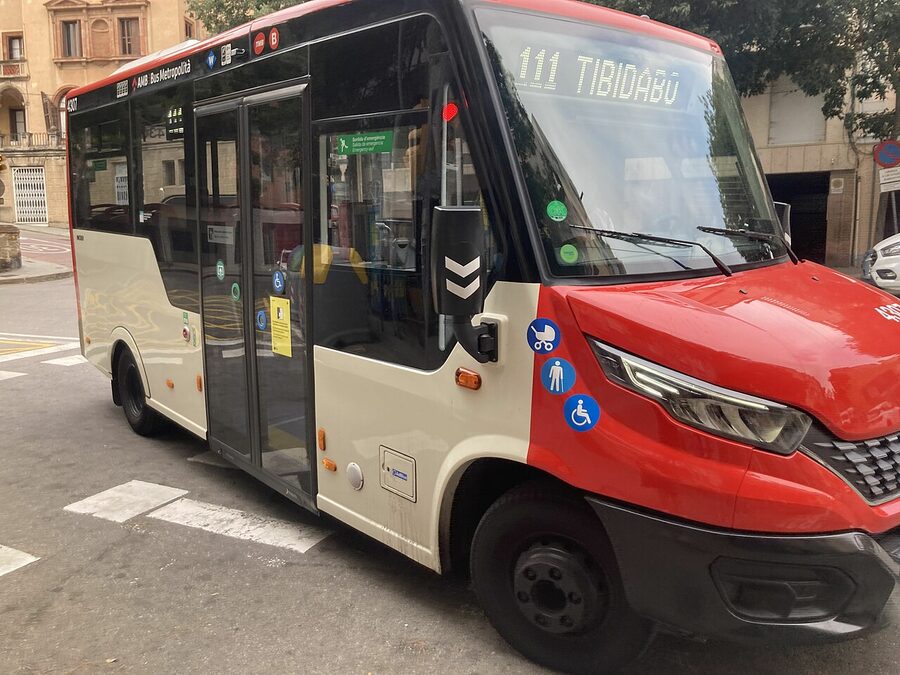
What a typical Hello Barcelona Card day actually looks like
For visitors trying to picture how the card fits a real day, here’s what mine looked like on day three of a five-night stay last spring:
Morning: metro L4 Barceloneta to L4 Joanic, walk to Park Güell‘s lower entrance. (1 metro ride, would’ve been €2.90.)
Mid-morning: bus 24 from outside Park Güell down to Plaça Catalunya. (1 bus ride, would’ve been €2.90.)
Lunch: walk through Eixample to Casa Milà, then metro L3 from Diagonal to Plaça d’Espanya. (1 metro ride, would’ve been €2.90.)
Afternoon: Funicular de Montjuïc up to Parc de Montjuïc, walk to MNAC, then funicular back down. (2 funicular rides, would’ve been €5.80.)
Evening: metro L1 from Plaça d’Espanya back to my hotel near Universitat. (1 metro ride, €2.90.)
Total day: 6 transit rides, would have cost €17.40 in single tickets. The 48-hour Hello Barcelona Card is €18.70 total, so a single day like this is already 93% of card price. Add the airport return at €11.80 and one more day of similar movement, and the savings are clear.

The card maths for two travellers
This is where the calculation gets interesting. Two travellers buying two Hello Barcelona Cards at €18.70 each = €37.40 for 48 hours of unlimited transport.
Two travellers sharing one T-Casual at €13 = 5 rides each over 30 days. If they make a 6th ride, they need to buy single tickets at €2.90.
For most 48-hour visits I’d push two visitors towards two T-Casual strips (€26 total, 20 rides between them) plus two Aerobus returns (€25), totalling €51 for unlimited convenience including airport. That’s still cheaper than two cards plus the assumption you’d skip the airport metro.
But for 72 hours or more, two cards almost always win, especially if the trip involves airport metro both ways and any hilltop visiting.
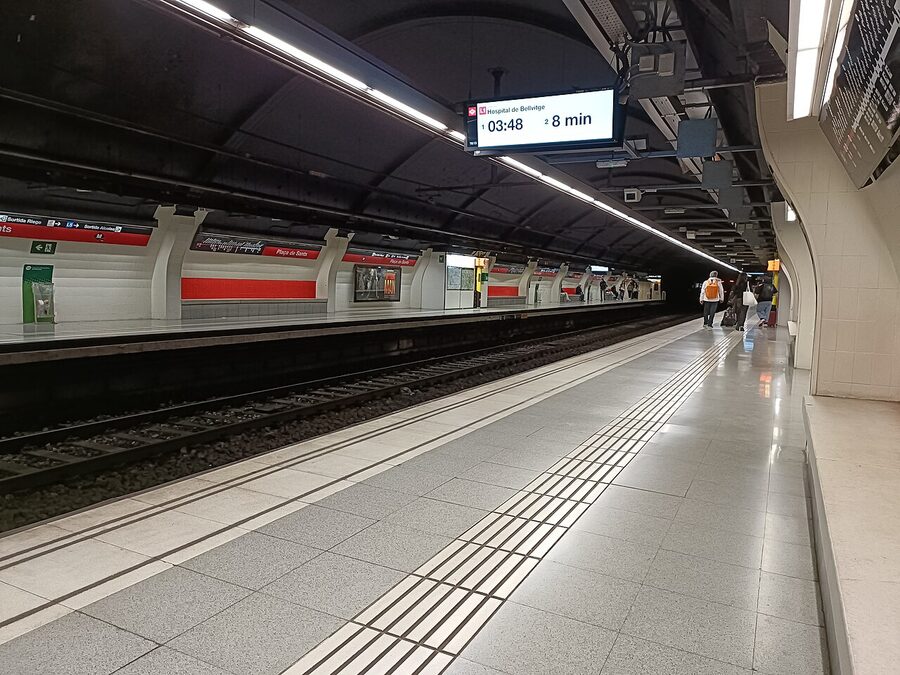
What about the trams and the FGC?
The trams (T1, T2, T3 on the Trambaix west side, T4, T5, T6 on the Trambesòs east side) cover routes the metro doesn’t reach: out to Cornellà, Sant Just Desvern, Forum, the Diagonal Mar shopping district. Card covers all of them in zone 1, which is the entire useful tourist span.
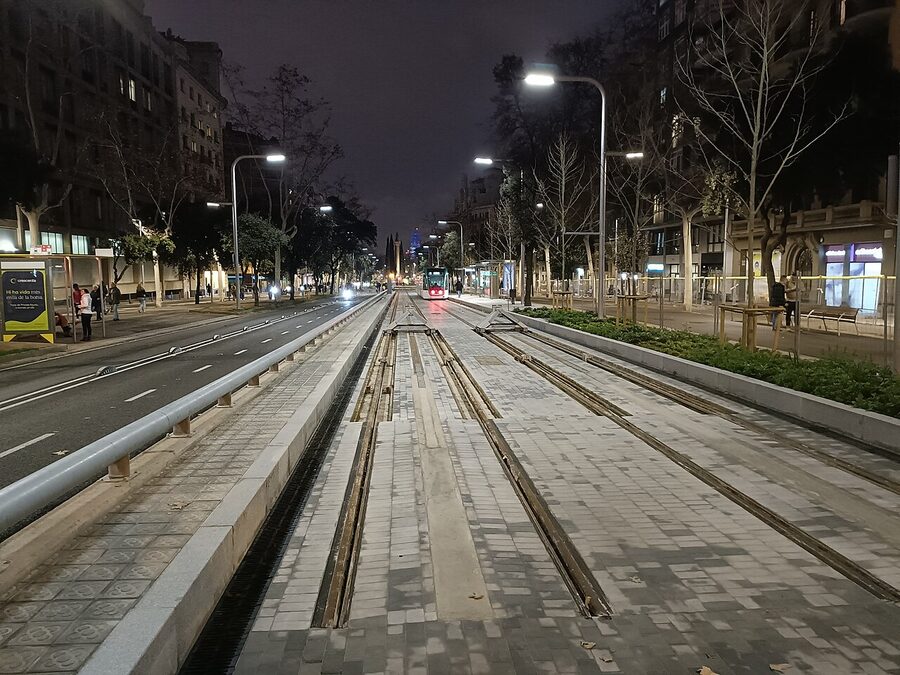
The FGC (Ferrocarrils de la Generalitat) is the second train operator, and it’s where the zone math gets sharper. FGC trains run from Plaça Catalunya up the L7 line through Gràcia, Sant Gervasi, Bonanova, Les Tres Torres and onwards to Sant Cugat and Sabadell. In zone 1 you get up to Avinguda Tibidabo, which is the gateway to the Tibidabo Funicular and Tramvia Blau (neither covered). Past Avinguda Tibidabo, you’ve left zone 1 and the card stops working.
For Sant Cugat, Vallvidrera, Terrassa, or anywhere up the L7 line beyond Tibidabo: not covered. For getting to a hotel up in Sarrià or down at Reina Elisenda: covered.
Where to buy the card and how to collect it
Online via the official Hola Barcelona portal, or via GetYourGuide / Klook / Viator at the same price. The advantage of the affiliate sites is the cancellation policy is sometimes more generous and they accept more international payment methods.
The collection is universal: walk into any TMB metro station, find a vending machine (every station has at least 4 of them, usually more), tap “Hola Barcelona” on the screen, key in your code, take the card. If it’s your first time, the machine prompts you in English by default if you select the English flag. The whole process is genuinely under a minute once you’ve found the machine.
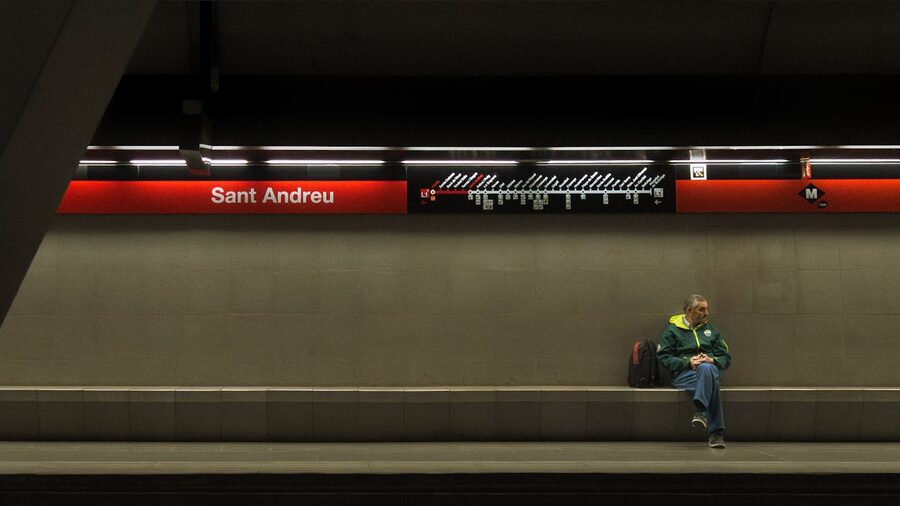
If your hotel is anywhere near a metro station, that’s the easiest place to collect: drop bags, walk to the nearest station, get the card, ride the rest of the day on it.
One last thing: pickpocketing on the metro
Barcelona’s metro pickpocketing is a real and persistent problem on the heavily-touristed lines, especially L3 around Liceu, Catalunya, Passeig de Gràcia and Sagrada Familia. Your Hello Barcelona Card is replaceable for free if it’s damaged but not if it’s stolen, and a stolen card is hard to track because there’s no name on it. Keep it in a zip pocket, not a back jeans pocket. The same logic applies to your phone and wallet.
How this fits into the rest of your Barcelona planning
The Hello Barcelona Card is the right transit answer for most multi-day Barcelona trips, but it’s only one decision in a long planning chain. If your trip includes Sagrada Familia (book the basilica’s own ticket separately, the card doesn’t include it), Casa Batlló or La Pedrera, those are separate timed-entry tickets too. The card just gets you to the door.
If you’ve already worked out the Hello Barcelona Card maths in your favour, the next decisions worth making are: pre-booking Sagrada Familia tower entry for the right time slot, deciding whether the Barcelona hop-on bus is worth stacking on top (mostly no, but it depends on your itinerary), and whether to add a day trip. Our Montserrat guide covers the obvious one. Italy travellers comparing similar city passes might know our Rome city pass guide and the Verona Arena card guide. Barcelona’s setup follows the same logic, with the Hello Barcelona Card filling the same niche the regional bus pass fills there. The Paris equivalent is the Paris Museum Pass, which (like the wider Barcelona Card) bundles entries rather than transit, and the Paris hop-on bus stacks on top of either the way Bus Turístic stacks on top here.
One last note. If your trip is two days, mostly central, and you’re comfortable walking, you don’t need any of these passes. Buy a T-Casual at the airport metro station, use single tickets for the airport leg, and walk the rest. Barcelona is at its best on foot, and no transit card replaces that.