
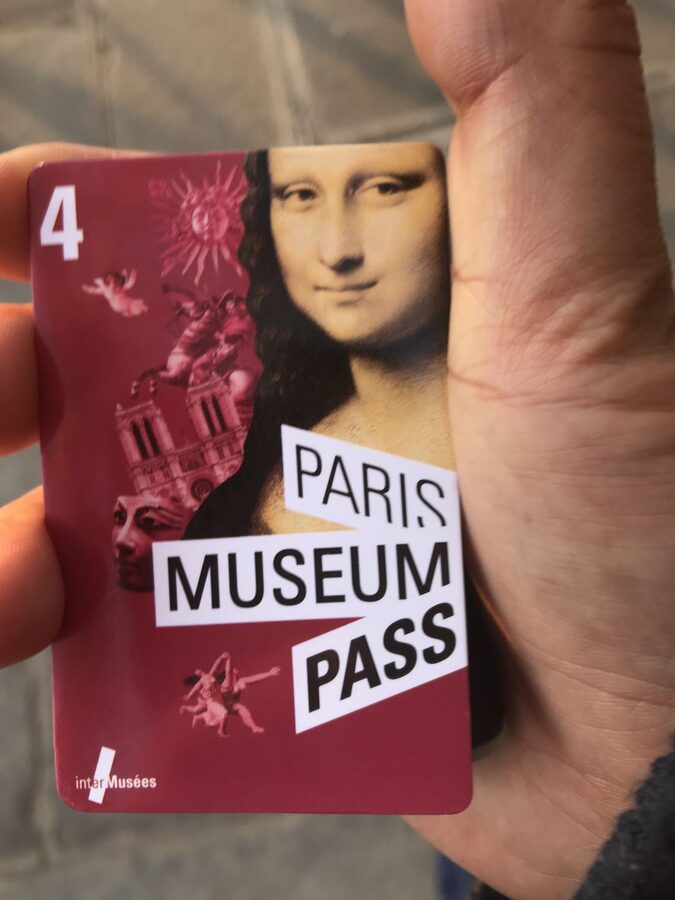
Is the Paris Museum Pass actually worth it? The pass costs $52 for 2 days, $79 for 4 days, and $129 for 6 days, and it covers around 50 monuments and museums in Paris and the Île-de-France. The short answer is that it’s worth it on a narrow set of trips, and a waste of money on most others.
The pass earns its price only if you visit at least four full-priced sites in two days, six in four days, or eight in six days. Most travellers don’t get anywhere near those numbers. They buy the 4-day pass speculatively, do the Louvre, the Orsay, and Sainte-Chapelle, and break even at best. This guide is the math, the traveller types it works for, and the ones it doesn’t.
In a Hurry? Three Picks
- Paris Museum Pass (2/4/6 days), from $52. The actual product, sold direct on GetYourGuide, scannable e-voucher and hard-copy options. Check availability.
- The Paris Pass: 90+ attractions including Louvre, $91. Pricier rival that bundles a hop-on bus and Seine cruise on top. Worth it only if you’d buy those anyway. Check availability.
- Paris All-Inclusive + Museum Pass combo, $215. A Go City product covering 35 attractions including Eiffel Tower lift access. Read the small print: 1-star reviews about reservation availability are real. Check availability.
The math, with real numbers
Here’s what the pass-covered sites actually cost at the gate as of 2026, in US dollars to keep it simple:
- Louvre, $26 (the headline museum, where most pass holders save the most)
- Palace of Versailles, $17 (Passport ticket; Trianon Estate is also covered)
- Musée d’Orsay, $15
- Sainte-Chapelle + Conciergerie combined, $27 (each is $16 standalone)
- Arc de Triomphe rooftop, $18
- Panthéon, $15 (lower part only; the dome climb is a paid add-on not covered)
- Les Invalides + Napoleon’s Tomb + Army Museum, $20
- Musée de l’Orangerie, $14
- Centre Pompidou, $17 (closed for renovation 2025-2030; check before counting it)
- Cluny Museum (Musée du Moyen Âge), $14
- Picasso Museum, $17
- Rodin Museum, $16
The Louvre, Versailles, Orsay, Sainte-Chapelle, Arc, and Panthéon together come to $107 at the gate. The 6-day pass costs $129. So six of the most popular pass-covered sites in Paris save you nothing. They cost you $22 more than buying the tickets one at a time.
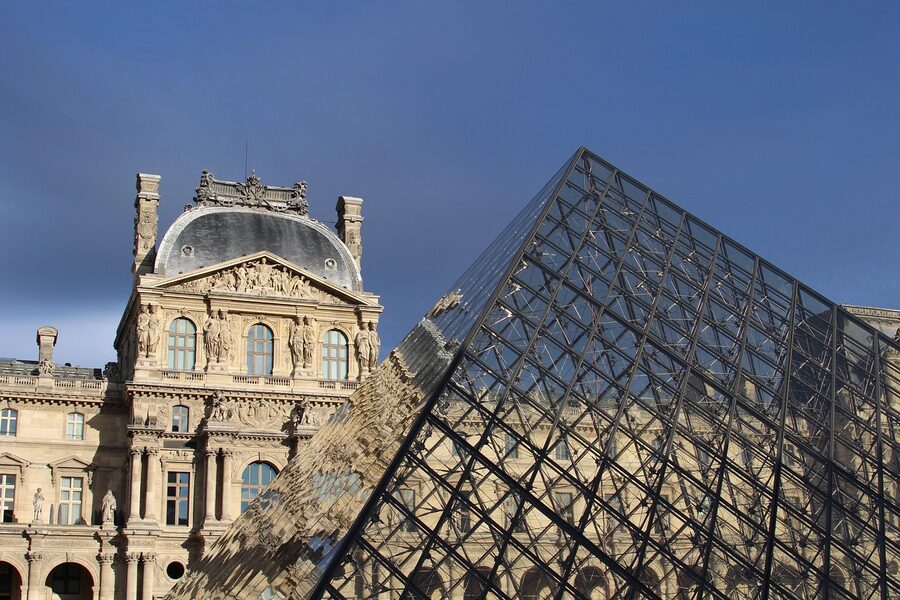
The pass starts to win when you pile on a seventh and eighth site. Add Les Invalides ($20) and the Orangerie ($14) and you’re at $141 across eight sites. Now the 6-day pass at $129 is saving you $12. Add the Pompidou and the Picasso Museum and you save $46. The pass works in proportion to how aggressively you sightsee, and most travellers don’t sightsee that aggressively.
Break-even by pass length
The three pass tiers each have their own break-even point. The 2-day pass is the most forgiving because the fixed cost is low. The 6-day pass is the most demanding because you have to cover that $129 outlay before the pass earns its keep.
2-day pass at $52
Break-even: about 4 paid sites at $14 average each. That’s tight but achievable. Louvre + Orsay + Sainte-Chapelle and the Conciergerie + Arc de Triomphe in two days runs $86 at the gate, $34 saved. Doable, but you’ll be moving fast.
4-day pass at $79
Break-even: about 5 to 6 sites. This is the sweet spot for the typical Paris trip. A 4-5 day visit with two day-trips out (Versailles, plus maybe Giverny) plus a steady drumbeat of central museums gets you there. Expect to come out $20 to $50 ahead, plus skip-the-line value.
6-day pass at $129
Break-even: 8 or more sites. This is the cultural-tourism enthusiast’s pass. You’re doing the headline trio (Louvre, Orsay, Versailles), the Île-de-Cité pair (Sainte-Chapelle + Conciergerie), Les Invalides, the Panthéon, the Orangerie, and at least two of Cluny, Picasso, Rodin, Pompidou. If that sounds exhausting, it is. Most people who buy the 6-day pass don’t actually cover that much ground.
Skip-the-line is the second value
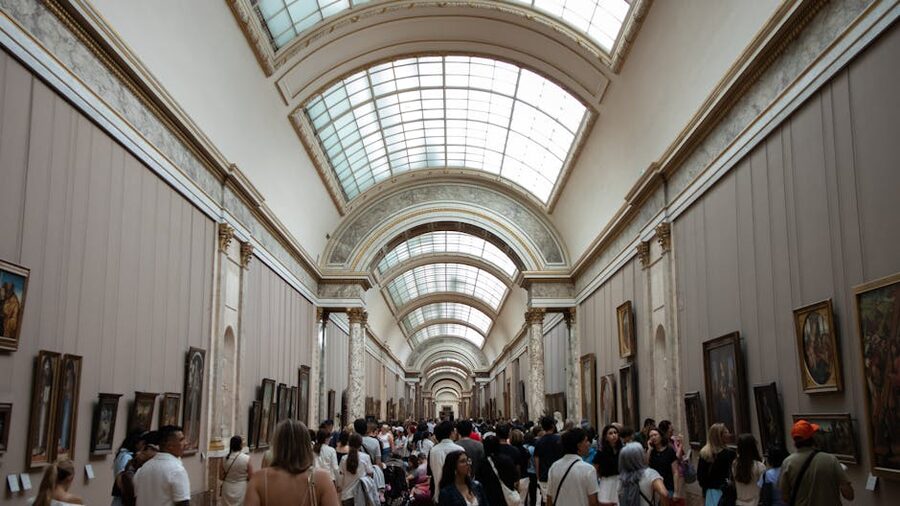
The pass entitles you to a priority queue at most covered sites. At the Louvre this is the genuine queue-skip via the Carrousel entrance, which can save you 30 to 90 minutes in summer and on weekends. At Versailles the priority lane shaves an hour on a busy spring day. At Sainte-Chapelle the regular queue can stretch around the block in July; the pass holder line is a separate door.
This is harder to put a dollar value on. If queues stress you out, treat it as a $20 to $40 bonus on top of the entry-cost saving. If you don’t mind queueing, ignore it.
One important caveat. The Louvre and Versailles still require you to book a free timed-entry slot online, even with the pass. The pass is your ticket; the slot is your appointment. Showing up at the Louvre at 11am with a pass and no slot reservation gets you turned around at the door. Reserve the slot the moment you decide on the visit day. Versailles slots fill faster than Louvre slots, especially on Tuesdays when the Louvre is closed and traffic shifts.
This is the most common pass complaint we see in reviews. One traveller wrote that they bought the pass, couldn’t get a Louvre slot during their visit window, and ended up paying separately for a third-party tour. The pass doesn’t refund. Reserve first, buy second.
What’s NOT covered (the gotcha list)
The pass covers state museums and monuments. It doesn’t cover most of the things first-time travellers think Paris is about. Read this list carefully before buying.
- Eiffel Tower, not covered. The Tower is operated by SETE, a separate municipal company. You buy that ticket separately, $32 to $44 depending on lift level. This is the single most surprising exclusion.
- Disneyland Paris, not covered. It’s a private theme park 32km east, nothing to do with state cultural institutions.
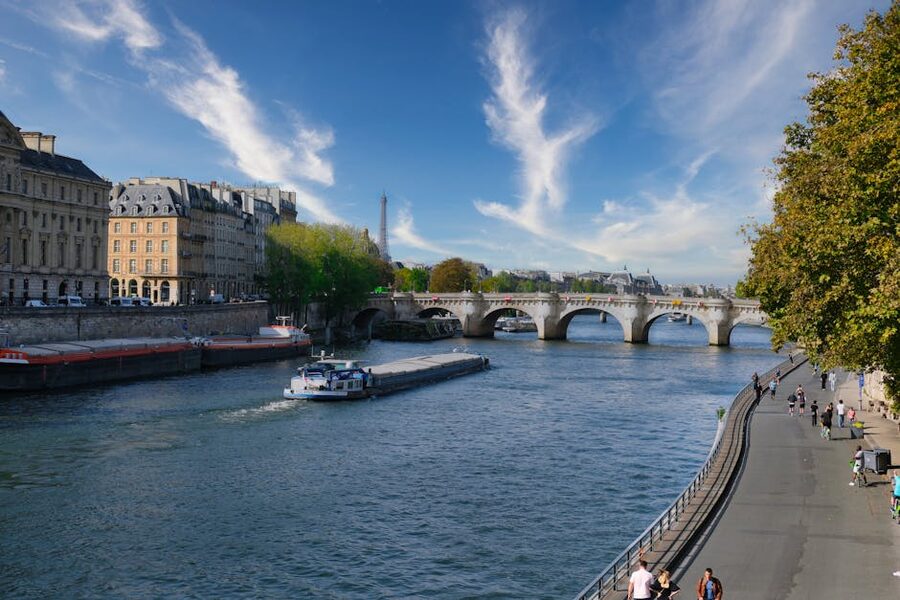
- Seine river cruises, not covered. Bateaux Mouches, Bateaux Parisiens, Vedettes du Pont-Neuf, none of them. Same goes for the Seine dinner cruises.
- Moulin Rouge, not covered. Private cabaret, separate ticket.
- Montparnasse Tower observation deck, not covered. Private operator. The view from the top is arguably better than the Eiffel because the Eiffel is in the picture.
- Catacombs of Paris, not covered. City of Paris property, separate ticket, separate timed slot.
- Hop-on-hop-off buses, not covered. The Paris HOHO is its own decision and a sister “is it worth it?” question to this one.
- Most temporary exhibitions, not covered. The Louvre’s permanent collection is in. The blockbuster autumn show in the Hall Napoléon usually isn’t. Read the small print on the museum’s site for the visit day.
- Panthéon dome climb, not covered. The lower crypt and nave are in. The 206-step dome climb to the colonnade is a paid add-on, around $5 extra at the door.
- Parc des Princes / PSG stadium tour, not covered. Private property. No state-museum overlap.
The five traveller types: who should buy, who should skip
Here’s the call by trip shape.
1. Two-day stopover, mostly walking and one big museum
Skip the pass. You’ll do the Eiffel (not covered), a Seine cruise (not covered), a long walk through the Marais and the Latin Quarter, and one big museum. One Louvre ticket is $26. The 2-day pass is $52. The math doesn’t work. Buy the Louvre ticket online, reserve the slot, walk the rest.
2. Four-day vacation, four to five monuments and museums
Buy the 2-day pass or the 4-day pass depending on density. If you’re stacking four state-museum visits into the same two days, buy the 2-day. If you’re spreading four to five over four days with Eiffel and a Seine cruise sprinkled in, buy the 4-day. The 4-day at $79 has the gentlest break-even and the most flexibility.
3. Week-long deep-dive into Paris culture
Buy the 6-day pass. You’re the target customer. You’ll do Louvre, Orsay, Versailles (with Trianon Estate), Sainte-Chapelle, Conciergerie, Arc de Triomphe, Panthéon, Les Invalides, Orangerie, plus two or three of Cluny, Picasso, Rodin, Pompidou. Pair it with separate tickets for Eiffel, a Seine cruise, and possibly the Catacombs.
4. Family travelling with under-18s
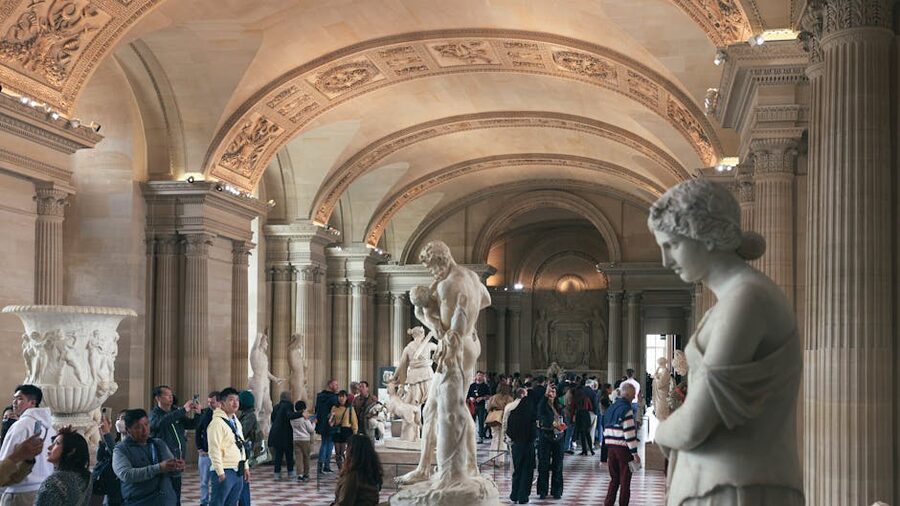
Skip the pass for the kids. EU residents under 18 enter most state museums free. Non-EU residents under 18 also get free entry at the Louvre, Versailles, Orsay, Orangerie, Sainte-Chapelle, Arc de Triomphe, Panthéon, Les Invalides, and the rest of the state list. The kids’ pass would be money set on fire. Adults still need their own pass if the math works for them.
5. The Eiffel + Disney + cruise traveller
Skip. None of your priority items are covered. The pass is irrelevant to the trip you’re planning. Save the $52 to $129 and put it toward an Eiffel summit ticket or a Seine dinner cruise.
Top picks: which pass product to actually buy
If you’ve done the math and the pass works for your trip, you’ve got three real products to choose from. These are the ones with enough reviews to verify and a clear difference in what’s bundled.
1. Paris Museum Pass (2, 4, or 6 Days): $52 / $79 / $129
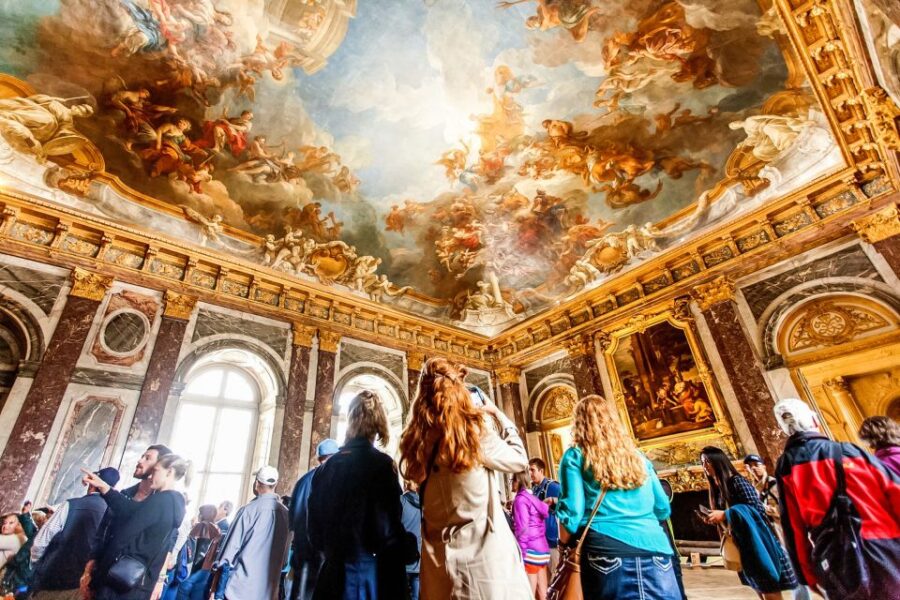
This is the actual Paris Museum Pass with no upsells: 50+ state museums and monuments, hard-copy or scannable e-voucher, three duration tiers. Our Louvre guide walks through the timed-slot rule that catches first-timers out, and that rule applies the moment you’ve got this pass in hand. Pick this one if you don’t need a hop-on bus or a Seine cruise bundled in.
2. The Paris Pass: 90+ Attractions Including Louvre Museum: $91
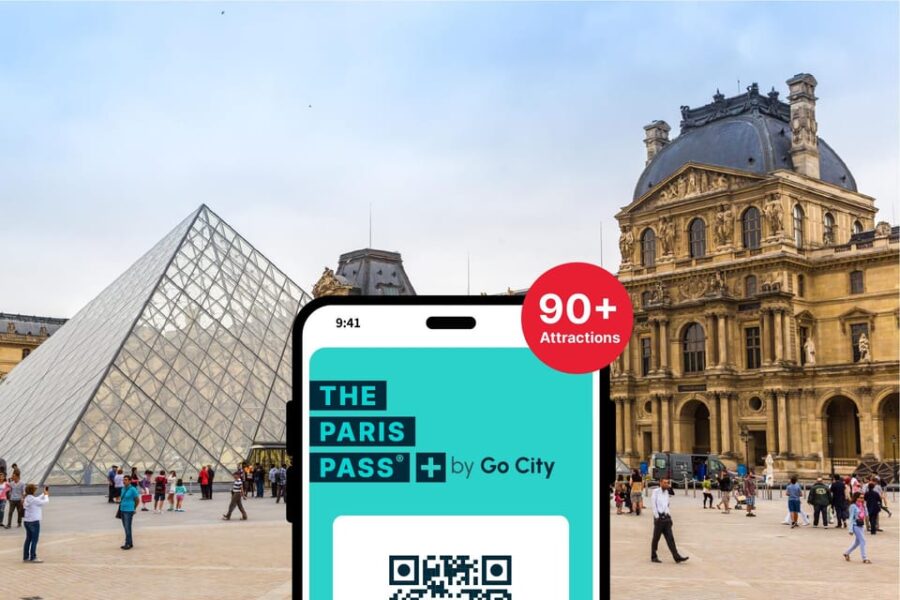
This is a wider city-pass product that wraps the Museum Pass plus extras like a Big Bus hop-on day, a Seine cruise, and select private museum entries. If you’d separately buy a hop-on bus and a Seine cruise, the bundle pencils. If you wouldn’t, the basic pass is the better number.
3. Paris All-Inclusive Pass + Museum Pass Combo: $215
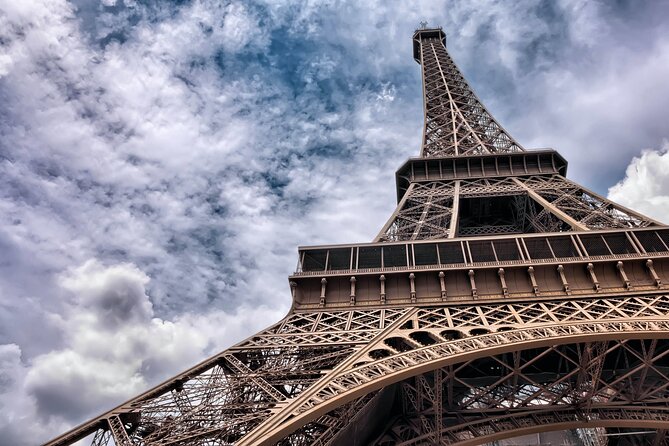
This Go City product is the most aggressive bundle on the market and the only one of the three that includes Eiffel Tower lift access. The real caveat: a chunk of the 1-star reviews flag reservation-availability problems where buyers couldn’t book slots after purchase. We’d buy it only on a long stay where we could absorb a no-slot day, not on a tight 4-day trip.
Activation rules and small print
The pass runs on consecutive calendar days from first scanned use, not 24-hour blocks. Scan it at 4pm on Monday and the 2-day pass dies at midnight on Tuesday. That’s roughly a day and a half of usable time, not two full days.
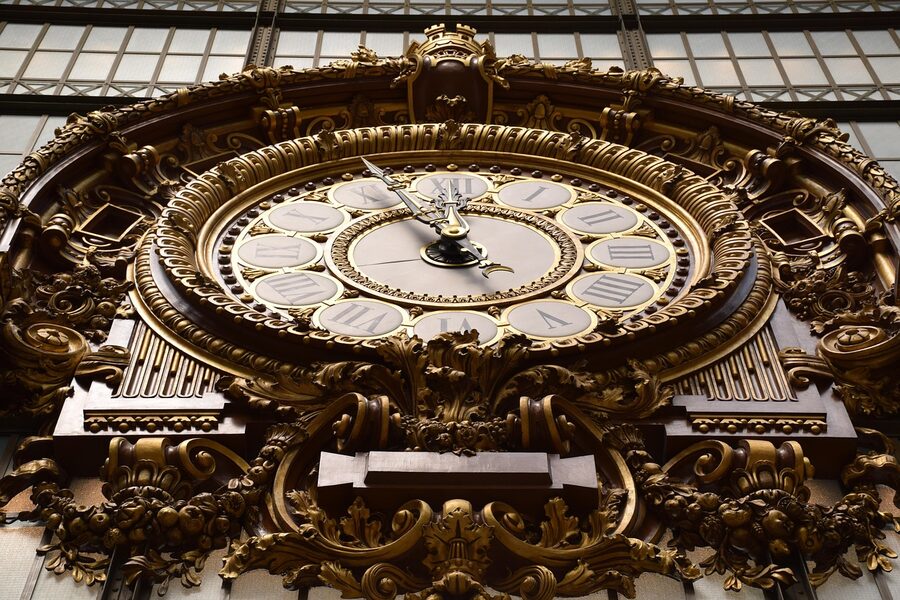
Print the pass before activation, write your full name on it in pen, and write the activation date in the space provided. The pass is invalid until both fields are filled in. We’ve seen travellers turned away at Versailles for showing up with a blank card.
The pass must be used within 12 months of purchase. The activation can be staggered, so a pass bought in March and unused stays valid through the following March.
Children’s policy is the bigger surprise. Under-18s get free entry to most state museums and monuments anyway, and they don’t need a pass. Buying a kids’ pass is a waste. The exception is when the same site requires a free reservation for under-18s alongside the parent’s reservation; check each site’s slot booking page.
Where to buy and pick up
You’ve got three real options.
Online via GetYourGuide or the official Paris Museum Pass site. Cleanest path. Order a few weeks before the trip. They’ll mail the hard-copy card to you, or send a scannable e-voucher you redeem at any participating site or the central office on arrival. Same price either way. The e-voucher is the safer choice if you’re cutting timing close.
In Paris at the Hôtel des Invalides ticket office. The official walk-up location, on the south side of Les Invalides. Open daily, no queue most mornings. Useful if you decided last-minute or want to start activation the same day.
FNAC stores around the city. The French electronics chain stocks the pass at most central branches. The price is identical, you’ll just speak more French than online.
Don’t buy from random Paris kiosks or hotel concierge desks claiming to sell “the museum pass” without a recognisable Paris Museum Pass branded card. There are competing city-pass products and the kiosks bundle them confusingly. If the price isn’t $52, $79, or $129 in dollars (or the euro equivalent at €70 / €105 / €145), it’s a different product.
The 50+ covered sites: the headline ones to know
Not all 50+ state museums are equal. Here’s the realistic short list of what’s worth your pass-time, ranked by what we’d visit first.
Louvre Museum, $26 saved
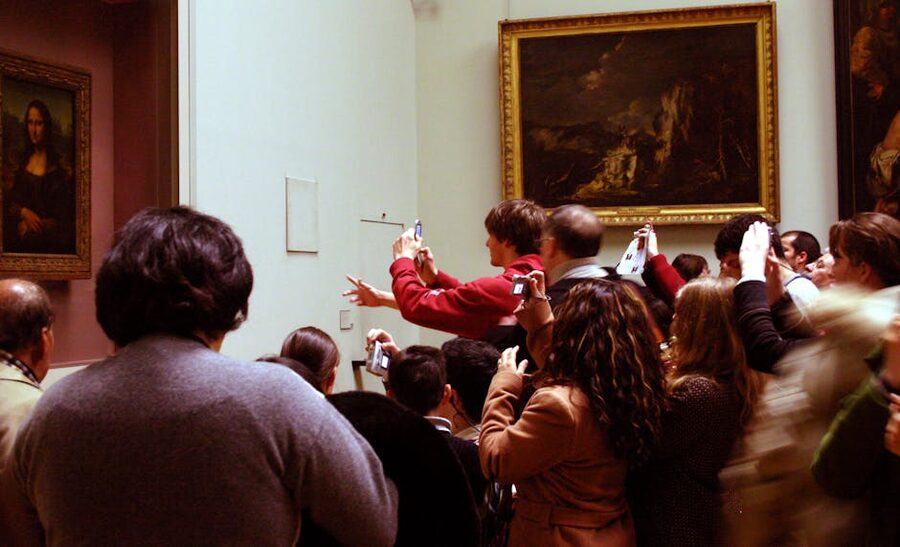
The biggest line-item the pass replaces, and the biggest queue-skip win. The Louvre at full pace runs three to four hours minimum, and that’s just to see the Mona Lisa, Winged Victory, the Apollo Gallery, the Egyptian wing, and one or two side stops. Reserve the timed slot the moment your trip dates are fixed.
Versailles + Trianon Estate, $17 saved
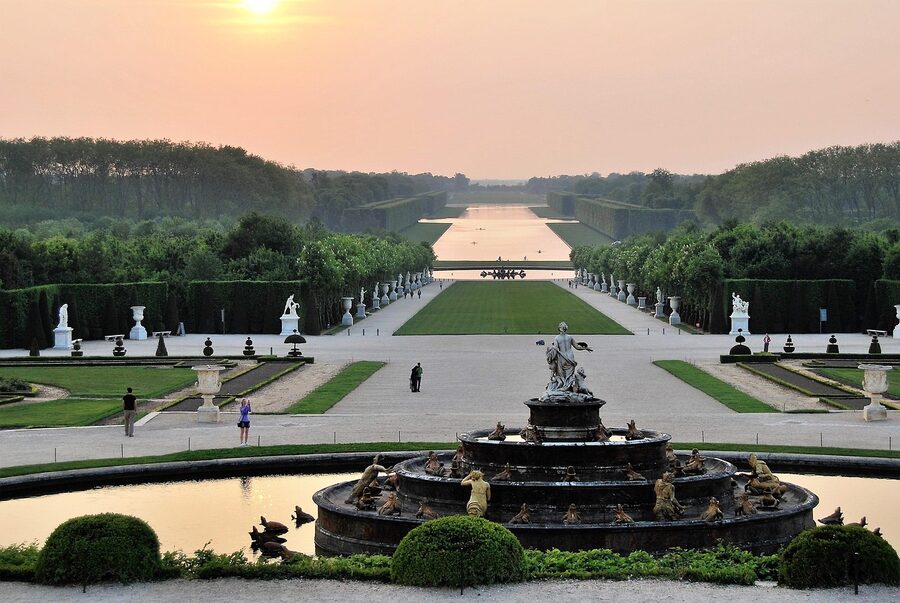
The pass covers the Passport ticket, which includes the Palace, the gardens (free on most days), the Trianon estate, and the Hameau de la Reine. A full Versailles day-trip from Paris is one of the trip’s heaviest single-site visits. Reserve the slot the moment you’ve fixed the date. Same booking-bot dynamic as the Louvre.
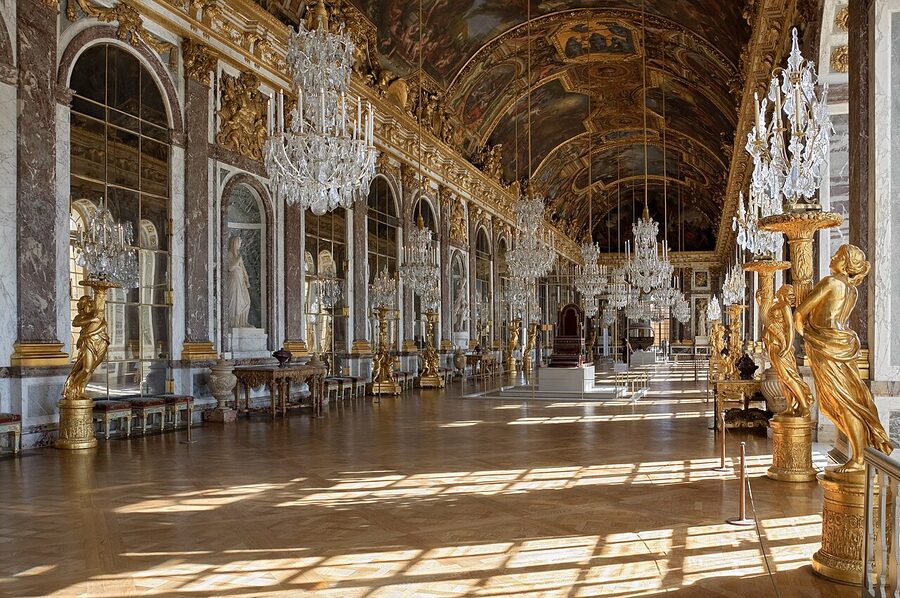
Musée d’Orsay, $15 saved
The Orsay holds the world’s deepest Impressionist collection and is where most travellers do less queueing than at the Louvre. Pass-holder lane is short on weekday mornings. Combine with the Orangerie across the river for a Monet-Manet day.
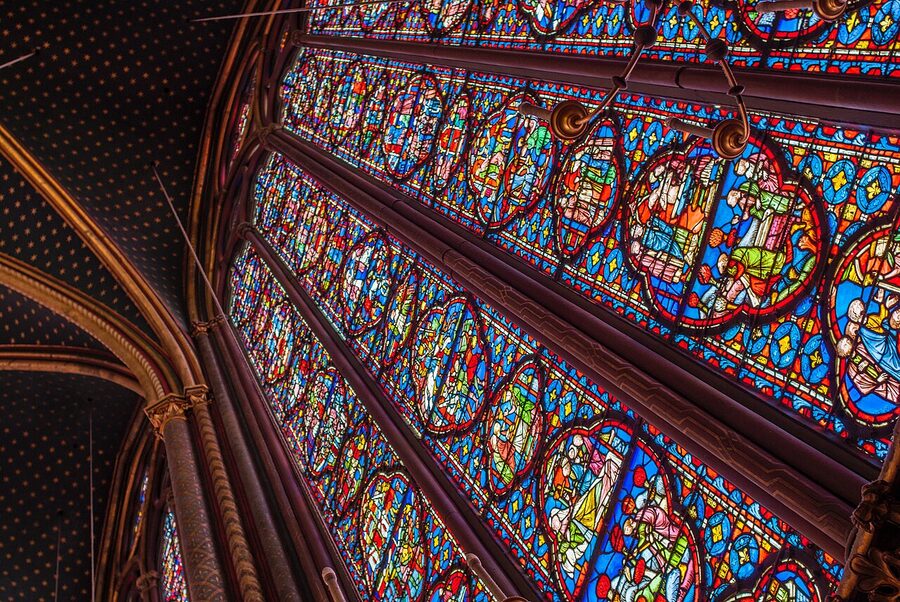
Sainte-Chapelle and the Conciergerie, $27 saved combined
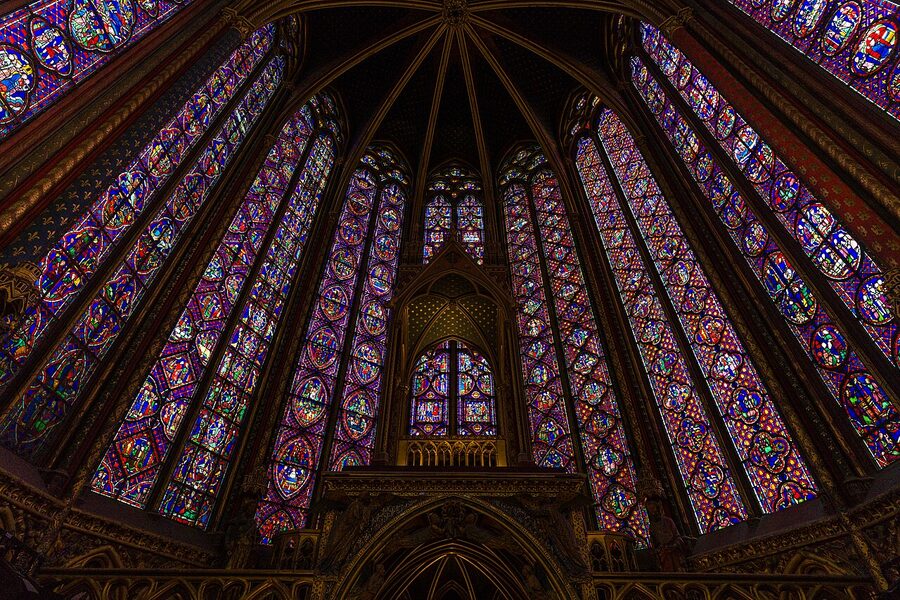
The two-for-one win. Sainte-Chapelle’s upper chapel is the prettiest 15 minutes in central Paris. The Conciergerie next door, where Marie Antoinette was held before the guillotine, takes another 30 minutes. Both sit on the same Île de la Cité, both covered by the pass, both with separate pass-holder doors.
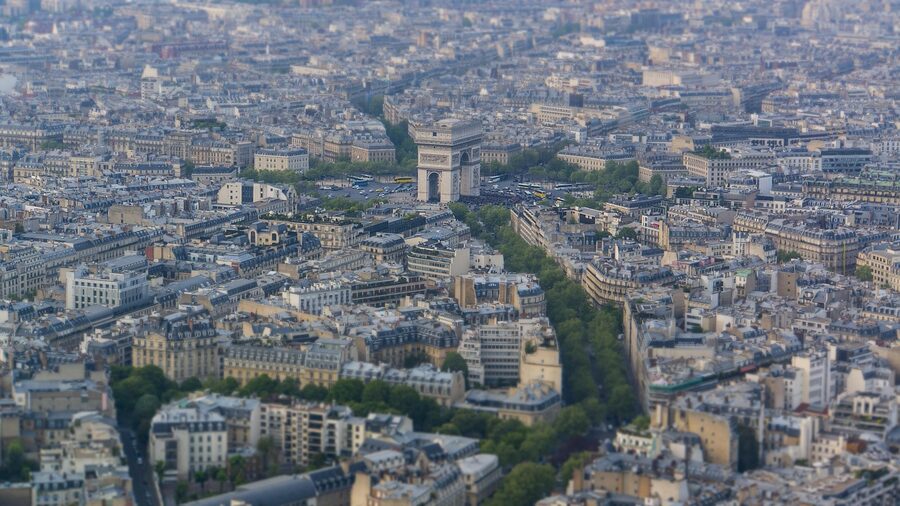
Arc de Triomphe rooftop, $18 saved
The 284-step climb to the rooftop is one of the best views in central Paris because, like the Eiffel, the Eiffel isn’t blocking the view. The Arc rooftop ticket is covered by the pass; the underground access from the metro side is the one to use, never try to cross the Place Charles de Gaulle on foot.
Les Invalides + Napoleon’s Tomb + Army Museum, $20 saved
The 1670s veterans’ hospital that became Napoleon’s burial site after his 1840 repatriation from Saint Helena. Most travellers do the tomb in 20 minutes and miss the Army Museum, which is one of the deepest military-history collections in Europe. Budget two hours, more if you’ve got a thing for medieval armour.
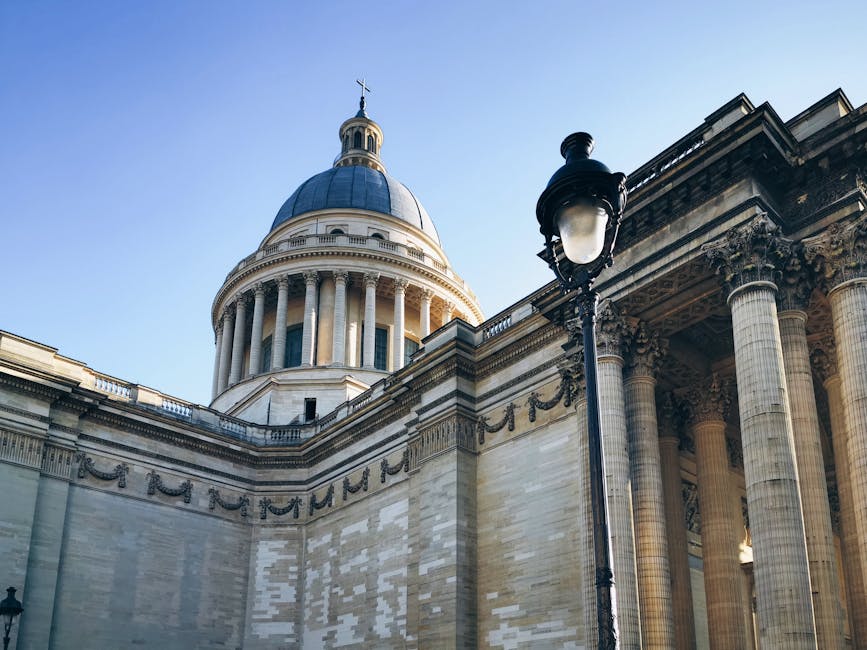
Panthéon, $15 saved
Voltaire, Rousseau, Hugo, Zola, Marie Curie. The crypt of the French Panthéon is the country’s secular mausoleum and is on most pass holders’ itineraries. Foucault’s Pendulum still swings under the dome. The dome climb is a paid add-on, not covered, and worth the extra $5 if your knees agree.
Musée de l’Orangerie, $14 saved
Eight Monet Water Lilies panels in two purpose-built oval rooms, plus a basement collection of Cézanne, Renoir, and Picasso most travellers blow past. The Orangerie is a 90-minute museum if you do it properly, and 30 minutes if you don’t. The pass makes the call easier because there’s no sunk-cost pressure to spend three hours.
Centre Pompidou, $17 saved (when open)
The Renzo Piano and Richard Rogers building with its plumbing on the outside, holding France’s biggest modern and contemporary collection. Closed for renovation 2025-2030, so this one’s a check-the-website call rather than a sure thing. When it reopens, it’s one of the best pass-included museums for anyone whose taste runs past 1900.
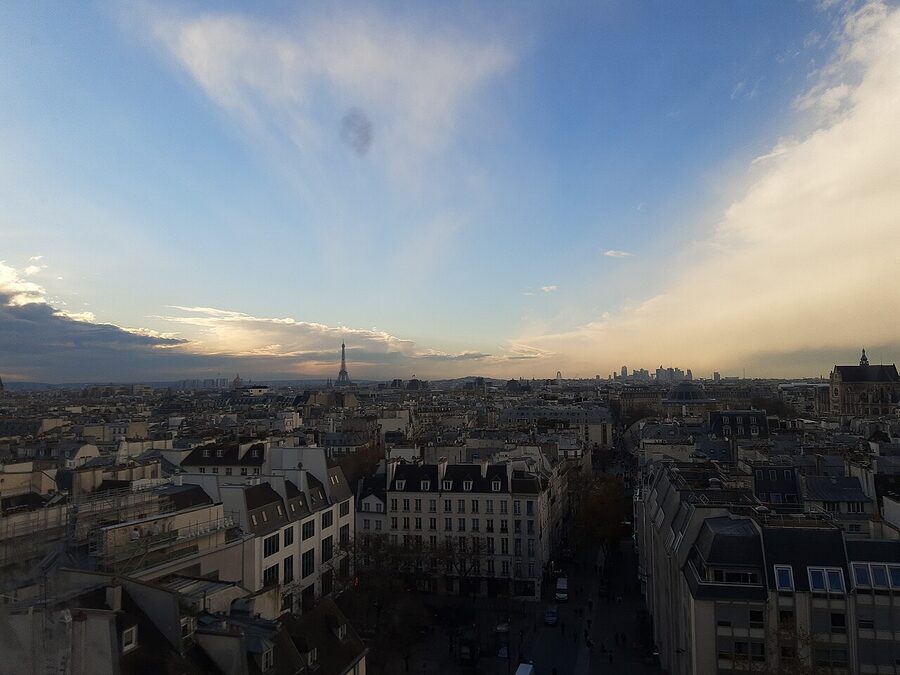
Cluny Museum (Musée du Moyen Âge), $14 saved
The Lady and the Unicorn tapestries, plus the largest medieval-art collection in France, all sat inside a 1490 abbot’s residence built on top of Roman thermal baths. Quiet, weird, deeply rewarding. Most travellers don’t get here, which is half the appeal.
Picasso Museum, Rodin Museum, and the rest
The Marais Picasso Museum and the 7th-arrondissement Rodin Museum are the two best mid-tier pass-included visits after the headline list. Picasso for the chronological run through the Blue Period, Cubism, and the late ceramics. Rodin for the Hôtel Biron sculpture garden where The Thinker actually thinks. Each saves you $16 to $17.
The pass also covers Cernuschi (Asian art), Quai Branly (non-European cultures), the Maritime Museum at Trocadéro, the Maison de Victor Hugo, the Carnavalet (Paris history), and 30+ smaller state-funded sites. Most pass holders use these for the random rainy-afternoon visit, not as primary planning.
The pass also reaches into Île-de-France
This is the underused part of the pass. Beyond the Versailles ride, the pass covers a handful of state monuments outside central Paris that most travellers don’t even know exist.
Giverny and Monet’s house is the headline Île-de-France pass-included visit, an hour by train and shuttle from Saint-Lazare. The Maison-Atelier Daubigny at Auvers-sur-Oise (Van Gogh’s last village) is in too. Château de Maisons (Maisons-Laffitte) and the Basilique de Saint-Denis (the burial place of the Kings of France) are both on the RER and worth a half-day each.
If you’re getting the 6-day pass, plan one or two of these into the schedule. They’re the best per-dollar uses of the pass after the central headline list.
How the pass compares to Paris’s other passes
The Paris Museum Pass is the cleanest product because it does one thing well. The other passes on the market bundle in extras you may or may not want.
The Paris Pass wraps the Museum Pass plus a Big Bus day and a Seine cruise. Worth it if you’d separately buy a hop-on bus and a Seine cruise, otherwise pure markup.
Go City Paris All-Inclusive is the most aggressive bundle, including the Eiffel Tower lift. The 1-star reviews about reservation-availability are real and consistent enough that we’d treat it as a long-trip product, not a tight-trip one.
Paris Passlib’ City is the official Paris Tourist Office product, focused on a smaller set of top attractions. Different from the Museum Pass and not a substitute. Reasonable if your priorities are the bus tour, the river cruise, and one big monument rather than a museum-and-monument deep dive.
Navigo Easy and Navigo Découverte are transit-only passes, separate from any of the above. You’ll want one of those for metro and RER coverage regardless of which (if any) sightseeing pass you buy.
The site-equivalents in other European cities show the same pattern. The Hello Barcelona Card is the Barcelona transit-and-discount answer, a different product type because Barcelona’s flagship attractions (Sagrada Familia, Park Güell) aren’t part of any single state-museum pass. The Rome City Pass covers the Colosseum and Vatican Museums but with the same booking-slot caveat. Verona’s combined Arena and Card is a small-city version that almost always pays for itself because the city is so concentrated. Amsterdam doesn’t sell a single state-museum pass at the Paris scale, so the practical workaround is to buy the highest-value standalone tickets a la carte and use the city’s water-and-tram lattice as the connector: an Amsterdam canal-cruise hop pass functions as the “cruise leg” of a Paris-Pass-style bundle, and the Amsterdam HOHO bus combo closes the loop by bundling bus and boat into one transit product.
The verdict
The Paris Museum Pass works on roughly half the trips it’s bought for. The trip shapes where it earns its keep: a 4-5 day Paris visit with four to six state-museum stops, or a week-long deep cultural dive with eight or more. The trip shapes where it doesn’t: the 2-3 day stopover, the family with kids under 18, the Eiffel-and-Seine traveller, the day-tripper passing through.
Run the math against your actual list before buying. Don’t buy the 6-day pass on the assumption you’ll get to eight sites if you’re not sure you’ll get to six. The skip-the-line value is real but smaller than the marketing implies. The covered list is real but narrower than first-timers expect.
If you’re still on the fence, the 4-day pass at $79 is the gentlest gamble. Five sites at full price comes to roughly that anyway, and four good ones plus the priority queue makes it a wash with extra optionality.
One last look around the cluster
Once the pass call is made, the rest of the Paris cluster reads in two halves. The pass-included pieces (the Louvre, the Versailles day-trip, the Orsay, the Orangerie, the Sainte-Chapelle and Conciergerie, the Arc, the Panthéon, Les Invalides, and the further-out Giverny pilgrimage) each have their own guide here, and each one has its own slot-reservation gotcha worth reading before you arrive. The not-included pieces (the Eiffel, Seine cruises by day or by night, the Moulin Rouge, the Montparnasse Tower, and Disneyland Paris) sit on a separate budget. The Paris hop-on bus is the sister “is it worth it?” question to this one and lands on a different answer for most travellers.