
Here’s the thing nobody tells you about the Eiffel Tower view. When you’re up there, the Eiffel Tower is missing from the photograph. You’re standing on the most famous silhouette in the world, and your camera roll comes home with a hole shaped like the thing you came to see.
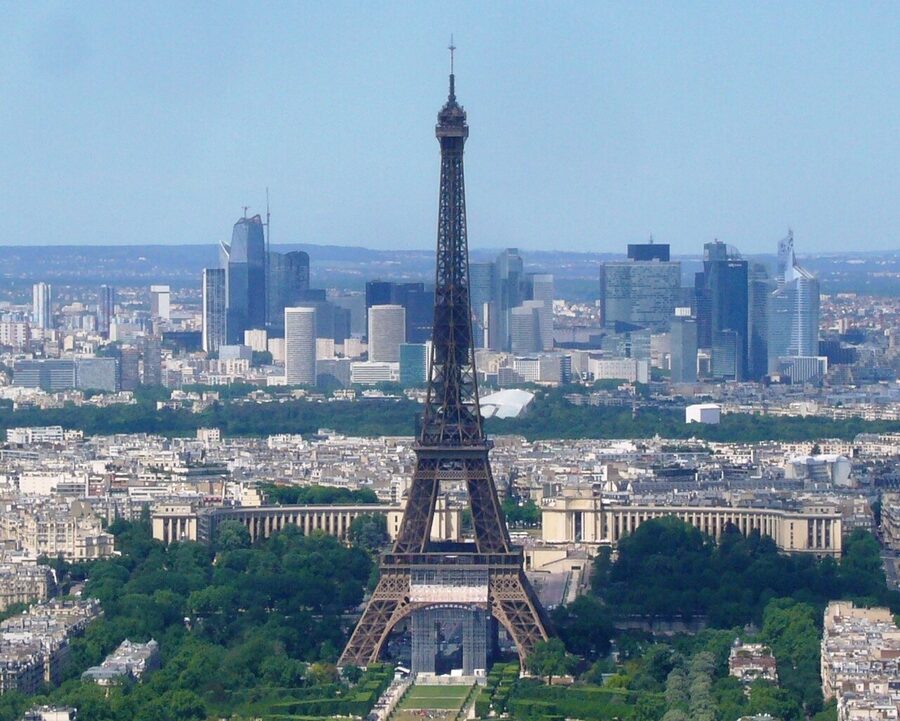
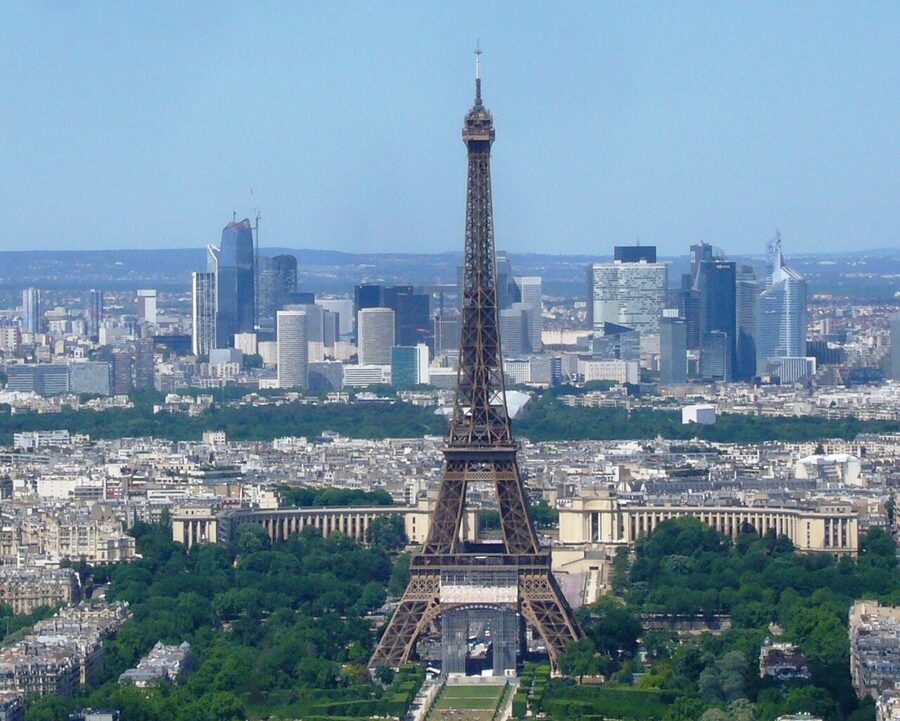
Montparnasse fixes that. Sixteen minutes south on the metro from the Eiffel, 56 floors up a brown 1973 skyscraper that Parisians have hated for 50 years, and you’re holding the only rooftop in central Paris where the Eiffel is in the frame instead of under your feet.
In a Hurry? My Three Picks
- The flagship at $22: Montparnasse Tower Observation Deck Entry. Same price as a Paris cocktail, the best photograph you’ll take this trip.
- The Viator alternative at $22.83: 56th Floor Observation Deck Direct Entry. Same deck, different operator. Useful if you book your other Paris tickets through Viator.
- The premium guided walk at $47: Best View of Paris: Montparnasse Tower Guided Tour. Two hours, the neighbourhood plus the deck, with a guide who actually knows what you’re looking at.
Why this is the best view in Paris
I know that’s a bold sentence. Paris has the Eiffel Tower, the Arc de Triomphe, Sacré-Cœur, the Galeries Lafayette rooftop, the Pompidou’s escalator, and the Notre-Dame towers when they reopen. There are real opinions to have here.
Here’s mine. The Eiffel Tower is the most photographed structure in Europe and you can’t photograph it from the Eiffel Tower. Every shot you take from the second floor or the summit is a shot of Paris with the tower removed. That’s a fine thing to do. But if what you actually want is the postcard, the one with the wrought-iron silhouette over the city, you need a vantage point a few kilometres south, slightly elevated, looking back. Montparnasse is that vantage point.
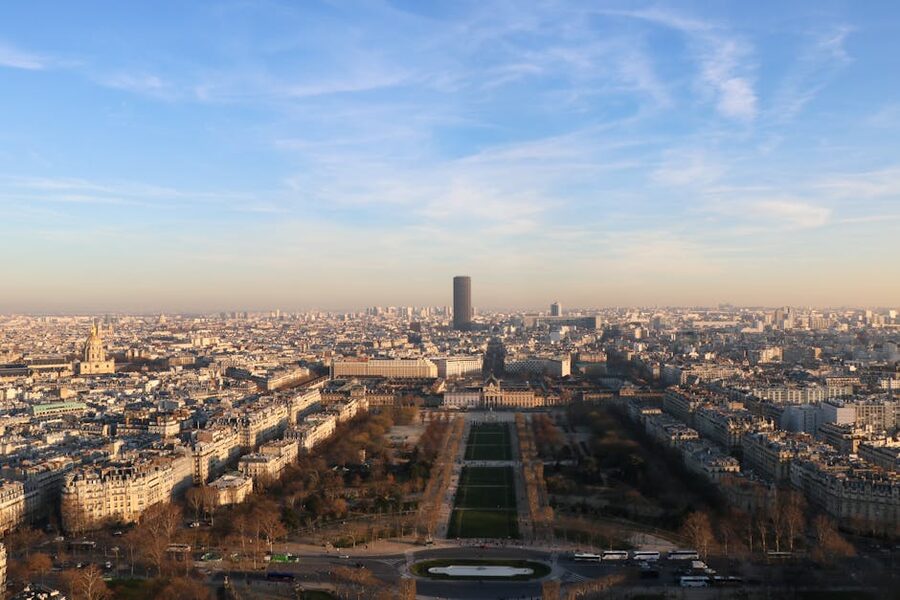
The Arc de Triomphe rooftop is the obvious counter-argument. It’s beautiful, central, and you get the 12-avenue starfish underneath you. But it’s only 50 metres up and the Eiffel sits four kilometres away across roofs that block half the foreground. From the Arc you photograph the Champs-Élysées, not the Eiffel. From Montparnasse, 209.8 metres up and 1.5 kilometres south of the Eiffel, the tower is the centre of every photograph you take facing northwest.
This is the reframe the rest of the article hangs on. The Eiffel is what you photograph. Montparnasse is where you photograph it from.
The tower itself, and why Parisians hate it
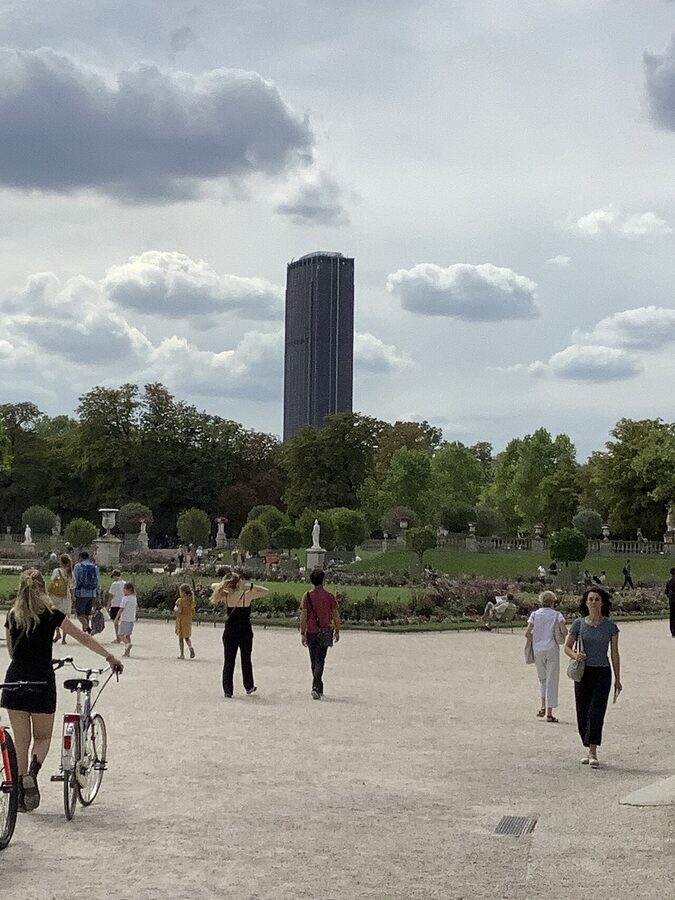
Tour Maine-Montparnasse, to use the official name, was built between 1969 and 1973 by a four-architect team: Eugène Beaudouin, Urbain Cassan, Louis Hoym de Marien, and Jean Saubot. It rises 209.8 metres above the Boulevard du Montparnasse, has 59 floors above ground, and is the only skyscraper inside central Paris. That second sentence is the whole story.
Parisians hated it before it opened and they’ve hated it ever since. Three reasons stack on top of each other. The scale is wrong: at 210m it’s eight times taller than the Haussmannian apartment blocks around it, which top out at six storeys (about 25m). The aesthetic is wrong: brown tinted glass and concrete, the visual register of a 1970s American office park dropped into a 19th-century European boulevard. And the location is wrong: this is the Left Bank, blocks from Saint-Germain-des-Prés and the Latin Quarter, the historical heart of literary and intellectual Paris.
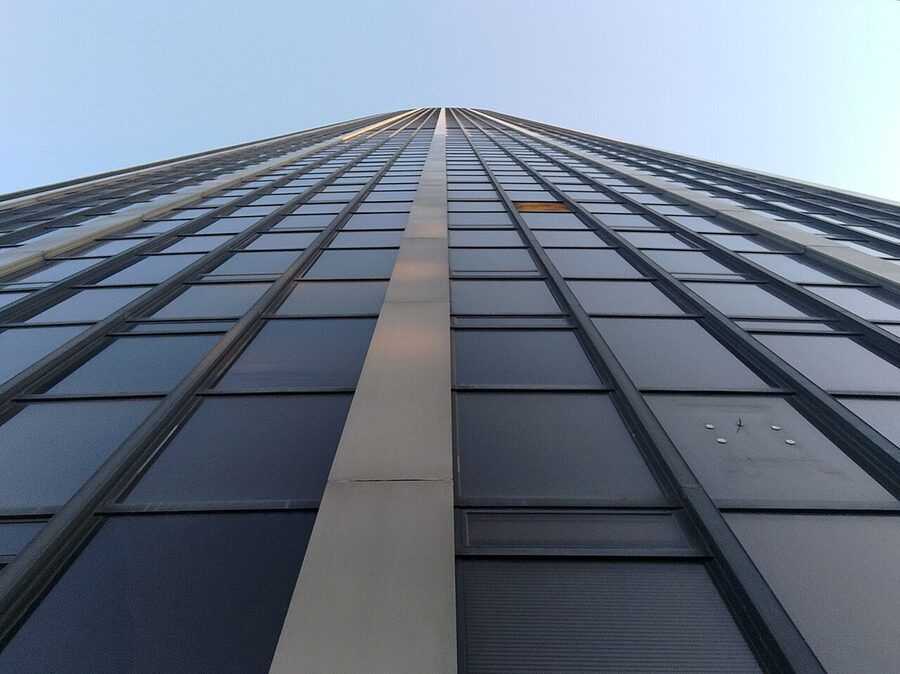
The reaction was strong enough that in 1977, four years after the tower opened, the city of Paris passed a law banning any new building over 37 metres inside the central arrondissements. That law is the reason your Paris skyline still looks the way it looks. Walk anywhere in central Paris and the only thing breaking the six-storey horizon is one brown obelisk and the Eiffel. The 2010 revision to the rules pushed the cap up to 50 metres on the city periphery, but central Paris stays capped. There will not be a second Montparnasse.
The 2008 city poll that surveyed Parisians on which buildings they’d most like to demolish put Tour Montparnasse second behind nothing. It’s the only modern building in the central skyline. From the Seine cruise, from the Louvre’s Cour Carrée, from the Tuileries, from Île de la Cité, you see exactly two things sticking up: the Eiffel Tower and Tour Montparnasse. One of them everyone loves. The other one nobody asked for.
And here’s the joke
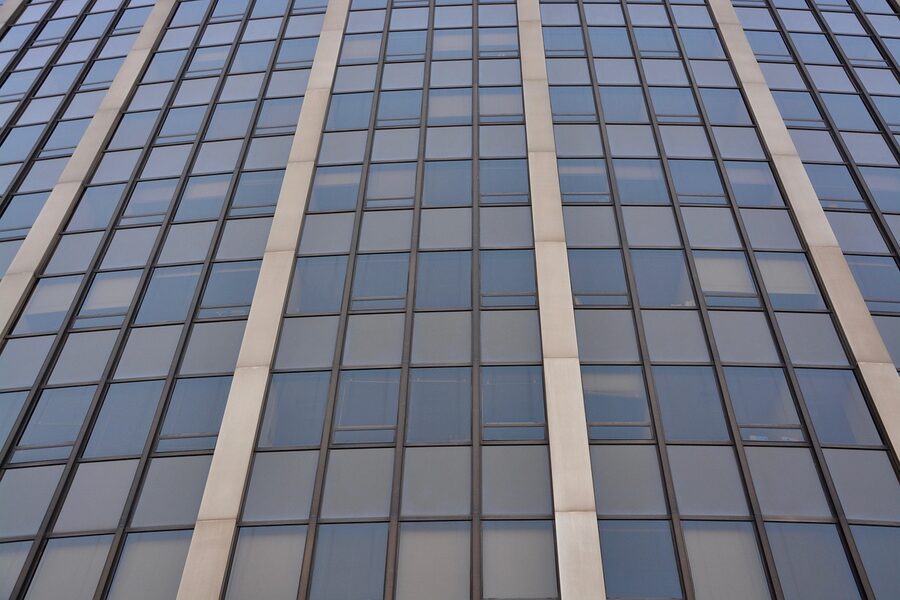
The thing Parisians hate the most is the thing that makes the view work. The reason Montparnasse is the only building in central Paris with a 200-metre observation deck is because it’s the only building in central Paris that’s allowed to be 200 metres tall. It triggered the rule that prevents anyone from competing with it. So the architectural mistake of 1973 is, accidentally, the cheap secret of Paris-from-above in 2026.
Locals will tell you the famous joke about why Tour Montparnasse has the best view in Paris. It’s the only place in Paris from which you can’t see Tour Montparnasse. That’s funny and it’s also true and it’s also the entire pitch.
What you actually see from up there
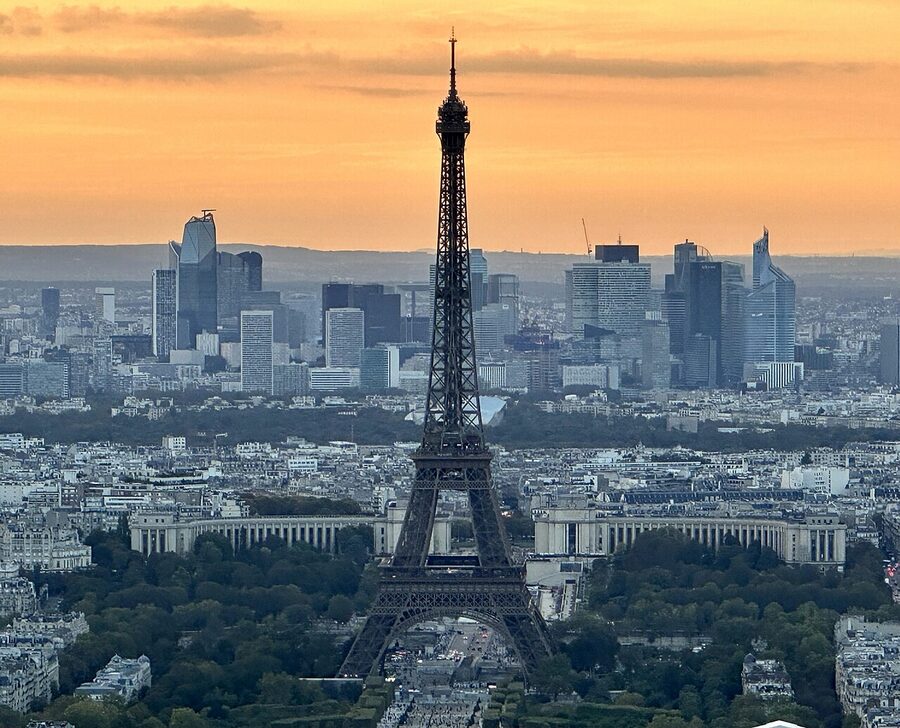
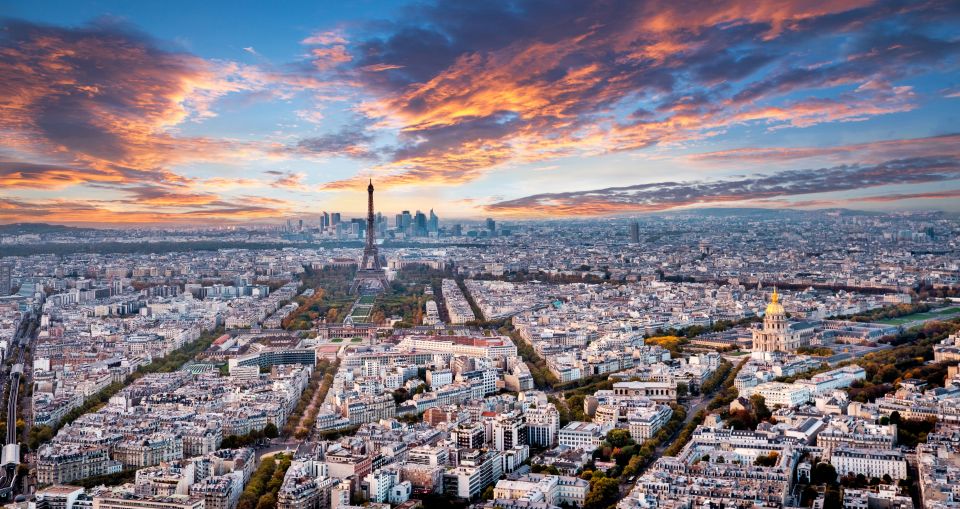
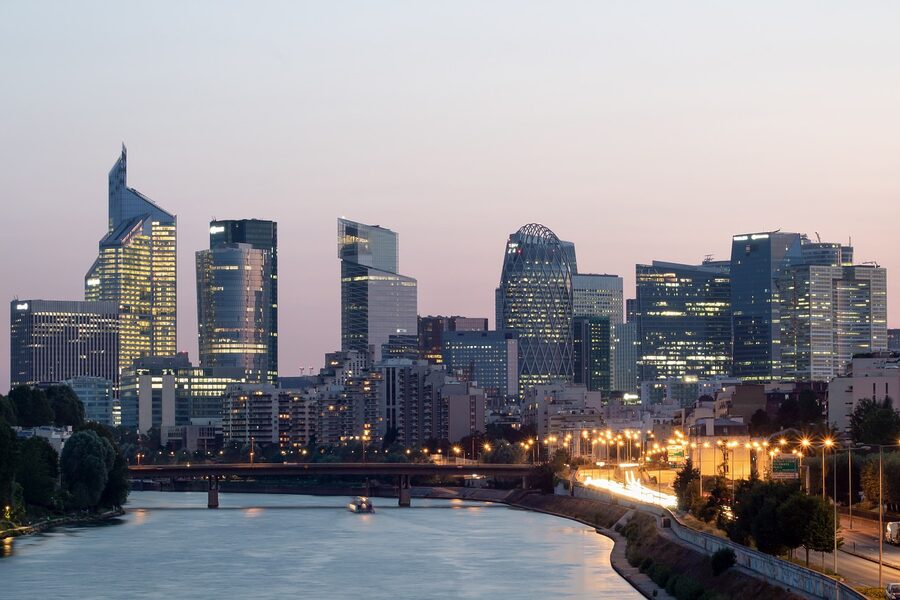
The 56th-floor deck is at 196 metres. From there you’ve got a 360-degree view that includes, depending which direction you face: the Eiffel Tower (northwest), Champ de Mars and the École Militaire under it, the Trocadéro behind it, the Arc de Triomphe further north, the Sacré-Cœur on Montmartre (north), the Panthéon (east), Notre-Dame and Île de la Cité (northeast), the Invalides golden dome (north), the Luxembourg Gardens (just east), and the modern La Défense skyscraper district (far west).
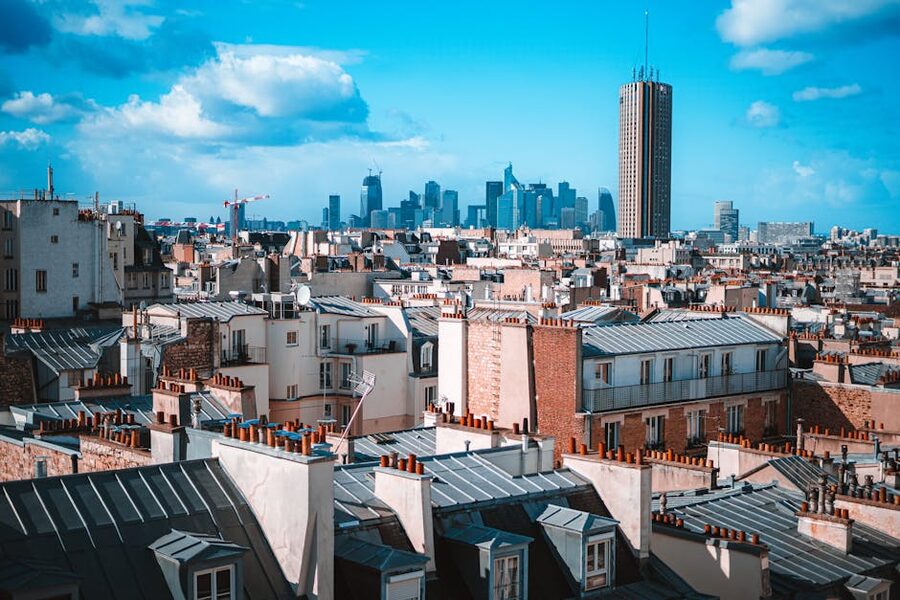
The orientation surprises people. The Eiffel Tower is much closer than you’d think. From the 56th-floor terrace facing northwest, it’s about 1.5 kilometres in a straight line, which is photographically the perfect distance: close enough that the lattice details show, far enough that the whole tower fits the frame with sky and city around it. From the Arc, the Eiffel is 4 kilometres away through buildings and reads as a small spike on the horizon. From the Trocadéro across the Seine, the Eiffel is 600 metres away and you can’t fit it in frame without dropping below the second floor. Distance matters and Montparnasse is at the right distance.
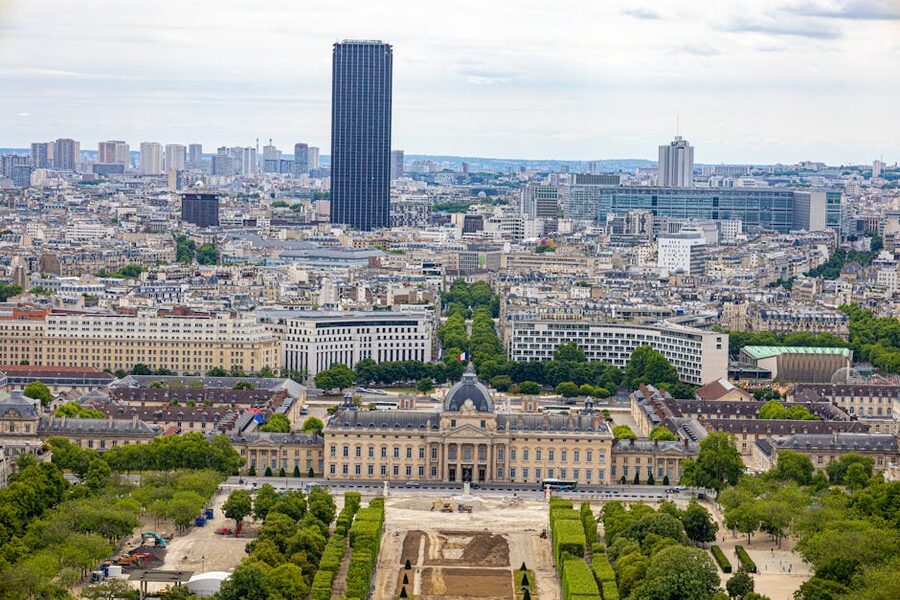
The interior 56th floor has a glass-walled lounge with directional plaques telling you which monument is which. There’s a panoramic flow to it, you walk a circle around the floor and the city rotates past you. Then a separate staircase or short interior lift takes you up to floor 59, the open-air rooftop. That’s where you actually want to be. No glass between you and Paris, wind in your face, and the Eiffel sitting in the centre of every photograph if you’re facing the right way.
The 38-second elevator
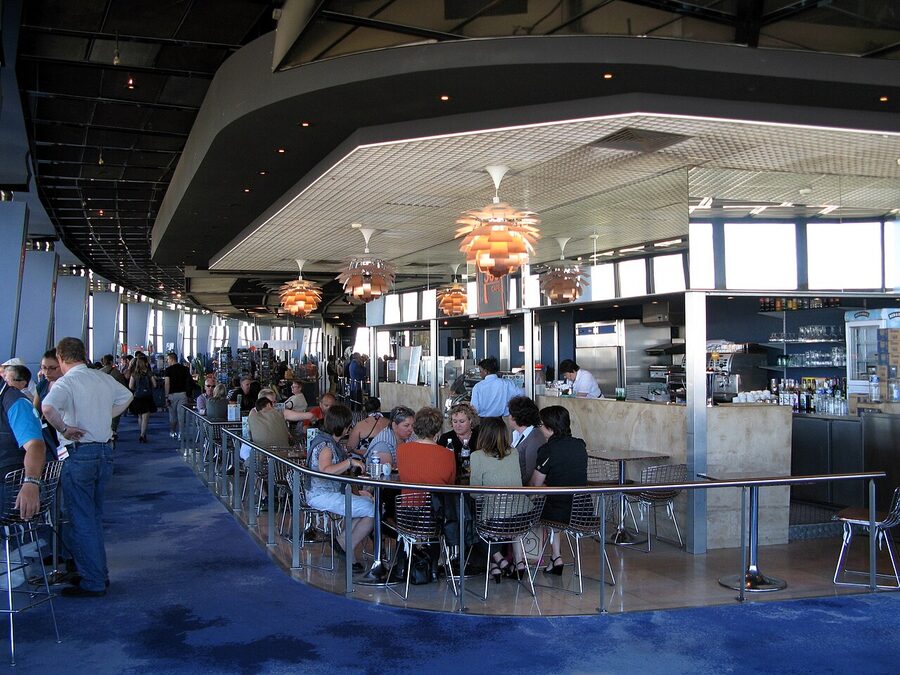
The trip up takes 38 seconds from the lobby to the 56th floor. When the tower opened in 1973, that made it the world’s fastest ascending elevator. It’s been surpassed since (Burj Khalifa moves people about three times that speed now), but for ground-to-200m in under a minute, in 1973, on Paris infrastructure, that was the moment. The elevator still feels strange. Your ears pop. The doors close, you feel a tiny lurch, the floor counter blurs through the 20s and the 40s, and then you’re at 56.
Then the surprise. After the elevator deposits you at 56, the deck is right there. No queue snaking around glass cases trying to sell you something. No mandatory exit through a gift shop on the way up. You step out, walk fifteen metres, and you’re at the floor-to-ceiling glass with Paris underneath you. From the moment you scan your ticket at the lobby barrier to the moment you’re holding the camera up at the Eiffel: under three minutes on an average day. On Eiffel Tower summit days I’ve seen the wait push three hours. That’s the value gap right there.
What time to go
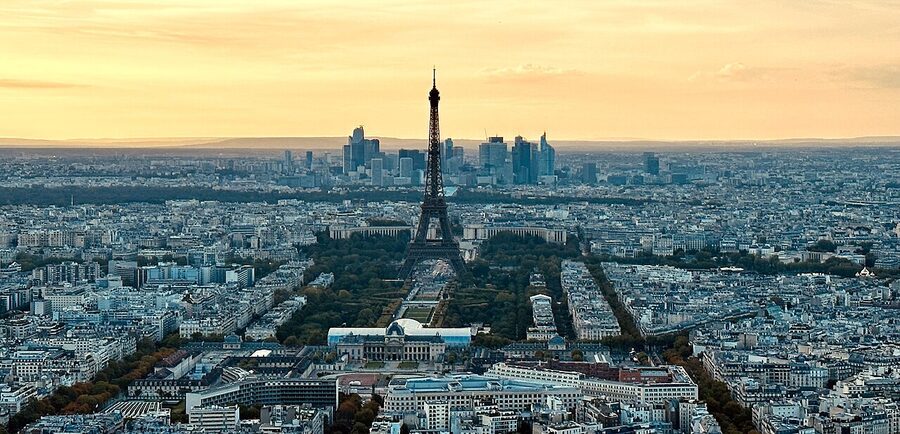
Buy the ticket for one hour before sunset. Not at sunset. One hour before. Here’s why.
You want three different photographs from the same evening. Daylight Eiffel against blue Paris (gives you the postcard). Golden hour Eiffel against orange sky (gives you the moody one). Night Eiffel sparkling against the lit-up city (gives you the unforgettable one). If you arrive at sunset itself, you miss the first frame. If you arrive forty-five minutes before, you have time for all three. The deck closes at 23:30, well after sunset all year, so you’re not racing the clock at the back end.
The Eiffel Tower lights come on at sunset and the sparkle (a five-minute light show, every hour, on the hour) starts at the first hour after dark. In summer that means the first sparkle is at about 22:00. In winter it’s at 18:00. Whatever month you’re visiting, Paris-tourist-office sunset times tell you exactly when the show starts.
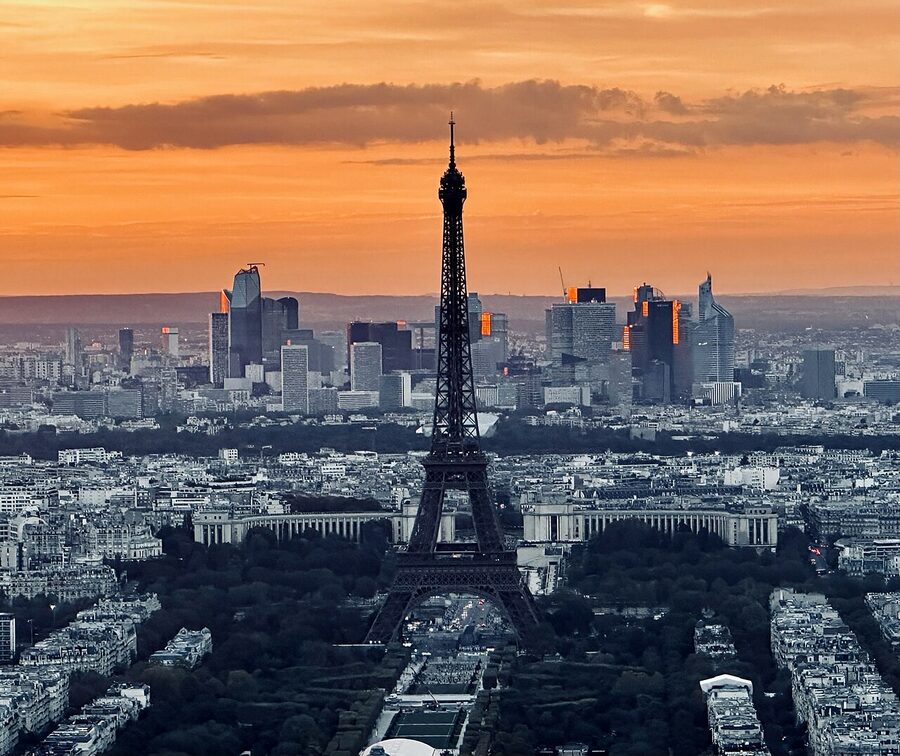
If you can only go in the daytime, go anyway. The shot is still the best in Paris. You lose the sparkle but you get more detail in the city below: Sainte-Chapelle’s spire on Île de la Cité, the trees of the Tuileries, the green roofs of the Musée d’Orsay, the angle of the Boulevard du Montparnasse running west toward La Défense.
If you can only go after dark, also go. Paris at night from the deck is genuinely one of the great urban views on earth. You get the Eiffel sparkle five minutes per hour, the city lights on permanently, the river as a black ribbon with bridges marked in white. The trade-off is you don’t get the daylight reference frame, so first-time visitors lose the orientation.
The 22:00 sparkle, watched from above
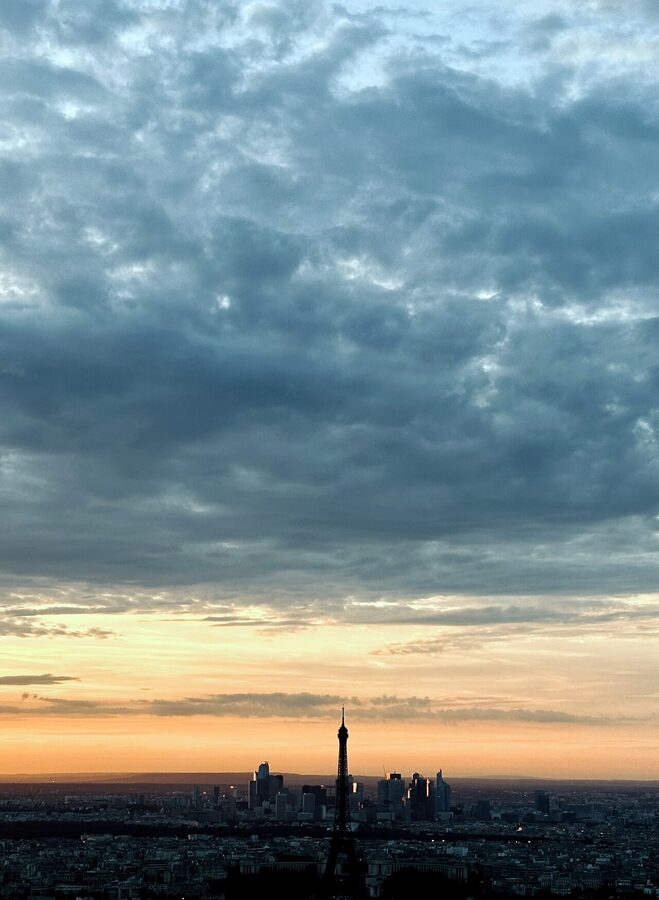
The sparkle is a thing you should know about. Every hour, on the hour, after dark, the Eiffel Tower’s 20,000 white flash bulbs strobe at random across the iron lattice for five minutes. From below it’s beautiful but kind of overwhelming, you’re standing right under it and your peripheral vision is full of it. From Montparnasse, 1.5 kilometres away, you see the entire tower flicker and pop in your camera frame at once. It’s the same show, but framed.
People on the deck stop chatting when it starts. There’s a little collective intake. I’ve been up there for the 22:00 summer sparkle three times and the same thing happens every time, the deck quiets and everyone tilts their phone the same way and you can hear ten different languages all going oh simultaneously. It lasts five minutes, exactly. Then the tower switches back to its solid yellow lights and the deck gets noisy again.
If you’re going to time one moment in Paris, time this one. The 22:00 sparkle from Montparnasse, in summer, on a clear night, with the camera on a 4-second exposure if you have a tripod or just steady hands and a phone if you don’t. The phone shots don’t catch the strobe perfectly, but they catch enough of it that you’ll remember the night.
Tickets, prices, what’s actually included
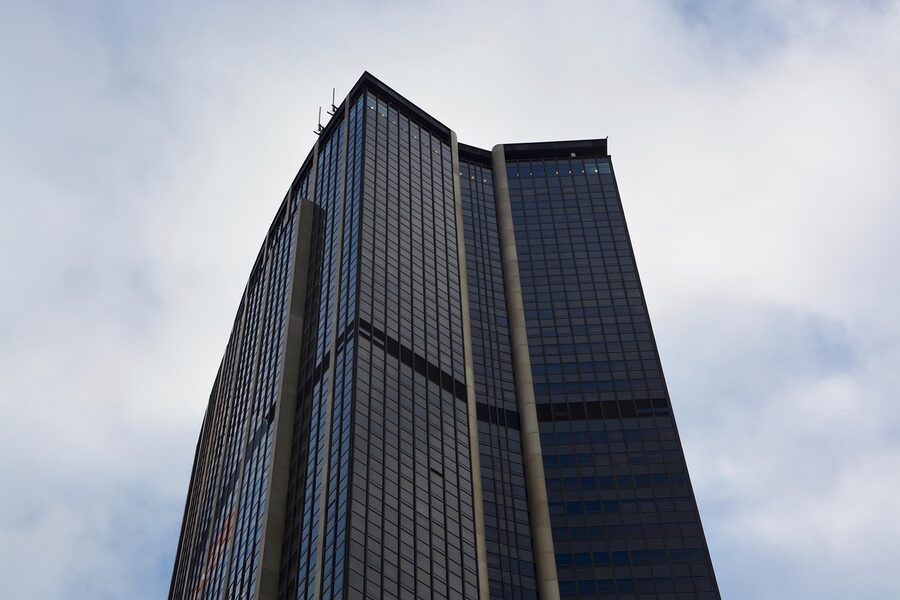
The standard adult ticket to the observation deck is around $22 (€20-25 depending on the season and the booking channel). That includes:
- The 38-second elevator from the lobby to the 56th floor
- The indoor 56th-floor panoramic lounge with directional plaques
- The outdoor 56th-floor terrace
- The 59th-floor open-air rooftop, weather permitting
- The Magnicity augmented-reality app, which overlays monument names and history on your camera view
It does not include the 52nd-floor restaurant Le Ciel de Paris, which is a separate booking with its own price and dress code (they enforce smart-casual; sneakers and shorts will get refused). It also doesn’t include the Eiffel Tower, which is a different building and a different ticket entirely. If you’re wondering, the Eiffel summit ticket is around €31 and the Eiffel second-floor lift is €19. Montparnasse at €22 splits the difference and gives you a better photograph.
Hours run roughly 09:30 to 23:30, longer than the Eiffel (which closes around 22:45 in winter). That window is part of why I keep recommending the late-evening visit. Eiffel Tower summit visits effectively close around 21:45 to allow the last lift down by 23:00. Montparnasse stays open well past the Eiffel sparkle and lets you ride it down at midnight if you’ve stretched the visit out.
How to get there, and where to come from
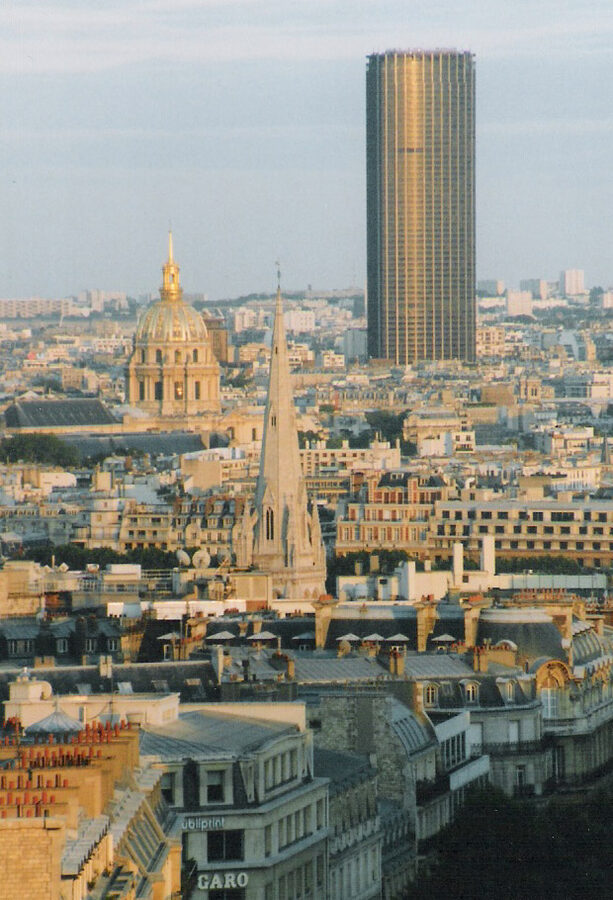
The address is 33 Avenue du Maine, 75015. Three Métro lines stop directly at Gare Montparnasse-Bienvenüe (lines 4, 6, 12, 13), and the entrance to the tower is a 90-second walk from the station’s south exit. The Bienvenüe entrance is closer than the Gare exit, follow signs for “Tour Montparnasse” inside the station rather than for the train platforms.
If you’re coming from the Eiffel Tower: Métro line 6 from Bir-Hakeim to Montparnasse-Bienvenüe takes 11 minutes. Or walk, it’s 2.5km southeast across the 7th arrondissement, and the route takes you past Les Invalides and Champ de Mars, which is itself worth doing.
From the Louvre: line 12 direct, 14 minutes. From the Sainte-Chapelle on Île de la Cité: a 25-minute walk south through the Latin Quarter, or line 4 from Cité in 9 minutes. From the Musée d’Orsay: line 12 from Solférino, 7 minutes. From the Seine cruise docks at Port de la Bourdonnais (Bateaux Parisiens) or Pont de l’Alma (Bateaux Mouches): a 15-20 minute walk or line 6 to Bienvenüe.
Pairing it with the rest of your day
The deck takes 60-90 minutes once you’re up there. The whole excursion including the metro both ways adds up to about two hours of your day. That makes it perfect as the last thing you do before dinner.
One day plan I keep recommending: morning at the Louvre, lunch in the 1st arrondissement, afternoon at Sainte-Chapelle on Île de la Cité, late afternoon walk through the Musée d’Orsay, then Métro south to Montparnasse for the sunset deck, then dinner in the Latin Quarter or down the Boulevard du Montparnasse. That sequence gives you the four most concentrated highlights of central Paris in one day, ending with the photograph that ties them all together.
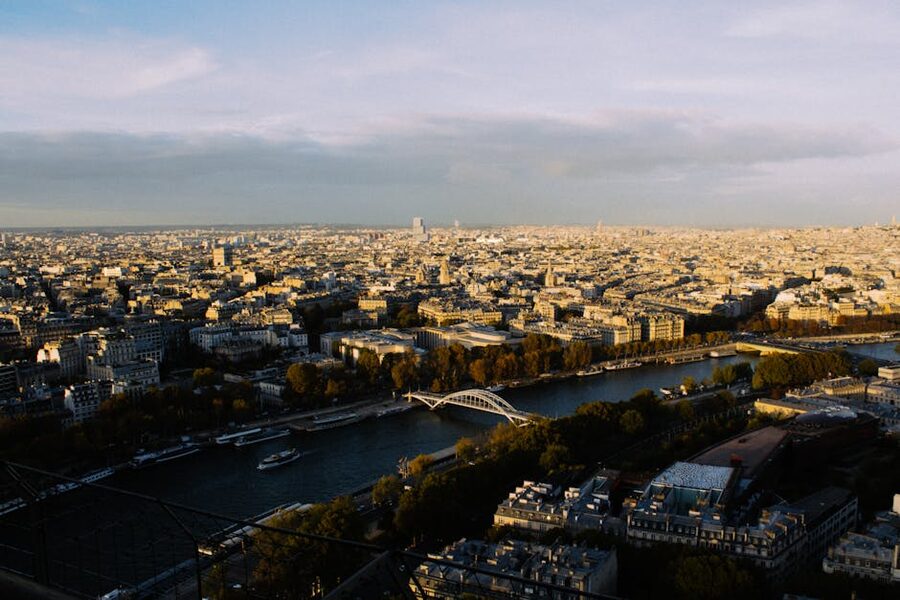
Another version, if you’re staying longer: do the Arc de Triomphe rooftop the day you arrive (afternoon, the Champs-Élysées view is its strongest then), the Eiffel Tower second floor the next morning (skip the summit, the view’s not better), and Montparnasse at sunset on day two or three. That gives you the three Paris-from-above viewpoints in three different moods. The trio works because no two are the same view.
The trio: Eiffel vs Arc vs Montparnasse
If you’re trying to choose just one, this is how I’d think about it.
The Eiffel Tower ($31 summit, $19 second floor) is the experience of being inside the symbol. You don’t go up the Eiffel for the view, you go up because you wanted to climb the Eiffel. The second floor is actually the better view (you can see the Eiffel’s ironwork above you, framing the city). The summit is windier, smaller, and the Champs de Mars view doesn’t change much from one floor up. Skip the summit unless you want to say you did it.
The Arc de Triomphe (€16) is the most central viewpoint and the most architectural. The 12-avenue starfish radiating out below your feet (Place Charles de Gaulle, the Étoile) is something you can’t see from anywhere else in the world. But the Eiffel is small from up here, the city skyline is mostly Haussmann from this height, and the rooftop itself is small.
Montparnasse ($22) is the photograph. Higher than the Arc, four times the deck space, the Eiffel at perfect framing distance, and the only one of the three open until 23:30 to catch the late sparkle. If you only have time for one, this one. If you have time for all three, do them in different moods (Arc afternoon, Eiffel morning, Montparnasse sunset).
The neighbourhood at the bottom of the tower
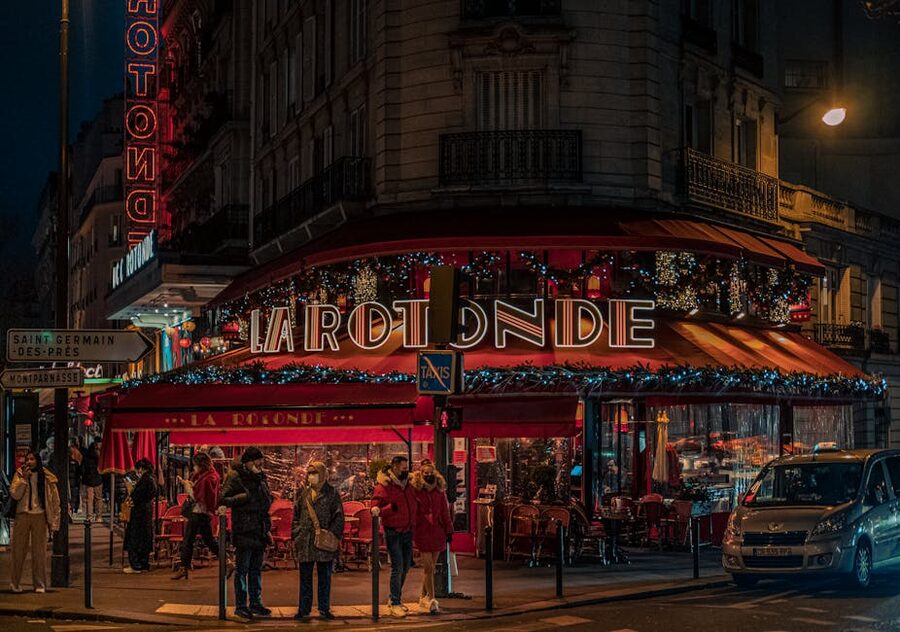
The neighbourhood around the tower is its own reason to come, separate from the deck. Montparnasse in the 1910s and 20s was where the Paris art scene moved when Montmartre got too touristy. Hemingway lived around the corner at 113 Notre-Dame-des-Champs. Modigliani drank himself to death at La Rotonde. Picasso’s studio was up the street. Lenin and Trotsky met at La Closerie des Lilas. The four big café-brasseries (Rotonde, Dôme, Coupole, Sélect) are all still open in 2026 and they all sit within a 200m radius of the tower.
If you’ve got an hour before your deck booking, do this. Walk west along Boulevard du Montparnasse from the tower, get a coffee at La Coupole or La Rotonde (sit outside if the weather lets you, the cafés cost 2-3x more on the terrace but you’re paying for the people-watching), and look at the brass plaques on the floor at La Closerie des Lilas, which marks where Hemingway and Fitzgerald used to drink. Then walk to the tower entrance.
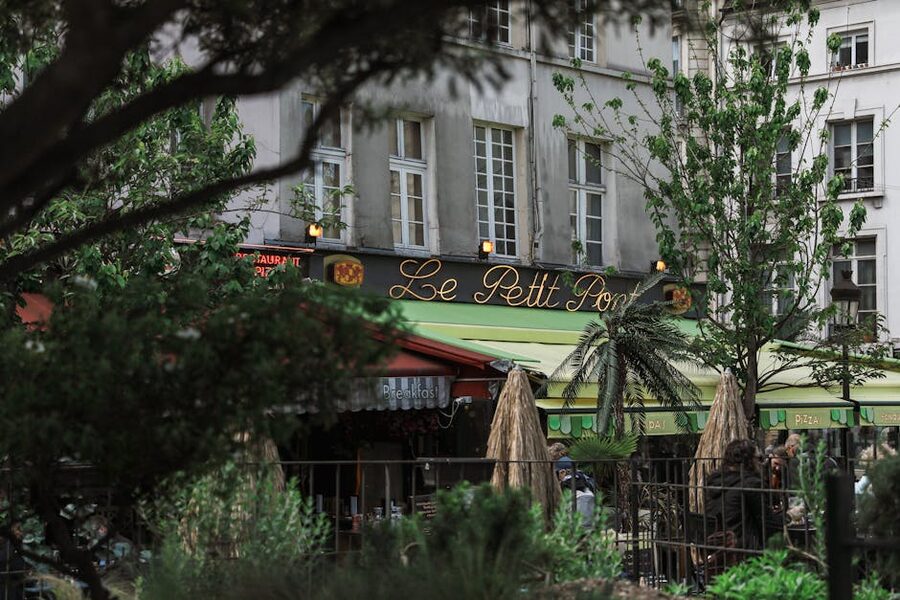
The other thing worth knowing about the neighbourhood: it’s where the 14th arrondissement meets the 15th, both residential, neither particularly touristy. Restaurants here charge real Paris prices instead of tourist prices. Boulevard Edgar Quinet has a twice-weekly food market (Wednesdays and Saturdays). The street food scene around Rue du Montparnasse and Rue d’Odessa is mostly Breton crêperies, because the Gare Montparnasse used to be the train terminus for trains arriving from Brittany, and Bretons settled the neighbourhood. There are two crêpes-and-cider streets here that are some of the best food values in central Paris.
The three tickets to actually book
1. Montparnasse Tower Observation Deck Entry: $22
This is the one to book if you don’t know which one to book. Skip-the-line, valid all day, includes the 56th floor and the 59th-floor rooftop. Same effective price as the Eiffel second-floor lift, much faster queue, much better photograph.
2. Paris Montparnasse Top of the City Direct Entry: $22.83
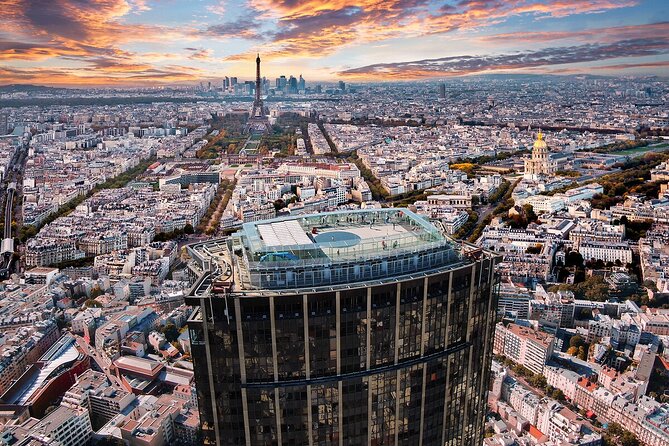
Identical experience to the first option, sold via Viator instead of GetYourGuide. The price difference is about a coffee and the queues are the same. Pick this one if you’ve already booked your Seine cruise or your Louvre tickets on Viator and want to keep your vouchers in one app.
3. Best View of Paris: Montparnasse Tower Guided Tour: $47
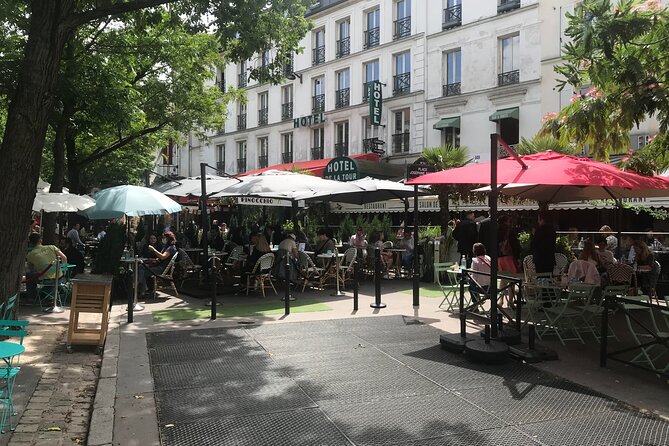
The premium pick if you want context, not just the view. Two hours, the neighbourhood walk plus the deck, with a guide who can name the buildings you’re looking at and tell you why Sartre is buried 400 metres away. Like the guided Arc de Triomphe tours, this one is worth the price jump for first-time visitors who want the story behind the view.
Practical things people get wrong
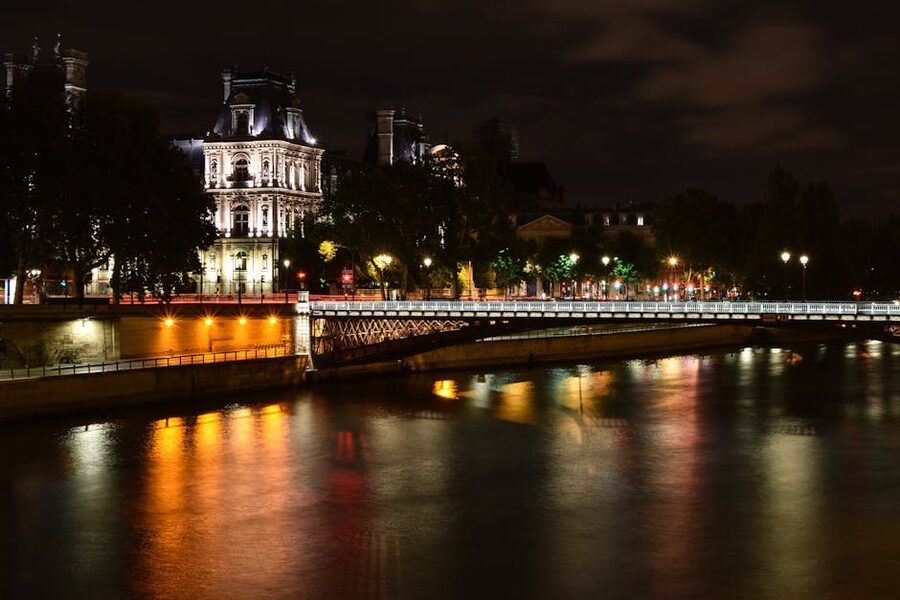
Bring a light jacket. The 56th-floor outdoor terrace is at 196m and it’s always windier than the street. In summer it can be 8°C cooler than the lobby. In winter it can be properly cold and the wind makes it feel colder. The 59th-floor rooftop is even more exposed.
The 59th floor is weather-dependent. If it’s raining, the open rooftop closes. If the wind is too strong, same. Check the forecast and don’t book a non-refundable ticket for a stormy day expecting to access the 59th floor. The 56th-floor outdoor terrace stays open in most weather.
The Magnicity AR app actually works. Most museum apps are an afterthought you delete after one use. This one overlays monument names and a brief history snippet on your phone camera as you pan around. Useful when you’re trying to figure out which of the dozen domes you’re looking at is the Panthéon and which is Les Invalides.
Tripods aren’t allowed on the deck. They make exceptions for press, but a regular visitor with a tripod gets stopped at the bag check. If you want long-exposure shots of the sparkle, use a phone with night mode or a small mirrorless body with image stabilisation.
The bag check is real. No suitcases, no large bags. There’s a left-luggage office at Gare Montparnasse station 200m away if you’ve checked out of your hotel and you’re killing time before a train.
The 52nd-floor restaurant Le Ciel de Paris requires a separate booking and the dress code matters. They’ve turned people away for shorts. If you want to do dinner with the view, book Le Ciel for around 19:30, eat through sunset, then go up to the 56th-floor deck after for the night view. The restaurant ticket gets you elevator access without buying a deck ticket separately.
Why the view from above tells you something the street can’t
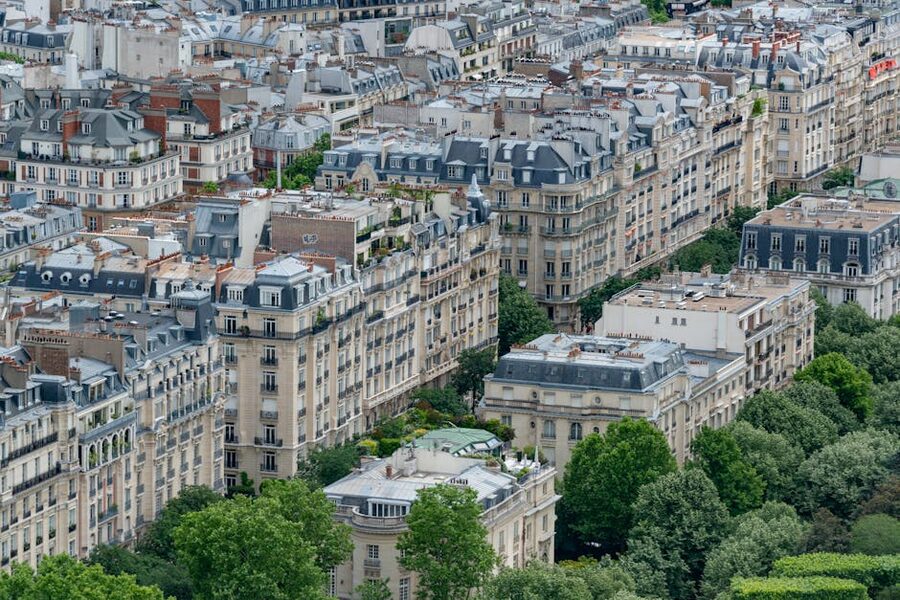
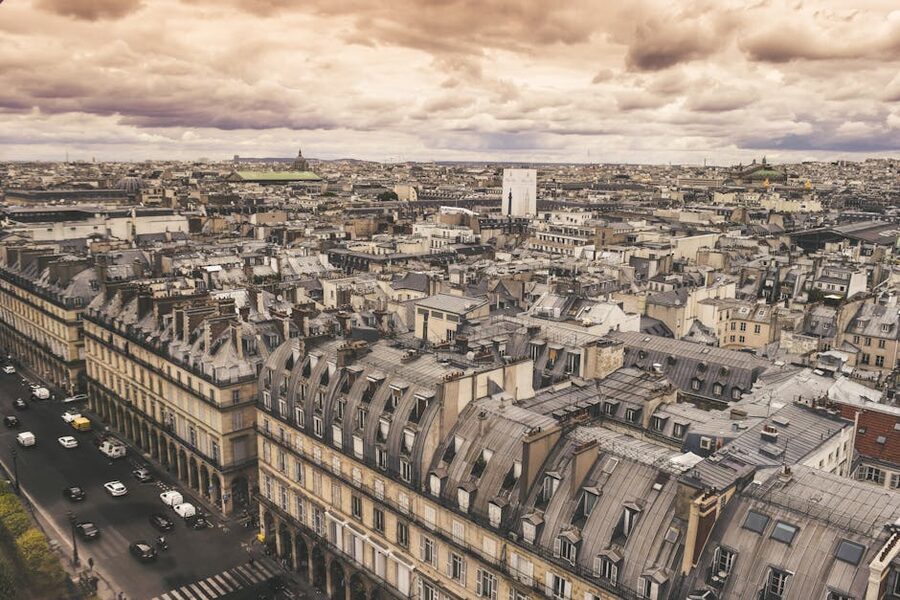
This is the part of the visit nobody markets. From the deck you can read the city. Down at street level, Paris is a maze of named streets and small differences (the 6th feels different from the 7th, which feels different from the 5th). From 200m up, you see the underlying rule: Haussmann’s grid, six-storey blocks, the boulevards cut through the medieval city in the 1850s, the river curving through it. You can see the entire shape of the 19th-century redesign in one glance, and it makes everything you walked through earlier in the trip make more sense.
Cities like Madrid have Seville’s Setas equivalent that does a similar trick at smaller scale. Like Barcelona’s Montjuïc, you understand the city better from above than from inside. Milan’s Duomo terraces let you read the Lombard plain. Pisa’s leaning tower gives you the full Field of Miracles in one frame. And Florence’s Duomo dome shows you the whole Renaissance city at once. Amsterdam’s NEMO Science Museum rooftop is the free Dutch version of the same trick: a Renzo Piano hull rising over the IJ harbour with a sloping public terrace that locals use to read the canal grid. Every European capital with a high vantage point uses it for the same purpose. Paris just has the prettiest version.
What I’d tell a friend visiting for the first time
Book the cheapest deck ticket. Time it for sunset. Bring a light jacket and a phone with the camera ready. Get there 45 minutes early so you have time to walk the indoor circle once and orient yourself before the light starts changing.
Go to the outdoor terrace as soon as the sun starts dropping. Take the daylight Eiffel shot, the orange-sky Eiffel shot, the blue-hour Eiffel shot, the night-with-lights Eiffel shot, and then if the timing works, the sparkle shot at the top of the hour. Five photographs, one location, two hours, $22.
That’s a complete Paris evening. Walk down to the Latin Quarter or stay in the 14th for dinner, and you’ve banked the photograph that you’ll be looking at on your phone six months later when you’re trying to remember why you loved Paris.
Where to go next in Paris
The Montparnasse deck is one piece of the wider Paris-from-above experience. If you’ve already done the Eiffel and you’re wondering whether the Arc rooftop is also worth it, the short answer is yes if you have the time, no if you’re choosing between the two. The Arc gives you the architectural diagram of the city, the Eiffel gives you the experience of being inside the symbol, and Montparnasse gives you the photograph. Three different things.
For evenings, pair Montparnasse with a Seine cruise earlier the same day or a Seine dinner cruise after. The river-level Paris view and the rooftop Paris view together give you the full vertical experience. For art, the Musée d’Orsay is two stops north on Métro line 12 and the Impressionist landscapes there feel different after you’ve seen the city they painted from above. The Sainte-Chapelle stained glass and Conciergerie are central, gothic, and the most concentrated half-day in Paris if you’ve got one.
For the day-trip version of “Paris from above”: Versailles for the gardens and the rooflines from the Hall of Mirrors balconies, or Disneyland if you’ve got kids and they want a non-museum day. The Moulin Rouge finishes the night well after the Montparnasse deck closes; book the show with Champagne if the dinner-show price feels heavy.
And for the I-loved-this-trick-here-too move: Seville’s Setas rooftop, 28 metres up, the same modernist-tower-from-above-the-city pleasure at smaller scale and with no Eiffel. Travellers who like Montparnasse always tell me later they liked the Setas too. Amsterdam’s Royal Palace on Dam Square is the indoor counterpart, low-rise civic instead of high-altitude photographic, but the same fixed-vantage-point logic for reading the city’s planning rules.