
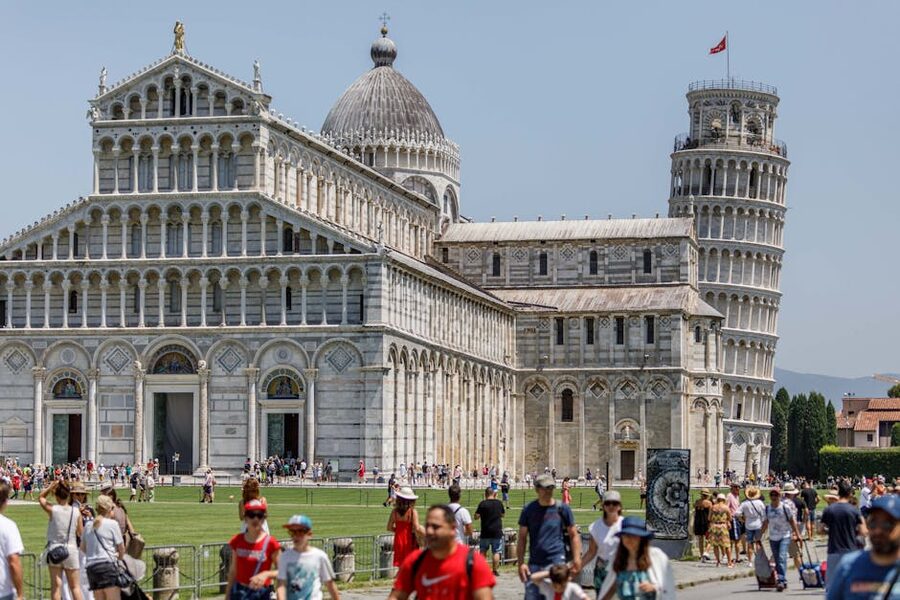
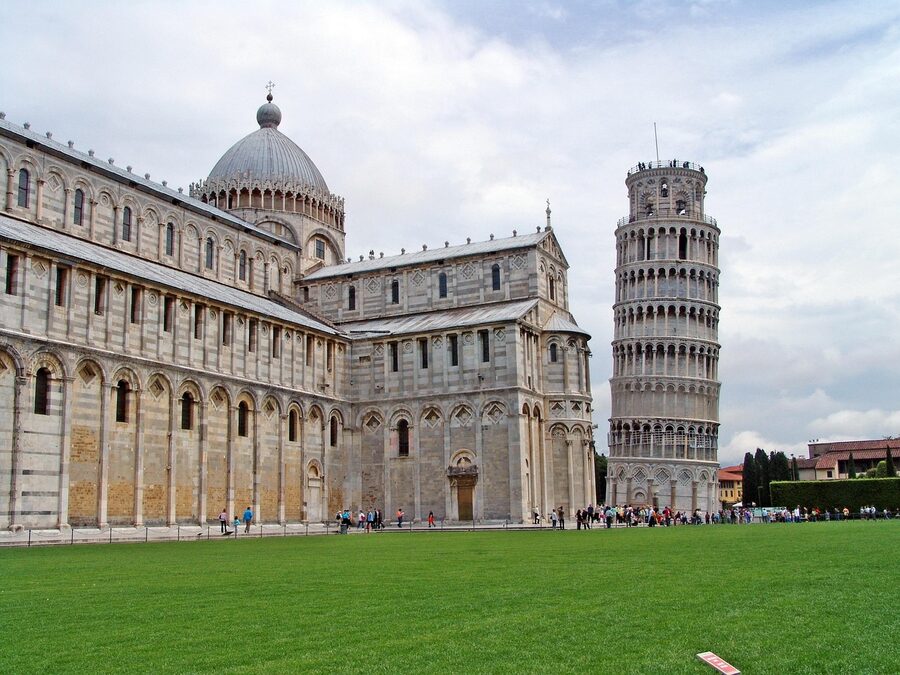
The Leaning Tower of Pisa started tilting in 1178, while it was still being built. Construction had reached the third floor when the soft clay under the south side began to give. Work stopped. It would stop twice more over the next two centuries, and those long pauses are the reason the tower is still standing. The clay compressed during the breaks. Each restart added stone to a foundation that had finally settled enough to bear it.
That is the story most photo-snapping tourists miss. They line up for the lean-against-the-tower picture, take the shot, and leave inside an hour. If you read this guide first, you will see something different at Piazza dei Miracoli: the slowest-motion engineering project in European history, finally stabilised in 2008 after engineers decided it had stopped moving.
In a Hurry: Three Tickets Worth Booking
- Skip-the-line tower + cathedral from around €24, the most-booked option for getting up the tower without the on-the-day queue. Book on GetYourGuide.
- Reserved tower entrance with cathedral at $28, identical product on a different listing if the first one is sold out for your slot. Book on GetYourGuide.
- All-monuments combo at $43 if you want the tower plus the Camposanto, Baptistery and museums in one ticket. Book on GetYourGuide.
Why the Tower Leans (And Why It Stopped)
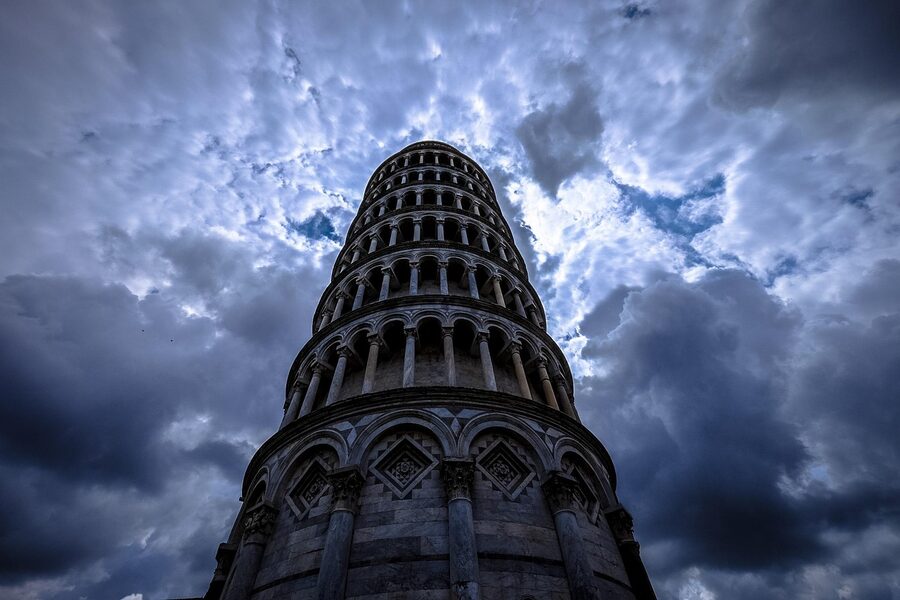
The site was wrong from day one. Pisa sits on the floodplain of the Arno, and the spot the medieval builders picked for their bell tower has a layer of soft, saturated clay about 3 metres down. The cathedral next door rests on the same ground, but it is short and wide and load-spreading. The tower was tall and narrow and concentrated all of its weight on a foundation 3 metres deep. That foundation was simply not enough.
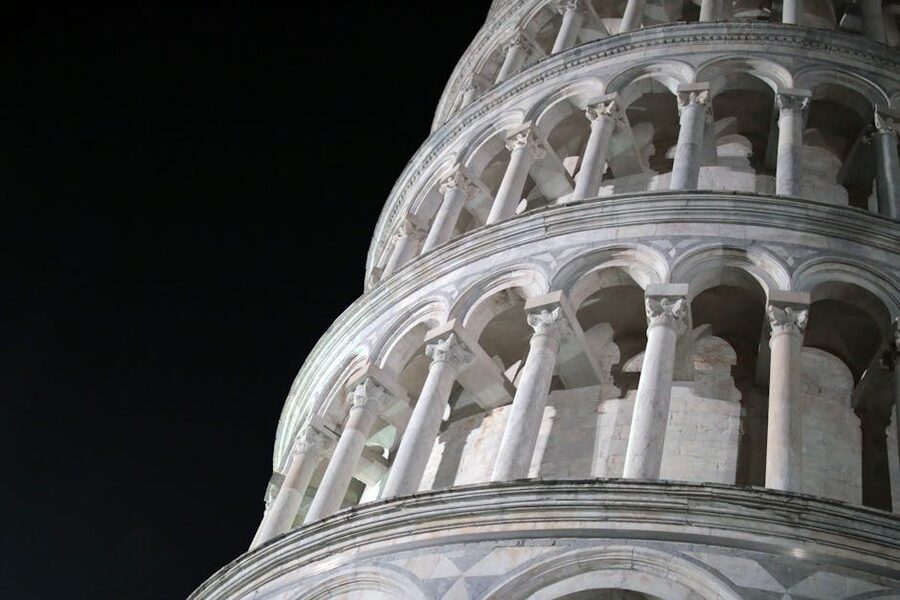
The lean started in 1178, just five years into construction. The tower had reached the third storey when the south side began sinking. Work stopped not for engineering reasons but because Pisa was at war with Genoa, and that century-long pause is what saved the tower. The clay under the south side had time to consolidate. When work resumed in 1272, the builders added more storeys, the tower kept leaning, and they responded by curving the upper floors back the other way. That is why the tower has a slight banana curve rather than a clean diagonal.
The bell chamber on top was added in 1372, almost 200 years after the foundations went in. By then the lean was permanent. For centuries it was the city’s strange embarrassment and its accidental icon, the way the Eiffel Tower was nearly torn down before Parisians grew to love it. Galileo allegedly dropped balls of different weights from it to disprove Aristotle in the 1590s, although most historians now think that experiment never happened. He was a Pisa native and a professor at the university here, so the legend stuck.
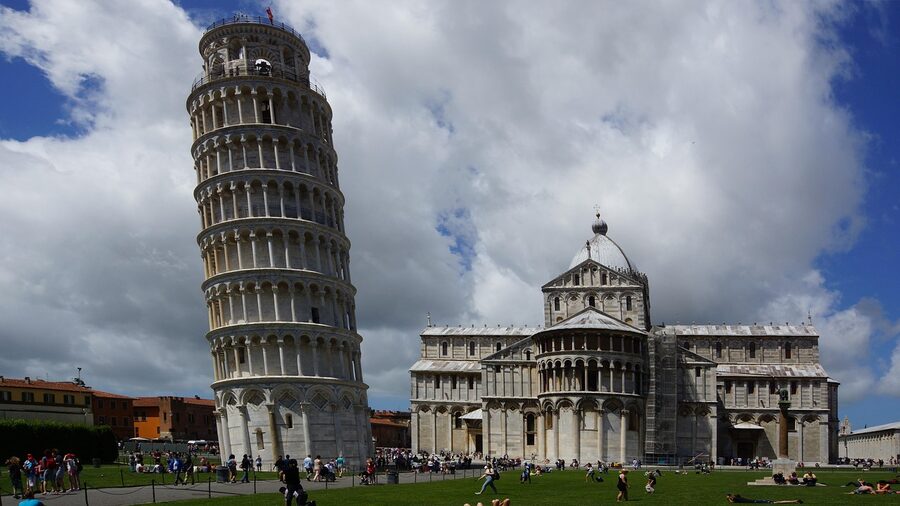
The modern story starts in 1990, when the lean had reached 5.5 degrees and the Italian government quietly closed the tower because it was thought to be hours from collapse. A rescue committee led by British engineer John Burland spent a decade extracting clay from under the north side in tiny scoops, letting the tower lean back the other way. By 2001 it had returned to roughly its 1838 angle. The work removed about 38 tonnes of soil. The tower was reopened, and in 2008 engineers declared that it had stopped moving for the first time in its 800-year history. It is now leaning about 4 centimetres less than it did at its worst, and is expected to remain stable for at least 200 years. If you climb it today, you are climbing the most carefully babysat building in Europe.
Booking the Climb: What Actually Matters
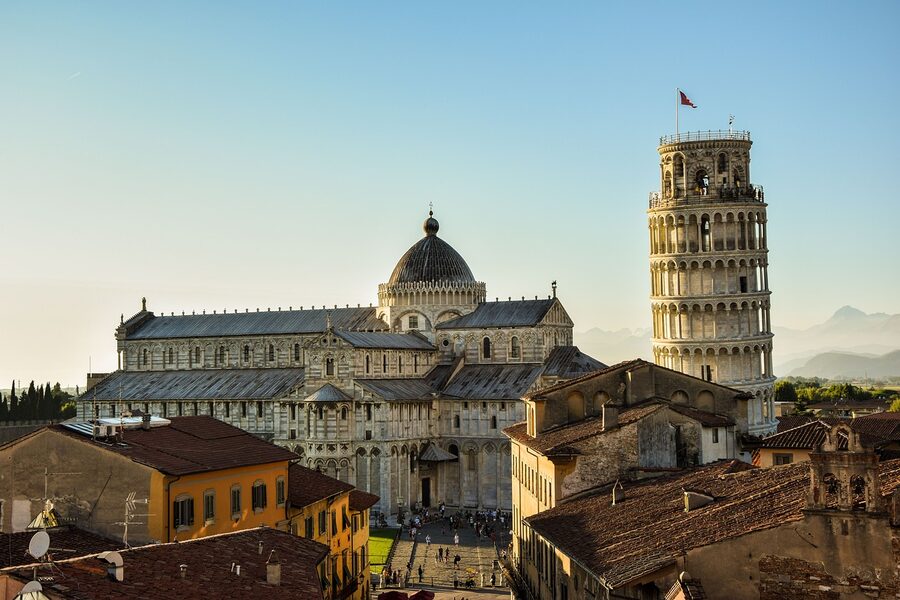
Tower tickets are timed and capped. Slots are small, regular and book out fast in high season. The basics:
- Group size: about 45 to 50 people per climb.
- Frequency: a slot every 15 to 30 minutes.
- Hours: 9am until early evening, with summer extensions sometimes as late as 10pm.
You cannot turn up and walk in. You either book online before you go, or you queue at the on-site ticket office and take whatever slot is left. In high season that often means tomorrow.
The official tickets are sold by Opera della Primaziale Pisana on opapisa.it. They go on sale 90 days ahead. Resellers like GetYourGuide and Viator sell the same timed tickets with a small markup. The advantage of the resellers is the booking flow and free cancellation up to 24 hours before, which the official site does not offer in the same way.
Ticket Tiers
The piazza has six monuments and several ticket combinations. Picking the right one is mostly about whether you actually want to climb the tower, and whether the rest of the complex matters to you.
- Tower + cathedral, around €20 to €24 depending on the seller, is the headline ticket. Cathedral entry is the only way to combine the climb with going inside the Duomo, since the cathedral is technically free but only on a timed pass.
- All-monuments combo, around €27, adds the Baptistery, the Camposanto and the two small museums (Sinopie and Opera del Duomo). This is the better value if you have two hours or more on the piazza.
- Complete visit, no tower, around €11, is the cheap version for everything except the climb. Choose this if the tower is sold out for your slot or if heights are not your thing.
- Cathedral + one site, around €8, is the budget option. You pick the Baptistery or Camposanto, see the cathedral, skip the tower.
Children under 8 cannot climb the tower at all. Children 8 to 18 climb free but need a ticketed slot like everyone else. The under-18 free policy applies only to EU residents on most monument-pass tickets, so check the small print on whichever site you book through.
What the Climb Is Actually Like
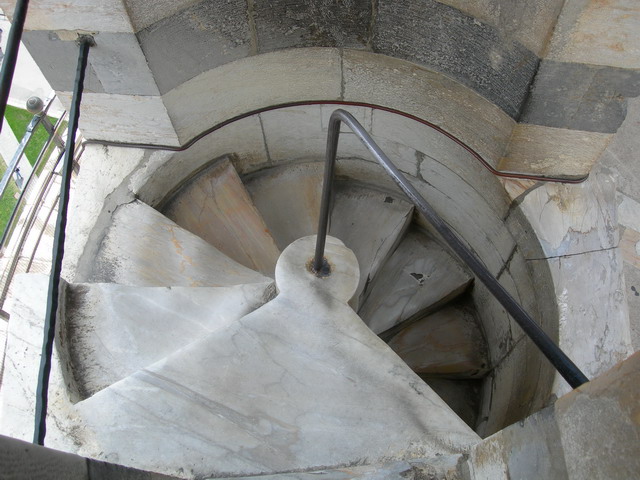
The climb is 251 stone steps in a spiral that winds inside the tower’s hollow shaft. There is no lift. You go up in a controlled group of about 45 people with a 30-minute round trip, including the time you get at the top. Bags, backpacks and big cameras have to be left in the free deposit at the base. Phones and small cameras are fine.
The strangest part is how the lean feels under your feet. On one side of the spiral the steps tilt with you and pull you forward. On the other side they tilt away from you and feel almost flat. Halfway up most people reflexively grab the rope handrail. The worn grooves in the stones tell you which side everyone leans on. It is not difficult, but if you have vertigo or shaky knees this is not the climb for you. The Florence Duomo is similar in step count but feels far steadier underfoot, and the Brunelleschi dome climb in Florence is the one I would pick if a friend was nervous.
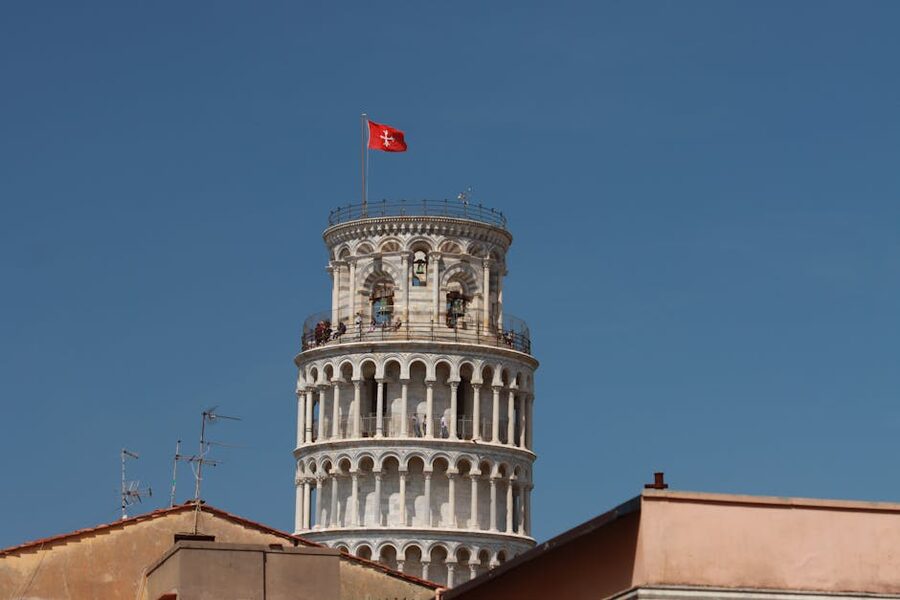
At the top you come out into the bell chamber, where seven historic bells hang above an open marble platform. The view stretches across Pisa’s red roofs to the Arno and on a clear day to the Apuan Alps, the kind of single-rooftop perspective you also get from the Montparnasse Tower in Paris or the Setas de Sevilla walkway. There is a low marble parapet around the edge, and yes, the entire platform is visibly tilted. There are about 15 minutes up there before they ushers you back down.
The Three Best Tickets to Book
Three options cover most travellers. If you only want the climb, the first or second card below is the cheapest path in. If you want the rest of the piazza too, the third is the better value.
1. Pisa: Skip-the-Line Ticket to Leaning Tower & Cathedral: from €24
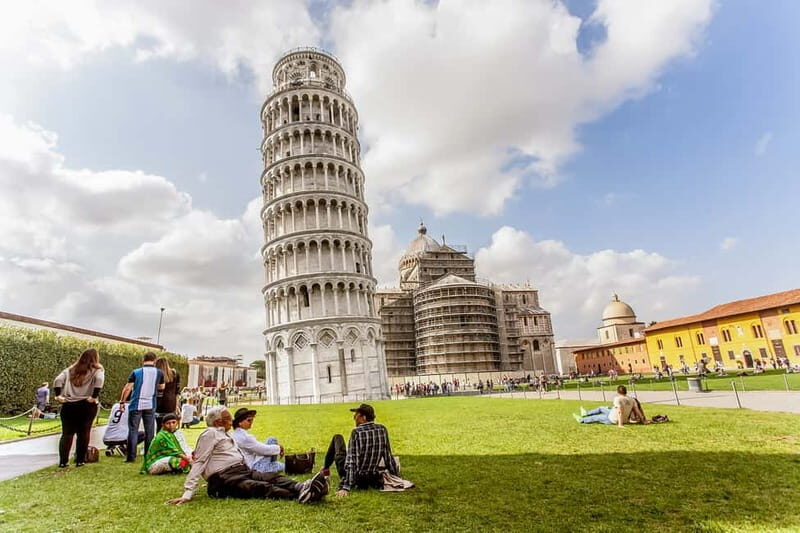
This is the most-booked tower ticket on the market and the one I send friends to first. You pick a 15 or 30 minute slot, show your phone at the gate, and skip the on-the-day ticket queue entirely. Our full review covers the bag-storage and timing details, including the trick of arriving 15 minutes early.
2. Reserved Entrance to Leaning Tower of Pisa & Cathedral: $28
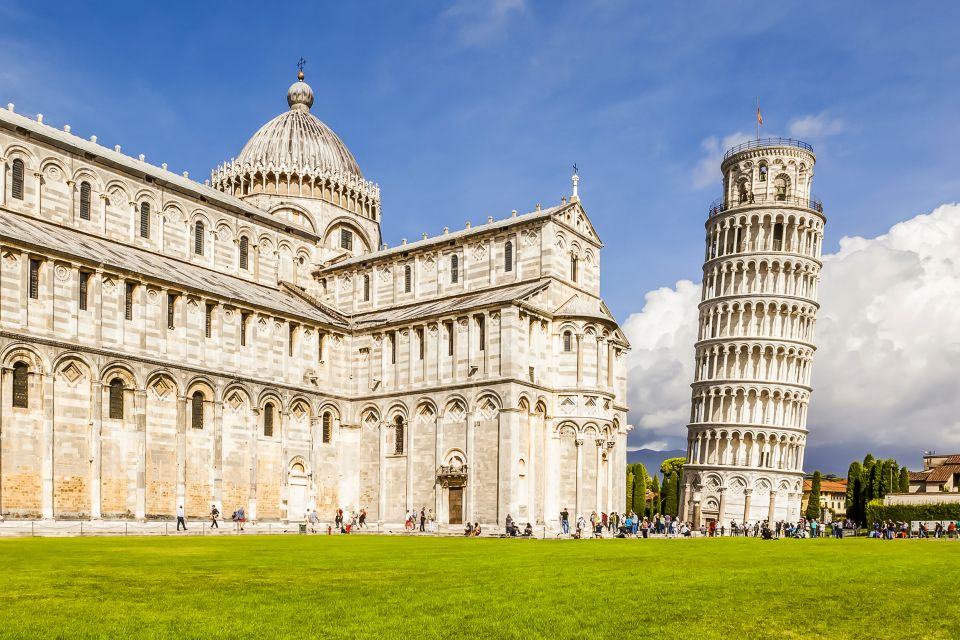
This is the back-up booking. The product itself is identical (timed entry, cathedral included, bag-free climb), but the inventory rolls onto a separate listing, so a sold-out morning on one is sometimes wide open on the other. Our review notes a small bit of advice from past visitors: arrive between 9 and 10am to dodge the cruise-bus crowds.
3. Pisa: Square of Miracles Monuments Ticket With Leaning Tower: $43
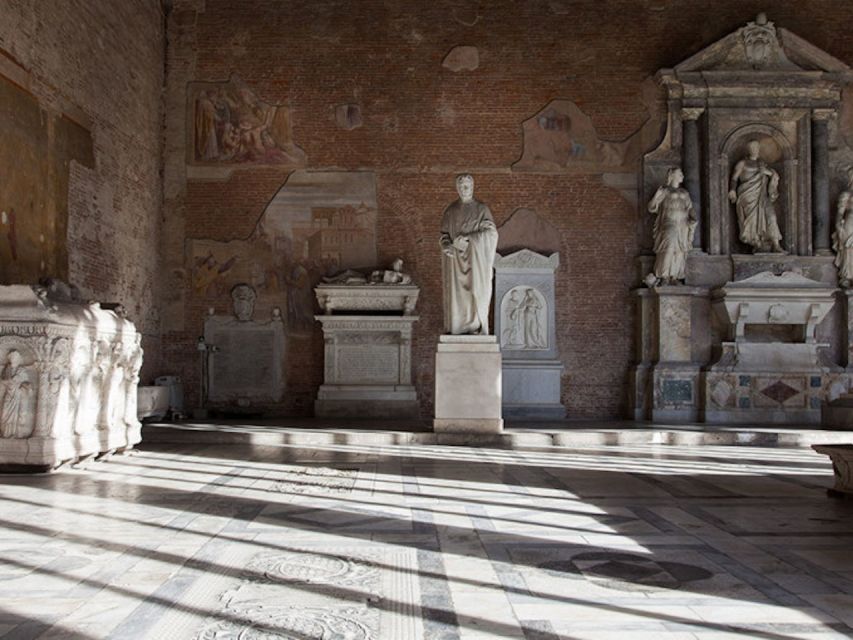
This is the better-value pick if you have a half-day at the piazza. The all-monuments ticket bundles the tower with the Baptistery, Camposanto and Sinopie Museum, and our review walks through how to sequence them inside your three-hour window. Worth it if you actually want to step inside the Camposanto, which most lawn-photographers skip and which is the most quietly beautiful building on the square.
The Other Buildings on the Piazza
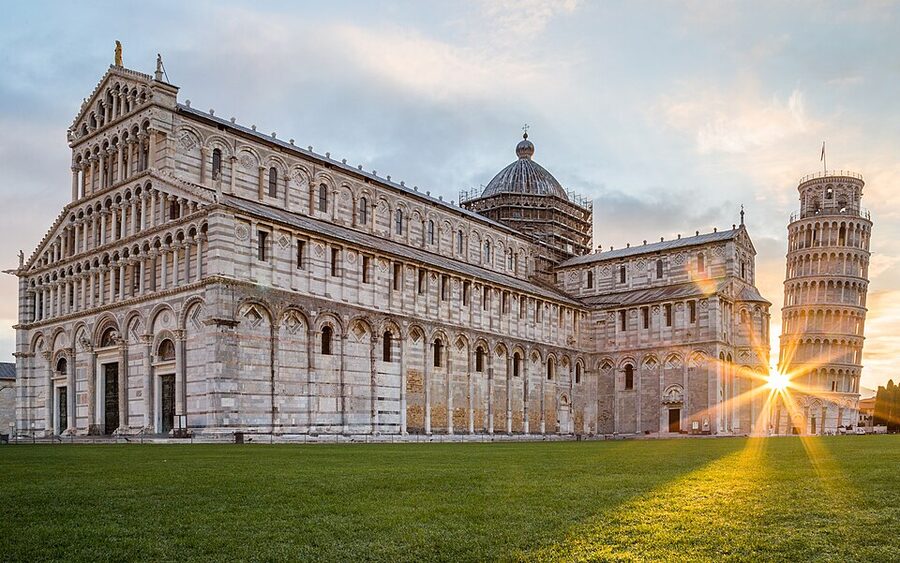
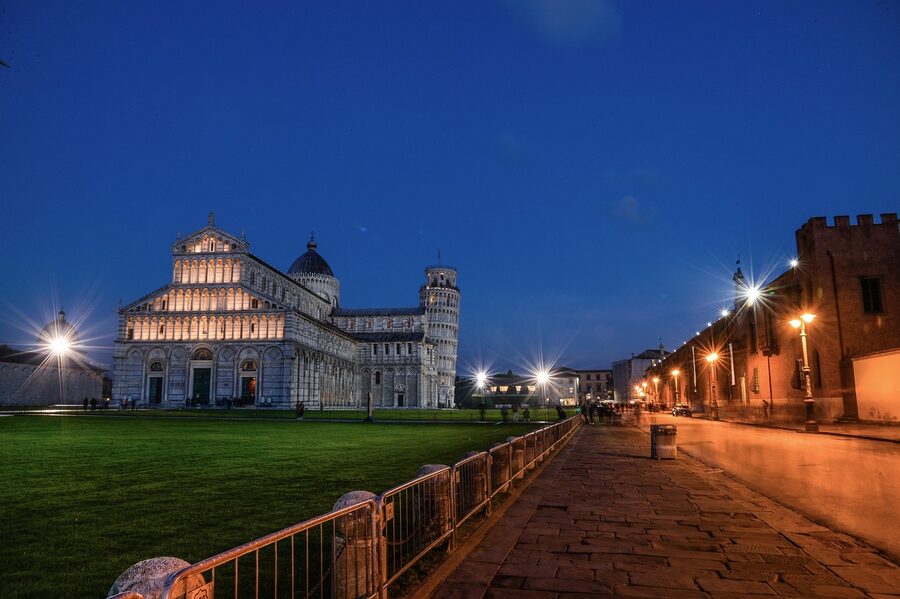
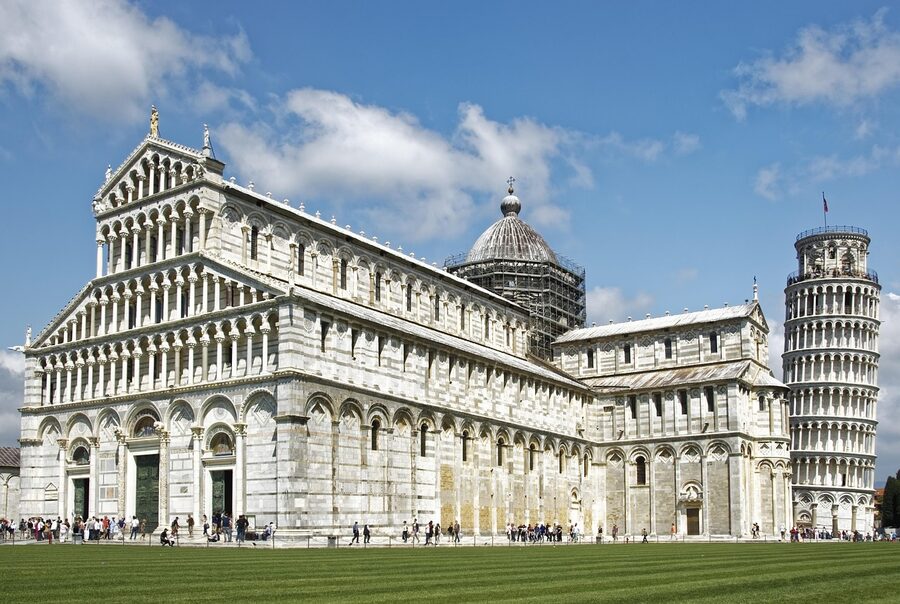
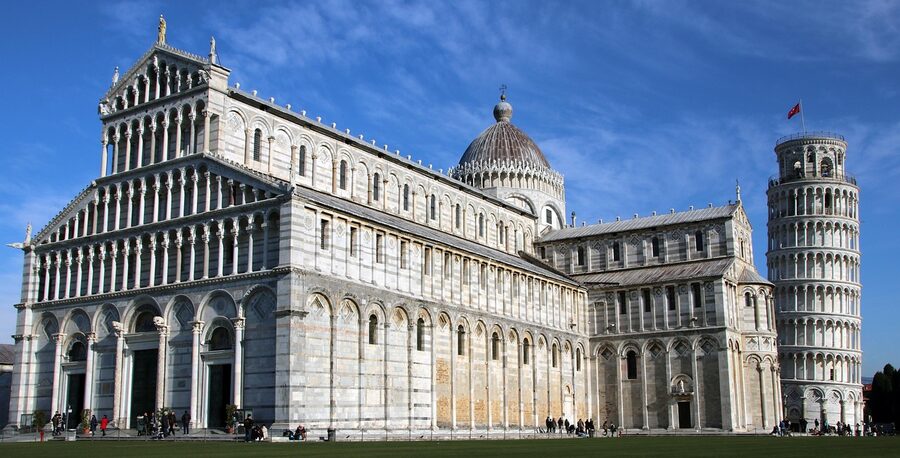
Almost everyone who comes to Pisa comes for the tower. Almost no-one looks twice at the rest. That is a mistake, because the four buildings around it form one of the most coherent medieval ensembles in Italy, and they are designed to be seen together.
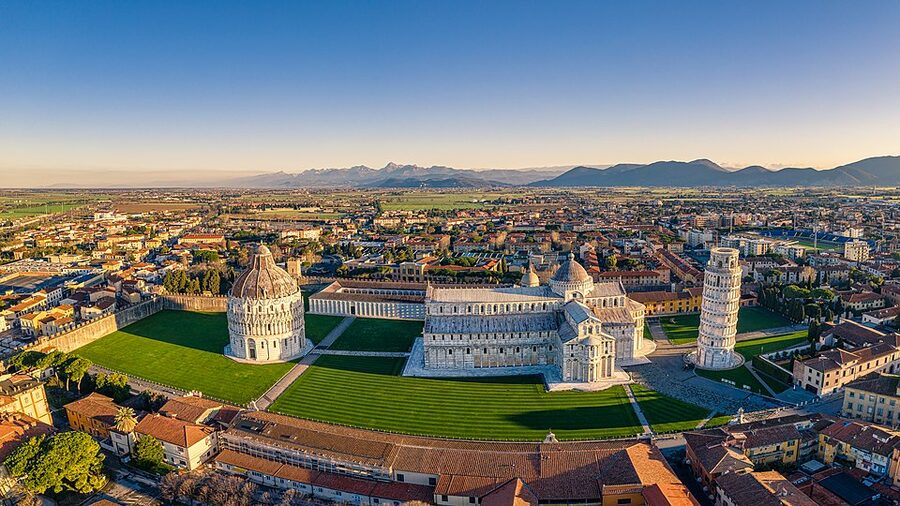
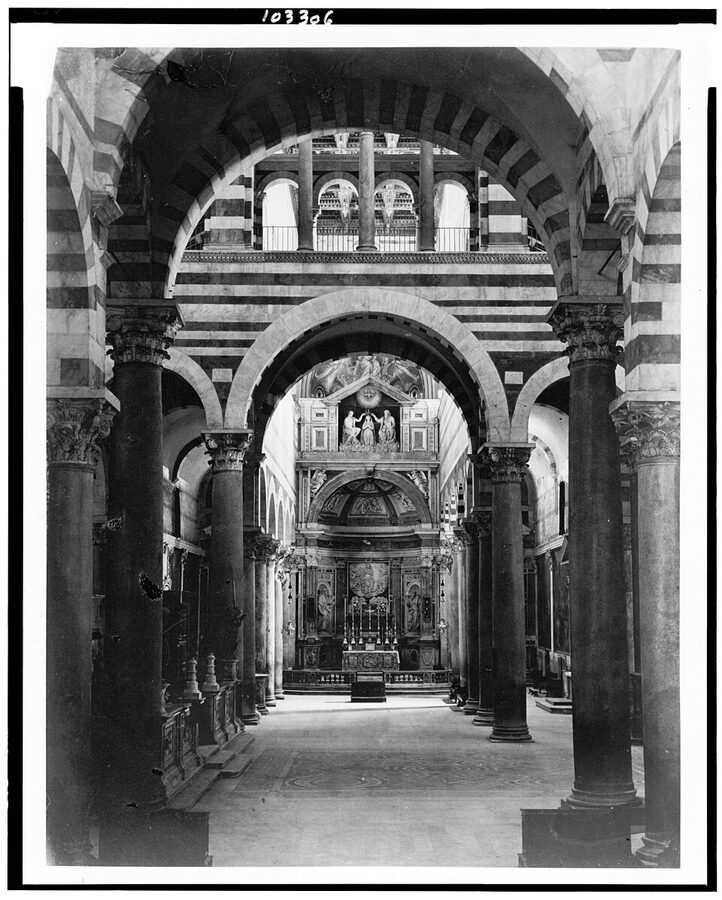
The Cathedral (Duomo di Pisa)
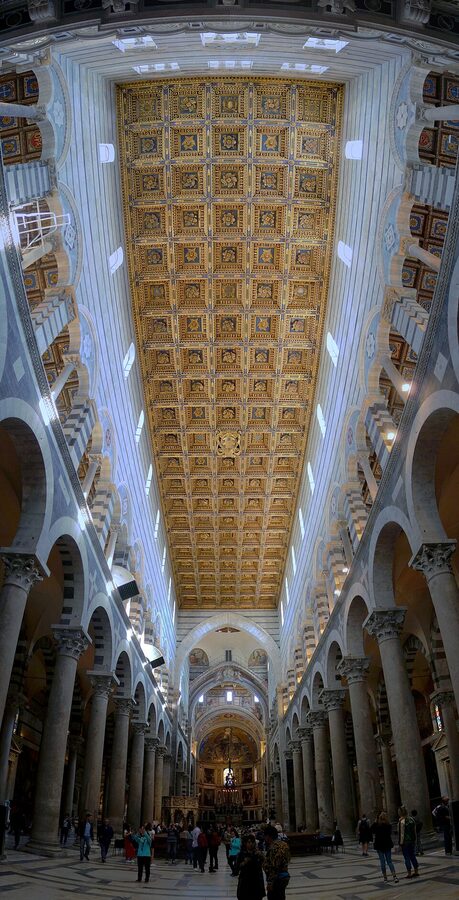
Started in 1064, the cathedral is older than the tower and just as architecturally important. It is the prototype of what historians now call the Pisan Romanesque style: striped marble, blind arcades, layered loggias. You can see the influence on every smaller cathedral in Tuscany, including the one back in Florence’s Duomo, which borrowed both the marble striping and the blind arcades. Centuries later Gaudí’s Sagrada Família would push the same vertical-stripe-and-stacked-arcade idea into Catalan modernism.
Inside is darker than you expect. The 17th-century coffered ceiling is gold-leafed; the pulpit by Giovanni Pisano (1302 to 1310) is one of the most important pieces of medieval Italian sculpture and was hidden in pieces for nearly 300 years before being reassembled in 1926. Look up at the lamp hanging from the nave: that is the one Galileo allegedly used to derive his theory of pendulums while bored during a service.
The Baptistery
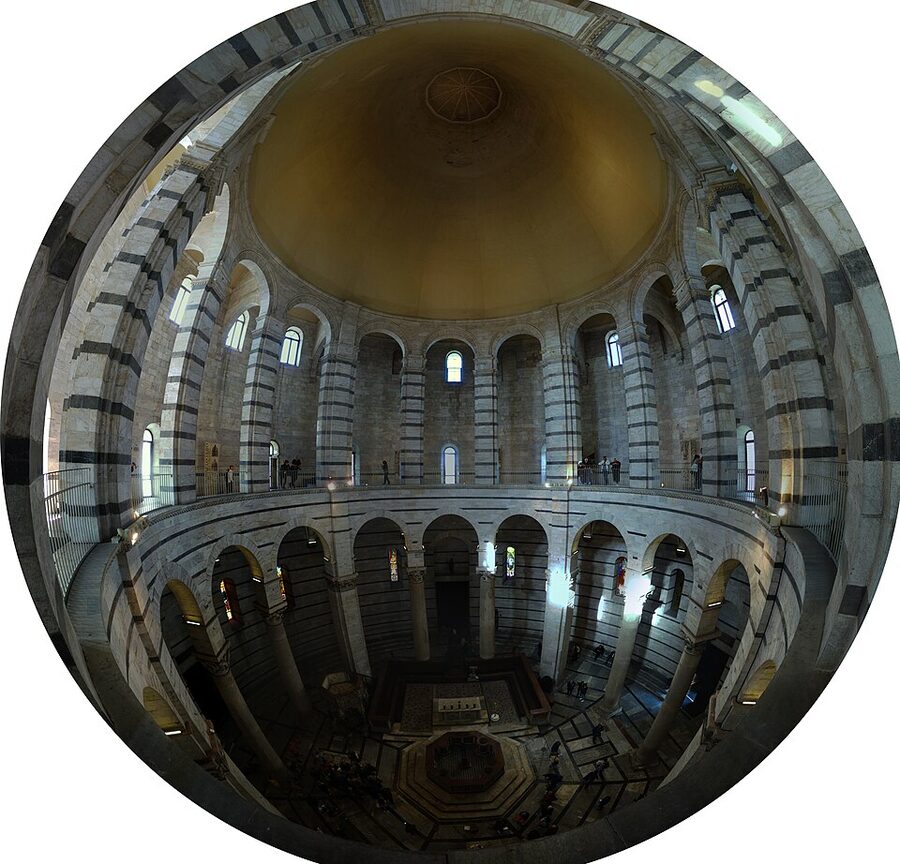
The Baptistery is the largest in Italy, and it has the strangest interior on the piazza. The acoustic phenomenon is the headline. The custodians demonstrate it on a schedule by singing three sustained notes that linger in the dome for around 10 seconds, layering on top of each other into a chord that no single voice could produce. It is genuinely moving and lasts about a minute. Time your visit to catch a demonstration; they are usually every 30 minutes.
The pulpit by Nicola Pisano, finished in 1260, was the model his son Giovanni would expand on in the cathedral pulpit next door. If you want to see the family progression in 90 minutes, do the Baptistery first, then the cathedral.
The Camposanto
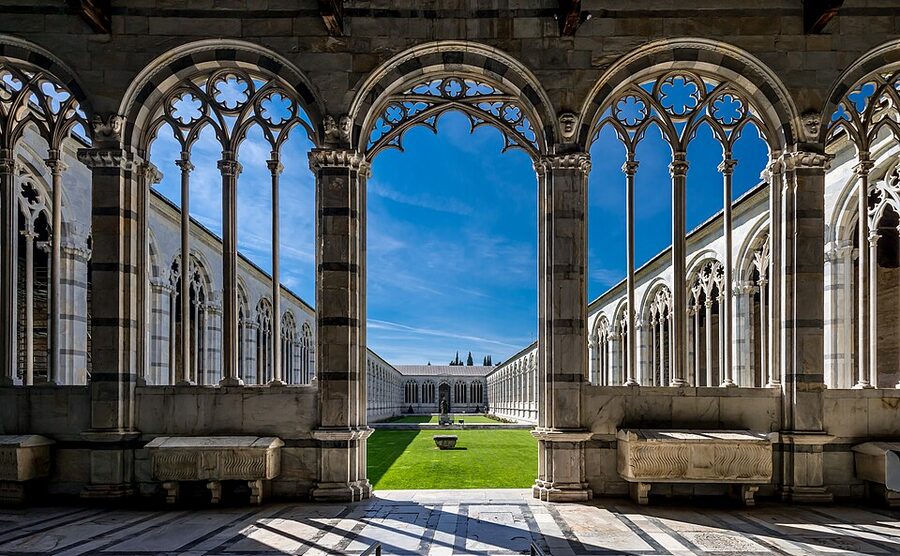
This is the cemetery cloister built in 1277 to hold soil brought back from Calvary by crusaders, which is supposedly why bodies buried in it are said to decompose in just 24 hours. The cloister itself is a long rectangle with arched walks on all four sides, and the walls were once covered in the most important fresco cycle of the 14th century, including Buonamico Buffalmacco’s Triumph of Death.
In 1944 an Allied incendiary shell hit the lead roof, melted it onto the frescoes, and most of them were destroyed (a wartime loss in the same period that froze the canal-house upper floors of the Anne Frank house in Amsterdam into their own permanent record). What survives has been painstakingly restored and re-hung, and you can still see the chiaroscuro of the Triumph in raw, scraped form. It is one of the more sobering rooms in any Italian monument complex. The atmosphere is closer to a Rome catacombs visit than a typical sunny piazza walk.
Getting to Pisa
From Florence the train takes about an hour. Direct services run roughly every 20 to 30 minutes from Santa Maria Novella to Pisa Centrale, and tickets are around €10 each way if booked on the day. Once you arrive:
- On foot: 20 to 25 minutes from Pisa Centrale to the piazza, flat, straight up Via Gramsci and across the Arno.
- Taxi: around €10 from the station rank.
- LAM Rossa shuttle bus: a couple of euros, runs frequently from the station to the piazza.
If you are coming from a cruise ship at Livorno, the dock-to-tower transfer is closer to 45 minutes. Most cruise visitors take an organised excursion, which is why the piazza fills up between 11am and 2pm on cruise days. Avoid those hours if you can.
Many travellers fold Pisa into a wider Tuscan day. The classic combo is the Pisa, Siena and San Gimignano day trip from Florence, which gives you 90 minutes at the tower as part of a longer itinerary. If you are travelling on to Liguria, Pisa is also a natural stop on the way to the Cinque Terre from Florence: trains from Florence pass through Pisa Centrale en route to La Spezia, and the bag deposit at Pisa Centrale lets you stop for two hours without dragging your suitcase to the piazza.
How Long to Spend
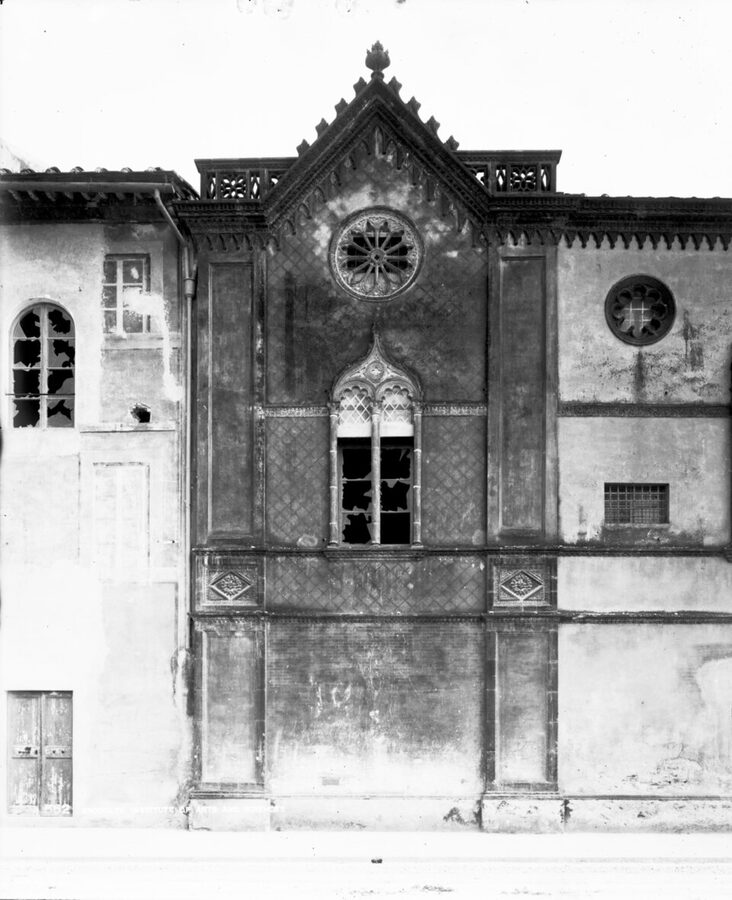
The right answer depends on what you actually want from the visit. The minimum useful trip is about 90 minutes: walk from the station, take photos, climb the tower, and go. That is the version most travellers do, and it is fine. The 1895 William Henry Goodyear plate from the Brooklyn Museum collection (below) shows people doing essentially the same thing 130 years ago.
The full visit takes 3 to 4 hours, and includes the climb, the cathedral, the Baptistery acoustic demonstration, and a slow walk through the Camposanto. If you have a half-day, do all of it. If you only have an hour and you have not pre-booked the tower, just take photos from the lawn and move on. The piazza is free to walk through, and the tower from the outside is the same building whether you have climbed it or not.
Avoiding the Worst of the Crowds
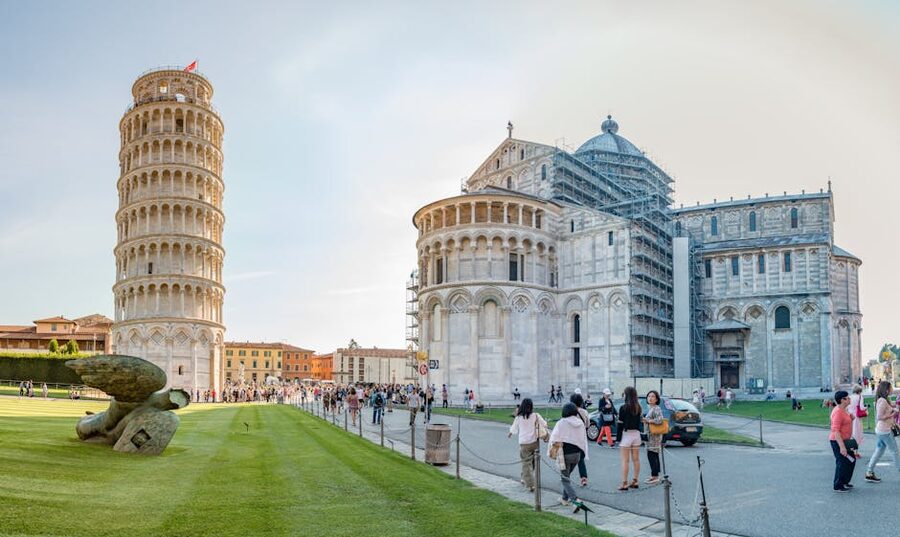
The crowd pattern at Piazza dei Miracoli is unusually predictable. Cruise excursions arrive between 10am and 11am from Livorno. Day-trip buses from Florence arrive between 11am and 1pm. Both groups leave by 4pm to catch their afternoon trains and ships. The piazza is calmest before 9am and after 5pm (the same dead-of-day window worth aiming for at the Arc de Triomphe, where the surrounding traffic and tour buses both burn off after dark).
The single biggest improvement you can make is booking the first tower slot of the day, which is usually 9am or 9.30am depending on season. The piazza is empty, the light is good, and the rest of the day belongs to you. The second-biggest improvement is just walking around the back of the cathedral. Most photographers stay on the south lawn, which means the north and east sides of the piazza are 80% emptier with the same buildings.
Practical Tips That Will Save You Time
A few details I wish someone had told me the first time:
- Bag drop is mandatory and free. You cannot climb with anything bigger than a small bum bag. The deposit is at the base of the tower, on the north side. Ten-minute queue on busy days.
- Bring a printed or screenshot copy of your ticket. Mobile reception inside the piazza walls can be patchy, and the gate scanner reads from the QR.
- Skip the souvenir lemonades. The €6 lemon granita stalls along the south wall are tourist tax. Walk one block east into the regular streets and the same drink is €2.50.
- The cathedral is technically free but ticketed. You need to pick up a free timed pass from the ticket office if you are not bundling with another monument. They run out in afternoon high season.
- Look up before you walk in. The bronze doors of the cathedral on the south side are a 17th-century replacement of the originals (which burned in 1595), and the panels are easy to miss.
Pairing Pisa with Other Stops
Pisa works best as half a day rather than a full one. Once you have done the piazza, the rest of the city is pleasant but compact, and most travellers reach the saturation point inside two hours. The natural extension is Lucca, a half-hour train ride north, with intact Renaissance walls you can rent a bike to ride along.
If you are based in Florence, Pisa is one of three classic Tuscany day trips, alongside Siena and San Gimignano. The other strong day trip from Florence is a Chianti winery tour, which is in the opposite direction and a different mood entirely.
The other natural pairing is the climb itself. If you have the legs for it, doing the Pisa tower climb on one day and the Brunelleschi dome in Florence on another is a good compare-and-contrast. Pisa was finished in 1372 and tilts. Florence’s dome was finished in 1436 and is engineered with the kind of structural confidence Pisa never quite achieved. Add the Milan Duomo terraces if you are doing northern Italy too: three towers, three centuries, three completely different solutions to the same problem of getting people up onto a stone roof.
Where Pisa Sits on a Tuscany Itinerary
Most Tuscany trips put Florence first and treat Pisa as a day trip or a transit stop. That is the right call. The Leaning Tower is one of the most recognisable buildings in the world, but Pisa as a city has less to offer than Florence, Siena or even Lucca, and most travellers feel saturated by lunchtime. The tower is a 90-minute attraction inside a half-day visit. Build the rest of your day around it: a morning climb, lunch at a small place off Borgo Stretto, an afternoon train onward.
If you are continuing west to the coast or north to the Cinque Terre, the bag deposit at Pisa Centrale lets you do the piazza without lugging luggage. The walk from the station is the cheapest and most reliable transport option. Save the cab money for an extra cocktail in Florence at sunset, where you will probably end up that evening anyway.
One Last Thing About the Lean
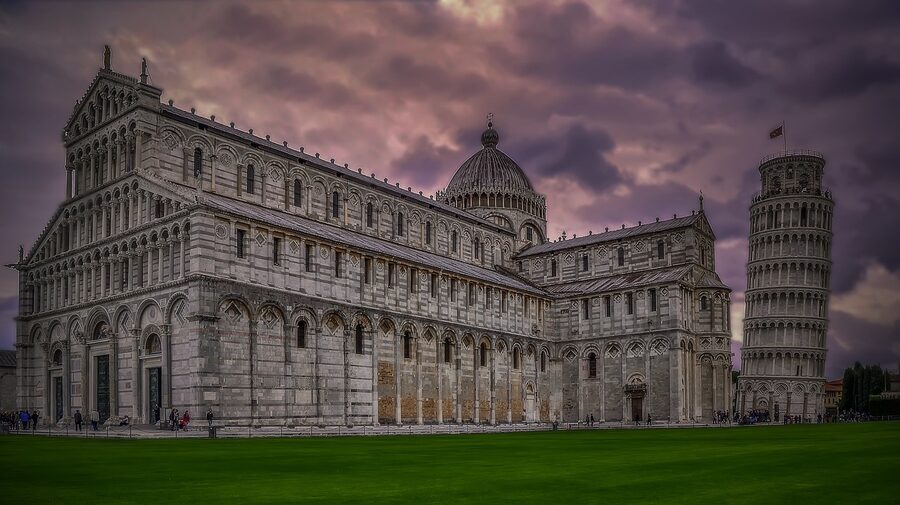
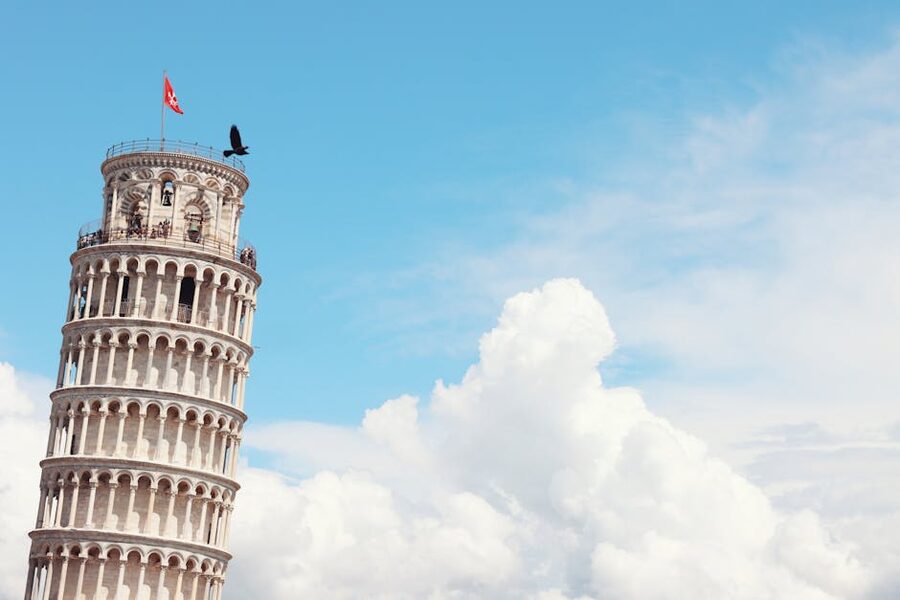
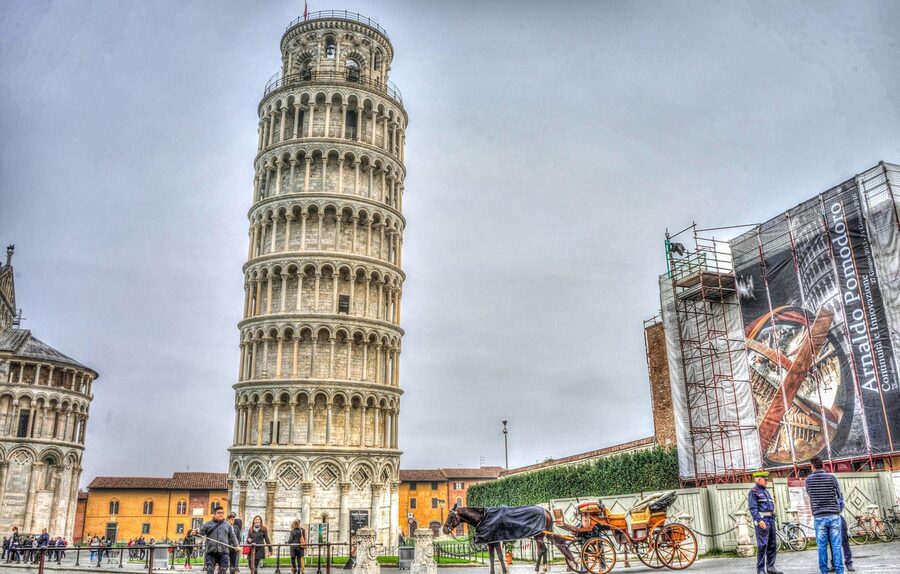
The current lean is 3.97 degrees, down from 5.5 degrees in 1990. That is a difference of about 40 centimetres at the top, which sounds tiny until you are standing in the bell chamber and the floor visibly slopes under your feet. The committee that stabilised the tower deliberately stopped at this lean rather than fully straightening it, because the tilt is the point. A vertical Pisa tower would be an architectural curiosity. The leaning one is the most photographed bell tower in the world.
The 2008 monitoring data showed no further movement, and the engineers projected stability for at least 200 years. That is when your great-grandchildren may need to start worrying about the lean again. For now, you have an 800-year-old tilted bell tower that is exactly as crooked as the people who saved it wanted it to be, and the climb is open most days from 9am to early evening.
Other Italian Climbs Worth the Stairs
If the Pisa climb gives you the bug, Italy has more towers worth a try. The St Peter’s Basilica dome in Rome is the highest of the lot, and the trickiest, because the upper section follows the curve of the dome and you walk at an angle. The Florence Duomo climb is the most architecturally dramatic, with frescoes on the inside of the cupola that you almost touch on the way up. The Milan Duomo terraces are the easiest, because there is a lift, and the most sculptural, because you walk among the spires. Pisa is the strangest of the four, because it is the only one where the building itself is leaning. Pick whichever city you are in. They are all worth the stairs.