Rome has at least six different city passes from six different companies, and every single one claims to save you money. The Roma Pass, the Omnia Card, the Rome Tourist Card, the Go City Explorer Pass, the Turbopass, and whatever new one launched last month. I’ve spent more time doing the maths on these passes than I’ve spent on some actual holidays — and the honest answer is that most of them don’t save you as much as they promise.
Some passes genuinely save money for specific itineraries. Others are overpriced bundles that lock you into a rushed schedule. And a few are essentially marketing exercises that charge you more than buying tickets separately, the same way the Hello Barcelona Travel Card only really pays back if you ride enough metro, or the Paris Museum Pass only earns its keep if you actually hit four-plus museums in two days.
Here’s how to figure out which one — if any — is worth your money.
Short on Time? My Top Picks
Roma Pass (Official) — $59. The city’s official pass. Free entry to 1-2 attractions + unlimited public transport for 48 or 72 hours. Best for visitors who plan to use the Metro and buses heavily.
Vatican Pass + Top Attractions — $168.79. Combines Vatican Museums, Sistine Chapel, Colosseum, and other major sights with transport. Best for visitors doing both the Vatican and Colosseum in a tight timeframe.
Best of Rome Pass with Transport — All-in-one digital pass covering top attractions plus public transport. Good for visitors who want everything bundled on their phone.
The Six Rome Passes Compared
Let me break down each pass honestly — what it includes, what it costs, and whether the maths actually works.
1. Roma Pass (Official City Pass)

The Roma Pass is the official city pass, issued by Rome’s municipal government. It comes in two versions:
48-hour Roma Pass (€32): Free entry to 1 attraction, discounted entry to others, unlimited public transport for 48 hours.
72-hour Roma Pass (€52): Free entry to 2 attractions, discounted entry to others, unlimited public transport for 72 hours.
Is it worth it? Do the maths for your specific trip. The Colosseum combo ticket costs €18, and a 72-hour public transport pass costs €18. That’s €36 for just those two things. The 72-hour Roma Pass at €52 gives you both plus a second free attraction (say the Borghese Gallery at €15). Total value: €51 for €52 — roughly break-even. You’re paying for convenience, not savings.
The Roma Pass is worth it if: you plan to visit 2+ paid attractions AND use public transport heavily. It’s not worth it if you’re walking everywhere or only visiting one paid attraction, the same litmus test that decides whether a 24-hour Amsterdam hop-on bus ticket outperforms a tram day pass.

2. Omnia Vatican and Rome Card
The premium option at around €149-169 for 72 hours. It includes:
– Roma Pass benefits (2 free attractions + unlimited transport)
– Vatican Museums & Sistine Chapel skip-the-line entry
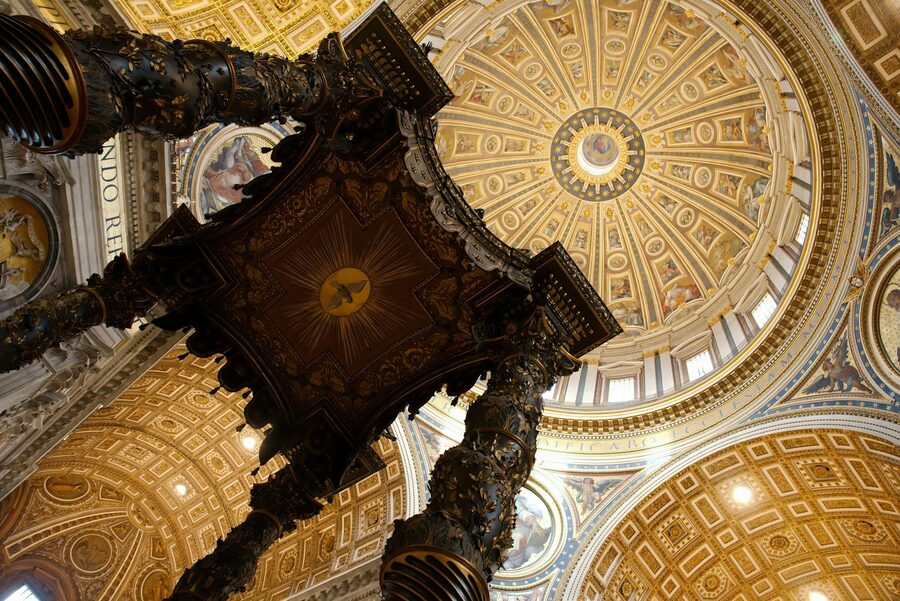
– St. Peter’s Basilica audio guide
– Hop-on hop-off bus (usually 24 hours)
Is it worth it? Let’s add it up. Vatican Museums ticket: ~€25. Roma Pass 72h: €52. HOHO bus: €15-20. Total: €92-97 bought separately. The Omnia Card at €149+ costs significantly more than buying everything individually. The “value” is supposed to come from the skip-the-line access, but you get the same skip-the-line benefit by booking Vatican tickets on GetYourGuide for €38.
My verdict: The Omnia Card is overpriced for most visitors. Buy your Vatican tickets and Roma Pass separately and you’ll save €30-50.
3. Go City Rome Explorer Pass
Choose 2, 3, 4, 5, 6, or 7 attractions from a list of 40+. You have 30 days to use them. Prices start around $60 for 2 attractions and go up to $150+ for 7.
Is it worth it? It depends on which attractions you choose. If you pick the most expensive options (Vatican Museums, Colosseum guided tour, Borghese Gallery), you can save 10-20%. If you pick cheaper attractions, you’ll likely break even or lose money. The 30-day validity is generous — no pressure to rush.
Best for: Visitors staying 4+ days who plan to visit many secondary attractions beyond the big three (Colosseum, Vatican, Pantheon).
4. Rome Tourist Card
A digital pass covering the main sights — typically Colosseum combo ticket, Vatican Museums, HOHO bus, and sometimes a guided tour. Prices vary but usually land around €90-120.
Is it worth it? Usually yes, by a small margin. The bundle price is typically 10-15% cheaper than buying each ticket individually. The convenience of having everything on your phone in one place is the real benefit.

5. Turbopass Rome
A comprehensive pass covering 60+ attractions with public transport. Prices start around €85 for 1 day, going up to €130+ for 3 days.
Is it worth it? Only if you’re an extreme sightseer who plans to visit 4-5 attractions per day. For most visitors doing 2-3 sights per day, it’s overkill. The included attractions list is padded with minor sights you’d never visit otherwise, which inflates the “savings” calculation.
6. Rome City Pass (by Turbopass)
Similar to the Turbopass but with different packaging. Check the specific inclusions carefully — the name is confusing and multiple companies use similar names for different products.
The Best Rome Pass Options
1. Roma Pass: Official City Card — $59
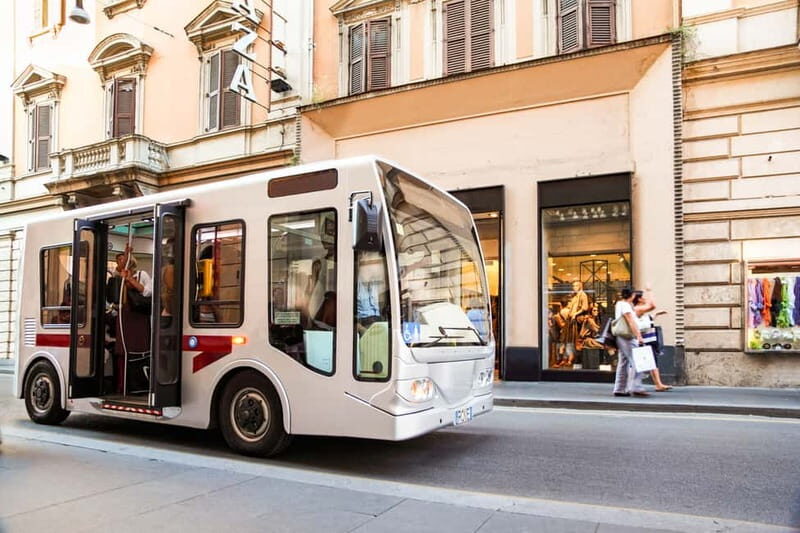
The official city pass and the one I’d recommend for most visitors. The 72-hour version at $59 includes free entry to 2 attractions, discounted entry to many more, and unlimited Metro/bus/tram travel. The 3.9 rating reflects mixed opinions on value — it’s not a slam-dunk savings tool, but the transport inclusion and convenience make it the most practical option. We crunch the exact numbers for different itinerary types to show when it saves money and when it doesn’t.
2. Vatican Pass + Top Attractions — $168.79
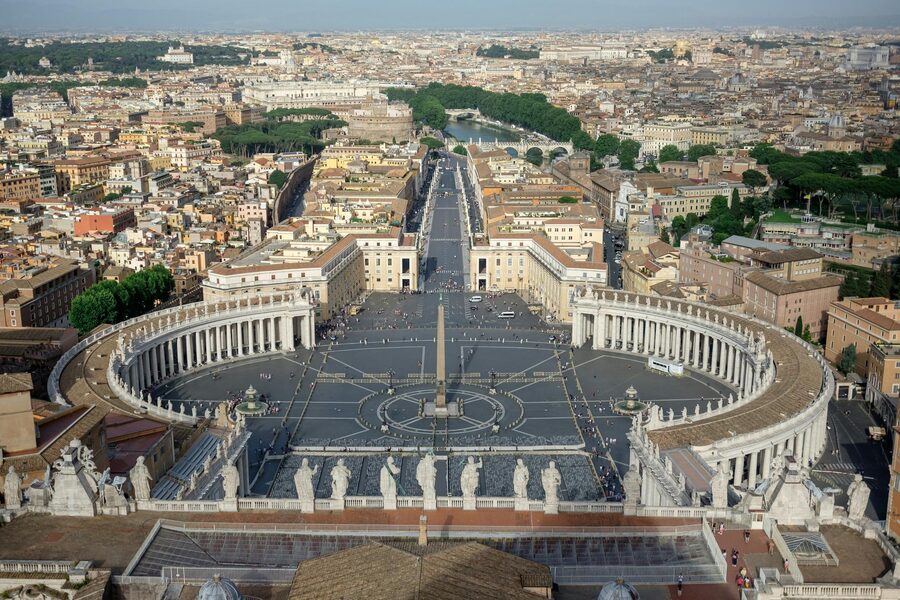
The premium all-in-one option. Combines Vatican Museums and Sistine Chapel with other top Rome attractions and free public transport. The 3.8 rating is honest — some visitors feel the value is marginal compared to buying tickets separately, while others appreciate the simplicity of one purchase covering everything. We compare the total cost against booking each attraction individually for three common itinerary types.
3. Best of Rome Pass with Transport
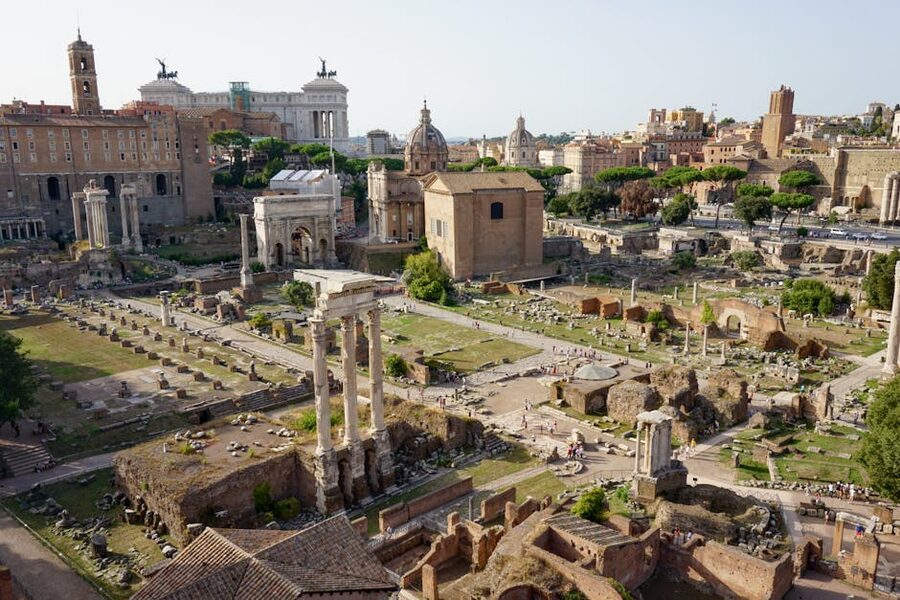
A mid-range digital pass covering Rome’s essential attractions plus public transport. The all-in-one format means everything is on your phone — timed entries, transport tickets, and attraction access. With 1,500+ reviews at 4.1, it sits between the official Roma Pass and the premium Vatican Pass in both price and scope. More detail on which specific attractions are included and how the timed entries work.
Do You Actually Need a Pass? A Maths Exercise
Let me walk through three common Rome itineraries and calculate whether a pass saves money.
The 3-Day Classic (Colosseum, Vatican, Pantheon)
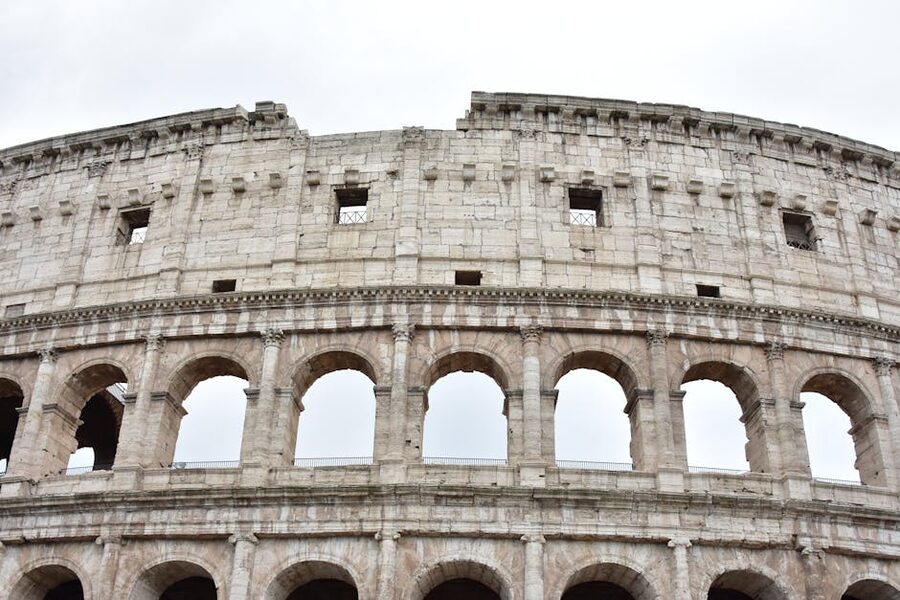
Without a pass:
– Colosseum + Forum + Palatine combo: €18
– Vatican Museums + Sistine Chapel (GetYourGuide): €38
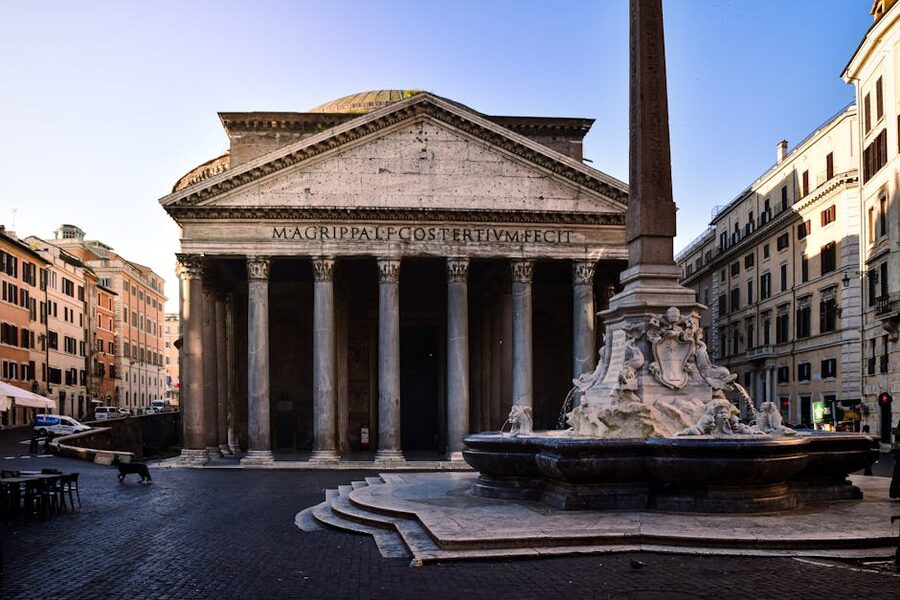
– Pantheon: €5
– 3 days of Metro/bus (3x €7 day pass): €21
– Total: €82
With Roma Pass 72h (€52):
– Colosseum (free with pass): €0
– Vatican Museums (NOT included in Roma Pass): €38
– Pantheon (discounted but not free): ~€3-5
– Transport: included
– Total: €52 + €38 + €5 = €95
Wait — the Roma Pass actually costs MORE for this itinerary because the Vatican Museums aren’t included. This is the trap most visitors fall into. The Roma Pass and the Vatican are separate systems.
Verdict for this itinerary: Skip the pass. Buy tickets individually for €82.
The 3-Day Deep Dive (Add Borghese, Castel Sant’Angelo)
Without a pass:
– Colosseum combo: €18
– Vatican Museums: €38
– Pantheon: €5
– Borghese Gallery: €15
– Castel Sant’Angelo: €15
– 3 days transport: €21
– Total: €112
With Roma Pass 72h (€52) + Vatican ticket (€38):
– Colosseum (free with pass): €0
– Borghese (free with pass): €0
– Vatican: €38 (separate)
– Pantheon: discounted ~€3
– Castel Sant’Angelo: discounted ~€10
– Transport: included
– Total: €52 + €38 + €3 + €10 = €103
Verdict: The Roma Pass saves about €9 on this 5-attraction itinerary. Small savings, but the convenience of included transport and skipping ticket queues adds practical value, the same kind of marginal-but-real upside you get bundling an Amsterdam canal cruise with your transport day pass, or pairing a Barcelona hop-on bus ticket with the Hello Barcelona transport card.
The Vatican-Focused Trip
Without a pass:
– Vatican Museums + Sistine Chapel: €38
– St. Peter’s Dome climb: €22
– Vatican Grottoes: Free
– Colosseum: €18
– Transport: €14 (2 days)
– Total: €92
With Vatican Pass ($168.79 / ~€155):
– Everything above included, plus extras
– Total: €155
Verdict: The Vatican Pass costs €63 MORE than buying individually. Unless you’re using every single included attraction, it’s overpriced, the same way a comprehensive Paris hop-on multi-route ticket only delivers value when you actually ride every line on offer.
My Honest Recommendation
For most visitors, here’s what I’d do:
Skip the pass entirely if you’re visiting 3 or fewer paid attractions. Buy tickets individually on GetYourGuide or the official sites. You’ll spend less, have more flexibility, and avoid the mental overhead of figuring out which pass covers what.
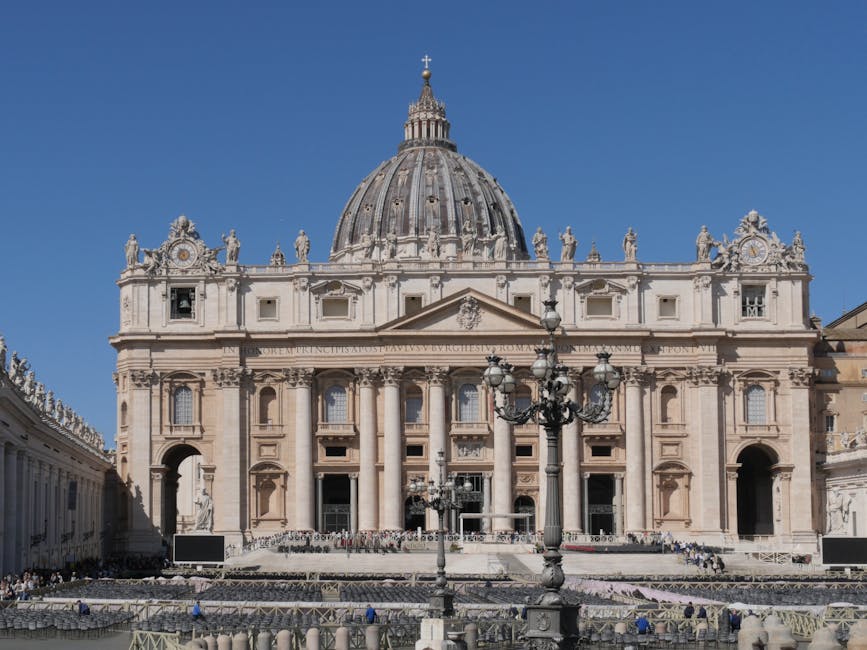
Consider the Roma Pass 72h if you’re visiting 4+ paid attractions AND plan to use public transport daily. The savings are modest (€5-15) but the included transport and convenience have real value.
Avoid the premium passes (Omnia, Vatican Pass, Turbopass) unless you’re an aggressive sightseer doing 5+ attractions per day. The maths rarely works in your favor.
The real savings hack: Book each attraction through GetYourGuide or Viator with skip-the-line included. You pay slightly more than the official ticket price but get cancellation flexibility, skip-the-line access, and everything on your phone. This approach is almost always cheaper than a city pass while offering better flexibility.
Practical Tips for Pass Users

Activate your pass strategically. Most passes start counting from the moment you first use them, not from when you buy them. If you have a 72-hour pass, start it on day 1 of your sightseeing, not the day you arrive when you’ll be jet-lagged and won’t visit anything.
Book timed entries immediately. Having a pass doesn’t mean you can walk into the Colosseum whenever you want. You still need to book a timed entry slot. Do this as soon as you purchase your pass — popular slots fill up.
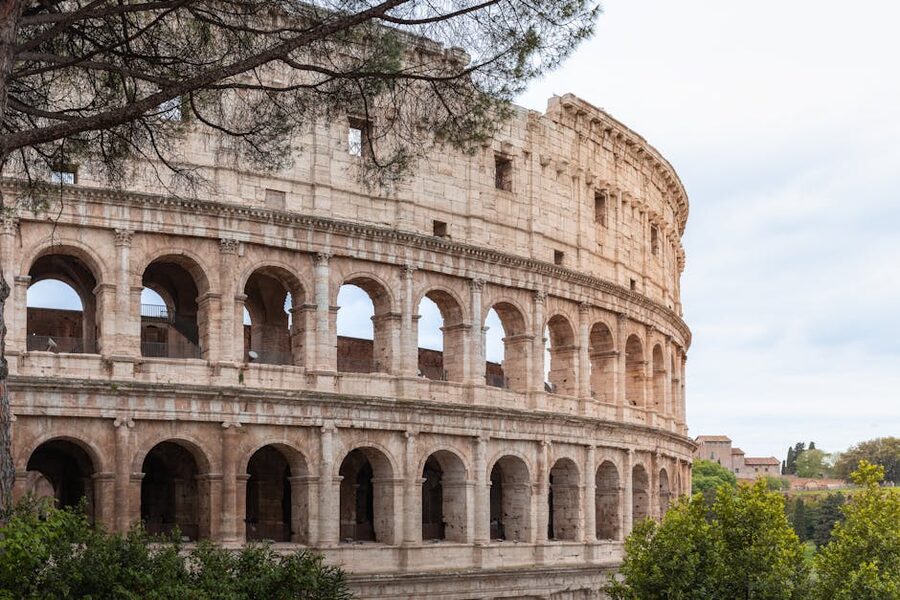
Read the fine print. “Skip the line” on a pass often means “skip the ticket line” but not “skip the security line.” You’ll still wait 10-20 minutes at security at the Colosseum and Vatican regardless of your pass type.
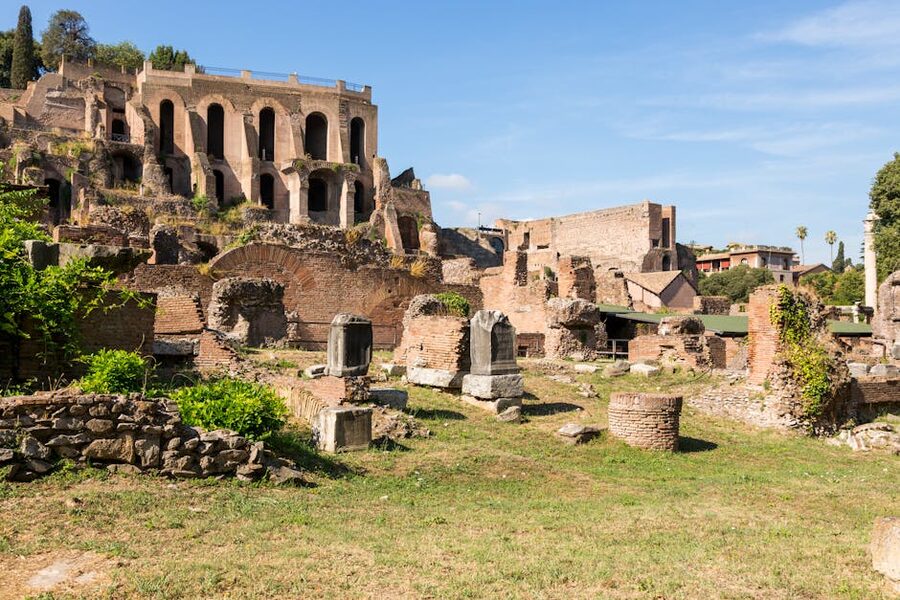
Keep the receipt/booking confirmation. Some attractions require you to show both the pass AND a booking confirmation. Others just scan the pass QR code. Know which system your specific attraction uses before you arrive.
Check what’s NOT included. Most Rome passes exclude the Vatican Museums (which require a separate ticket), guided tours, and audio guides. The Borghese Gallery often requires a separate reservation even with a pass. Don’t assume your pass covers everything — check the fine print.
Getting Around Rome Without a Pass
If you decide to skip the pass, here’s how to handle transport:
Metro: €1.50 per ride (100 minutes, including one Metro trip plus unlimited bus/tram transfers). Buy tickets at machines in any Metro station. Lines A and B are the only ones travelers need.
24-hour pass: €7. Unlimited Metro, bus, and tram for 24 hours from first validation. Worth it if you’ll make 5+ trips in a day.
48/72-hour pass: €12.50 / €18. Same deal, longer validity. The 72-hour pass at €18 is what the Roma Pass includes — buying it separately is significantly cheaper.

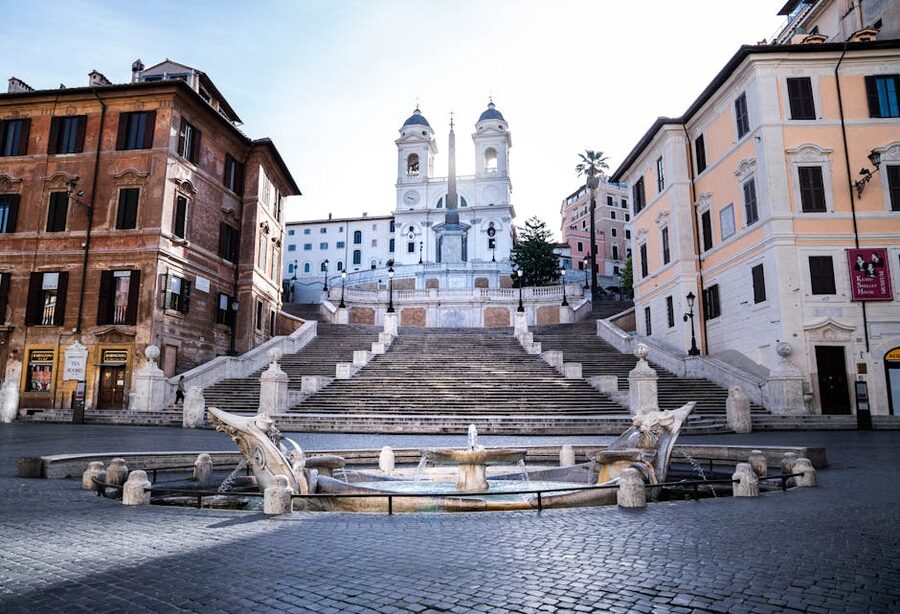
Walking: Free and the best way to see Rome. The historic center (Pantheon, Piazza Navona, Trevi Fountain, Spanish Steps) is entirely walkable. The only journeys that really need transport are: hotel to Colosseum, hotel to Vatican, and Colosseum to Vatican.
More Booking Guides for Rome
Whether you use a pass or not, Rome’s major attractions each have their own booking quirks. The Colosseum uses timed entry and sells out days in advance. The Vatican Museums need separate tickets regardless of which pass you buy. The Pantheon is only €5 and barely worth including in a pass calculation. And the St. Peter’s dome climb at €22 is one of Rome’s best deals — no pass covers it, and no pass needs to.