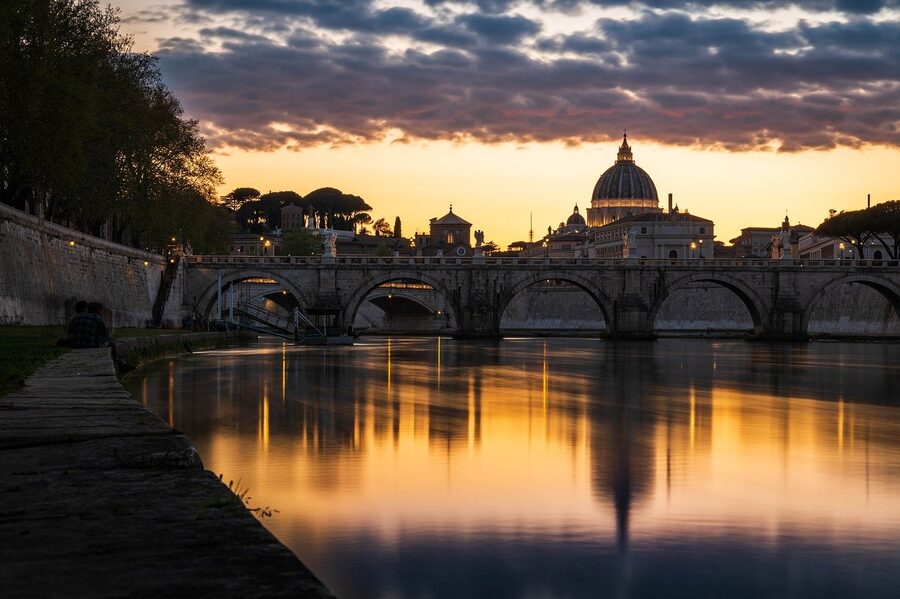
The Vatican Museums hold 70,000 works of art and you share them with 25,000 daily visitors. The Borghese Gallery holds 260 works and limits entry to 360 people at a time. The experience is not even remotely comparable. At the Borghese, you can stand alone in front of a Bernini sculpture and spend ten minutes studying how marble can look like flesh. At the Vatican, you’re lucky if you can see the Sistine Chapel ceiling without someone’s head in the way. Other small focused European museums work the same magic: the Orangerie in Paris with Monet’s water-lily ovals, or Amsterdam’s Moco Museum with its tight contemporary curation.
The catch: tickets are notoriously difficult to get. The Borghese Gallery limits entry to strict two-hour time slots with a maximum of 360 visitors per session. Slots sell out days or weeks in advance, and the official booking system is clunky enough that many visitors give up and book through a third party instead.
Here’s how to get Borghese Gallery tickets, what to see once you’re inside, and why it might be the best art experience in Rome.
Short on Time? My Top Picks
Borghese Gallery Ticket with Escorted Entrance — Skip the confusion at the door with an escorted entry. Most booked with 4,100+ reviews.
Borghese Gallery Guided Tour — $57. A guide who knows every Bernini, Caravaggio, and Raphael in the building. Highest rated at 4.9 with 1,800+ reviews.
Gallery & Gardens Small-Group Tour — $60. Combines the gallery with the Villa Borghese gardens for a 2.5-hour experience. Best for visitors who want both art and outdoors.
How Borghese Gallery Tickets Work
The gallery operates on strict two-hour time slots. Entry sessions are:
– 9:00 AM – 11:00 AM
– 11:00 AM – 1:00 PM
– 1:00 PM – 3:00 PM
– 3:00 PM – 5:00 PM
– 5:00 PM – 7:00 PM
At each session, a maximum of 360 visitors are admitted. At the end of two hours, everyone must leave so the gallery can reset for the next session. This might sound strict, but it’s what makes the experience extraordinary — you’re never fighting for space in front of a masterpiece.
Official tickets (€16) are sold through galleriaborghese.cultura.gov.it. The booking system has been notoriously unreliable — it crashes during high-demand periods and the interface is confusing. Tickets are released in batches, and popular slots (morning sessions, weekends) sell out within hours of release.
Third-party tickets ($47-84) through GetYourGuide and Viator are more expensive but come with significant advantages: better cancellation policies, clearer booking systems, and often an escorted entrance that gets you through the door without confusion. For many visitors, the €20-30 premium is worth the peace of mind.
Reservation is mandatory. You cannot walk up and buy a ticket at the door. Even if you have a Roma Pass that includes the Borghese Gallery, you still need to reserve a specific time slot in advance. This is the most common mistake visitors make — assuming a pass means automatic access.
When to Book
Peak season (April-October): Book 2-4 weeks in advance. Weekend morning slots sell out first. Tuesday-Thursday afternoon slots are the easiest to get.
Off-season (November-March): You can usually book 3-5 days ahead. Some sessions may have availability day-of, but don’t count on it.
The gallery is closed on Mondays.
The Best Borghese Gallery Tours
The gallery is small enough that a self-guided visit works — but a guide makes Bernini’s sculptures and Caravaggio’s paintings come alive in a way that no audio guide can match.
1. Borghese Gallery Ticket with Escorted Entrance
The most practical option for visitors who want to handle the gallery on their own once inside. The escorted entrance means someone meets you at the door, confirms your reservation, and walks you through the entry process — which can be confusing with the strict session system. Over 4,100 visitors have rated it 4.3. We dig into what the escort actually does and whether it’s worth paying more than the official price.
2. Borghese Gallery Guided Tour — $57
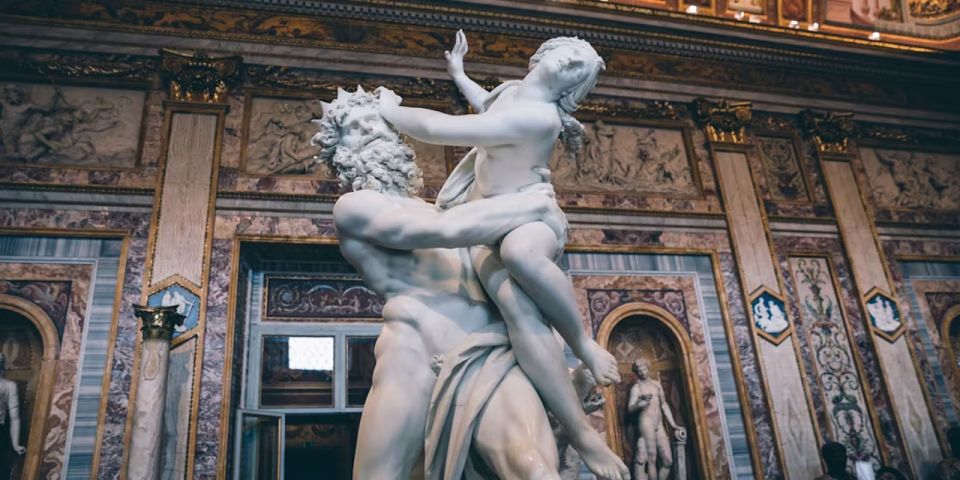
The highest-rated Borghese experience at 4.9 across 1,880 reviews. Two hours with a guide who can explain why Bernini’s “Rape of Proserpina” is considered the greatest marble sculpture ever carved, and why Caravaggio’s “Boy with a Basket of Fruit” changed painting forever. At $57, it’s a modest premium over the self-guided ticket for a dramatically richer experience. We cover which specific works the guides focus on and how the two-hour time limit shapes the tour.
3. Gallery & Gardens Small-Group Tour — $60
The extended experience. This 2.5-hour tour combines the gallery interior with a guided walk through the Villa Borghese gardens — covering the landscape architecture, the family history, and the outdoor sculptures that most visitors walk past without noticing. At $60, it’s only $3 more than the gallery-only guided tour and adds a dimension that connects the art collection to the world the Borghese family built around it. More on what the garden portion covers and whether 2.5 hours feels rushed or comfortable.
What You’ll See Inside
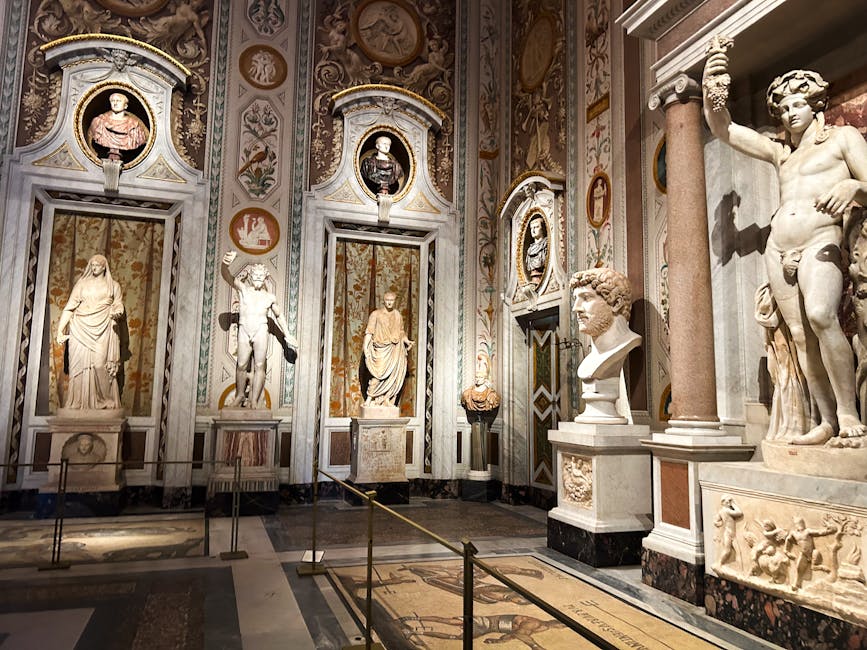
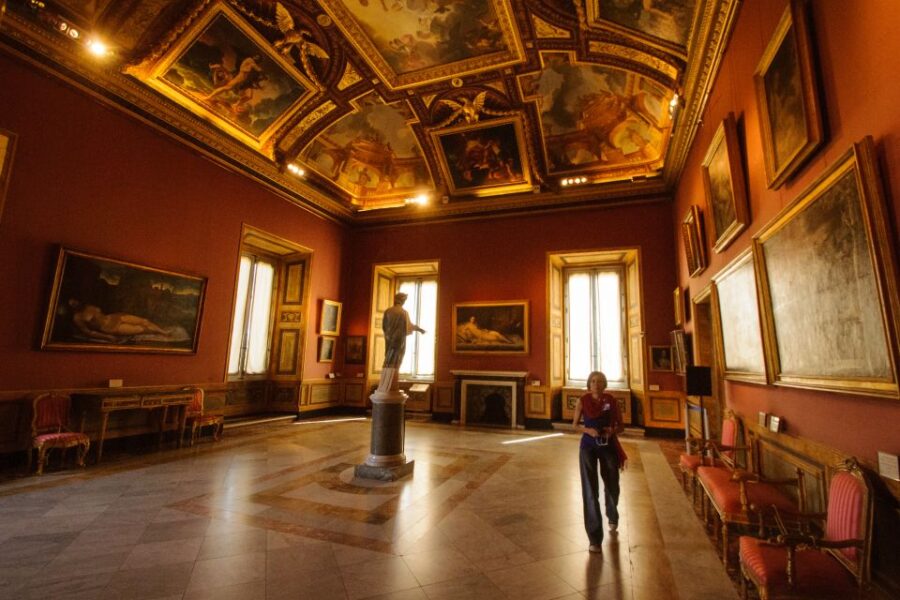
The Borghese Gallery is small — just 20 rooms across two floors in a 17th-century villa. But the density of masterpieces per square meter is arguably the highest in the world. The collection was assembled by Cardinal Scipione Borghese, nephew of Pope Paul V, who used his position to acquire (and sometimes seize) the finest works of his era.
Bernini’s Sculptures (Ground Floor)
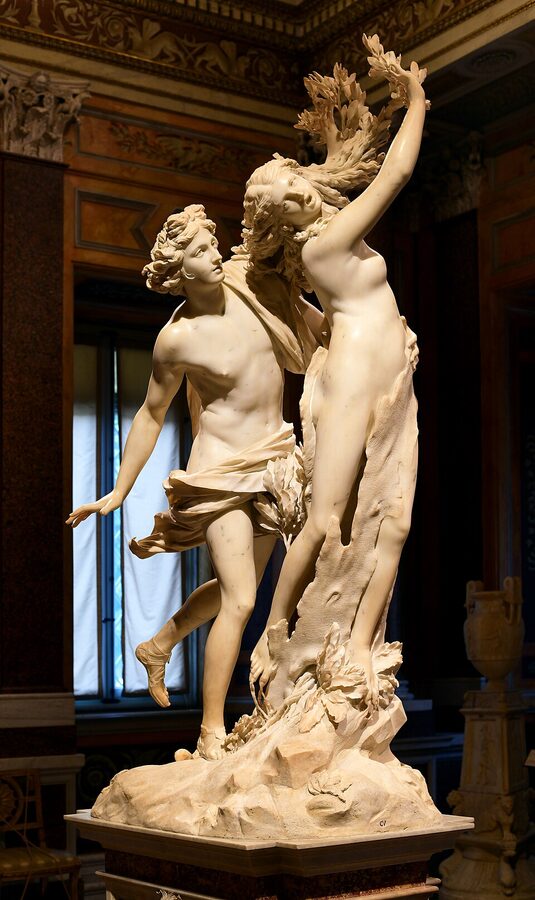
Four of Bernini’s most important sculptures live here, and they’re the reason most people visit. Each one does something with marble that shouldn’t be physically possible, much like standing in front of Picasso’s “Guernica” at Madrid’s Reina Sofía or studying brushwork up close at the Musée d’Orsay.
Apollo and Daphne (1622-25): Daphne’s fingers are transforming into laurel leaves as Apollo reaches for her. The marble leaves are carved so thin they’re translucent. Bernini was in his early twenties when he carved this.
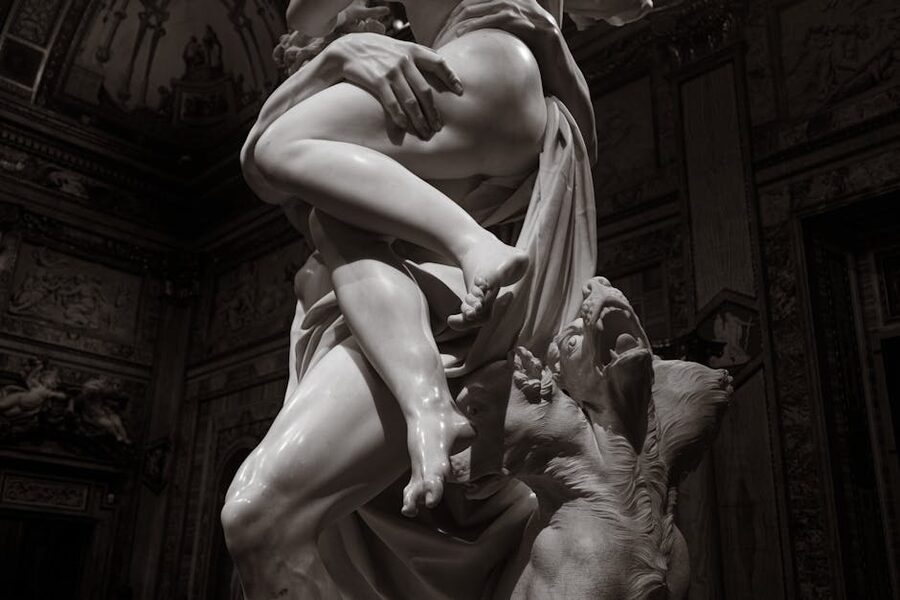
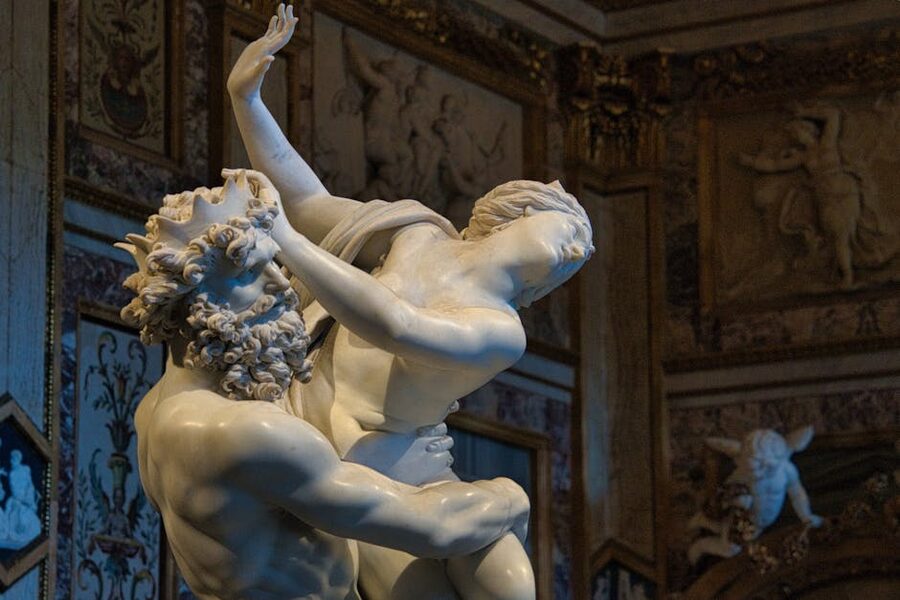
The Rape of Proserpina (1621-22): Pluto’s fingers press into Proserpina’s thigh and the marble dimples like real flesh. Walk around the back — the expression on her face changes depending on your angle. This is the sculpture that proves marble can look soft.
David (1623-24): Unlike Michelangelo’s static David, Bernini’s is caught mid-throw — body twisted, muscles straining, face contorted with concentration. Bernini reportedly used his own reflection as a model, and the intensity is almost uncomfortable to look at.
Aeneas, Anchises, and Ascanius (1618-19): Bernini’s earliest major work, carved when he was 20. Three generations of a family fleeing the fall of Troy, each rendered with different skin texture — the old man’s wrinkled flesh, the young man’s taut muscles, the child’s soft skin.
Caravaggio’s Paintings (Ground Floor)
The gallery holds six Caravaggio paintings — more than almost any other museum in the world. They’re hung in rooms that Caravaggio himself may have visited as a young artist in Rome.
Boy with a Basket of Fruit (c. 1593): One of Caravaggio’s earliest known works. The fruit is so realistically painted that art historians have identified the specific varieties and even diagnosed plant diseases from the canvas.
David with the Head of Goliath (1609-10): Caravaggio painted his own face on the severed head of Goliath — a self-portrait as a murdered giant, created during the last year of his life while on the run for killing a man. It’s one of the most psychologically intense paintings in existence.
Madonna and Child with St. Anne (1605-06): Originally commissioned for St. Peter’s Basilica but rejected as too scandalous — the Virgin Mary is shown stepping on a snake with bare feet, and her physical beauty was considered inappropriate for a church setting.
The Pinacoteca (Upper Floor)
The upper floor houses paintings by Raphael, Titian, Correggio, and Cranach. The highlights include:
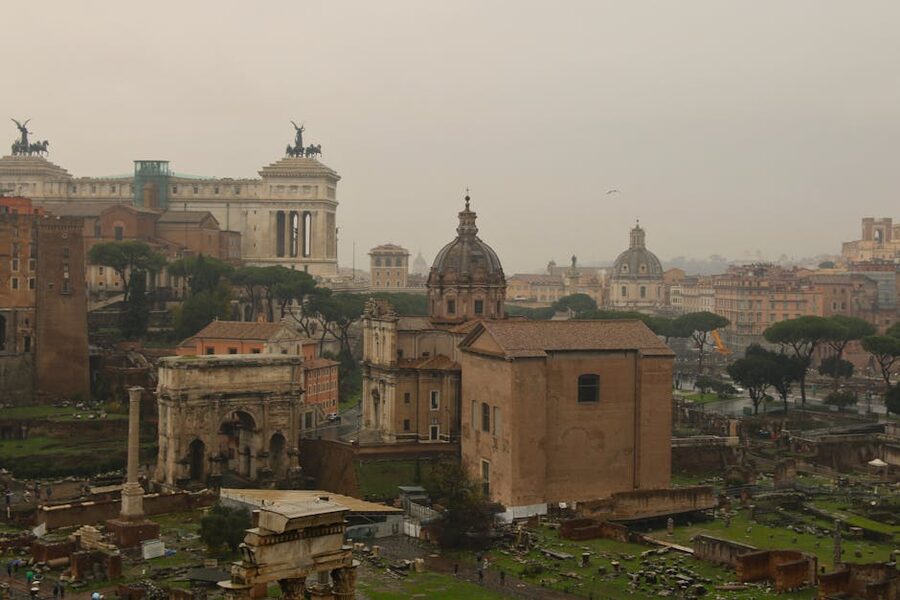
Raphael’s “Entombment of Christ” (1507): One of Raphael’s masterworks, seized by Cardinal Borghese from a church in Perugia. The composition — a group of mourners carrying Christ’s body — influenced generations of painters.
Titian’s “Sacred and Profane Love” (1514): Two women sitting at a fountain — one clothed, one nude — in a scene whose meaning has been debated for 500 years. The painting’s interpretation has been reversed multiple times: the nude figure was originally considered the “profane” love but is now understood as the “sacred” one.
The Villa Borghese Gardens
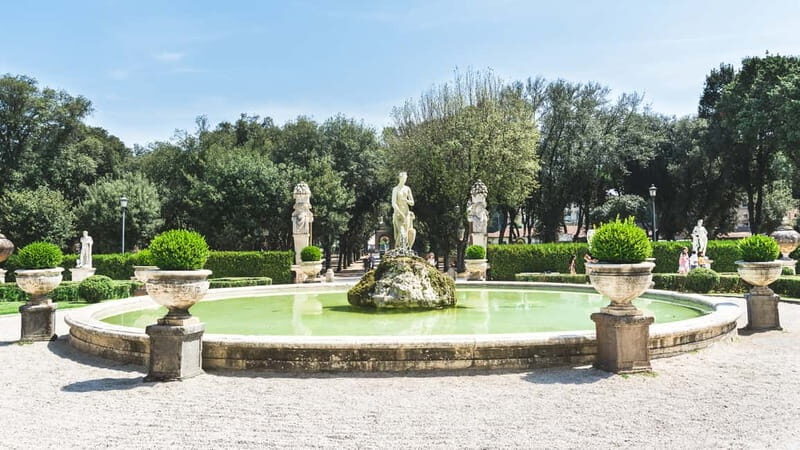
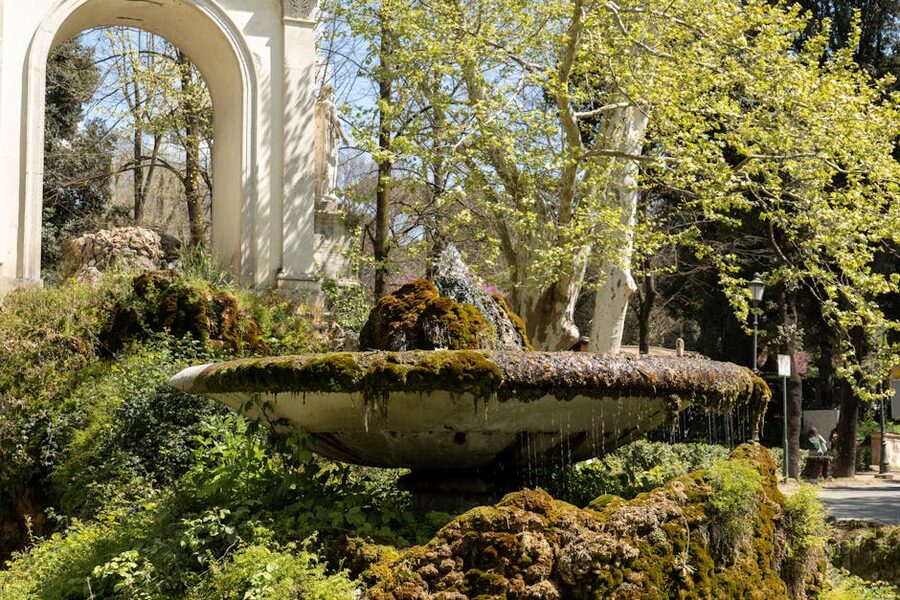
The gallery sits inside Rome’s most beautiful public park — 80 hectares of landscaped gardens, pine-shaded avenues, lakes, and temples that were the private pleasure grounds of the Borghese family until 1903, when the Italian state purchased them and opened them to the public.
Worth exploring even if you don’t visit the gallery. The park includes:
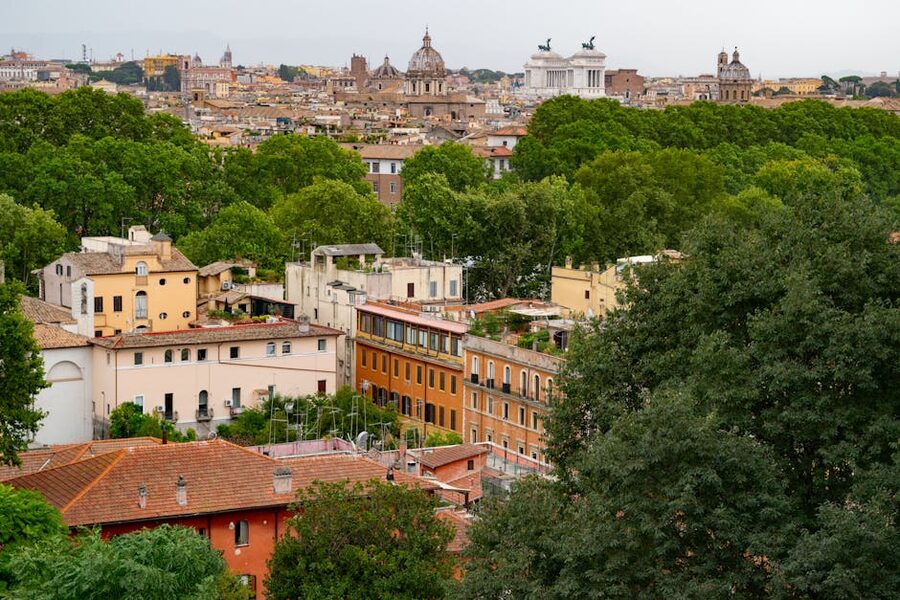
The Pincian Hill terrace: One of the best viewpoints in Rome, overlooking Piazza del Popolo and the city skyline. Free, always open, and stunning at sunset.
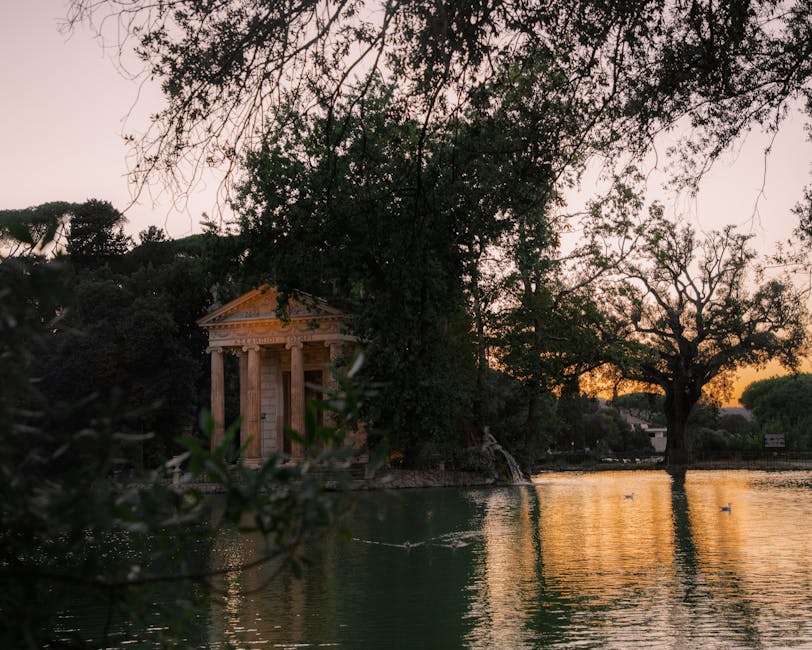
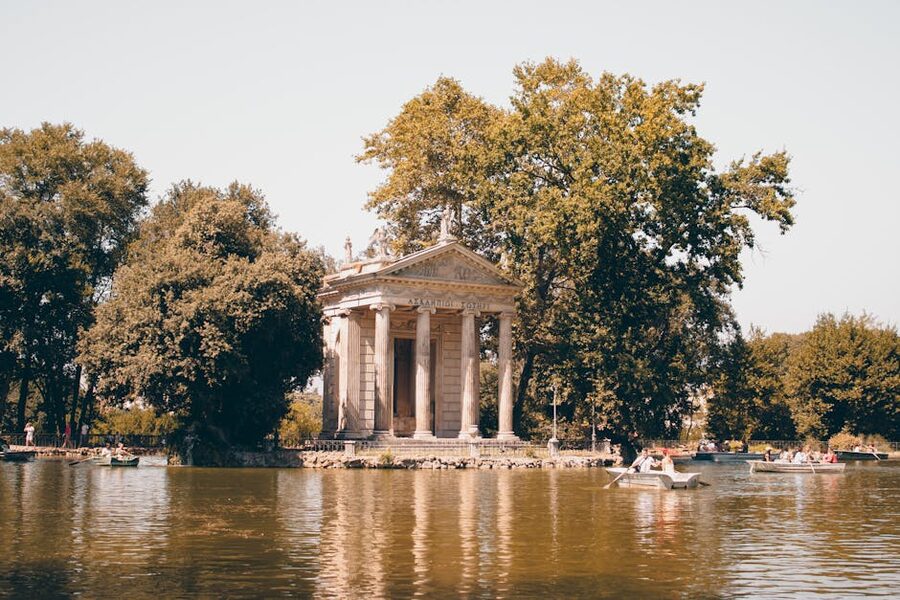
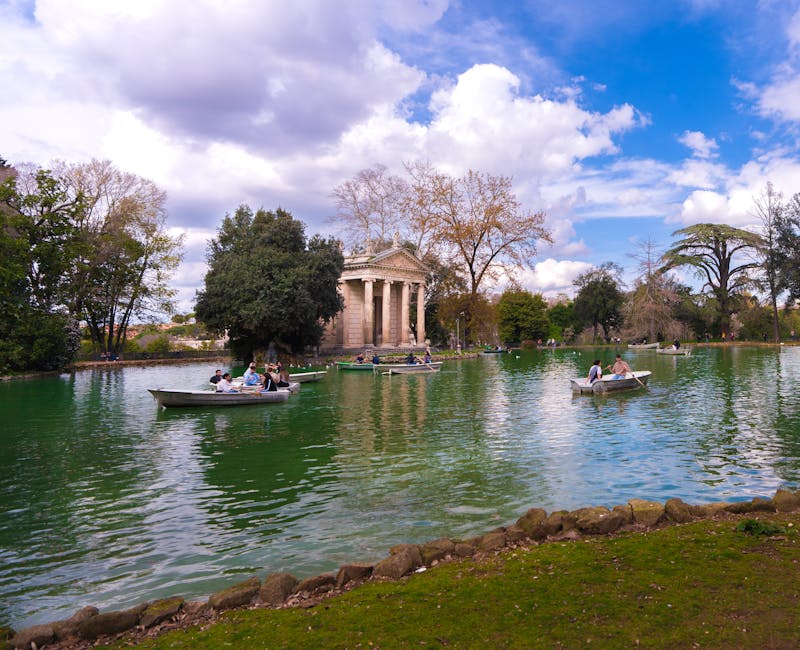
The Temple of Aesculapius: A small neoclassical temple on the lake, reflected in the water. One of Rome’s most photographed spots.
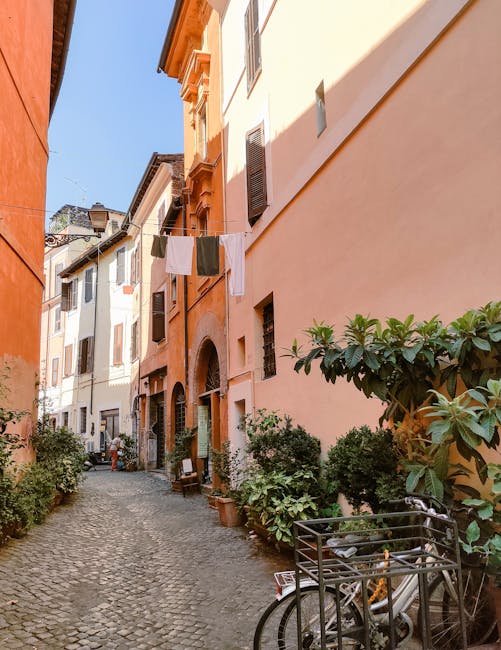
Bioparco (Rome Zoo): Italy’s oldest zoo, home to over 1,000 animals. Good for families.
The Galleria Nazionale d’Arte Moderna: A separate museum in the park, housing 19th and 20th-century Italian art. Rarely crowded.
A Brief History
Cardinal Scipione Borghese (1577-1633) was the most powerful art collector of his era. As nephew to Pope Paul V, he had the resources and the political muscle to acquire virtually anything he wanted — and he wasn’t above using force. He confiscated Raphael’s “Entombment” from a Perugian church and had the painter Cavaliere d’Arpino arrested so he could seize his collection, which included Caravaggio’s earliest works.
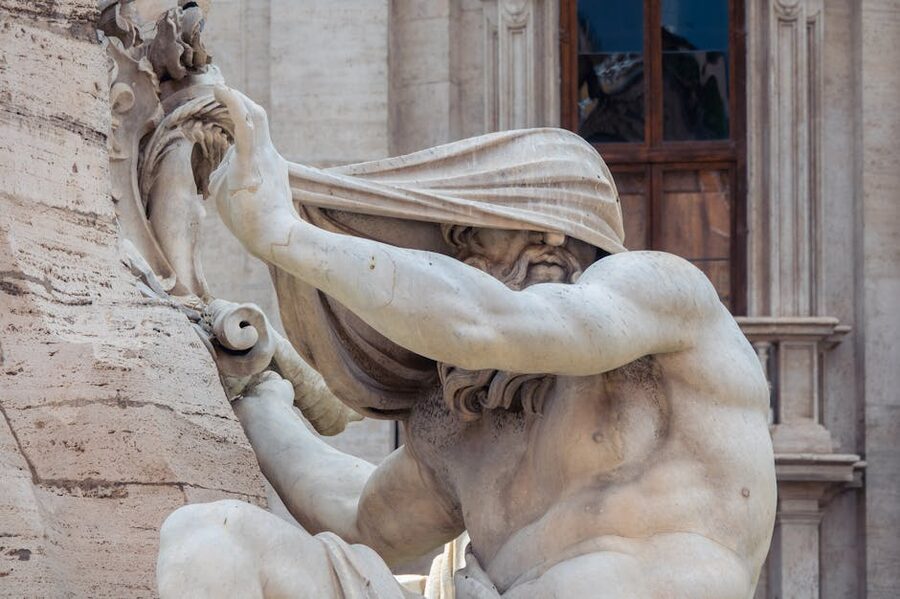
He commissioned Bernini — then a teenager — to create the sculptures that would become the young artist’s breakthrough works. The relationship was mutually transformative: Scipione got the finest sculptures of the age, and Bernini got the patronage that launched the most influential artistic career of the 17th century.
In 1807, Prince Camillo Borghese (who married Napoleon’s sister Pauline) sold 154 sculptures and 160 paintings to his brother-in-law for the Louvre in Paris. The collection was never returned. What remains in the gallery is extraordinary, but it’s roughly half of what Scipione originally assembled, the same kind of historical export that gives Madrid’s Málaga Picasso Museum its bittersweet edge or sees major Van Gogh paintings missing from the Van Gogh Museum in Amsterdam.
The Italian state acquired the villa and collection in 1902 and opened it as a public museum. The two-hour session system was introduced to protect the fragile interior and maintain a manageable visitor count.
Practical Tips
Arrive 30 minutes early. You need to collect your tickets at the desk on the basement level before your session starts. The process takes 10-15 minutes, and if you arrive after your session has started, they may not let you in.
Bags must be checked. No backpacks, large bags, or umbrellas inside the gallery. There’s a free coat check in the basement. Bring only what fits in your pockets.
Two hours is enough. The gallery is small. Two hours feels rushed only if you’re trying to read every placard. Focus on the Bernini sculptures on the ground floor and the Caravaggio paintings, then use remaining time for the upper floor paintings. If you’ve booked a guided tour, the guide handles the pacing.
No photography of certain works. Photography rules change periodically. As of recent visits, photos without flash are generally allowed, but some temporary exhibitions prohibit it. Check at the entrance.
Book the first session (9 AM). The gallery is quietest during the first session. By the 11 AM slot, it fills up more. The afternoon sessions are good too but tend to get warm in summer — the villa’s AC is limited.
Combine with the gardens. Arrive an hour before your slot and walk through the Villa Borghese gardens. Rent a rowboat on the lake, sit on the Pincian Hill terrace, or grab a coffee at the Casina del Lago cafe. The gardens are free and add a lovely dimension to the gallery visit.
Getting There
The Borghese Gallery is inside Villa Borghese park, accessible from several entrances. The most convenient approaches:
From Metro Spagna (Line A): Exit the station, climb the Spanish Steps (or take the elevator at the back of the church), and walk through Piazzale Napoleone into the park. The gallery is about a 15-minute walk from the station.
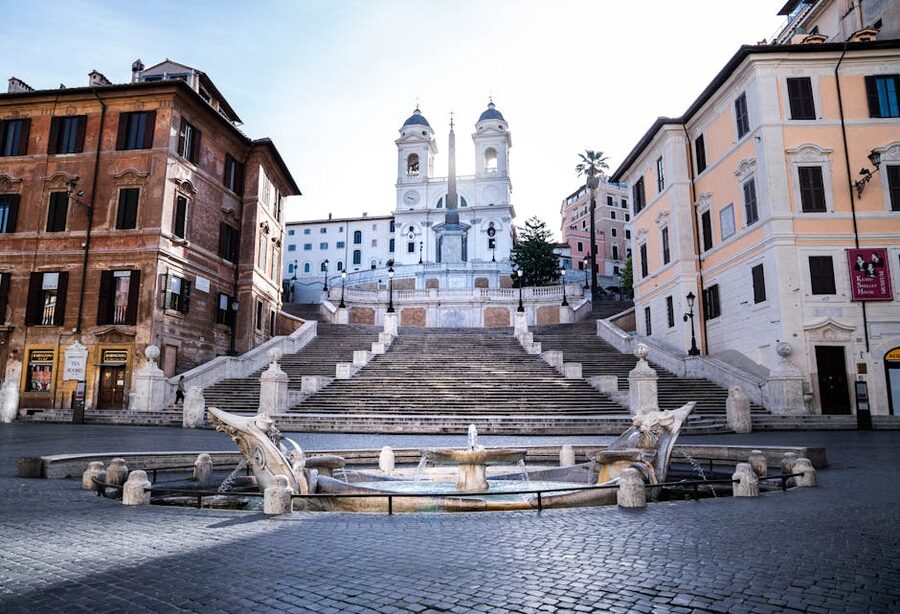
From Metro Flaminio (Line A): Enter the park from Piazza del Popolo. The walk to the gallery takes about 20 minutes through the gardens — a beautiful route past the Pincian Hill viewpoint.
From Metro Barberini (Line A): Walk up Via Veneto to the park entrance at Porta Pinciana. The gallery is a 10-minute walk from here.
By bus: Bus 910 from Termini station stops near the park. Bus 3 and 53 stop at Via Pinciana.
By taxi: Ask for “Galleria Borghese” — the driver can drop you at the gallery’s front door via the park’s internal roads.
More Booking Guides for Rome
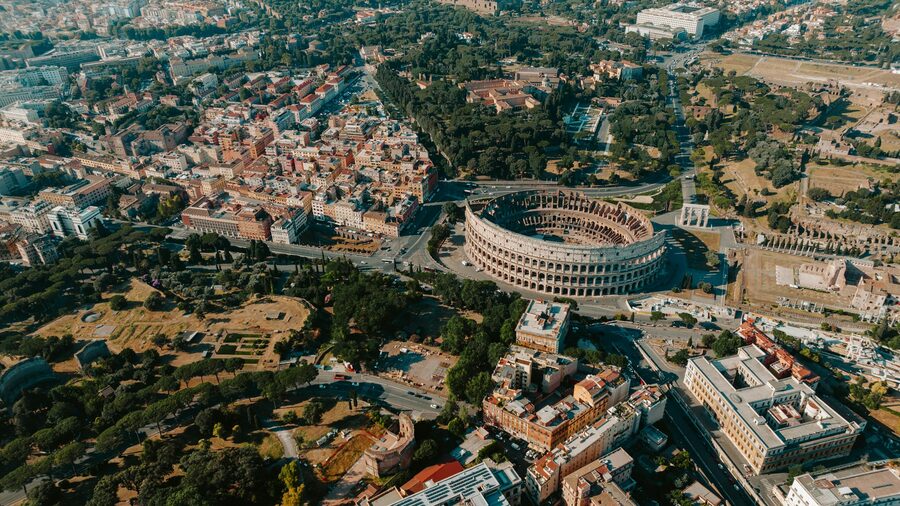
The Borghese Gallery is the perfect counterpoint to Rome’s busier museums. After the crowds of the Vatican Museums, the intimacy of 360 people in a villa feels like a private viewing. The Colosseum and Pantheon cover ancient Rome’s public life; the Borghese Gallery shows its artistic soul. And if the art has given you an appetite, a food tour through Trastevere or Testaccio will remind you that Rome’s creative energy extends well beyond canvas and marble.