
You’re standing in front of Olga Khokhlova in an Armchair, a 1917 portrait of Picasso’s first wife, painted in the soft neoclassical mode he was using before he tipped back into Cubism. Olga’s hands are precise. Her face is precise. The chair behind her is half-finished, as if the painter got bored. It’s a small painting in a quiet room on the second floor of the Buenavista Palace, and you can stand in front of it as long as you want without anyone moving you along.
That’s the trick of this museum. Most travellers know Picasso from the Barcelona he trained in as a teenager or the Paris he lived in for most of his adult life. Hardly anyone arrives at the Museo Picasso Málaga remembering that he was actually born here, baptized in the church around the corner, and didn’t leave until he was almost ten.
In a Hurry
Quick picks
Just want to walk in: the standard Museo Picasso Málaga entry ticket covers the permanent collection plus whatever temporary exhibition is up. About $15.
Want context: the 90-minute guided tour with skip-the-line entry is the right pick if you’d rather have someone walk you through Picasso’s chronology than read wall labels. Around $41.
Pair it with the birthplace: Casa Natal entry on Plaza de la Merced is a five-minute walk from the museum and costs about $5. Different building, different collection, both make more sense visited the same morning.
Why Málaga, of all places
If you’ve already done the Prado in Madrid or the Reina Sofia and its Guernica, the question is fair: why bother with another Picasso stop, in a city most people associate with the beach?
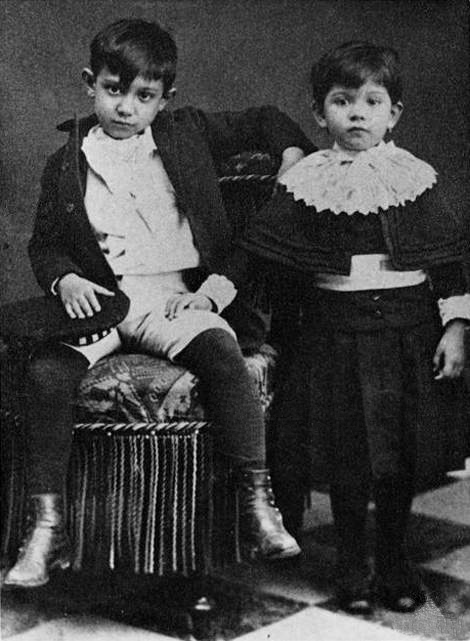
Because this is where the story actually starts. Pablo Ruiz Picasso was born on 25 October 1881, in a building on the north side of Plaza de la Merced. His father, José Ruiz Blasco, was a painter and the curator of the city’s old municipal art collection. The family lived in Málaga until Pablo was almost ten, then moved to A Coruña and eventually to Barcelona. The kid who grew up to invent Cubism and break twentieth-century painting in half was a Malagueño who learned to draw before he learned to write.
The museum opened in 2003 in the Buenavista Palace, a 16th-century Renaissance house that the city had been quietly trying to fill with Picasso’s work for half a century. The collection finally arrived as a donation: 285 works given by Christine Ruiz-Picasso, the artist’s daughter-in-law, and her son Bernard, his grandson. They held back nothing typical or showy. They sent paintings, sculptures, drawings, ceramics, prints, and the things only a family would have, like notebooks, household objects, and one nearly complete sketchbook of 36 drawings.
The result is a museum that does something unusual. It covers Picasso’s entire career, in a small enough space that you can actually see all of it in two hours, while also being the only place in the world where the building, the city, and the artist are biographically the same place.
What you’ll actually see inside
The permanent collection is laid out chronologically across about a dozen connected rooms on two floors of the palace. It’s not a big museum. Plan two hours and you’ll be moving slowly. The audio guide, included in the standard ticket, is decent, and the wall labels are bilingual.
The collection breaks into five rough phases that mirror the standard Picasso chronology, but with the caveat that what’s here is whatever the family chose to keep, which means the gaps are interesting. There’s almost no Blue Period work, for example. There’s very little Cubism at its most radical. What there is, instead, is a lot of family, the same kind of artist’s-personal-archive shape that drives the Van Gogh Museum in Amsterdam.
The early work
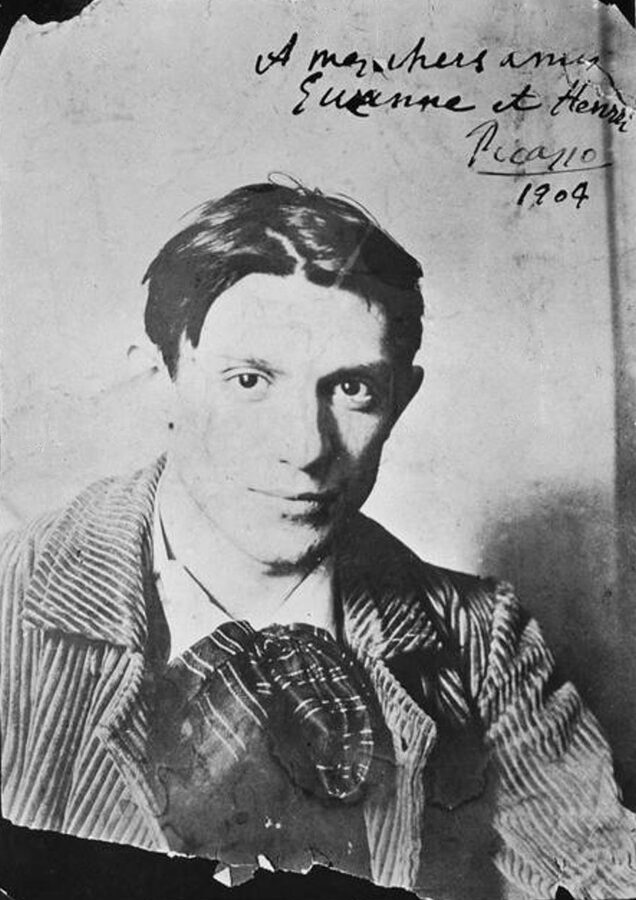
The opening rooms hold the youngest pieces. There are pencil sketches from his teens and early twenties, when he was still signing canvases P. Ruiz Picasso rather than just Picasso. You can see the academic training his father drilled into him, and you can see him chafing against it. There’s a small portrait of a bearded man that would be almost forgettable if it weren’t so obviously a sixteen-year-old who already knew what he was doing.
The neoclassical period
Olga Khokhlova in an Armchair (1917) sits at the heart of this section. Olga was a Ballets Russes dancer; Picasso met her when he was designing sets for Diaghilev in Rome and married her the following year. He painted her constantly in the years just after, often in this strange, calm, almost Ingres-style portraiture that startled critics who’d been expecting more Cubism. The Málaga painting is the family’s, not the artist’s, and it has the tenderness of a portrait kept in a relative’s house.
Cubism, sort of
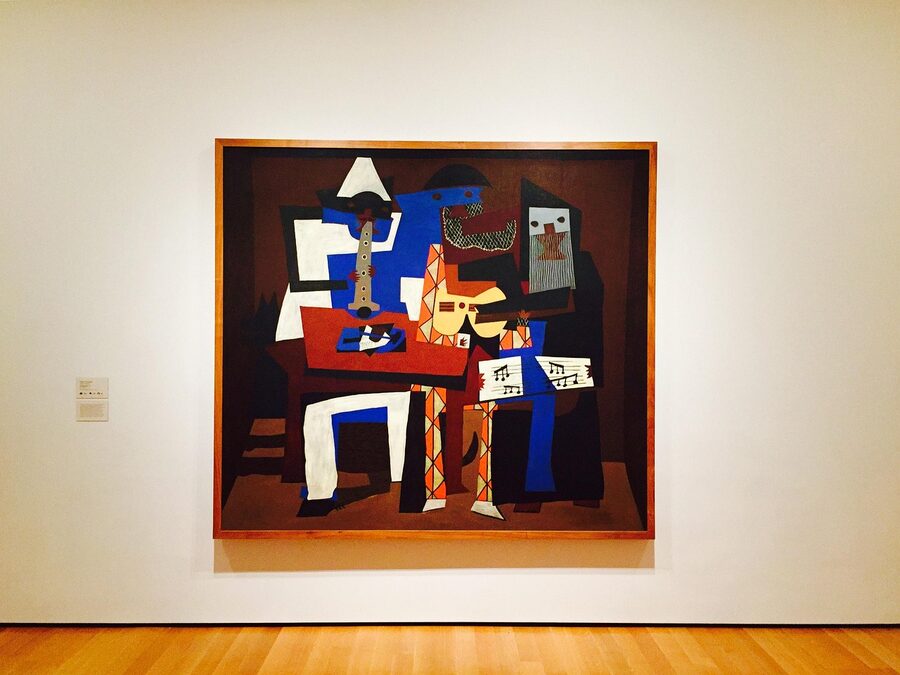
This is where the gaps in the collection are most obvious. The museum has a few proto-Cubist pieces and some drawings from the 1910s, but if you came expecting Les Demoiselles d’Avignon energy, you’re in the wrong building. (That’s MoMA.) What’s here is the chamber-music version of Cubism: small still-lifes, portrait heads, the technique broken down to its parts, closer in temperature to the post-Impressionist rooms at the Musée d’Orsay than to the radical Picasso headlines.
The 1930s
Acrobat (1930) is one of the more arresting paintings in the museum. A figure folded backwards into an almost-impossible pose, painted in the strange flat way Picasso was experimenting with that year. It anticipates Guernica by seven years. Around it sit some of the bone-and-bull drawings from the same decade, the imagery he’d return to all his life.
The late work
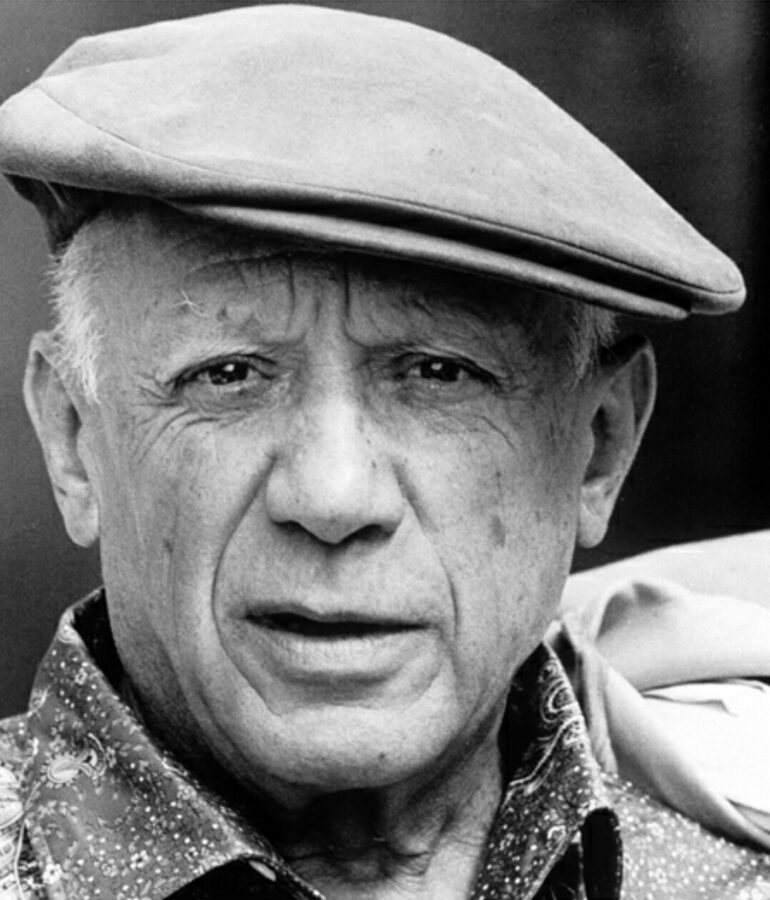
The last rooms have ceramics from Vallauris, where he lived from 1948, and the kind of compressed, manic drawings he was making in the 1960s and 70s. There’s also one painting he gave to his wife Jacqueline that has her face simplified into something almost calligraphic. He was eighty when he made it. He’d been painting for seventy years.
Tickets, hours, and what to actually book
The museum is open every day from 10am to 7pm, with the last entry half an hour before closing. Standard adult tickets are around the cost of a couple of coffees, slightly more in the GetYourGuide marketplace listings, which usually bundle the audio guide and skip a queue. Children under seventeen are free, and so are visitors with disabilities.
Entry is free for everyone during the last two hours every Sunday, on Andalusia Day (28 February), International Museum Day (18 May), and World Tourism Day (27 September). Those are the days I’d avoid if you don’t like crowds. Free entry on a Sunday afternoon means a queue around the corner of the palace.
If you’re slotting it into a busy Málaga day, weekday mornings right at opening are the calmest. The first half hour you can stand in front of Olga with maybe two other people in the room. By midday the cruise-ship groups have arrived from the port and the rooms are loud.
Should you book ahead?
Mostly yes. The museum sells tickets at the door if there are any left, but on weekends, summer afternoons, and the days around major exhibitions, walking up at noon will mean a 45-minute wait. Booking online costs the same as the door price for the standard entry, sometimes a euro or two more for the audio-guide bundle, and gets you in at a fixed entry slot.
If you’re already organising a Málaga day with the Alcazaba and the Roman theatre next door, a pre-booked Picasso slot saves the only thing you can’t buy back, which is time.
Three ways to book
Three tours cover most travellers. The flagship entry ticket is what most people need. The guided 90-minute version is the right pick if you’d rather have an art historian walk you through. And the Casa Natal entry adds the actual birthplace, which is a separate building and a separate ticket.
1. Museo Picasso Málaga Entry Ticket: $15
This is the right pick if you want to walk in, see the collection at your own pace, and skip the queue. The audio guide is included on most variants and we’d take it; the wall labels are bilingual but light, and the audio fills in the family stories the labels don’t. Our full review walks through the permanent-collection layout room by room.
2. Picasso Museum Guided Tour with Skip-the-Line: $41
Take this one if you’d rather be talked through the collection than left to read. The guides are art-history graduates from the University of Málaga, the groups are small enough that you can ask questions, and the skip-the-line entry is the difference between a 9.30am start and a 10.45am one in summer. Our review notes the guides cover the family backstory better than the audio does.
3. Casa Natal (Birthplace) Entrance Ticket: $5
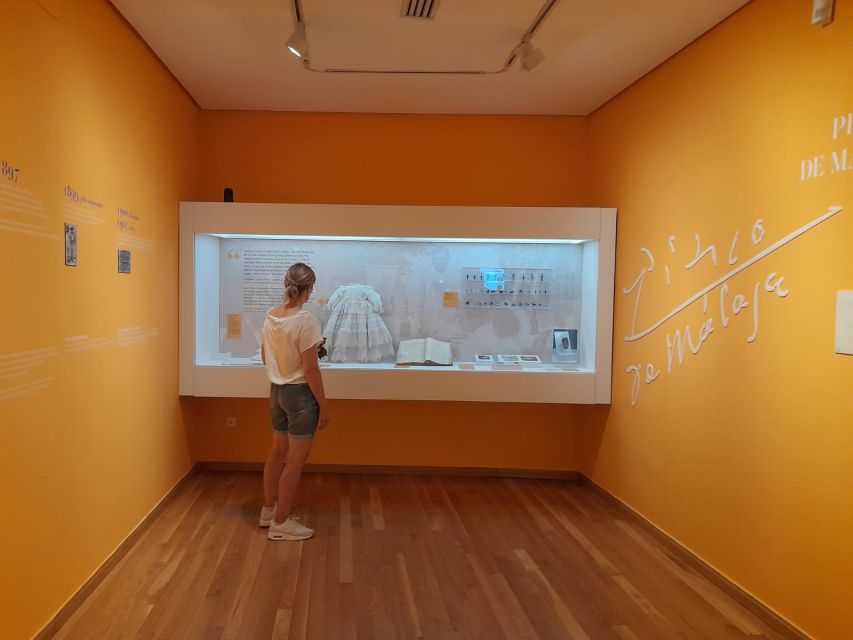
Add this on if you’ve got 45 minutes and want to see where the story literally started, in the apartment on Plaza de la Merced where Picasso was born. Our full review walks through the family portraits, the ceramics, the piano and the early drawings on display. Pair it with the main museum the same morning and you’ve done the full arc.
The Buenavista Palace itself
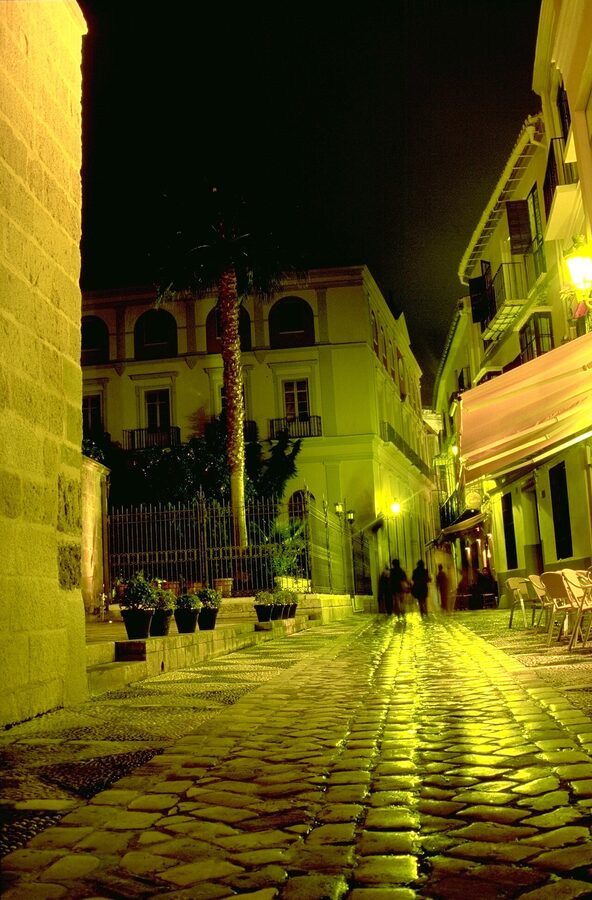
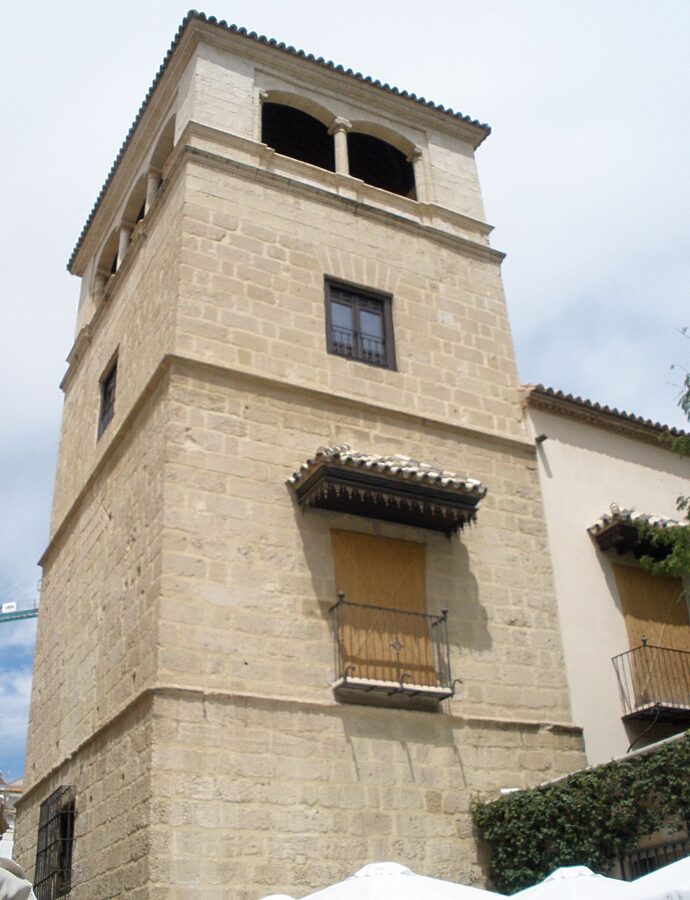
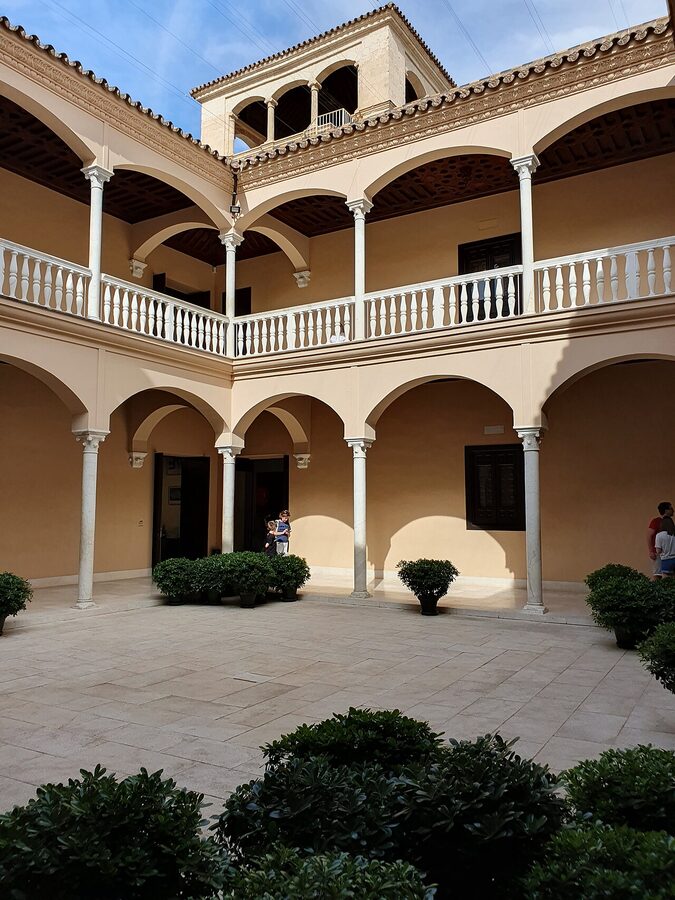
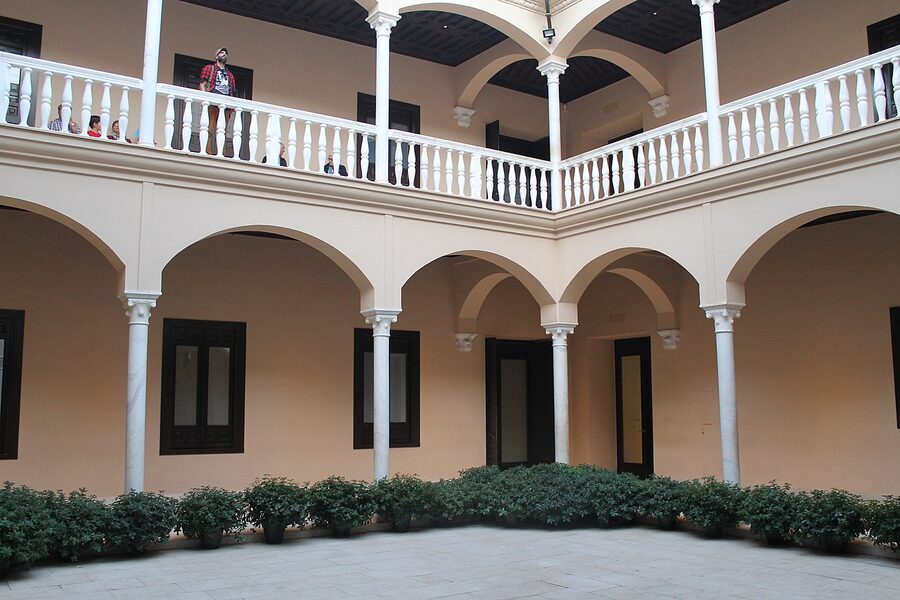
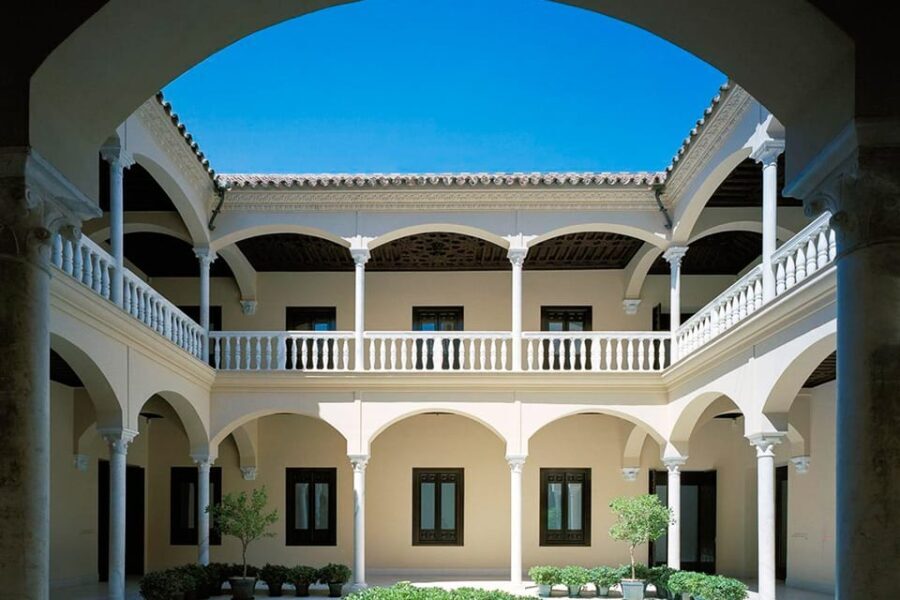
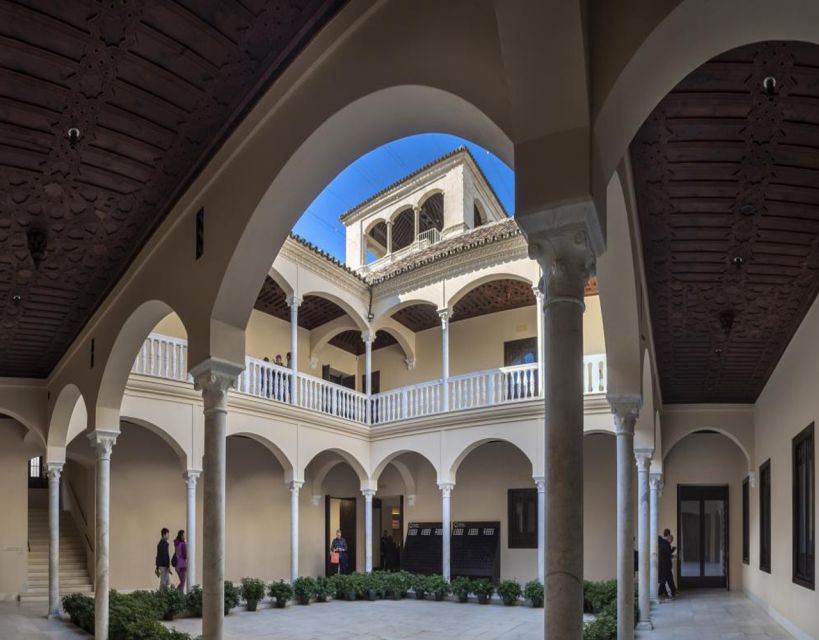
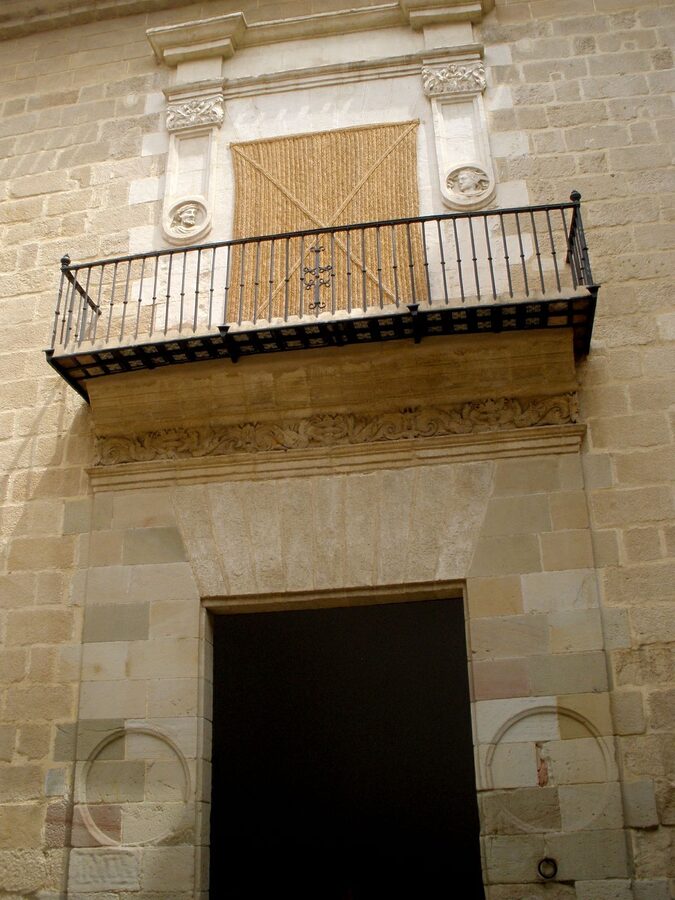
The building is a quiet co-star and worth slowing down for. The Palacio de los Condes de Buenavista was built between 1516 and 1542 by Diego de Cazalla, a Jewish-converso merchant family, on the site of an older Nasrid house. It’s an unusually pure example of civil Renaissance architecture in Andalusia, with a Mudéjar interior carpentry the renovation has carefully preserved. The palace was declared a National Monument in 1939 and was used as a museum of fine arts before the Picassos arrived.
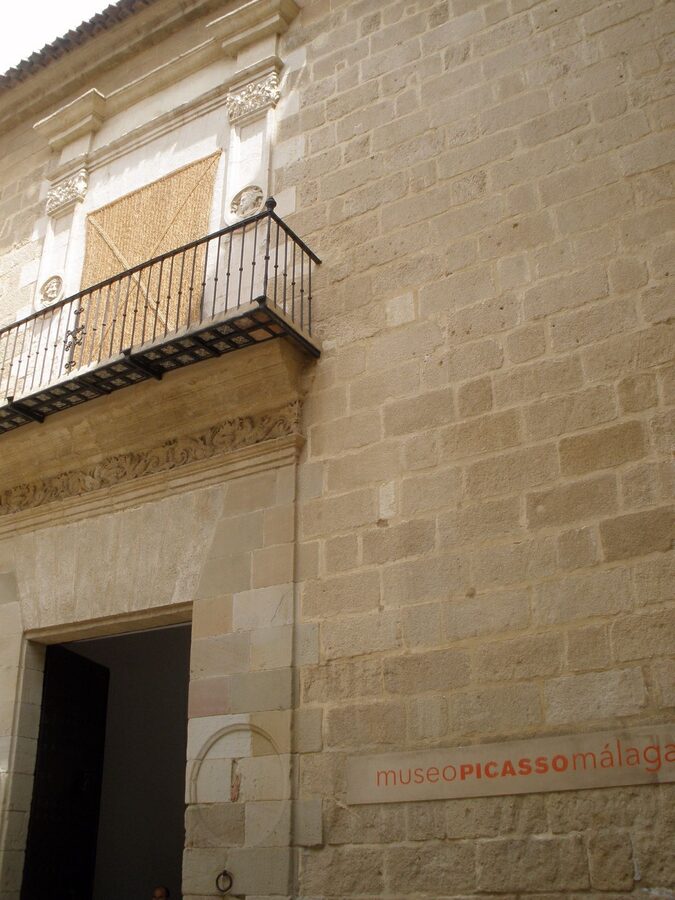
The American architect Richard Gluckman led the conversion that opened in 2003. He’s the same architect who handled the Andy Warhol Museum in Pittsburgh and the Dia:Beacon, and the moves are familiar: minimal interventions, white-painted galleries, big skylights cut through the upper rooms to bring in the Andalusian light without compromising the artwork. The renovation absorbed eighteen adjoining houses from the old Jewish quarter, taking the museum out to about 8,300 square metres of floor space.
One of those skylights is the architectural moment of the visit. Stand under it on a clear morning around 11am and the light cuts through the courtyard in a way that’s worth pausing for. There’s a basement level under the palace that holds an archaeological space: Phoenician walls, Roman cisterns, and bits of the Nasrid kitchen, all uncovered during the 1990s renovation work. Most visitors miss this entirely. It’s at the back of the gift-shop level. Walk around the till and down the stone steps.
The Casa Natal: where the story actually starts
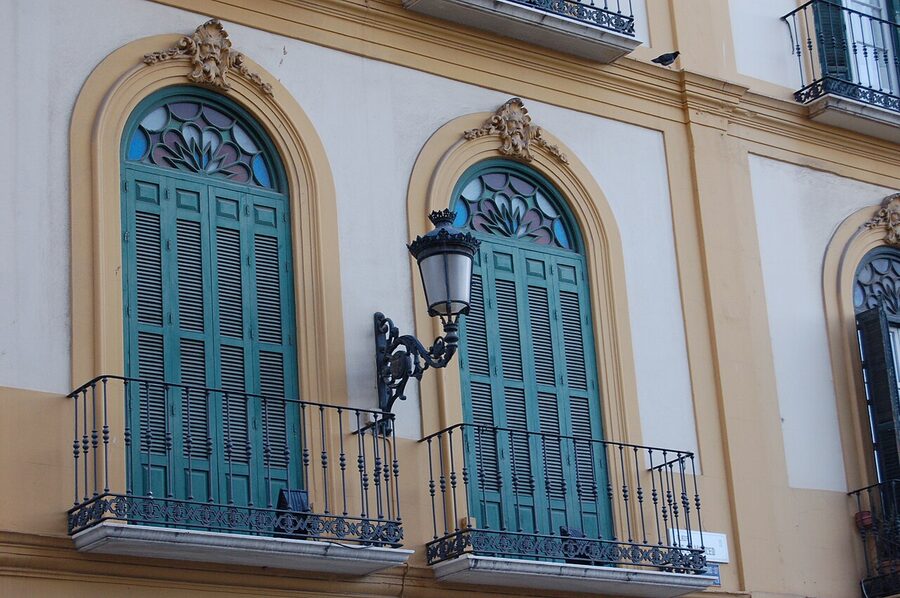
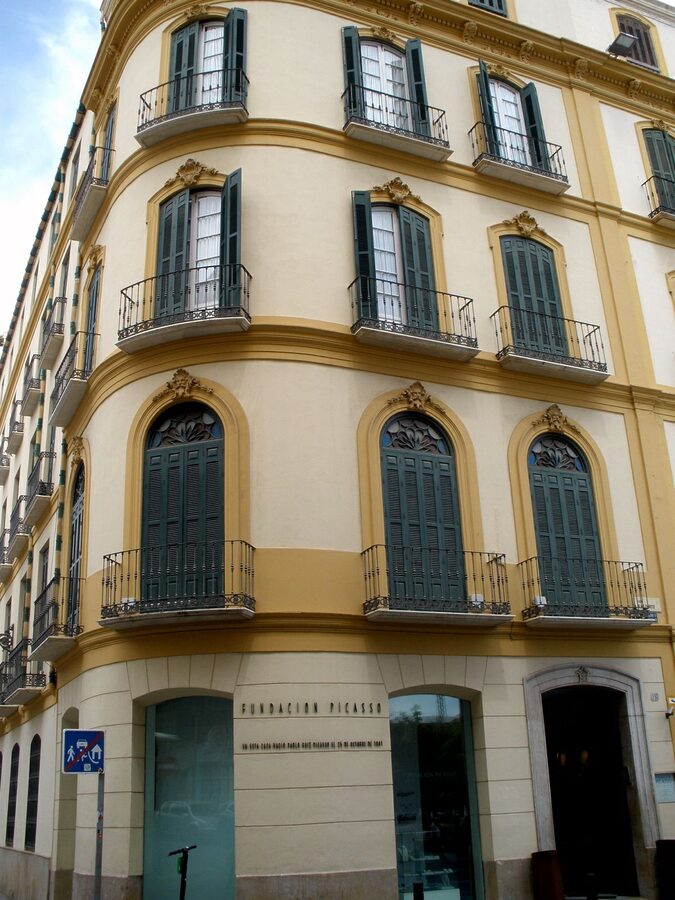
The birthplace is a separate building and a separate institution. It’s the Fundación Picasso Casa Natal, run by the city, and it sits on the north side of Plaza de la Merced about five minutes’ walk from the main museum. The entrance fee is around €3 to €4. It does not have any of the major paintings.
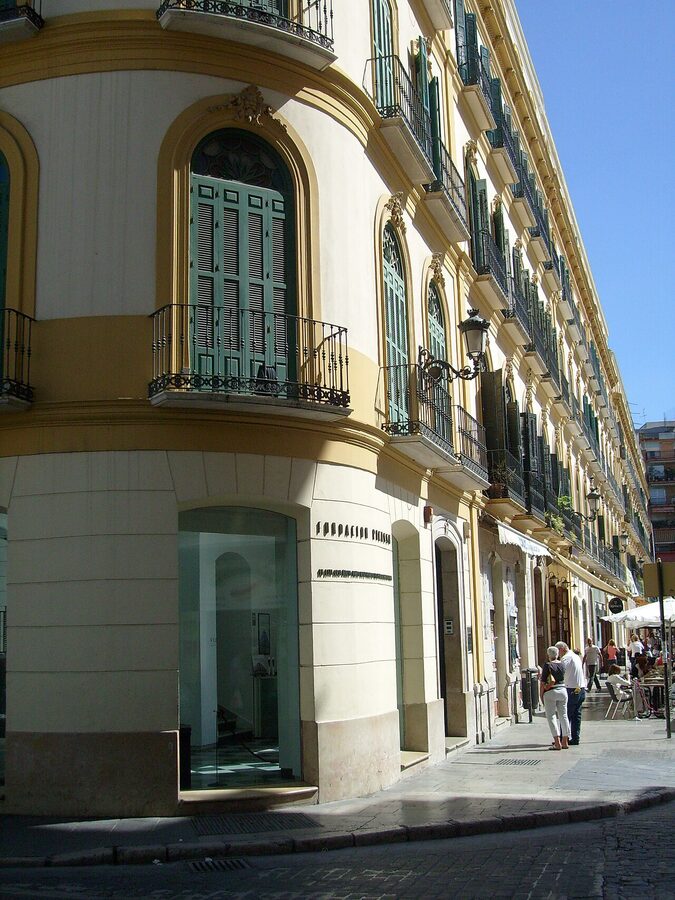
What it has, instead, is the family. The display includes the baptism record, José Ruiz Blasco’s painter’s palette, his mother Maria Picasso López’s wedding portraits, and a small collection of items from the apartment as it would have looked in 1881. There’s also a permanent gallery of early drawings and sketches the artist made as a boy and a teenager, plus a few etchings and one ceramic piece donated later in his life.
It’s a small museum, and if you’ve already done the main collection at the Buenavista, the Casa Natal can feel slight. But it’s also the actual room where it actually happened. The way Florence’s Leonardo Museum tries to teach you the workshop, this place teaches you the family. They’re different museums about the same kind of question, which is what shaped the artist before the artist could shape anything else.
Pairing the two: the Picasso morning
The most efficient way to do both is the Picasso morning. Start at Casa Natal at 10am sharp when it opens; spend 45 minutes working through the family rooms and the early drawings. Walk out, cross Plaza de la Merced, head down Calle Granada towards the cathedral, ten minutes max. Arrive at the Buenavista Palace by 11am. Spend two hours with the main collection. Have lunch in the museum cafe under the courtyard arches, or walk three minutes to one of the cafes around the cathedral.
That’s a half-day. You’ll have done both the family-context room and the career-arc collection in one continuous narrative, in that order, which is the order the museum’s curators would prefer you used. Most people do the main museum first and then the Casa Natal as an afterthought; it works better the other way round.
The baptism church and the Picasso walk
One small thing the museum’s marketing material doesn’t push, but which makes the visit denser: the windows of the Buenavista’s east galleries look directly across the rooftops at the bell tower of the Iglesia de Santiago, the Mudéjar parish church where Picasso was baptized on 10 November 1881. He could probably see this same view from his bedroom as a child, although the angle is reversed.
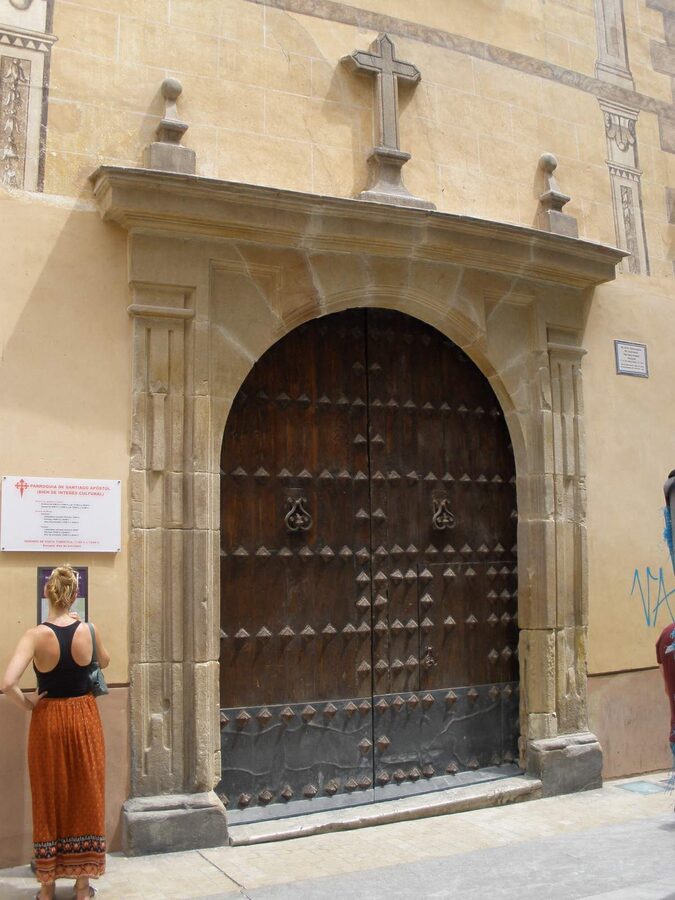
The church itself is open to visitors most weekday mornings, free, and is worth ten minutes for the Mudéjar tower and the baptismal record (a copy is displayed near the font). It’s three minutes from the Buenavista on foot. If you’re doing the Picasso morning, slot it in either before lunch or as the last stop before walking back to wherever you’re staying.
For an even slower version of the walk, the city has marked an unofficial Picasso route in pavement plaques. It links the Casa Natal, the Buenavista Palace, the Iglesia de Santiago, the now-vanished old municipal art collection where his father worked, and the Conservatory where his uncle taught. About 90 minutes if you read every plaque, the same kind of curated artist-trail walk Amsterdam markets around the Moco Museum. Pleasant if it’s a cool morning, oppressive if it’s August.
The collection in context: what the family kept and what they didn’t
One thing worth understanding before you go in: the Málaga collection is a family donation, not a curatorial selection. Christine and Bernard Ruiz-Picasso gave the museum what they had, plus what they could borrow from other Picasso heirs and friends, and the curators built the displays around that. So the Cubism rooms are thinner than the neoclassical rooms because the family didn’t keep that much hard Cubism. The late ceramics are over-represented because Picasso was producing them by the dozen in the 1950s and gave many of them away. The drawings are everywhere because he drew constantly and never threw any of it out.
This is also why the museum feels intimate compared to the Reina Sofia in Madrid, which holds Guernica and the political Picasso, or the Musée Picasso in Paris, which holds the work he kept for himself. Málaga has the work the family kept, which is the work you’d hang in a house, the same domestic-and-biographical register that defines Monet’s house and gardens at Giverny. There’s a different intimacy to that, even when you’re standing in a museum.
Practical bits
Getting there
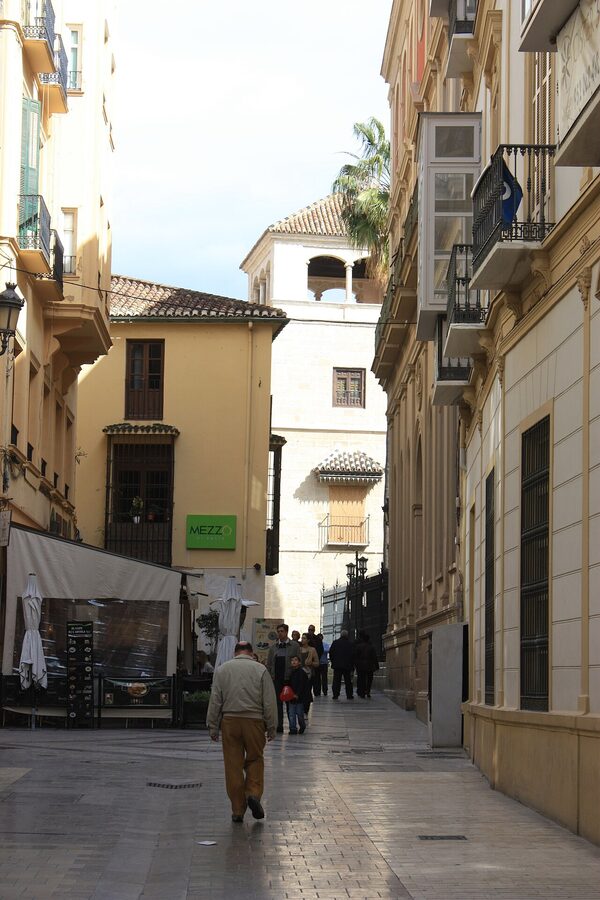
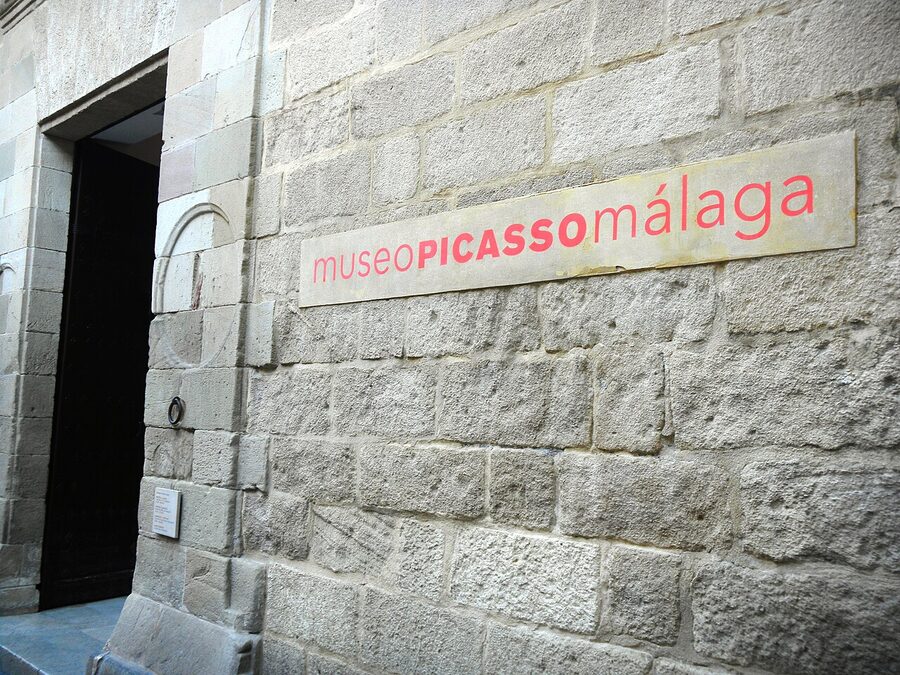
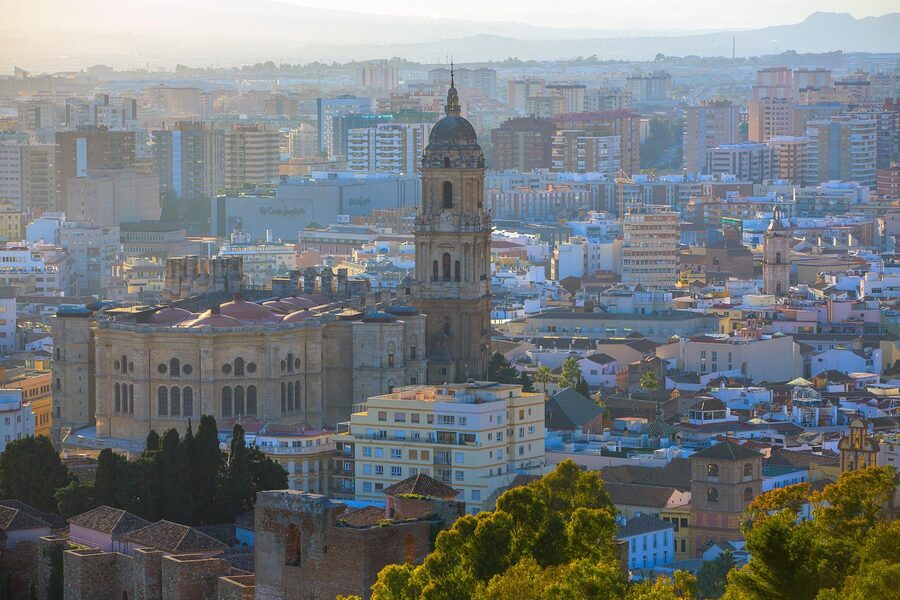
The museum is at Calle San Agustín 8, two blocks behind the Málaga cathedral. From the cathedral, walk north on Calle Molina Lario, turn right on Calle San Agustín, and you’ll see the palace’s small courtyard entrance on your left. From the cruise port it’s about a 15-minute walk. From the train station it’s a 25-minute walk or a 10-minute taxi.
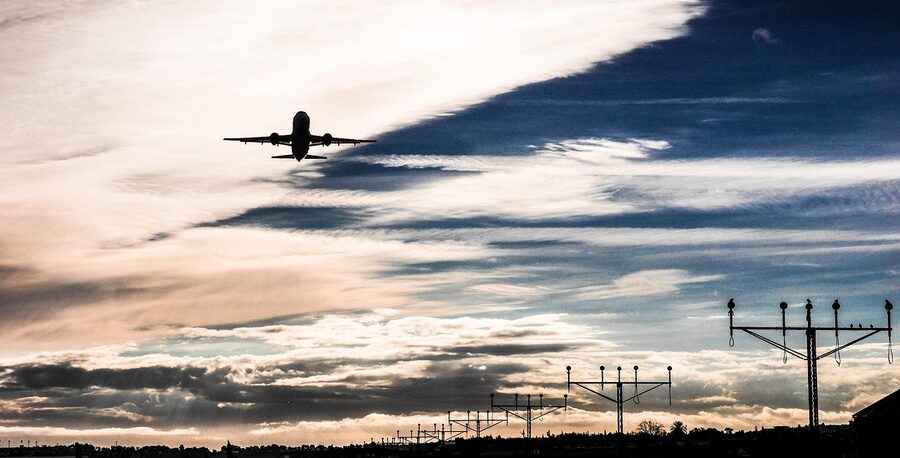
If you’re flying in, the airport is the Pablo Ruiz Picasso International Airport, named for the obvious reason. The C1 cercanías train runs from the airport to the centre in 12 minutes for €1.80, which is the cheapest sensible airport transfer in any major Spanish city.
What it costs in 2026
- Permanent collection: €13 standard, €11 reduced
- Permanent + temporary exhibition combined: €15
- Children under 17: free
- Visitors with disabilities: free
- Casa Natal: €3 standard, free Sundays after 4pm
- Combined Picasso Museum + Casa Natal pass: €17, valid 14 days
Online prices on GetYourGuide are usually a euro or two over the door price, and the marketplace versions almost always include the audio guide. If you want the audio, that’s the better deal; if you don’t, walking up and paying at the door saves a small amount.
How long you need
For the Buenavista alone, plan two hours. Two and a half if you’re a slow museum walker or you want to read every label. The audio guide adds a half-hour because it talks more than you’d think.
For Casa Natal, 45 minutes is enough. An hour if you sit and read the family letters they have on display.
For the Picasso morning (Casa Natal plus Buenavista plus Santiago church), you want a clear half-day, 10am to 2pm. With lunch added, 10am to 3.30pm.
Photography
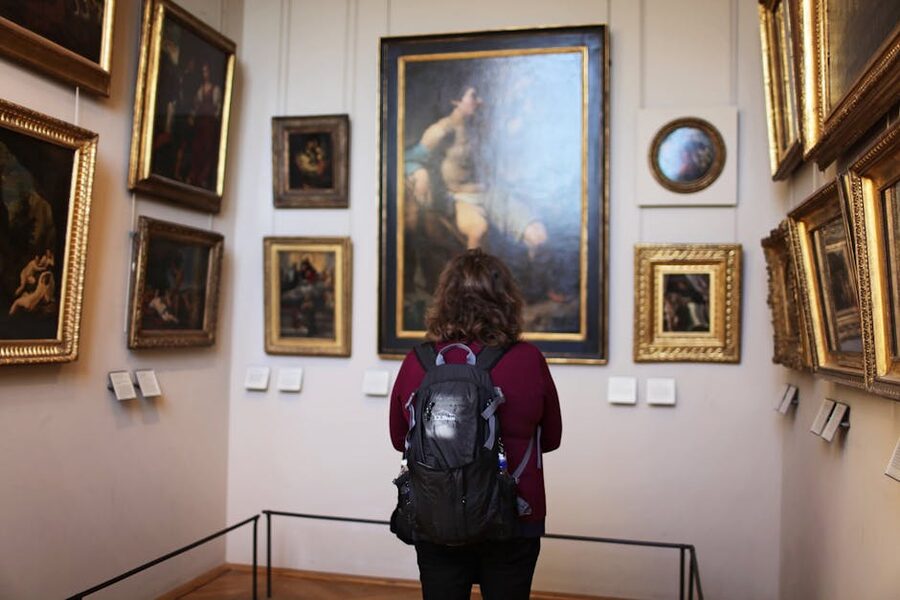
No photography in the permanent collection. They will tell you. They’re polite about it, but they will tell you. Phone cameras are tolerated in the courtyard and the basement archaeology, and required basically everywhere else if you want a record of what you saw.
Accessibility
The Buenavista was renovated to be fully wheelchair accessible. There’s a lift to all upper floors and the basement archaeology, the doorways are wide enough, and accessible bathrooms are on each level. The Casa Natal is partially accessible; the ground floor and the first upper level are reachable, the topmost floor is not.
Where to eat after
The museum cafe under the courtyard arches does decent coffee and basic sandwiches and is the easy choice if you don’t want to break the visit. Better food is two minutes outside.
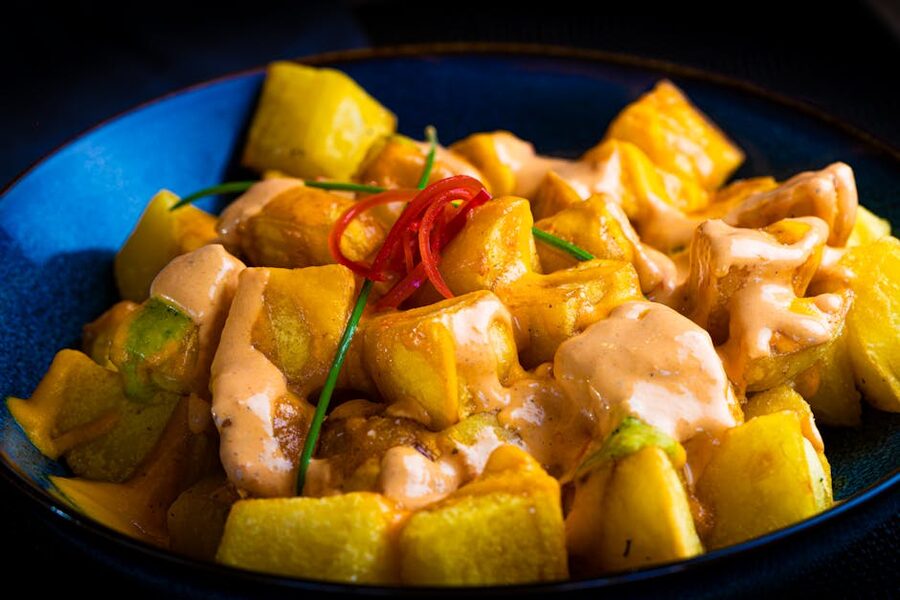
For a proper Malagueño lunch close to the museum, walk to El Pimpi on Calle Granada. It’s an old wine cellar that’s now a restaurant complex; the patatas bravas and the boquerones (fried Mediterranean anchovies, a Málaga specialty) are the dishes to order. It’s three minutes from the museum on foot.
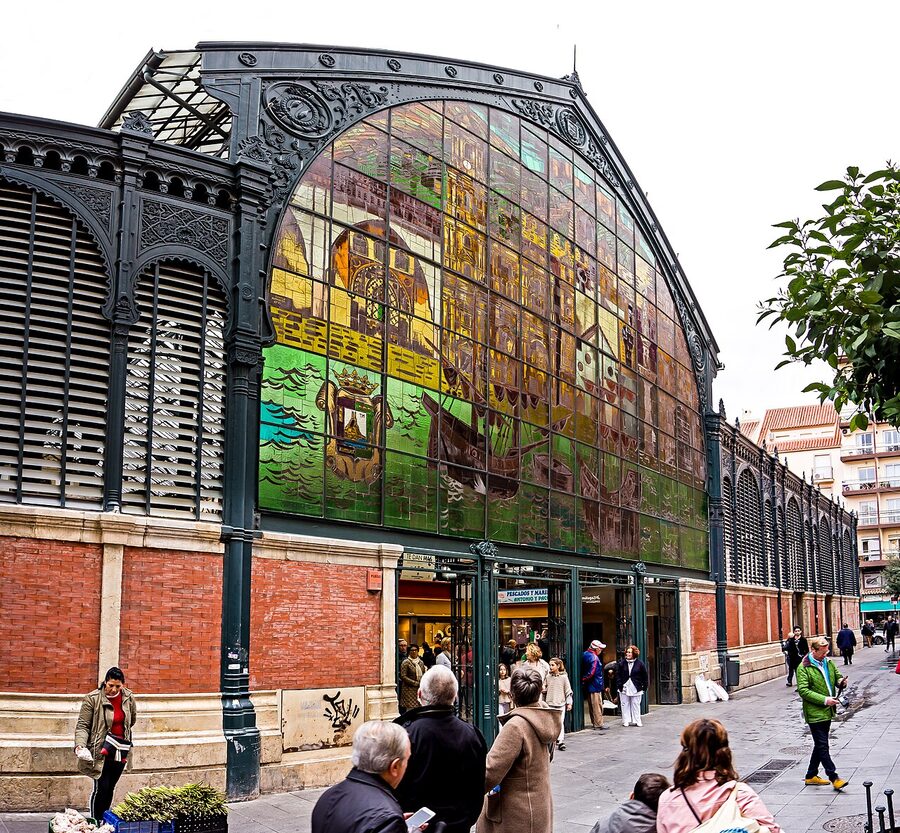
For something cheaper and quicker, the Mercado Central de Atarazanas is a 12-minute walk and stays open until 3pm. Half a dozen tapas bars under the iron-and-stained-glass roof, all of them serving the catch from the same morning. The fried boquerones at El Yerno on the second row are about €6 a plate.
Pairing the museum with the rest of Málaga
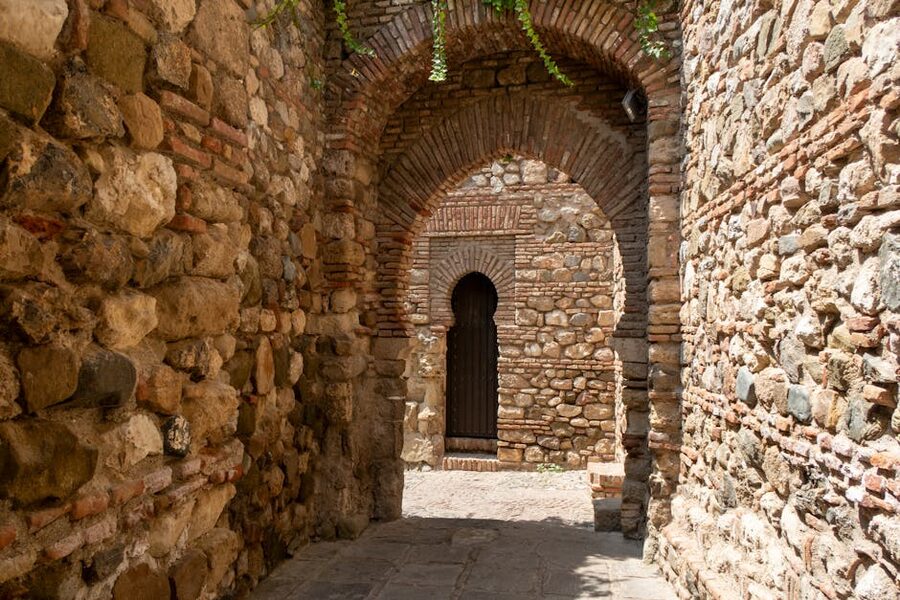
The Picasso museum on its own is a half-morning. If you’ve got a full day in Málaga, the obvious pairing is up the hill to the Alcazaba and the Roman theatre, both ten minutes’ walk from the Buenavista. The Roman theatre sits at the foot of the Alcazaba walls, which were built using Roman stones, which makes a layered single visit out of what looks on the map like two separate sites.
For an afternoon out of the city, the Caminito del Rey day trip is the obvious spectacular pairing: a cliff-edge walkway hour north of Málaga that’s the best non-city Andalusian thing to do from this base. The earlier you book, the better the slot you’ll get.
If you’re using Málaga as a base for a wider Andalusian week, the Alhambra in Granada is two hours by bus, and the Mosque-Cathedral of Córdoba is two hours by train. The Picasso morning fits comfortably as the cultural anchor on a Málaga day before the train leaves for either of those.
Picasso’s Málaga past, in his own words
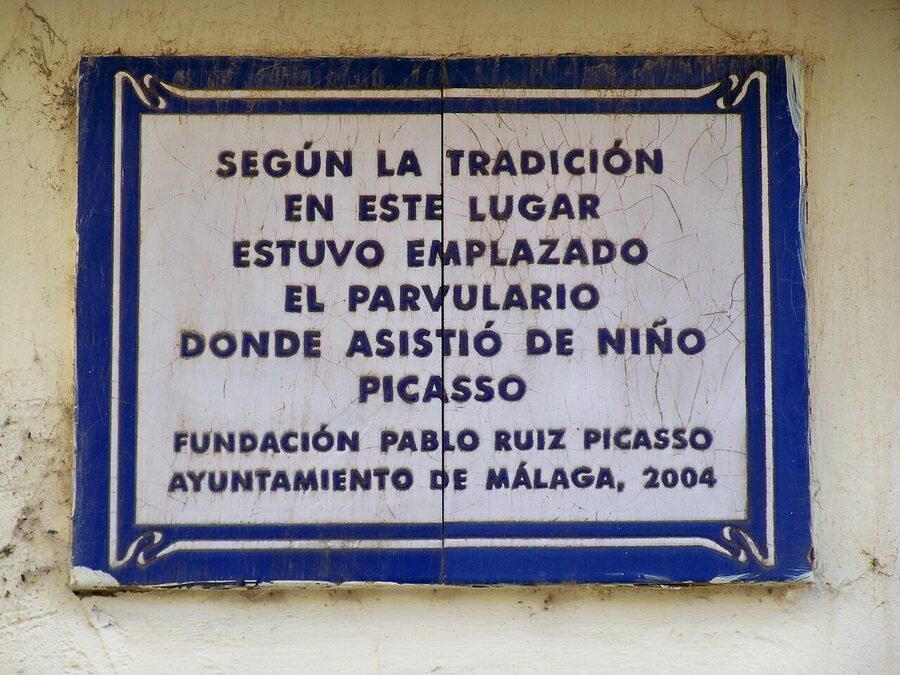
Picasso left Málaga at almost ten and never lived here again as an adult. He passed through a few times in his teens and twenties, then never returned after the Civil War. He died in southern France in 1973 without ever having seen the Buenavista Palace as a museum, because the donation didn’t arrive until thirty years after his death.
But he was clear about where he came from. “Mi madre era Picasso,” he said in one interview late in life. My mother was Picasso. The surname he chose to sign was hers, not his father’s, partly because it was the rarer name and partly, you suspect, because it was also Málaga. He kept Málaga’s painted ceramics in his studio in France until the end. The boquerones and the sardines on a stick that he ate as a child show up in his ceramics from the 1950s, painted on plates as if from memory.
It’s the kind of quiet biographical loop the Buenavista visit makes you notice. The art that hangs on the walls upstairs was made far away and most of it later. The city it came from was always here.
If you’ve only got an hour
If something’s gone wrong with your day and you only have 60 minutes, this is the order of operations. Walk in, pick up the audio guide, go straight to the second floor. Find Olga Khokhlova in an Armchair in the neoclassical room. Find Acrobat in the 1930s room. Find one Vallauris ceramic on the upper landing. Walk out through the courtyard. Skip the basement, skip the temporary exhibition, skip the gift shop.
You’ll have done the three works that summarise his arc, in the building he was born five minutes from, in less time than it takes to eat lunch. Better than not having gone in at all, even if it isn’t really how museums are meant to work.
The Picasso bit of an Andalusian week
If you’re piecing this morning into a longer Andalusian trip, the natural rhythm is one big art day, one big architecture day, one big landscape day, then repeat. Picasso fits as the art anchor of the Málaga leg. The Royal Alcazar of Seville, the Alhambra in Granada, and the Mosque-Cathedral of Córdoba are the three architecture anchors of the rest of the route, and Caminito del Rey or the Ronda gorge and the white villages are the landscape ones.
Pairing-wise, the Picasso morning sits well before a flamenco evening. Málaga’s own tablao scene is smaller and cheaper than Seville’s tourist circuits, and the local verdiales tradition is unlike anything else in Spain. Picasso the morning, flamenco the night, and you’ve done the Málaga that isn’t beach.
And if you’re cross-pollinating with Italian art on the same trip, the closest spiritual companion to this museum is the Leonardo Interactive Museum in Florence: another small museum in another walkable old town, focused on the formative years of an artist whose famous work lives elsewhere. Different artists, different centuries, the same museum-as-context move.