
Most people book Ibiza expecting a club. They land in May or June, head straight for San Antonio or Playa d’en Bossa, get into a routine of late dinners and 2am sets, and leave a week later with a hangover and a vague memory of the Mediterranean. They miss the part the regulars come back for. The water.
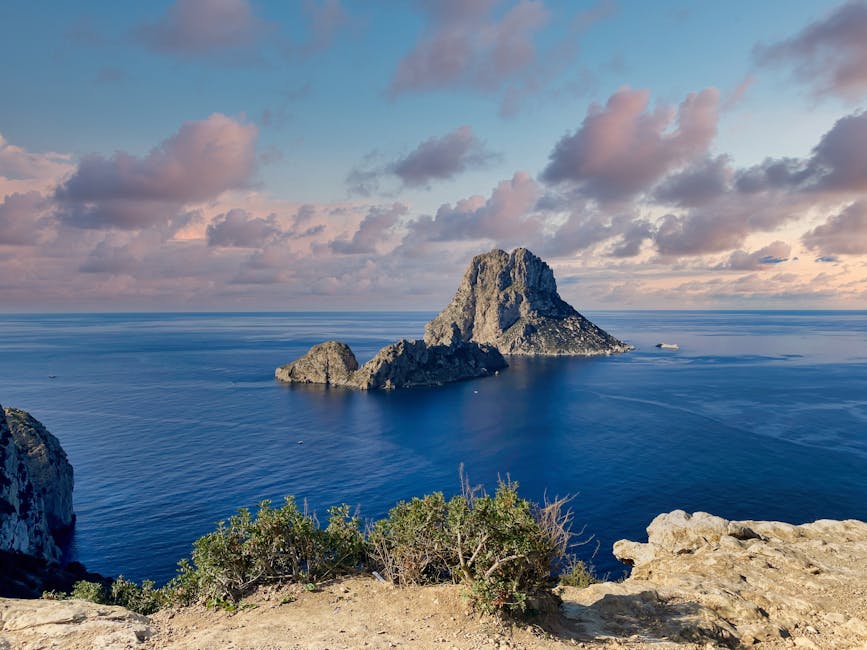
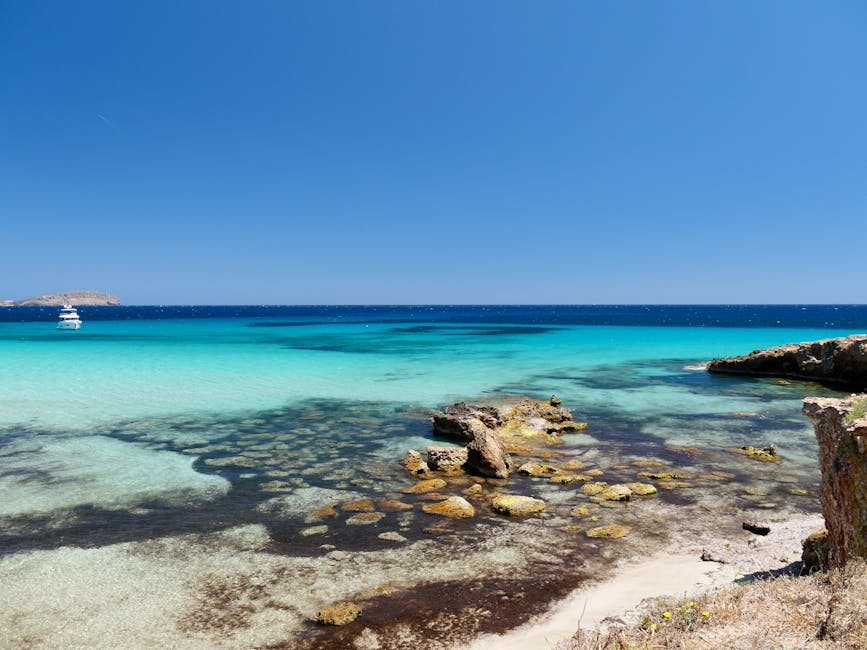
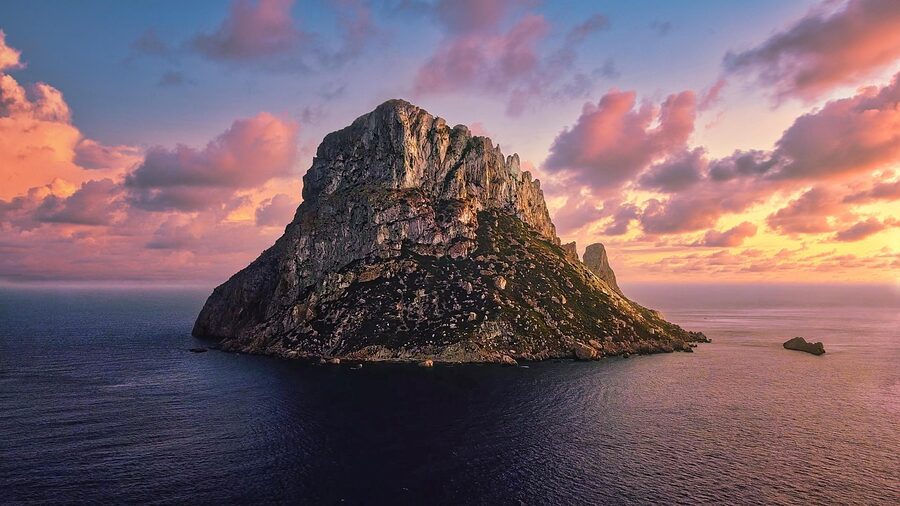
I’m going to argue something contrarian here. The best version of Ibiza is the one that happens before sunset. It’s a catamaran drifting at the foot of Es Vedrà, the 413m limestone monolith that sits 2km off the south-west coast like a grey shark fin in turquoise. It’s a Formentera ferry crossing into Cala Saona where the sand is the same colour as the sand at Ses Illetes and the water is so clear you can see your own shadow on the bottom. It’s the snorkel stop at Cala Salada where the visibility is famously 4 to 5 metres and a school of saddled bream parts around your fins. The clubs are real and they’re fine. But if all you do in Ibiza is the clubs, you’ve spent a lot of money to be at the same kind of party you could have at home.
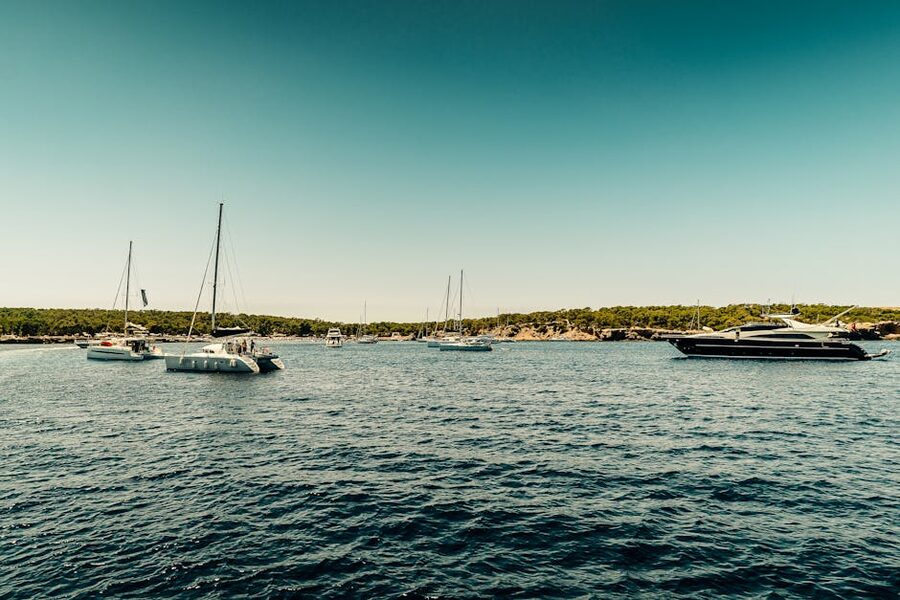
This is a guide to booking a beach-hopping or Formentera cruise from Ibiza without overpaying, picking the wrong departure, or buying a sunset boat that turns into a floating club at 5pm. The good versions of these tours are very good. There are bad ones, too. Here’s how to tell which is which, where the boats actually go, when to go, and which three I’d book.
In a Hurry: Three Picks
1. The flagship beach-hop with paddleboard: Ibiza Beach Hopping Cruise: $81
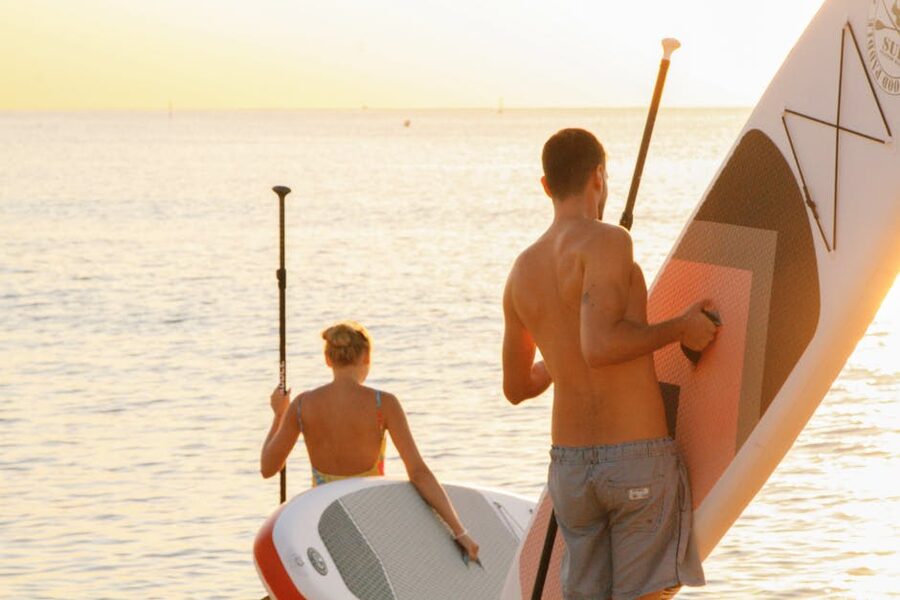
Six hours, paddleboards on board, food and drinks included, two or three cove stops on the south-west coast. The most-booked tour on the island for a reason. It’s the version most people picture when they think “Ibiza boat day”.
2. The premium Formentera day: Ibiza Boat Club Formentera Cruise: $153
Ten hours including the crossing to Formentera, a smaller boat, smaller group, full food and unlimited drinks, anchor stops in Ses Illetes and around. This is the splurge version and it’s the closest you’ll get to the private-charter experience without paying private-charter prices.
3. The cheaper north-coast alternative: Cala Salada and North Cruise: $53
Six hours along the quieter north-west coast, paella lunch on board, snorkel stop at Cala Salada itself, half the price of the south-coast flagships. The tour to book if Es Vedrà isn’t your priority and you want the water without the crowds.
What “Ibiza Beach Cruise” Actually Means
The phrase covers more types of trip than you might think. The cheapest tours are six-hour beach-hops that motor up or down the south-west coast, drop anchor in two or three coves, and serve a buffet lunch and unlimited beer or sangria on board. The mid-range Formentera trips run nine to ten hours, cross to the smaller-quieter neighbour island, and anchor in the famous Caribbean-clear water at Ses Illetes. The premium versions are smaller-group catamarans, ten to twenty guests, with proper food, real swimming time, and a captain who knows where to drop anchor when the wind shifts.
The geography matters. Ibiza is a 572 km² island with about 150,000 residents in winter and a peak summer population that touches 7 million across the season. The coast splits into three loose zones. The south-west (Cala d’Hort, Es Vedrà, Cala Comte, Cala Tarida) is the headline scenery. The north-west (Cala Salada, Cala Saladeta, Sant Antoni) is the quieter half with the cleanest snorkel water. The east coast (Santa Eulària, Es Canar) is residential, family beaches, less interesting from a boat. Almost every cruise you’ll book operates in the first two zones.
If you’ve already done a catamaran cruise from Barcelona and you’re wondering whether the Ibiza version is the same trip with a different city skyline, the answer is no. Barcelona’s catamaran is a city-skyline reveal, ninety minutes out and back, sailing past the Sagrada and the Olympic harbour. Ibiza’s is a swimming and snorkelling day. You’re in the water more than you’re on the deck, the route covers actual coves rather than open sea, and the food is closer to a proper lunch than a tapa. The northern-European city version of the same skyline-reveal idea is an Amsterdam canal cruise, which is the urban boat in still water rather than the open-water Ibiza version, but the family resemblance is there. They’re both worth doing. They aren’t substitutes for each other.
The same applies if you’ve booked a catamaran in Mallorca earlier in your trip. Mallorca’s headline boat-day is the Cap de Formentor or Sa Foradada coastline run on the north-west: bigger water, longer sail times, dramatic limestone cliffs that drop straight into deep blue. Ibiza’s is shallower, calmer, with more time anchored than under sail. The Mallorca version feels like a cruise. The Ibiza version feels like a beach day where the beach happens to be a boat. (For the third Spanish version, where the boat is the route and the city skyline is the point, see the catamaran in Barcelona linked just above. Three different cruises, three different sells, all worth doing once.)
Es Vedrà and the Cliff That Hollywood Used Twice
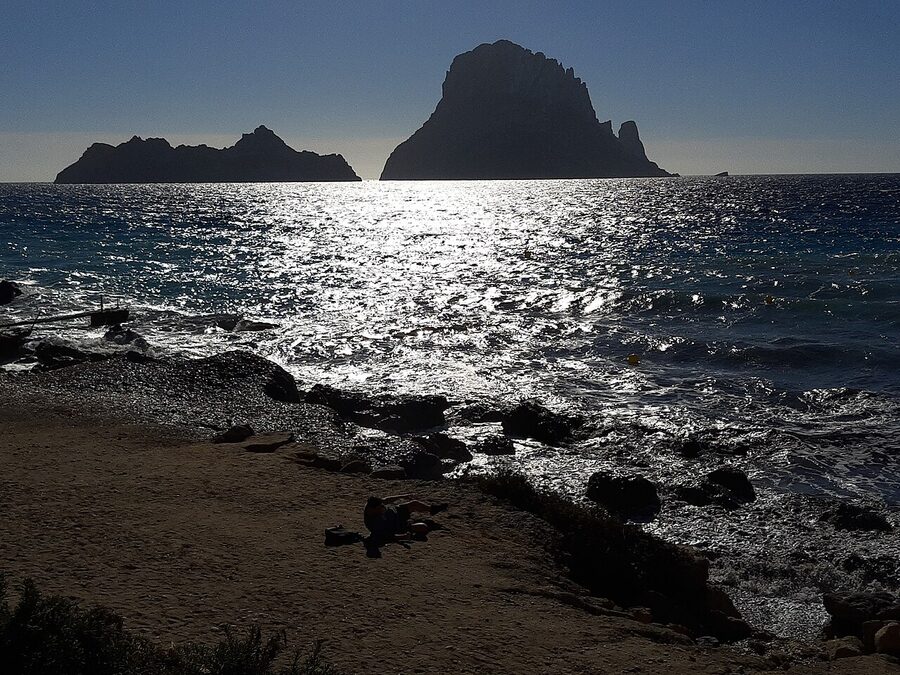
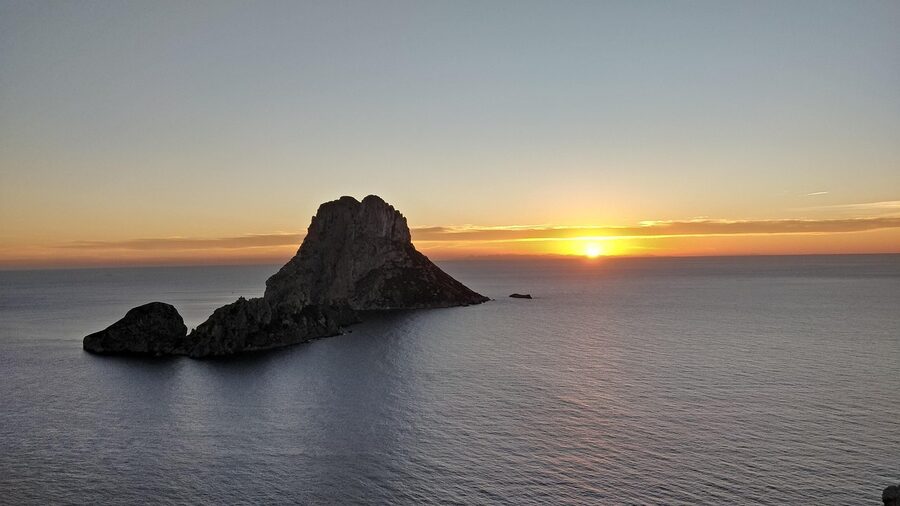
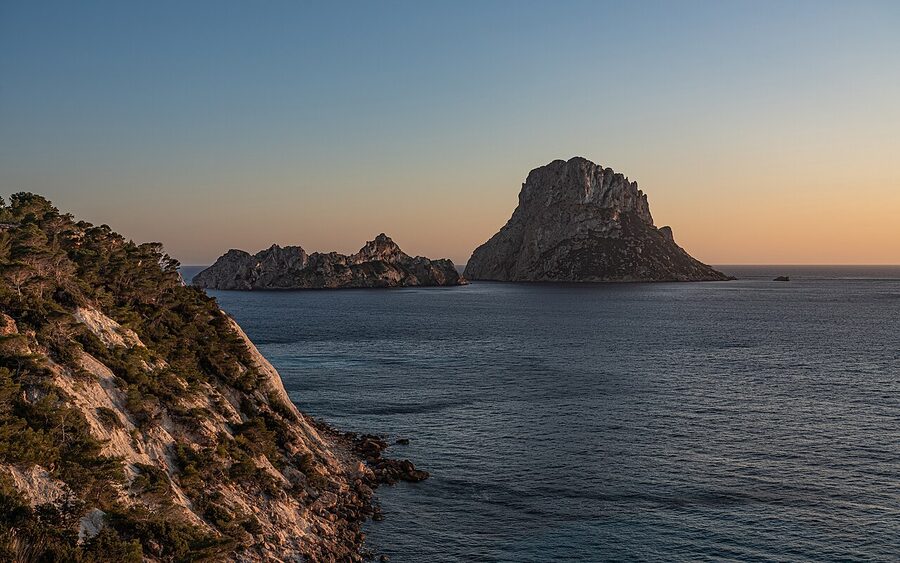
Es Vedrà is a 413m limestone islet sitting 2km off the south-west coast of Ibiza. It’s uninhabited, protected as a nature reserve, and impossible to land on without a special permit. It’s also the most photographed thing in the Balearic Islands, beating even Palma Cathedral and the Mallorcan limestone arches.
The cliff is a chunk of Mesozoic limestone that broke away from the Ibiza mainland sometime in the last few million years. Goats live on it (introduced, hardy, mostly hidden in the scrub). A handful of seabirds nest on the cliff faces. Geologically it’s just a big rock. Culturally it’s a mythology.
You’ll read in every guidebook that Es Vedrà is “the third most magnetic place on Earth” after the North Pole and the Bermuda Triangle. This is not true in any geophysical sense. The Earth’s magnetic field at the rock is the same as anywhere on the south-west coast of Ibiza, and there’s no measurable iron content that would skew a compass. The myth is a local legend that escaped containment around 1980 and now lives in every travel article about the island. Treat it as folklore, not science. The fact that travellers keep repeating it is part of the rock’s tourist appeal, so it survives.
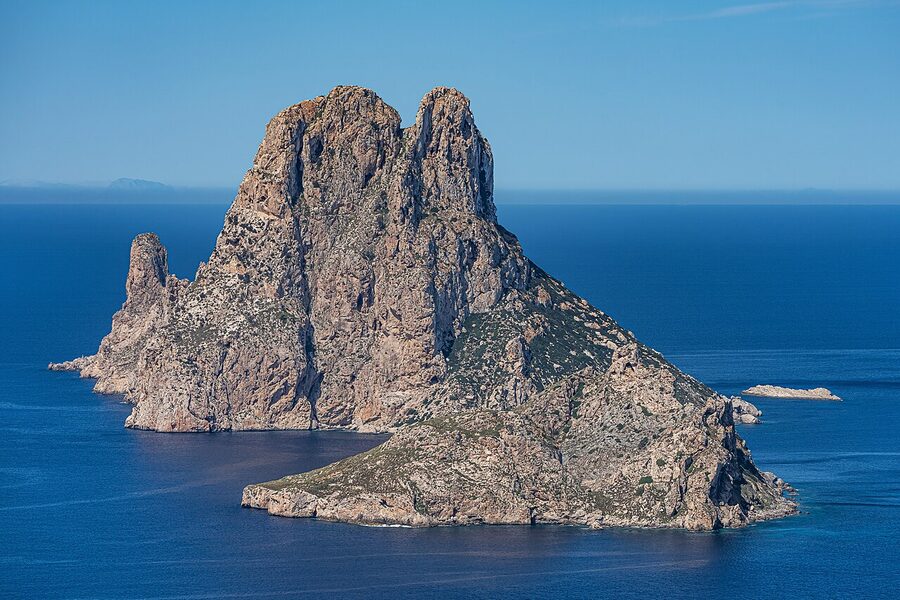
What is true: Hollywood has used the cliff twice. South Pacific filmed Bali Hai there in 1958. The Goonies used it for One-Eyed Willy’s home in 1985 (you’ll spot it in the closing aerial shot). For locals it’s a place charged with whatever you bring to it. Phoenician sailors made offerings to the goddess Tanit there 2,500 years ago. The modern hippies on the cliff at sunset are continuing a tradition older than they think.
The boat experience is the best one. From the cliffside lookout at Cala d’Hort, Es Vedrà is impressive. From a catamaran that’s drifted to within 100m of the south face, it’s something else. The rock fills your sky. The water at the base is some of the clearest on the island because the depth drops straight to 30 metres and there’s nothing to stir up sand. Most boats kill the engines, swing the ladder out, and let people swim in the shadow of the cliff for twenty minutes. That’s the moment the trip pays for itself.
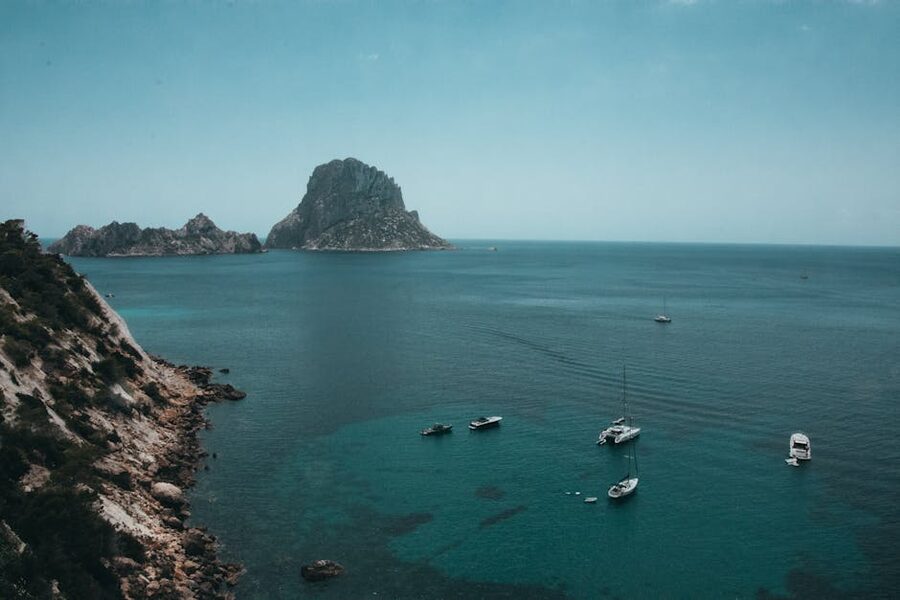
The cliff parallel I keep thinking of is Capri’s Faraglioni from a boat off Naples: the same dramatic limestone-out-of-deep-water effect, the same “you’ve seen the postcards but you haven’t felt the scale”. Capri is taller, busier, and closer to a city. Es Vedrà is more remote and the water around it is cleaner. If you’re choosing between Italy and the Balearics for a one-island summer trip and you want the rock-out-of-the-sea moment, both will deliver. They’re different versions of the same idea.
Cala Salada and the Snorkel Question
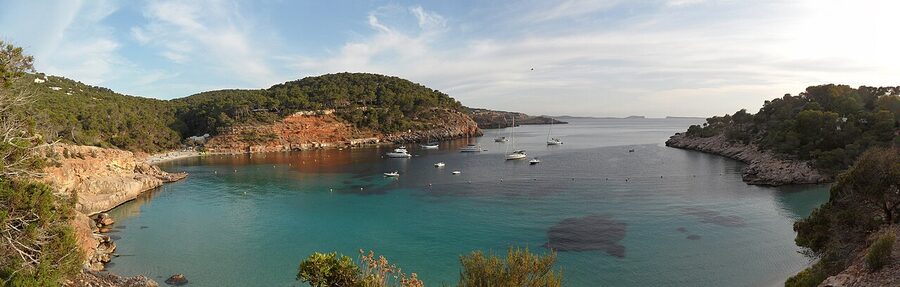
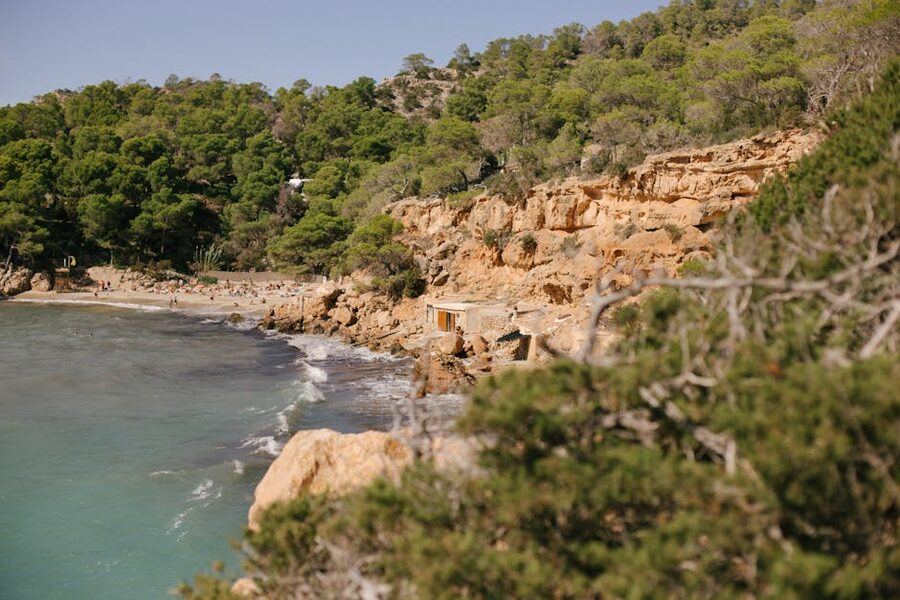
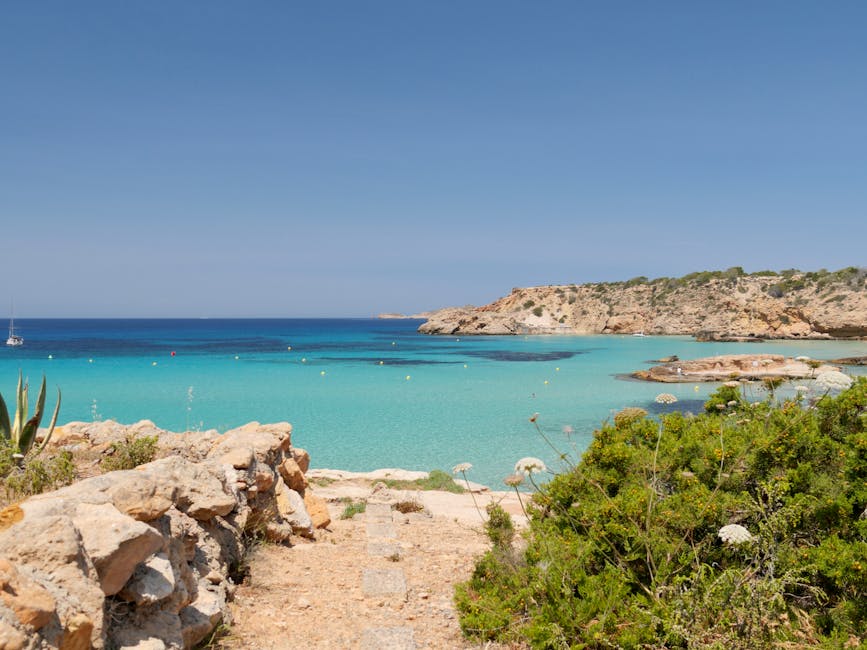
Cala Salada is the snorkel beach. It’s about 10km north of San Antonio and a 30-minute drive from Ibiza Town, on the north-west coast where the cliffs run straight down into pine trees and the pine trees run straight down into water. The car park is small and fills by 11am in summer. From the car park it’s a 200m walk down a sandy path to the beach. The sand is fine and pale, the water is the kind of clear you only get when there’s no agricultural runoff for kilometres in either direction.
Visibility is genuinely 4 to 5 metres on a calm day. I checked a half-dozen sources before writing that (local dive shops, tour operator descriptions, the official Sant Antoni de Portmany tourist board) and they all converge on the same number. From a snorkel mask you can see octopus on the rocks at 3 metres, schools of saddled bream and salema porgy in the kelp, the occasional sea bream patrolling deeper. Off the boat at the eastern end of the cala, the rocks drop into 4 to 8 metres and the sport is short cliff-jumps into deep water. There’s a small jumping spot the locals use, about 4 metres off the rock face, and the cruises that stop here usually point it out.
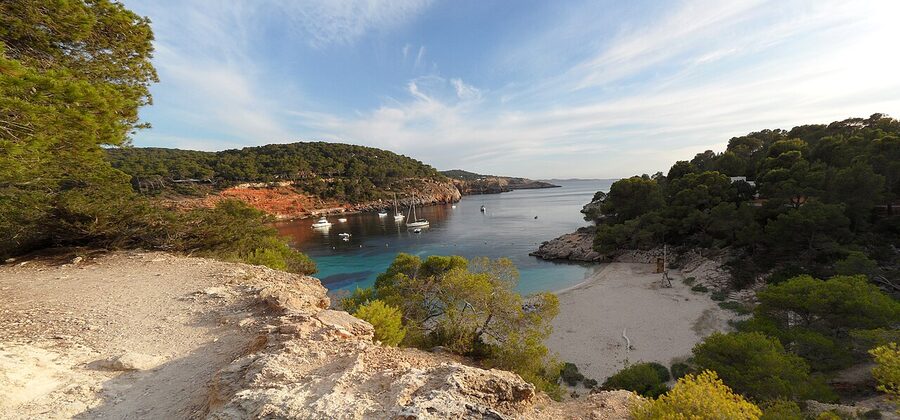
The trick almost nobody on a cruise tells you: Cala Saladeta, the smaller pebble cove just north of Cala Salada, has even better water and almost no one in it. There’s a short goat track between the two, around 100m through pine trees. If your boat anchors at Cala Salada and gives you a couple of hours, walk to Saladeta. It’s the version most travellers miss.
The cruise version of this beach is different from the land version. From land you walk down, you swim, you walk back up. From a boat you anchor 50 metres offshore in 6 metres of water, you swim into the cala, you snorkel along the rock walls on either side, you climb back up the swim ladder when you’ve had enough. The land version is restful. The boat version is more active and you see more. The boat side of the cala has the better marine life because the bottom is rockier. The closest Italian parallel for the boat-anchored-off-a-cala experience is the Polignano a Mare cruise on the Adriatic, where the geometry is the same: limestone cliff, small cove, anchor 30 metres out, swim in.
If you’ve done the kayak-and-snorkel trip in Tenerife you’ll already have a sense of how Spanish snorkel-from-a-boat tours work. Tenerife trades on volcanic reefs and a real chance of seeing green turtles in the shallows. Ibiza trades on sand-bottom clarity and a slimmer rock-fauna selection. Both are good. Tenerife’s animal cast is better. Ibiza’s water is clearer.
Formentera, the Quieter Neighbour
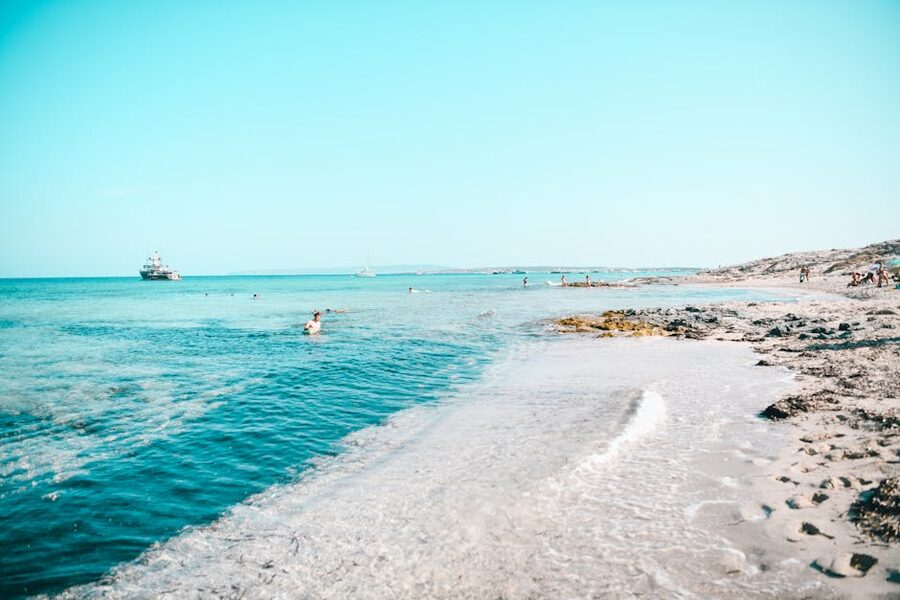
Formentera is the smaller-quieter neighbour of Ibiza. It’s 19km long, 5km wide at its widest, with about 12,000 year-round residents. The ferry from La Savina (Formentera’s port) to Ibiza Town runs 25 to 40 minutes depending on operator and weather. There are no large hotels. The beach development is regulated tightly. The locals will tell you, often within an hour of meeting them, that Formentera is the real Balearic experience and Ibiza is “the place the tourists go”. They’re partly right.
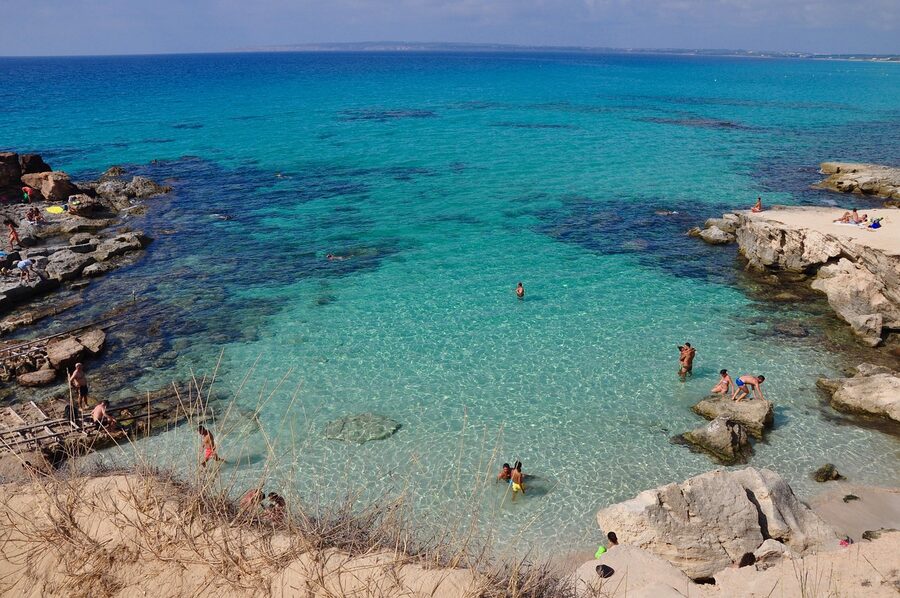
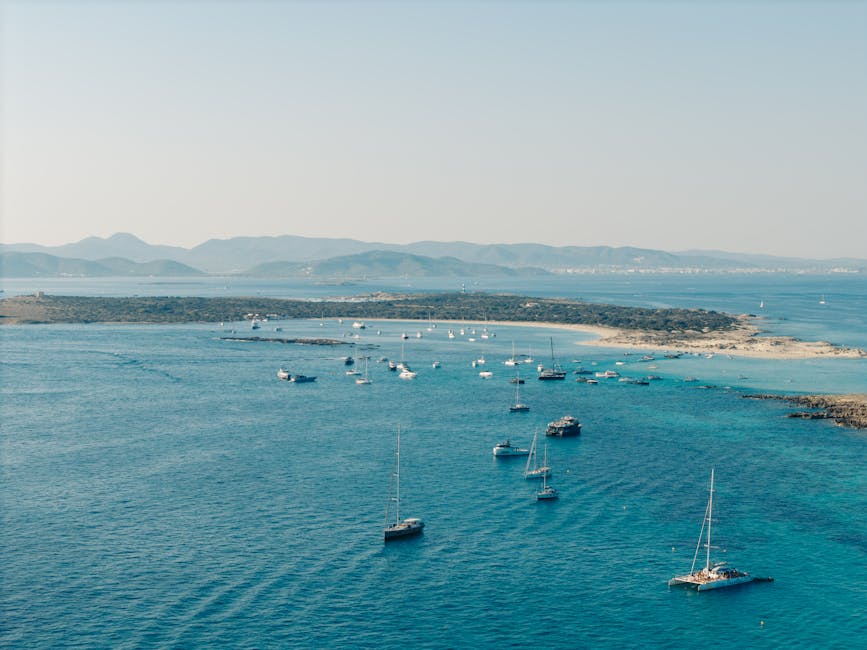
The famous beach is Ses Illetes, on the northern peninsula. It’s been on every “best beaches in Europe” list since the lists started. The water is shallow and white-sand-bottomed for hundreds of metres out, which produces the bright turquoise that makes everyone hand their phone to whoever’s on the boat next to them and ask for a photo. Cala Saona on the west coast is smaller and rockier and the sand is closer to coral pink. Es Pujols in the north-east is the resort beach with the bars and restaurants. A typical Formentera cruise hits Ses Illetes and one or two others.
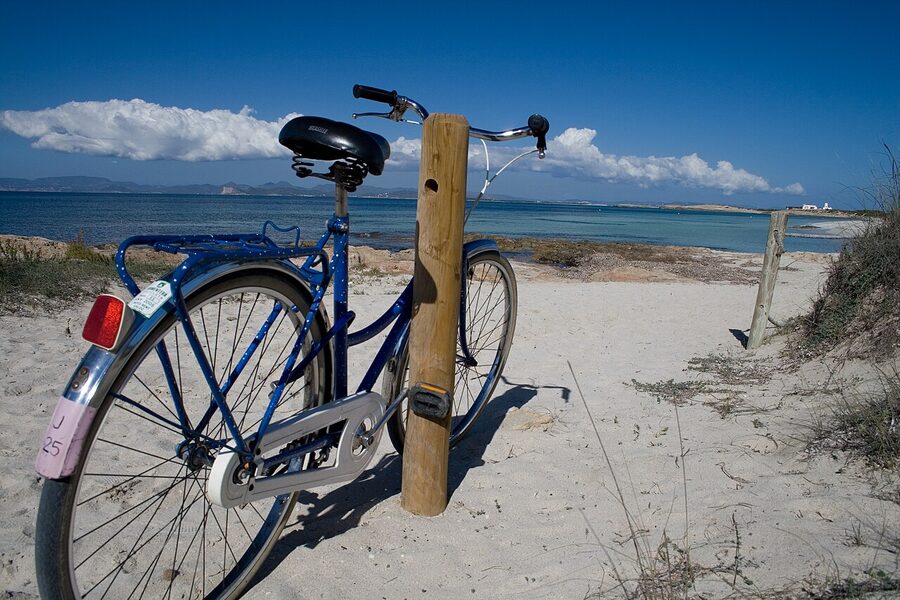
Two ways to do Formentera from Ibiza. The first is the public ferry (Trasmapi or Balearia from Ibiza Town, hourly in summer, around €25 to €45 round trip depending on operator and time of day). You land at La Savina, hire a bike or scooter, ride to Ses Illetes, swim, eat, ride back. This is the cheaper and more flexible version. The second is a private boat, the cruise version, that bypasses the ferry, anchors directly off Ses Illetes or Cala Saona, lets you swim straight from the boat, feeds you on board, and brings you back to Ibiza by sunset. The cruise is about €100 more expensive and saves you the ferry-plus-bike-hire scramble. It also gives you better swim spots, because the boat can anchor in places the day-trippers from land can’t reach.
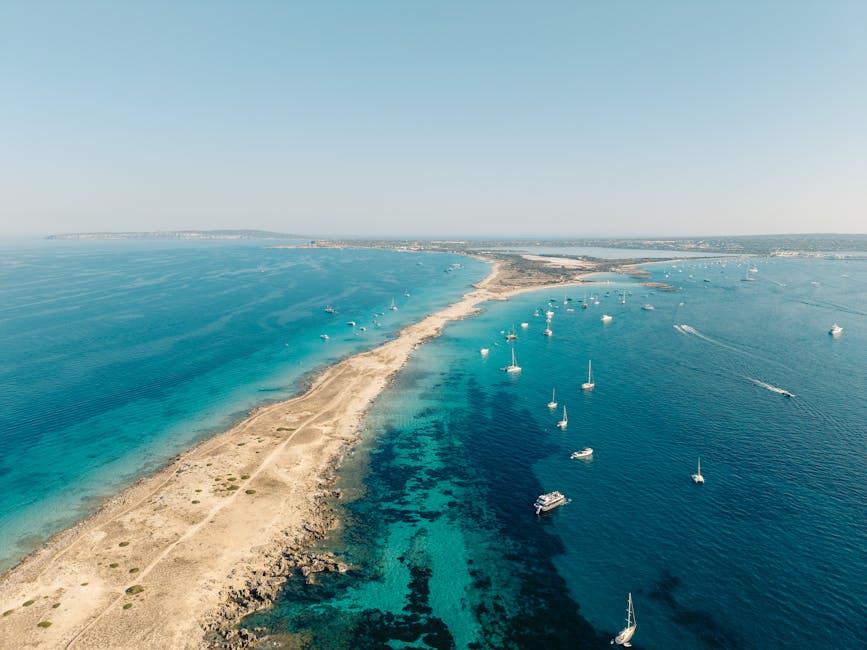
If you only have one full day for the water and you have to choose between a south-west Ibiza beach-hop with Es Vedrà and a Formentera crossing, it’s a real choice. The beach-hop gives you more variety (three or four anchor stops, different scenery at each) and the Es Vedrà moment. The Formentera trip gives you longer time in the best water on the archipelago and a sense of what the islands felt like before tourism. The Formentera version is also more expensive. Most people do the south-west cruise on day one and the Formentera ferry on day three or four if they have the time. The Italian equivalent, if you ever need one, is the Amalfi Coast day trip from Sorrento: a long ferry-and-boat day that visits multiple coastline towns rather than anchored coves. Both formats work. They produce different memories.
The La Maddalena boat day off northern Sardinia is the closest equivalent in Italy: a small-archipelago day-cruise where the water is the headline and the islands are mostly empty of development. La Maddalena’s water is just as clear. The boat days are typically a bit longer (some are 8 hours, the Formentera versions push 10). On the French Mediterranean side, an Ajaccio boat tour out into the Sanguinaires gulf in Corsica covers the same volcanic-coast-and-clear-water idea on a different island, and a shorter version of the same instinct lives in the Sainte-Marguerite ferry from Cannes, where the protected island is a fifteen-minute crossing rather than a forty-minute one. You wouldn’t pick one over the other for the water. You’d pick on which country you’re already in.
Cala Comte and the Sunset Question
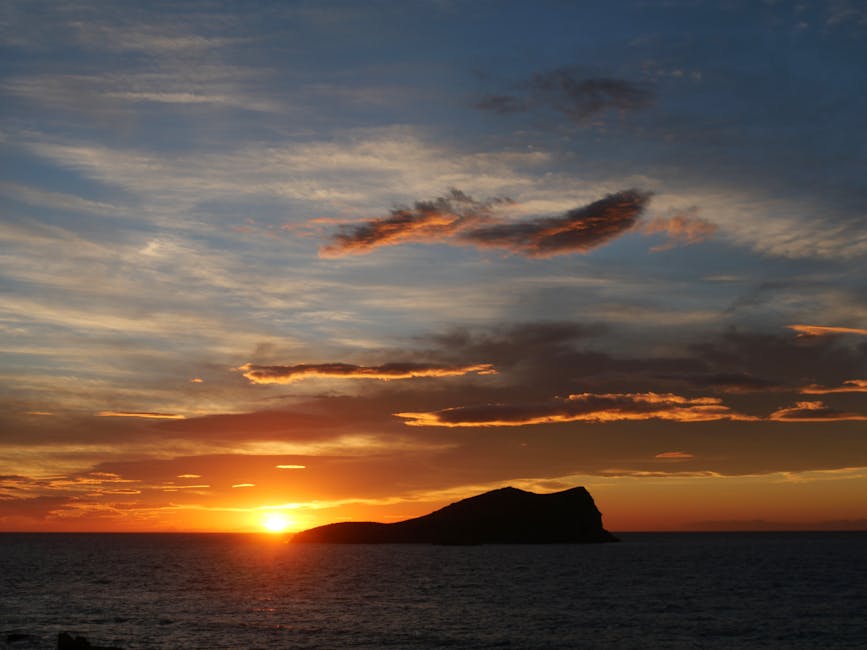
Cala Comte is the sunset beach. It’s a string of five small coves linked by rocky paths on the west coast, about 9km from San Antonio and 25 minutes from Ibiza Town. The sun sets over a pair of small offshore islets (Sa Conillera and Es Bosc), which is why the photographers who do this for a living live on the cliff path here from May to October.
The boat version of Cala Comte is the sunset cruise. Most operators run a separate two- to three-hour evening trip, leaving Ibiza Town or San Antonio around 17:30 in May and June (later in July and August), motoring along the south-west coast, anchoring off Cala Comte or near Es Vedrà for the actual sundown, and returning around 21:00. There’s usually wine, sometimes a DJ, sometimes both. The lagoon-not-coast version of this idea, if you ever do Italy with the Adriatic in mind, is the Venice islands cruise across the lagoon to Murano and Burano. A similar “you book a boat to see what you can’t see from land” thesis, executed on much shorter sail times.
My take, plainly. The full beach-hop and the dedicated sunset cruise are different products. If you only have one day on the water, do the beach-hop. You can see a sunset from anywhere on the south-west coast for free, and the daytime swimming is what makes Ibiza different. If you have two days and want a sit-down boat experience without the swimming, the sunset cruise is genuinely lovely and not very expensive (most are €40 to €70 with a glass of wine). What I’d skip is the high-end “sunset party boat” that turns into a floating club after sundown, charges you €120, and dumps you at port at 22:00 with a hangover already starting. Those exist and they’re a different category. They’re closer to the clubs than to the cruise this article is about.
Compare to the Gran Canaria dolphin cruise, which is a similar afternoon-into-evening Spanish boat day with a different headline (the dolphins, when you find them). Gran Canaria’s marine life is the draw and the scenery is secondary. Ibiza’s scenery is the draw and the marine life is incidental. Pick by what you actually came for. If it’s the animals, do the Canaries. If it’s the water and the cliff, Ibiza.
Best Time to Go on the Water
The water-cruise season runs May to October. Outside that, sea temperatures drop below 17°C, the wind picks up, and the cruise operators reduce schedules or close. Inside it, the months break down like this.
- May. Water around 18 to 20°C. The island is awake but not crowded. Cruise operators are running but not all departures are daily yet. Wind can still be unpredictable. Best for couples and people who want a quieter version of Ibiza.
- June. Water 20 to 23°C, calmer wind, longer daylight, almost all cruises running daily. The best month if you want the full water experience without the July-August crowd. This is when I’d book.
- July. Water 23 to 26°C, the island is at full capacity, prices peak, departures are every two hours. The hottest month for swimming but also the most crowded. If you’re going in July, book the cruise two weeks in advance and pick the earliest morning departure to avoid the after-club tourists.
- August. Same as July with an extra layer of crowd. Avoid if you can. The water is great, the boats are full, the calas are packed.
- September. Water still 23 to 25°C, the August crowd has gone home, the wind picks up some afternoons. The other “best month” candidate. Some say September beats June.
- October. Water 21 to 23°C in the first half, dropping to 19°C by month’s end. Operators wind down. Last-chance month for the season.
The single best advice I can give: book a morning departure. Ibiza’s afternoons are fine but the morning water is glassier, the wind hasn’t picked up yet, and the boats aren’t yet competing for anchor space. A 10am or 11am sailing on a beach-hopper is a different experience from the 14:00 sailings of the same tour. If you’re flying through Barcelona on the way and want a quieter alternative for the day before, the Montjuïc cable car gives you a fifteen-minute version of “view the Mediterranean from above” without needing to commit to a boat day.
What to Bring On Board
This is the most-asked question and most travel articles answer it badly. Here’s the real list.
You need a swimsuit (obviously), a towel (almost no boat provides them at the cheaper price tiers), reef-friendly sunscreen, a hat, sunglasses with a strap, and a light cover-up for the boat-deck breeze. You don’t need a snorkel mask. Every boat has them and they’re fine. You don’t need fins unless you’re a regular snorkeler with your own kit. You don’t need a waterproof phone case unless you’re worried; the boats have a dry locker. You should bring a 1L water bottle of your own even if drinks are included, because the included drinks tend to be sangria and beer rather than water, and you’ll dehydrate fast on deck.
Avoid white clothes (suncream stains them in five minutes), avoid heavy perfume (it draws wasps at the lunch stop), and avoid loose hats without a chin strap (you will lose at least one to the wind on every trip). Wear sandals to the boat, kick them off on deck, and put them on again to walk back to the car at the end.
One more practical thing. If you get seasick, take half a Stugeron about an hour before you board. The catamarans on these tours are stable and most people are fine, but the crossing to Formentera passes through a stretch of open water that can chop up in the afternoon wind. Better to take it as a precaution and not need it.
The Three Tours I Would Actually Book
Three picks below. The first is the most-booked beach-hop on the island. The second is the premium Formentera trip for travellers willing to pay double for half the people. The third is the cheaper north-coast alternative for travellers who don’t care about Es Vedrà and want clear water and no crowds. They cover most of what people actually book in this category.
1. Ibiza Beach Hopping Cruise with Paddleboard, Food and Drinks: $81
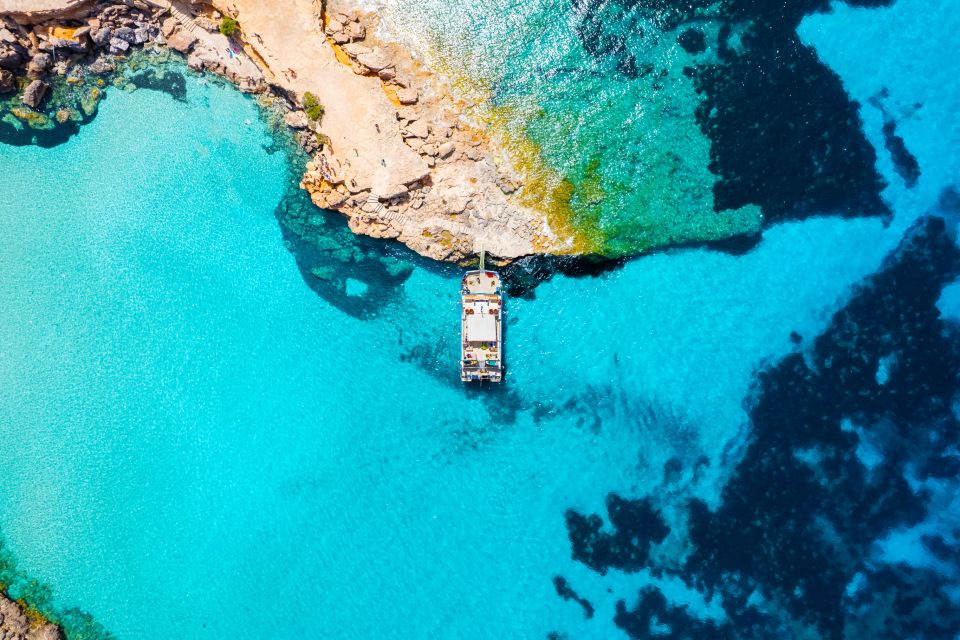
Pick this if you can only book one boat day and you want the Es Vedrà drift plus the south-west coves in a single trip. Six hours is the sweet spot: long enough to relax into the day, short enough that the second sangria doesn’t sneak up on you. Our full review covers the food, the paddleboard situation (genuinely included, not a €15 add-on), and what the actual anchor stops look like.
2. Ibiza Boat Club Formentera Cruise: $153
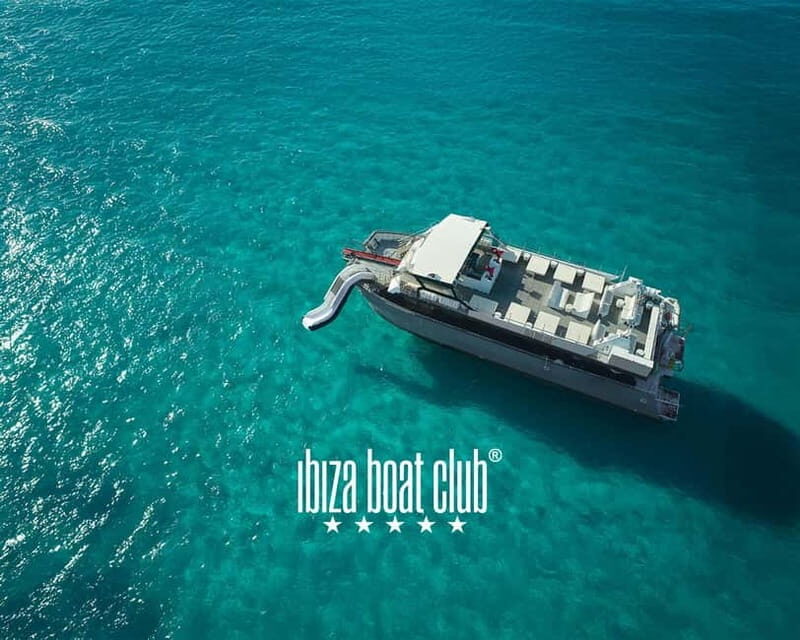
Pick this if you can spare a full day and you want the best water in the archipelago, with a smaller boat and a smaller group than the flagship. The food is a step up too: proper grilled fish or paella rather than a buffet sandwich, and you’re getting roughly twice the experience for double the money. Our full review covers the Boat Club’s reservation system and which Formentera anchor stops they actually use.
3. Cala Salada and North Coast Cruise with Drinks and Snorkelling: $53
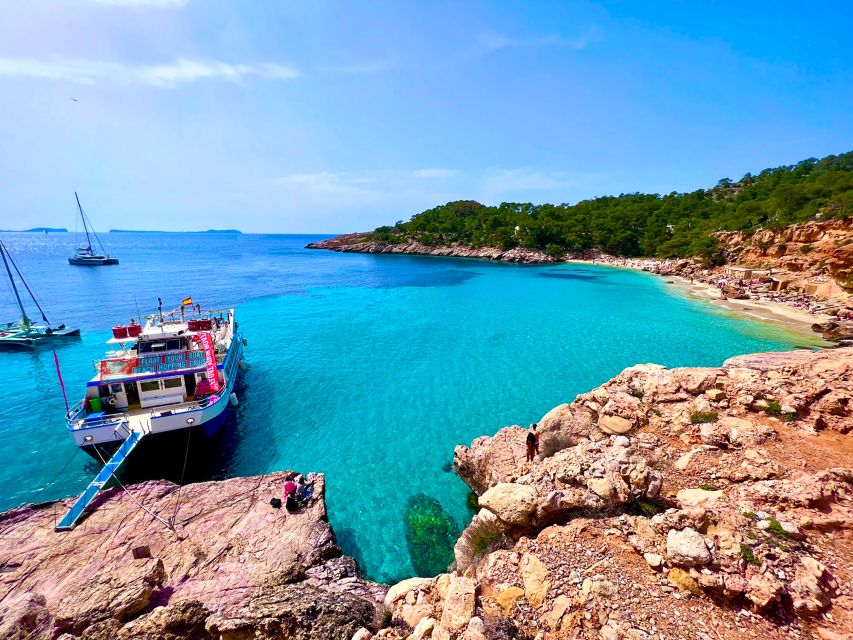
Pick this if you’ve been to Ibiza before, or if your group includes someone who hates crowds: it skips the famous south-west coast and the Es Vedrà drift in favour of a calmer day in cleaner water with fewer boats around. The catch is the trade-off itself, because if you’ve come to Ibiza for the Es Vedrà cliff moment, this isn’t the tour. Our full review covers what the Cala Salada anchor actually delivers and how the paella stacks up.
How to Book Without Overpaying
The cruise market on Ibiza has predictable price patterns and you can save real money if you know them. Three rules.
Book at least a week ahead in June, two weeks ahead in July and August. The flagship beach-hops sell out the night before departure in peak summer. The premium Formentera trips sell out two days ahead. Cheaper alternatives have more flex but the morning departures (the ones you want) go first.
Compare GetYourGuide and Viator side by side. The same boat is sometimes listed on both platforms at different prices. The marketplace fees and operator commissions vary by listing. I’ve seen the same Formentera trip at €130 on one and €145 on the other. Check both, book the cheaper.
Skip the harbour-touts. Ibiza Town’s marina has a row of stalls in front of the pier that sell same-day boat trips at “discount” prices. Some are legitimate. Many are markups on the same tours you can book online for less. If you didn’t book ahead and you’re standing on the marina, walk into a hotel with a tour desk instead. They typically resell the major operators at near-online prices.
One more practical tip. The “private charter” upsell at every operator is real but it’s not the bargain it sometimes looks like. A 10-person private catamaran charter for the day runs €1,200 to €2,000 in summer. Divided ten ways that’s around €150 per person, not far off the premium Formentera Boat Club price. The private charter buys you the route flexibility (you choose the calas) and the lack of strangers, but the actual scenery and food are the same. If you’re a group of six or eight, the private charter is sometimes cheaper than buying eight tickets on a regular cruise. Worth pricing both.
What to Skip
I said up front that the article was going to be mildly contrarian and I’ll deliver. There are three things on the cruise menu in Ibiza I’d skip and tell a friend to skip too.
The “party boat” at any price tier. If a tour description mentions “DJ on board”, “foam party”, or “open bar after sunset”, it’s a floating club. The water doesn’t get a look-in and you’re paying €100 to drink lukewarm sangria with strangers. Go to a real club instead. Pacha or Hï Ibiza will be a better version of the same idea.
The 12-hour mega-day cruise. Some operators sell a 12-hour combined Es Vedrà + Formentera + sunset cruise. It sounds like value but the boat doesn’t actually spend more time at any one stop than the six-hour version. You’re paying for the marketing, not the experience. The six-hour beach-hop and the ten-hour Formentera are the right durations.
Glass-bottom boats. Ibiza’s water is clear enough that you don’t need a glass-bottom. A snorkel mask gives you a much better view and is included on every cruise I’d actually recommend. The glass-bottom boats are mostly aimed at families with kids who can’t or won’t snorkel, and even for that purpose the simple beach-hopper at Cala Salada delivers better marine viewing because you can swim with the fish rather than peer at them through a porthole.
Where the Cruise Sits in the Whole Island
One day on the water is the bare minimum. Two is better. Three is what regulars do: one day on a beach-hop, one on the Formentera crossing, and one on a sunset cruise or a quieter north-coast tour. You won’t lack things to do on the island for the rest of the week. If you’ve ever been on a whale-watching trip in Tenerife and felt the difference between “the water is the experience” and “the water is the route to the animals”, you’ll already know which side of that line Ibiza falls on. It’s the water itself.
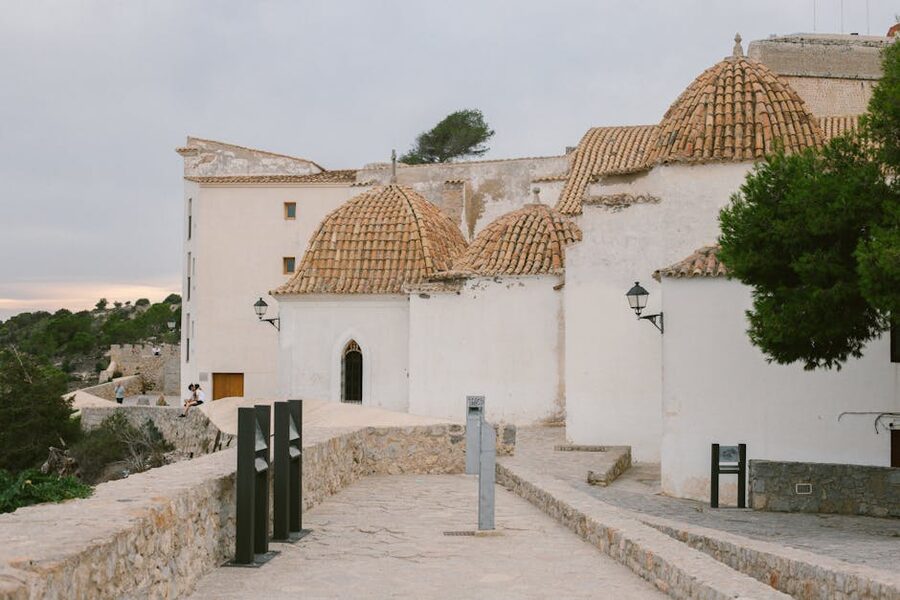
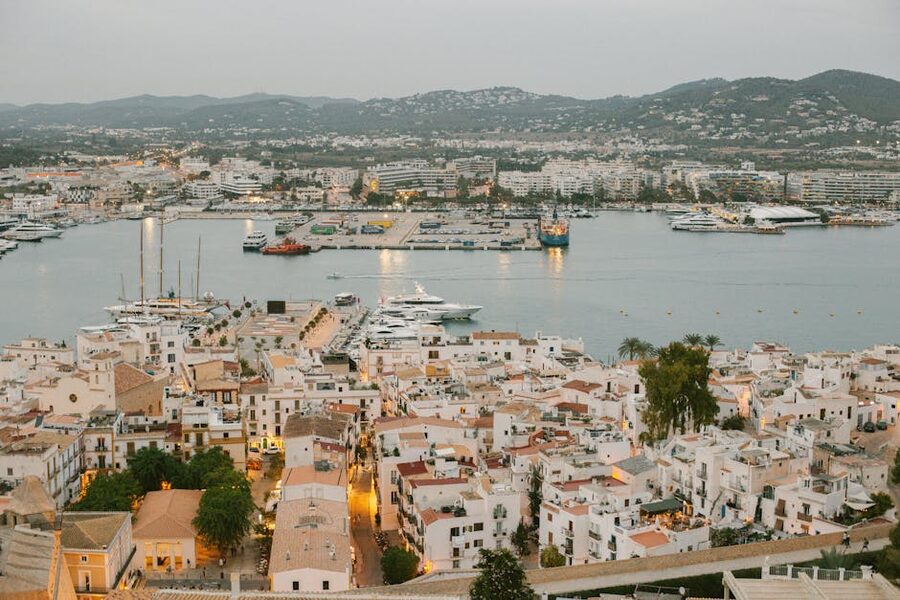
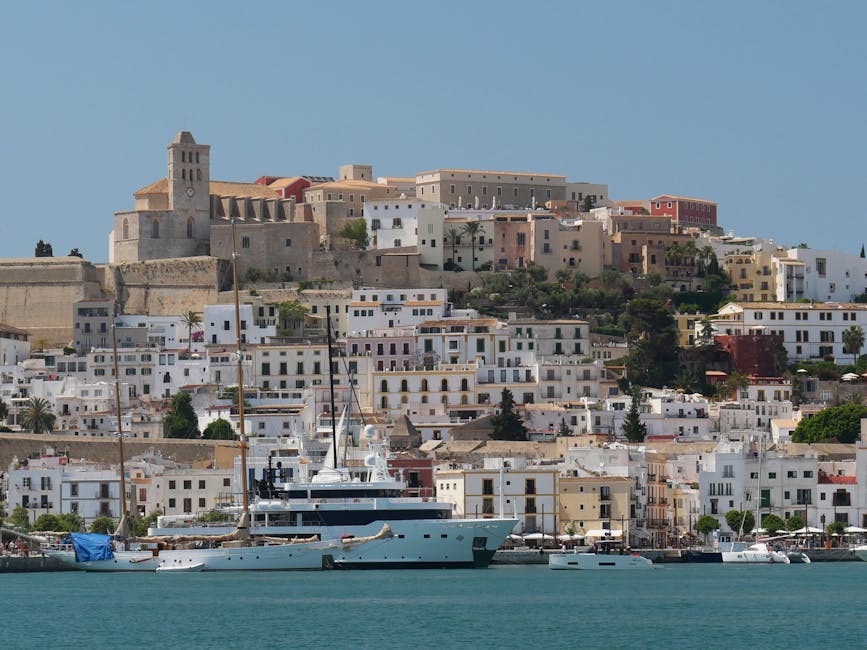
Off the boat, the rest of Ibiza divides into the headline parts and the quieter ones. Dalt Vila, the UNESCO-listed walled town above Ibiza Town port, is worth a slow morning. It’s a 16th-century fortified hilltop with a cathedral at the summit and a maze of cobbled streets. The walk up takes thirty minutes if you stop for coffee. Sant Joan in the north-east has a Sunday hippy market that’s been running since the 1970s and is where the locals actually shop. Santa Eulària is the family-resort town. And then there are the clubs (DC10, Pacha, Hï Ibiza, Amnesia) which are real and very loud and well-documented elsewhere; the city-break parallel for a guided tour through a famous adult quarter is something like a Red Light District walking tour in Amsterdam, where the headline area gets contextualised by a guide rather than just stumbled into at 2am.
If you’re looking at Ibiza next to other Spanish island trips, the natural comparison is Mallorca’s catamaran scene, which trades on dramatic limestone coast and longer sail times rather than swimming and snorkelling. Mallorca feels grander on the water; Ibiza is more intimate. Both reward a half-week. The Canaries (particularly Tenerife’s marine cruises) sit further from the European mainland and offer a different cast of marine life (whales, dolphins, sea turtles) on a fundamentally different geography (volcanic, deeper, no shallow turquoise shelves).
One Specific Moment Worth Booking For
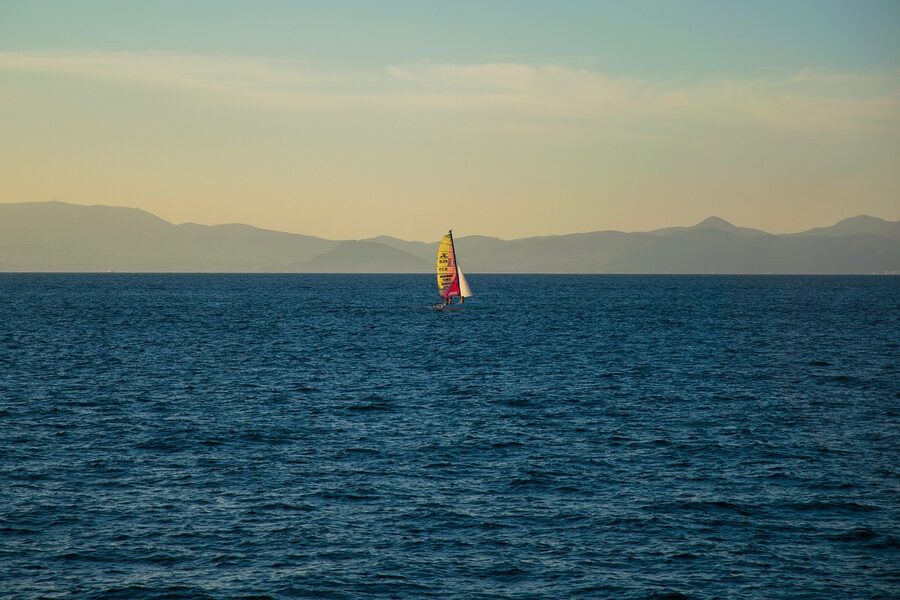
Here’s the moment. Late afternoon, somewhere between 17:00 and 18:00, your beach-hopping cruise has done its three calas and is making the run back to port. The captain cuts the engine, the sails are doing the work, and the wind is right. You’re standing at the bow with a beer that’s too warm and a sunburn you didn’t notice forming. Es Vedrà is two kilometres to the south and the light is turning that very particular shade of gold-into-orange that the south-west Mediterranean does about an hour before sundown. The boat is leaning a little to port. There’s a Spaniard on the deck behind you talking on the phone in fast Catalan. Someone you’ve talked to twice on the boat hands you a slice of melon.
That moment is the version of Ibiza that a lot of people miss. It’s the reason regulars come back. It isn’t the clubs and it isn’t the celebrity chefs and it isn’t the pool parties. It’s the specific quality of light on the south-west coast at 17:30 in June with a sail up and a cliff in the distance. You can’t book it directly. But every cruise I’ve recommended in this article puts you in the right place at the right time of day to have a version of it.
If You’re Building an Ibiza Itinerary
Three to five days is the right length for a first trip if you want both the water and the rest. Day one is land. Get into the hotel, walk the old town, eat dinner somewhere with a view. Day two is the flagship beach-hopper, ideally a 10am or 11am departure. Day three is Cala Salada and Cala Saladeta on foot from the car park if you’ve rented a car, or the north-coast cruise version if you haven’t. Day four is Formentera, either by ferry-and-bike or by the premium Boat Club cruise. Day five is Dalt Vila in the morning and Cala Comte for sunset.
If you’re flying in and out of Barcelona to make Ibiza part of a wider Spain trip, the natural pairing is an afternoon on a Barcelona catamaran on the day before or after, which gives you the city skyline contrast to the Ibiza water version. Or compare to Montjuïc’s cable car if you want the same “view of the Mediterranean from above” idea but as a fifteen-minute alternative without the boat day. They’re different versions of the same impulse.
On the rest-of-Spain side, Ibiza pairs well with a few days in Málaga or Granada. The contrast is significant and you’ll feel like you’ve travelled. Or pair it with the other Balearic boat experiences. Mallorca’s catamaran is the obvious sister tour, and a full Balearic week splits two nights Mallorca, three Ibiza, two Formentera if you’re committed.
Common Questions, Direct Answers
Are these boats family-friendly? The flagship beach-hopper and the Formentera Boat Club run mixed groups. Kids over six are usually fine. Toddlers under three are not. The boats don’t carry life jackets sized for that age and the ladders are awkward. The cheaper north-coast tour is the most kid-appropriate of the three because the route is calmer.
Will I get seasick? Most people don’t on the south-west coast. The Formentera crossing is the one that sometimes catches people, particularly in the afternoon when the wind picks up. Take a Stugeron beforehand if you’re prone. The catamarans are stable boats, much steadier than monohulls, and the seasick rate among my reading is low.
Do I need to speak Spanish? No. Every operator I’m recommending has English-speaking crew. Catalan is the local language but everyone working in tourism speaks at least functional English. A few words of Spanish are appreciated and not required.
Is there shade on the boat? Some shade. The catamarans have a covered cabin area and usually a shade sail rigged over the bow. Not enough shade for everyone if the boat is full. Bring a hat and a long-sleeve UV shirt if you burn easily.
Are vegetarians and vegans accommodated? Mostly yes if you mention it at booking. The flagship beach-hopper does a vegetarian buffet option. The Formentera Boat Club does a vegan option on request. The cheaper north-coast paella tour is the hardest one to vegetarian-ise because paella is a meat dish at its core. Tell the operator at least 48 hours ahead.
If You Like This, You’ll Like
The closest experience to the Ibiza beach-hop in our wider catalogue is probably the Polignano a Mare cruise on Italy’s Adriatic coast: a similar dramatic-limestone-from-a-boat day, with a different food culture wrapped around it (Pugliese rather than Balearic). For the Formentera Caribbean-water angle, the best parallel is La Maddalena off northern Sardinia, which trades on the same shallow-turquoise-shelf geology and small-archipelago day-cruise format. For the Es Vedrà cliff-out-of-deep-water moment, the closest match is a Capri boat tour from Naples, where the Faraglioni stacks deliver the same scale-of-rock sensation. And for “Mediterranean coastline by boat with a meal stop”, the Amalfi day-trip from Sorrento is the Italian sister run.
Inside Spain, the natural sister cruises are the Mallorca catamaran day and the Barcelona catamaran: three different versions of “Spanish coast from a sail boat” across three different cities. Gran Canaria’s dolphin cruise is the Atlantic-island parallel where the water is the route to the animals. Venice islands by boat is the lagoon-not-Mediterranean version of “you book a boat for the day to see what you can’t see from land”.
The Ibiza version isn’t necessarily the best of any of these on its own merits. The water at Formentera is matched at La Maddalena. The cliff-from-a-boat moment is matched at Capri. The skyline reveal is bigger from Barcelona. What Ibiza does that nothing else does is package all three into one island, in different cruises that you can do on consecutive days. That’s the whole pitch. Book the right two of them, leave the clubs alone, and you’ll come home understanding why people who have already done this once book a return ticket the following spring.