
The bus pulls into Positano above the cliff. The driver opens the doors, you step out into a viewpoint that looks like every Amalfi Coast desktop wallpaper you’ve ever scrolled past, and then a guide named Titti or Federica tells you the bus leaves in 35 minutes. The descent to Spiaggia Grande takes 20 of those minutes, and then you have to climb back up. So what you actually have is a lemon granita, two hundred photos, and a small private war with your own legs.
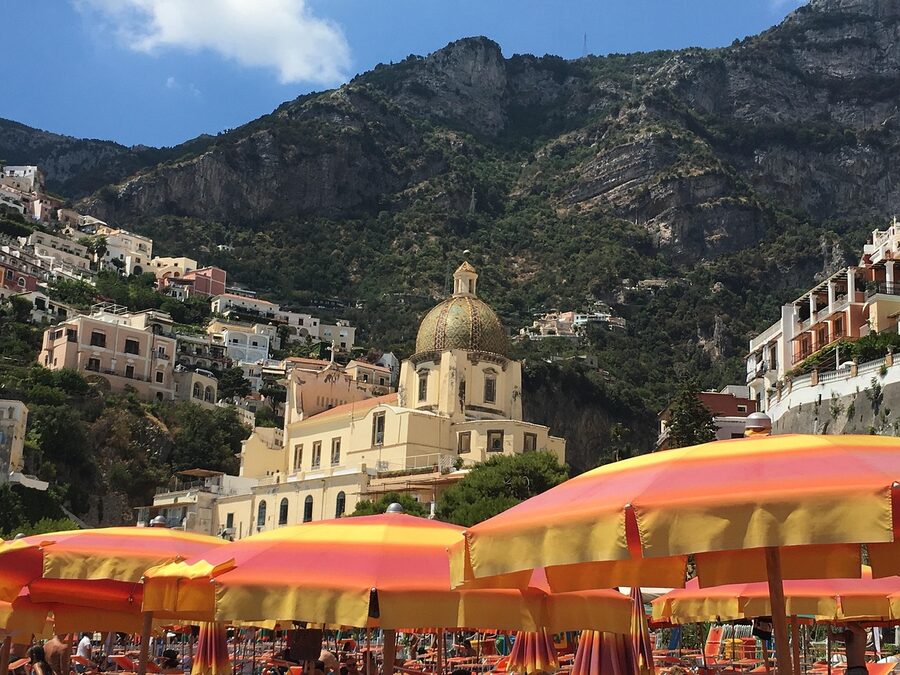
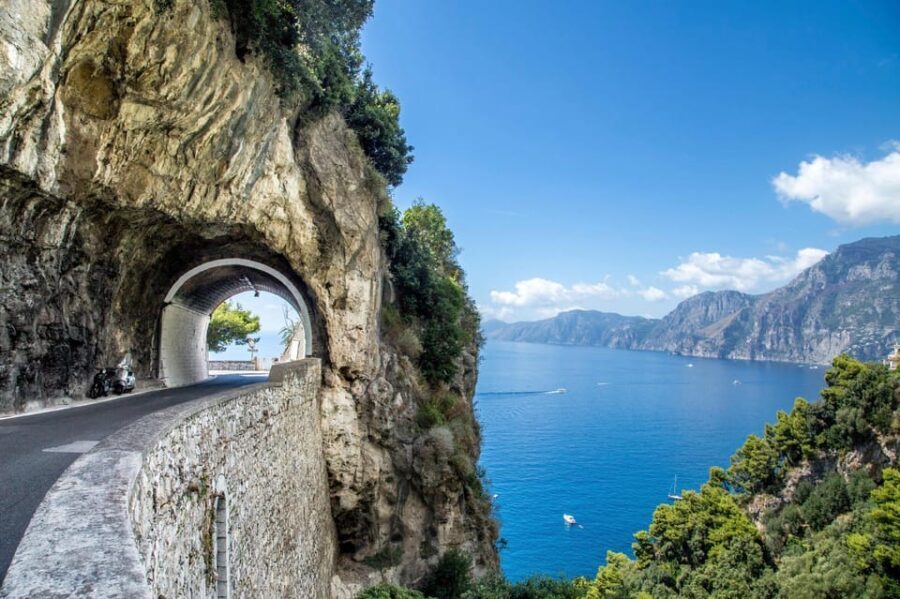
That’s the day-trip version of the Amalfi Coast. Eleven hours, mostly on a coach with about 18 other people, behind the same line of buses you set out with at 7am. The postcard is real, the views are real, and the drive along the SS163 deserves the hype. But you’re going to spend more time looking at the back of a coach windshield than you are leaning on a Positano railing. This guide is for the version of the day where you accept that trade and figure out how to get the postcard anyway.
In a hurry? Three Amalfi day trips from Naples
- Best all-round full-day ($107): Sorrento, Positano, Amalfi, light lunch in Positano, live commentary the whole drive. Book on GetYourGuide
- Small group with hotel pickup ($76): Same three towns, max 18 to 20 passengers, lunch with sea view included. Book on Viator
- Budget coach with Ravello ($72): Bigger bus, free time in Amalfi and Ravello, photo stops only in Positano and Sorrento. Book on GetYourGuide
Should you do it as a day trip at all?
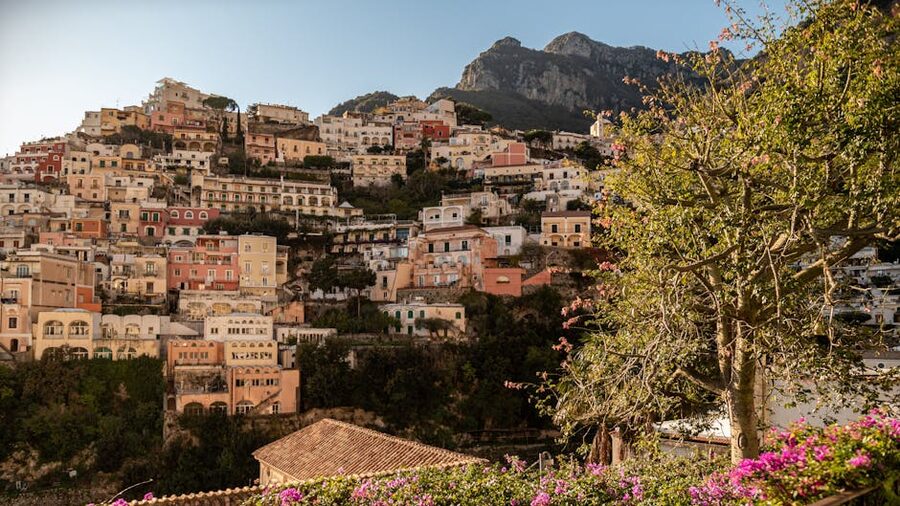
If you have two nights to spare on the coast itself, sleep there instead. Positano at dusk after the day-trip buses leave is a different town. The light goes pink, the staircases empty out, and dinner happens at a table that wasn’t reservable at lunchtime. That’s the Amalfi Coast that drives the postcard industry.
But here’s the catch. A summer night in Positano runs three to four times what the same room would cost in Naples. Most travellers don’t have an extra two days in their Italy itinerary, and even fewer have the budget. So the day trip exists, and it works. The bus version of this coast is a real and slightly compressed version of the real thing. You see the cliffs, you walk the towns, you eat one decent lunch, and you get back to your Naples hotel by about 7pm. If that’s the trade you can make, this article is for you.
Where the Amalfi Coast actually is
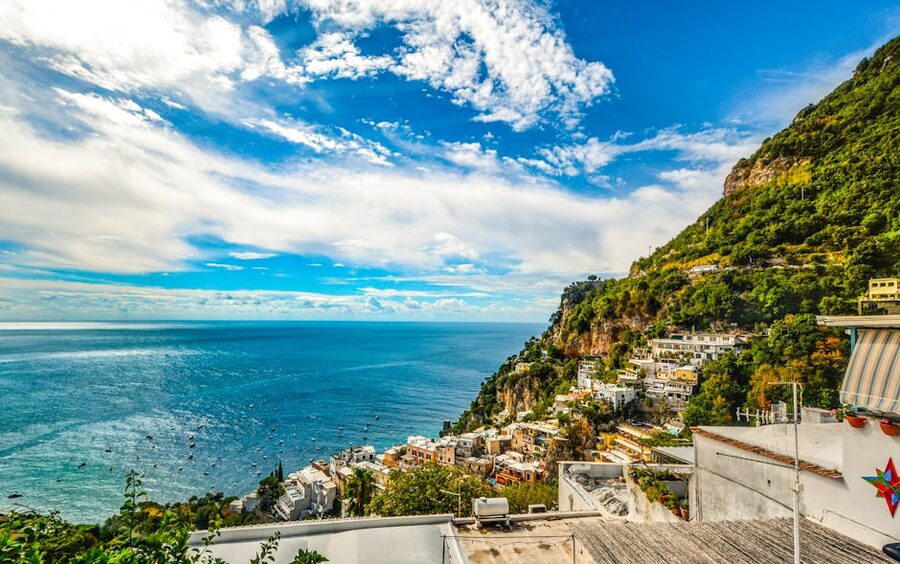
The Amalfi Coast runs along the south side of the Sorrentine Peninsula, about an hour’s drive south of Naples. Thirteen towns string along 50 kilometres of cliff between Positano and Vietri sul Mare. Sorrento isn’t technically on the Amalfi Coast, but it’s the gateway, and almost every day-trip itinerary starts there. The shape of the day, in logistics terms, is roughly the same as a Lake Como day from Milan, a French Riviera coach loop out of Nice, or a Zaanse Schans run from Amsterdam: city to coach to coast to lunch to coach back, with one boat hop in the middle.
For a sense of how this fits into a wider Naples and Campania trip, the coast pairs naturally with a half-day at Pompeii on a separate morning, or with a Capri boat tour the day before or after. Don’t try to combine Pompeii and the Amalfi Coast in the same day. Tour operators sell that combination, and the people who book it lose two thirds of both experiences.
The realistic day, hour by hour
Here’s what an 11-hour Naples-to-Amalfi day trip actually looks like, based on the major operators’ schedules. Times are approximate, traffic-dependent, and almost always run 30 to 60 minutes longer in July and August.
- 7:00am Hotel pickup in central Naples. Coach loads with 18 to 50 other travellers depending on the operator.
- 8:30am Arrive Sorrento. Free time, usually around 45 minutes. Just enough for Piazza Tasso, the lemon-shop strip, and one cappuccino.
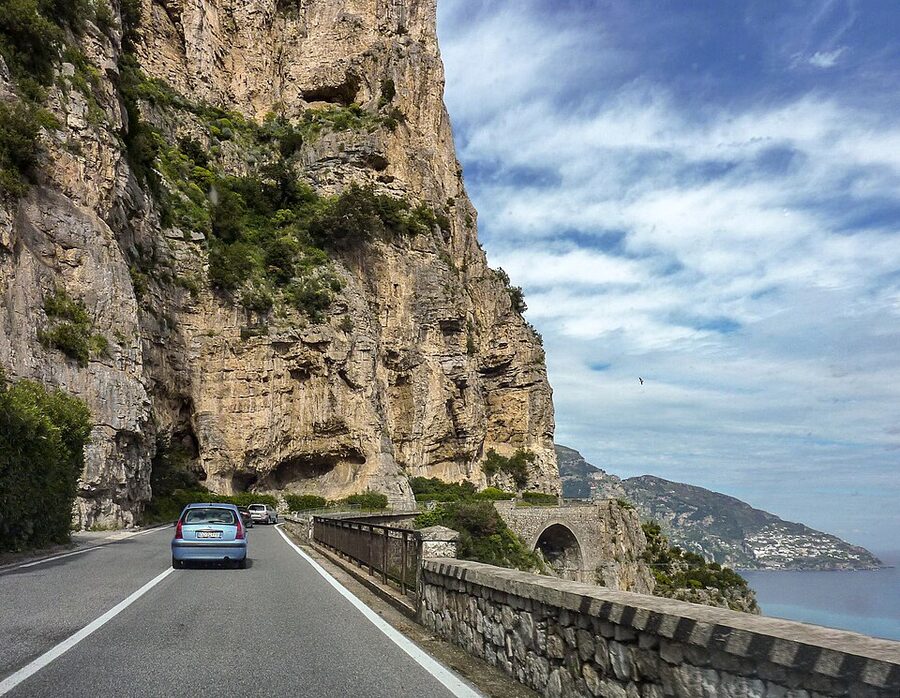
- 10:30am Drive the SS163 to Positano. About an hour with photo stops. The first hairpin views are the best.
- 11:30am Positano. Free time around 90 minutes including the descent and climb. Lunch is sometimes here, sometimes in Amalfi.
- 1:30pm Drive to Amalfi town. About 30 minutes along the cliff.
- 2:00pm Amalfi free time, usually 90 minutes. Cathedral, marina, sometimes a quick boat ride to neighbouring Atrani.
- 4:00pm Optional Ravello stop on some itineraries. About an hour up at altitude. Most coach tours skip it.
- 5:30pm Drive back to Naples. Two to three hours depending on traffic and which side of Mount Vesuvius the autostrada is moving on.
- 7:00 to 8:00pm Back at your hotel.
How to get there if you want to skip the tour
You can absolutely do the Amalfi Coast as an independent day trip. It’s just slower, and the logistics eat into your time on the ground. Three options.
Train plus SITA bus:
The cheap version. The Circumvesuviana is the same train that runs out to Pompeii, and the Sorrento branch gets you to the gateway in about 75 minutes for the price of a panino. From Sorrento you switch to the SITA Sud bus, which drives the same SS163 the tour coaches do, with the same views. Cost-wise:
- Circumvesuviana train Naples Garibaldi to Sorrento: around €5 one way.
- SITA Sud bus Sorrento to Positano: around €3.40, journey roughly three quarters of an hour.
- SITA Sud bus Positano to Amalfi: another short hop along the cliff.
- SITA whole-day pass: around €10 if you plan to bus-hop multiple towns.
The catch is that the SITA bus is a public service. It fills up, and on a hot July afternoon you might watch two of them drive past you fully loaded before you get on. Aim for the first morning departure out of Sorrento, or you’ll lose your day.
Ferry from Naples or Sorrento:
If you’ve already booked a Capri boat day and want a different angle on the same coastline, the Amalfi ferry is the choice that doesn’t repeat the experience. It’s the same Tyrrhenian Sea, but a totally different shoreline.
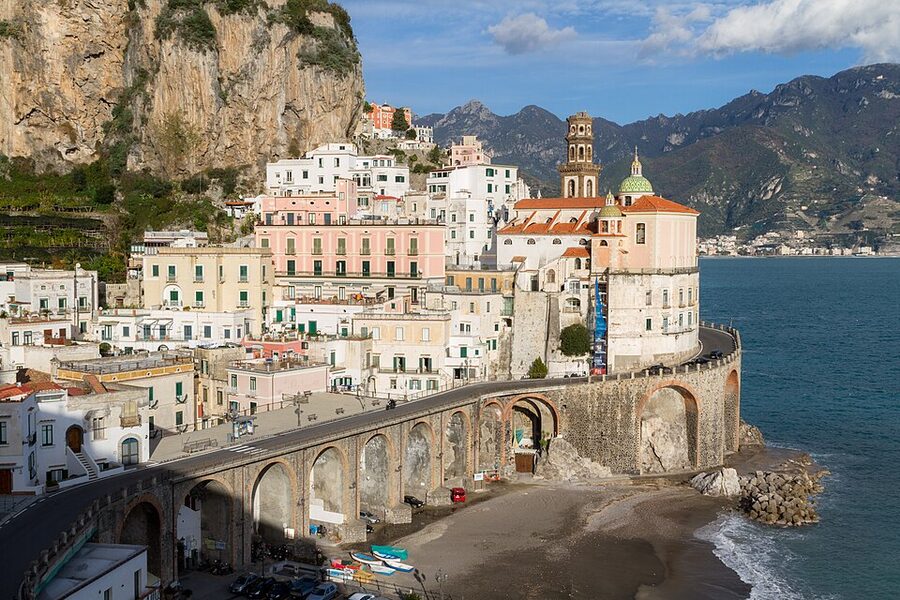
The most scenic option, and the one I’d pick if I had only one day and the weather was good. Ferries run from Naples or Sorrento to Positano and Amalfi between roughly mid-April and mid-October, with longer schedules in July and August. The crossing takes about 1.5 hours from Naples, less from Sorrento. You see the coast from the water, which is the angle the SS163 doesn’t give you. Outside the ferry season the boats stop, and even within the season a windy afternoon can cancel the return leg, so build in a bus backup plan if you’re going late September.
Driving yourself:
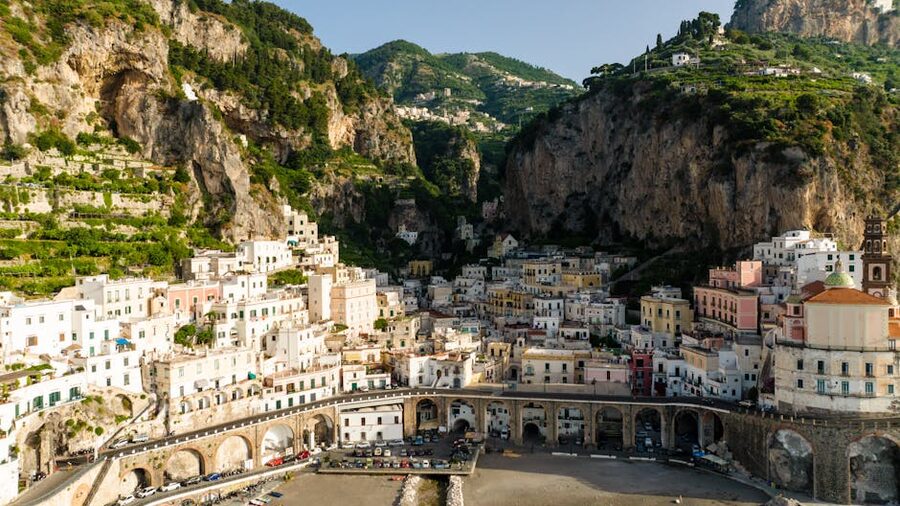
Don’t. The SS163 was built for donkey carts and Fiat 500s, parking in Positano is between €5 and €8 an hour where you can find it, and in season the queue of coaches limits your speed to whatever the slowest bus in front of you is doing. If you’ve driven mountain roads in Greece, on the cliff path of El Caminito del Rey, or coastal Croatia, you can handle it. But you’ll spend the day gripping a steering wheel instead of looking at the cliffs. The car is the worst use of an Amalfi day trip; the guided coach tour is the best.
The three towns you’ll actually visit
Most day trips hit Sorrento, Positano, and Amalfi. Some swap Sorrento for Ravello. A few hit all four, and those are the days you spend 9 hours on a bus. Pick a tour that picks two towns and a photo stop, not four full ones.
Sorrento:
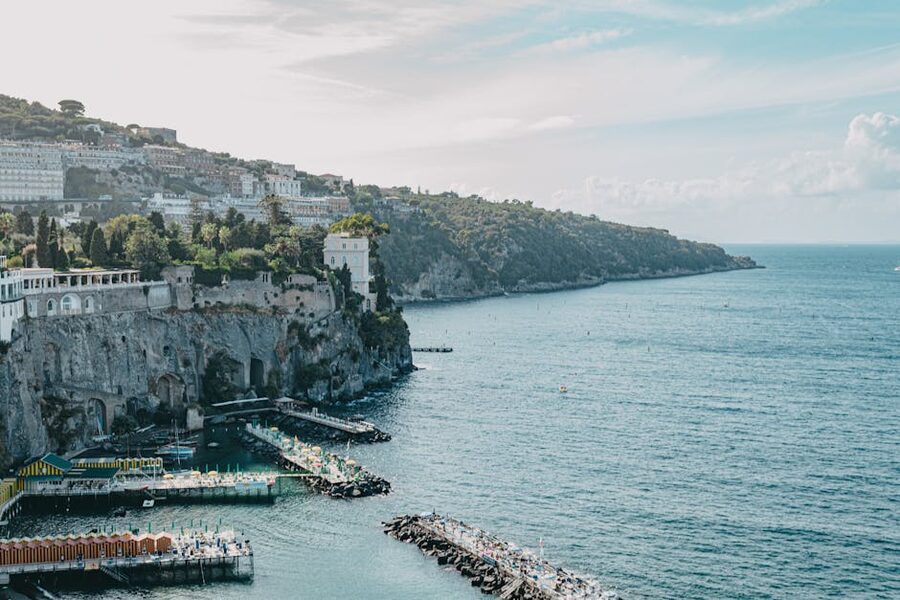
The gateway. Not technically Amalfi Coast, but every day trip starts here because it’s where the Sorrentine Peninsula begins and where the SS163 starts climbing. You’ll get 30 to 60 minutes. Use it for Piazza Tasso (the main square), the cliffside walk past Villa Comunale for the Vesuvius view across the bay, and a coffee. Skip the limoncello tasting at the tourist shops; you’ll get better limoncello in Amalfi for half the price. If you’ve got a free evening before the trip, a Naples pizza dinner is the other side of Campania food culture and will spoil you for anything served on the coast next day.
Positano:
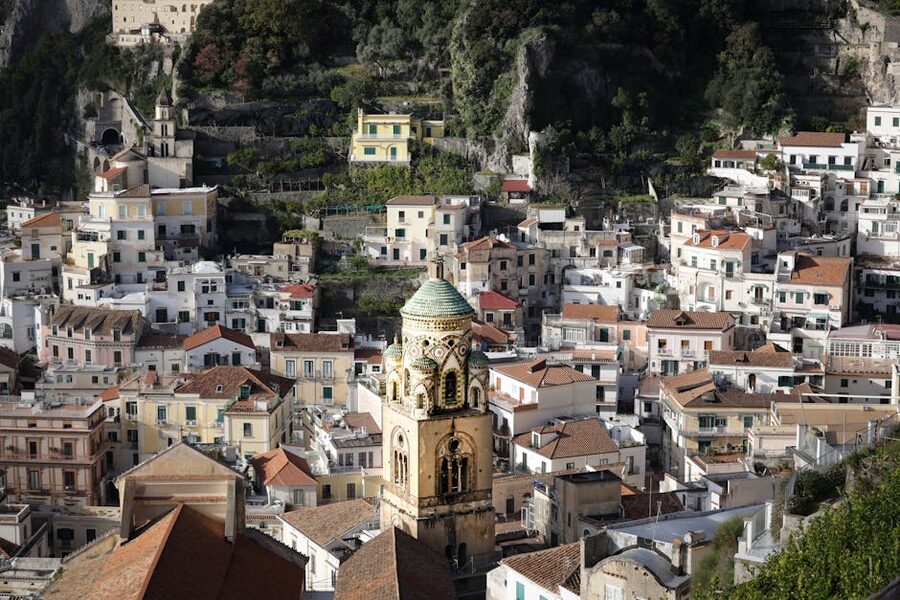
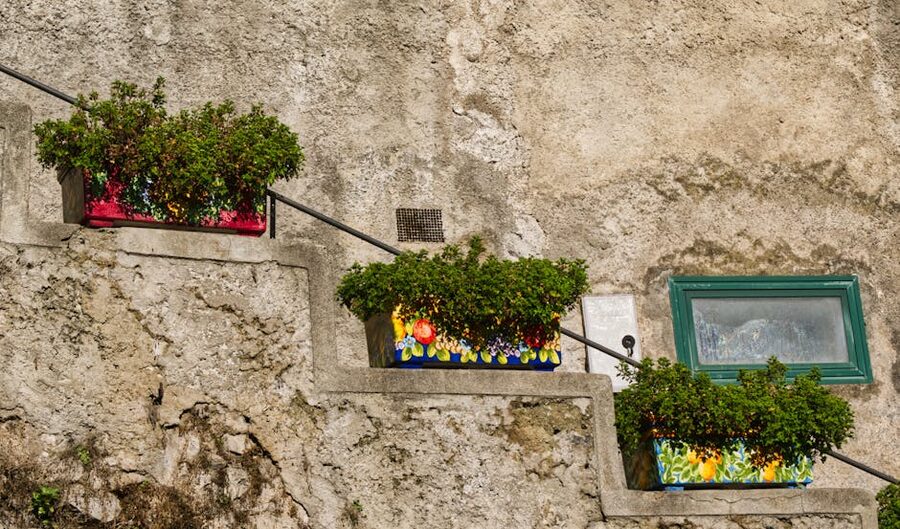
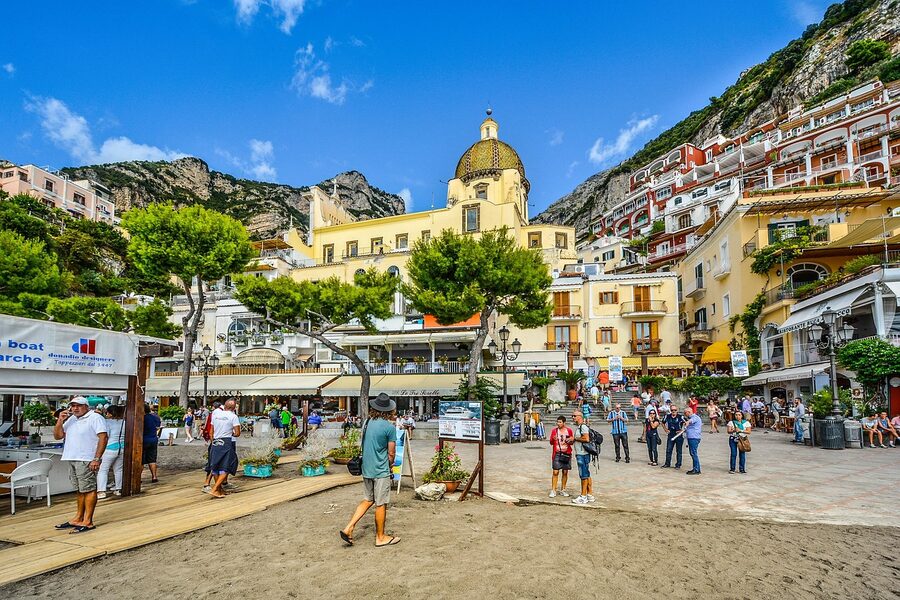
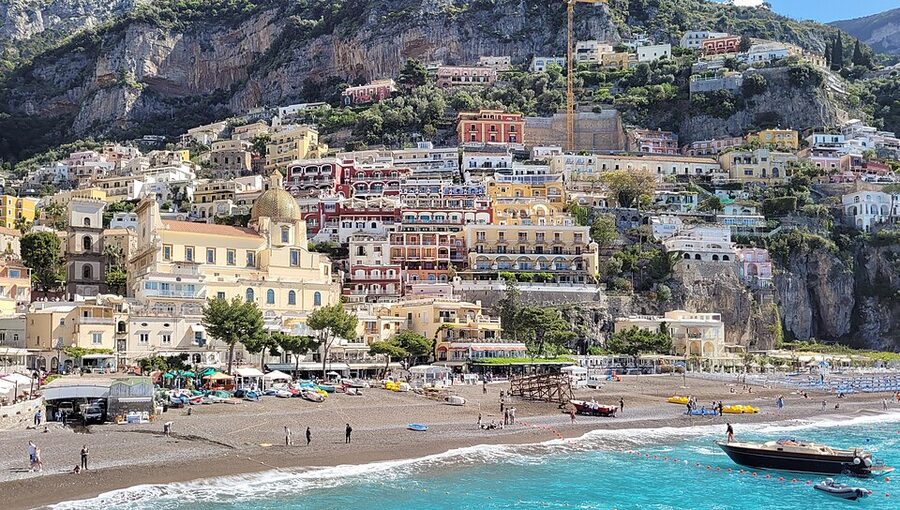
The headline. Built straight up the cliff in roughly four colours, with one church dome (Santa Maria Assunta) at the bottom and a switchback street system that has been demolishing tourists’ calves since the 1950s. The main beach, Spiaggia Grande, is reachable by foot down a stepped lane called Via Cristoforo Colombo, then via dei Mulini at the bottom. Allow 20 minutes down, longer back up.
If you’re given 90 minutes here on a tour, the realistic plan is one short descent for the photo, one lemon granita, and one quick wander through the boutique-lined steps. You will not swim. Do not change into swimwear. The tour bus does not wait.
Amalfi town:
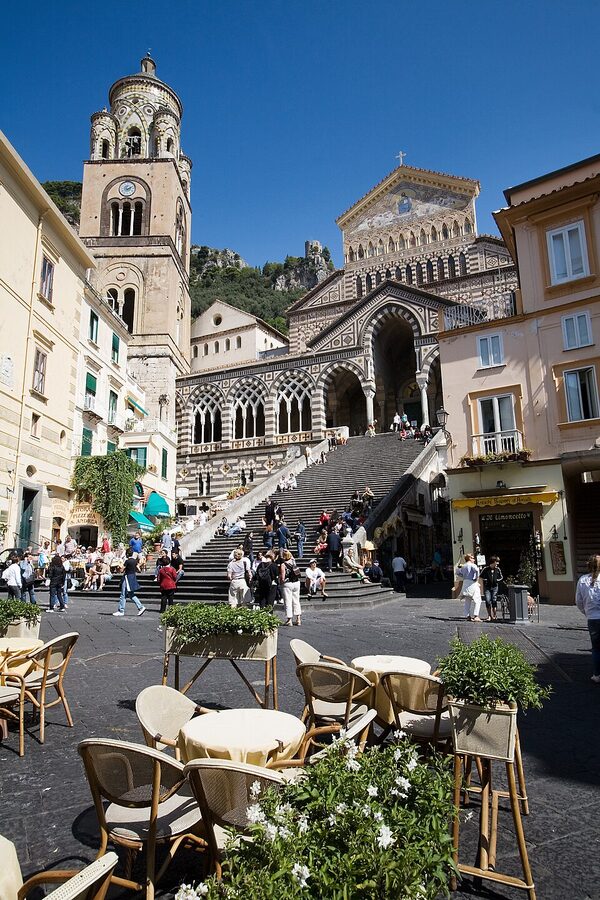
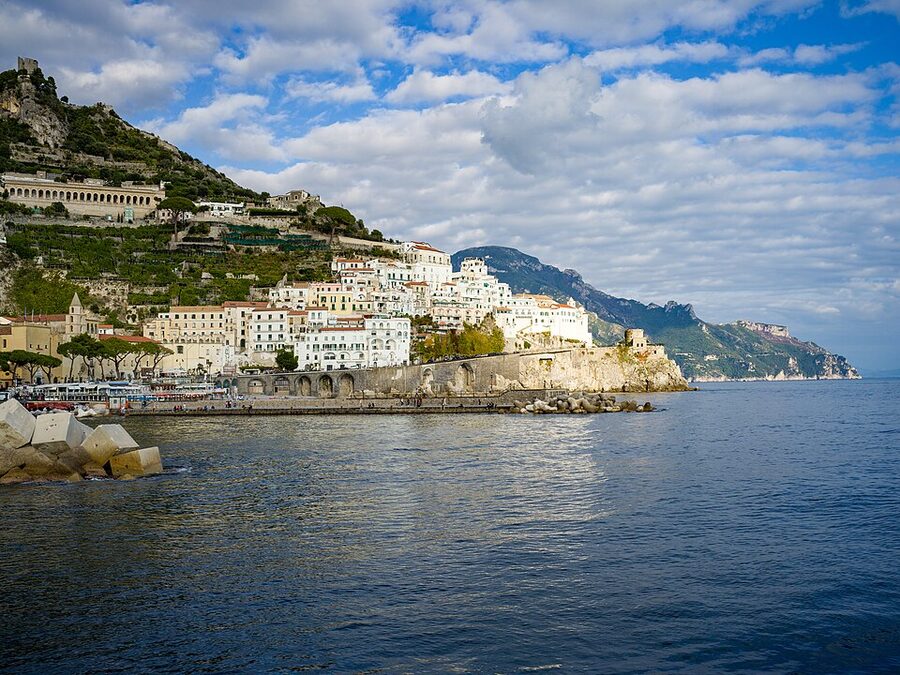
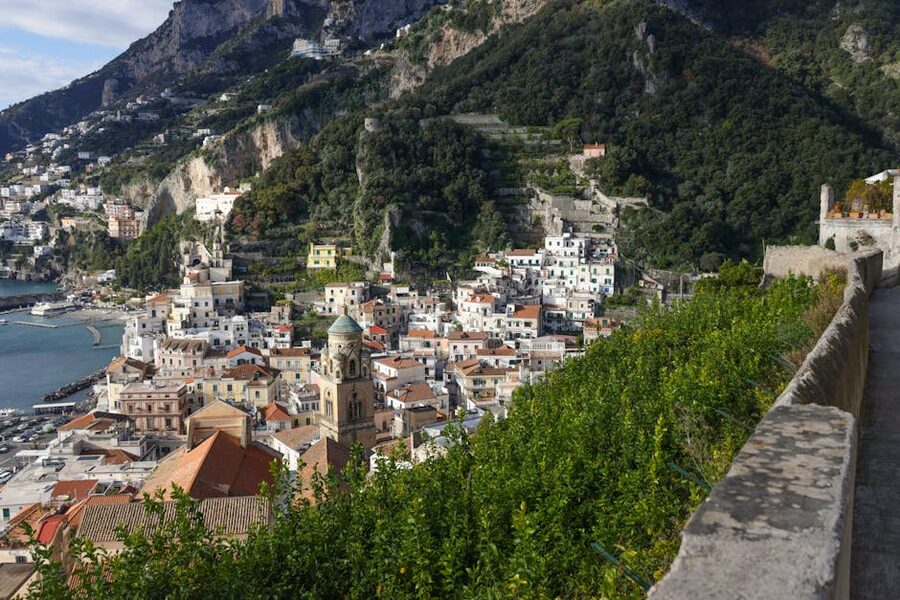
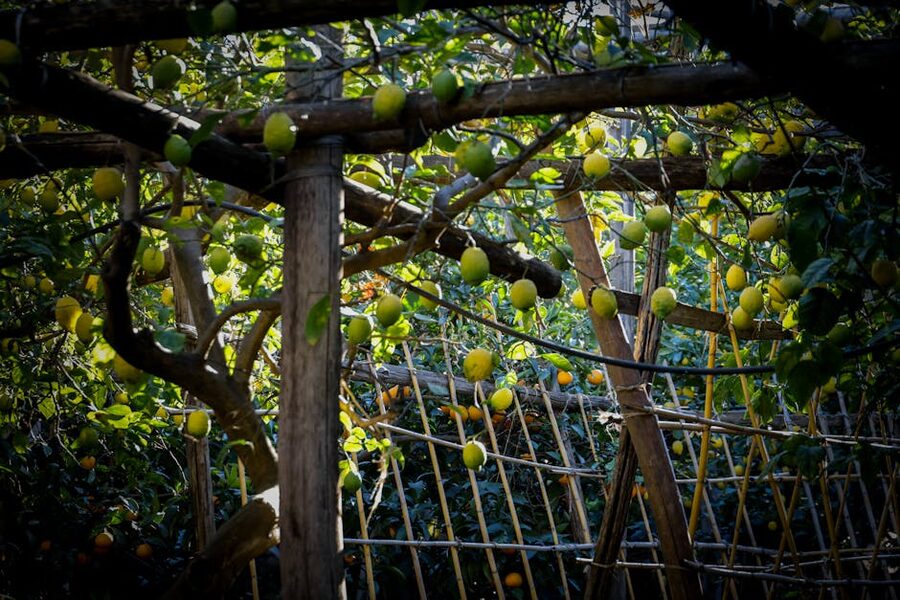
More down-to-earth than Positano, and in some ways the best stop on a one-day itinerary because the layout is flat. Most of the action is in one piazza, Piazza del Duomo, with the cathedral steps rising on one side and the marina a five-minute walk from the other. The lemon sorbet served inside a hollowed-out lemon is the souvenir food of the coast. It runs €5 to €7. Yes, it’s overpriced. Yes, it’s worth it.
Ravello (sometimes):
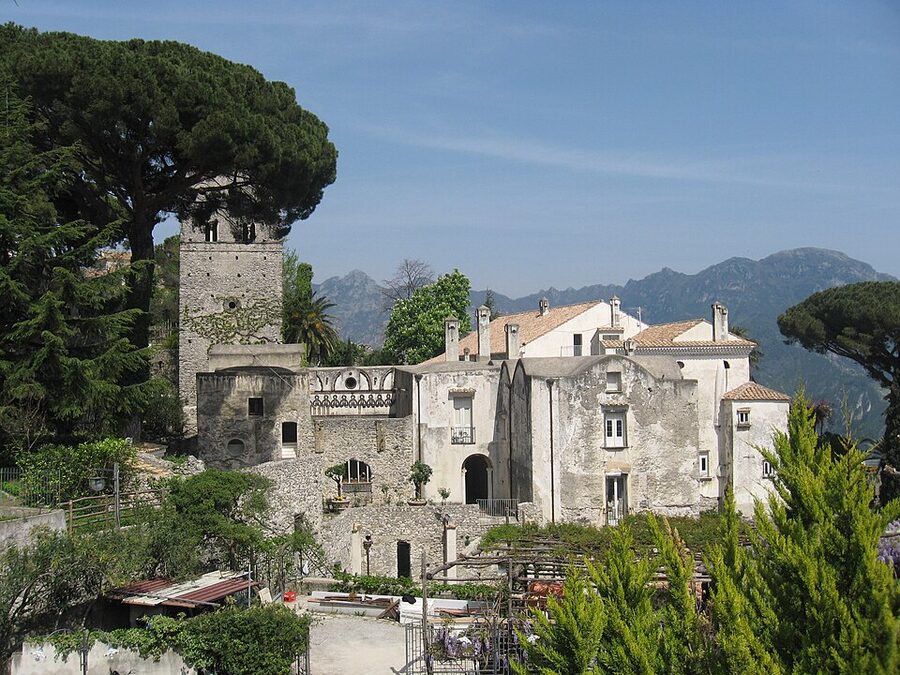
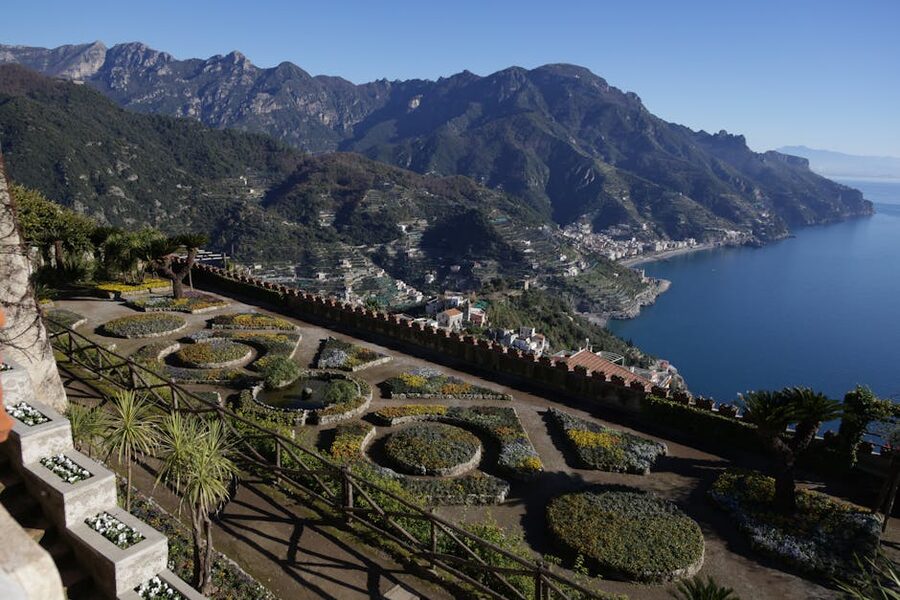
The quiet one. Up at 365 metres above sea level, with two villas (Rufolo and Cimbrone) whose terraces and gardens are some of the best views on the whole coast. Most coach tours skip Ravello because the road up is narrow and slow. If you specifically want to visit it, look for a small-group tour that lists Ravello in the itinerary; the budget coaches almost always say “passes through” or “photo stop” instead of a real stop. Worth the upgrade if you care about the gardens.
Three Naples-to-Amalfi tours worth booking
I went through the most-booked options on both GetYourGuide and Viator. These three cover three real buyer profiles: the solid all-rounder, the small-group hotel-pickup option, and the budget coach. Each has a real trade-off, not a fake one.
1. From Naples: Sorrento, Positano and Amalfi Full-Day Tour: $107
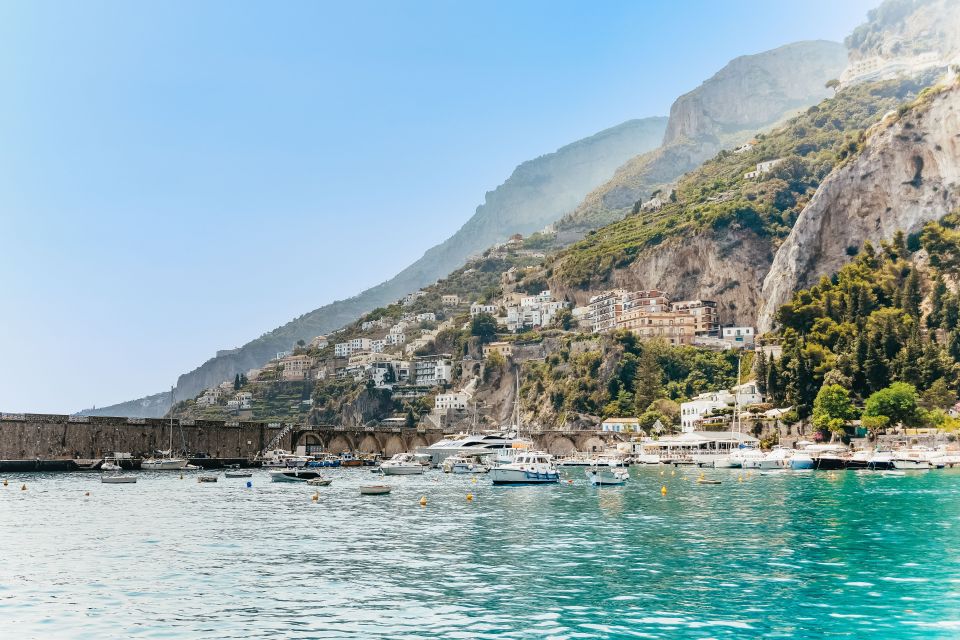
The flagship full-day option, and the one I’d book if I were doing this for the first time. Light lunch with a sea view in Positano is included, the live commentary on the SS163 fills the bus rides usefully, and our full review of this tour has the timing on each town. Trade-off: it’s a bigger coach, so boarding takes longer than the small-group versions.
2. Sorrento, Positano, and Amalfi Day Trip from Naples with Pickup: $76
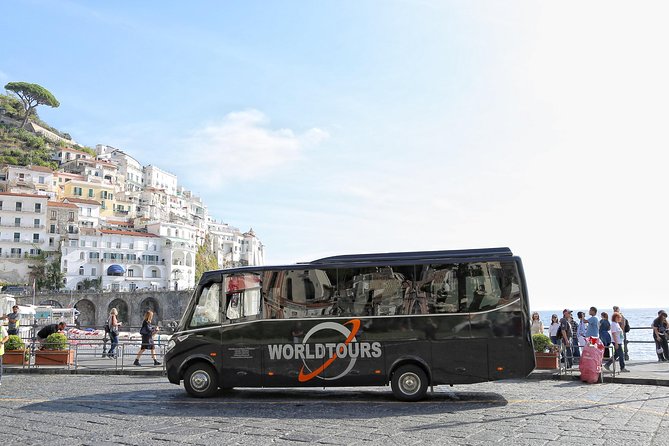
The small-group choice if you want to skip the 50-passenger coach experience. Lunch with a sea view is included, the guides come up consistently in our review by name (Luigi, Leandro, Sylvia), and the smaller vehicle is genuinely faster on the SS163 hairpins. Costs about $30 less than the GetYourGuide flagship and runs fewer departure days in shoulder season.
3. From Naples: Amalfi Coast Full-Day Trip: $72
Pick this one if you specifically want Ravello in your day, or if you’re on a tight budget and don’t mind a bus full of 50. The Positano and Sorrento stops on this itinerary are photo stops rather than full free time, which our review calls out clearly so you book it eyes-open. Includes a limoncello tasting in Amalfi.
What to actually wear and bring
The Amalfi Coast packs a few practical traps that catch first-time visitors. None are dealbreakers, all are easy to plan for.
Shoes. Positano is roughly 200 stairs from the upper road to the beach. Amalfi is mostly flat. Sorrento is mixed. Closed-toe walking shoes or sturdy sandals beat heels or thin flip-flops every time. The cobbles are uneven, the steps are uneven, and the descent is harder on the knees than the climb is.
Motion sickness pills. If you get carsick, take one before you board the coach in Naples. The SS163 is roughly 90 hairpins between Positano and Salerno. The bus drivers know exactly what they’re doing, but the corners are tight enough that even people who never get sick on planes occasionally feel it. The optional boat hop in Amalfi is the same risk, with a different axis.
Cash for the lemon sorbet. Most stalls take cards now, but the smaller vendors don’t, and you don’t want to give up a sorbet over a €6 minimum. Bring €30 to €40 in coins and small notes for snacks, the lift in Sorrento, the optional boat ride, and the church donation in Positano if you’re so moved.
Sun. The exposure on the Amalfi Coast in summer is brutal. The cliffs reflect, there’s almost no shade in the open piazze, and the boats have at most a partial canopy. Hat, sunglasses, sunscreen. A light long-sleeve linen shirt is more useful than nothing.
When to go (and when not to)
The high season is mid-June to early September. The roads choke, the towns hit shoulder-to-shoulder, and the ferry schedules are packed but actually run on time. Hotel prices on the coast double or triple. The day-trip experience is still good, but you’ll spend more time looking at the back of someone else’s head than at the cliffs.
The sweet spot is late April to early June, and again from mid-September into mid-October. Weather is warm enough to swim if you’re staying overnight, the ferry season is fully open, the buses run, and the crowds are about a third of August. This is when I’d go.
Off-season (November to March) is genuinely quiet, and the towns settle back into themselves when the day-trippers are gone. But the ferries shrink to bare-bones routes (the same shoulder-season squeeze hits the Sainte-Marguerite ferry out of Cannes and the Keukenhof tulip-season window), half the restaurants close, and a rainy day on the SS163 is not the day you want. If your only window is winter, do the trip with a private driver or skip it for now and come back.
Day trips that pair with this one
If you’ve allocated more than one full day around Naples, the Amalfi Coast is the cliff-and-coastline day. Pair it with a different mode entirely. Pompeii is the inland half-day version of the same Bay of Naples geology, and a morning at Pompeii’s archaeological site the day before sets up the volcano-buried-a-city context that the Amalfi guides will reference but not have time to explain. A Capri boat tour is the all-water version of the Amalfi Coast day, and ideally booked the day after, not the day before, so you’re not coastal-saturated.
For the food side, save your appetite. The lunch on a coach tour is fine but not what Naples is famous for. A pizza dinner in Naples the night you get back from Amalfi (or the night before you go) is genuinely the best meal of the trip, and walking distance from any central hotel. If you want a deeper food day separate from the coast, a Naples Underground tour in the morning followed by a long lunch in the Spanish Quarter is the city’s other half-day shape.
Lake Como from Milan is the closest sister day trip elsewhere in Italy: same logistics shape (city-to-coast, coach, boat, return) but a totally different vibe. If you’ve done Como from Milan on a previous trip, the Amalfi version will feel familiar but louder, hotter, and more vertical.
The verdict
The Amalfi Coast is worth the day trip. It’s also a slightly compressed, slightly hurried, slightly bus-shaped version of what the place actually is. If you’re a first-timer in Italy with a Naples base and one free day, book the small-group tour, sit on the right side of the coach, descend the Positano steps with intent, eat the lemon sorbet in Amalfi, and accept that you didn’t see Ravello. You’ll be back. Most people are.
The trick to a good Amalfi day trip is to walk in expecting the bus version, not the postcard version. The postcard is real. It’s just behind a windshield and a coach driver named Mimmo who is quietly doing the most skilled driving you’ll see in Italy.