
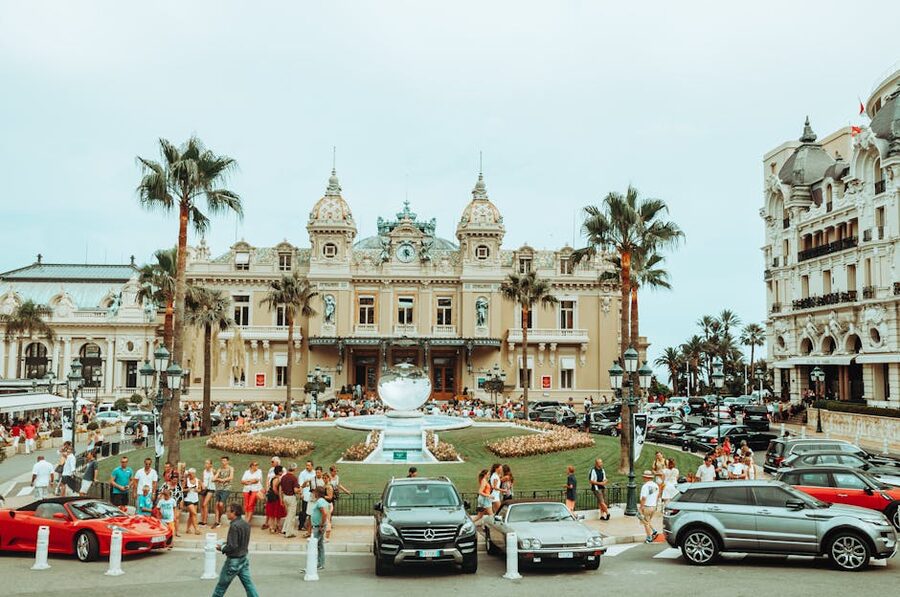
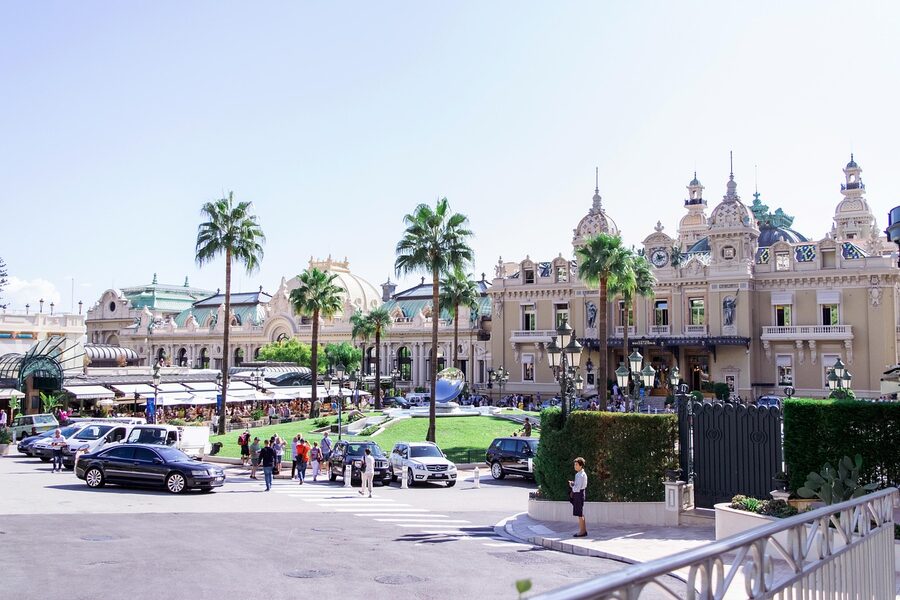
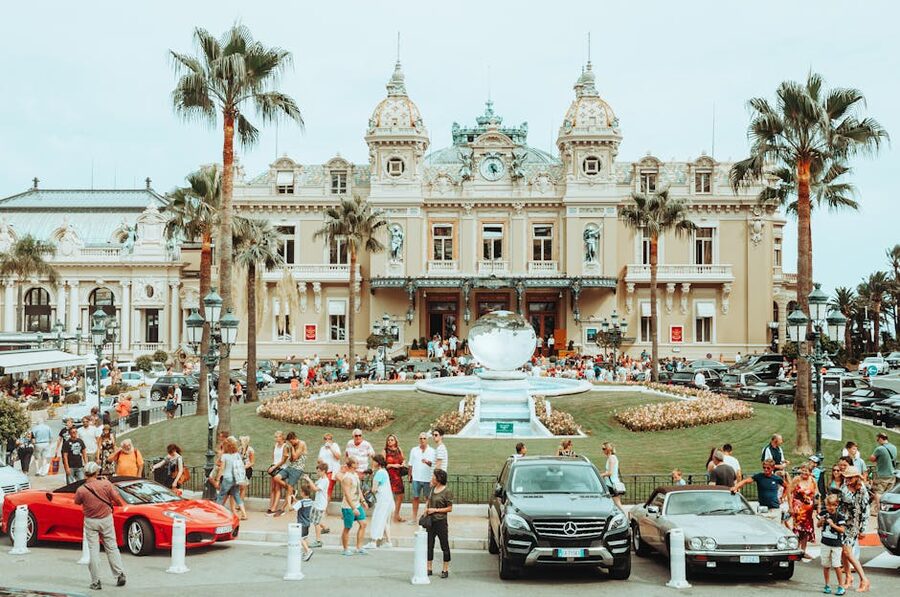
Stand in front of the Monte-Carlo Casino at 16:00 on a Tuesday. Two valets are unloading a couple’s suitcases from a rented Maserati that they will return to Nice airport in three days. A Russian-plated Bentley is idling next to a Bulgari window. A guy in shorts and trainers walks up to the door and is told, very politely, that he cannot come in. You’re standing on Place du Casino in a country that exists because, in 1863, Prince Charles III legalised gambling to keep his principality from going bankrupt.
The thing nobody tells you before you book a “Monaco day trip from Nice” is that Monaco is its own country. The world’s second-smallest, after Vatican City. You drive in from France on the Moyenne Corniche and there is no border check, no passport stamp, no sign other than a small marker by the road. And the country is 2.08 km² on the map. You can walk the entire principality before lunch. The right way to think about a Monaco visit is not “a day in a city” but “an afternoon in a country”, paired with a morning somewhere else.
In a hurry? Three Monaco day trips from Nice that actually deliver
- Full-Day Monaco, Monte-Carlo & Èze from Nice ($132): The flagship eight-hour day, paired with a Èze morning and a Fragonard perfumery stop. Book this if you want one ticket and one driver to handle the whole day for you.
- Monaco, Monte Carlo, Èze & La Turbie 7-Hour Shared Tour ($111): Same itinerary as the flagship plus the Trophée d’Auguste viewpoint at La Turbie, slightly cheaper, slightly larger group.
- Monaco & Èze Small-Group Day Trip with Perfumery ($135): Eight hours, max eight people, slightly more time on the ground than the shared coach versions.
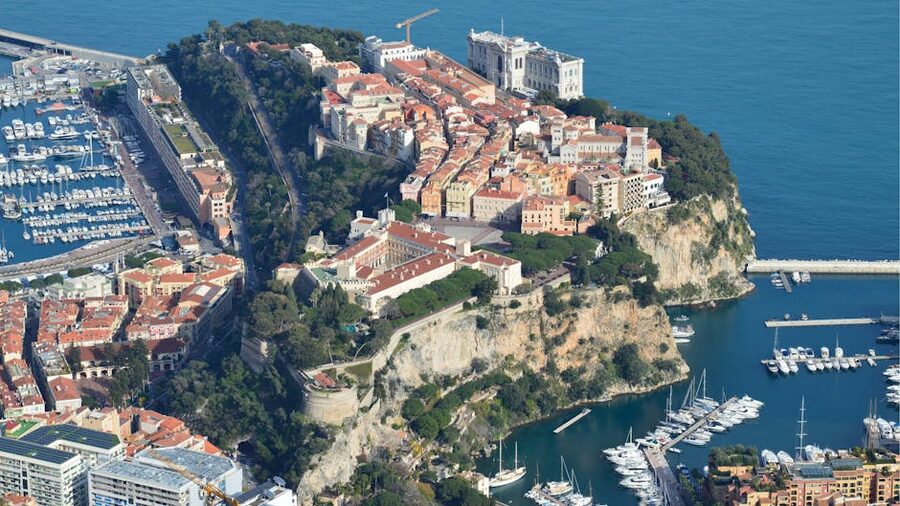
Monaco is a country you visit for three hours, not a city you visit for a day
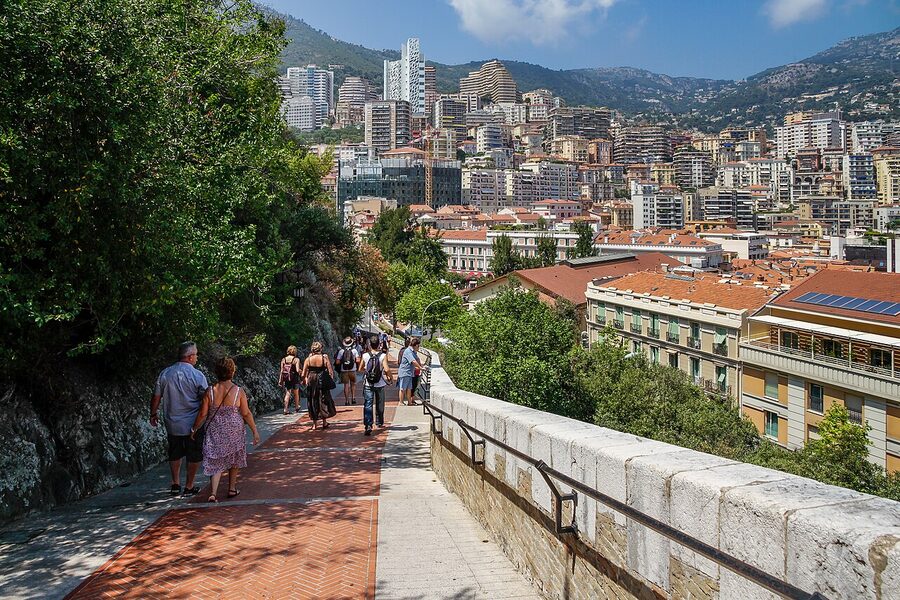
Here is the practical version of that sentence. The visitable bits of Monaco are three small areas. Monte-Carlo (the casino quarter, at the eastern end), La Condamine (the harbour at the bottom), and Monaco-Ville (the old town up on the rocky promontory at the western end, also called Le Rocher). You can walk from one end to the other in 25 minutes if you don’t stop. Pause for a casino photo, the Prince’s Palace forecourt, the cathedral, and a drink at the Café de Paris, and you’ve burned through three hours.
What this means for your day: don’t plan to “spend the day in Monaco”. You’ll get bored, the prices will eat you, and you’ll wonder what the fuss is about. Plan to spend the morning in Èze (the medieval village clinging to a 427m rock above the sea) and the afternoon in Monaco. Or the morning in Villefranche-sur-Mer’s harbour and the afternoon in Monaco. Or the morning at La Turbie’s Roman Trophée d’Auguste and the afternoon in Monaco. The arc is: somewhere quiet in the morning, the strange tiny country in the afternoon, back to Nice for dinner.
This is also exactly how every Riviera-day-trip tour built by people who know the coast structures the day. They don’t put eight hours in Monaco. They put two-and-a-half to three.
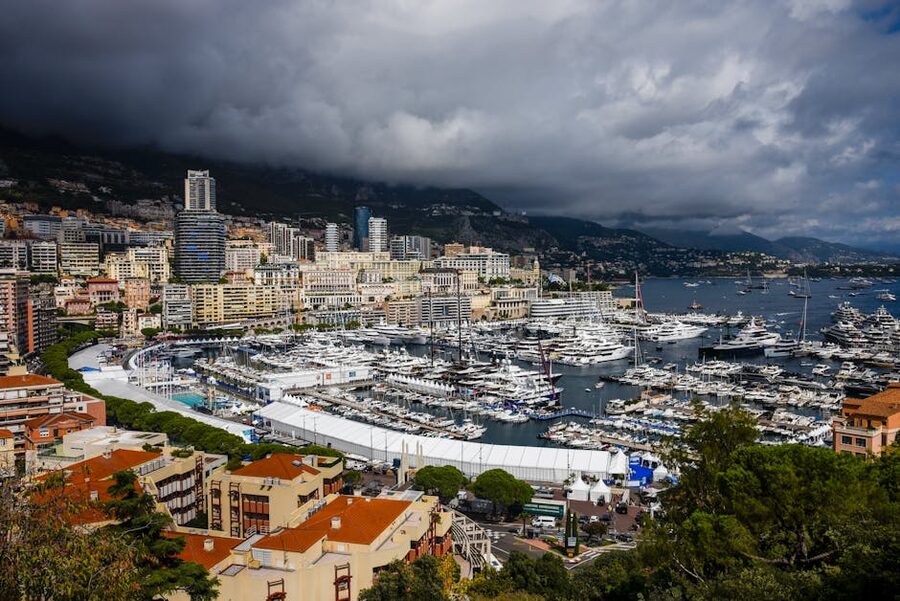
Getting there from Nice (it’s easy and you don’t need a car)
Three options, in order of how I’d actually use them.
The train. Nice-Ville to Monaco-Monte-Carlo is 25 minutes on a regional TER train, around €5 each way. Trains run every 20-30 minutes. The Monaco station is a strange thing, carved into the rock with two long pedestrian tunnels that pop you out either at the harbour or up near the Larvotto end. This is the cheapest, fastest, most reliable option if you’re going independently.
The 100 bus. The slow scenic bus along the Basse Corniche. €2.50 each way, about an hour, hugs the coast through Villefranche-sur-Mer, Beaulieu, Cap-Ferrat, and Èze-bord-de-Mer. Romantic but slow, and you’ll be standing if you board after 10am because every retiree on the Riviera also knows it costs €2.50.
An organised day-trip tour. A coach picks you up in Nice, takes the Moyenne Corniche (the middle of the three coastal roads, with the best views), stops at a viewpoint above Èze, drops you in Èze village for an hour or so, then continues to Monaco for the afternoon, and brings you back. This is what the three picks at the top of this article do. The reason to take one over the train is that the route between Nice and Monaco is half the experience, and the Moyenne Corniche is genuinely spectacular. You can’t drive it yourself unless you’ve rented a car, which most people on a day trip haven’t.
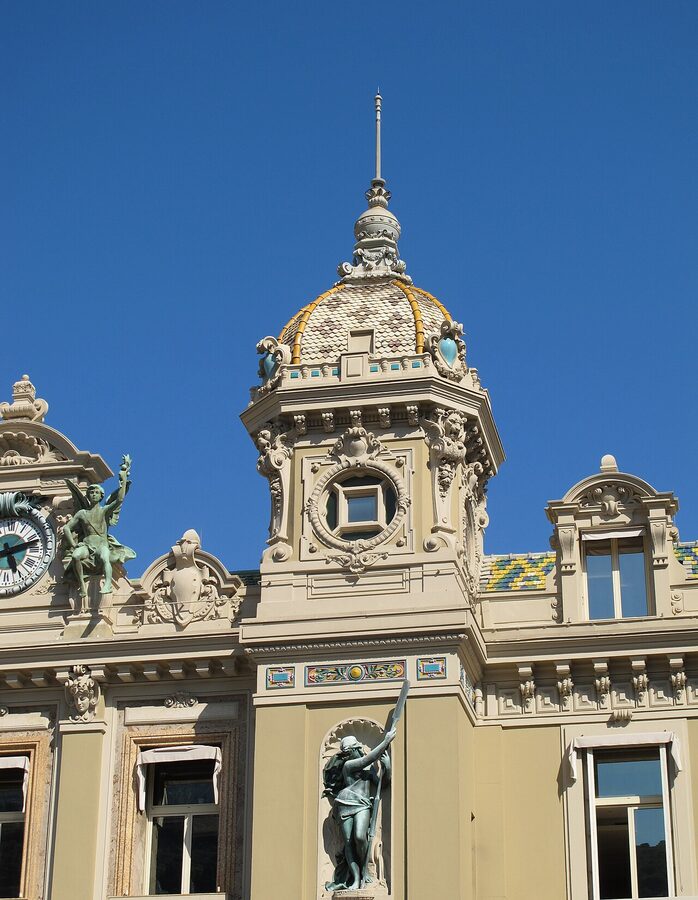
The Monte-Carlo Casino: how it actually works
This is the building people picture when they hear “Monaco”. It opened in 1863. It was designed by Charles Garnier, the same architect who later did the Paris Opéra, and it is essentially a small Belle Époque opera house with gaming rooms attached. The legend is that Prince Charles III commissioned it specifically because the principality was broke (Menton and Roquebrune had recently broken away to join France, taking 80% of the country’s land and its lemon-and-olive tax base). Gambling was banned in France. So Monaco legalised it. The Société des Bains de Mer, the company that ran the casino, started turning a profit so fast that by 1869 the prince abolished personal income tax for residents. That last bit, by the way, is still true today.
So how do you actually visit?
The casino is open to the public from 14:00. Before that, only members and serious players. Entry to walk through the public gaming rooms is around €18-25, depending on the day. You don’t have to play. Plenty of people pay to walk in, look at the painted ceilings and the chandeliers, take a photo of the Salle Europe, and walk out again. It’s basically a museum that doubles as a working casino. Bring your passport. They check it at the door.
The dress code is real. No shorts, no sandals, no sportswear, no athletic trainers. Men should be in trousers and a collared shirt. Jeans are a grey area, depending on the room and the time of day. The €25 you save by not getting in because you wore shorts is the most expensive €25 you’ll save all year, because you’ll have to come back.
The private salons (Salons Privés) charge a higher entry, around €50, and that’s where the actual high-roller play happens. Most day-trippers don’t go in. If you do, expect minimum bets in the hundreds.
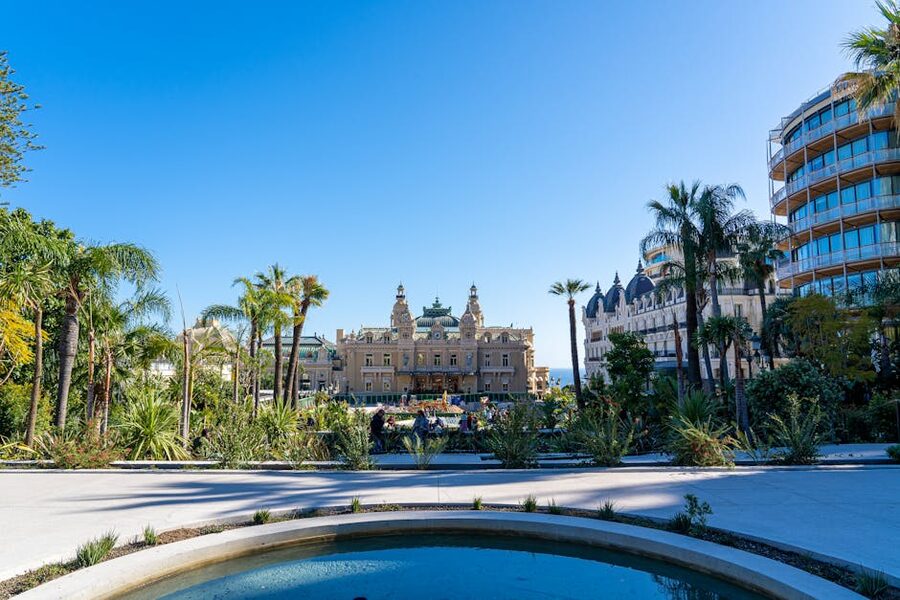
If you don’t want to pay to go in (and most people don’t), the building’s exterior is the famous part anyway. Stand on Place du Casino, take the photo of the Bentleys queueing, look at the Café de Paris on your left and the Hôtel de Paris on your right, and you’ve done what 90% of visitors do. Skip the interior unless you’re genuinely interested in Belle Époque interiors.
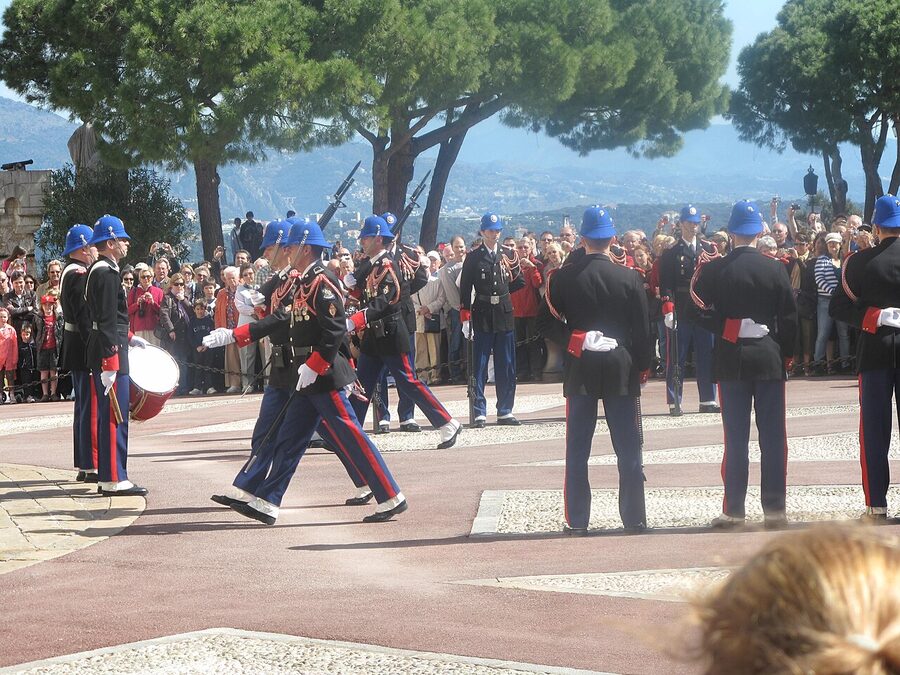
The Prince’s Palace and the changing of the guard
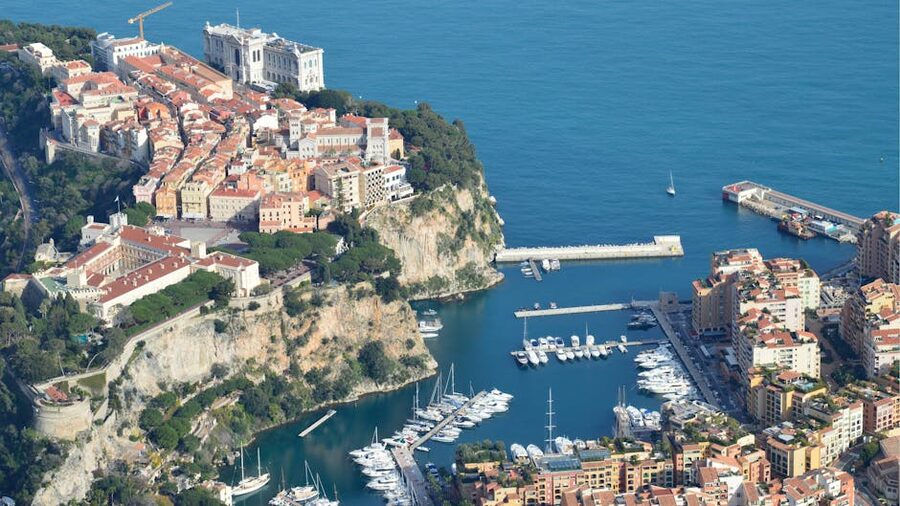
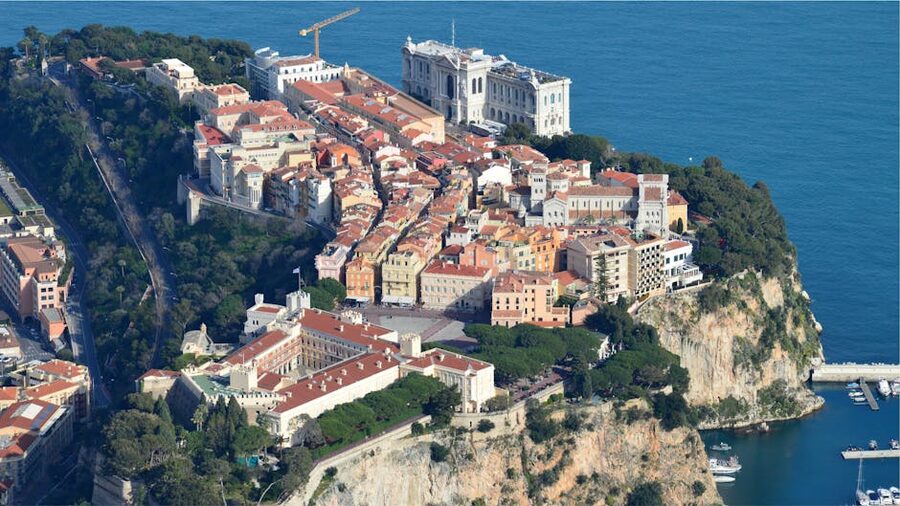
Across the bay, on the rocky promontory that gives the old town its nickname (Le Rocher, “the rock”), is the Prince’s Palace. The current ruler is Prince Albert II, son of Prince Rainier III and Princess Grace Kelly. The Grimaldi family has held this palace since 1297, which is the longest continuous reigning dynasty in Europe. Older than the Habsburgs. Older than the British royal family.
The story of how they got here is funnier than the official version. In 1297, François Grimaldi disguised himself as a Franciscan monk, knocked on the door of the Genoese fortress that stood on this rock, was let in, and then drew a sword and let his soldiers in behind him. The family coat of arms today shows two monks holding swords, which is rare in heraldry for being a literal description of how the founder won the place.
The palace itself is a heavily evolved structure. Genoese fortress at the core, Renaissance rebuild, Belle Époque additions. From the outside (which is what most day-trippers see) you get a long pale-pink facade with cannons in the forecourt, a guard in white, and a flag that’s either flying or not. The flag tells you whether the prince is in residence. The same flag-as-status-marker rule applies at the Royal Palace on Dam Square in Amsterdam, which is the official residence of the Dutch monarch on state occasions and flies the standard whenever the king is hosting inside.
The changing of the guard happens at 11:55 every day. It takes about five minutes. The new guard marches up from the barracks, the old guard salutes off, there’s a small ceremonial exchange. It’s not Buckingham Palace. There are maybe eight to twelve guards involved, the music is recorded, and the whole thing is over before you’ve worked out where the best photo angle is. Get to the forecourt by 11:40 to claim a spot.
The State Apartments are open to the public from April to October, around €13 entry, and they’re worth doing if you’ve got the time and the day is going slowly. The painted galleries, the Throne Room, the courtyard with its 1640s frescos. About 45 minutes inside. Closed in winter.
Saint-Nicholas Cathedral and the tomb of Princess Grace
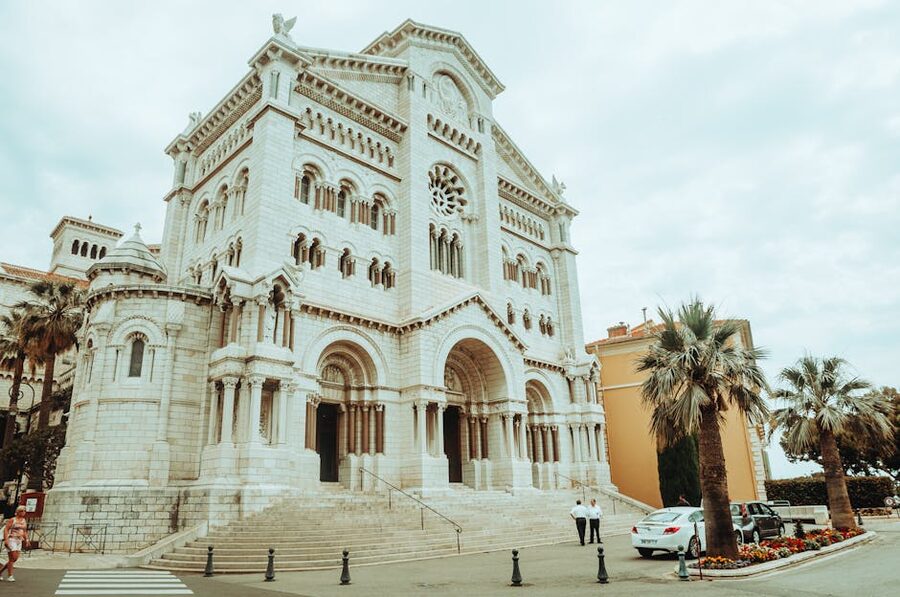
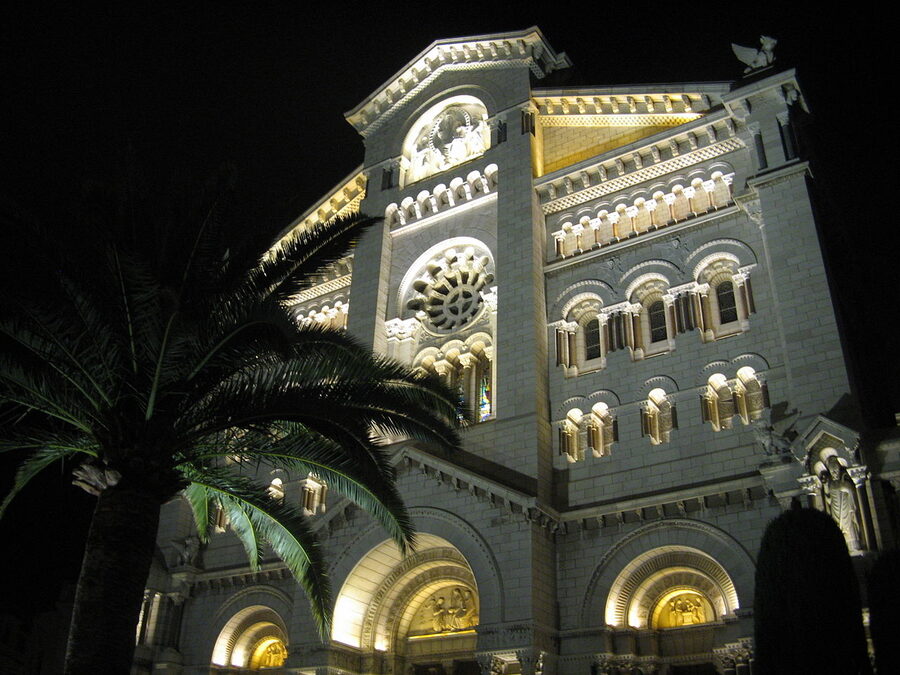
Five minutes’ walk from the palace, in the heart of Monaco-Ville, is Saint-Nicholas Cathedral, sometimes called the Cathédrale Notre-Dame-Immaculée. It’s a Romanesque Revival in white La Turbie stone, finished in 1875, on the site of an older 13th-century parish church.
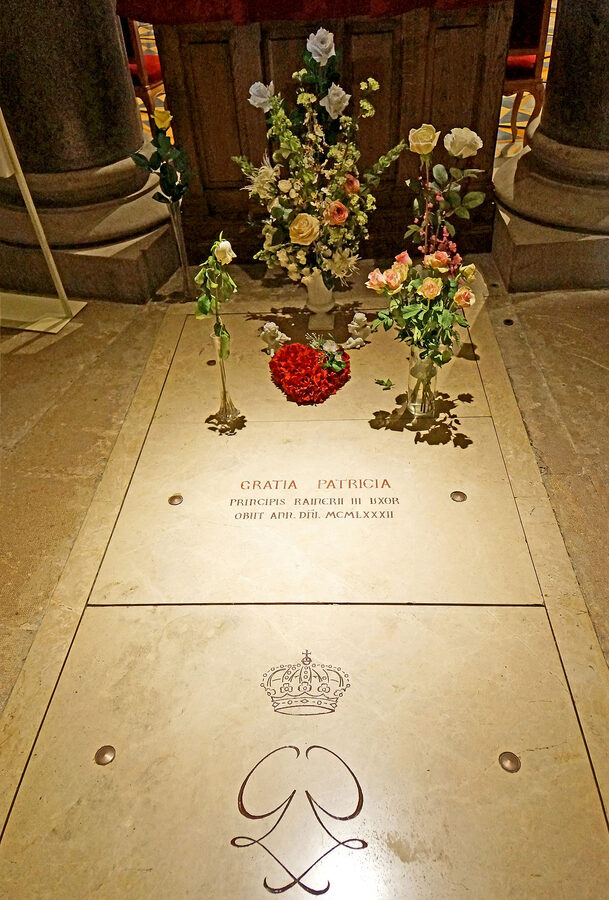
People come for one thing: the tomb of Princess Grace. Grace Kelly, the American actress (Hollywood, three Oscars-related films with Hitchcock, “High Society”, “Rear Window”), married Prince Rainier III in 1956 in this cathedral. She died in 1982 in a car accident on a corniche road just above Monaco, when her Rover went off the road on a sharp bend coming down from La Turbie. She is buried in the west transept of this cathedral, in a slab of white marble that simply reads Gratia Patricia Principis Rainerii III Uxor. Rainier himself was added to the slab in 2005.
The cathedral is free, open most days from 08:30 to 19:00, and small enough to walk through in 15 minutes. There is no queue, no ticket, no fuss. It’s also where the princely weddings, baptisms, and funerals all happen, including Albert II’s 2011 wedding to Charlene Wittstock.
One small practical thing: the cathedral asks for shoulders covered and no shorts above the knee, like most working churches. Nobody’s strict about it, but the staff have been known to ask people to step back outside.
Walking down through Monaco-Ville to Port Hercule
From the cathedral, you don’t backtrack to the palace square. You drop down through the old town’s narrow lanes towards the harbour. Monaco-Ville is the only part of the country that still feels like a Mediterranean village. Stone-paved alleys, shuttered windows, small squares with one cafe each, the smell of cooking from somebody’s open kitchen. It’s the quietest part of any Monaco day. The cars can’t get up here. The closest northern parallel for that compressed-old-town-as-historical-pilgrimage rhythm is the Anne Frank walking tour through the Jordaan in Amsterdam, which uses the same trick of dense narrow lanes laid down centuries before cars existed.
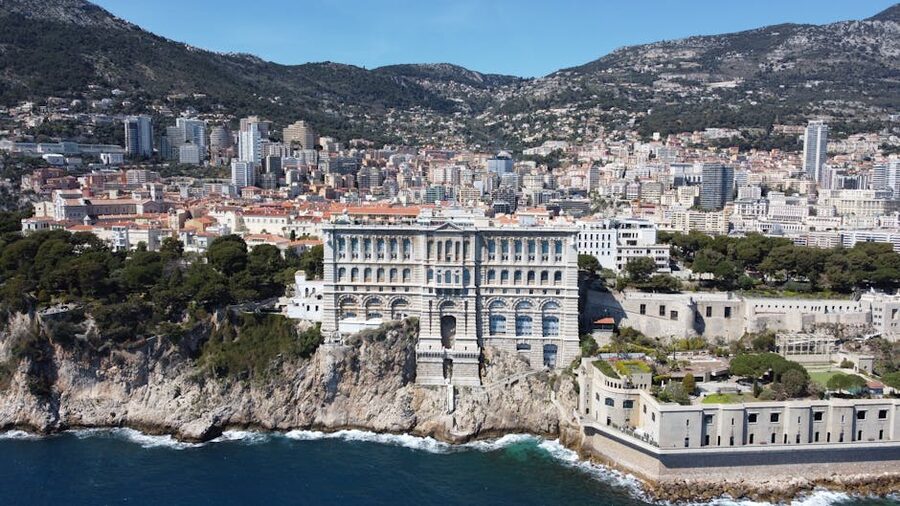
You’ll pass two things on the way down. The Oceanographic Museum sits at the southern edge of the rock, in a Belle Époque building that was funded by Prince Albert I (the great-great-grandfather of the current prince), who was a serious oceanographer himself and built much of the original collection. Inside is one of the oldest aquariums in Europe, plus a 20m-long whale skeleton in the lobby. Entry is around €19. It’s a real museum, not a tourist trap, and worth doing if you’ve got kids or you’re into marine biology. If neither, skip.
The other thing you’ll see, more visible from the path than from inside, is the Cousteau aquarium housed inside the same museum. Jacques Cousteau was the museum’s director from 1957 to 1988, which is a fact that comes up in roughly every guidebook caption written about the building.
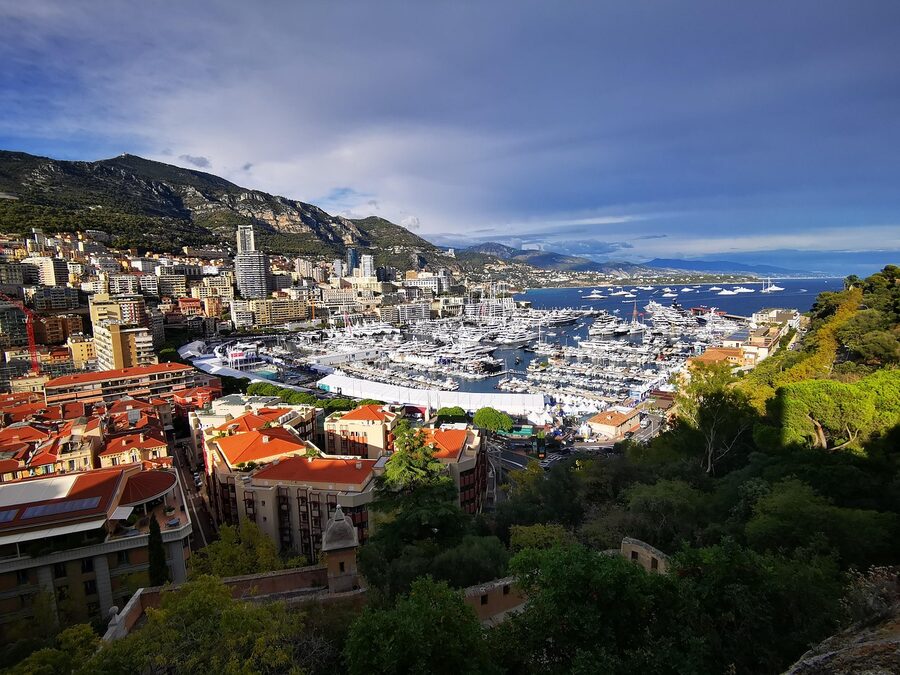
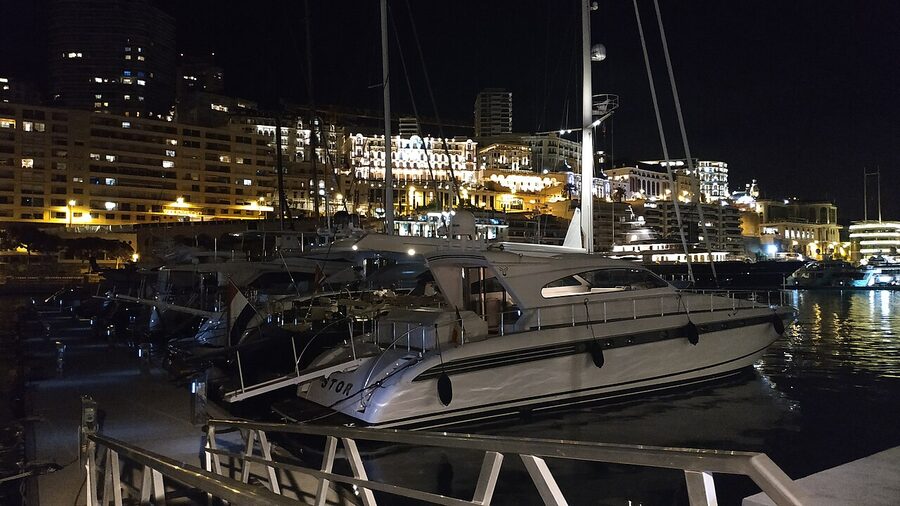
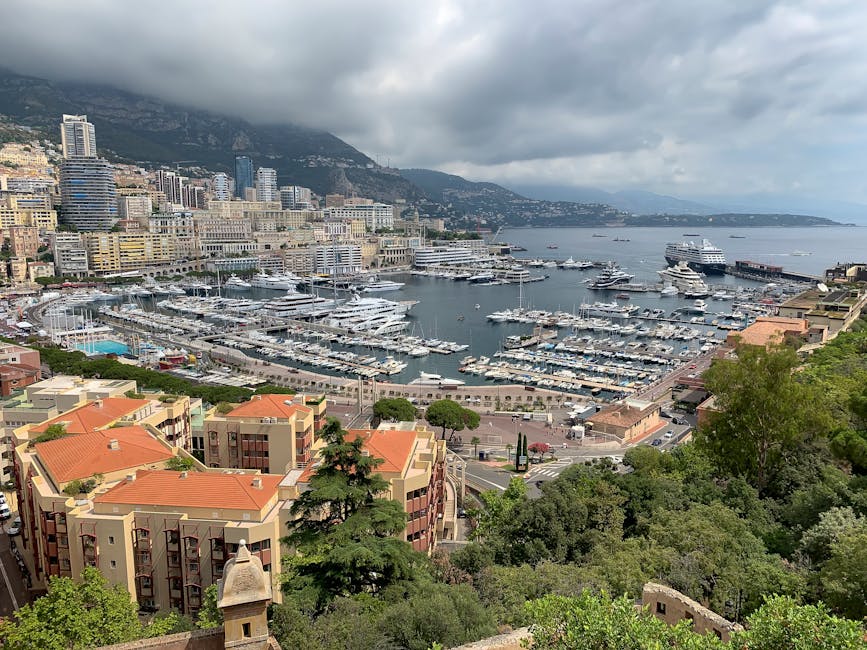
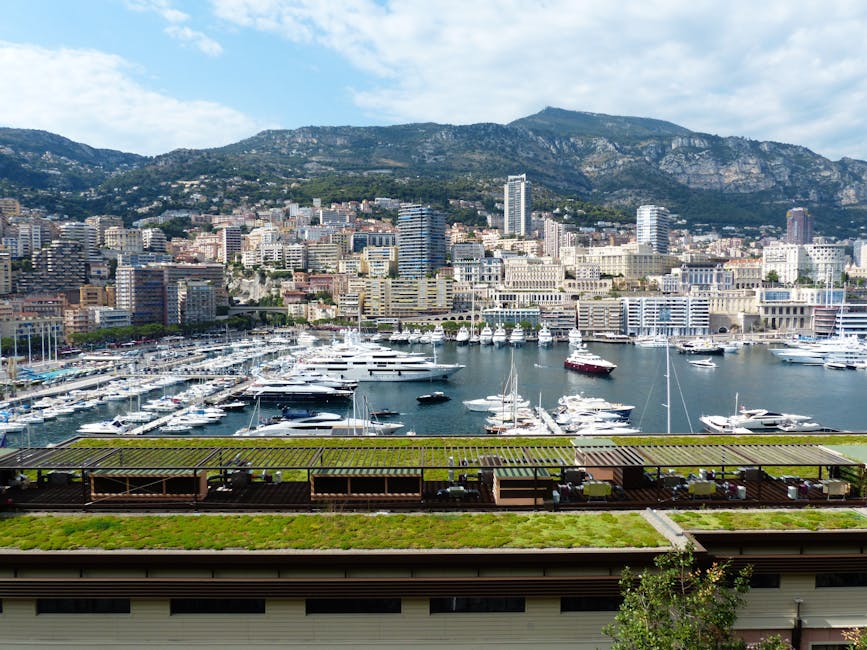
Then you come down the ramp to Port Hercule, the harbour. This is where the yachts live. Roughly 700 berths, mostly private, and during the Monaco Yacht Show (last week of September) the harbour is full of the largest yachts on earth. €1m per linear metre is the rumoured asking price for a Yacht Show berth, and the few public ones go to whoever shows up first with cash. The rest of the year it’s quieter but still ridiculous. The biggest yachts can be 80-100m long.
Walk along the quayside, look up at the boats, find the small bar called Stars’N’Bars (American sports bar that’s been there 30 years and does a decent burger for €22, which by Monaco prices is reasonable), and you’ve earned a sit-down.
The Grand Prix circuit, which is just the public streets
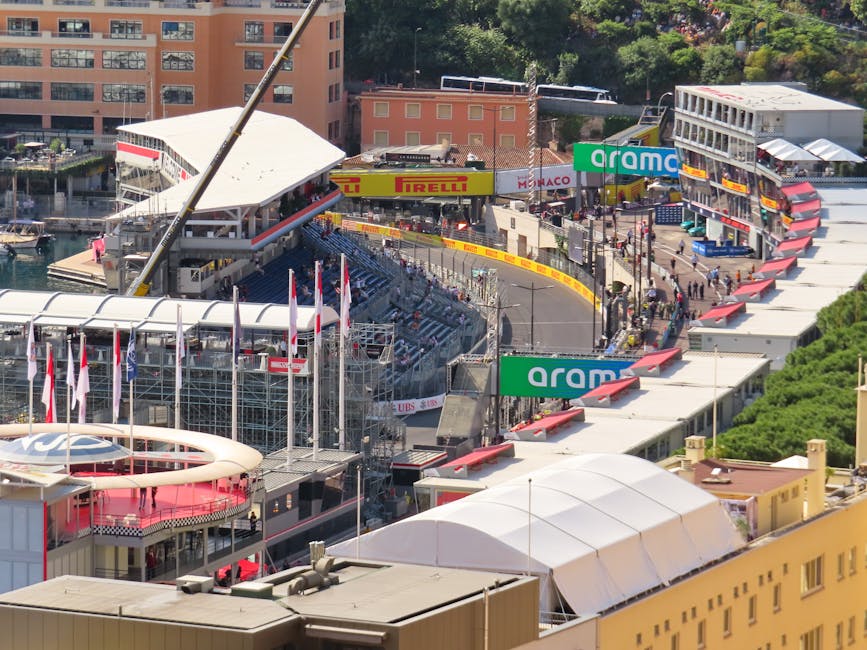
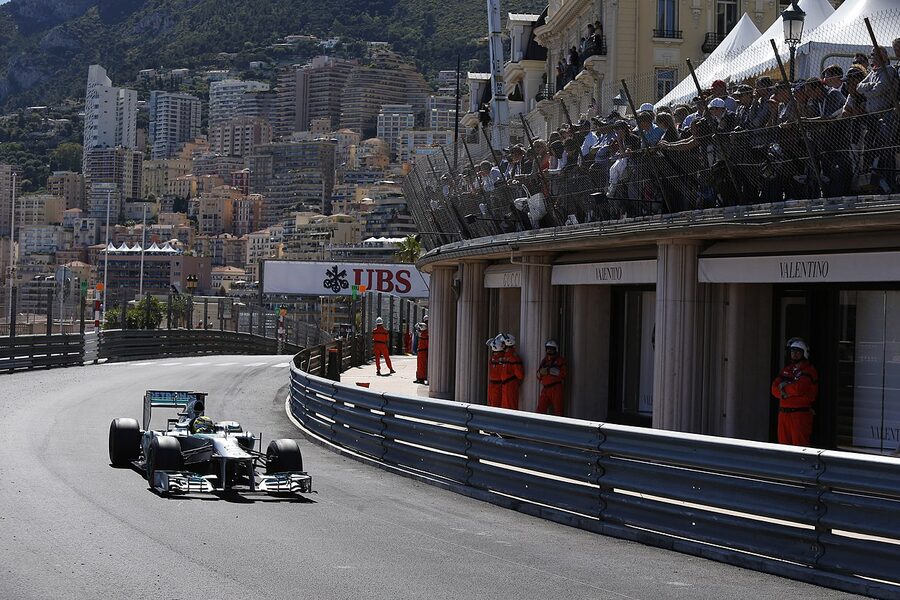
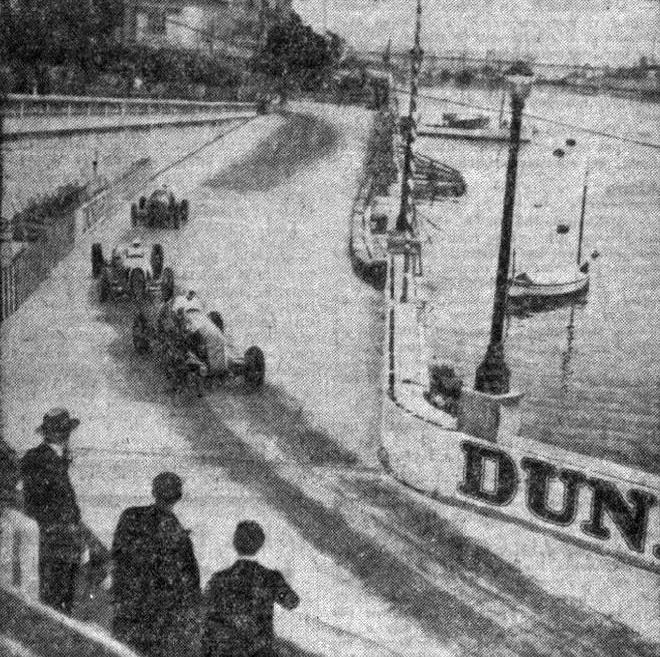
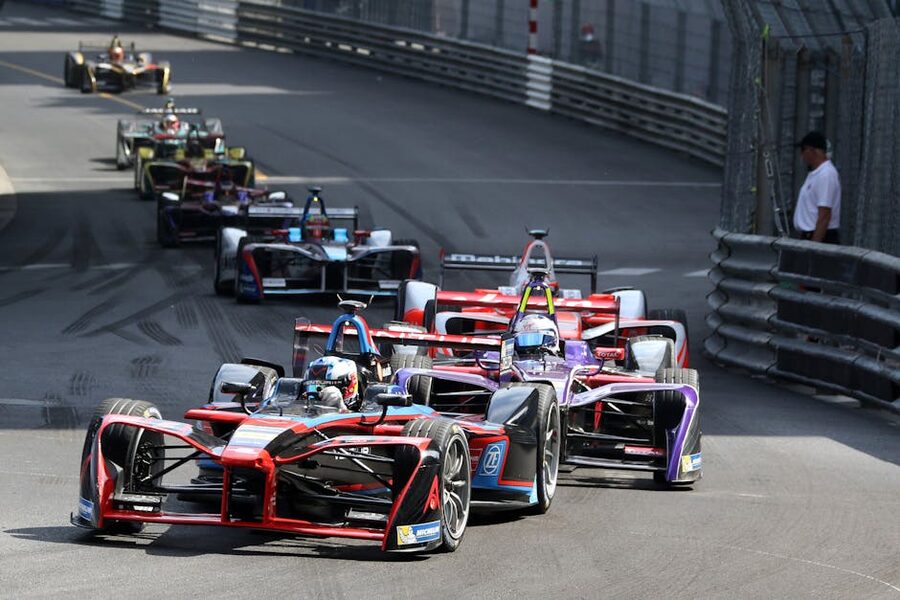
You’ll have walked at least half the Monaco Grand Prix circuit by lunchtime without realising. The race uses the principality’s actual road network. Roughly 3.3km, 19 corners, run since 1929. It’s the slowest circuit in Formula 1, with average speeds around 160 km/h, because the cars can never go fully flat-out. There are walls a metre away on both sides of the road.
The famous bits you can stand on, any day of the year:
- Sainte-Dévote, the right-hand corner at the bottom of Avenue d’Ostende, just past the church of the same name. The first corner of the lap.
- The hairpin at Loews (officially the Fairmont Hairpin), the tightest corner in F1. Cars take it at about 50 km/h. Walk the slope of Avenue des Spélugues from the casino square down towards the harbour and you’re on it.
- The tunnel, where the cars accelerate to 290 km/h underground. It’s an actual road tunnel under the Fairmont hotel. You can walk through it.
- The chicane on the harbour front (Nouvelle Chicane), the slowest part of the track.
The Grand Prix itself is the last weekend of May. Tickets start around €600 for general admission and go to €5,000+ for grandstand. Hotels triple in price for the week. The best free vantage point during the race is the rocks above Larvotto beach, where you can hear the cars and see them flash past on the hairpin. If you want the experience without the price tag, come in October when the F1 circuit is just streets again, walk the lap at your own pace, and pay normal prices for everything.
For something inland and dramatic instead of the F1 streets, the half-day-from-Nice that pairs naturally with this one is the trip up into the Verdon Gorge, the canyon two hours north of the coast.
The morning half: Èze (or Villefranche, or La Turbie)
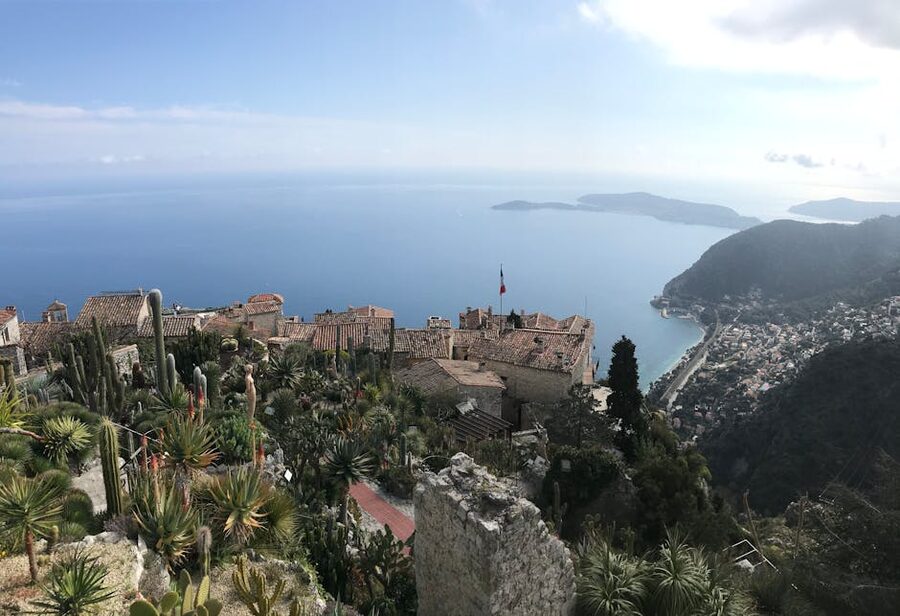
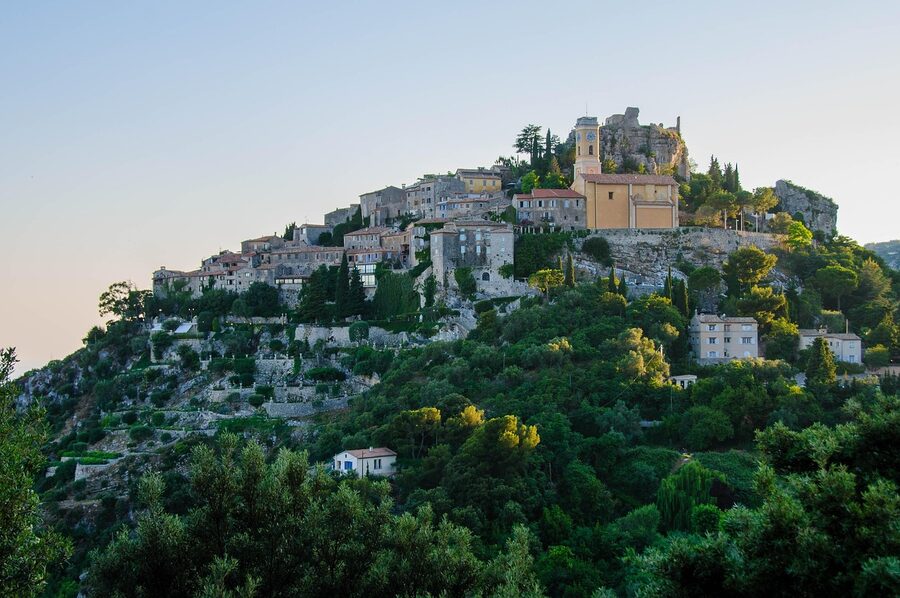
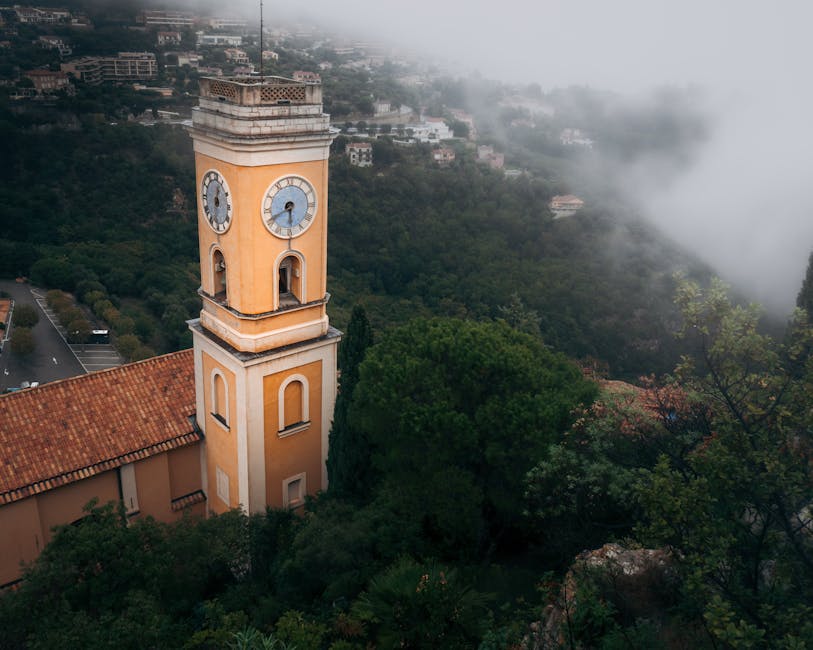
Èze is the village every Monaco day-tour stops at on the way. It is a medieval village stuck on top of a 427m crag, halfway between Nice and Monaco on the Moyenne Corniche. The lower town (Èze-bord-de-Mer) is nothing special, a small beach and a train station. The upper village is the one in the photos. Stone alleys, a 14th-century church, a botanic garden built on the ruins of a Saracen-era fortress at the top of the rock.
The botanic garden ticket is around €6, and it’s worth the climb because the view from the top is one of the best on the entire Riviera. You can see Cap-Ferrat, Cap d’Ail, and the curve of the coast all the way to Italy on a clear day. The garden itself is small and full of cacti and succulents that survive the wind.
Most coach tours stop in Èze for an hour. That’s about right. You can walk up through the village, hit the garden, look at the view, walk back down, and catch the coach. Some of the day-tours include the Fragonard perfumery in Èze, which is a working perfume factory with a free tour and an inevitable shop at the end. The Fragonard tour is genuinely interesting if you’ve never seen perfume made. The shop is a soft sell. Buy the eau de toilette in the small bottles if anything.
If your tour doesn’t go through Èze, the alternatives are Villefranche-sur-Mer (a smaller, quieter old town on a horseshoe bay halfway between Nice and Monaco) or La Turbie, a hilltop village with the Trophée d’Auguste, a Roman victory monument from 6 BC built to celebrate the conquest of the Alpine tribes. La Turbie sits 450m above Monaco, and the view from the trophée’s terrace is the picture you’ve seen of the entire principality with the sea behind it.
Three Monaco day trips from Nice that we’d actually book
All three of these pair Monaco with Èze (and one with La Turbie too), which is the right shape of day. None of them ask you to spend eight hours inside the principality, which is the trap that ruins a lot of independently-planned visits.
1. From Nice: Full-Day Monaco, Monte-Carlo & Èze Tour: $132
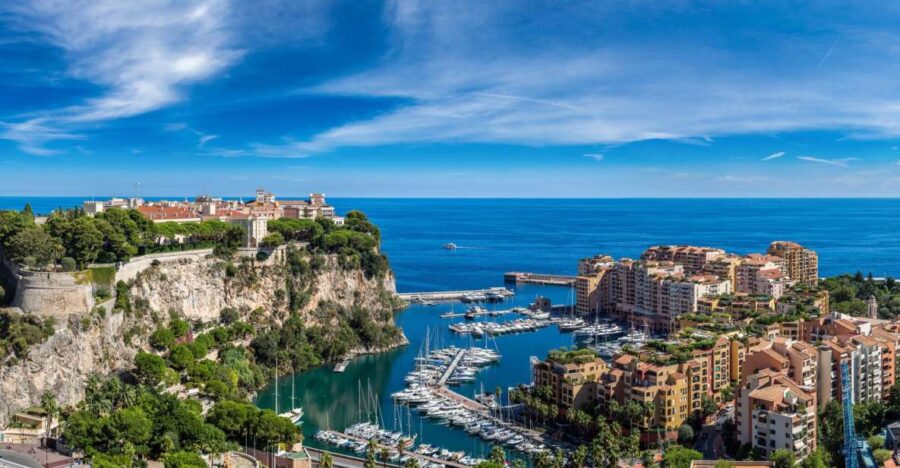
Book this if you want the textbook day with no planning on your end. The eight-hour structure puts roughly an hour in Èze (with the perfumery if you want it), a viewpoint stop above the principality, and around two-and-a-half hours on the ground in Monaco. Our full review covers what the included perfumery actually is and what the Monaco free time looks like.
2. Monaco, Monte-Carlo, Èze, La Turbie 7-Hour Shared Tour: $111
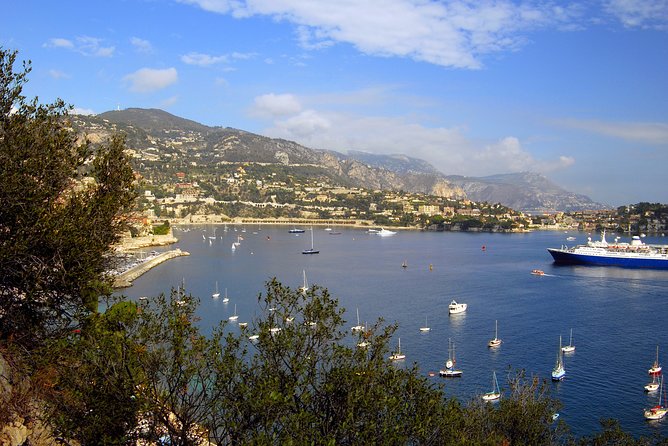
This is the value pick of the three. Same Èze stop, same Monaco free time, plus a viewpoint at La Turbie that the flagship doesn’t include. It’s a slightly larger group, which is the trade-off. Our review of this seven-hour version goes into how the La Turbie stop adds the best aerial view of the day.
3. Monaco & Èze Small-Group Day Trip With Perfumery: $135
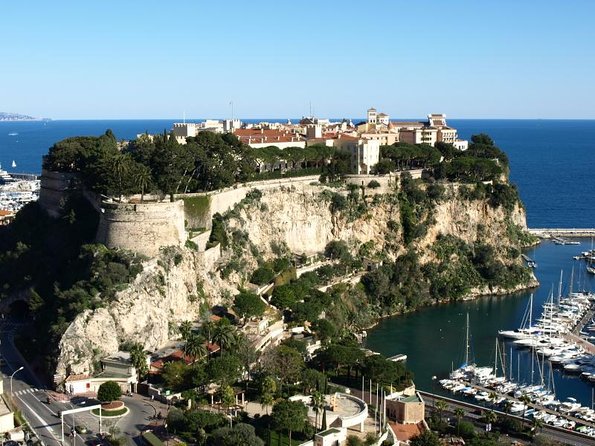
Book this if you’d rather a small van than a coach. The maximum-eight-people version moves faster between stops and gives you a bit more time at each. The perfumery in Èze is included, and the guide actually walks Monaco-Ville with you rather than dropping you at the bus park and saying “back at 16:30”. Our small-group review details what the in-Monaco time looks like.
Practical things people get wrong
Currency. Monaco uses the euro. There’s no Monégasque currency in circulation, despite a few souvenir-shop “Monaco euros” you’ll see on display. ATMs are everywhere on Place du Casino and along Boulevard Princesse Charlotte. Most places take cards. A handful of older cafes are cash-only.
Customs. No border. You walk in, you walk out, no passport stamp. Monaco is in the Schengen area through France, even though it’s technically not in the EU. Your phone’s roaming will probably keep working without prompting.
Language. French is the official language. Italian is widely spoken (about 30% of residents are Italian). English is fine in restaurants, hotels, and the casino. Monégasque, the actual native language, has fewer than 10,000 speakers and you’ll only hear it in elderly circles.
Food. Monaco isn’t really a food destination. The cooking is mostly Italian-influenced French, and the prices are aggressive. Café de Paris on Place du Casino is the touristy answer (€32 club sandwich, €18 lemonade), but the location is the location and you’re paying for the view of the casino. Stars’N’Bars at the harbour is the casual option. U Cavagnetu in Monaco-Ville is a small Monégasque place that does barbajuan (chard-and-ricotta fritters), which is the actual local dish. About €25-35 for lunch with a glass of wine.
Beaches. Larvotto, on the eastern edge, is the public beach. Pebble, not sand, like most of the Riviera. It’s been completely rebuilt since 2020 and is genuinely nice, with paid sun-lounger sections and free public sections. Most day-trippers don’t bother because they don’t have time, but if you’ve got a hot afternoon to kill, it’s there.
Shopping. The luxury strip is Avenue des Beaux-Arts and Boulevard des Moulins. Hermès, Chanel, Louis Vuitton, the usual list. Prices are not duty-free; Monaco does not have a sales-tax discount on luxury goods. Buy your handbag in the country you actually live in and save the airfare.
Casino dress code, again. No shorts, no athletic shoes, no T-shirts. Bring trousers, a collared shirt, and closed shoes if you plan to go inside.
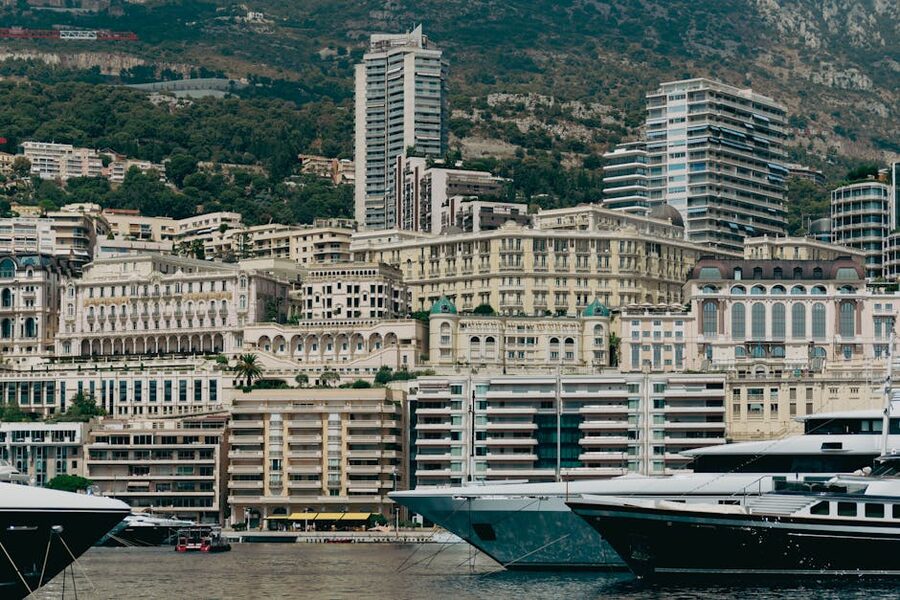
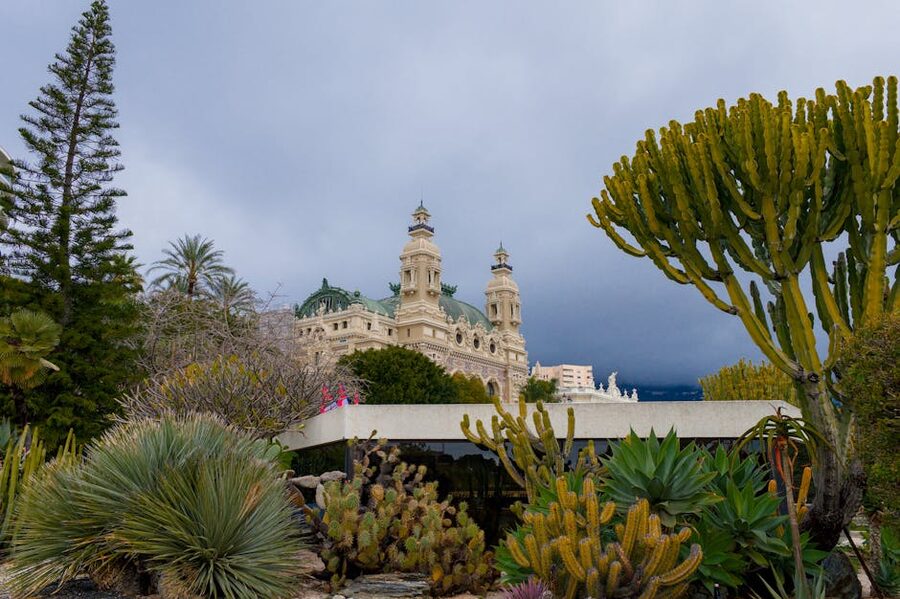
How Monaco came to be a country at all
Quick history, because it changes how you see the place. The territory was a Genoese colony from the 12th century, then snatched by François Grimaldi in 1297 (the monk-with-a-sword story above). The family stayed, sometimes by alliance with France, sometimes by alliance with Spain or Genoa, and the borders shifted around them.
The crisis came in 1848. The towns of Menton and Roquebrune, which had been Monégasque for centuries, declared themselves free cities and joined the Kingdom of Sardinia. They took with them roughly 80% of Monaco’s land area and most of its agricultural tax base (mostly lemons and olives). What was left was the rocky promontory we now call Monaco, and it had no economy to speak of.
Prince Charles III and his mother, Princess Caroline, came up with the gambling idea. France had banned casinos in 1837. If Monaco legalised gambling, all of Europe’s gamblers would come here. They built the casino in 1863 (Charles Garnier did the design, the same year he was working on the Paris Opéra), and the Société des Bains de Mer was set up to run it. The town that grew up around it took the prince’s name: Monte-Carlo, “Mount Charles”.
By 1869 the casino was profitable enough that the prince could abolish income tax for residents. By the 1900s Monaco was the playground of the European aristocracy. Then the casino model started to weaken, and the next prince, Albert I, broadened the economy with the Oceanographic Museum and a deliberate push toward science. Then Rainier III in the mid-20th century did the deals with developers that turned Monaco into a high-rise tax haven. Marrying Grace Kelly in 1956 was, by his own quiet admission, partly a publicity move to keep the principality on the world’s mental map.
Today the gambling is roughly 5% of GDP. The bigger industries are banking, real estate, and the discreet residency that brings about 9,000 millionaires per square kilometre to live here. The Société des Bains de Mer is still the largest private employer.
The country you walk through on a Tuesday afternoon is the result of every one of those decisions stacked on top of each other.
If you only have an afternoon, here’s the order I’d do it
Train from Nice arrives at Monaco-Monte-Carlo around 13:00. Walk up through the gardens to Place du Casino. Stand in the square for ten minutes (long enough to see one Bentley arrive). Coffee at the Café de Paris terrace, €8 for an espresso, you’re paying for the seat.
Walk down Avenue d’Ostende towards the harbour. You’ll pass Sainte-Dévote, the F1’s first corner. The harbour is at the bottom. Keep going round the curve to the south side and start the climb up to Monaco-Ville. There’s a free lift hidden inside the rock at the south end of the harbour quay (look for the green sign for the “ascenseur public”) that does the climb in 30 seconds, but the path up the Rampe Major is more interesting if you’ve got the legs.
Top out on Place du Palais. If it’s near 11:55, watch the changing of the guard. Otherwise, walk along the rim of the rock to the cathedral. Five minutes inside for the Princess Grace tomb, then back through the old town lanes towards the Oceanographic Museum (look at the outside, skip the inside if you’re tight on time), and back down to the harbour by the gentler descent.
Coffee or beer at Stars’N’Bars on the harbour quay. Walk along the harbour to the eastern end, around 17:00. Then back up Avenue d’Ostende to Monte-Carlo station for the train back to Nice.
That’s three to four hours of walking, the entire country covered, and you’ll be back in Nice in time for dinner.
What other day trips to pair this with on a Riviera trip
Most people who do Monaco from Nice are on a 4-7 day Riviera trip and want one or two more day-out structures alongside it. The two that make the most sense as bookends are the general Riviera from Nice day-tour, which is the broader Côte d’Azur sampler that includes Monaco, Èze, and Saint-Paul-de-Vence in one slightly tighter loop, and the Cannes and Sainte-Marguerite ferry trip, which goes the other direction along the coast. For an inland half-day with a totally different feel, the Verdon Gorge climbs into the limestone canyons two hours north of the coast. If you’ve already done all the obvious Riviera stops and want something further afield in Provence, the Camargue from Arles and the Marseille hop-on bus both make sense as a day’s outing if you’re driving the wider region.
The other Monaco-shaped thing on this site, weirdly, is in Spain. The half-day from Málaga to Gibraltar is the closest analogue you can do anywhere else on the Mediterranean. Both are tiny territories with their own status, both reached as half-day excursions from a bigger neighbour, both visa-free entry through an open border. Gibraltar is British, Monaco is its own kingdom, but the visit-shape is the same: a day where you see a small unusual country between breakfast and dinner.
If you’re widening to other parts of Europe, the same reflex applies. Cinque Terre from Florence is the Italian version of “five small things on a coast you reach in a day”. The Amalfi Coast from Naples is the dramatic-cliff version. Lake Como from Milan is the inland variant. None of these is Monaco, but all of them sit on the same shelf of “country you see in a half-day, then go home for dinner”. And from Paris, the equivalent shelves are Versailles, the Seine river cruises, the Eiffel Tower for the half-day-with-a-name pattern, Giverny for the gentle-village version, and the broader Spanish parallel of Montserrat from Barcelona for the day-out-with-a-natural-monument shape.
Pick one or two and you’ve got a week.