
Exploring Amsterdam by bike offers an intriguing opportunity to connect with the city’s World War II history. Participants can pedal past significant sites like Anne Frank’s house and Museumplein, where the war’s impact is deeply etched in the landscape. Knowledgeable guides share personal stories, enhancing the experience with emotional depth and context. This combination of cycling and history invites reflection on the resilience of those who endured hardship during this era. As riders traverse the charming streets, they might wonder what other hidden stories lie just around the corner.
Good To Know
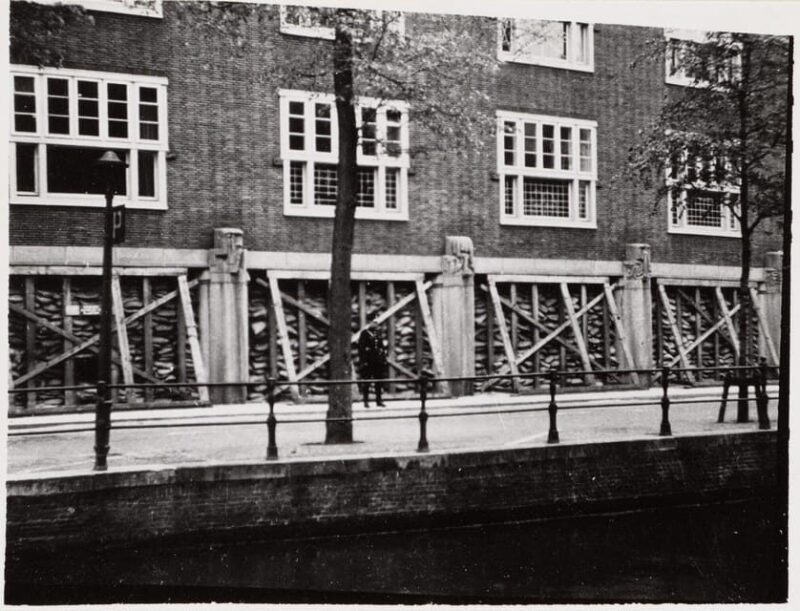
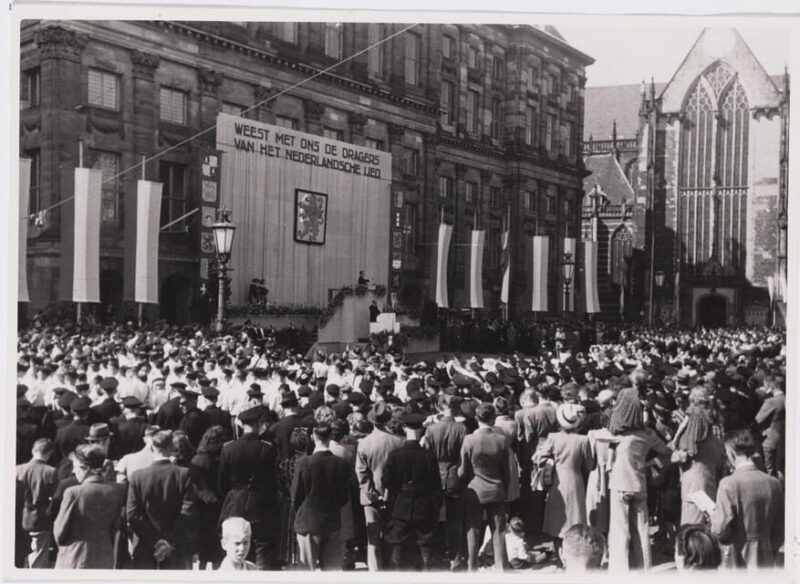
- Explore significant WWII sites in Amsterdam, including Anne Frank’s home and Museumplein, on a guided bike tour for a unique historical perspective.
- The tour lasts three hours, starting at Leidseplein, allowing for an in-depth exploration of the Jewish community’s wartime experiences.
- Personalized attention is guaranteed as each tour accommodates only one participant, enhancing the overall experience and engagement.
- Knowledgeable retired historians lead the tour, providing captivating insights and personal anecdotes about Amsterdam’s WWII history.
- Flexible booking and cancellation policies make it easy to reserve your spot and adjust plans as needed.
Tour Overview and Features
When exploring the rich history of Amsterdam during World War II, this guided bike tour offers a unique and immersive experience.
Spanning three hours, the tour takes participants through key locations significant to the Jewish Dutch community during the German occupation. Starting at Leidseplein, next to the Apple Store, the tour features a maximum of one participant, ensuring personalized attention.
Guests can enjoy flexibility with a reservation system allowing them to book now and pay later, along with a free cancellation policy up to 24 hours in advance.
Led by three retired historians, the knowledgeable guides passionately share insights about the harrowing events, making this tour an unforgettable journey through Amsterdam’s poignant past.
You can also read our reviews of more cycling tours in Amsterdam


Historical Significance of Locations
Exploring the historical significance of locations on the cycling tour reveals a deep connection to Amsterdam’s Jewish community during World War II. Each stop tells a poignant story, shedding light on the struggles faced by this vibrant community under Nazi occupation.
Notable events, like the raid at Victorieplein on June 20, 1943, highlight the harsh realities of life during the war. Locations such as Anne Frank’s home and the former Gestapo headquarters serve as reminders of resilience and tragedy.
The concentration of German army operations around Museumplein underscores the pervasive threat that loomed over the city. By cycling through these sites, participants gain insight into Amsterdam’s wartime history and the enduring impact it has on the city’s identity today.
Important Sites to Explore
Several important sites in Amsterdam provide a profound glimpse into the city’s World War II history, each with its own story to tell.
The Anne Frank House, located at Merwedeplein 37-II, offers an intimate look at the life of a young girl hiding from the Nazis.
Nearby, Waalstraat 48 marks the survival of Lex van Weren, a testament to resilience amidst horror.
Museumplein was once the heart of Nazi operations, housing the Gestapo and SS.
The area around Victorieplein is notorious for the severe raid on June 20, 1943.
Each location invites visitors to reflect on the past and understand the struggles faced by the Jewish community and the Dutch resistance during this tumultuous period.
Insights From the Tour Guides
Tour guides on the cycling journey through Amsterdam’s World War II history bring a wealth of knowledge and personal anecdotes that enrich the experience. These retired historians share their passion for the subject, illuminating key historical events and locations. Their stories create a vivid picture of the past, engaging participants in meaningful discussions.
| Location | Significance | Personal Anecdote |
|---|---|---|
| Anne Frank’s home | Symbol of Jewish resistance | A guide shares a family connection to the Frank family. |
| Museumplein | SS and Gestapo activities hub | One guide recounts tales from his childhood in the area. |
| Waalstraat 48 | Lex van Weren’s survival story | A guide details the emotional impact of discovering this site. |
These insights transform the tour into a captivating journey through history.
More Great Tours NearbyCustomer Experiences and Reviews
During their journey through Amsterdam’s poignant World War II history, participants consistently express high satisfaction with the tour.
They praise the knowledgeable and friendly guides, who share captivating stories that bring the past to life. Travelers appreciate the engaging format, noting how cycling allows them to see significant sites up close while enjoying the city’s beauty.
Feedback highlights the emotional impact of visiting locations like Anne Frank’s home and the Gestapo headquarters. Families, couples, and solo adventurers all recommend the tour, finding it suitable for various interests.
With an impressive overall rating of 5/5, it’s clear this unique experience resonates deeply, leaving participants with lasting memories of Amsterdam’s complex history.
- Amsterdam: Heineken Experience Ticket
★ 4.6 · 30,055 reviews - Amsterdam: Rijksmuseum Entry Ticket
★ 4.7 · 25,535 reviews - Amsterdam: Classic Boat Cruise with Optional Cheese & Wine
★ 4.6 · 23,488 reviews - Amsterdam: City Canal Cruise With Audio Guide
★ 4.4 · 17,501 reviews - Amsterdam: Open Boat Cruise option Unlimited Drinks & Bite
★ 4.5 · 15,680 reviews - Amsterdam: Zaanse Schans, Edam, Volendam & Marken Bus Tour
★ 4.6 · 15,034 reviews
Booking and Cancellation Details
When planning a visit to Amsterdam’s World War II spots, understanding the booking and cancellation policies is essential for a smooth experience.
Tourists can secure their spot with a low upfront cost, as they can reserve now and pay later. The tour lasts three hours and starts at Leidseplein, right next to the Apple Store.
With a focus on personalized experiences, the group size is limited to just one participant, ensuring individual attention.
Flexibility is key, as travelers can cancel up to 24 hours in advance for a full refund. This accommodating policy allows visitors to adjust their plans without stress, making it easier to explore the profound history of Amsterdam during World War II.
Tips for Cycling in Amsterdam
Cycling through Amsterdam offers a unique way to explore the city’s rich history and vibrant culture, especially when visiting significant World War II sites.
To make the most of the experience, cyclists should keep a few tips in mind:
-
Stay Alert: Amsterdam’s streets can be busy with pedestrians and other cyclists, so always stay aware of your surroundings.
-
Use Bike Lanes: Stick to designated bike lanes to ensure safety and smooth riding.
-
Secure Your Bike: Use a sturdy lock to prevent theft when stopping at sites.
-
Dress for the Weather: The weather can be unpredictable; wearing layers will help keep comfort levels high.
With these tips, cyclists can enjoy a memorable journey through Amsterdam’s historical landscape.
Additional Resources for Visitors
For visitors eager to delve deeper into Amsterdam’s World War II history, a wealth of resources is available to enhance their experience.
The Anne Frank House offers insightful exhibits and tours, while the Jewish Historical Museum provides context about the Jewish community during the war. Plus, the National Holocaust Museum explores the darker chapters of Dutch history.
To maximize their visit, travelers can access guided bike tours led by knowledgeable historians, which highlight significant sites like the Gestapo headquarters and Victorieplein.
Maps and pamphlets are available at tourist information centers, offering self-guided tour options.
Lastly, online forums and local blogs can provide personal anecdotes and tips for navigating this poignant historical landscape.
Frequently Asked Questions
What Should I Wear for the Cycling Tour?
For the cycling tour, she should wear comfortable clothing and sturdy shoes. A light jacket might be handy in case of changing weather, and a helmet is recommended for safety during the ride.
Are Children Allowed on This Bike Tour?
Children aren’t specifically mentioned as being restricted on the bike tour. However, participants should consider the tour’s historical nature and potential sensitivity. It’s best to contact the organizers for any age-related inquiries before booking.
Can I Bring My Own Bike?
He wondered whether he could bring his own bike. The tour allows participants to use personal bicycles, but checking with the organizers beforehand ensures a smooth experience. They appreciate riders’ preferences and flexibility.
Is There a Restroom Break During the Tour?
During the tour, there isn’t a designated restroom break. Participants should plan accordingly, as the 3-hour ride focuses on historical sites. However, guides may accommodate requests for short stops when necessary.
What Happens if It Rains on the Tour Day?
If it rains on the tour day, participants may receive rain ponchos. The guides ensure the experience remains enjoyable, adapting the route as needed while sharing engaging stories about the historical significance of each location.
Amsterdam: Cycling Along the World War Two Spots
The Sum Up
Cycling through Amsterdam’s World War II historical sites offers a poignant blend of education and exploration. Participants not only witness the remnants of a challenging past but also gain a deeper understanding of the resilience displayed by the community. With knowledgeable guides leading the way, riders leave with lasting memories and new insights. This unique experience not only enriches their appreciation of the city but also honors the stories of those who lived through this profound chapter in history.
You can check availability for your dates here:


