
The Annapurna Circuit, a premier trekking destination, offers adventurers an unparalleled experience as they navigate through diverse terrains and vibrant local cultures. At the pinnacle lies Thorong La Pass, soaring at 5,416 meters, where the breathtaking views of the Annapurna and Dhaulagiri peaks await. Trekkers face a challenging ascent, but the rewards are numerous, including a sense of accomplishment and unforgettable panoramas. As one prepares for this remarkable journey, understanding the essential aspects, from itineraries to permits, becomes crucial. What vital details could make a significant difference in ensuring a smooth trek?
Key Points
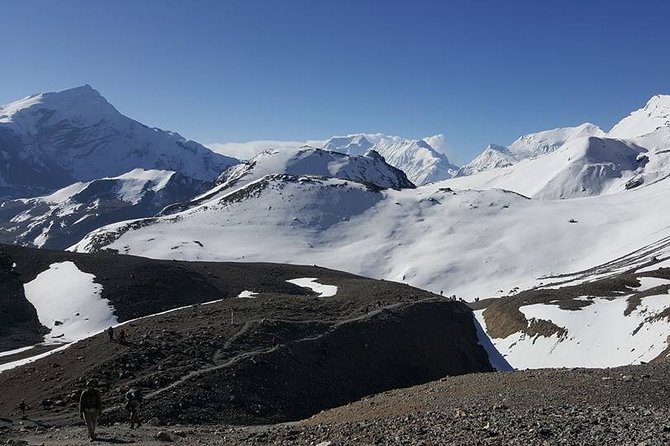

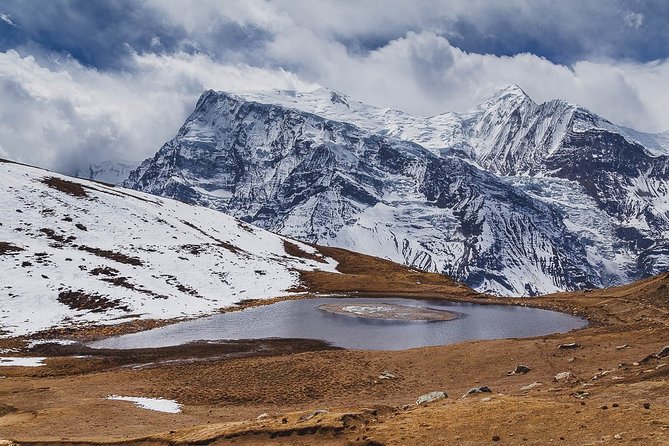
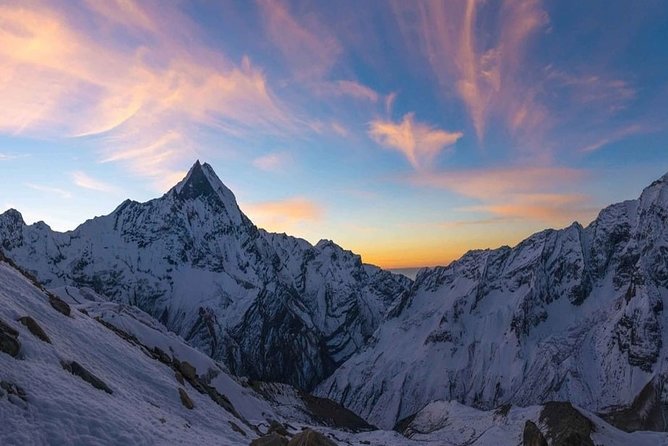
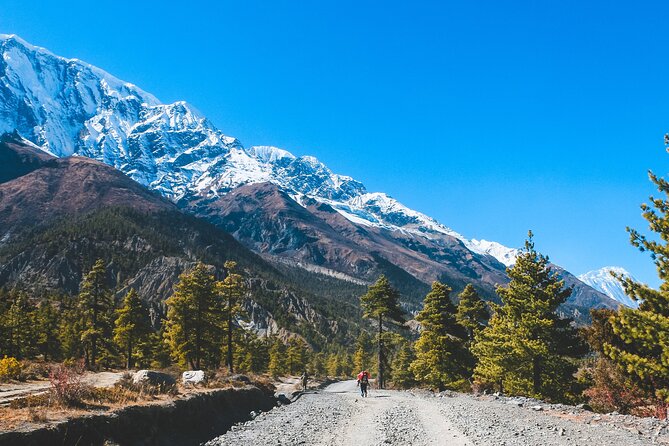
- The Annapurna Circuit spans approximately 160-230 kilometers, featuring diverse terrain from subtropical forests to high-altitude deserts.
- Thorong La Pass, at 5,416 meters, is the highest point on the trek, offering breathtaking panoramic views of Annapurna and Dhaulagiri peaks.
- Acclimatization days, particularly in Manang, are essential for safe passage through Thorong La Pass due to high altitude.
- Trekking requires permits, including the TIMS Card and Annapurna Conservation Area Permit, ensuring access and safety in the region.
- Lodging in cozy tea houses along the route provides culture and home-cooked meals, enhancing the trekking experience.
Destination Overview
Nestled in the heart of the Himalayas, the Annapurna Circuit and Thorong La Pass offer trekkers an unforgettable journey through breathtaking landscapes and vibrant local culture.
This iconic trekking route spans approximately 160-230 kilometers, depending on the chosen itinerary, and features diverse terrain, from lush subtropical forests to stark high-altitude deserts.
Trekkers can experience stunning views of some of the world’s highest peaks, including Annapurna and Dhaulagiri.
Along the way, they’ll encounter charming villages inhabited by the Gurung and Thakali people, adding to the cultural richness of the trek.
With its moderate difficulty level, the Annapurna Circuit caters to a variety of trekkers, making it an ideal destination for adventure enthusiasts seeking both natural beauty and culture.
You can also read our reviews of more tours and experiences in Kathmandu.


Trekking Itinerary
The trekking itinerary for the Annapurna Circuit includes a well-structured plan that guides adventurers through stunning landscapes and cultural highlights over a span of several days. Each day offers unique experiences, promising a memorable journey.
-
Day 1: Start in Kathmandu, exploring vibrant markets and temples, absorbing the local culture.
-
Day 3: Trek from Besisahar to Bahundanda, enjoying magnificent views of terraced fields and lush hillsides.
-
Day 7: Reach Manang, where trekkers can acclimatize while savoring breathtaking mountain vistas.
-
Day 12: Conquer Thorong La Pass, standing at the highest point and celebrating the achievement with panoramic views.
This itinerary balances adventure and culture, ensuring trekkers experience the best of the Annapurna region.
Inclusions and Services
During the Annapurna Circuit trek, travelers can expect a comprehensive package that includes essential accommodations, meals, and transportation, ensuring a seamless and enjoyable experience.
The itinerary features two nights in Kathmandu and one in Pokhara, each with breakfast included, alongside cozy tea house accommodations during the trek. Standard meals, comprising breakfast, lunch, and dinner, are provided daily, along with three cups of tea or coffee.
Transportation is convenient, with airport pick-up and drop-off, plus ground transport between key locations. An English-speaking guide and porter service enhance the journey, while all staff needs, like accommodation and salaries, are covered.
Plus, trekkers receive a Happyland Treks certificate, a duffel bag, and a t-shirt, adding a personal touch.
Permits and Documentation
Travelers embarking on the Annapurna Circuit trek must secure specific permits and documentation to ensure a smooth and legally compliant experience in Nepal. Obtaining the necessary permits is crucial before setting out on this breathtaking journey.
Here’s what they need:
-
TIMS Card – This Trekkers Information Management System card helps track trekkers in the region.
-
Annapurna Conservation Area Entry Permit – Allows access to the stunning Annapurna region.
-
Travel Insurance – Covers medical assistance and emergency evacuation, providing peace of mind.
-
Visa – A valid Nepal entry visa is essential for all foreigners.
Transportation Details
Transportation for the Annapurna Circuit trek includes a well-organized itinerary featuring airport pick-up and drop-off, plus ground transport options that connect Kathmandu to key starting points like Bulbule and Tatopani. Travelers can expect comfortable buses that make the journey enjoyable and efficient.
| Transport Type | Route | Duration |
|---|---|---|
| Airport Transfer | Kathmandu Airport to Hotel | 30 minutes |
| Bus Ride | Kathmandu to Bulbule | 6-8 hours |
| Bus Ride | Beni to Pokhara | 2 hours |
With multiple pickup points available, guests have flexibility and convenience. This thoughtful transportation planning ensures trekkers can focus on enjoying the stunning landscapes and adventure ahead.
- Private Kathmandu Sightseeing Tour – UNESCO World Heritage Sites
★ 5.0 · 756 reviews - Kathmandu: Private 7 UNESCO Heritage Sites Day Tour
★ 4.8 · 744 reviews - Everest Base Camp Helicopter Tour Stop at Everest View Hotel
★ 5.0 · 668 reviews - Half Day Cooking Class in Thamel Kathmandu
★ 5.0 · 607 reviews - Private Kathmandu Day Tour: 7 UNESCO Heritage Sites Tour
★ 5.0 · 415 reviews - Kathmandu: 7 UNESCO World Heritage Sites Private Day Tour
★ 4.9 · 406 reviews
Accommodations During Trek
Accommodation along the Annapurna Circuit provides trekkers with a comfortable and authentic experience, featuring cozy tea houses that offer a glimpse into local culture and hospitality.
These tea houses serve as a warm refuge after long days of trekking, ensuring trekkers can recharge for the next leg of their journey.
Here’s what you can expect:
-
Simple yet welcoming rooms with basic furnishings and shared bathrooms.
-
Delicious home-cooked meals that reflect local flavors and ingredients.
-
Friendly hosts eager to share stories and customs of the region.
-
Stunning views of the surrounding mountains from communal areas.
With this blend of comfort and culture, trekkers can truly savor their adventure on the Annapurna Circuit.
Personal Expenses and Exclusions
When planning a trek on the Annapurna Circuit, it’s essential to consider personal expenses and exclusions that can impact the overall budget. Trekking can be a rewarding experience, but travelers should be mindful of additional costs that may arise.
| Expense Category | Estimated Cost |
|---|---|
| Alcoholic Beverages | $5 – $10 per drink |
| Hot Showers | $2 – $5 each |
| Battery Charging | $1 – $3 per charge |
Other personal expenses might include cold drinks, water bottles, or tips for guides and porters. These costs, along with any expenses not listed in the inclusions, can add up, so trekkers should plan accordingly to ensure a smooth journey.
Booking and Cancellation Policy
Trekkers can secure their spot on the Annapurna Circuit with ease, thanks to Happyland Treks’ flexible booking and cancellation policy. This user-friendly approach allows adventurers to plan confidently, ensuring a smooth experience.
Here’s what to expect when booking:
-
Free cancellation up to 24 hours before the trek starts, making last-minute changes hassle-free.
-
Instant confirmation upon booking, so trekkers can finalize their plans immediately.
-
Flexible payment options, catering to various budgets and preferences.
-
Personalized assistance throughout the booking process, ensuring all questions are answered.
With such a supportive policy, trekkers can focus on enjoying their journey without worrying about unexpected changes. Happyland Treks truly prioritizes the trekkers’ peace of mind.
Frequently Asked Questions
What Is the Best Time to Trek the Annapurna Circuit?
The best time to trek is during spring (March to May) and autumn (September to November). These months offer stable weather, clear views, and a vibrant landscape, ensuring trekkers enjoy their adventure to the fullest.
Are There ATM Facilities Along the Trekking Route?
There aren’t ATM facilities along the trekking route, so travelers should withdraw sufficient cash in Kathmandu. They recommend carrying enough Nepali rupees to cover expenses during the trek, ensuring a smooth journey without financial interruptions.
How Difficult Is the Trek for Beginners?
The trek’s difficulty for beginners varies, but it generally requires moderate physical fitness. With proper preparation and guidance, beginners can successfully enjoy the experience, appreciating stunning views while gradually acclimatizing to the altitude.
Can I Bring My Own Trekking Gear?
He can definitely bring his own trekking gear. It’s encouraged, as personal equipment often enhances comfort and safety. However, ensuring everything meets the trek’s requirements and is suitable for the terrain is essential.
What Wildlife Might I Encounter During the Trek?
During the trek, adventurers might encounter diverse wildlife, including elusive snow leopards, playful monkeys, and various birds. They’ll also spot unique flora, enhancing their experience in this stunning natural environment while exploring.
Annapurna Circuit Thorong La Pass
Recap
To sum it up, the Annapurna Circuit and the ascent to Thorong La Pass offer an unforgettable adventure for trekkers seeking both stunning views and culture.
With proper planning, including a solid itinerary and necessary permits, adventurers can fully embrace the challenge and beauty of this iconic route.
By understanding the logistics—from transportation to accommodations—hikers can focus on the experience, making memories that will last a lifetime in the majestic Himalayas.


