
The Annapurna Poonhill Trek stands out as a prime choice for those seeking a blend of breathtaking natural beauty and rich cultural experiences. It offers trekkers the chance to explore vibrant rhododendron forests while interacting with the welcoming Gurung and Magar communities along the way. Those who rise early to hike Poonhill are rewarded with stunning sunrises that paint the Annapurna range in hues of gold and pink. As trekkers plan their journey, they might want to consider some practical tips and insights to ensure a smooth adventure, especially regarding the best times to visit and what to pack.
Key Points
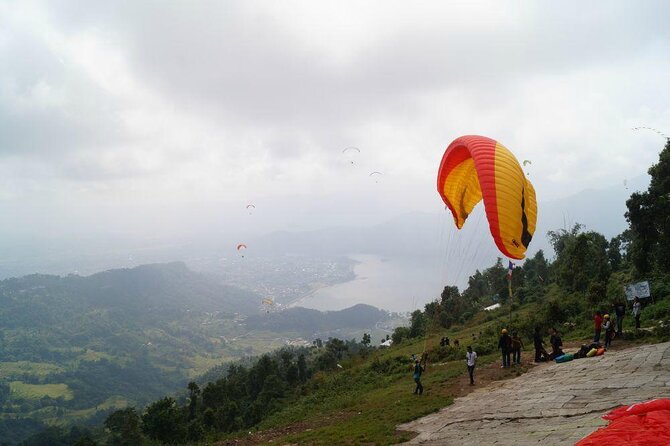
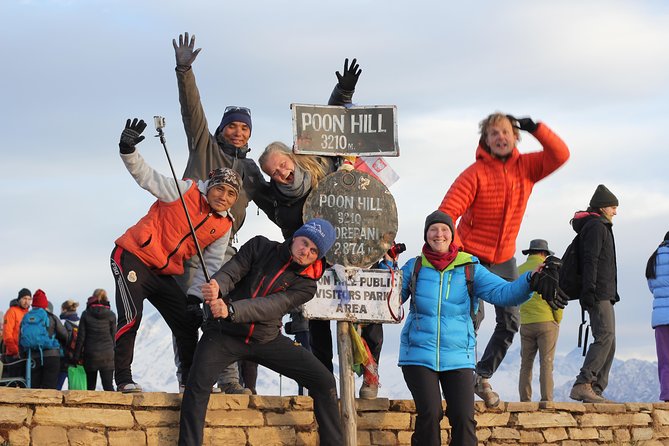
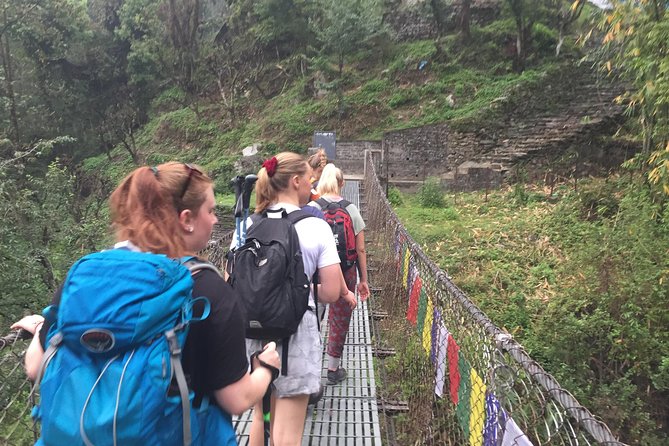
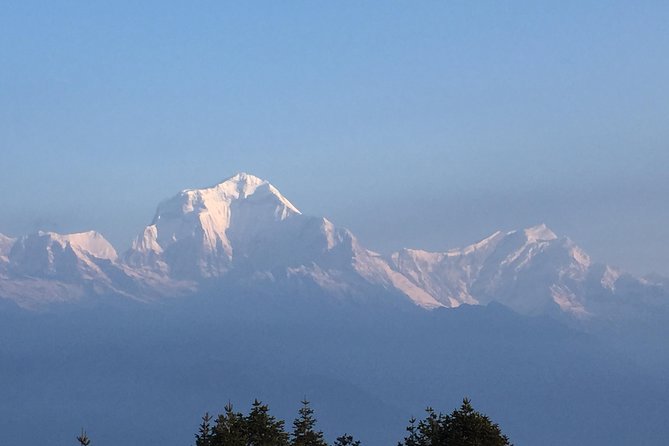
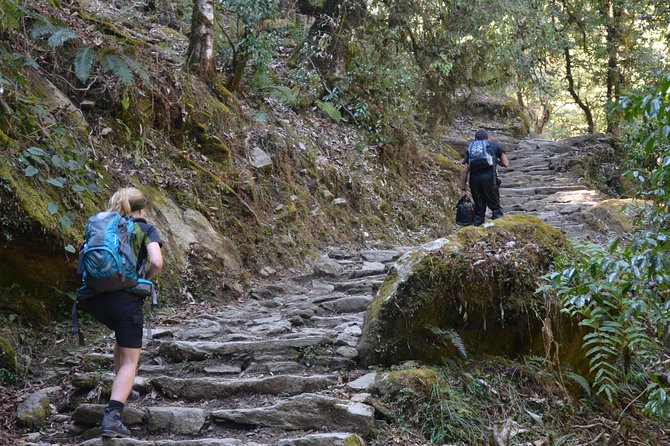
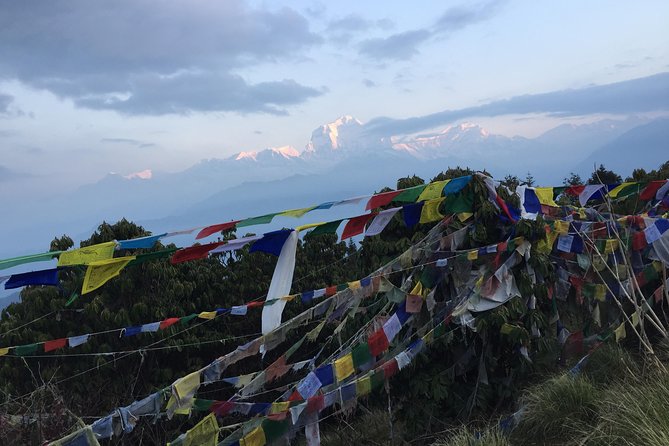
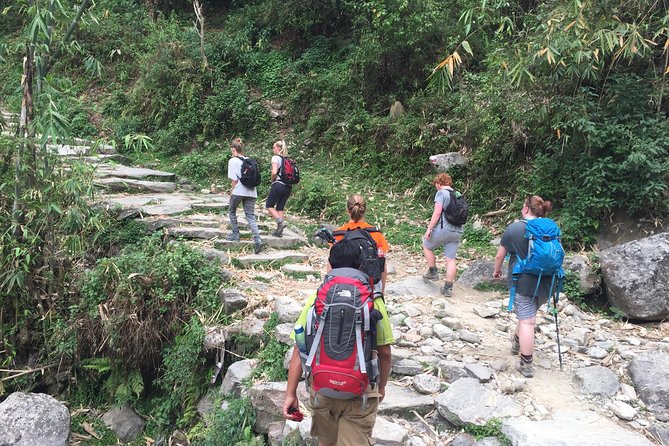
- The Annapurna Poonhill Trek offers stunning mountain views and cultural experiences with the Gurung and Magar communities.
- Best trekking months are late September to November and March to May for clear skies and moderate temperatures.
- Transportation options include private vehicles and tourist buses, taking 6-9 hours from Kathmandu to Pokhara.
- The trek includes meals, essential equipment, and permits while ensuring a personalized experience in the Annapurna region.
- Health precautions like staying hydrated and having travel insurance are crucial for a safe trekking experience.
Overview of Annapurna Poonhill Trek
The Annapurna Poonhill Trek offers an unforgettable adventure through stunning landscapes and rich cultural heritage, making it a must-do for trekkers visiting Nepal. This trek provides a unique blend of breathtaking mountain views and encounters with local communities.
As trekkers meander through terraced fields and quaint villages, they can enjoy the vibrant traditions of the Gurung and Magar people. Along the way, trekkers should savor delicious local cuisine and embrace the hospitality of teahouse owners.
With a well-planned itinerary, participants can enjoy a mix of challenging trails and leisurely strolls, making it accessible for various fitness levels. Plus, the mesmerizing sunrise at Poonhill is a highlight that shouldn’t be missed—a perfect reward for their efforts!
You can also read our reviews of more hiking tours in Kathmandu


Best Time to Trek
Choosing the right time to trek the Annapurna Poonhill route can significantly enhance the experience, as the weather and scenery vary throughout the year. The best months for trekking are typically from late September to November and March to May. During these periods, trekkers enjoy clear skies, moderate temperatures, and vibrant landscapes.
In autumn, the lush greenery transforms into stunning fall colors, while spring brings blooming rhododendrons, creating a picturesque backdrop. Trekking during these seasons also allows for cultural festivals, like Dashain and Holi, enriching the experience.
Avoid the monsoon months from June to August, as heavy rains can make trails slippery and visibility poor. So, planning well can make all the difference in this breathtaking adventure!
Transportation Options
Getting around for the Annapurna Poonhill Trek is made easy with private transportation options that ensure a comfortable journey between Kathmandu and Pokhara. Travelers can enjoy air-conditioned vehicles, making the trip enjoyable and efficient. They’ll meet their driver right outside the Tribhuwan International Airport arrival hall, holding a name plate for easy identification.
Here’s a quick look at the transportation details:
| Type | Duration | Cost |
|---|---|---|
| Private Vehicle | Approximately 6-7 hours | Varies by service |
| Tourist Bus | Approximately 8-9 hours | Budget-friendly option |
| Taxi | Approximately 6-7 hours | More expensive option |
Choosing the right transport can enhance the trekking experience, allowing for a seamless transition into the adventure ahead.
Trek Inclusions and Amenities
Trek participants can look forward to a comprehensive meal plan that includes 4 breakfasts and 5 dinners, ensuring they stay energized throughout their adventure.
Along with satisfying meals, trekkers will receive essential equipment like a sleeping bag, duffle bag, and warm jackets, making the journey more comfortable.
The package covers all necessary fees, including the Annapurna Conservation fee and the Trekkers Information Management System, so there are no hidden surprises.
This thoughtful inclusion allows trekkers to focus on the breathtaking views and cultural experiences without worrying about logistics.
With a private tour setup, participants can enjoy a more personalized experience, truly seeing the stunning landscapes and local culture of the Annapurna region.
Additional Costs to Consider
While the trek offers many inclusions, participants should be aware of additional costs that may arise during their journey.
It’s essential to plan ahead and budget for these expenses, as they can add up quickly.
Here are a few to consider:
-
Personal travel and medical insurance
-
Meals not included in the trek, like lunch and dinner in Kathmandu and Pokhara
-
Bar bills and extra snacks during the trek
-
Nepal visa fees
- Private Kathmandu Sightseeing Tour – UNESCO World Heritage Sites
★ 5.0 · 756 reviews - Kathmandu: Private 7 UNESCO Heritage Sites Day Tour
★ 4.8 · 744 reviews - Everest Base Camp Helicopter Tour Stop at Everest View Hotel
★ 5.0 · 668 reviews - Half Day Cooking Class in Thamel Kathmandu
★ 5.0 · 607 reviews - Private Kathmandu Day Tour: 7 UNESCO Heritage Sites Tour
★ 5.0 · 415 reviews - Kathmandu: 7 UNESCO World Heritage Sites Private Day Tour
★ 4.9 · 406 reviews
Health and Safety Guidelines
Health and safety are paramount on the Annapurna Poonhill Trek, so participants should ensure they’re physically prepared and aware of any personal health restrictions before embarking on this unforgettable journey.
Staying hydrated is essential, as the altitude can lead to dehydration and altitude sickness. It’s wise to pack a basic first-aid kit, including medications for common issues like headaches or stomach upsets.
Participants should also consider travel insurance to cover unexpected medical situations. Plus, respecting local customs and being mindful of the environment enhances the trek experience.
Lastly, it’s crucial to communicate any health concerns with the guide, who can provide valuable support and adjust plans as needed. Prioritizing health and safety ensures a memorable adventure in the stunning Annapurna region.
Suggested Itinerary
Planning the Annapurna Poonhill Trek involves mapping out an exciting itinerary that balances adventure with culture. Typically, trekkers spend around 5 to 7 days exploring the breathtaking landscapes and charming villages. Each day offers a blend of stunning views and local experiences.
Here’s a suggested outline for the trek:
-
Day 1: Drive from Kathmandu to Pokhara, soaking in the scenic beauty.
-
Day 2: Trek from Nayapul to Ghorepani, passing through lush rhododendron forests.
-
Day 3: Early morning hike to Poonhill for sunrise views, followed by a trek to Tadapani.
-
Day 4: Continue to Ghandruk, a traditional Gurung village rich in culture.
With each step, trekkers not only conquer the trails but also embrace Nepal’s vibrant heritage.
Tips for a Successful Trek
To make the most of the Annapurna Poonhill Trek, trekkers should prepare thoroughly and embrace the local culture along the way.
First, packing light yet wisely is essential; include essentials like a good pair of trekking shoes, layers of clothing, and a sturdy daypack.
Staying hydrated is crucial, so carry a reusable water bottle.
Trekkers should also try to learn a few Nepali phrases; locals appreciate the effort and can enhance interactions.
Respecting local customs, especially during religious visits, shows cultural sensitivity.
Finally, keeping a flexible mindset helps trekkers adapt to changes in weather or trail conditions.
With these tips, adventurers can truly enjoy the breathtaking beauty and rich culture of the Annapurna region.
Frequently Asked Questions
What Is the Difficulty Level of the Annapurna Poonhill Trek?
When considering difficulty levels of treks, he finds the Annapurna Poonhill Trek manageable for most hikers. It features some steep sections, but with proper preparation, anyone can enjoy the stunning views and cultural experiences.
Are There Age Restrictions for Participants on the Trek?
There aren’t strict age restrictions for participants, but younger trekkers should be physically prepared. Older individuals should consider their fitness levels. It’s best to consult with a healthcare provider before embarking on any trek.
Can I Hire a Guide or Porter for the Trek?
Absolutely, they can hire a guide or porter for their trek. It’s a great way to enhance the experience, as local guides share valuable insights, and porters lighten the load, making the journey more enjoyable.
What Is the Maximum Elevation Reached During the Trek?
The trek reaches a maximum elevation of about 3,210 meters. At this altitude, trekkers enjoy breathtaking views, but they should acclimatize properly to avoid altitude sickness and fully appreciate the stunning Himalayan scenery.
Is There Mobile Phone Coverage Along the Trekking Route?
He found that mobile phone coverage varies along the trekking route. While some areas have signal, remote sections might not. It’s wise to prepare for limited connectivity, ensuring safety and navigation without reliance on phones.
Annapurna Poonhill Trek
Recap
The Annapurna Poonhill Trek is more than just a hike; it’s a journey through breathtaking landscapes and rich culture.
With stunning views, warm local hospitality, and delicious cuisine, trekkers leave with unforgettable memories.
By planning ahead and being mindful of health and safety, anyone can enjoy this incredible adventure.
So lace up those hiking boots, embrace the beauty of the Annapurna region, and get ready for an experience that’ll stay with you long after the trek is over!


