
Japan’s ancient capital of Asuka has long captivated historians and travelers alike. On this private guided tour, one can uncover the region’s storied past, from the intricate stonework and ornate Buddhist statues of the Asuka Historical Museum to the architectural wonder of Asuka-dera Temple. Beyond the museums, the tour ventures into the remnants of the Asuka Itabuki-no-miya Palace and the literary achievements of the renowned Man’yo period. But the true gems may lie in the engineering marvels of the tumuli, where one can glimpse the sophisticated funerary practices of ancient Japan. What secrets do these ancient sites hold, waiting to be unveiled?
Key Points

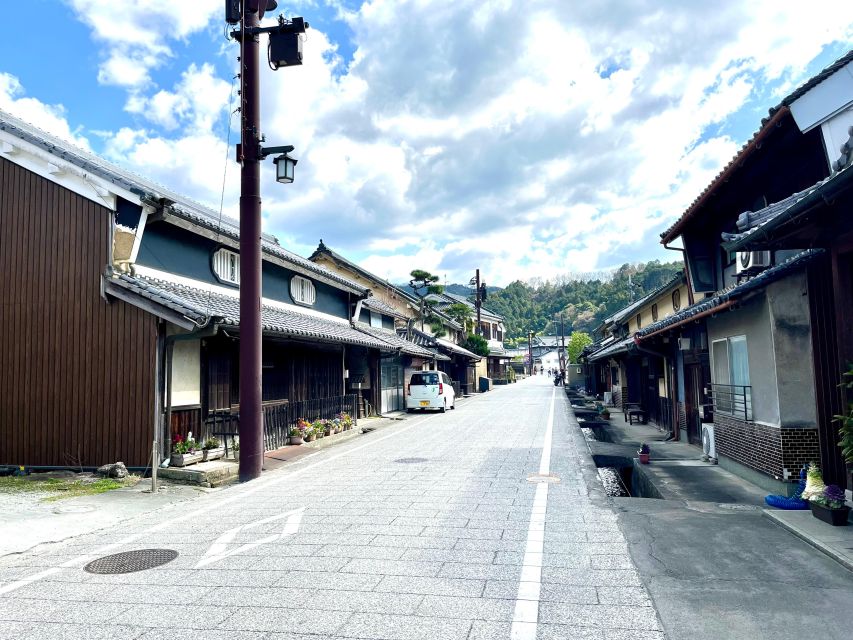
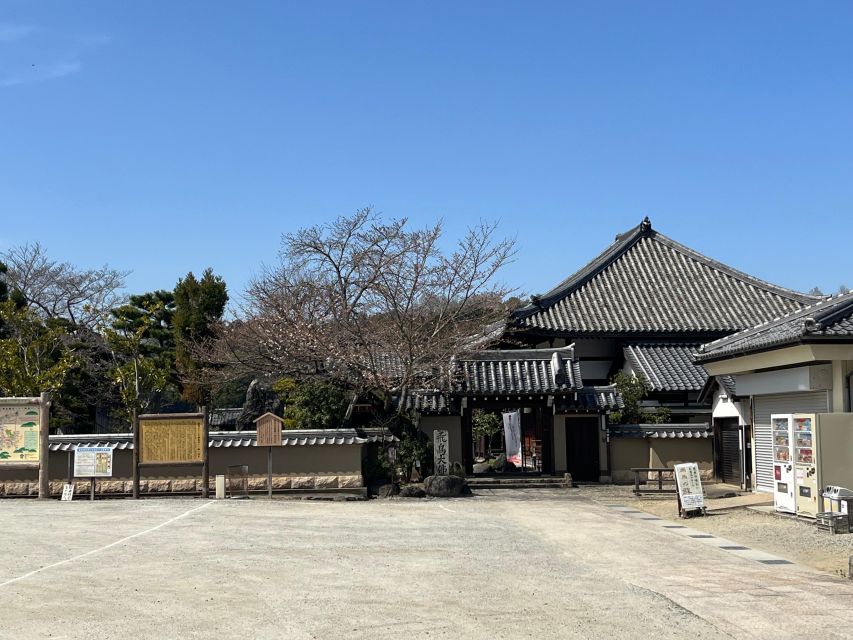
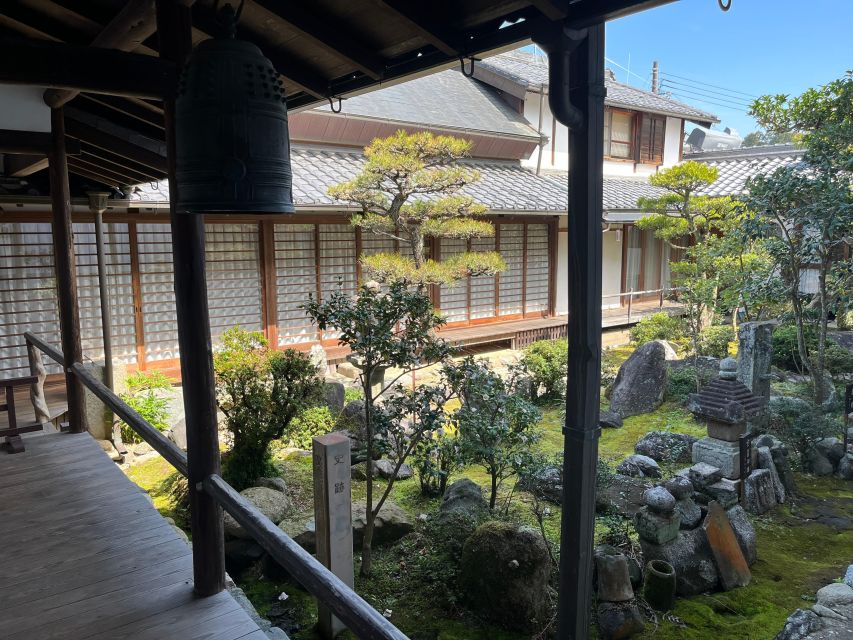
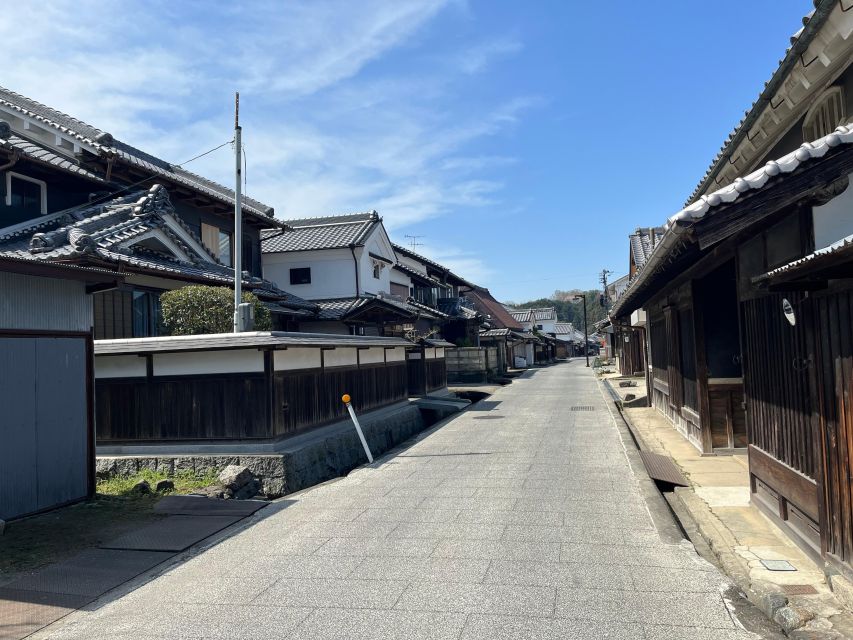
- Immerse in the grandeur of the Asuka-Fujiwara capital through a private guided tour of the Asuka Historical Museum and Nara National Institute.
- Discover the architectural wonder and cultural significance of the centuries-old Asuka-dera Temple, a testament to Japan’s rich Buddhist heritage.
- Explore the captivating remnants of the Asuka Itabuki-no-miya Palace, the former imperial residence and center of political power.
- Explore the renowned Man’yo period through in-depth exploration of the Nara Prefecture Complex of Man’yo Culture and the Inukai Man’yo Memorial Museum.
- Experience the engineering marvels and intricate artworks of ancient Japan, including the Ishibutai Tumulus and the well-preserved Kitora Tumulus wall paintings.
Asuka Historical Museum and Nara National Institute
The tour kicks off at the Asuka Historical Museum, where visitors explore the rich archaeological and cultural heritage of the ancient Asuka-Fujiwara capital.
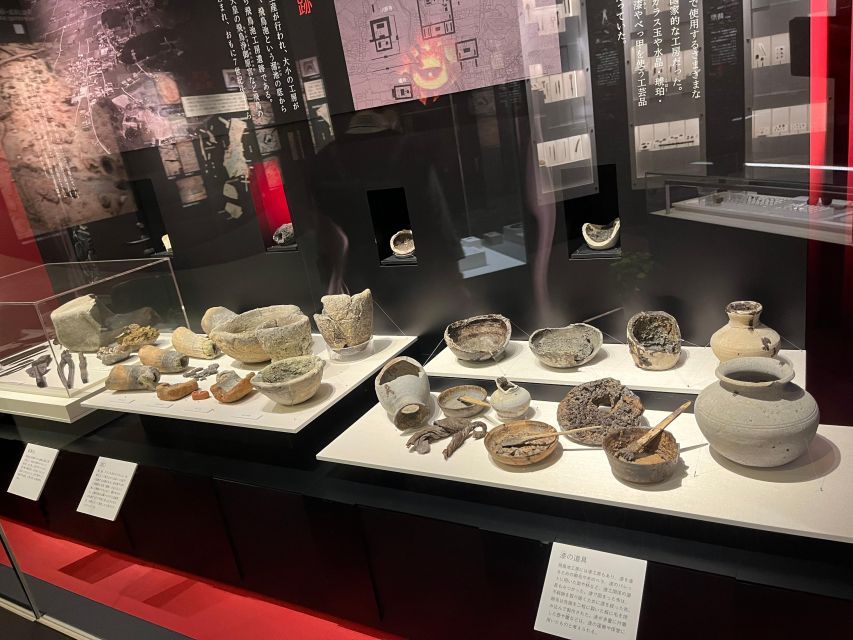
Here, the Nara National Institute for Cultural Properties showcases an array of artifacts and historical exhibits that paint a vivid picture of Japan’s storied past. Visitors are captivated by the intricate stonework, ornate Buddhist statues, and ancient texts that illuminate the grandeur of this once-thriving imperial seat.
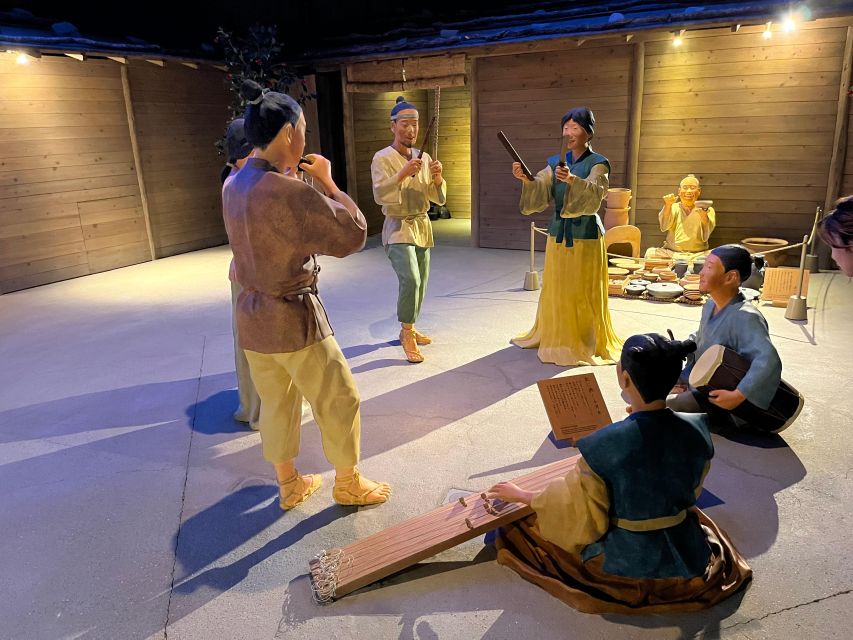
Through interactive displays and expert-led explanations, the museum provides a comprehensive introduction to the Asuka period, setting the stage for an immersive exploration of the region’s remarkable history and enduring cultural significance.
You can also read our reviews of more tours and experiences in Asuka.

Asuka-dera Temple
Next, the tour group typically ventures to the serene Asuka-dera Temple, an architectural wonder that has borne witness to Japan’s storied past.
Adorned with intricate carvings and infused with a tranquil ambiance, this revered Buddhist sanctuary offers visitors a glimpse into the region’s rich spiritual heritage.
Constructed in the 7th century, the temple’s impressive wooden structure and iconic pagoda are a testament to the skilled craftsmen of that era.
As the tour group explores the temple grounds, they’ll discover ancient stone monuments and learn about the temple’s role in the rise of Buddhism in Japan.
This captivating stop on the tour provides a profound connection to Asuka’s enduring cultural legacy.
Site of Asuka Itabuki-no-miya Palace
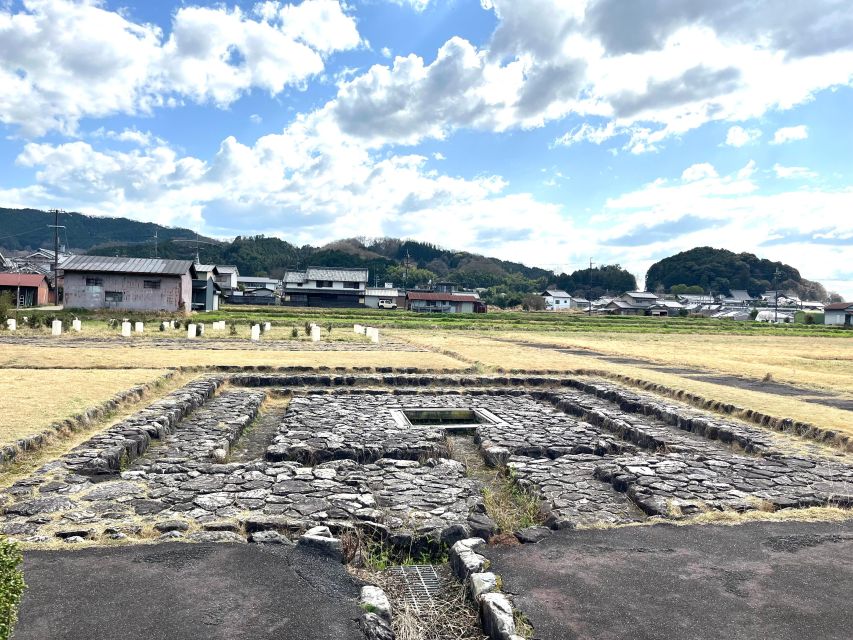
After exploring the serene Asuka-dera Temple, the tour group now finds themselves at the historic site of the Asuka Itabuki-no-miya Palace, the former imperial residence that served as the center of political power during Asuka’s heyday as Japan’s capital.
This ancient site offers a captivating glimpse into the past, with visitors able to:
- Wander the remnants of the palace foundations and imagine the grandeur of the bygone era
- Marvel at the intricate stone carvings and architectural details that have withstood the test of time
- Gain insights into the daily life and rituals of the imperial court that once thrived here
Visitors can also:
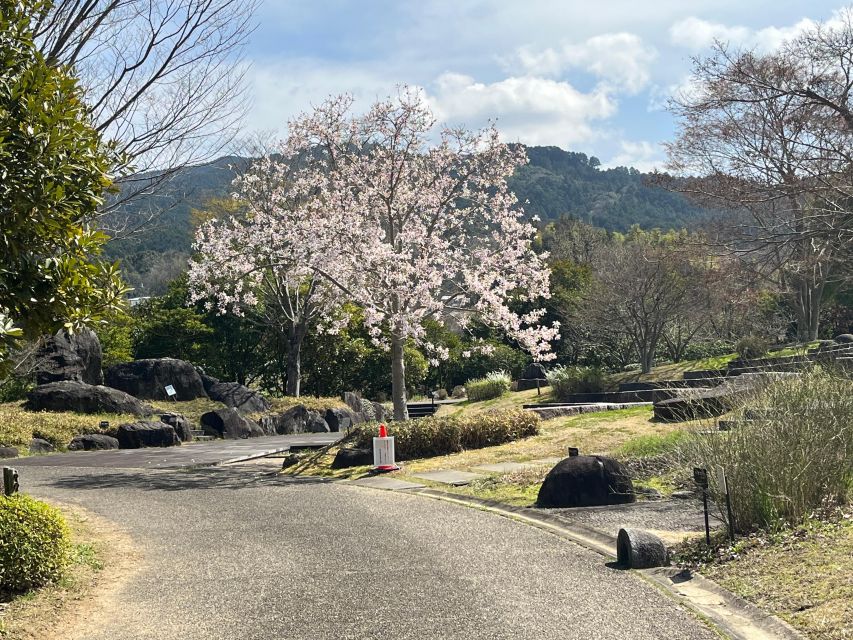
- Appreciate the stunning natural setting, with the towering mountains and lush greenery serving as a serene backdrop
- Reflect on the enduring legacy of Asuka’s rich history and its influence on modern Japan.
Nara Prefecture Complex of Man’yo Culture
Leaving the historic palace site behind, the tour group now ventures to the Nara Prefecture Complex of Man’yo Culture, also known as the Man’yo Museum. This remarkable institution serves as a captivating exploration of the renowned Man’yo period, showcasing the literary and artistic achievements that defined this golden age of Japanese culture. Within the museum’s halls, visitors can explore the world of the Man’yo poets, admiring the exquisite calligraphic works and ancient texts that have weathered the centuries. The museum’s exhibits also illuminate the vibrant tapestry of traditional crafts, from intricate ceramics to delicate textiles, providing a comprehensive understanding of the cultural richness of this era.
| Highlights | Description | Significance |
|---|---|---|
| Man’yo Poetry | Masterpieces of classical Japanese poetry | Reveal the artistic expression and literary genius of the era |
| Calligraphy | Breathtaking displays of traditional calligraphic art | Showcase the refined aesthetics and technical mastery of the period |
| Traditional Crafts | Extraordinary examples of ceramics, textiles, and other artisanal works | Illustrate the breadth and depth of cultural production during the Man’yo period |
Inukai Man’yo Memorial Museum
The Inukai Man’yo Memorial Museum stands as a captivating repository, meticulously preserving the rich literary and cultural heritage of the renowned Man’yo period. Visitors to this remarkable institution can expect to embark on a profound exploration of the poetic genius and artistic virtuosity that defined this golden age of Japanese history.
Discover the museum’s extensive collection of Man’yo-era manuscripts, scrolls, and artifacts, offering a glimpse into the minds of legendary poets and scholars.
Enjoy interactive exhibits that vividly recreate the atmosphere and ambiance of the Man’yo period, transporting you back in time.
Attend curated lectures and workshops led by renowned experts, delving deeper into the significance and influence of the Man’yo literary tradition.
Admire the museum’s stunning traditional architecture, harmoniously blending with the surrounding natural landscape.
Engage in hands-on activities, such as calligraphy workshops, to truly appreciate the artistry and craftsmanship of the era.
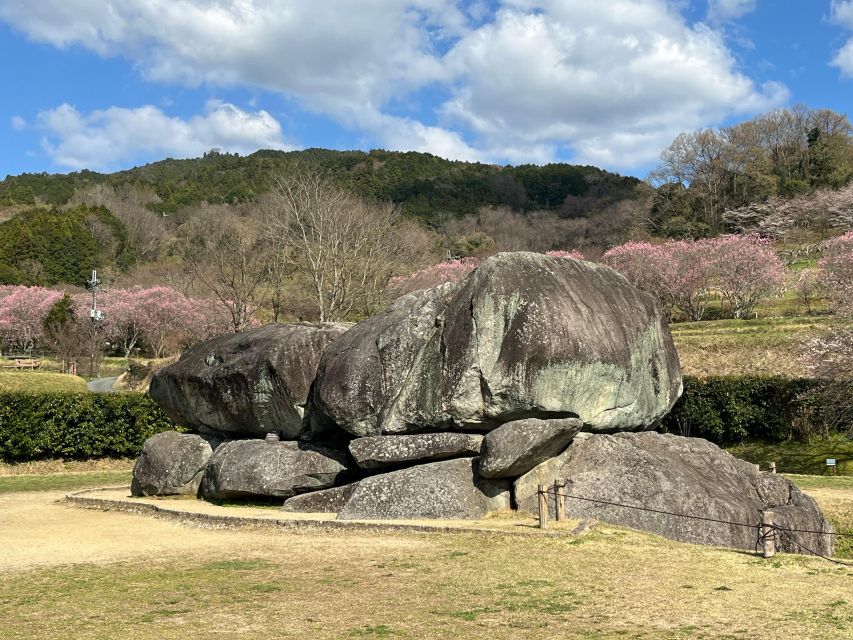
Ishibutai Tumulus
Nestled amidst the verdant hills of Asuka, the Ishibutai Tumulus stands as a captivating testament to the architectural prowess and cultural significance of ancient Japan.
This grand stone chamber tomb, dating back to the early 8th century, offers visitors a rare glimpse into the sophisticated funerary practices of the Asuka period.
With its massive stone slabs weighing up to 70 tons each, the tumulus is an engineering marvel that showcases the remarkable skill of its builders.
Visitors can explore the interior chamber and marvel at the intricate carvings adorning the walls, providing a window into the beliefs and traditions of this bygone era.
The Ishibutai Tumulus is a must-see destination for anyone fascinated by Japan’s rich cultural heritage.
Kitora Tumulus
Towering over the verdant Asuka landscape, the Kitora Tumulus captivates visitors with its well-preserved wall paintings, offering a rare glimpse into the artistic and religious traditions of ancient Japan.
Discovered in 1970, this eighth-century burial mound features exquisite murals depicting the Four Celestial Guardians, the night sky, and intricate geometric patterns.
Visitors can marvel at the technical mastery and symbolic significance of these remarkable artworks, which have been meticulously preserved and protected for centuries.
The Kitora Tumulus serves as a testament to the rich cultural heritage of the Asuka period, inspiring awe and wonder in all who venture to this historic site.
Exquisite eighth-century wall paintings
Depicts the Four Celestial Guardians
Intricate night sky and geometric motifs
Rare and well-preserved artistic treasures
A window into Asuka’s cultural heritage
Local Lunch and Transportation
Rounding out the day’s itinerary, visitors on this guided tour can savor a delectable local lunch at a charming restaurant, seeing the culinary traditions of the region.
The tour includes convenient transportation, with fees for a one-way journey from Osaka or Kyoto costing less than 2,000 JPY per person, ensuring a seamless and stress-free exploration of Asuka’s ancient wonders.
The local lunch, thoughtfully included in the tour package, allows travelers to fully enjoy the flavors and customs of the Asuka area, complementing the rich cultural and historical experiences throughout the day.
With efficient and affordable transportation, guests can focus on uncovering the captivating secrets of this remarkable ancient capital.
Frequently Asked Questions
Can We Visit a Geisha House or Samurai House During the Tour?
The tour does not include visits to geisha houses or samurai homes. The focus is on exploring the archaeological sites and historical museums of Asuka, the ancient capital of Japan. The itinerary is centered around these cultural landmarks.
Is There an Opportunity to Try on Traditional Japanese Costumes?
The tour does not include the opportunity to try on traditional Japanese costumes. However, visitors can explore the cultural and historical significance of the Asuka region through its museums, temples, and archaeological sites throughout the day.
Can We Buy Souvenirs or Handicrafts at the Tour Sites?
There are opportunities to purchase souvenirs and handicrafts at several of the sites on the tour. Visitors can browse the gift shops and local markets for traditional Japanese arts, crafts, and keepsakes to take home as mementos.
Are There Any Restrictions on Photography During the Tour?
The tour generally allows photography, but visitors should check with their guide for any restricted areas or cultural sensitivities. Respectful photography is encouraged to capture the historical and natural beauty of the sites.
Is It Possible to Extend the Tour Duration or Add Extra Activities?
It’s generally possible to extend the tour duration or add extra activities, though this would need to be arranged directly with the tour provider. Additional costs may apply, and availability would depend on the specific needs of the group.
Asuka: Private Guided Tour of an Ancient Capital of Japan
Recap
Reflecting on the day’s journey, visitors are left in awe of ancient Japan’s enduring architectural wonders, rich cultural heritage, and enduring artistic legacy.
From the intricate stonework and ornate Buddhist statues to the engineering marvels of the ancient tombs, this private guided tour offers an unparalleled window into the captivating Asuka period and the renowned Man’yo culture that flourished in Nara.
A truly immersive experience that brings Japan’s storied past to life.
You can check availability for your dates here: