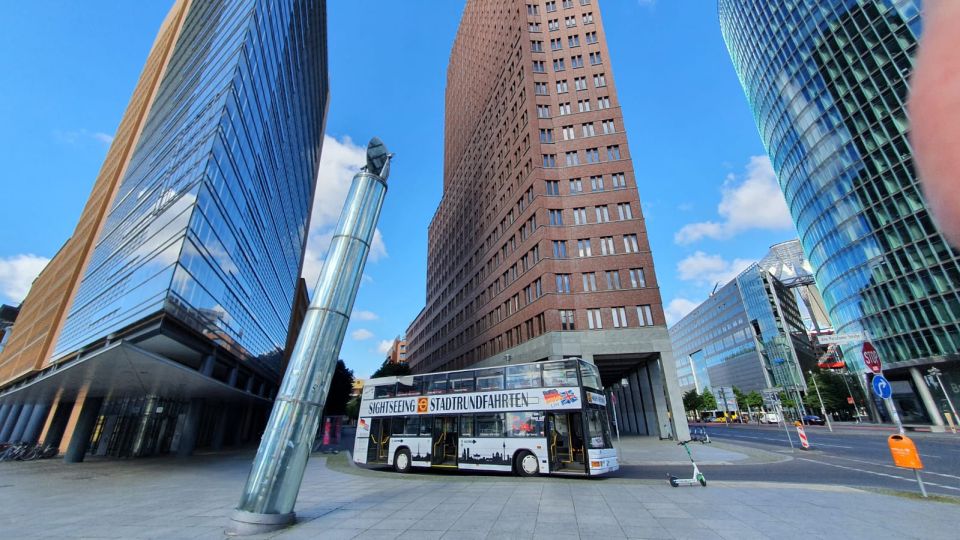
Berlin, the capital of Germany, became the focal point of the Nazi regime‘s authoritarian control. From grandiose rallies to the hotel of the Gestapo headquarters, the city embodied the regime’s pursuit of power and nationalist ideals. However, beneath the surface, Berliners faced systematic persecution, wartime devastation, and occupation. Though the city’s darkest chapter evokes a somber reflection, acts of resistance and resilience paved the way for its remarkable reconstruction, leaving a complex legacy that invites further exploration.
Key Points
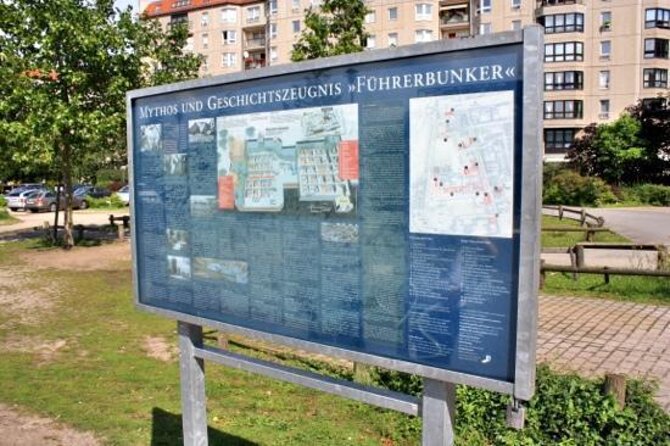

- Berlin was the central hub and seat of power for the Nazi regime, serving as the epicenter of their authoritarian control and manifestation of their totalitarian ideology.
- The city witnessed massive Nazi rallies, parades, and the construction of grandiose architectural structures that embodied the regime’s pursuit of power and political dominance.
- Systematic persecution, discrimination, and genocide against Jews, Romani people, political opponents, and disabled individuals were brutally orchestrated by the Gestapo headquarters based in Berlin.
- During the war, Berlin experienced increased military presence, restricted movement, food shortages, and the fear of bombardment as part of the Nazi occupation.
- Despite the atrocities and oppression, Berlin also saw acts of resistance, civil disobedience, and the courageous efforts of its citizens to shelter those targeted by the Nazi regime.
Nazi Rise to Power
The Nazi Party’s swift rise to power in the early 1930s was a pivotal moment in German history, fueled by the party’s effective propaganda, the charisma of its leader Adolf Hitler, and the country’s widespread discontent with the post-World War I political and economic landscape.
The Nazis capitalized on these factors, using inflammatory rhetoric and scapegoating tactics to gain popular support.
Hitler’s appointment as Chancellor in 1933 marked the beginning of the party’s consolidation of power, as they quickly moved to eliminate political opposition and establish a totalitarian regime.
This period laid the groundwork for the horrors of the Nazi regime and the devastation of World War II.
You can also read our reviews of more tours and experiences in Berlin.


Berlin’s Role in Nazism
How did Berlin, as the capital and largest city of Germany, play a crucial role in the rise and implementation of the Nazi regime? Berlin became a central hub for the Nazis, serving as the seat of power and the epicenter of their authoritarian control over the country.
The city witnessed the massive Nazi rallies and parades that showcased the regime’s power and indoctrinated the public.
The hotel of the Gestapo headquarters, from where the Nazis orchestrated their brutal crackdown on dissent and political opposition.
The construction of grandiose buildings and monuments that reflected the Nazis’ vision of a new, powerful Germany.
The deportation of Berlin’s Jewish population to concentration camps, a horrific chapter in the city’s history.
Symbols of Nazi Ideology
Across Berlin, numerous architectural structures and monuments stand as powerful symbols of the Nazi ideology that dominated the city during the Third Reich.
The grand, imposing structures like the Reich Chancellery and the Nazi Party Headquarters embodied the regime’s pursuit of architectural grandeur and political dominance.
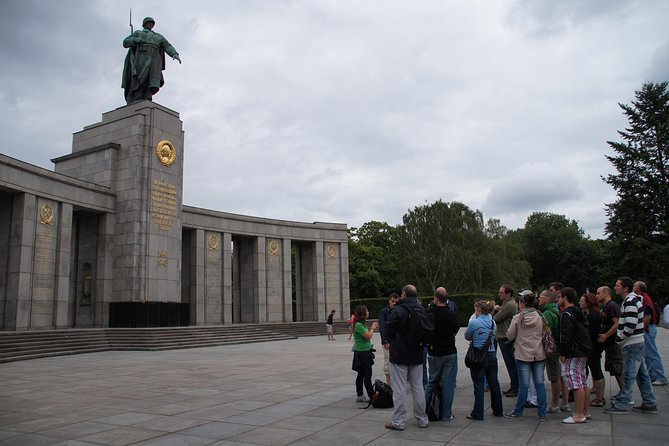
Monuments like the Lustgarten Soldiers’ Memorial glorified the militaristic values that were central to Nazi beliefs.
Even seemingly innocuous sites, such as the Olympic Stadium, were imbued with Nazi symbolism, serving as stages for the regime’s propaganda and nationalist spectacles.
These physical manifestations of Nazi ideology continue to loom over Berlin, serving as stark reminders of the city’s dark past under the Third Reich’s rule.
Persecution and Discrimination
Alongside the architectural propaganda, the Nazi regime systematically persecuted and discriminated against various groups deemed ‘undesirable’ within German society.
These included:
-
Jews, who faced increasingly oppressive laws, segregation, and the eventual genocide of the Holocaust.
-
Romani people, who were targeted for deportation and murder as part of the Porrajmos, the Romani genocide.
-
Political opponents, such as communists and socialists, who were imprisoned, tortured, and killed in concentration camps.
-
Disabled individuals, who were subjected to the horrific ‘euthanasia’ program, which resulted in the murder of tens of thousands.
This persecution was a central aspect of the Nazi’s totalitarian rule and the creation of a ‘racially pure’ German state.
Wartime Berlin Under Occupation
As the Nazi regime’s persecution of ‘undesirable’ groups intensified, Berlin found itself under the firm grip of the Third Reich during the war years. With the city serving as the capital of the Nazi state, residents endured the harsh realities of occupation, experiencing both the architectural propaganda and the human suffering that defined this turbulent period in German history.
| Impact on the City | Architectural Changes | Civilian Experiences |
|---|---|---|
| Increased military presence and control | Construction of monumental structures like the Reich Chancellery | Food shortages, rationing, and long queues for basic supplies |
| Restricted movement and tightened security | Expansion of the Reich Air Ministry building | Blackouts, air raids, and the fear of bombardment |
| Widespread deportations and disappearances of Jewish and other ‘undesirable’ residents | Demolition of areas deemed ‘unfit’ for the capital of the Nazi regime | Disruption of daily life and the breakdown of community ties |
- Berlin: 1-Hour City Tour by Boat With Guaranteed Seating
★ 4.3 · 16,993 reviews - Berlin: TV Tower Standard Entrance Ticket
★ 4.4 · 15,883 reviews - Berlin: Boat Tour Along the River Spree
★ 4.4 · 11,252 reviews - Berlin: Hop-On Hop-Off Bus Tour With Live Commentary
★ 4.3 · 8,579 reviews - Berlin: Reichstag, Plenary Chamber, Cupola & Government Tour
★ 4.6 · 8,422 reviews - Berlin WelcomeCard: Discounts & Transport Berlin Zones (ABC)
★ 4.6 · 8,232 reviews
Resistance and Dissent
Berlin and National Socialism: Berlin Under Nazism
Despite the harsh realities of Nazi occupation, Berlin’s residents didn’t simply acquiesce to the regime’s dictates. Pockets of resistance and dissent emerged, as individuals and groups risked their lives to challenge the totalitarian control of the Third Reich.
The forms of opposition included:
- Clandestine anti-Nazi publications that circulated underground.
- Acts of civil disobedience, such as refusal to give the Hitler salute.
- Sheltering Jews and other targeted groups from persecution.
- Participation in the White Rose student resistance movement.
While the Nazi regime ruthlessly suppressed such activities, the courage and conviction of Berlin’s dissidents stood as a testament to the human spirit’s capacity for defiance in the face of tyranny.
Aftermath and Reconstruction
Following the fall of the Nazi regime, Berlin faced the immense challenge of rebuilding and recovering from the devastation of World War II. Despite the city’s ruined infrastructure and demoralized population, its residents embarked on a long and arduous journey toward reconstruction and renewal.
The Allied occupation divided Berlin into four sectors, complicating the rebuilding process. However, Berliners demonstrated remarkable resilience, working tirelessly to clear rubble, restore essential services, and revive the economy.
Gradually, the city’s damaged landmarks and neighborhoods were rebuilt, and a new sense of hope and determination emerged. Though the scars of the Nazi era remained, Berlin’s transformation into a vibrant, cosmopolitan center served as a testament to the human spirit’s capacity for resilience and recovery.
Remembering the Past
Though the wounds of the Nazi era remained, Berliners took great care to commemorate their city’s harrowing past, ensuring its lessons wouldn’t be forgotten.
Today, visitors can explore a multitude of memorials and sites that pay tribute to the victims of the Third Reich. These include:
The Memorial to the Murdered Jews of Europe, a vast field of concrete stelae that evokes a sense of disorientation and loss.
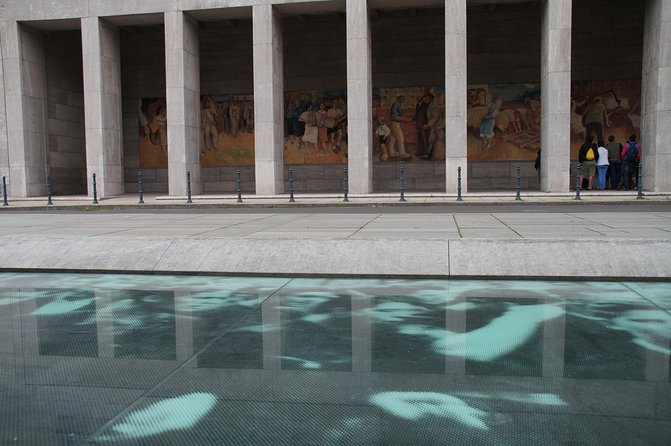
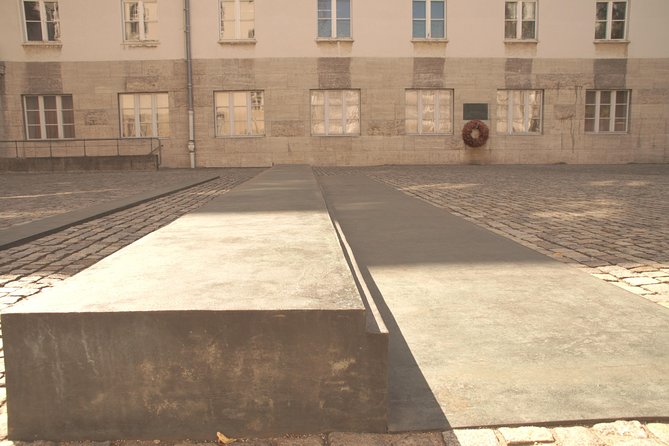
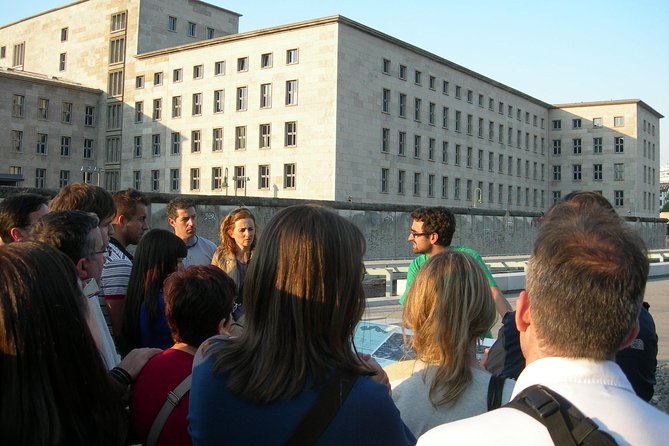
The Topography of Terror, an exhibition housed in the former headquarters of the Gestapo and SS, offering a sobering exploration of the machinery of Nazi terror.
The East Side Gallery, a segment of the Berlin Wall covered in powerful murals reflecting on division and reunification.
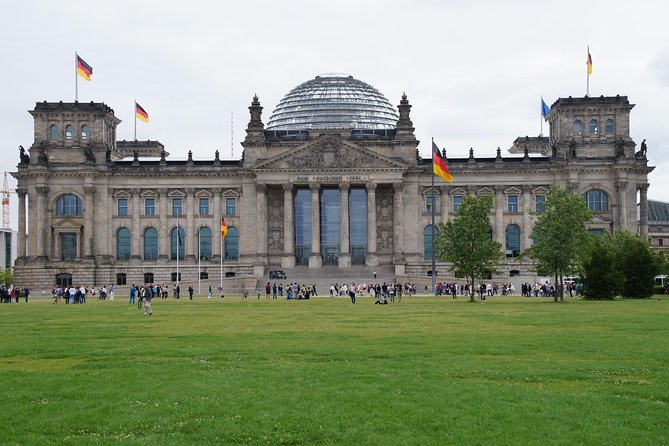
The Reichstag building, its iconic dome now a symbol of democratic renewal.
Frequently Asked Questions
How Does the Third Reich Tour in Berlin Differ From Other Historical Tours?
The Third Reich tour in Berlin focuses specifically on the historical period of the Nazi regime, offering a more detailed and comprehensive exploration of this era compared to other general historical tours of the city.
What Are the Benefits of Taking a Guided Tour of Nazi Sites in Berlin?
A guided tour of Nazi sites in Berlin provides an in-depth historical perspective, efficient use of time, and insights that can’t be gained from exploring these locations independently. It’s an engaging way to learn about this crucial period in German history.
What Should I Expect to See During the Third Reich Tour in Berlin?
On the Third Reich tour in Berlin, visitors can expect to see historical buildings, memorials, and sites connected to the Nazi regime. The tour provides a comprehensive introduction to this dark period of German history.
How Long Does the Third Reich Tour in Berlin Typically Last?
The Third Reich tour in Berlin typically lasts around 3-4 hours. It provides a thorough introduction to the historical period, visiting key sites and memorials connected to World War II and the Nazi regime in an informative and engaging manner.
Is the Third Reich Tour in Berlin Suitable for Families With Children?
The Third Reich tour in Berlin may not be suitable for families with young children. The tour focuses on the grim history of Nazi Germany, which could be too heavy or disturbing for some younger visitors.
Berlin and National Socialism: Berlin Under Nazism
Recap
Berlin’s dark history under Nazism forever changed the city. The regime’s authoritarian control, systematic persecution, and wartime devastation deeply scarred the capital.
Acts of resistance and the city’s resilience paved the way for its reconstruction and remembrance of this tragic chapter.
Today, Berlin stands as a symbol of both the horrors of the past and the power of the human spirit to overcome adversity.