The Sachsenhausen Concentration Camp Memorial Tour in Berlin offers visitors a profoundly moving and educational experience. This guided walk delves into the grim realities of the Nazi regime, taking participants through the former camp’s key landmarks and sharing personal stories that humanize the historical account. By confronting the sobering legacies of oppression and genocide, the tour provides an essential opportunity to commemorate the victims and reflect on the enduring lessons of this dark chapter in history. For those seeking to gain a deeper understanding of this complex and challenging subject, the Sachsenhausen memorial tour presents a powerful and thought-provoking exploration.
Key Points

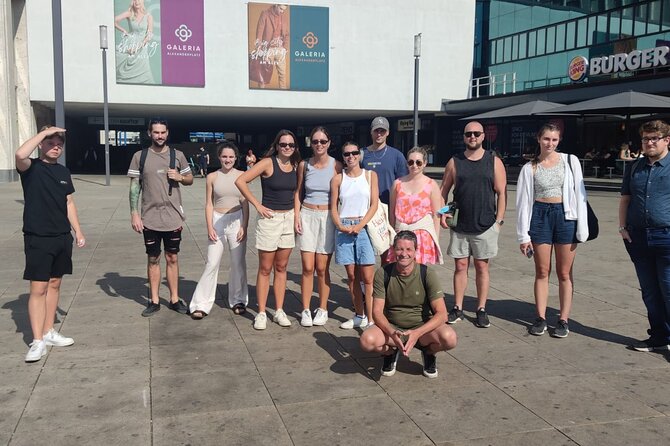
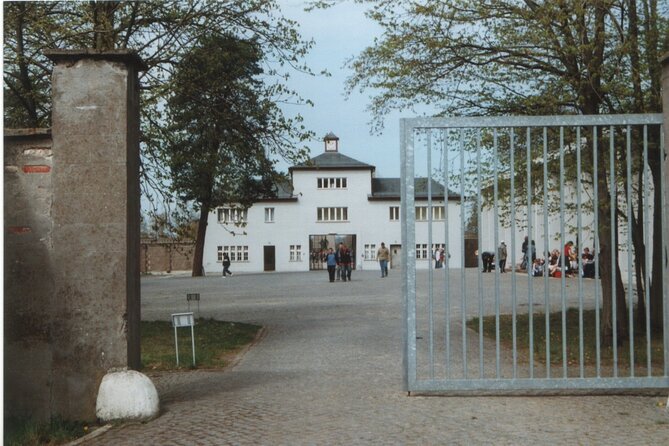
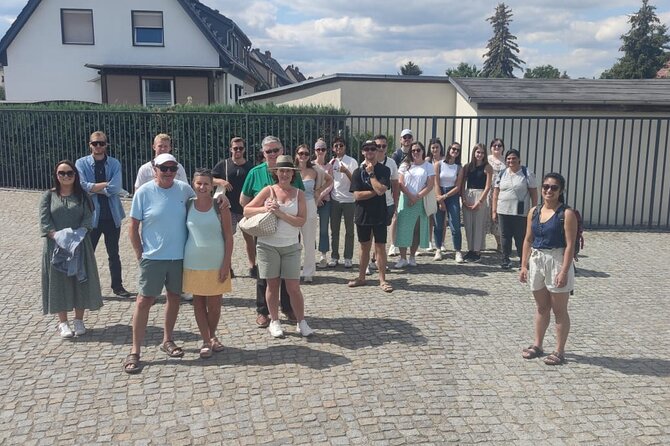
- The tour offers a guided exploration of the former Sachsenhausen Concentration Camp, providing an in-depth look at the grim realities of the Nazi regime.
- Key sites visited include the infamous prisoner cells, guard towers, infirmary, and execution trench, highlighting the camp’s oppressive control and systematic murder.
- The 3-hour guided tour is limited to a maximum of 20 travelers and departs from and returns to the Generator Berlin Alexanderplatz.
- The tour is wheelchair accessible and requires a small €3 per person donation to support the ongoing work of the Sachsenhausen Memorial.
- Visitors should wear comfortable walking shoes, dress appropriately for the weather, and be prepared to confront the sobering history of the site.
Tour Overview
The tour offers a walking exploration of the former Sachsenhausen Concentration Camp, where visitors can learn about life during the Third Reich as they examine key sites like the prisoner cells and guard towers.
This 3-hour guided tour provides an in-depth look at the grim realities of the Nazi regime, immersing participants in the history of the camp and its role in the wider system of oppression.
Along the way, the professional guide shares insightful commentary, painting a vivid picture of the daily struggles and hardships faced by the camp’s imprisoned population.
Through this powerful experience, visitors gain a deeper understanding of this dark chapter in Germany’s past and the lasting impact of the atrocities committed within Sachsenhausen’s walls.
You can also read our reviews of more tours and experiences in Berlin.


Key Sites Visited
Guiding visitors through the former camp, the tour highlights several key sites that provide a visceral understanding of the grim realities of life in Sachsenhausen.
These include the infamous prisoner cells, where inmates endured harsh conditions and brutality, as well as the imposing guard towers that exemplify the camp’s oppressive control over its captives.
Travelers also visit the infirmary, where prisoners were subjected to horrific medical experiments, and the execution trench, a haunting reminder of the camp’s role in the systematic murder of its occupants.
Throughout the tour, the guide skillfully weaves together the historical details and personal stories, offering a sobering yet essential perspective on one of the darkest chapters in human history.
Tour Details
Sachsenhausen concentration camp memorial tour offers visitors an approximate 3-hour guided journey through the former Nazi-run facility, with a maximum group size of 20 travelers. The tour has garnered 311 reviews and a Badge of Excellence, indicating its high quality.
Included in the tour is a professional guide, while gratuities, food, drinks, and the required €3 per person donation at the Memorial are excluded. The tour departs and returns to the Generator Berlin Alexanderplatz, with confirmation received at the time of booking. The tour is wheelchair accessible, and most travelers can participate, though those with heart problems or other serious medical conditions should exercise caution.
The tour provides a comprehensive exploration of the Sachsenhausen Concentration Camp, allowing visitors to:
- Gain a deeper understanding of life under the Third Reich.
- Explore key sites, including the prisoner cells and guard towers.
- Reflect on the camp’s history and its impact on the local community.
- Develop a greater appreciation for the resilience and courage of those who endured the horrors of the camp.
What’s Included/Excluded
Included in the Sachsenhausen concentration camp memorial tour is a professional guide, while gratuities, food, drinks, and the required €3 per person donation at the Memorial are excluded.
The donation at the Memorial supports the ongoing preservation and education efforts at this historic site.
The tour doesn’t include the ABC Transit Ticket, which visitors will need to purchase separately to reach the meeting point and return to their final destination.
Meeting and Pickup
The tour begins at the Generator Berlin Alexanderplatz, located at Otto-Braun-Straße 65, 10178 Berlin, where visitors will meet their professional guide at 10:00 am. At the conclusion of the tour, you will return to the same meeting point.
The thoughtful selection of this location provides several benefits:
Accessibility: The Alexanderplatz is a well-known transportation hub, making it convenient for visitors to arrive.
Historical Significance: The area around Alexanderplatz has a rich history, providing additional context for the tour.
Familiarity: Returning to the starting point ensures a seamless and organized experience for participants.
Logistics: The central location simplifies the coordination and management of the tour group.
- Berlin: 1-Hour City Tour by Boat With Guaranteed Seating
★ 4.3 · 16,993 reviews - Berlin: TV Tower Standard Entrance Ticket
★ 4.4 · 15,883 reviews - Berlin: Boat Tour Along the River Spree
★ 4.4 · 11,252 reviews - Berlin: Hop-On Hop-Off Bus Tour With Live Commentary
★ 4.3 · 8,579 reviews - Berlin: Reichstag, Plenary Chamber, Cupola & Government Tour
★ 4.6 · 8,422 reviews - Berlin WelcomeCard: Discounts & Transport Berlin Zones (ABC)
★ 4.6 · 8,232 reviews
Additional Information
Plus, the tour is wheelchair accessible, allowing visitors of all abilities to participate. Children must be accompanied by an adult, and those with heart problems or other serious medical conditions should consult their healthcare provider before joining.
Most travelers, however, can comfortably take part in the experience. Confirmation of the tour is received at the time of booking, ensuring a seamless planning process.
The tour offers a profound and educational insight into the horrors of the Nazi regime, and visitors are asked to make a small €3 per person donation to support the ongoing work of the Sachsenhausen Memorial.
Regardless of one’s background, the tour provides a solemn yet invaluable opportunity to commemorate the victims and learn from history.
Preparing for the Tour
Visitors preparing for the tour should keep a few key considerations in mind. Comfortable walking shoes are a must, as the tour involves extensive exploration of the former camp grounds. Dressing appropriately for the weather is also recommended, as the tour takes place primarily outdoors. Plus, guests should come prepared with any necessary medications or mobility aids, as the site may pose accessibility challenges.
Preparing for a tour of Sachsenhausen requires:
- Mental fortitude to confront the sobering history of the site.
- Empathy and sensitivity when engaging with the memorial’s solemn atmosphere.
- Openness to learning and understanding the complex realities of the Nazi regime.
- Respect for the victims and a commitment to honoring their memory.
Exploring the Memorial
Upon entering the Sachsenhausen memorial site, visitors embark on a somber journey through the camp’s haunting history. Guided tours lead them through the preserved prisoner barracks, administrative buildings, and execution grounds, offering powerful insights into the realities of life and death within the Nazi concentration camp system. As they explore the grounds, guests encounter striking reminders of the camp’s dual purpose as both a place of incarceration and extermination. The memorial’s exhibits and installations provide a moving and educational experience, fostering reflection on the profound injustices of the Holocaust.
| Key Sites Explored | Historical Significance |
|---|---|
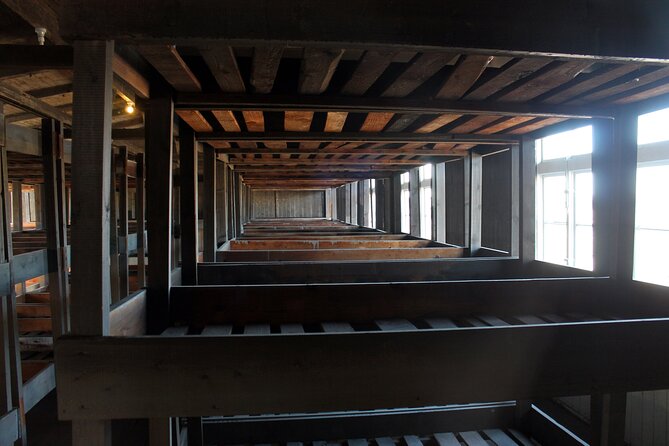
| Prisoner Barracks | Cramped, austere living conditions for inmates |
| Pathology Building | Site of medical experiments and executions |
| Shooting Range | Scene of mass killings by SS guards |
| Crematorium | Disposal of bodies of murdered prisoners |
Frequently Asked Questions
Can I Take Photographs During the Tour?
Photography is generally allowed during memorial tours of former concentration camps, though visitors should be respectful and avoid being disruptive. It’s best to check with the tour guide about any specific policies or restrictions on photography at the site.
What Is the Dress Code for the Tour?
The tour has no formal dress code, but visitors are encouraged to dress comfortably and respectfully. Clothing should be modest and appropriate for the somber nature of the historical site. Comfortable walking shoes are recommended.
How Physically Demanding Is the Tour?
The tour involves a substantial amount of walking and standing, as visitors explore the former concentration camp site. While not overly strenuous, it may pose challenges for those with mobility issues or limited endurance.
Are There Any Age Restrictions for the Tour?
The tour has no age restrictions, but children must be accompanied by an adult. The physically demanding nature of the tour may make it unsuitable for young children or those with mobility issues.
Can I Bring My Own Food and Drinks?
Participants can bring their own food and drinks on the tour. However, the tour fee does not include any meals or refreshments. Visitors should plan accordingly and bring any necessary sustenance for the approximately 3-hour duration of the tour.
Berlin: Sachsenhausen Concentration Camp Memorial Tour
Recap
The Sachsenhausen Concentration Camp Memorial Tour provides a harrowing yet essential opportunity to confront the realities of the Nazi regime.
By exploring the site’s key locations and hearing personal stories, visitors gain a deeper understanding of the camp’s role in the system of oppression.
This somber experience serves as a powerful reminder to commemorate the victims and learn from this dark chapter in history.