
The history of Bucharest under communist rule reveals a complex narrative that stretches from Lenin’s ideological influence in the late 1940s to the oppressive regime of Nicolae Ceausescu. This journey not only highlights the stark contrasts in governance but also showcases the resilience of a populace grappling with severe repression and disconnection from their leaders. As one examines the key historical sites and the lived experiences of those affected, questions arise about the lasting impacts of such a regime and the pivotal uprising that sought to reclaim freedom. What drove the people to finally rise against their oppressor?
Good To Know
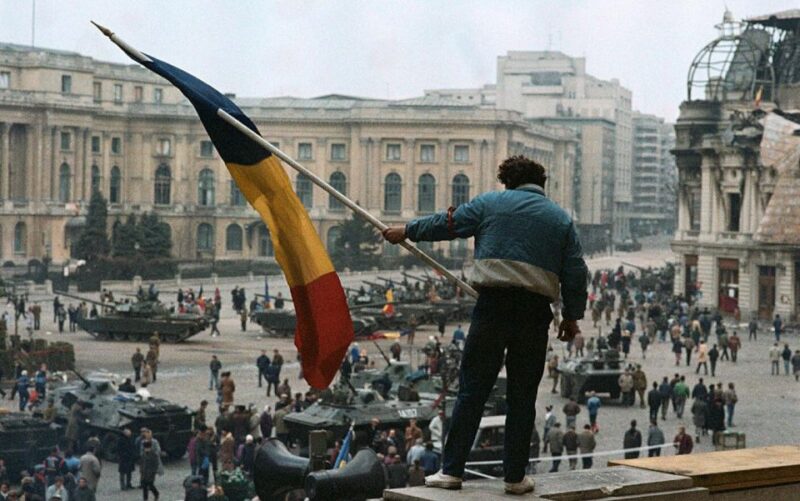
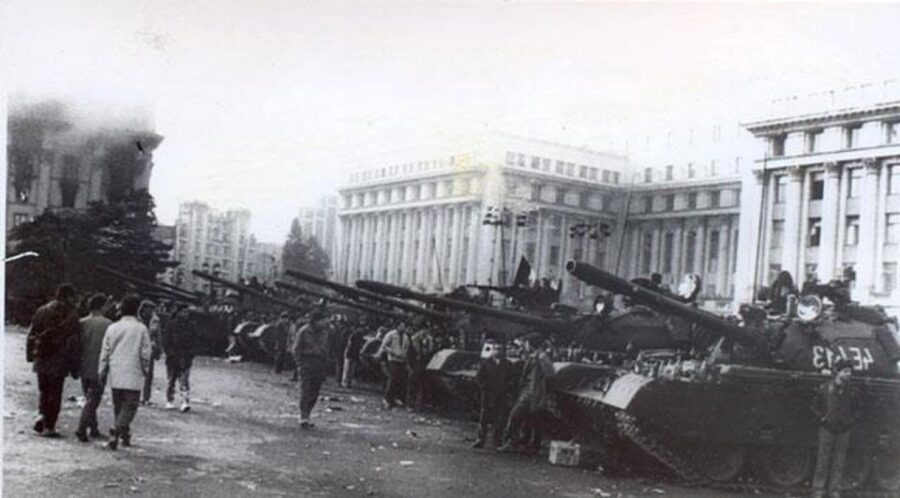
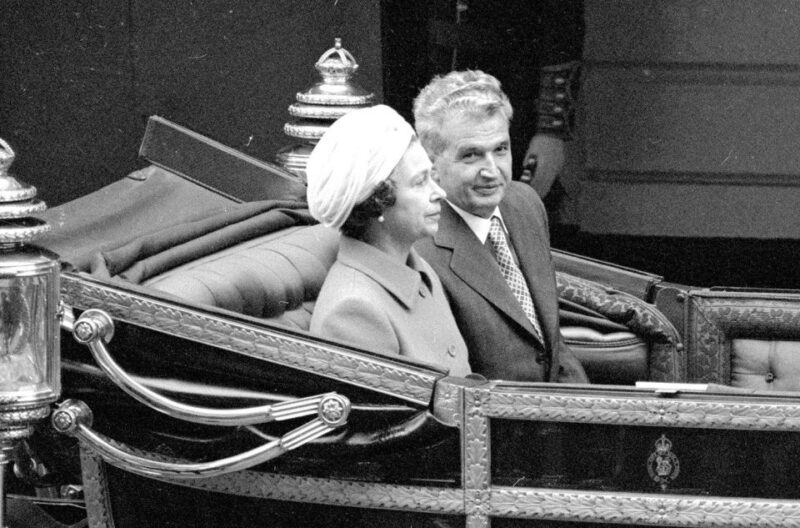
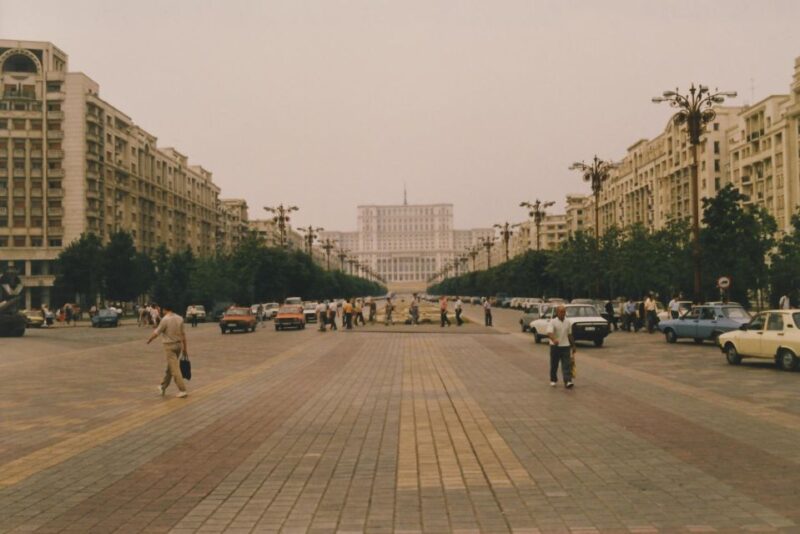
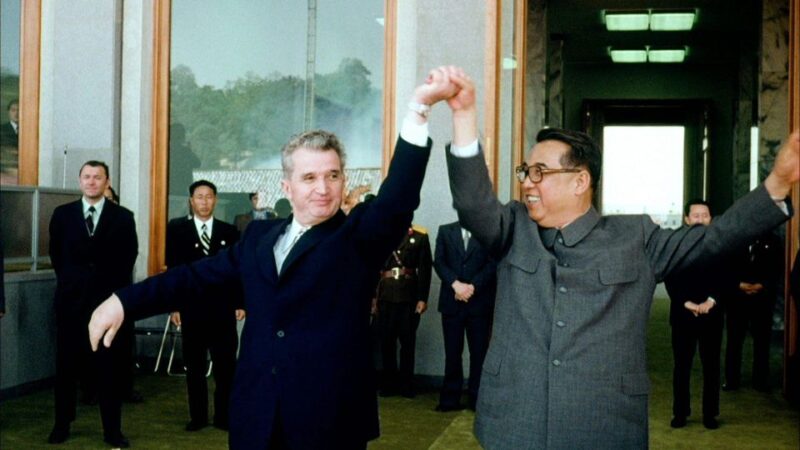
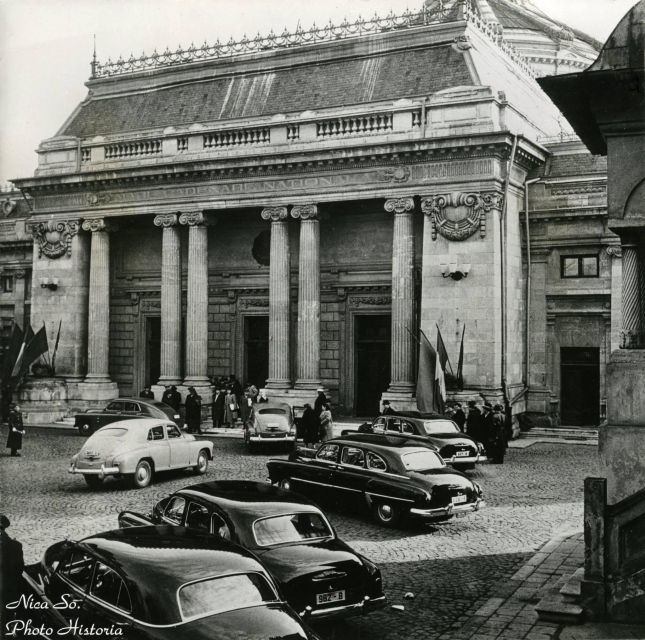
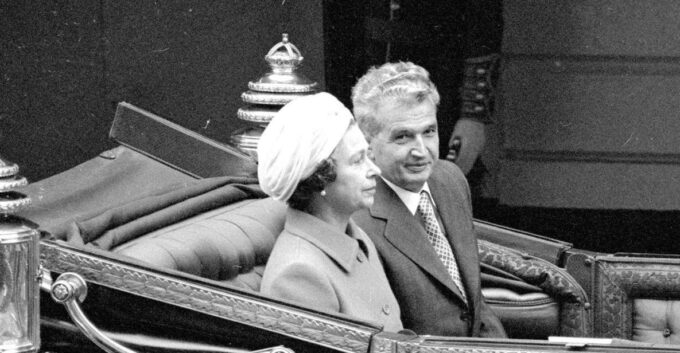
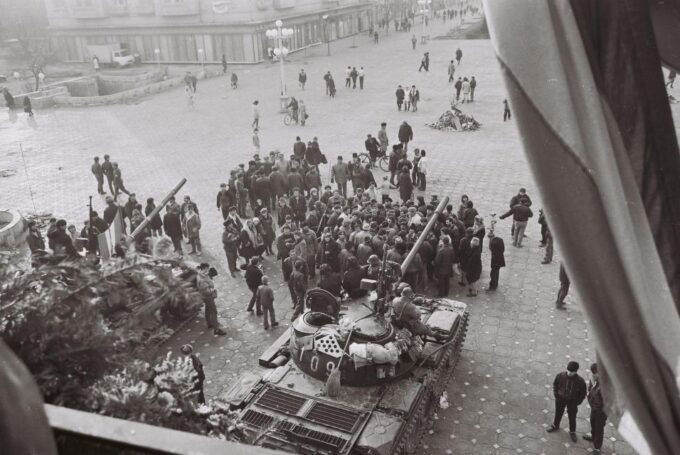
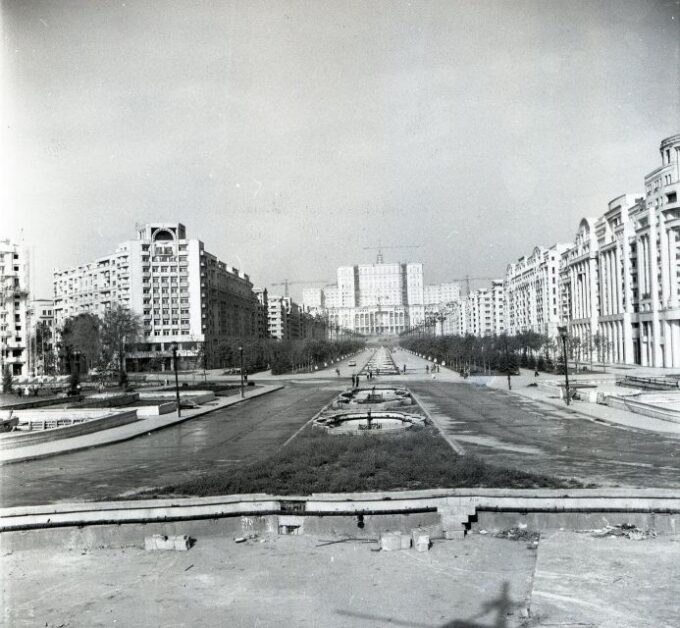
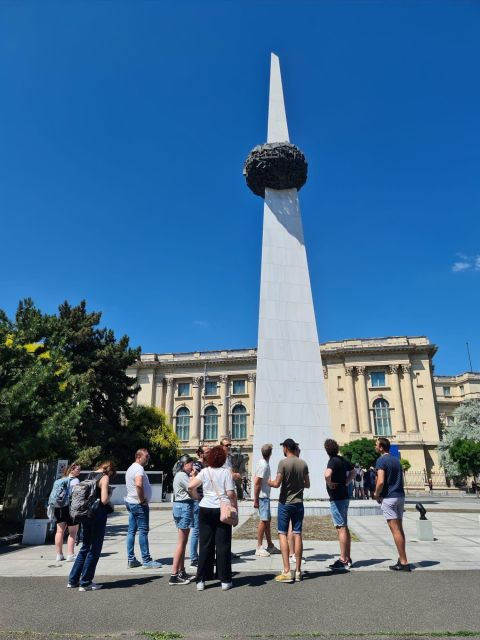
- Romania adopted communism in the late 1940s, transitioning from a monarchy to a Soviet-influenced regime following World War II.
- Ceausescu’s rise to power in 1965 marked the start of extreme repression and a cult of personality that intensified state control.
- The regime implemented harsh policies, including food rationing and extensive surveillance, leading to widespread discontent among the population.
- Ceausescu’s lavish lifestyle contrasted starkly with the struggles of ordinary Romanians, fostering a spirit of resistance.
- The 1989 Revolution culminated in the overthrow of Ceausescu, marking the end of an oppressive communist regime in Romania.
Overview of the Tour
As visitors embark on the "Bucharest Communism: From Lenin to Ceausescu" tour, they’ll uncover the stark realities of life under one of the most oppressive regimes in Eastern Europe.
This engaging 2.5-hour journey begins at the monumental Palace of the Parliament, the second largest administrative building globally, and concludes at the historically charged Revolution Square.
Throughout the tour, knowledgeable local guides share insights into the impact of communist ideology on daily life, highlighting the struggles faced by ordinary Romanians.
With a focus on both historical context and personal stories, participants gain a deeper understanding of the era’s complexities.
The tour accommodates diverse travelers, making it a compelling experience for anyone interested in Romania’s tumultuous past.
You can also read our reviews of more tours and experiences in Bucharest.


Itinerary Highlights
The "Bucharest Communism: From Lenin to Ceausescu" tour offers an insightful exploration of key historical sites that shaped Romania’s communist era.
The journey begins at the impressive Palace of the Parliament, where participants learn about its staggering size and controversial construction.
Next, they visit the serene Antim Monastery and the majestic Patriarchal Cathedral, each revealing layers of Romania’s cultural heritage.
The tour includes quick stops at the Bucharest Fountains, Piața Unirii, and the vibrant Bucharest Old Town, showcasing the city’s transformation.
Highlights also feature University Square and the Royal Palace of Bucharest.
Finally, participants reflect on history at Revolution Square, where dramatic changes unfolded.
This itinerary immerses travelers in the profound narrative of Bucharest’s communist past.
Historical Background
Bucharest’s communist era is marked by a complex history shaped by the oppressive regime of Nicolae Ceausescu. Emerging from a backdrop of Soviet influence, Romania adopted communism in the late 1940s, but it wasn’t until Ceausescu took power in 1965 that the regime intensified.
His leadership became synonymous with extreme repression, characterized by the secret police and pervasive surveillance. Ceausescu’s poor upbringing fueled his ambitions, leading to a stark contrast between his lavish lifestyle and the struggles of ordinary citizens.
The regime implemented harsh policies, including food rationing, which drastically affected daily life. By the 1980s, widespread discontent simmered beneath the surface, setting the stage for the eventual revolution that would change Romania forever.
Life Under Ceausescu
Life under Ceausescu was defined by a stark contrast between the regime’s propaganda and the harsh realities faced by ordinary Romanians. While the government touted achievements in industrialization and education, citizens grappled with food shortages and oppressive surveillance. The secret police monitored daily life, instilling fear and compliance.
| Aspect | Reality |
|---|---|
| Food Availability | Severe rationing, limited choices |
| Surveillance | Constant fear of the secret police |
| Quality of Life | Declining living standards |
Many families faced hunger, while Ceausescu’s lavish lifestyle starkly contrasted their struggles. As the regime tightened its grip, hope dwindled, yet the spirit of resistance quietly grew among the populace, setting the stage for future change.
More Great Tours NearbyKey Historical Sites
Exploring Bucharest offers a glimpse into the remnants of its communist past through several key historical sites that tell the story of the era.
The Palace of the Parliament stands as a monumental testament to Ceausescu’s ambitions, being the second-largest administrative building in the world.
Nearby, Antim Monastery and the Patriarchal Cathedral reflect the intertwining of faith and politics during communism.
Revolution Square, where protests erupted against the regime, serves as a powerful reminder of the struggle for freedom.
The Royal Palace and the Romanian Athenaeum highlight the cultural resilience of the Romanian people.
Each site encapsulates a piece of history, inviting visitors to reflect on the profound impact of communism on Bucharest’s identity.
- Bucharest: Draculas Castle, Peles Castle, & Brasov Old Town
★ 4.5 · 17,858 reviews - From Bucharest: Dracula Castle, Peles & Brasov Full-Day Trip
★ 4.6 · 10,891 reviews - Bucharest: Dracula’s Castle, Peleș Castle & Brașov Day Trip
★ 4.5 · 5,919 reviews - Bucharest: Day Trip to Dracula Castle, Peles Castle & Brașov
★ 4.4 · 3,049 reviews - Bucharest: Parliament Palace Skip-the-line Ticket
★ 4.2 · 1,518 reviews - Bucharest: Therme Bucharest Entry Ticket With Transportation
★ 4.5 · 1,462 reviews
Guided Tour Experience
On this guided tour, participants explore the complexities of Romania’s communist past through the insights of a knowledgeable local guide. They explore key historical sites, gaining a deeper understanding of the era’s impact on society. Engaging discussions keep everyone captivated, making history come alive.
| Key Features | Details |
|---|---|
| Duration | 2.5 hours |
| Starting Location | Bulevardul Unirii 5, Palace of the Parliament |
| Ending Location | Revolution Square |
| Languages Offered | English, Romanian |
| Price | From K€503 per person |
With high ratings for engagement and knowledge, this tour offers a unique perspective on a critical time in Romania’s history, leaving participants with lasting insights and reflections.
Customer Experiences
While seeing Romania’s communist history, participants consistently praise the tour for its insightful content and engaging delivery.
Many highlight the local guides’ expertise, noting their ability to weave personal anecdotes into the broader historical narrative. This approach not only captivates the audience but also makes the complex themes of oppression and resilience more relatable.
Customers appreciate the well-structured itinerary, which allows for ample exploration of key sites like the Palace of the Parliament and Revolution Square.
Ratings reflect this satisfaction, with an impressive overall score of 4.9 out of 5. Travelers often remark on the tour’s value, finding it enriching and informative, making it a must-do for those curious about Romania’s past.
Practical Information
For those planning to join the Bucharest Communism tour, essential practical information can enhance the overall experience.
The tour lasts 2.5 hours, starting at Bulevardul Unirii 5, near the Palace of the Parliament, and concluding at Revolution Square. Participants can choose between English and Romanian for the tour language.
Prices begin at K€503 per person, and reservations allow free cancellation up to 24 hours in advance, making planning flexible.
Attendees should arrive at least 10 minutes early, meeting next to The Coffee Shop Constitutiei.
This engaging journey caters to couples, groups, solo travelers, and families, ensuring everyone can gain insights into Romania’s rich yet tumultuous communist history.
Frequently Asked Questions
Is This Tour Suitable for Children?
The tour’s historical context may not engage younger children, as it explores complex themes. However, families can enjoy the experience together, provided parents gauge their children’s interest in history and cultural discussions beforehand.
Can I Take Photos During the Tour?
During the tour, participants can take photos at various stops. The guide encourages capturing memorable moments, ensuring everyone enjoys the experience while respecting any no-photo policies at specific sites. It’s a perfect way to document the journey.
Are There Any Age Restrictions for Participants?
There aren’t any age restrictions for participants. Families, couples, and solo travelers can all join the tour. It’s designed to be engaging for diverse age groups, ensuring everyone enjoys the experience.
What Should I Wear for This Tour?
For the tour, visitors should wear comfortable shoes for walking and dress according to the weather. Layering is advisable since temperatures can change throughout the day, ensuring they stay prepared and enjoy the experience fully.
Is Transportation Provided Between Sites?
Transportation isn’t provided between sites during the tour. Participants typically walk, allowing them to experience Bucharest’s vibrant atmosphere. The local guide ensures everyone enjoys insightful commentary while exploring the city’s rich history and architecture.
Bucharest Communism: From Lenin to Ceausescu
The Sum Up
Bucharest’s journey through communism, from Lenin’s initial influence to Ceausescu’s oppressive rule, paints a vivid picture of resilience and struggle. The historic sites and guided tours offer a powerful glimpse into this turbulent past, allowing visitors to connect with the stories of those who lived through it. As they explore, travelers gain a deeper understanding of Romania’s fight for freedom and democracy, making the experience both educational and profoundly moving.


