
The Budapest Hammer & Sickle Communist Tour provides an in-depth exploration of Hungary’s turbulent communist past. Participants will explore the nation’s involvement in World Wars I and II, the 1956 Revolution, and the fall of the Iron Curtain. They’ll also gain insights into the everyday struggles faced by families under communist rule and learn about the key historical figures who shaped Hungary’s path to freedom. The tour concludes at Liberty Square, a poignant symbol of the country’s transition to democracy. Those interested in understanding Hungary’s transformative journey won’t want to miss this comprehensive historical experience.
Key Points
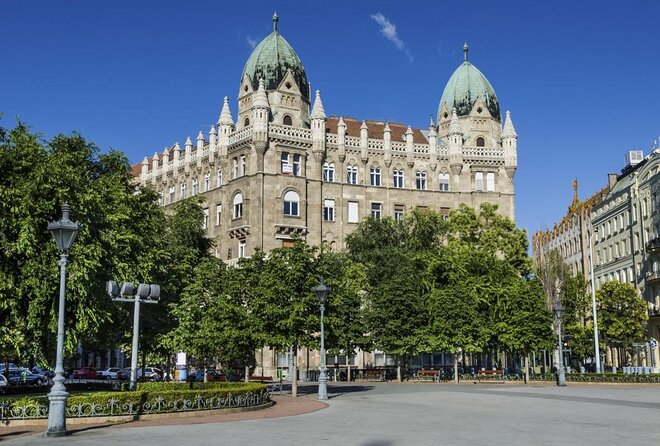

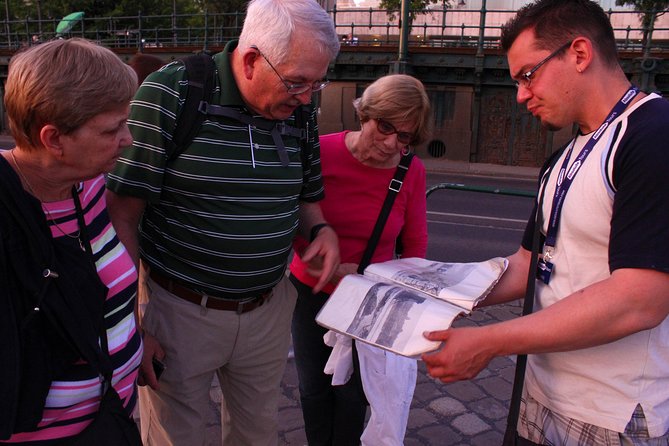
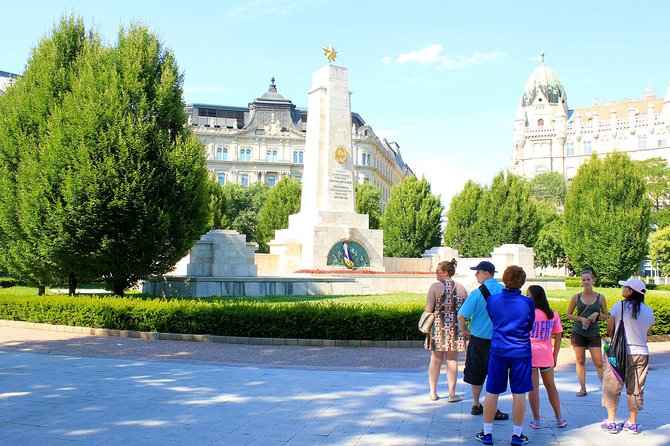
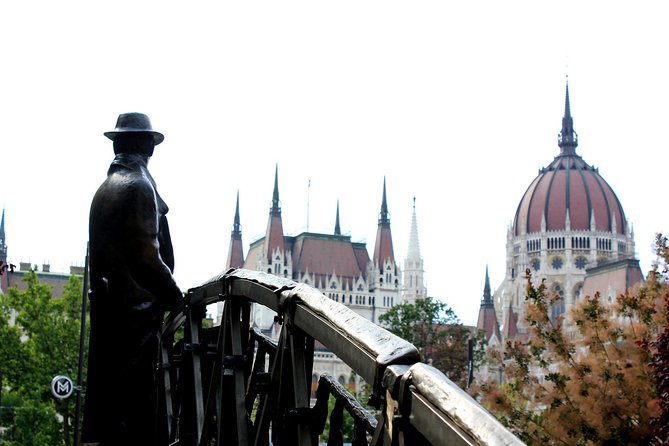
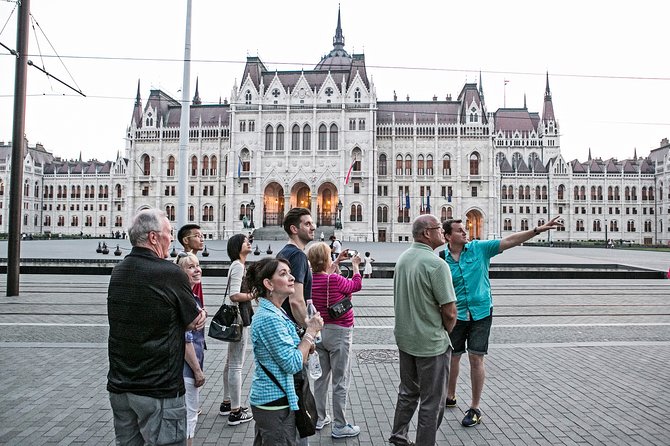
- Explore Budapest’s communist past, from the 1956 Revolution against Soviet rule to the fall of the Iron Curtain and the transition to democracy.
- Gain insights into everyday life under communist oppression, including the resourcefulness of Hungarians in navigating the complexities of the system.
- Visit significant sites like the Deak Square Lutheran Church, which played a crucial role during the 1956 uprising, and Liberty Square, a symbol of the end of communist rule.
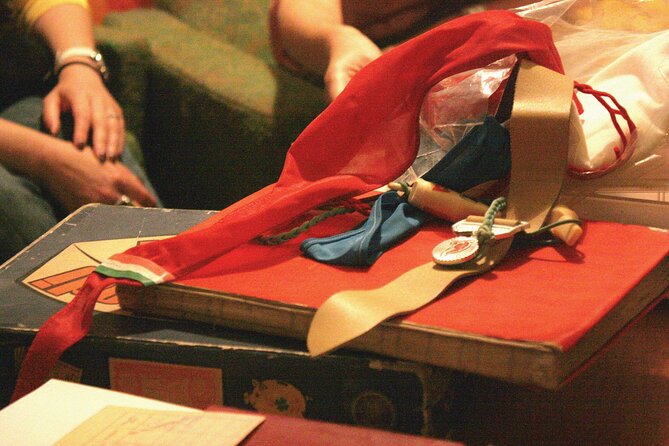
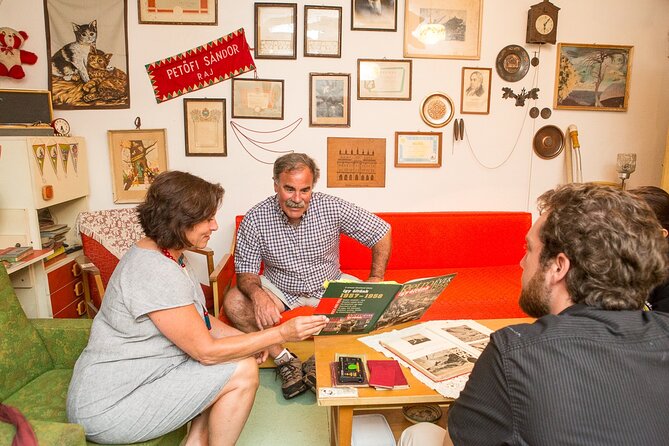
- Engage with an interactive exhibition showcasing the everyday struggles and resilience of Hungarians living behind the Iron Curtain.
- Discover the key historical figures, such as Imre Nagy, who left an indelible mark on Hungary’s journey towards freedom from Soviet domination.
World War I and II
During World War I, the Austro-Hungarian Empire, of which Hungary was a part, fought alongside Germany against the Allied Powers. After the war, the Treaty of Trianon stripped Hungary of two-thirds of its territory and population, leaving it as a defeated and diminished nation.
The country faced economic turmoil and political instability in the interwar period.
When World War II began, Hungary initially remained neutral, but eventually aligned itself with Nazi Germany, hoping to regain lost territories. This decision proved disastrous, as the Soviets invaded and occupied Hungary, leading to a brutal communist regime that would last until the end of the Cold War.
You can also read our reviews of more tours and experiences in Budapest.


1956 Revolution Against Communism
Hungary’s postwar occupation by the Soviet Union ultimately led to a popular uprising in 1956, as the communist government’s repressive policies sparked widespread discontent among the Hungarian people.
The 1956 Revolution was a spontaneous nationwide revolt against the Communist regime and Soviet rule. Protesters demanded democratic reforms, national independence, and the withdrawal of Soviet troops.
What began as peaceful demonstrations quickly escalated into violent clashes with the secret police and Soviet forces. Though the revolution was brutally crushed within weeks, it marked a turning point in the collapse of the Soviet bloc.
The heroic acts of protesters, like Imre Nagy who was executed for treason, would inspire future generations to fight for freedom.
Fall of the Iron Curtain
The collapse of the Soviet Union in 1991 marked the end of communist rule in Eastern Europe, setting the stage for the fall of the Iron Curtain that had divided the continent for over four decades.
As the iron grip of Soviet domination loosened, countries across the region seized the opportunity to assert their independence and embrace democratic reforms. The dismantling of the Berlin Wall in 1989 became a powerful symbol of this historic transition, as citizens on both sides of the divide celebrated the newfound freedom.
This momentous shift paved the way for Hungary to emerge from the shadows of communist oppression, ushering in a new era of political, economic, and social transformation.
Life Under Communist Rule
Under communist rule, families often struggled to obtain basic necessities, resorting to black markets and enduring lengthy queues for scarce goods like bananas. Travel was also highly restricted, with citizens requiring permits to visit certain areas.
The communist government tightly controlled the flow of information, using propaganda and censorship to maintain its power. Everyday life was marked by a sense of uncertainty and fear, as citizens never knew when the secret police might come knocking.
Despite these hardships, many Hungarians found creative ways to subvert the system, trading on the black market or listening to banned Western radio stations. Life under communism was a daily battle for survival and freedom.
Everyday Life Behind the Curtain
Beneath the veneer of communist rule, Hungarians often resorted to creative means to acquire basic necessities, trading on the black market and listening to banned Western radio stations.
While the official state propaganda touted the virtues of the socialist system, the daily lives of citizens told a different story. Shortages of consumer goods, strict travel restrictions, and a pervasive atmosphere of surveillance and control were the realities of life behind the Iron Curtain.
Hungarians found ways to adapt, including:
- Forming informal networks to distribute scarce items
- Cultivating backyard gardens to supplement meager food rations
- Tuning in to foreign broadcasts for news and entertainment
Despite the challenges, the resilience and resourcefulness of the Hungarian people shone through, as they navigated the complexities of life under communist rule.
- Budapest: Nighttime or Daytime Sightseeing Cruise
★ 4.2 · 21,062 reviews - Budapest: 1-Hour Evening Sightseeing Cruise With Drink
★ 4.5 · 8,330 reviews - Budapest: Historic Cruise with Welcome Drink
★ 4.7 · 6,512 reviews - Budapest: St. Stephen’s Basilica Entry with Terrace Option
★ 4.5 · 6,399 reviews - Budapest By Night Sightseeing Cruise
★ 4.1 · 5,835 reviews - Budapest: Buda Castle Cave Tour
★ 4.7 · 5,677 reviews
Key Historical Figures
Amidst the tumultuous events that shaped Hungary’s history, certain individuals emerged as pivotal figures who left an indelible mark on the country’s path to freedom.
Perhaps the most renowned of these was Imre Nagy, a communist leader who famously defied Soviet policies and called for Hungary’s withdrawal from the Warsaw Pact during the 1956 Revolution. Though initially embraced by the public, Nagy’s bold stance ultimately led to his execution for treason, solidifying his status as a martyr of the Hungarian fight against communist oppression.
Other key figures, like the student protesters and workers who risked their lives during the 1956 uprising, also played crucial roles in Hungary’s journey towards independence from Soviet domination.
Tour Meeting and Ending Points
Where does the Budapest Hammer & Sickle Communist Tour begin and end? The tour meets at the Deak Square Lutheran Church and concludes near Liberty Square.
This strategic tour layout allows participants to:
- Immerse themselves in the historical significance of the starting point at Deak Square, which played a pivotal role during the 1956 revolution.
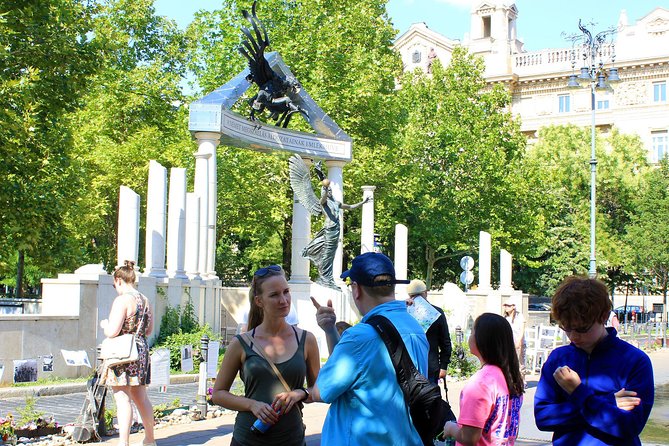
- Explore the symbolic Liberty Square, where the tour’s journey culminates, reflecting on the fall of communism and the country’s transition to democracy.
Seamlessly navigate the city, covering key sites and landmarks that shaped Hungary’s communist past and its eventual path to freedom.
The tour’s start and end points provide a comprehensive exploration of Budapest’s communist history, guiding travelers through the city’s transformative narrative.
Tour Policies and Logistics
The Budapest Hammer & Sickle Communist Tour has a maximum of 10 travelers and is suitable for ages 12 and up. Participants can take advantage of the tour’s free cancellation policy up to 24 hours before the experience.
The tour meets at the Deak Square Lutheran Church and concludes near Liberty Square, allowing guests to explore the city’s historical landmarks and cultural relics.
The interactive exhibition on everyday life behind the Iron Curtain provides a unique opportunity for visitors to enjoy the realities of communist rule.
With its focus on Hungary’s rich history, from the 1956 Revolution to the fall of the Iron Curtain, the tour offers an engaging and educational experience for all who attend.
Frequently Asked Questions
Can I Take Photos During the Tour?
Yes, participants are generally allowed to take photos during the tour. However, it’s important to be respectful and avoid disrupting the experience for others. Check with the tour guide for any specific guidelines or restrictions on photography.
Are There Any Restroom Breaks During the Tour?
Yes, there are typically restroom breaks during tours of this length. The tour schedule allows for periodic stops, ensuring participants can comfortably take care of any personal needs throughout the experience.
Is the Tour Wheelchair Accessible?
The tour is not wheelchair accessible. The walking tour covers cobblestone streets and steep hills, which may present challenges for those with mobility issues. Travelers who require wheelchair access should inquire about alternative tour options.
Can I Bring My Own Snacks and Drinks?
Travelers are generally allowed to bring their own snacks and drinks on walking tours. However, it’s best to check with the tour operator beforehand, as some may have restrictions or recommendations to ensure a smooth and enjoyable experience for all participants.
Is the Tour Guide Fluent in Multiple Languages?
The tour guide is fluent in multiple languages, allowing them to provide informative and engaging commentary to travelers from diverse backgrounds. This flexibility ensures an accessible and immersive experience for all participants.
Budapest Hammer & Sickle Communist Tour
Recap
The Budapest Hammer & Sickle Communist Tour provides a comprehensive exploration of Hungary’s turbulent communist past.
Participants will explore the hardships faced by families, the creative ways Hungarians subverted the system, and the pivotal figures who shaped the nation’s path to freedom.
The tour concludes at Liberty Square, a symbol of Hungary’s transition to democracy, offering a poignant reflection on the country’s transformative journey.


