
Concrete elegance in Brutalist architecture showcases a unique blend of stark materiality and intentional design. This movement, steeped in post-war ideals, emphasizes raw concrete’s unrefined beauty, inviting observers to appreciate its bold forms and textured surfaces. Iconic structures stand as testaments to this philosophy, challenging conventional aesthetics while breathing life into urban landscapes. Yet, as the world evolves, so does the perception of Brutalism. What factors are reshaping the narrative around these monumental edifices, and how might they influence future architectural endeavors?
Key Points
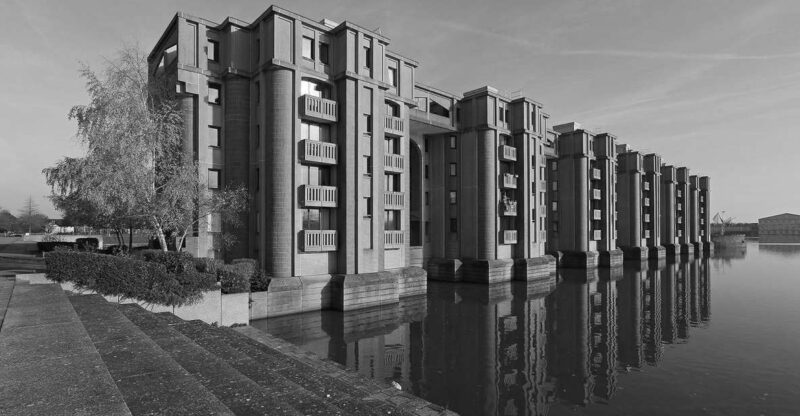

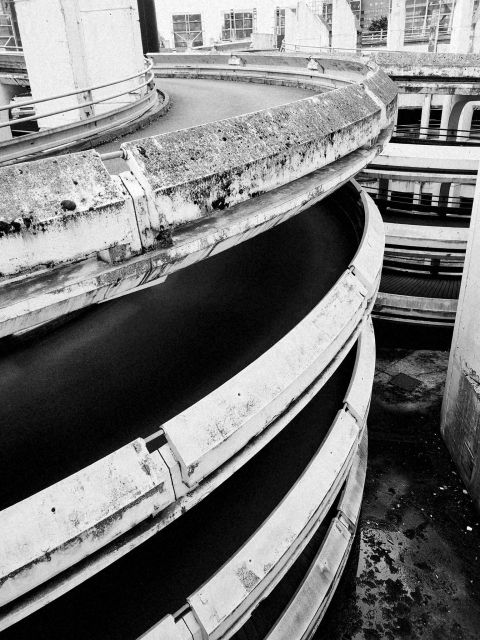
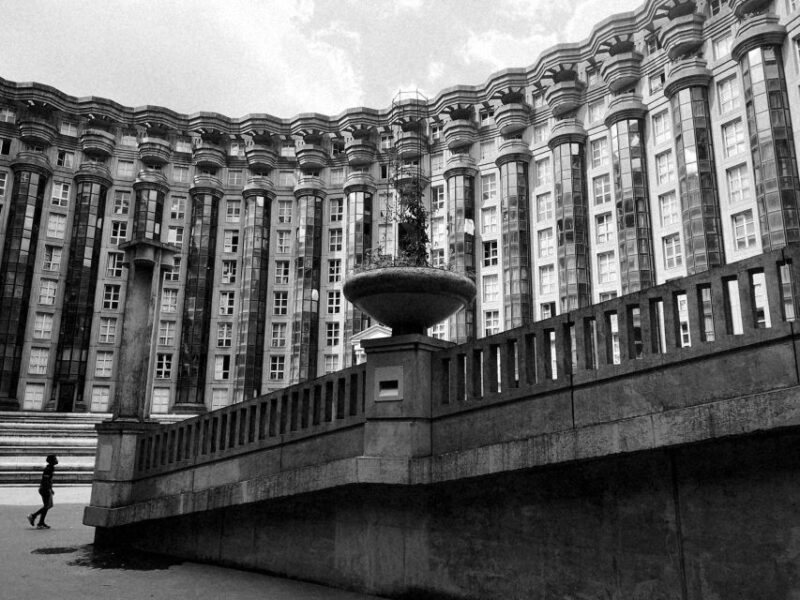
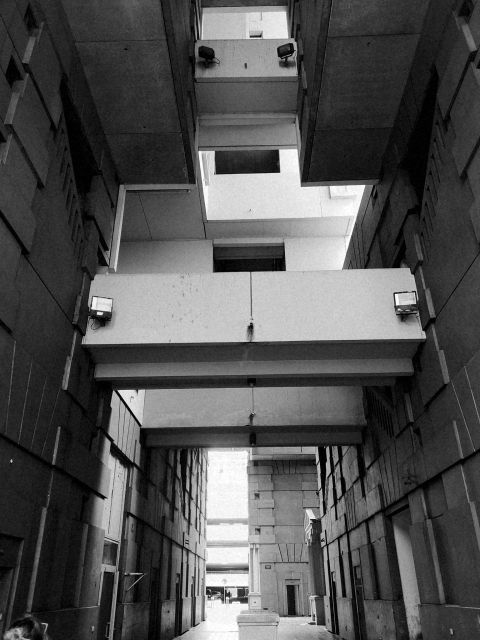
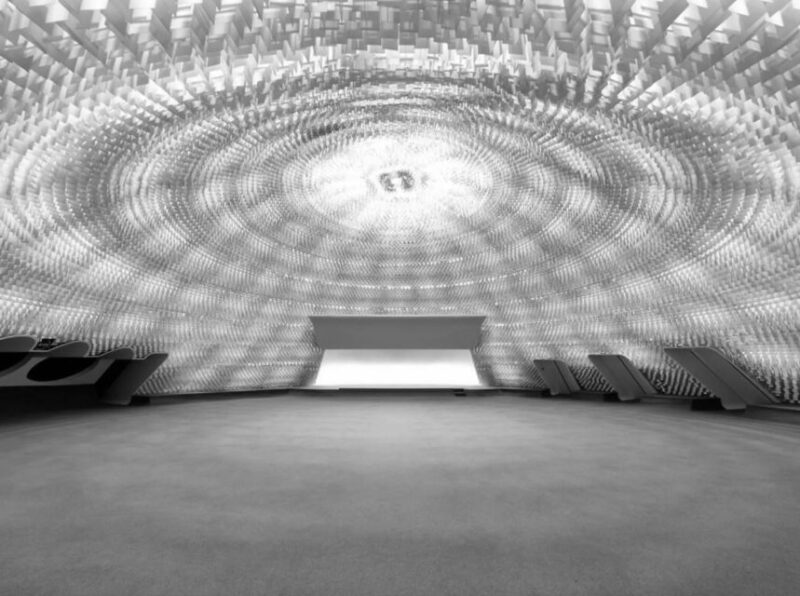
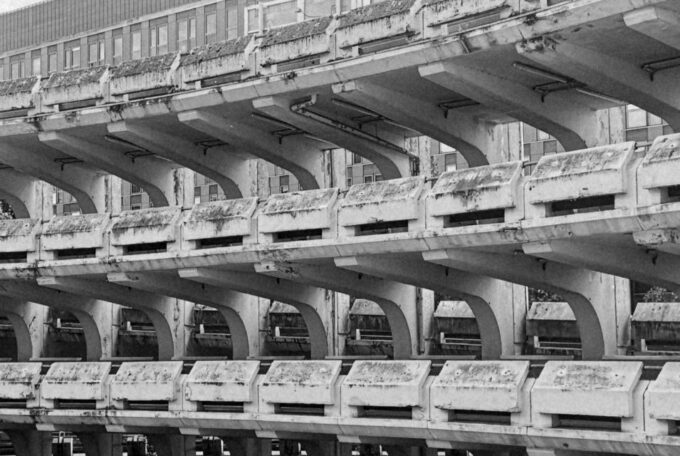
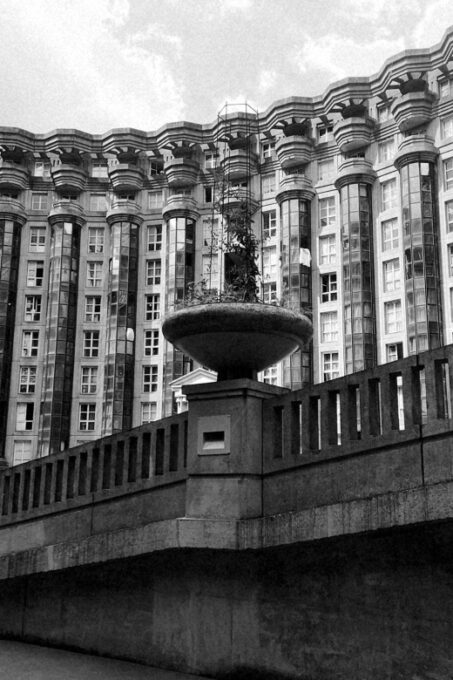
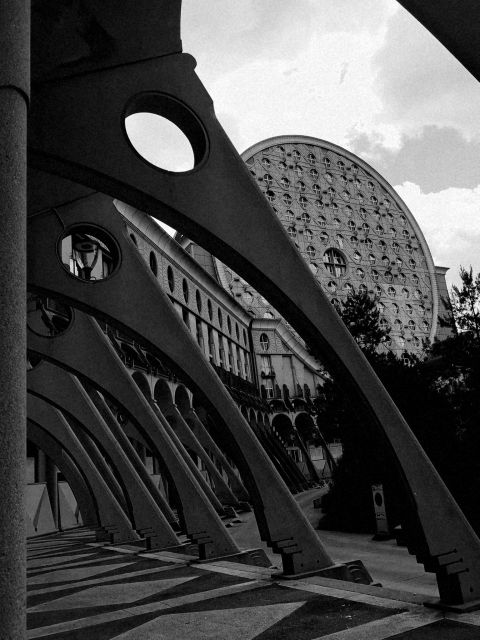
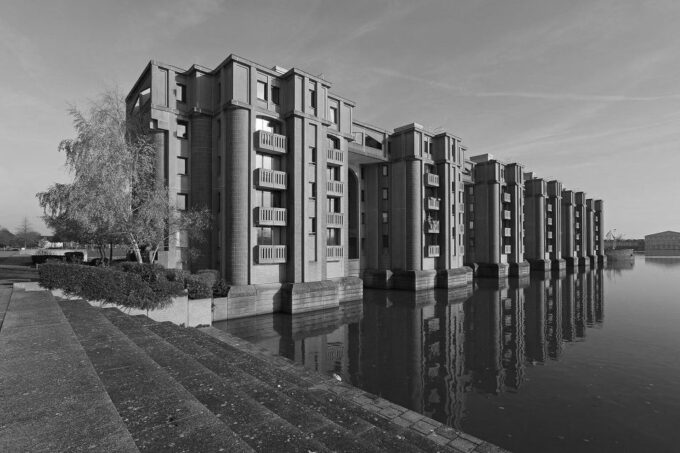
- Brutalism emphasizes raw concrete forms, showcasing material honesty and a bold aesthetic in architecture.
- Characterized by geometric shapes, Brutalist buildings prioritize functionality and simplicity in design.
- Textural variety in Brutalist structures highlights natural imperfections, enhancing visual interest and depth.
- Iconic examples like Les Espaces d’Abraxas and the Palace of Justice illustrate the movement’s impact on urban landscapes.
- The style reflects social ideals, promoting equity and accessibility through cost-effective, engaging architectural solutions.
Overview of Brutalism
Brutalism, characterized by its raw concrete forms and bold geometric shapes, emerged in the mid-20th century as a powerful architectural movement that challenged traditional aesthetics. Architects sought to create structures that reflected honesty and functionality, often exposing materials rather than hiding them behind finishes.
This radical approach resonated in post-war urban environments, where rebuilding efforts demanded cost-effective and durable designs. Brutalism‘s unique visual language emphasizes simplicity and strength, making it both striking and controversial.
While some celebrate its unapologetic forms, others criticize its perceived coldness. Despite differing opinions, Brutalism remains a significant chapter in architectural history, influencing contemporary design and prompting ongoing discussions about the role of architecture in society.
Key Characteristics of Brutalist Design
One of the defining traits of Brutalist design is its bold use of raw concrete, which showcases both strength and a sense of honesty in architectural expression. This style stands out for several key characteristics:
-
Geometric Shapes: Brutalist structures often feature stark, angular forms, emphasizing functionality and simplicity over ornamentation.
-
Textural Variety: The use of rough concrete can create striking contrasts, highlighting the material’s natural imperfections and enhancing visual interest.
-
Integration with Environment: Many Brutalist buildings harmonize with their surroundings, utilizing their mass and form to engage with the landscape rather than dominate it.
These attributes contribute to the unique aesthetic of Brutalism, making it a compelling choice for architects seeking to convey a sense of authenticity and purpose.
Iconic Brutalist Structures
Numerous iconic structures around the world exemplify the bold and uncompromising nature of Brutalist architecture, each telling a story through their unique forms and materials. From the imposing shapes of government buildings to the creative use of concrete in cultural spaces, these structures stand out.
| Structure Name | Location |
|---|---|
| Les Espaces d’Abraxas | Noisy-le-Grand, France |
| Palace of Justice | Créteil, France |
| Niemeyer Space | Paris, France |
These buildings not only showcase the aesthetic power of raw concrete but also reflect the social and political ideals of their time. Each site invites onlookers to appreciate the artistry of functionality, making Brutalism a significant architectural movement.
Historical Context and Significance
The evolution of Brutalist architecture reflects a response to the social, political, and economic challenges of the mid-20th century, capturing the spirit of an era that sought to redefine urban landscapes. This architectural style emerged as a bold statement against traditional designs, emphasizing functionality and material honesty.
Its significance can be understood through various lenses:
-
Post-War Reconstruction: Brutalism symbolized a break from the past, addressing the urgent need for housing and public buildings after World War II.
-
Social Idealism: Architectural theorists embraced it as a means to promote social equity and accessibility in urban environments.
-
Cultural Identity: Brutalism became a canvas for expressing national and local identities, showcasing unique characteristics in different regions.
These elements reflect its lasting impact on architecture and urban planning.
More Great Tours NearbyThe Experience of the Tour
Throughout the tour, participants enjoy the striking world of Brutalist architecture, discovering its bold designs and rich historical context.
They embark on a carefully crafted journey, visiting iconic sites like Les Espaces d’Abraxas and the Palace of Justice in Créteil. Each location offers a unique perspective on the artistic expression of concrete structures.
Guided by an expert, they explore the design principles that define these remarkable buildings, gaining insights into their significance in urban development.
As they travel between destinations, they enjoy engaging discussions about the evolution of architecture and its impact on society.
This immersive experience not only enlightens but also fosters a deeper appreciation for the beauty and complexity of Brutalism.
Photography Opportunities
Participants will find ample photography opportunities at each stop, capturing the striking lines and textures of Brutalist architecture in various lighting conditions.
The unique characteristics of these structures create stunning visuals, making them perfect subjects for photography enthusiasts.
-
Les Espaces d’Abraxas: This iconic complex showcases dramatic geometric forms, ideal for capturing bold images, especially at sunrise or sunset.
-
Niemeyer Space: The flowing curves contrast sharply with the surrounding concrete, offering dynamic compositions for photographers.
-
Palace of Justice: Its imposing façade provides a grand backdrop, allowing for impressive shots that highlight scale and perspective.
Each location invites participants to explore their creativity while documenting the essence of Brutalism through their lenses.
Practical Information for Participants
Before embarking on this immersive journey through Brutalist architecture, travelers should ensure they’ve comfortable footwear, as exploring these iconic sites often involves walking and navigating various terrains.
The tour lasts for eight hours, so participants should also bring water to stay hydrated and snacks if desired.
Since the experience includes visits to multiple locations, travelers may want to have a camera ready for capturing the striking structures.
While the tour provides insights into each site, participants are encouraged to engage with the guide and ask questions for a deeper understanding.
Lastly, it’s good to remember that the tour requires a minimum of three participants, making it an excellent opportunity for friends or family to join in the adventure.
Exploring Beyond the Tour
Exploring beyond the tour offers a unique opportunity for participants to deepen their appreciation of Brutalist architecture by visiting lesser-known sites and engaging with local communities that celebrate this striking design style.
By venturing off the beaten path, enthusiasts can uncover hidden gems and gain richer insights into the cultural significance of these concrete masterpieces.
Here are three notable experiences to consider:
-
Community Art Projects: Discover local initiatives that incorporate Brutalist aesthetics into contemporary art, fostering a dialogue about urban space.
-
Historical Walks: Join guided walks led by locals who share personal stories and historical context about lesser-known buildings.
-
Architectural Workshops: Participate in hands-on workshops where one can learn about the design principles behind Brutalism.
These experiences enhance understanding and appreciation for this architectural style.
Frequently Asked Questions
What Should I Wear for the Tour?
For the tour, he should wear comfortable shoes for walking, layered clothing to adapt to weather changes, and a light jacket. Sunscreen and a hat can help protect against sun exposure during outdoor visits.
Are There Restrooms Available During the Tour?
During the tour, they’ll find restrooms at various stops, ensuring comfort throughout the experience. Participants can enjoy the journey without worrying about restroom availability, allowing them to focus on the stunning architecture.
Can I Bring My Camera for Photography?
She can absolutely bring her camera for photography. The tour encourages capturing the stunning structures, allowing participants to document their experience. It’s a great opportunity to showcase the beauty of the architecture they’ll explore.
Is the Tour Accessible for Individuals With Disabilities?
The tour caters to individuals with disabilities, ensuring accessibility throughout. The organizers provide necessary accommodations, making it easier for everyone to enjoy the experience without missing out on the stunning architectural highlights in Greater Paris.
What Happens if It Rains on the Tour Day?
If it rains on tour day, the guide adjusts the itinerary, ensuring participants stay dry and comfortable. They’ll provide umbrellas and suggest indoor activities, making sure everyone enjoys the experience despite the weather.
Concrete Elegance: A Brutalism Architecture
Sum Up
To sum it up, Brutalist architecture offers a unique blend of raw materials and sophisticated design that captivates the eye and sparks curiosity.
Its bold geometric forms and unrefined aesthetics challenge conventional beauty, inviting exploration and appreciation.
As participants explore the world of concrete elegance, they not only witness iconic structures but also gain insight into the historical context that shaped this movement.
Whether through photography or personal reflection, the experience promises to inspire a deeper understanding of architectural authenticity.
You can check availability for your dates here: