
Scaling Mount Toubkal over two days is an ambitious undertaking, and whether a guide is necessary is a common question among trekkers. While it’s possible to attempt the hike without a local expert, having one provides numerous benefits that can significantly enhance the experience. From navigating the challenging terrain to ensuring proper safety protocols, a guide’s expertise can make all the difference in turning a strenuous trek into a truly rewarding adventure. As you consider your options, it’s crucial to weigh the potential advantages a guide can offer and determine if they align with your goals for this exhilarating journey.
Good To Know
-
Having a local guide is highly recommended for climbing Mount Toubkal on a 2-day trek due to their extensive knowledge of the terrain and weather conditions.
-
A local guide ensures a safe ascent by guiding trekkers through treacherous sections and providing emergency support if necessary.
-
Local guides offer valuable insights into the region’s rich cultural heritage, enhancing the overall trekking experience.
-
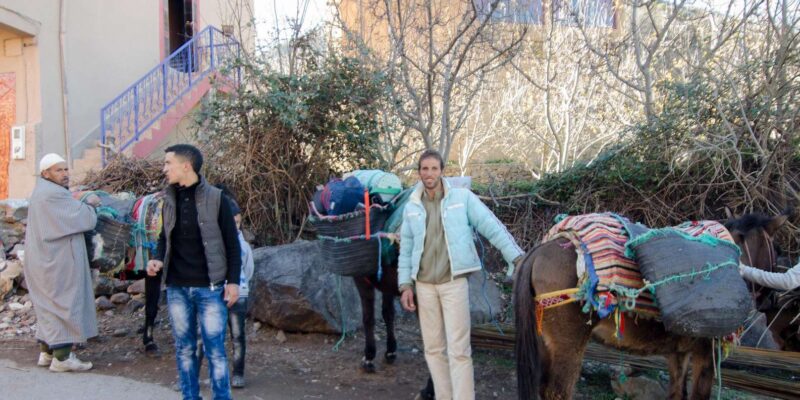
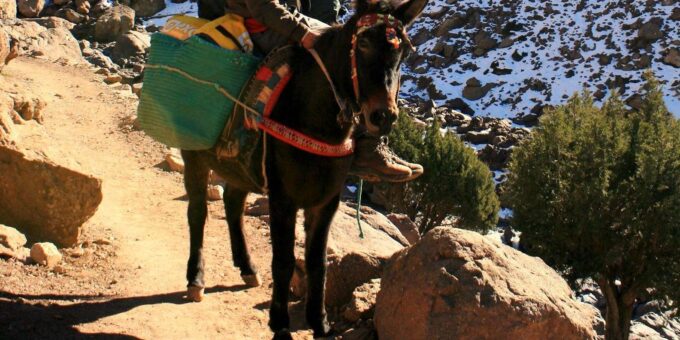
Guides handle logistical arrangements, including securing permits and organizing mules for luggage transport, allowing trekkers to focus on the journey.
-
Using a guide significantly reduces the risks of getting lost or encountering hazardous conditions during the challenging 2-day ascent of Mount Toubkal.
Overview of the Two-Day Trek
The Mount Toubkal trek is a 2-day adventure that takes adventurers to the summit of North Africa’s highest peak. Priced from $349.30 per person, this trek includes free cancellation up to 24 hours in advance and a reserve now, pay later option.
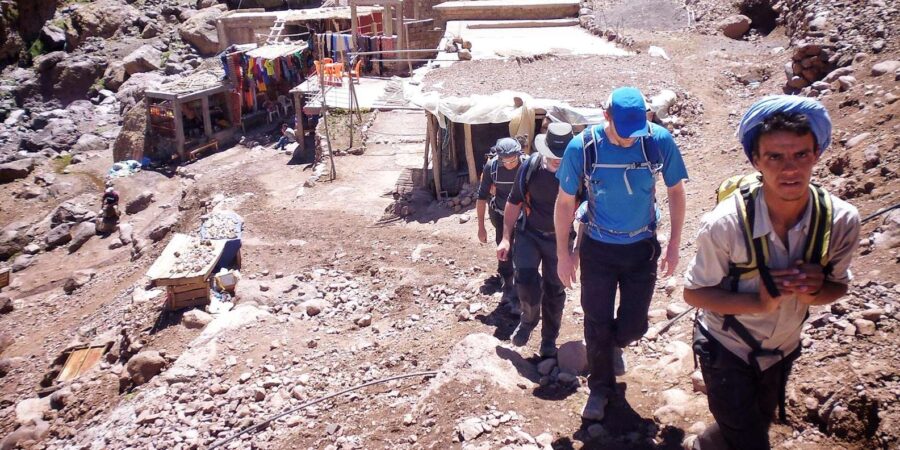
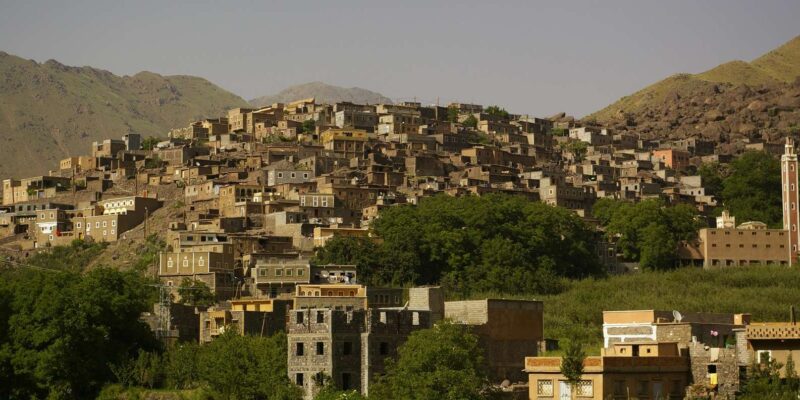
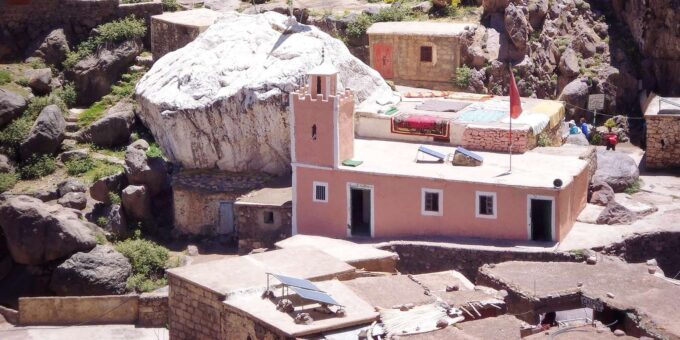
On Day 1, trekkers will travel from Marrakech to the Imlil village, then hike to the Toubkal Refuge via a Berber village and a shrine.
Day 2 starts with an early breakfast before summiting Mount Toubkal for panoramic views, then descending back to the refuge and returning to Marrakech.
The trek is led by a local English-speaking guide and includes accommodation, meals, and mule support for luggage.
You can also read our reviews of more guided tours in Marrakech


Preparing for the Mount Toubkal Hike
Preparing for the Mount Toubkal hike involves ensuring you have the right gear and fitness level.
You’ll need comfortable shoes, warm clothing, a camera, and proper trekking gear. It’s also important to stay hydrated, so bring plenty of water. Smoking isn’t allowed on the trek, so keep that in mind.
The hike involves some easy scrambling, snow slopes, and the use of crampons and an ice axe during certain seasons.
Ensure you’re in good physical condition, as the trek isn’t suitable for children under 12, those with back or heart problems, or those with low fitness levels.
With the right preparation, you’ll be able to fully enjoy the stunning views and unique trekking experience.
Importance of Having a Local Guide
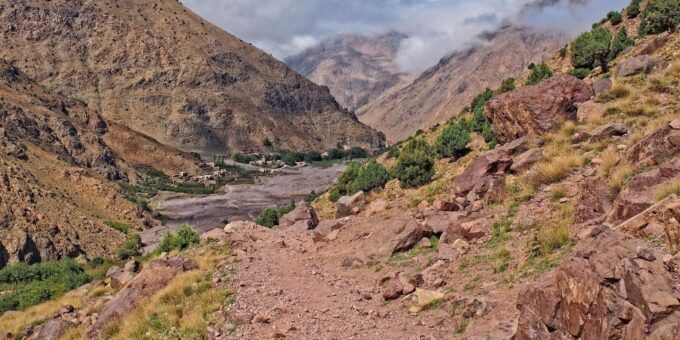
For a trek to the summit of Mount Toubkal, having a local guide is crucial. They possess invaluable knowledge of the terrain, weather conditions, and local customs. Their expertise ensures a safe and successful ascent, guiding hikers through treacherous sections and providing vital support in emergencies.
Local guides also offer insights into the region’s rich cultural heritage, enriching the trekking experience. On top of that, they handle logistical arrangements, such as organizing mules for luggage transport and securing permits, allowing hikers to focus on the journey.
Without a local guide, the risks of getting lost, encountering hazardous conditions, or missing out on culture increase significantly. Ultimately, the guidance of a knowledgeable local is an essential component of a memorable and fulfilling Mount Toubkal expedition.
What to Expect on Day 1
On the first day, adventurers embark on an exhilarating journey from their Marrakech hotel. They travel to the picturesque Imlil village, the starting point of the trek.
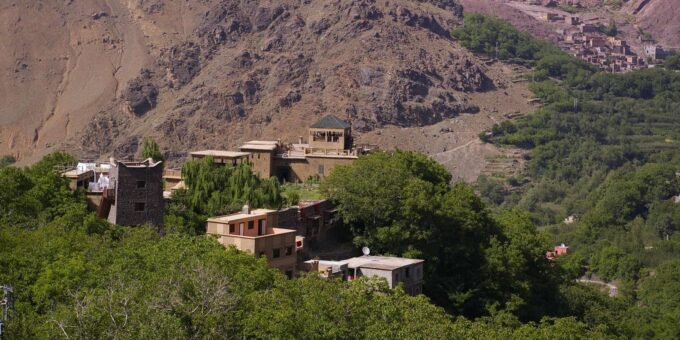
Along the way, they’ll visit the Berber village of Aroumd and the Sidi Chamharouch shrine. Trekkers will enjoy a picnic lunch as they make their way to the Toubkal Refuge, their accommodation for the night.
The refuge offers a cozy atmosphere and the opportunity to experience the local Berber culture. Hikers can look forward to stunning views and a sense of accomplishment as they complete the first leg of their Mount Toubkal summit attempt.
More Great Tours NearbyReaching the Toubkal Refuge
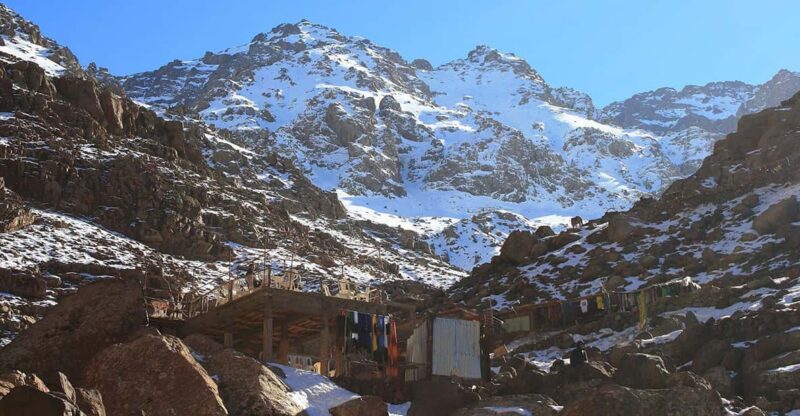
After trekking through the Berber village and passing the Sidi Chamharouch shrine, hikers reach a significant milestone – the Toubkal Refuge. This mountain hut offers basic accommodation and serves as the starting point for the summit push. The refuge features the following amenities:
| Amenities | Description |
|---|---|
| Sleeping Quarters | Dormitory-style rooms with bunk beds |
| Dining Area | Communal area for meals and socialization |
| Sanitation | Shared toilet and washing facilities |
| Heating | Stoves for warmth during colder months |
Staying at the Toubkal Refuge allows trekkers to rest, refuel, and prepare for the challenging ascent to the mountain’s summit the following day. The refuge provides a comfortable base camp before the final push.
You can also read our reviews of more tours and experiences in Marrakech
- From Marrakech: Zagora 2-Day Desert Safari With Food & Camp
★ 4.5 · 1,137 reviews - Experience Luxury in Zagora: 2-Day Desert Adventure
★ 5.0 · 651 reviews - From Marrakesh: 2-Day Mount Toubkal Trek
★ 4.7 · 591 reviews - 2-Day Zagora Tour From Marrakech Including the Atlas Mountains, Camel Trek and Desert Camp
★ 4.5 · 328 reviews - Desert Odyssey: a 2-Day Journey From Marrakech to Zagora
★ 4.5 · 250 reviews - Marrakech: 2 Days Tour to Sahara Zagora Desert & Ait-Benhaddou
★ 4.5 · 186 reviews
Summiting Mount Toubkal
Trekkers rise early at the Toubkal Refuge, fueling up on a hearty breakfast before embarking on the final push to the summit.
The trek to the top involves some easy scrambling, navigating snow slopes, and using crampons and an ice axe. The views from the summit of Africa’s highest peak are nothing short of breathtaking, with panoramic vistas stretching out in every direction.
After soaking in the scenery, trekkers descend back to the refuge for lunch before making the transfer back to Marrakech.
With the right preparation and equipment, the summit of Mount Toubkal is an achievable goal for fit individuals seeking a rewarding high-altitude challenge.
Descending From the Summit
With the summit conquered, the descent back down Mount Toubkal begins. Trekkers will carefully navigate the snow slopes and rocky terrain, using their ice axes and crampons for stability.
The steep descent can be challenging, so a slow, steady pace is crucial. Along the way, panoramic vistas of the Atlas Mountains continue to impress.
Retracing their steps, the group will pass the Toubkal Refuge and the Berber villages, eventually reaching the trailhead in Imlil.
Throughout the descent, the experienced guide provides direction and support, ensuring a safe return to Marrakech. Proper preparation and equipment are essential for a successful and enjoyable descent from the highest peak in North Africa.
Key Considerations for Trekkers
Proper preparation is key for a successful trek up Mount Toubkal. Participants should be in good physical condition, as the trek involves scrambling, snow slopes, and the use of crampons and ice axes.
It’s not suitable for children under 12, those with back or heart problems, or individuals with low fitness levels. Recommended items include comfortable shoes, warm clothing, a camera, hiking shoes, water, and trekking gear.
Smoking isn’t allowed. Trekkers can expect stunning views, local guide support, and a unique trekking experience.
With the right preparation and mindset, the trek to the summit of Mount Toubkal can be an unforgettable adventure.
Frequently Asked Questions
Can I Bring My Pet on the Trek?
Sorry, pets are not allowed on the 2-day Mount Toubkal trek. The trek requires specialized gear and support, and the safety and wellbeing of all participants must be the top priority. Hikers should leave their pets at home for this challenging high-altitude adventure.
Do I Need Any Special Equipment for the Hike?
For the Mount Toubkal 2-day trek, you’ll need proper hiking shoes, warm clothing, an ice axe, and crampons (November to April) to navigate the snow slopes safely. The guided trek provides all the necessary equipment and support.
Is There a Weight Limit for the Mule Transport?
The activity details don’t specify a weight limit for mule transport. However, it’s best to pack lightly and only bring necessary gear, as the mules have capacity limits. Travelers should check with the tour operator for any weight restrictions.
Can I Extend the Trek to More Than 2 Days?
You can extend the Mount Toubkal trek to more than 2 days. The itinerary is flexible, and the tour operator can customize the experience based on your preferences and fitness level. However, a 2-day trek is the standard option.
Are There Any Age Restrictions for the Activity?
The activity is not suitable for children under 12, and those with back/heart issues or low fitness levels. It’s recommended for individuals in good physical condition due to the challenging nature of the trek.
Do You Need A Guide To Climb Mount Toubkal on 2 Days
The Sum Up
Climbing Mount Toubkal in two days is an ambitious undertaking, and having a local guide is highly recommended. The guide’s knowledge of the terrain, weather conditions, and safety protocols ensures a secure ascent. They also provide cultural insights and handle logistics, allowing trekkers to focus on the experience. Overall, a guide enhances the adventure, making the trek safer and more enriching.
You can check availability for your dates here:


