
The Everest Base Camp Trek is a sought-after adventure that draws outdoor enthusiasts from around the world. Traversing the rugged Khumbu region of Nepal, this moderate-level trek offers a chance to witness the grandeur of the Himalayas and stand at the base of the world’s highest peak. With a well-planned itinerary, proper preparation, and an experienced trekking team, adventurers can embark on a journey that tests their physical and mental limits while immersing them in the rich cultural heritage of the Sherpa people. For those seeking an unforgettable mountain experience, the Everest Base Camp Trek presents an opportunity to push boundaries and create lasting memories.
Key Points
• The Everest Base Camp Trek is a 12-14 day adventure in the stunning Khumbu region of Nepal, offering the chance to witness the grandeur of Mount Everest.
• The trek requires moderate fitness and proper gear, including lightweight, quick-drying clothing, sturdy hiking boots, and essential personal items like sunscreen and trekking poles.
• Accommodation along the route is in comfortable twin-sharing lodges, with delectable Nepalese cuisine and a specialized farewell dinner with cultural dances.
• The trekking team includes experienced and certified guides, porters to carry luggage, cooks to prepare meals, and medics to provide first-aid and emergency care.
• The trek is not recommended for pregnant travelers or those with limited mobility, and the booking process is straightforward with a lowest price guarantee.
Overview of the Trek
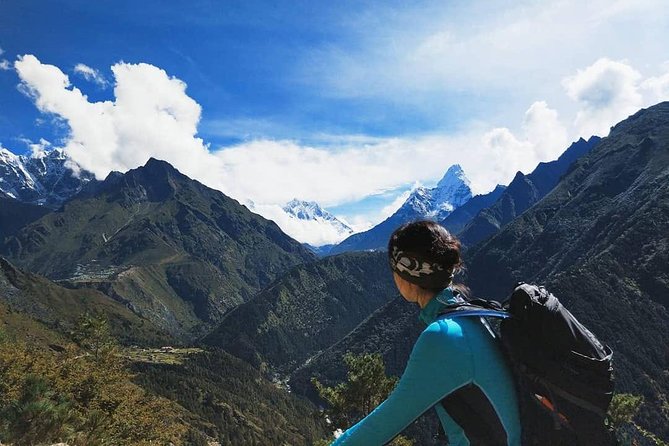

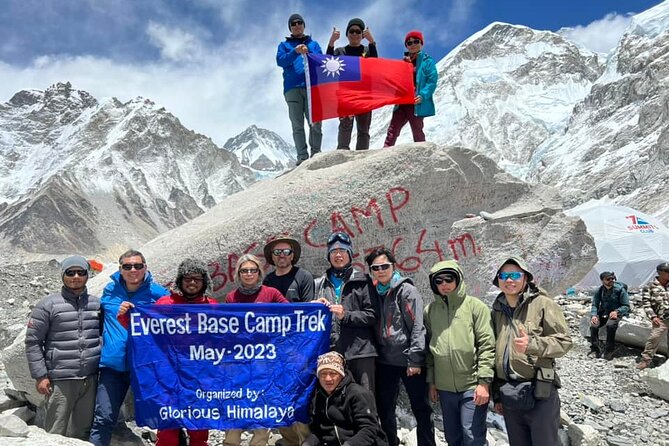
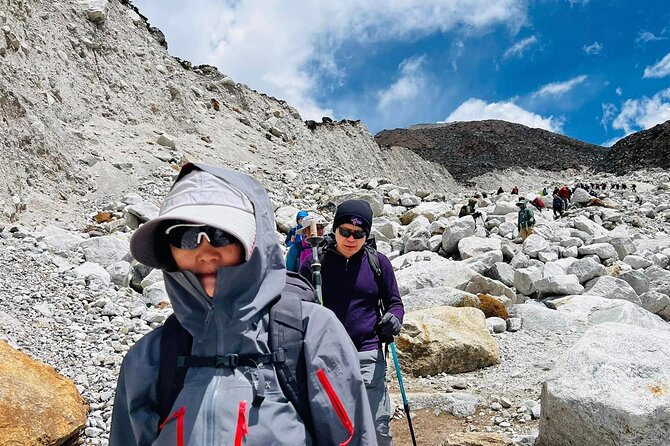
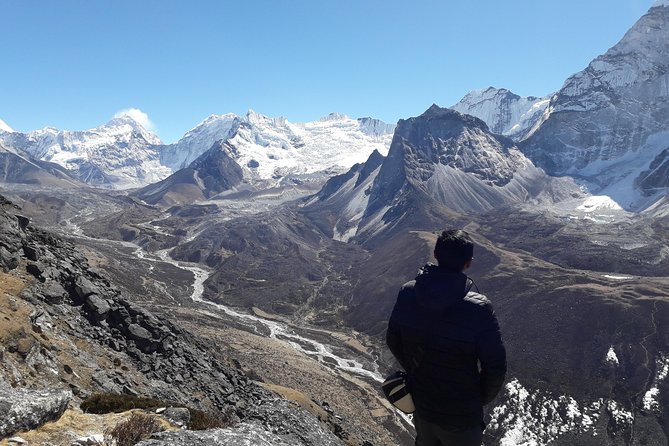
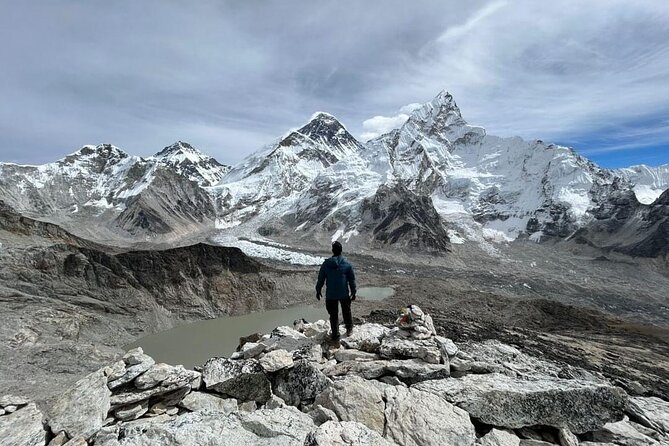
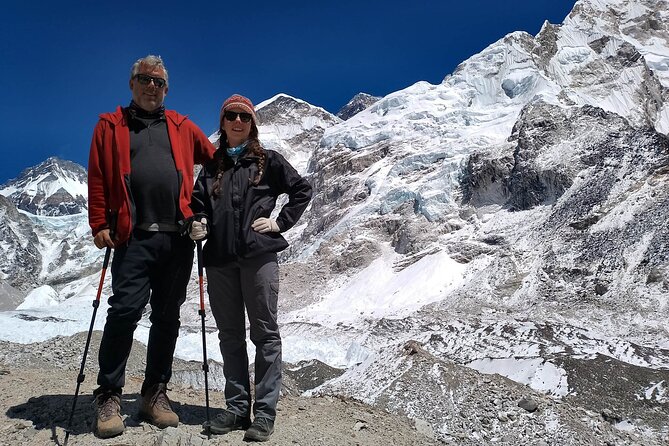
The Everest Base Camp Trek offers adventurous travelers a chance to embark on an unforgettable journey to the base camp of the world’s highest mountain, Mount Everest.
This iconic trek takes you through the stunning Khumbu region of Nepal, where you’ll witness breathtaking Himalayan vistas, explore vibrant Sherpa villages, and learn about the rich cultural heritage of the region.
The trek is a moderate-level challenge, requiring a good level of physical fitness and preparation.
Along the way, you’ll be treated to delicious Nepalese cuisine, comfortable lodge accommodations, and the guidance of a certified trekking guide to ensure a safe and enjoyable experience.
Whether you’re a seasoned hiker or a first-time adventurer, the Everest Base Camp Trek is sure to leave you with lasting memories.
You can also read our reviews of more hiking tours in Kathmandu


Detailed Itinerary
The Everest Base Camp Trek typically spans 12 to 14 days, taking trekkers on an exhilarating journey through the heart of the Khumbu region.
Travelers first arrive in Kathmandu, where they’re greeted and transferred to their hotel. The next day, they embark on a scenic flight to Lukla, the starting point of the trek, which offers breathtaking views of the Himalayas.
From Lukla, the trek winds through picturesque Sherpa villages, past monasteries, and along the banks of the Dudh Koshi River. Trekkers gradually ascend, passing through Namche Bazaar, Tengboche, and Dingboche, before reaching the iconic Everest Base Camp at an elevation of 5,364 meters.
After exploring the base camp, the return journey follows a similar route, providing ample opportunity to savor the stunning mountain landscapes.
Preparation and Gear
Proper preparation and gear are key to successfully completing the Everest Base Camp Trek.
Trekkers should pack lightweight, quick-drying clothing that can withstand the variable mountain weather, including thermal base layers, insulating jackets, and weatherproof outer shells. Sturdy, broken-in hiking boots with good traction are a must, as well as a quality daypack, water bottle, and headlamp. Trekking poles can help reduce strain on the knees during long descents.
It’s also important to bring essential personal items like sunscreen, lip balm, and personal medications.
Lastly, proper acclimatization is crucial, so trekkers should follow the recommended ascent schedule to mitigate altitude sickness.
With the right preparation and gear, trekkers can focus on enjoying the stunning Himalayan scenery.
Highlights and Experiences
One of the greatest highlights of the Everest Base Camp Trek is the opportunity to witness the grandeur of Mount Everest, the world’s highest mountain, up close. Trekkers can savor the breathtaking views of the snow-capped peaks and glaciers that surround them as they make their way to the base camp, which sits at an elevation of 5,364 meters (17,598 feet).
Along the trek, they’ll have the chance to explore Sherpa villages, visit ancient monasteries, and encounter the unique culture of the Himalayan region.
The journey itself is an unforgettable experience, as trekkers push their physical and mental limits while navigating the challenging terrain. Ultimately, reaching Everest Base Camp is a true accomplishment that leaves a lasting impression on all who undertake this iconic trek.
Accommodation and Meals
During the Everest Base Camp Trek, hikers stay in comfortable twin-sharing lodges along the route, where they can savor delectable Nepalese cuisine prepared by the local staff.
The trek package includes all meals during the trek, ensuring that trekkers don’t have to worry about their food. They’ll get to enjoy authentic Nepali dishes like dal bhat, momos, and thukpa, as well as a special Nepali farewell dinner complete with cultural dances.
The lodges provide a cozy and welcoming atmosphere, allowing trekkers to rest and recharge after long days on the trail.
With all meals and accommodations taken care of, hikers can focus on the stunning scenery and challenging terrain as they make their way to Everest Base Camp.
- Private Kathmandu Sightseeing Tour – UNESCO World Heritage Sites
★ 5.0 · 756 reviews - Kathmandu: Private 7 UNESCO Heritage Sites Day Tour
★ 4.8 · 744 reviews - Everest Base Camp Helicopter Tour Stop at Everest View Hotel
★ 5.0 · 668 reviews - Half Day Cooking Class in Thamel Kathmandu
★ 5.0 · 607 reviews - Private Kathmandu Day Tour: 7 UNESCO Heritage Sites Tour
★ 5.0 · 415 reviews - Kathmandu: 7 UNESCO World Heritage Sites Private Day Tour
★ 4.9 · 406 reviews
Trekking Team and Safety
The trekking team plays a vital role in ensuring the safety and well-being of the hikers during the Everest Base Camp Trek. Experienced and certified guides lead the way, drawing on their deep knowledge of the trails and the region’s environmental conditions to navigate the challenging terrain safely.
Porters carry the hikers’ luggage, allowing them to focus on the trek without the burden of heavy loads.
Cooks prepare nutritious and energizing meals to fuel the hikers throughout the journey.
Medics provide first-aid and emergency care in case of any injuries or altitude-related illnesses.
Support staff ensure the smooth logistical operation of the trek, from transportation to accommodation.
Costs and Booking Process
While the cost of the Everest Base Camp Trek can vary depending on factors like group size and seasonal demand, Trekking Team provides a lowest price guarantee to ensure a fair and transparent booking process.
The cost includes airport pickup/drop-off, dinner, local lodge accommodations, trekking permits, a certified guide, and more. Travelers can also rent a company duffel bag and sleeping bags if needed.
However, the price excludes Nepal entry visa, international flights, meals during the trek, and porter services. Booking is straightforward, with confirmation provided upon booking.
The trek isn’t recommended for pregnant travelers or those with limited mobility, as it requires moderate physical fitness. Overall, Trekking Team offers a streamlined and well-supported trekking experience to Everest Base Camp.
Frequently Asked Questions
Clients often inquire about the duration, difficulty, and preparation required for the Everest Base Camp Trek.
The Everest Base Camp Trek typically lasts 12-14 days, including travel to and from Kathmandu.
It’s considered a moderate-to-strenuous trek, requiring good physical fitness and proper acclimatization.
Trekkers should bring warm layers, sturdy hiking boots, and essential personal items. The company provides duffel bags and sleeping bags if needed.
It’s recommended to train by hiking, doing cardio, and practicing with your trekking gear before the trip.
Frequently Asked Questions
What Is the Average Group Size for the Trek?
The average group size for this trek is flexible, as it’s a private guided tour. Group sizes can vary, but are typically small to medium-sized to provide a more personalized experience for trekkers.
Can I Bring My Own Trekking Gear?
Yes, you can bring your own trekking gear. The tour operator provides necessary equipment, but you’re welcome to use your own gear if you prefer. This can help ensure a comfortable and familiar experience during the trek.
How Do I Obtain a Drone Permit for the Trek?
To obtain a drone permit for the trek, you’ll need to apply to the Sagarmatha National Park authorities in advance. The process can take several weeks, so be sure to plan ahead and submit your application well before your trip.
Is There an Option to Upgrade Accommodations During the Trek?
Yes, there are typically options to upgrade accommodations during the trek. Hikers can often pay extra for private rooms or upgraded lodges, depending on availability and their preferences. The standard package includes twin-sharing local lodge accommodations.
What Is the Cancellation Policy for the Trek?
The cancellation policy allows full refunds up to 30 days before the trek start date. Cancellations within 30 days are subject to a fee, and no refunds are given within 10 days of the trek start.
Everest Base Camp Trek
Recap
The Everest Base Camp Trek offers a once-in-a-lifetime opportunity to reach the base of the world’s highest mountain.
With proper preparation and an experienced trekking team, adventurous travelers can explore the stunning Khumbu region, enjoy Sherpa culture, and push their physical and mental limits.
The trek’s breathtaking Himalayan vistas, comfortable lodges, and delicious Nepalese cuisine ensure an unforgettable journey that leaves a lasting impression on all who undertake it.


