
The Everest Base Camp Trek offers a unique blend of breathtaking scenery and rich cultural experiences, drawing adventurers from around the globe. Over the course of 12 to 14 days, trekkers navigate through stunning landscapes and charming Sherpa villages, all while acclimatizing to the altitude. With comfortable accommodations and nutritious meals, the trek strikes a balance between challenge and comfort. However, understanding the physical requirements and safety considerations is crucial for anyone contemplating this journey. What elements of the trek truly make it stand out, and how do they prepare trekkers for such an iconic experience?
Key Points

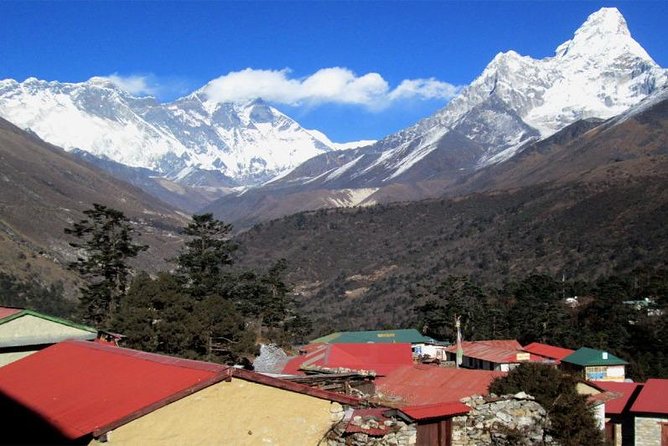
- The Everest Base Camp Trek spans 12 to 14 days, allowing for acclimatization and exploration of stunning landscapes and Sherpa culture.
- The all-inclusive package starts at $1,650.00, covering accommodation, meals, guides, and transportation.
- Moderate physical fitness is essential, with preparation recommended for challenging terrain and high altitudes.
- Trekkers enjoy comfortable accommodations in local guesthouses, with meals featuring local and international cuisine.
- Safety protocols, including acclimatization and hydration, are critical for a successful trekking experience.
Overview of the Trek
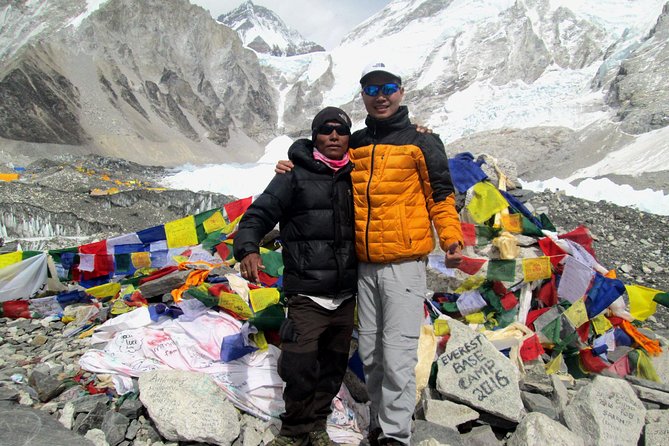
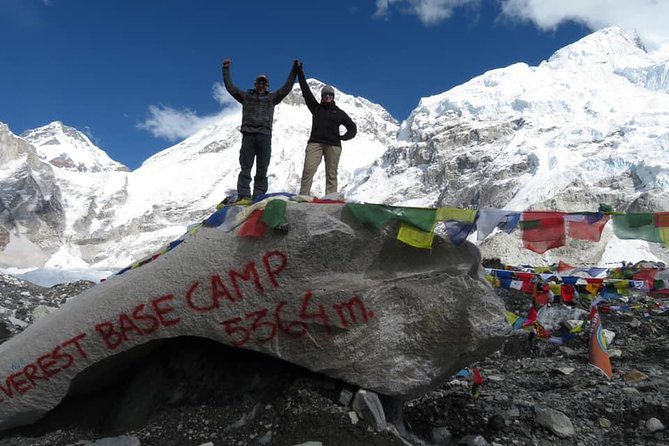
The Everest Base Camp Trek is a stunning adventure that takes trekkers through the breathtaking landscapes of the Himalayas, leading them to the iconic base camp of the world’s highest peak.
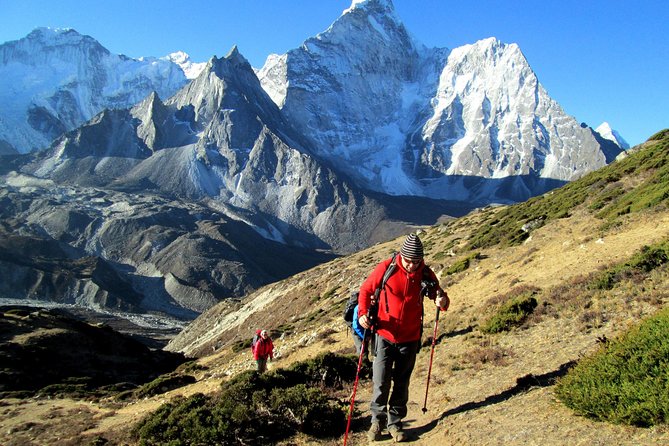
This trek offers an incredible mix of natural beauty, cultural experiences, and physical challenges. Starting from Kathmandu, trekkers embark on a journey that includes picturesque villages, lush forests, and towering mountain views.
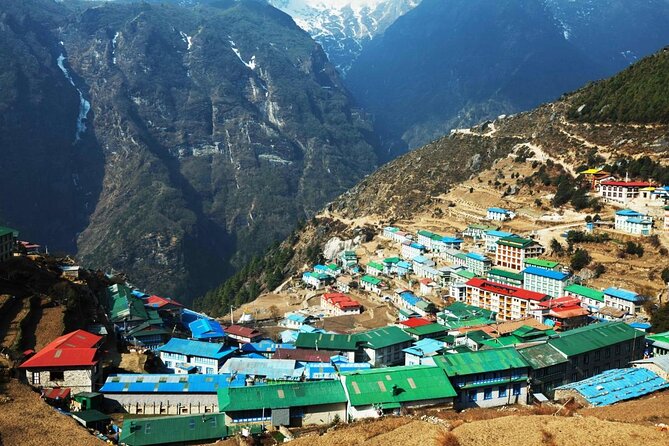
Along the route, they encounter ancient monasteries and experience the rich Sherpa culture. The trek typically spans around 12 to 14 days, allowing for proper acclimatization and exploration.
Trekkers should prepare for variable weather conditions and a moderate physical fitness level to fully enjoy this unforgettable experience in one of the most stunning regions on Earth.
You can also read our reviews of more hiking tours in Kathmandu


Tour Inclusions
Expect a comprehensive all-inclusive experience on the Everest Base Camp Trek, ensuring trekkers have everything they need for an unforgettable journey.
This trek includes 14 nights of accommodation, round-trip airfares, and all necessary entrance fees. Meals are well-planned as per the itinerary, providing 12 breakfasts, 11 lunches, and 11 dinners.
A professional guide leads the way, alongside porter services for comfort—two trekkers share one porter. Transport is covered by a private vehicle, and hotel pickup and drop-off make transitions smooth.
Plus, all local taxes and national park fees are included. Trekkers can also rest easy knowing excess luggage charges are handled when applicable, guaranteeing a hassle-free adventure in the breathtaking Himalayas.
Pickup and Start Details
Trekkers will be picked up from Tribhuvan Airport in Kathmandu, Nepal, at 05:15 AM to start their adventure. A representative will greet them at the arrival area, ensuring a smooth transition from flight to trek. Participants should have their booking confirmation handy for check-in.
After a brief introduction, the group will board a comfortable private vehicle for the journey ahead. This early start allows trekkers to make the most of their day, maximizing both travel and acclimatization time. It’s advisable to arrive a day or two earlier to recover from any jet lag.
Once everyone’s on board, the excitement builds as they head toward the stunning landscapes of the Everest region, ready for an unforgettable experience.
Accommodation and Meals
Accommodations during the Everest Base Camp Trek provide a comfortable retreat after a day of exploring, with a mix of local guesthouses and lodges designed to cater to trekkers’ needs. Most lodges offer shared rooms, ensuring a cozy atmosphere while allowing trekkers to meet fellow adventurers. Hot showers and charging facilities are often available, adding to the comfort.
When it comes to meals, trekkers can enjoy a variety of local and international dishes. Breakfast typically includes options like pancakes or eggs, while lunch and dinner often feature hearty Nepali staples such as dal bhat or momo. Vegetarian meals are available, but it’s best to inform the guides beforehand. Proper nutrition helps trekkers recharge for the next day’s journey.
Physical Requirements
A moderate physical fitness level is essential for participants aiming to tackle the Everest Base Camp Trek, as the journey involves challenging terrain and varying altitudes.
Trekkers should be comfortable walking for several hours each day, often on steep inclines. It’s helpful to engage in regular cardiovascular activities like hiking, running, or cycling in the months leading up to the trek.
Strength training, particularly for the legs and core, can also enhance endurance. While previous trekking experience isn’t mandatory, it certainly helps.
Hydration and acclimatization play crucial roles, so staying fit will aid in adjusting to high altitudes.
Ultimately, a positive attitude and determination can go a long way in conquering this unforgettable adventure.
- Private Kathmandu Sightseeing Tour – UNESCO World Heritage Sites
★ 5.0 · 756 reviews - Kathmandu: Private 7 UNESCO Heritage Sites Day Tour
★ 4.8 · 744 reviews - Everest Base Camp Helicopter Tour Stop at Everest View Hotel
★ 5.0 · 668 reviews - Half Day Cooking Class in Thamel Kathmandu
★ 5.0 · 607 reviews - Private Kathmandu Day Tour: 7 UNESCO Heritage Sites Tour
★ 5.0 · 415 reviews - Kathmandu: 7 UNESCO World Heritage Sites Private Day Tour
★ 4.9 · 406 reviews
Pricing Information
Understanding the pricing for the Everest Base Camp Trek is vital for planning this unforgettable adventure, especially for those with a moderate fitness level ready to tackle the challenges ahead.
Prices start from $1,650.00, but they can vary based on group size. This all-inclusive package covers 14 nights of accommodation, meals, necessary equipment, and professional guide services.
Travelers can also enjoy a lowest price guarantee and free cancellation up to six days before departure. With such great value, it’s no wonder this trek boasts a perfect 5.0 rating from 13 reviews.
Safety Considerations
How can trekkers ensure their safety while navigating the challenges of the Everest Base Camp Trek? Prioritizing safety is crucial, as the trek presents unique risks. Here are four essential considerations:
-
Acclimatization: Take time to adjust to the altitude, preventing altitude sickness.
-
Stay Hydrated: Drink plenty of water to combat dehydration, especially at higher elevations.
-
Follow Guidance: Listen to your guide’s instructions regarding pacing and safety protocols.
-
Proper Gear: Invest in quality trekking equipment, including sturdy boots and weather-appropriate clothing.
Customer Reviews
Trekkers rave about their experiences on the Everest Base Camp Trek, highlighting the breathtaking scenery and exceptional support from guides.
Many reviews emphasize the stunning landscapes, from towering peaks to serene valleys, making the trek unforgettable.
Travelers appreciate the all-inclusive package, which covers everything from accommodations to meals, ensuring a hassle-free adventure.
The guides receive high praise for their professionalism and knowledge, often going above and beyond to assist trekkers.
Porters are also commended for their hard work, allowing hikers to focus on the journey.
The trek boasts an impressive 5.0 rating from 13 reviews, with every trekker satisfied and eager to recommend this adventure to others.
It’s clear that the Everest Base Camp Trek offers a memorable experience.
Frequently Asked Questions
What Is the Best Time of Year for the Trek?
The best time for trekking typically falls between March to May and September to November. During these months, weather conditions are favorable, offering clearer skies and more pleasant temperatures, enhancing the overall trekking experience.
How Do I Prepare for Altitude Sickness?
To prepare for altitude sickness, she should hydrate well, ascend gradually, and consider acclimatization days. Staying physically fit and avoiding alcohol can also help her body adjust to higher elevations more effectively.
Are Travel Insurance and Vaccinations Required?
Travel insurance isn’t mandatory, but it’s highly recommended for safety. Vaccinations may not be required, yet staying current on routine vaccinations is wise. Travelers should consult healthcare professionals for personalized advice before any trip.
Can I Customize the Itinerary for My Group?
He can customize the itinerary for his group, allowing flexibility to suit preferences. It’s advisable to discuss specific needs with the tour provider, ensuring a tailored experience that meets everyone’s expectations and interests.
What Is the Policy on Tipping Guides and Porters?
The policy on tipping guides and porters typically suggests showing appreciation through gratuity. Travelers often tip based on service quality, generally ranging from 10-20% of the total trip cost, ensuring everyone feels valued and supported.
Everest Base Camp Trek
Recap
The Everest Base Camp Trek offers an incredible opportunity to experience the majesty of the Himalayas while immersing oneself in the vibrant Sherpa culture.
With well-planned itineraries, comfortable accommodations, and expert guidance, trekkers find the journey both rewarding and manageable.
By preparing physically and mentally, participants can relish the stunning landscapes and achieve a personal milestone.
Whether for adventure or the thrill of nature, this trek promises memories that will last a lifetime.


