
The Everest Base Camp Trek offers an unforgettable journey through stunning landscapes and rich Sherpa culture, making it a practical choice for adventurers of all levels. As trekkers meander through Sagarmatha National Park, they’ll encounter warm and welcoming locals in villages like Namche Bazaar, alongside breathtaking views of towering peaks. Amidst the excitement, many overlook crucial preparation steps that can significantly impact their experience. So, what should one consider before embarking on this iconic trek? The answers might just surprise them.
Key Points

- The Everest Base Camp Trek is a 14-day adventure through stunning landscapes and Sherpa culture, accessible for beginners with an easy trip grade.
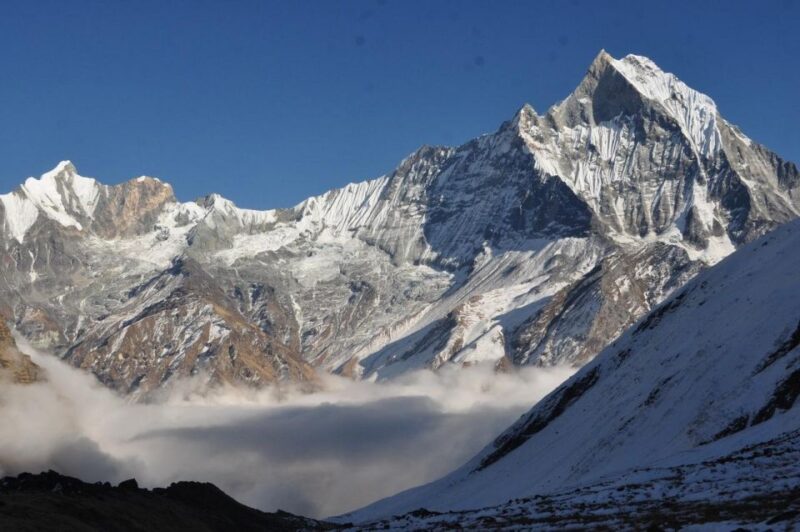
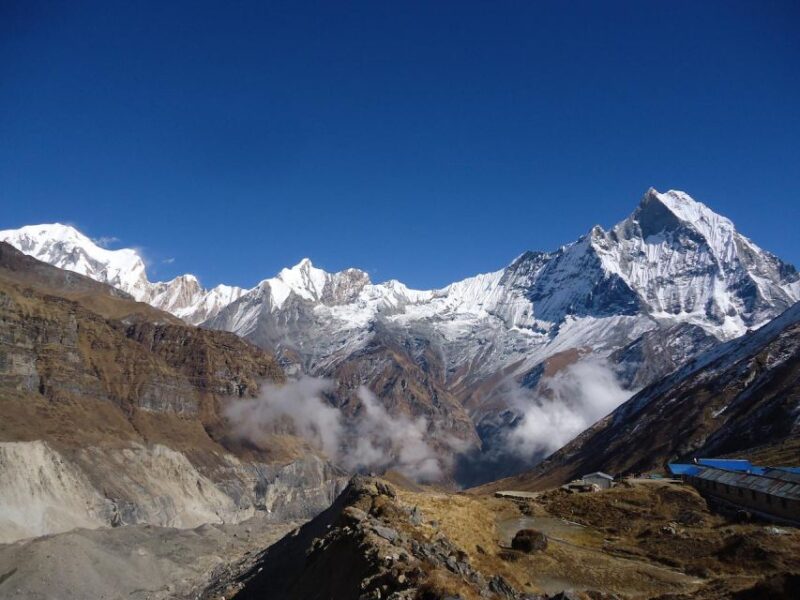
- Starting with a scenic flight to Lukla, the trek passes through Sagarmatha National Park, featuring iconic views of Mount Everest and surrounding peaks.
- Cultural immersion includes visits to ancient monasteries, traditional Sherpa villages like Namche Bazaar, and engaging with locals, enhancing the trekking experience.
- Proper acclimatization is essential due to maximum altitudes of 5,300 meters; awareness of altitude sickness is crucial for safety.
- Essential gear includes trekking boots, waterproof clothing, and a first aid kit, with thoughtful preparation ensuring a successful trek.
Trek Overview and Duration
The Everest Base Camp Trek is an unforgettable 14-day adventure that offers trekkers a chance to explore stunning landscapes and enjoy the rich Sherpa culture.
With a trip grade of easy, it’s accessible for many, making it a perfect choice for those new to trekking. Trekkers reach a maximum altitude of 5,300 meters, so it’s wise to acclimatize properly along the way.
The trek starts and ends with a scenic flight to Lukla, adding excitement right from the beginning.
Most importantly, travelers can enjoy engaging with the warm and hospitable Sherpas, learning about their customs and savoring traditional cuisine.
It’s an experience that blends adventure, culture, and breathtaking views, ensuring memories that last a lifetime.
You can also read our reviews of more hiking tours in Kathmandu


Itinerary Highlights
Trekkers can look forward to an unforgettable journey filled with incredible highlights, from exploring ancient monasteries in Tengboche to witnessing breathtaking sunrises at Kalapatthar.
The adventure kicks off with a scenic flight to Lukla, setting the stage for a thrilling trek through Sagarmatha National Park.
Along the way, trekkers will visit charming villages like Namche Bazaar and Dingboche, experiencing the warm hospitality of the Sherpa people.
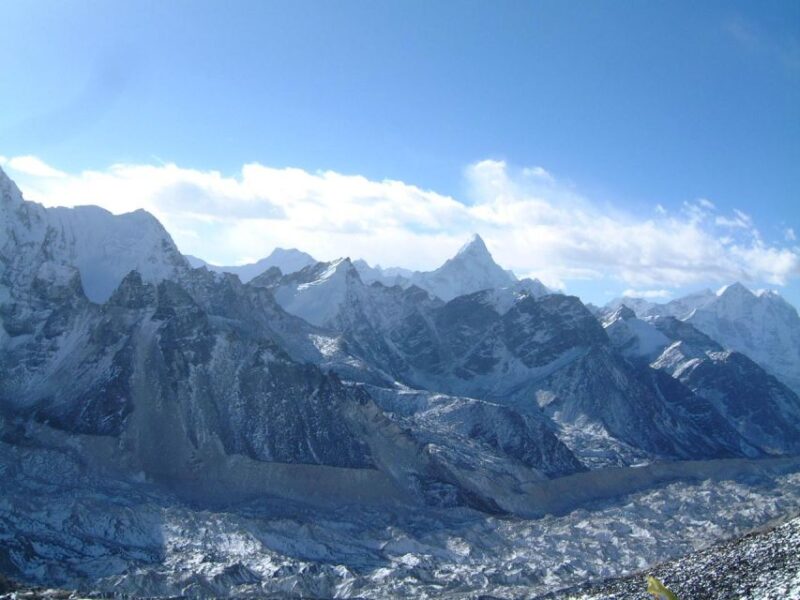
Each stop offers unique views of majestic peaks, including Ama Dablam and the towering Everest.
The trek also includes visits to Pangboche monastery, where trekkers can soak in the rich history and spiritual significance.
Every moment of this itinerary promises to create lasting memories for all adventurers.
Cultural Experience
Immersing oneself in the vibrant Sherpa culture enriches the Everest Base Camp Trek, offering travelers a chance to savor unique traditions, delicious cuisine, and the warm hospitality that defines these mountain communities.
Visitors can enjoy traditional Sherpa dishes like dal bhat, a hearty meal that fuels long trekking days. Engaging with locals in Namche Bazaar or Dingboche provides insights into their customs and daily life.
Don’t miss the chance to visit monasteries like Tengboche, where sacred rituals unfold. The cheerful nature of the Sherpa people makes every interaction memorable, reminding trekkers that these mountains aren’t just about breathtaking views but also about the bonds formed along the way.
Embrace the culture, and the experience will be truly fulfilling.
Natural Attractions
Breathtaking views of Mount Everest and its majestic neighbors captivate anyone journeying through the diverse landscapes of Sagarmatha National Park.
Along the trek, adventurers encounter iconic peaks like Lhotse, Makalu, and Island Peak, painting a stunning backdrop. Wildlife enthusiasts might even spot rare Musk deer, adding to the excitement of the experience.
The trek weaves through lush forests, glacial rivers, and serene lakes, offering a variety of scenery that keeps every step fresh and invigorating. For those who love photography, sunrise moments from Kalapatthar are simply unforgettable.
To fully appreciate these natural wonders, trekkers should take their time, breathe in the crisp mountain air, and allow the beauty to sink in. After all, it’s not just about reaching the destination!
More Great Tours NearbyHistorical Significance
As trekkers soak in the natural beauty of the Everest Base Camp trail, they also walk in the footsteps of history, following a route famously established by Sir Edmund Hillary and Sir Tenzing Norgay when they made their historic ascent on May 29, 1953. This trek not only leads to breathtaking views but also connects adventurers with the spirit of exploration that defined a generation.
| Year | Event | Significance |
|---|---|---|
| 1953 | First successful summit | Pioneered Everest climbing |
| 1960 | First ascent via the North Face | Expanded climbing routes |
| 1976 | First solo ascent | Highlighted individual achievement |
| 1982 | First woman summit | Inspired diversity in climbing |
| 2010 | First double ascent | Showcased advanced climbing skills |
Each step taken enriches their understanding of this monumental legacy.
- Private Kathmandu Sightseeing Tour – UNESCO World Heritage Sites
★ 5.0 · 756 reviews - Kathmandu: Private 7 UNESCO Heritage Sites Day Tour
★ 4.8 · 744 reviews - Everest Base Camp Helicopter Tour Stop at Everest View Hotel
★ 5.0 · 668 reviews - Half Day Cooking Class in Thamel Kathmandu
★ 5.0 · 607 reviews - Private Kathmandu Day Tour: 7 UNESCO Heritage Sites Tour
★ 5.0 · 415 reviews - Kathmandu: 7 UNESCO World Heritage Sites Private Day Tour
★ 4.9 · 406 reviews
Preparation Tips
When preparing for the Everest Base Camp Trek, trekkers should focus on physical fitness, gear selection, and understanding the unique cultural landscape they’ll encounter along the way.
It’s essential to build endurance and strength through regular hiking and cardio workouts. This trek isn’t just about the physical challenge; it’s also a cultural journey.
Trekkers should familiarize themselves with Sherpa traditions, as engaging with locals can enrich the experience. Learning a few basic Nepali phrases can also go a long way in connecting with the friendly Sherpas.
Lastly, staying informed about altitude sickness and acclimatization will help ensure a safer trek. By preparing thoughtfully, trekkers can fully embrace the adventure that lies ahead.
Essential Gear and Packing List
Packing for the Everest Base Camp Trek requires careful consideration of both essential gear and the unique conditions trekkers will face along the journey. To ensure a comfortable and safe experience, here’s a handy packing list:
| Essential Gear | Clothing | Accessories |
|---|---|---|
| Trekking boots | Base layers | Trekking poles |
| Sleeping bag | Waterproof jacket | Headlamp |
| First aid kit | Warm hat and gloves | Water bottle |
| Portable charger | Hiking pants | Sunglasses |
Trekkers should focus on layering clothing to adapt to changing weather. Engaging with local Sherpa culture can also enhance the experience, so consider bringing small gifts or snacks to share along the way.
Safety Considerations
Trekking to Everest Base Camp presents unique challenges, so it’s crucial for adventurers to prioritize safety by acclimatizing properly and staying aware of changing weather conditions.
Altitude sickness can hit unexpectedly, so taking it slow and listening to your body is essential. Regular hydration helps, too. It’s wise to check weather forecasts daily, as conditions can shift rapidly in the Himalayas.
Engaging with local Sherpas not only enriches the experience but also provides valuable insights on safety. They know the terrain and can offer tips on navigating tricky sections.
Remember, preparation is key—having a first-aid kit and understanding basic emergency procedures can make a world of difference.
Ultimately, respecting nature and its unpredictability will ensure a safer trek.
Frequently Asked Questions
What Is the Best Time of Year to Trek to Everest Base Camp?
When planning a trek, late spring and early autumn are ideal. These seasons offer clear skies and mild temperatures, allowing trekkers to enjoy breathtaking views while experiencing the rich local culture and warm Sherpa hospitality.
Are There Age Restrictions for Participating in the Trek?
There aren’t strict age restrictions for trekking, but participants should be reasonably fit. Many travelers around 10 to 70 enjoy the journey, embracing the Sherpa culture and breathtaking landscapes along the way. Flexibility’s key!
What Accommodations Are Available Along the Trek Route?
Along the trek route, travelers find cozy teahouses offering basic amenities, hearty meals, and a glimpse into local culture. They’ll often enjoy warm hospitality from the Sherpa hosts, making their journey even more memorable.
How Do I Stay Connected During the Trek?
To stay connected during the trek, he can use local SIM cards or portable Wi-Fi devices. Most teahouses offer Wi-Fi, though it might be slow. Embracing Sherpa hospitality, he’ll find warmth and camaraderie along the journey.
Is Travel Insurance Required for the Everest Base Camp Trek?
Travel insurance isn’t strictly required, but it’s highly recommended. It covers potential mishaps, ensuring peace of mind. Travelers often appreciate knowing they’re protected against unexpected events during their adventurous journeys.
Everest Base Camp Trek
Recap
To sum it up, the Everest Base Camp Trek is more than just a hike; it’s an unforgettable journey through stunning landscapes and vibrant Sherpa culture.
With proper preparation and the right gear, trekkers can enjoy every moment, from charming village encounters to breathtaking sunrises.
Embrace the adventure, stay mindful of safety, and connect with the rich history surrounding you.
It’s an experience that’ll leave you with lasting memories and a deeper appreciation for the majestic Himalayas.
You can check availability for your dates here:


