The Everest Base Camp Trek offers adventurers a unique opportunity to experience the majestic Himalayas while seeing the rich culture of the Sherpa people. Over the course of 12 to 16 days, trekkers traverse diverse landscapes, encounter local wildlife, and acclimatize to high altitudes, all guided by experienced professionals. As they approach the iconic base camp, anticipation builds, and the allure of the surrounding peaks becomes palpable. However, understanding the trek’s essential components, including health considerations and accommodations, can make all the difference in ensuring a fulfilling journey. What are the key aspects every trekker should know?
Key Points
- The Everest Base Camp Trek offers an iconic journey through stunning landscapes and charming Sherpa villages in Nepal.
- Typical trekking duration ranges from 12 to 16 days, including acclimatization days for altitude adaptation.
- Essential inclusions cover airport transfers, accommodation in Kathmandu, trekking permits, and experienced guides.
- The trek features highlights like Namche Bazaar, Tengboche Monastery, and Gorak Shep for immersive cultural experiences.
- Positive traveler reviews emphasize breathtaking views, well-organized itineraries, and warm hospitality in local tea houses.
Trek Overview
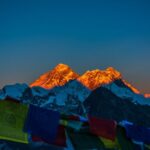
The Everest Base Camp Trek offers adventurers a thrilling journey through the stunning landscapes of Nepal, culminating in breathtaking views of the world’s highest peak. This iconic trek begins in Kathmandu, where trekkers prepare for an unforgettable experience.
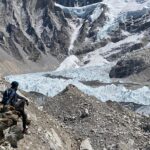
They traverse lush valleys, cross roaring rivers, and ascend through charming Sherpa villages, absorbing rich cultural heritage along the way. The trek navigates the Sagarmatha National Park, home to diverse flora and fauna, and provides ample opportunities for wildlife spotting.
Trekkers often encounter yaks and local porters while enjoying traditional Nepali meals in cozy tea houses. As they venture higher, the air thins, but the camaraderie and sense of achievement drive them forward, making it an adventure of a lifetime.
You can also read our reviews of more hiking tours in Kathmandu
Itinerary and Schedule
Typically, trekkers embark on a carefully planned itinerary that spans 12 to 16 days, allowing for an immersive experience in the breathtaking landscapes leading to Everest Base Camp.
The journey usually begins with a flight from Kathmandu to Lukla, followed by daily treks through charming Sherpa villages and stunning mountain scenery. Each day’s schedule includes ample time for acclimatization, ensuring trekkers adapt to the altitude while enjoying their surroundings.
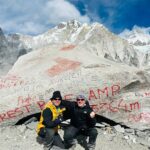
Highlights of the itinerary often feature stops at Namche Bazaar, Tengboche Monastery, and Gorak Shep, culminating in the iconic Base Camp. Along the way, experienced guides provide insights into local culture and geography, enriching the trek further.
This structured approach ensures a rewarding and memorable adventure for all participants.
Essential Inclusions
What essential inclusions enhance the Everest Base Camp trekking experience? These carefully curated elements ensure trekkers enjoy a seamless journey while seeing the stunning landscapes of Nepal. Participants can expect:
-
Airport/hotel pick-up and drop-off via private vehicle
-
Accommodation in Kathmandu, including breakfast for two nights
-
All necessary trekking permits
-
Experienced, government-licensed trekking guide
-
Standard meals during the trek, including 13 breakfasts
With these inclusions, trekkers can focus on the breathtaking views and cultural experiences without the hassle of logistics.
This thoughtful approach allows everyone to fully appreciate the adventure while feeling supported throughout their journey to Everest Base Camp.
Health and Safety
Health and safety considerations play a vital role in ensuring trekkers have a rewarding experience on the Everest Base Camp trek, as they navigate both the physical challenges and the environmental conditions of the Himalayas.
Trekking at high altitudes increases the risk of altitude sickness, so acclimatization days are essential. Trekkers should also maintain strong physical fitness levels to handle the demanding terrain.
It’s crucial to stay hydrated and consume nutritious meals throughout the journey. Plus, trekkers must follow safety guidelines, including using proper gear and being aware of weather changes.
Those with serious medical conditions or back problems should consult a doctor before embarking on this adventure.
Ultimately, prioritizing health and safety leads to a more enjoyable trekking experience.
Pricing Details
The starting price for the Everest Base Camp Trekking experience is $1,400.00, ensuring a private tour exclusively for your group. This pricing includes numerous features that enhance the trekking experience, making it a valuable investment.
Key inclusions are:
- Airport/hotel transfers by private vehicle
- Two nights of accommodation in Kathmandu with breakfast
- Round-trip flights between Kathmandu and Lukla
- All trekking permits and guide services
- Standard meals during trekking, along with hot showers
Plus, travelers benefit from a lowest price guarantee and free cancellation up to 24 hours before the experience starts.
With an impressive 5.0 overall rating based on 9 reviews, participants can feel confident in their decision to embark on this unforgettable adventure.
- Private Kathmandu Sightseeing Tour – UNESCO World Heritage Sites
★ 5.0 · 756 reviews - Kathmandu: Private 7 UNESCO Heritage Sites Day Tour
★ 4.8 · 744 reviews - Everest Base Camp Helicopter Tour Stop at Everest View Hotel
★ 5.0 · 668 reviews - Half Day Cooking Class in Thamel Kathmandu
★ 5.0 · 607 reviews - Private Kathmandu Day Tour: 7 UNESCO Heritage Sites Tour
★ 5.0 · 415 reviews - Kathmandu: 7 UNESCO World Heritage Sites Private Day Tour
★ 4.9 · 406 reviews
Accommodation Options
Travelers can expect comfortable accommodation options during the Everest Base Camp Trekking experience, which include stays in lodges and tea houses throughout the trek.
These lodgings provide a cozy atmosphere, enabling trekkers to rest and recharge after a long day of hiking. Most tea houses offer basic amenities such as beds, shared bathrooms, and dining areas where guests can enjoy hearty meals.
While some lodges may vary in quality, they generally provide essential comforts and warmth, allowing hikers to enjoy the stunning mountain scenery.
Plus, many lodges have friendly staff who share local knowledge and stories, enhancing the overall trekking experience.
Meeting and Pickup Process
Upon arrival in Kathmandu, guests will enjoy a seamless pickup process from the international airport to their hotel, ensuring a stress-free start to their Everest Base Camp adventure. The process is designed for convenience and comfort, allowing travelers to settle in quickly.
Key highlights of the pickup process include:
-
A private car or van for a comfortable ride
-
Pickup from a pre-selected point
-
Efficient travel time of about 30 minutes
-
A friendly driver who assists with luggage
-
A start time of 08:22 PM for evening arrivals
This thoughtful arrangement allows trekkers to focus on the thrilling journey ahead rather than the logistics of their arrival. It sets the tone for a memorable experience in the Himalayas.
Traveler Experiences and Reviews
Following the smooth pickup experience, trekkers often share their excitement and satisfaction with the Everest Base Camp journey, reflecting on the breathtaking landscapes and camaraderie built along the trail.
Many travelers rave about the stunning vistas, from soaring peaks to picturesque villages. They appreciate the well-organized itinerary and the support provided by experienced guides and porters, which enhances their overall experience.
Reviewers frequently highlight the warm hospitality in tea houses and the delicious local cuisine that fuels their trek.
With an impressive overall rating of 5.0, it’s clear that most trekkers leave with unforgettable memories and a sense of accomplishment, eager to recommend this adventure to others seeking an extraordinary travel experience.
Frequently Asked Questions
What Should I Pack for the Everest Base Camp Trek?
For a challenging trek, she should pack layered clothing, a sturdy backpack, trekking poles, a first-aid kit, snacks, a water bottle, and essential toiletries. Staying warm and prepared is crucial for her adventure.
Are There Any Age Restrictions for Participants?
The trek doesn’t impose strict age restrictions, but participants should possess a strong physical fitness level. Guides often recommend that younger trekkers have adequate experience, while older adventurers should consult their healthcare providers before joining.
Can I Hire Additional Porters or Guides?
Yes, travelers can hire additional porters or guides for their journey. This option enhances support and ensures a smoother experience. Tour organizers usually accommodate these requests, making arrangements according to individual needs and preferences.
What Type of Food Is Available During the Trek?
During the trek, participants enjoy standard meals, including breakfast and lunch, featuring local dishes. They can expect options like rice, lentils, vegetables, and occasional treats like tea, coffee, and cold drinks throughout their journey.
Is Travel Insurance Required for This Trek?
Travel insurance isn’t required, but it’s highly recommended. It protects against unexpected events like cancellations or medical emergencies. Many participants choose to secure it for peace of mind during adventurous treks in remote regions.
Everest Base Camp Trekking
Recap
To sum it up, the Everest Base Camp Trek offers an unparalleled adventure for those seeking both natural beauty and cultural richness.
With a well-structured itinerary, experienced guides, and a variety of accommodation options, trekkers are well-equipped for the journey.
As they navigate the stunning landscapes and charming Sherpa villages, they’ll create unforgettable memories.
Whether you’re a seasoned trekker or a beginner, this experience promises to inspire and captivate every adventurer’s spirit.