Fado, the soulful musical genre of Portugal, has deep roots in the gritty streets of 19th century Lisbon. Born in marginalized neighborhoods like Mooraria, this evocative style emerged from the narratives of outcasts – sailors, thieves, and sex workers. Its melancholic melodies and poetic lyrics capture the raw emotions and harsh realities of urban life, reflecting themes of saudade and cultural resilience. While fado‘s connection to society’s underside may surprise some, it’s this very essence that has transformed it into a powerful expression of the human experience.
Good To Know
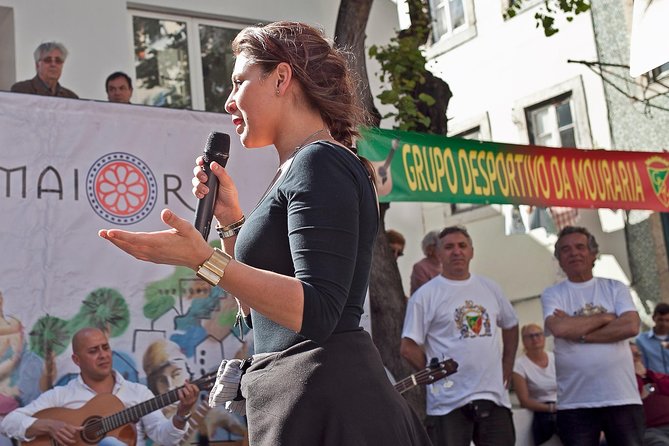
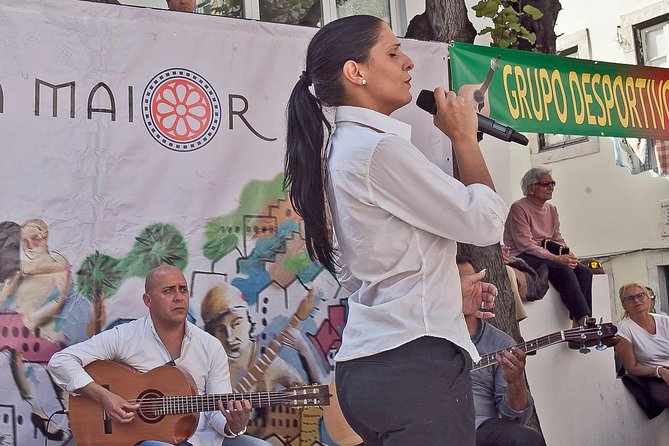

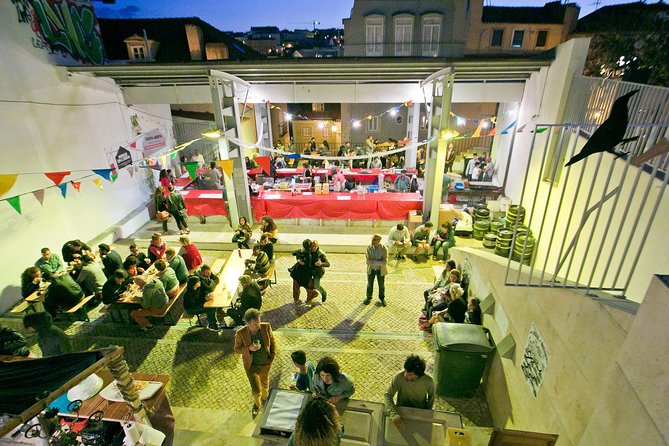
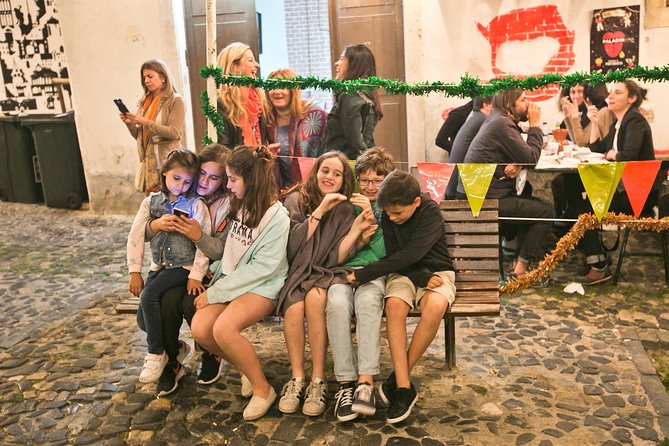
- Fado emerged from the marginalized communities of 19th century Lisbon, reflecting the struggles and hardships of urban working-class life.
- The melancholic musical genre gained popularity for its raw, emotive style and lyrical themes of loss, longing, and cultural identity.
- Fado’s association with the criminal underworld and Lisbon’s sex trade contributed to its edgy reputation and gritty authenticity.
- Fado lyrics evoke vivid imagery and cultural nuances, inviting empathy towards the joys and sorrows of the marginalized people.
- The guided tour offers an immersive exploration of fado’s rich cultural heritage and its connection to Lisbon’s urban poetry.
Exploring Fado’s Origins
Although fado music has become synonymous with the vibrant streets of Lisbon, its origins actually trace back to the city’s darker corners and the lives of its most marginalized residents.
Emerging in the early 19th century, fado was born in the dimly lit alleys and taverns of Lisbon’s working-class neighborhoods, where sailors, thieves, and sex workers found solace in melancholic songs that reflected their daily struggles.
The music’s raw, emotive style and lyrical themes of loss, longing, and the harsh realities of urban life quickly gained popularity, becoming a means for the city’s outcasts to express their experiences and forge a shared cultural identity.
You can also read our reviews of more tours and experiences in Lisbon.



Mooraria Neighborhood’s Vibrant Culture
Nestled in the heart of Lisbon, the Mooraria neighborhood is a vibrant tapestry of diverse cultures and traditions.
Once home to marginalized communities, this historic district has evolved into a hub of artistic expression and musical heritage. The winding streets are dotted with hole-in-the-wall fado houses, where the soulful strains of Portugal’s national music echo through the night.
Locals and visitors alike gather to enjoy the raw, emotive performances that capture the essence of Mooraria’s gritty past and resilient spirit.
From the colorful street art to the lively bars and eateries, this neighborhood offers a glimpse into Lisbon’s rich cultural fabric, where the stories of thugs, whores, and urban poets come alive.
Fado Performers and Venues
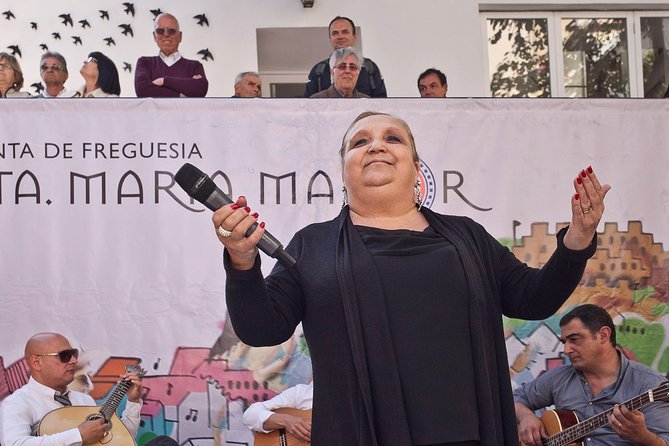
Fado performers captivate audiences with their passionate renditions of this quintessential Portuguese musical genre. Dressed in traditional black attire, they pour their hearts into soulful ballads that tell stories of loss, longing, and the struggles of urban life.
Renowned fado houses, like the iconic Casa de Linhares, host nightly performances where patrons can enjoy the raw emotion of this captivating art form. Emerging artists as well as seasoned veterans take the stage, each bringing their unique interpretations and vocal prowess to the fore.
Whether in an intimate venue or an open-air setting, fado performances offer a spellbinding window into Portugal’s rich cultural heritage.
Appreciating Fado’s Poetic Lyrics
The poetic lyrics of fado captivate listeners, transporting them into the raw emotions and lived experiences of Portugal’s urban working class. Infused with themes of saudade (a profound longing), melancholy, and lost love, fado lyrics evoke a sense of nostalgia and the struggles of daily life.
Some key elements that contribute to the poetic nature of fado include:
- Vivid imagery and metaphors
- Emotive language and vocal delivery
- References to iconic Lisbon neighborhoods and landmarks
- Incorporation of Portuguese idioms and cultural nuances
Through these poetic devices, fado lyrics connect listeners to the heart and soul of Portuguese culture, inviting them to empathize with the joys, sorrows, and resilience of the people.
Fado’s Relationship With Thugs
While the poetic lyrics of fado evoke the trials and tribulations of Portuguese life, the music’s relationship with the criminal underworld is equally compelling.
Fado’s rise in the late 19th century coincided with the growth of urban criminality in Lisbon. Many early fado performers hailed from the Mouraria district, a notorious slum rife with prostitution and gang activity.
Fado’s dark, melancholic sound and themes of loss and resignation resonated with the disenfranchised, including thugs and other marginalized figures. This association gave fado an edgy, subversive reputation, further cementing its status as the voice of Portugal’s downtrodden.
Even today, the genre’s links to Lisbon’s criminal past lend it an air of gritty authenticity.
- Lisbon: Sintra, Pena, Regaleira, Cabo da Roca & Cascais
★ 4.7 · 19,656 reviews - Lisbon Card: 24, 48, or 72-Hour Pass
★ 4.5 · 17,944 reviews - Lisbon: Jerónimos Monastery Entrance Ticket
★ 4.1 · 14,164 reviews - Lisbon: History, Stories and Lifestyle Walking Tour
★ 4.8 · 10,902 reviews - Lisbon: Sunset Boat Party Cruise with DJ and Open Bar
★ 4.5 · 10,378 reviews - Lisbon: Pena Palace, Sintra, Cabo Da Roca, & Cascais Daytrip
★ 4.7 · 9,981 reviews
Fado’s Connection to Prostitution
Alongside fado’s rise in the late 19th century, the music’s association with Lisbon’s thriving sex trade also took root.
Fado’s melancholic melodies and lyrics about lust, desire, and fallen women resonated with the underworld of the city’s brothels and cabarets.
Some key factors contributing to this connection:
-
Fado’s ability to capture the emotions and struggles of marginalized communities.
-
The presence of fado houses within red-light districts, where the genre flourished.
-
The participation of sex workers in fado performances, adding to the music’s sensual undertones.
-
The perception of fado singers as outcasts and social pariahs, mirroring the status of prostitutes.
This intertwining of fado and prostitution cemented the genre’s reputation as the "urban poetry" of Lisbon’s seedy underbelly.
Guided Tour Highlights
Despite fado’s storied connection to the sex trade in Lisbon, this guided tour focuses on the genre’s rich cultural heritage and urban poetry. Visitors can expect a private tour with a local guide who is also a professional photographer, providing an immersive experience. The tour includes alcoholic beverages but no food or drink offers. Transportation via bicycle or air-conditioned vehicle is available. Accessibility is limited, as the tour is not wheelchair-accessible, though service animals are allowed. The tour give you an informative and insightful look into the heart of fado culture in Lisbon.
| Tour Features | Details |
|---|---|
| Private tour with local guide | Professional local photographer guide |
| Alcoholic beverages included | No food or drink offers |
| Use of bicycle and air-conditioned vehicle available | Meeting and end points specified |
Booking and Accessibility Information
Confirmation is received at the time of booking for this tour. The lowest price is guaranteed, and guests can reserve now and pay later.
While the tour isn’t wheelchair accessible, service animals are allowed, and it’s located near public transportation. Most travelers can participate, provided they don’t have any serious medical conditions.
The tour booking process is designed with flexibility in mind:
- Convenient confirmation at the time of booking
- Lowest price promise for a stress-free experience
- Reserve now, pay later option for added convenience
- Accessibility considerations for a diverse audience
Frequently Asked Questions
Can I Bring My Own Alcoholic Beverages on the Tour?
No, the tour does not allow participants to bring their own alcoholic beverages. The tour includes alcoholic beverages as part of the experience, so bringing your own is not permitted.
Do I Need to Know Portuguese to Understand the Fado Lyrics?
No, you don’t need to know Portuguese to understand the fado lyrics. The tour guide will provide translations and explanations of the poetic verses, allowing you to fully appreciate the emotional depth and cultural significance of this traditional Portuguese music.
How Much Time Is Spent on the Bicycle Versus the Air-Conditioned Vehicle?
The tour overview doesn’t specify the exact time spent on bicycles versus air-conditioned vehicles. However, it does mention these transportation options are available, suggesting they may be used at different points during the tour.
Is There a Discount for Booking the Tour With a Larger Group?
The tour price varies by group size, but there’s no explicit mention of a group discount. The price starts at $27.46 per person, suggesting larger groups may benefit from a lower per-person rate.
Can I Extend the Tour Duration or Add Additional Activities?
While the tour duration can’t be extended, guests can add activities like a live fado performance or port wine tasting for an additional fee. The tour’s focus is on exploring the cultural history of fado in Lisbon.
Fado – a Story of Thugs, Whores and Urban Poetry
The Sum Up
Fado’s raw emotions and evocative lyrics reflect the gritty realities of 19th century Lisbon, emerging from marginalized neighborhoods like Mooraria. Its melancholic melodies capture the struggles of outcasts, transforming the harsh experiences of urban life into poignant expressions of cultural identity and resilience. Fado’s unique blend of thugs, whores, and urban poetry has become an integral part of Portugal’s cultural heritage.