Alentejo, a vast and sparsely populated region of Portugal, offers visitors a chance to enjoy the country’s rich rural traditions. From the sprawling estates and olive groves to the time-honored winemaking and olive oil production, this unspoiled corner of the country promises a profound connection to the land and its enduring agricultural practices. Whether it’s guided tractor tours, encounters with the revered Lusitano horses, or savoring the region’s hearty, locally-sourced cuisine, Alentejo transports travelers to a tranquil, time-honored realm that’s waiting to be discovered.
Key Points
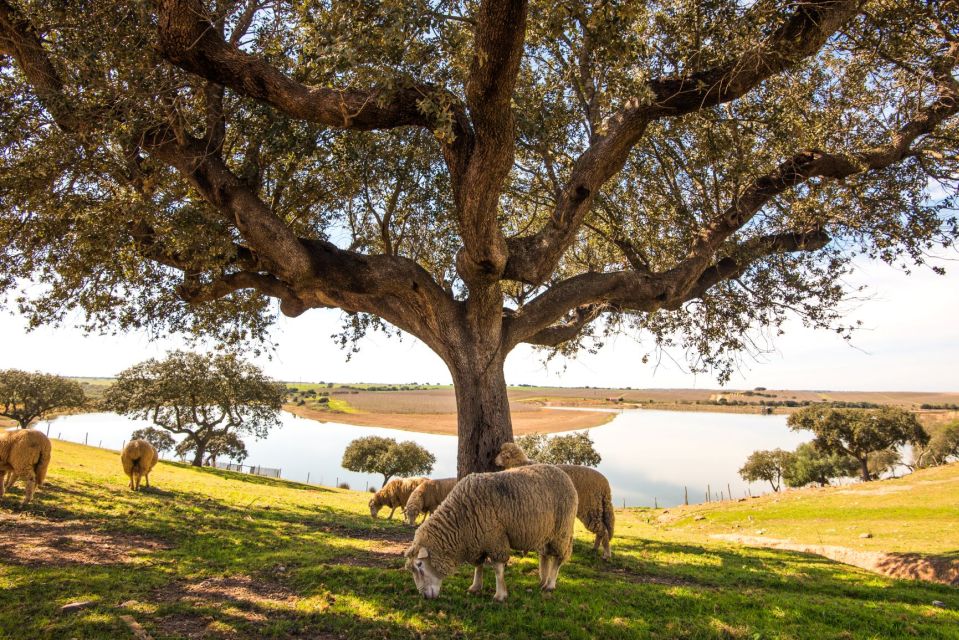

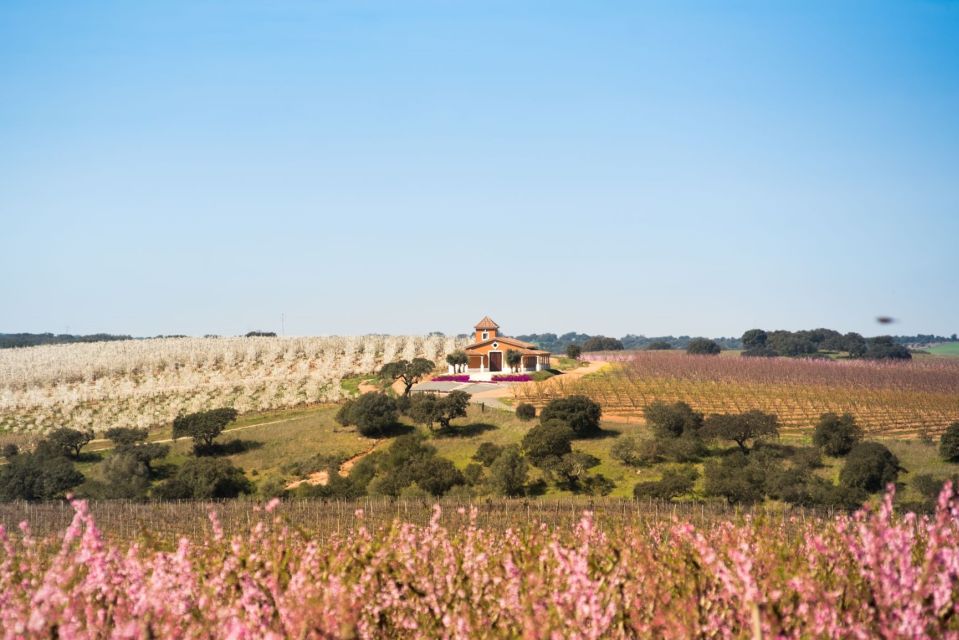
• Enjoy the tranquil, rural ambiance of Alentejo’s vast plains, rolling hills, olive groves, and vineyards to experience the region’s unhurried pace of life.
• Discover the traditional agricultural practices and local production methods of Alentejo’s renowned wine and olive oil through guided tours and tastings.
• Engage with the region’s rich cultural heritage by interacting with the Lusitano horse breed, an integral part of Portugal’s history and legacy.
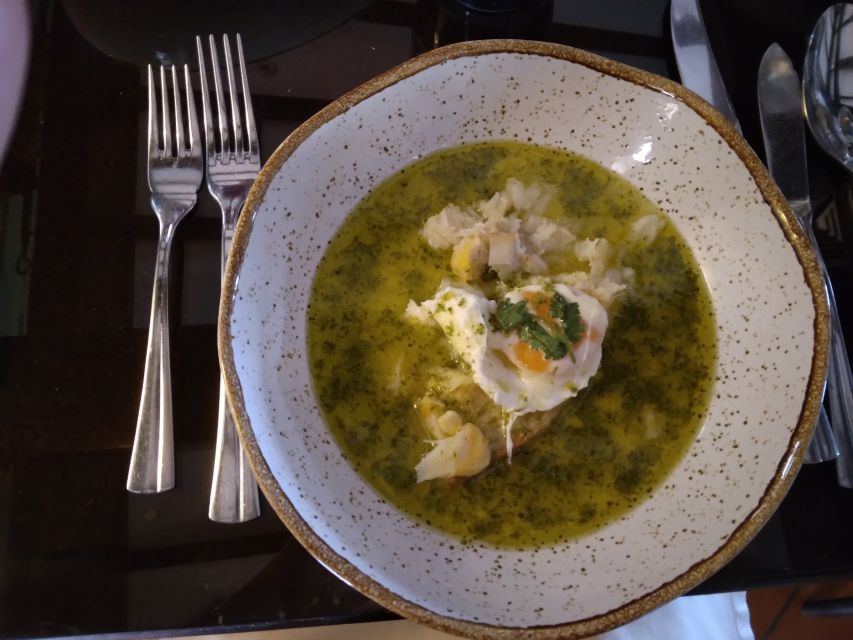
• Savor the authentic flavors of Alentejo’s renowned cuisine, featuring locally-sourced ingredients and time-honored cooking techniques that tell the story of the region’s deep-rooted food culture.
• Gain a deeper appreciation for the unspoiled natural beauty and strong sense of place that defines Alentejo, a unique and captivating region of Portugal.
You can check availability for your dates here:Overview of Alentejo Region
Alentejo is a vast and rural region in southern Portugal, occupying around a third of the country’s territory. It’s characterized by endless plains and a low population density.
This sparsely populated area offers a tranquil escape from the bustling cities. Visitors can enjoy the region’s natural beauty, from the rolling hills to the olive groves and vineyards that dot the landscape.
The pace of life here is slower, allowing travelers to enjoy the local culture and traditions. Whether you’re seeking a peaceful retreat or an adventure, Alentejo’s unspoiled charm and rich heritage make it a captivating destination.
You can also read our reviews of more tours and experiences in Portugal.


Discovering Herdade Da Figueirinha
Visitors to the Herdade da Figueirinha estate will start their experience with a welcome drink and a brief introduction to the day’s activities.
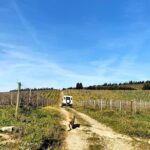
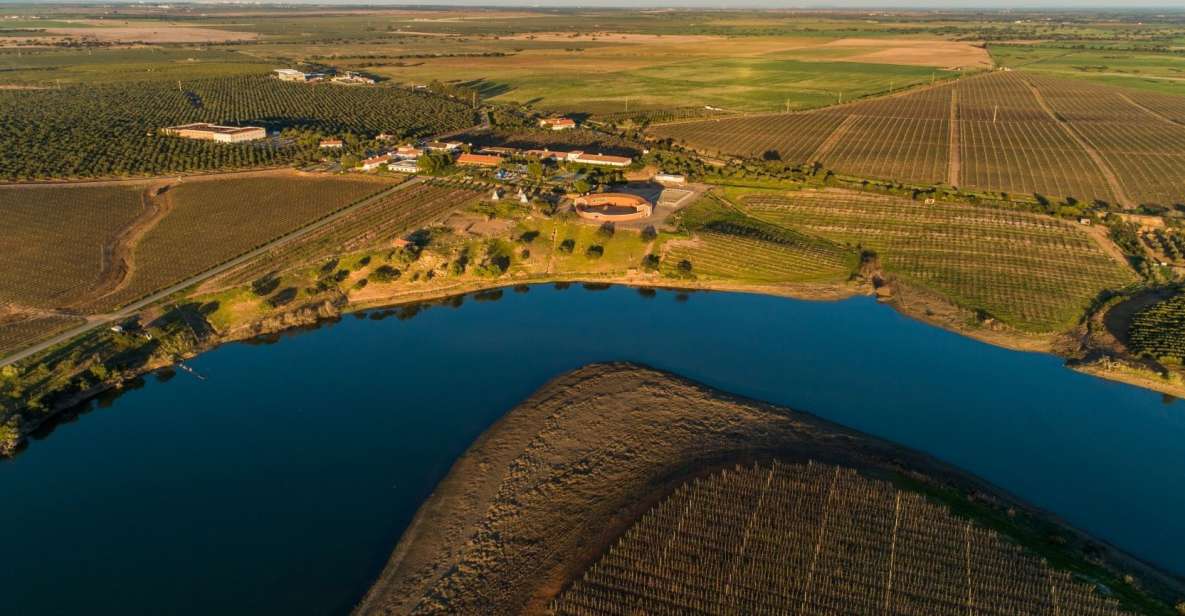
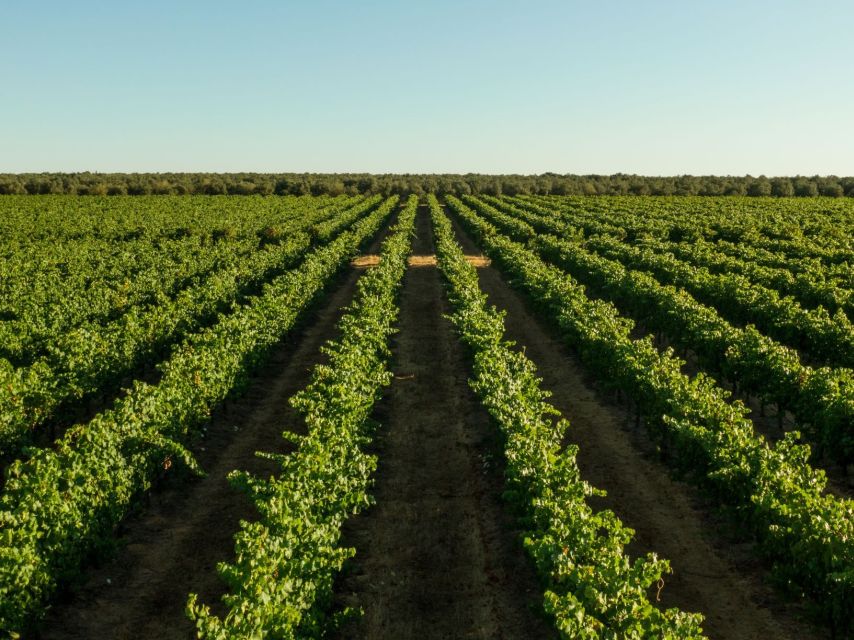
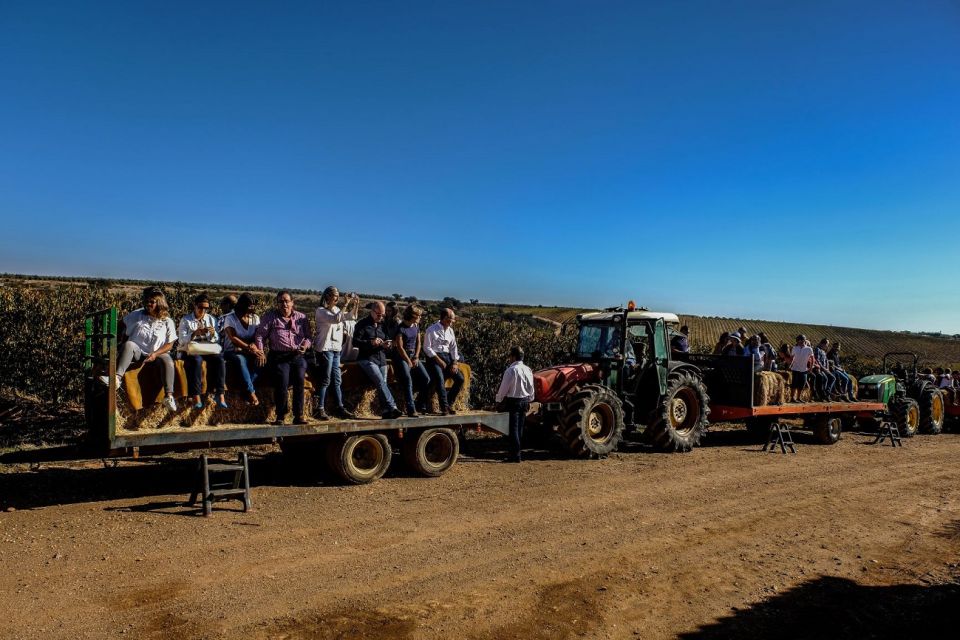
They’ll then hop aboard a tractor for a guided tour, discovering the impressive scale of this sprawling property.
The tour will take them through the vineyards and olive groves, allowing them to glimpse the farm’s domestic animals like horses and cows up close.
Throughout the experience, guests will gain valuable insights into the estate’s operations and the traditional agricultural practices that have shaped the Alentejo region for centuries.
It’s an immersive way to truly feel the essence of this unspoiled, rural part of Portugal.
Exploring Local Produce
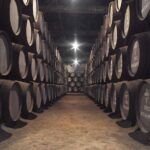
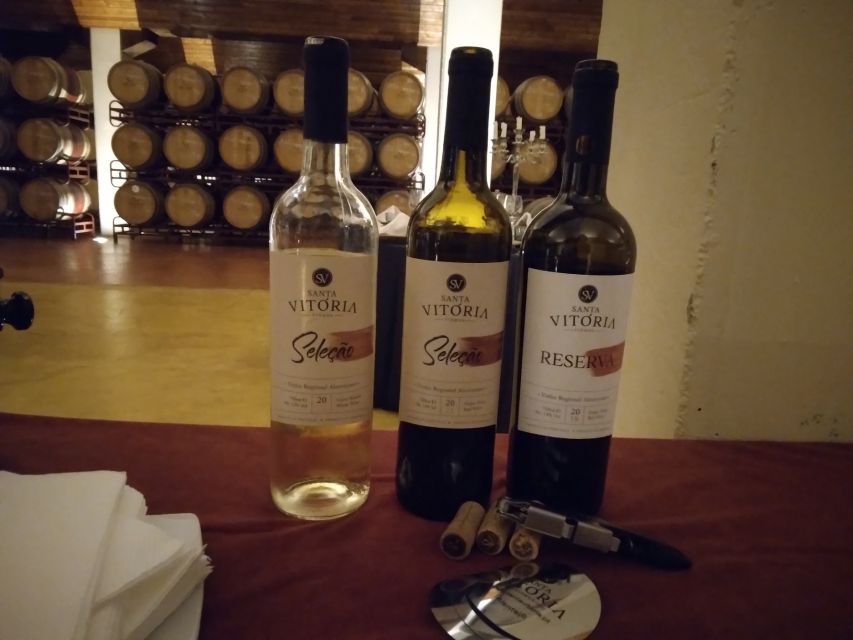
Next, the tour includes visits and tastings at a local winery (Santa Vitória) and an olive oil producer.
Here, you will deepen their understanding of the region’s renowned agricultural products – wine and olive oil – by witnessing their traditional production methods firsthand.
At the winery, they’ll learn about the care and attention that goes into crafting the region’s renowned vintages. Similarly, the olive oil producer will showcase the centuries-old techniques used to extract the liquid gold from the region’s ancient olive groves.
Through these hands-on experiences, visitors gain a newfound appreciation for Alentejo’s rich culinary heritage and the dedication of its artisanal producers.
Lusitano Horse Breed
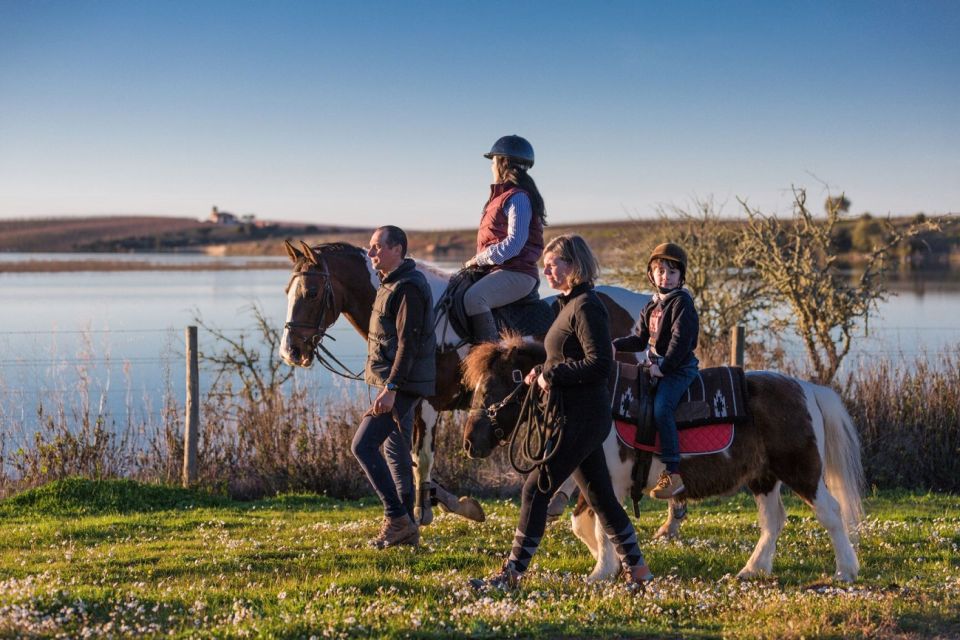
The tour will include a stop at the horse stables to learn about the Lusitano, a Portuguese horse breed that’s the oldest saddle horse in the world and prominent in international competitions.
These majestic animals are known for their intelligence, gentle disposition, and athletic prowess. Visitors will have a chance to admire their graceful movements and learn about the breed’s rich history.
The Lusitano has been an integral part of Portugal’s cultural heritage for centuries, prized for its versatility in various equestrian disciplines. Seeing these magnificent horses up close is sure to be a highlight of the Alentejo experience, offering a deeper connection to the region’s rural traditions.
More Great Tours NearbyAlentejo Cuisine
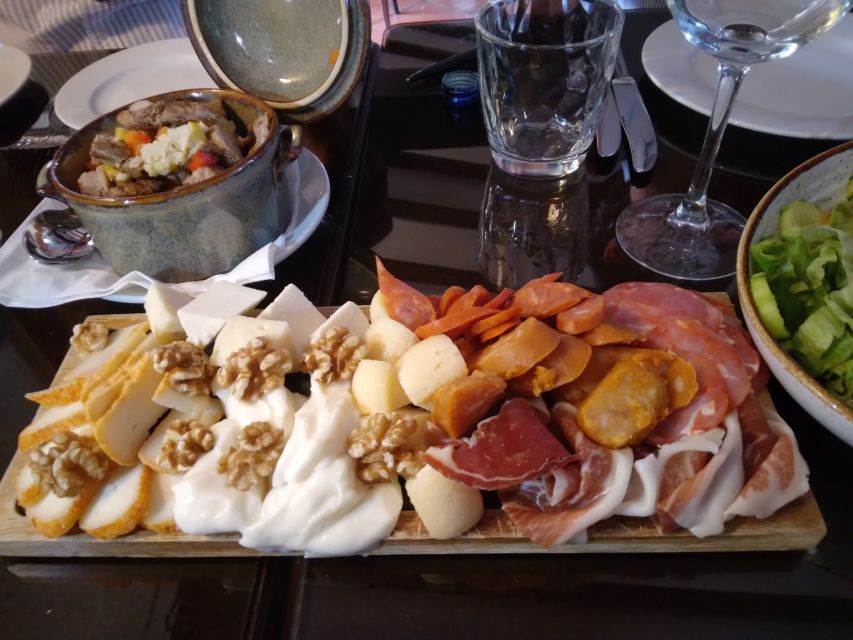
At the heart of the Alentejo experience is the region’s renowned cuisine, a culinary tradition steeped in centuries-old recipes and the bounty of the land. The essence of Alentejo’s gastronomy lies in its simplicity, where the fundamental trio of bread, olive oil, and aromatic herbs take center stage.
Visitors can expect to savor:
- Hearty stews and casseroles made with locally-sourced meats and vegetables
- Fragrant rice dishes infused with saffron and other spices
- Rustic bread served alongside rich, peppery olive oils
- Decadent desserts featuring almonds, figs, and honey
This authentic, farm-to-table experience offers a delicious window into the soul of Alentejo, where every bite tells a story of the region’s deep-rooted food culture.
- Sintra: Pena Palace and Park Entrance Ticket
★ 4.2 · 17,410 reviews - Lisbon: Jerónimos Monastery Entrance Ticket
★ 4.1 · 14,164 reviews - Porto: Six Bridges Cruise
★ 4.2 · 11,680 reviews - Portimão: Benagil Caves Speed Boat Tour with Sunset Option
★ 4.8 · 11,663 reviews - Lisbon: History, Stories and Lifestyle Walking Tour
★ 4.8 · 10,902 reviews - Albufeira: 2.5-Hour Benagil Caves & Dolphin Watching
★ 4.6 · 10,710 reviews
Tractor Tour
After savoring the flavors of Alentejo’s renowned cuisine, visitors move on to explore the Herdade (estate) through a tractor tour, where they’ll discover the region’s natural bounty firsthand. Aboard the tractor, they’ll traverse the vast vineyards, olive groves, and pastures, taking in the sweeping vistas. Along the way, they’ll spot the estate’s friendly horses, cows, and other domestic animals, learning about the Lusitano breed and the importance of these creatures to the local way of life.
| Vineyard | Olive Grove | Pasture | Stables |
|---|---|---|---|
| Lush rows of grapevines | Verdant groves of olive trees | Rolling meadows | Stately Lusitano horses |
| Harvesting techniques | Oil production process | Grazing livestock | Breed history |
| Wine tasting opportunity | Olive oil sampling | Animal husbandry | Equestrian demonstrations |
| Sustainable practices | Centuries-old traditions | Self-sufficient ecosystem | Cultural significance |
Winery and Olive Oil Visit
Next, visitors eagerly explore a local winery and olive oil producer, eager to discover the origins of these iconic Alentejo products.
At the winery, they learn about the region’s distinctive grape varieties and traditional winemaking techniques that produce bold, full-bodied reds and crisp, refreshing whites.
The olive oil visit offers insights into the artisanal process:
- Handpicking the olives at peak ripeness
- Gently pressing the fruit to extract the precious oil
- Ensuring optimal acidity and flavor through meticulous quality control
- Showcasing the versatility of this liquid gold in Alentejo’s celebrated cuisine
Throughout, visitors savor the flavors that capture the essence of this sun-drenched, rural landscape.
Cork Production Insights
The tour then moves on to explore another of Alentejo’s storied natural resources – cork. As the world’s largest producer of cork, Portugal takes immense pride in this versatile material that has long been integral to the region’s economy and culture.
Visitors get an up-close look at the cork harvesting process, learning how the bark of the cork oak tree is carefully stripped away by hand every 9 years without harming the tree. They’ll discover cork’s many uses, from wine stoppers to insulation and even fashion accessories.
The guide explains why cork production is a sustainable practice, highlighting how it supports local communities and protects the region’s unique Mediterranean woodlands.
Frequently Asked Questions
What Is the Weather Like in the Alentejo Region Throughout the Year?
The Alentejo region enjoys a Mediterranean climate with hot, dry summers and mild, rainy winters. Temperatures range from around 15°C in winter to over 30°C in summer. The region has low rainfall, making it ideal for agriculture and outdoor activities year-round.
Are There Any Popular Hiking Trails or Outdoor Activities in the Region?
The Alentejo region offers numerous hiking trails through its vast plains and rolling hills. Visitors can explore the region’s natural beauty on foot, spotting wildlife and taking in panoramic views. Popular outdoor activities include horseback riding and cycling as well.
What Are the Best Times of Year to Visit the Alentejo Region?
The best times to visit Alentejo are spring and fall when the weather’s mild. Summer’s hot, while winters can be cool and wet. Travelers can enjoy outdoor activities like hiking, visiting wineries, and exploring the region’s natural beauty during the shoulder seasons.
Are There Any Cultural Festivals or Events That Take Place in the Region?
The Alentejo region hosts several cultural festivals throughout the year. Notable events include the Feira de São João in Portalegre, the Festa dos Tabuleiros in Tomar, and the Festa da Vindima, a grape harvest festival in various towns.
What Are the Transportation Options for Getting Around the Alentejo Region?
The Alentejo region offers several transportation options. Visitors can rent a car to explore the countryside at their own pace. Guided tours by bus or tractor are also available, providing a more immersive experience with local insights.
Feeling the Essence of Alentejo
Recap
Alentejo’s timeless allure captivates visitors, transporting them to a tranquil realm steeped in Portugal’s rural traditions.
Immersive experiences like tractor tours and encounters with Lusitano horses forge profound connections to the land.
Savoring the region’s hearty, locally-sourced cuisine deepens one’s appreciation for Alentejo’s centuries-old culinary heritage, painting a vivid picture of this unspoiled, unhurried corner of Portugal.
You can check availability for your dates here: