
When it comes to the flavor and taste of Provence, one can’t help but appreciate the region’s dedication to fresh, seasonal ingredients. The vibrant colors of local markets reflect the essence of Provençal cuisine, where fragrant herbs and sun-kissed vegetables create dishes that tell a story. From ratatouille to bouillabaisse, each bite invites a deeper exploration of the cultural influences that shape these meals. But what about the wines and olive oils that perfectly complement these flavors? There’s much more to uncover about how these elements come together in a culinary dance.
Key Points

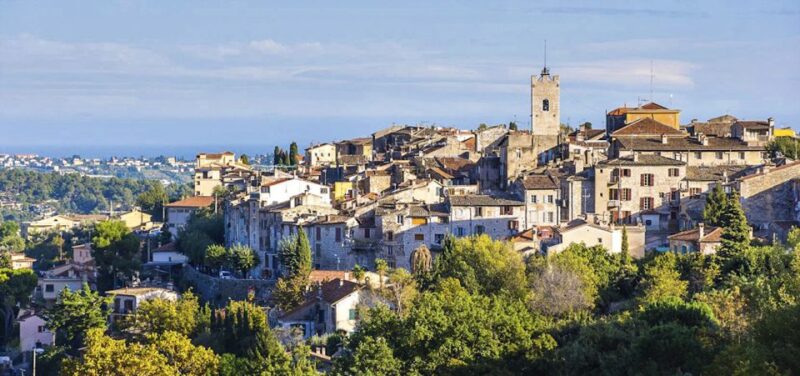



- Provençal cuisine is characterized by vibrant flavors from sun-ripened tomatoes, fragrant herbs, and rich olive oil, reflecting the region’s agricultural bounty.
- Traditional dishes like ratatouille and bouillabaisse highlight seasonal cooking and local seafood, showcasing the essence of Provençal heritage.
- Local markets offer fresh produce, artisanal cheeses, and unique ingredients, connecting visitors to the heart of Provençal culinary culture.
- Wine and olive oil pairings enhance dining experiences, with combinations tailored to complement various dishes, from seafood to hearty meats.
- Festivals celebrate Provençal flavors, offering tastings and cooking demonstrations that immerse attendees in local cuisine and traditions.
The Culinary Heritage of Provence
Exploring the culinary heritage of Provence reveals a vibrant tapestry of flavors, influenced by the region’s rich history and bountiful local produce.
Nestled between the Mediterranean and the Alps, Provence boasts a unique fusion of cultures, from ancient Roman to Italian influences. Its dishes often highlight fresh ingredients like tomatoes, olives, and herbs, creating a symphony of tastes.
Traditional recipes, such as ratatouille and bouillabaisse, showcase the region’s emphasis on seasonal cooking. On top of that, local markets buzz with energy, offering everything from artisanal cheeses to fragrant herbs.
Whether a seasoned chef or a curious foodie, anyone can appreciate how Provence’s culinary practices not only celebrate the land but also connect people to its storied past.
You can also read our reviews of more tours and experiences in Nice.


Iconic Ingredients of the Region
Provence’s culinary landscape is defined by its iconic ingredients, like fragrant herbs, sun-ripened tomatoes, and rich olive oil, which come together to create dishes that truly reflect the region’s vibrant spirit.
Fresh garlic, crisp vegetables, and hearty legumes add depth to many meals, while the famous herbes de Provence blend brings an aromatic flair.
Local seafood, such as bouillabaisse, highlights the region’s coastal bounty. Plus, artisanal cheeses and charcuterie showcase the area’s rich agricultural practices.
These ingredients aren’t just staples; they’re a celebration of the land and its traditions.
Whether it’s a simple salad or a complex stew, the essence of Provence shines through, inviting everyone to savor the taste of this enchanting region.
Traditional Dishes to Savor
From hearty ratatouille to savory bouillabaisse, the traditional dishes of this sun-drenched region invite food lovers to indulge in a tapestry of flavors that reflect its rich culinary heritage.
Each dish tells a story, showcasing the local ingredients and cooking techniques passed down through generations.
Here are three must-try dishes:
-
Ratatouille – A vibrant vegetable medley, bursting with the essence of fresh tomatoes, zucchini, and eggplant.
-
Bouillabaisse – A fragrant fish stew, brimming with saffron and herbs, perfect for seafood lovers.
-
Tart Tatin – An upside-down caramelized apple tart, offering a sweet finish that’s simply irresistible.
Exploring these dishes provides a delightful glimpse into the heart of Provençal cuisine, making any visit unforgettable.
The Influence of Local Markets
Visiting local markets in Provence offers a vibrant glimpse into the region’s rich culinary culture, showcasing fresh produce, artisanal products, and the lively spirit of the community. These markets serve as a hub for locals and travelers alike, where one can find everything from fragrant herbs to colorful fruits.
| Product | Description | Local Market Example |
|---|---|---|
| Olives | Varieties from green to black | Marché de Nice |
| Cheese | Artisanal cheeses of Provence | Marché de Vence |
| Herbs de Provence | A fragrant blend of local herbs | Marché de L’Isle-sur-la-Sorgue |
Exploring these markets, visitors not only enjoy delicious flavors but also connect with the heart of Provencal culture. Each stall tells a story, making the experience unforgettable.
More Great Tours NearbyWine and Olive Oil Pairings
Wine and olive oil pairings create a delightful harmony of flavors that elevate any meal, showcasing the best of the region’s rich culinary heritage.
The interplay between the two enhances dishes, making each bite a sensory experience. Here are three popular pairings to try:
-
Full-bodied red wine with peppery olive oil: This combination complements red meats beautifully, enhancing the robust flavors.
-
Crisp white wine with fruity olive oil: Perfect for seafood, the acidity of the wine balances the oil’s richness.
-
Rosé with herbal-infused olive oil: This pairing pairs well with light salads and grilled veggies, adding a refreshing touch.
These combinations not only highlight the essence of Provence but also invite exploration and delight at the dining table.
- Nice: 1 or 2-Day Hop-On Hop-Off Bus Tour
★ 4.3 · 2,663 reviews - Nice: Gorges of Verdon and Fields of Lavender Tour
★ 4.4 · 1,975 reviews - From Nice: 2-Hour Scenic Drive by 3-Wheel Vehicle
★ 4.9 · 1,301 reviews - From Nice: Round-Trip Transportation to Saint Tropez by Boat
★ 4.5 · 1,245 reviews - From Nice: The Best of the French Riviera Full Day Tour
★ 4.8 · 1,130 reviews - Monaco, Monte Carlo, Eze, La Turbie 7H Shared Tour From Nice
★ 4.5 · 956 reviews
Festivals Celebrating Provencal Flavors
Provence’s vibrant festivals celebrate the region’s rich culinary heritage, showcasing its iconic flavors through local delicacies and lively traditions.
Each year, towns come alive with events like the Lavender Festival and the Olive Oil Festival, where visitors can taste and learn about the region’s prized ingredients.
The Fête de la Gastronomie highlights Provencal cuisine with tastings, cooking demonstrations, and workshops led by local chefs.
In autumn, the Grape Harvest Festival marks the grape-picking season, inviting wine lovers to indulge in tastings and vineyard tours.
These festivals not only immerse attendees in Provencal culture but also foster a sense of community, inviting everyone to savor the delightful flavors that make this region truly special.
Exploring Regional Desserts
The rich culinary heritage of Provence extends beyond savory dishes to a delightful array of regional desserts that reflect the area’s vibrant flavors and traditions.
From sweet pastries to fruity confections, these desserts are a must-try for any visitor. Here are three standout treats:
-
Tarte Tropézienne – A luscious brioche filled with creamy custard and topped with a dusting of sugar, perfect for a sunny afternoon.
-
Calissons – These almond-shaped candies, made from ground almonds and candied melon, offer a unique taste that’s hard to resist.
-
Fougasse – Often enjoyed as a sweet treat, this bread is infused with orange blossom or sugar, making it a delightful addition to any meal.
Indulging in these desserts is a sweet way to experience the essence of Provence.
Tips for a Flavorful Journey
Setting out on a flavorful journey through Provence requires a bit of planning to fully savor its culinary delights and local culture. Travelers should consider local markets, culinary classes, and authentic bistros for the best experiences.
| Tip | Description | Benefit |
|---|---|---|
| Visit Local Markets | Explore fresh produce and spices | Taste seasonal flavors |
| Take a Cooking Class | Learn traditional recipes | Gain hands-on experience |
| Dine at Family-run Bistros | Enjoy homemade meals | Experience local hospitality |
| Attend Festivals | Participate in food-focused events | Immerse in local culture |
| Explore Wine Regions | Sample local wines | Discover unique pairings |
Frequently Asked Questions
What Are the Best Times to Visit Provence for Culinary Experiences?
For culinary experiences, spring and early fall are ideal. During these times, local markets flourish with fresh produce, and festivals celebrate regional dishes, offering delightful flavors and vibrant atmospheres that food lovers won’t want to miss.
Are There Cooking Classes Available in the Region?
Yes, there’re cooking classes available in the region. They offer hands-on experiences, allowing participants to learn local recipes and techniques. Many classes focus on seasonal ingredients, making it a delightful way to immerse in the culinary culture.
How Can I Find Local Food Tours in Provence?
To find local food tours in Provence, she suggests checking online platforms like TripAdvisor or local tourism websites. Plus, asking hotel staff for recommendations often leads to hidden gems and authentic culinary experiences.
What Are Some Popular Food Souvenirs to Bring Home?
When considering popular food souvenirs, they recommend bringing home olive oil, lavender products, herbes de Provence, and local cheeses. These items capture regional flavors and make delightful gifts or personal treats to enjoy later.
Are There Vegetarian or Vegan Options in Traditional Provencal Cuisine?
When exploring traditional Provençal cuisine, one can find delightful vegetarian and vegan options. Dishes like ratatouille and socca showcase fresh vegetables and regional flavors, making them perfect for those seeking plant-based meals while enjoying the local culture.
Flavor & Taste of Provence
Sum Up
In the vibrant world of Provençal cuisine, every bite tells a story steeped in history and tradition.
By embracing fresh ingredients, exploring local markets, and savoring iconic dishes, anyone can experience the essence of this beautiful region.
Festivals add an extra layer of joy, making it easy to appreciate the flavors that define Provence.
So, whether you’re cooking at home or visiting, the rich tapestry of Provençal tastes is sure to delight and inspire culinary adventures.


