Freemasonry, a centuries-old organization, has long captivated the public’s imagination. Shrouded in mystery and intrigue, its secretive rituals and hierarchical structure have spawned countless conspiracy theories. Yet, beyond the sensational myths, lies a community committed to noble ideals – brotherhood, charity, and moral integrity. As members progress through the organization’s complex degrees, they uncover esoteric knowledge that challenges common misconceptions. Delving into Freemasonry‘s past reveals its profound influence on politics, the arts, and scientific advancement. But its true purpose remains elusive, hidden within the organization’s carefully guarded traditions. What secrets lie at the heart of this enigmatic brotherhood?
Key Points

- Freemasonry’s mystical aura and secretive nature have fueled myths and conspiracies, though its fundamental principles emphasize brotherhood, charity, and intellectual pursuits.
- While Freemasonry has counted many influential figures among its members, its true nature is often obscured by speculation and mythmaking.
- Masonic symbolism and architecture in Paris reflect the Order’s fascination with sacred geometry and Enlightenment ideals, though their deeper meanings remain elusive to outsiders.
- Freemasonry’s hierarchical structure and esoteric rituals have contributed to its allure, but also its misunderstanding, as the Order’s true purpose extends beyond the mystique.
- Freemasonry’s historical and social influence, particularly in France, is undeniable, but separating fact from fiction requires a nuanced understanding of its fundamental principles and practices.
Origins and Spread of Freemasonry
Freemasonry typically traces its origins back to early 18th century Great Britain. From there, it quickly spread across Europe, aligning with the philosophies of the Enlightenment.
Despite evolving forms, the Craft retained fundamental principles from its English founders. Freemasonry’s complex organization, use of symbolism, secrecy, co-option, and arcane hierarchy contributed to its mystique.
Its teachings were influenced by biblical references, adding to its air of mysticism. Freemasonry became essential for understanding major historical and social phenomena in France since the Enlightenment, as it counted many iconic public figures among its members, impacting various fields such as politics and the arts.
You can also read our reviews of more tours and experiences in Paris.
Core Masonic Principles and Symbolism
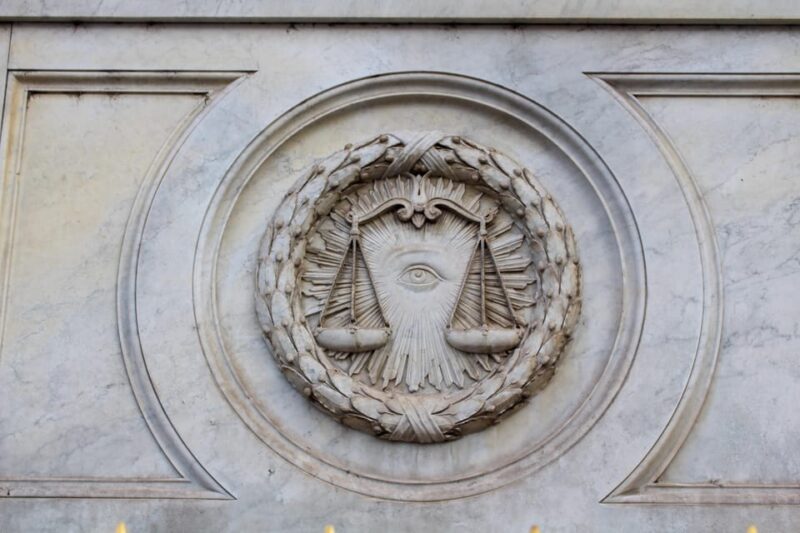
Underlying Freemasonry’s complex hierarchy and arcane rituals are a set of core principles and symbolic elements that have endured since the organization’s beginnings in 18th-century Britain. At the heart of Masonry lies a commitment to moral and spiritual development, with teachings influenced by biblical references and Enlightenment philosophy. The Order’s distinctive symbols, such as the compass, square, and all-seeing eye, convey mystical concepts integral to its ceremonies and beliefs. Though shrouded in secrecy, these fundamental tenets have shaped the Freemasons’ influence across diverse realms, from politics to the arts.
| Masonic Principle | Description |
|---|---|
| Brotherhood | Fraternal bond among members |
| Charity | Philanthropic activities |
| Morality | Upholding ethical standards |
| Enlightenment | Commitment to intellectual pursuits |
| Secrecy | Guarding the Order’s inner workings |
Organizational Structure and Hierarchy
At the core of Freemasonry lies a complex organizational structure and arcane hierarchy that have long captivated the public imagination.
The Masonic order is divided into a series of degrees, each with its own rituals, symbols, and teachings. Initiates must progress through these levels, often shrouded in secrecy, to gain access to higher ranks and esoteric knowledge.
This intricate system reflects Freemasonry’s emphasis on symbolism, mysticism, and the cultivation of an elite brotherhood.
Despite the order’s efforts to maintain confidentiality, its structures and practices have become the subject of intense speculation and mythmaking, both intriguing and perplexing outsiders.
Influence on Politics and Society
How far-reaching has Freemasonry’s influence been on politics and society? Many of history’s most influential figures, from George Washington to Mozart, were Freemasons.
This secret society has held remarkable sway, shaping political and cultural landscapes worldwide. Freemasons’ emphasis on liberty, equality, and fraternity aligned with Enlightenment ideals, making them instrumental in revolutions across Europe.
Their presence in government and the arts has been ubiquitous, exemplified by the Masonic symbols adorning landmarks like the U.S. Capitol.
While dismissed by some as myth, Freemasonry’s tangible impacts on modern civilization are undeniable. Its members’ advancement of democratic principles and artistic expression has left an indelible mark, challenging preconceptions about this enigmatic brotherhood.
More Great Tours NearbyMasonic Presence in Parisian Architecture
Tracing Masonic symbols across Parisian architecture reveals the profound influence of this secretive society on the city’s landscape.
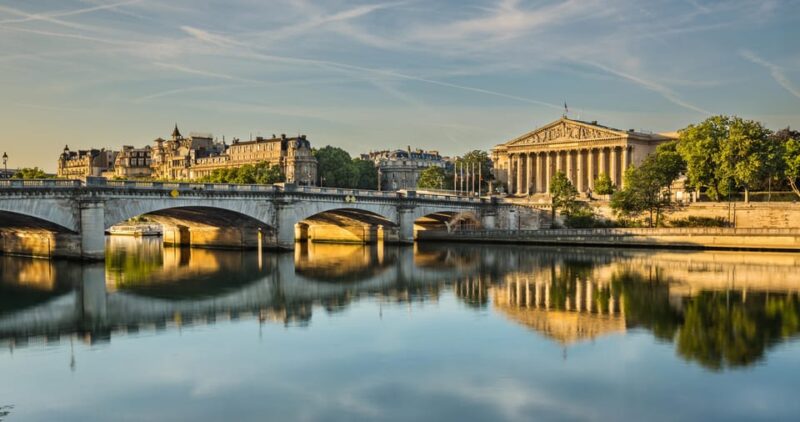
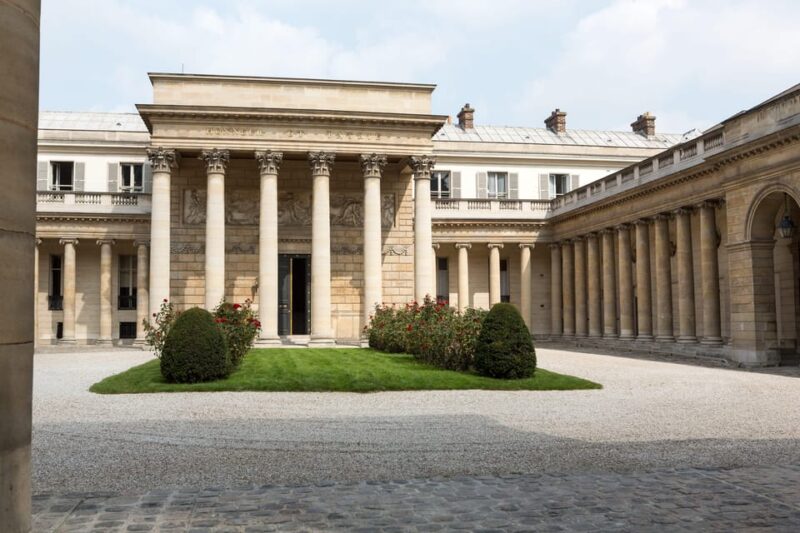
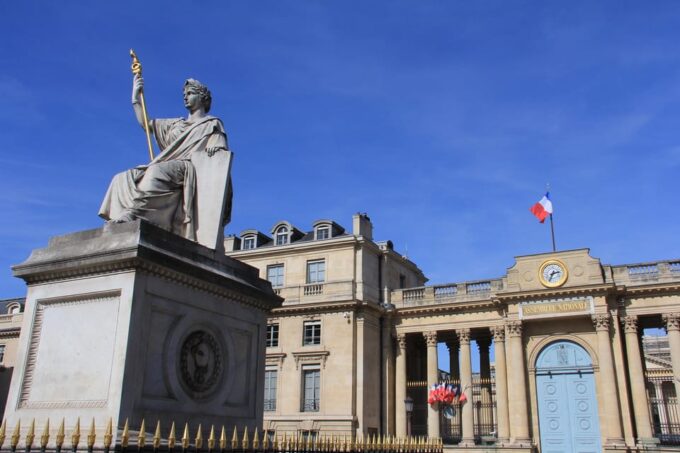
From the grandeur of the Palais Bourbon to the mystical carvings on the façade of the Grande Loge de France, Masonic elements are woven throughout the urban fabric.
Visitors with a discerning eye can uncover:
- Compasses and squares, emblems of Freemasonry, adorning prestigious buildings.
- Coded inscriptions and hidden references to Masonic rituals and hierarchies.
- Intentional architectural alignments that reflect the Masons’ fascination with sacred geometry.
- Subtle nods to the Enlightenment values that shaped the Masonic worldview.
Unraveling these Masonic clues offers a window into the powerful role this organization played in shaping the city’s cultural and political landscape.
- Paris: Louvre Museum Timed-Entrance Ticket
★ 4.6 · 71,977 reviews - Disneyland Paris: 1-Day Ticket
★ 4.6 · 49,412 reviews - Paris: Versailles Palace and Gardens Full Access Ticket
★ 4.6 · 41,579 reviews - Paris: Arc De Triomphe Rooftop Tickets
★ 4.6 · 34,264 reviews - Paris: Orsay Museum Entry Ticket
★ 4.7 · 25,647 reviews - Paris: Evening River Cruise With Music
★ 4.4 · 22,721 reviews
Famous Freemasons and Their Contributions
Throughout the decades, Freemasonry has counted among its members an impressive array of influential figures who’ve left an indelible mark on French history and culture.
Prominent politicians like Georges Clemenceau and François Mitterrand, renowned artists like Voltaire and Victor Hugo, and pioneering scientists like Antoine Lavoisier were all members of the Masonic order.
Their involvement reflects the significant intellectual and social standing of Freemasonry, which has long been intertwined with the country’s intellectual, cultural, and political elite.
The contributions of these renowned Freemasons continue to shape France’s legacy, underscoring the organization’s profound impact on the nation’s development over the centuries.
Unveiling the Mystique of Freemasonry
Freemasonry’s mystique has long captivated public imagination, with its arcane rituals, complex hierarchy, and elaborate symbolism shrouded in secrecy.
While the organization has been the subject of much speculation and conspiracy theories, unveiling its true nature reveals a more nuanced reality.
Some key aspects of Freemasonry include:
-
Masonic teachings, which draw from biblical references, contributing to its mystical aura.
-
A structure characterized by co-option, with members drawn from various backgrounds.
-
The use of symbolism, which serves as a means of communication and instruction for initiates.
-
The organization’s influence on historical and social developments, particularly in France since the Enlightenment.
Ultimately, Freemasonry’s mystique reflects its rich history and enduring impact, defying simplistic characterizations.
Frequently Asked Questions
What Is the Role of Freemasonry in the Modern World?
Freemasonry maintains a low-profile but continues to influence social and political affairs worldwide. Though its rituals and inner workings remain shrouded in secrecy, the organization upholds values like charity, fellowship, and the pursuit of enlightenment.
How Do Freemasons Maintain Secrecy and Privacy?
Freemasons maintain secrecy and privacy through an arcane hierarchy, complex organization, use of symbolism, and a commitment to discretion. They rely on co-option and exclusivity to preserve the mystique surrounding their practices and beliefs.
Are There Any Known Female Freemasons?
Women have historically been barred from becoming Freemasons, though some female-only Masonic organizations do exist. However, in recent decades, a few Masonic lodges have begun admitting women, though they remain a small minority within the traditionally male-dominated organization.
What Is the Financial Structure and Funding of Freemasonry?
Freemasonry is financially structured through member dues, donations, and investments. Funding supports operations, charitable initiatives, and community programs. Masonic lodges are autonomous, so financial arrangements vary across jurisdictions, but are generally transparent within their organizations.
Does Freemasonry Have Connections to Occult or Supernatural Beliefs?
Freemasonry has historical connections to esoteric and occult symbolism, but its modern practices don’t involve supernatural beliefs. While its rituals draw on mystical imagery, Freemasonry is primarily a fraternal organization focused on moral and ethical development.
Freemason; Myths and Revelation of a Secret Organization
Sum Up
Freemasonry’s complex rituals and hierarchical structure have long fueled public fascination and conspiracy theories. However, the organization’s core principles of brotherhood, charity, and moral integrity reveal its true purpose: to foster intellectual growth and community engagement. By unveiling the misconceptions surrounding this enigmatic group, one can better appreciate Freemasonry’s historical influence and the significant contributions of its renowned members across diverse fields.