The 16-Day Mount Everest 3 Passes Trek, beginning in Kathmandu, presents trekkers with a unique blend of adventure and culture. Participants will embark on a scenic flight to Lukla, followed by a series of challenging ascents over renowned passes like Renjo La and Cho La. Along the way, they’ll encounter stunning vistas of Everest and Lhotse, along with the rich traditions of Sherpa communities. Yet, for those considering this trek, questions about physical preparation and essential gear remain crucial elements that can significantly impact the journey’s success.
Key Points
- The trek lasts 16 days, starting with a scenic flight from Kathmandu to Lukla.
- It includes crossing three high passes: Renjo La, Kongma La, and Cho La, each over 5,300 meters.
- Cultural experiences in Namche Bazaar and Gokyo enrich the trekking journey with local traditions and cuisine.
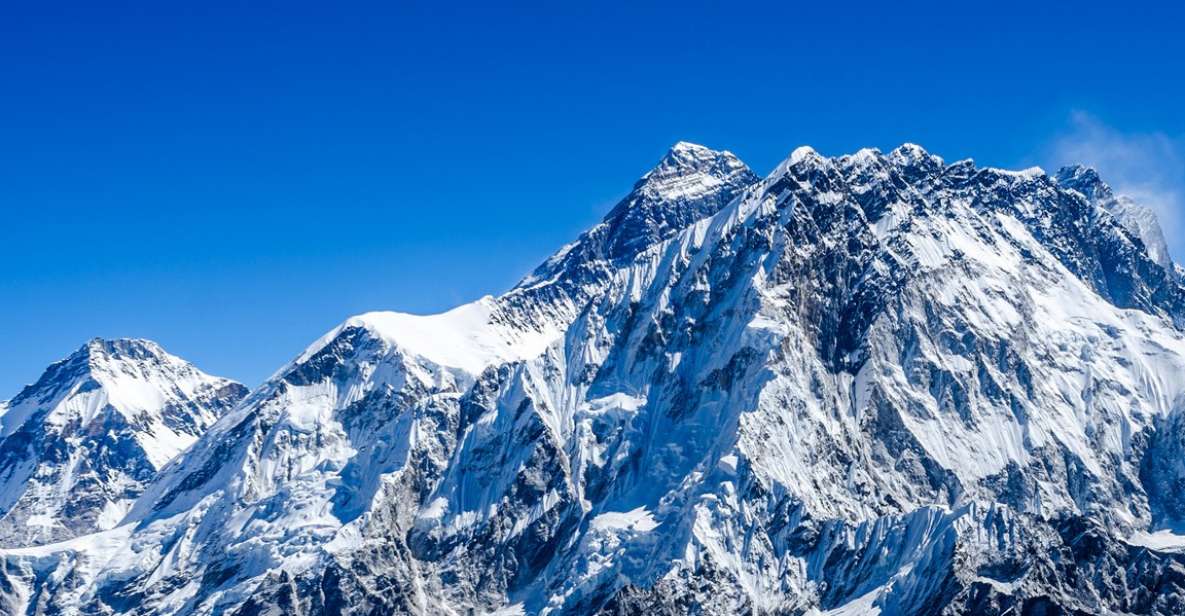
- Key highlights include breathtaking views of Mount Everest, Gokyo Lakes, and sunrise at Gokyo Ri and Kala Patar.
- Essential gear such as insulated jackets and trekking poles is necessary for safety and comfort during the trek.
Trek Overview and Itinerary
The Mount Everest Trek spans 16 days, beginning in the vibrant city of Kathmandu and leading adventurers through stunning landscapes to Gokyo and Everest Base Camp, while crossing challenging high passes along the way.
This trek commences with a scenic flight to Lukla, followed by a journey through charming villages and breathtaking views of the Himalayas.
Hikers acclimatize in Namche Bazaar before tackling the Renjo La and Cho La passes, both over 5,300 meters.
The itinerary includes rest days for optimal acclimatization, allowing trekkers to explore local culture and natural beauty.
You can also read our reviews of more hiking tours in Kathmandu
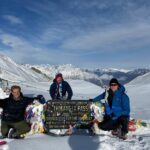
Day-by-Day Breakdown
Kicking off the adventure, the day-by-day breakdown highlights the thrilling journey from Kathmandu to Everest Base Camp, showcasing the unique experiences and challenges trekkers will encounter along the way.
-
Arrival and Acclimatization: The trek starts with a day in Kathmandu, followed by a scenic flight to Lukla and a trek to Phakding.
-
Challenging Passes: Trekkers face the Kongma La and Cho La passes, pushing their limits while soaking in the breathtaking views.
-
Cultural Immersion: Days spent in Namche Bazaar and Gokyo allow for cultural interactions with the Sherpa people, enriching the overall experience.
This carefully structured itinerary ensures both adventure and acclimatization, setting the stage for an unforgettable journey to the roof of the world.
Scenic Highlights
Amidst towering peaks and shimmering lakes, trekkers are treated to spectacular views that define the Mount Everest journey, making each step an unforgettable experience.
The trek offers breathtaking panoramas of the majestic Himalayan Range, with iconic sights like Mount Everest and Lhotse dominating the skyline.
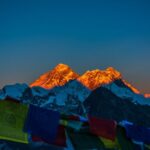
Key viewpoints, such as Gokyo Ri and Kala Patar, reward hikers with stunning sunrises and sunsets.
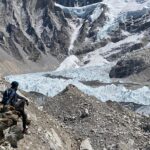
The vibrant turquoise Gokyo Lakes, nestled against the backdrop of Ngozumpa Glacier, create a striking contrast with the rugged terrain.
Each pass crossed reveals new landscapes, showcasing the raw beauty of the region.
With every twist and turn, trekkers find themselves immersed in nature’s grandeur, ensuring that the scenic highlights linger long after the trek concludes.
Cultural Experiences
Trekkers often enjoy the rich culture of the Sherpa people, experiencing their traditions, hospitality, and unique way of life throughout the journey. Interactions with the locals provide invaluable insights into their customs and daily routines.
Here are three highlights to look forward to:
-
Traditional Cuisine: Trekkers can savor local dishes like dal bhat and momo, prepared with fresh, organic ingredients.
-
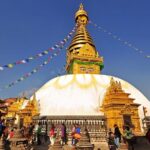
Monastic Visits: Visits to ancient monasteries, such as the Tengboche Monastery, offer a glimpse into the spiritual life of the Sherpa community.
-
Festivals and Celebrations: Depending on the season, trekkers might witness vibrant local festivals celebrating Sherpa culture, featuring traditional music and dance.
These experiences enrich the trek, making it not just a physical journey but a cultural exploration as well.
More Great Tours NearbyPhysical Preparation
Proper physical preparation is essential for a successful Mount Everest trek, as it helps build endurance and strength needed to tackle high-altitude challenges.
Trekking enthusiasts should begin training at least three months prior, focusing on cardiovascular fitness and leg strength. Activities like hiking, running, and cycling can enhance stamina.
Incorporating strength training, especially for the legs and core, ensures trekkers can handle steep ascents and descents. Flexibility exercises also help reduce injury risks.
Plus, participants should practice hiking with a weighted backpack to simulate trekking conditions.
This comprehensive training approach not only prepares the body but also builds confidence for the demanding journey ahead, making the trek more enjoyable and manageable.
- Private Kathmandu Sightseeing Tour – UNESCO World Heritage Sites
★ 5.0 · 756 reviews - Kathmandu: Private 7 UNESCO Heritage Sites Day Tour
★ 4.8 · 744 reviews - Everest Base Camp Helicopter Tour Stop at Everest View Hotel
★ 5.0 · 668 reviews - Half Day Cooking Class in Thamel Kathmandu
★ 5.0 · 607 reviews - Private Kathmandu Day Tour: 7 UNESCO Heritage Sites Tour
★ 5.0 · 415 reviews - Kathmandu: 7 UNESCO World Heritage Sites Private Day Tour
★ 4.9 · 406 reviews
Costs and Inclusions
After ensuring physical readiness for the trek, understanding the costs and inclusions is vital for planning a successful Mount Everest adventure.
The trek starts at an affordable price of $1,899.00 per person, which covers essential components to enhance the experience. Here are three key inclusions:
-
Airport and hotel pick-up: Simplifying the arrival process and ensuring a smooth start.
-
Trekking permits: All necessary permits are included, allowing trekkers to focus on the journey.
-
Experienced guides and porters: Professional support helps navigate the terrain and carry gear, ensuring safety and comfort.
Being informed about these costs and inclusions helps trekkers budget effectively and enjoy the breathtaking journey without unexpected surprises.
Essential Gear and Packing
Packing the right gear is crucial for ensuring comfort and safety during the Mount Everest trek. Trekking enthusiasts should focus on essentials that withstand the harsh conditions. Here’s a handy packing guide:
| Essential Gear | Description |
|---|---|
| Insulated Jacket | Keeps warmth in cold weather |
| Trekking Poles | Provides stability on uneven terrain |
| Water Filter | Ensures clean drinking water |
Other essentials include thermal layers, sturdy hiking boots, and a first-aid kit. Proper gear not only enhances the trekking experience but also helps prevent altitude sickness and frostbite. Being well-prepared allows trekkers to fully enjoy the stunning landscapes and cultural experiences along the way.
Travel Tips and Recommendations
Trekking in the Everest region demands careful preparation, so travelers should prioritize acclimatization to minimize the risk of altitude sickness. Staying hydrated and pacing oneself is essential for a safe experience.
Here are some practical tips:
-
Pack Wisely: Bring layered clothing, trekking poles, and a good quality sleeping bag to stay comfortable.
-
Stay Connected: Purchase a local SIM card for communication and maps; the signal is generally reliable in popular areas.
-
Respect Local Culture: Learn a few basic Nepali phrases and be mindful of local customs, especially when visiting monasteries and villages.
Frequently Asked Questions
What Is the Best Time to Start the Trek?
The best time to start the trek is during spring (March to May) or autumn (September to November). These seasons offer stable weather, clearer views, and fewer trekkers, enhancing the overall experience for adventurers.
Are There Any Age Restrictions for Participants?
There aren’t strict age restrictions for participants, but most trekking companies recommend ages between 12 and 65. They encourage individuals to assess their fitness levels and ensure they’re physically prepared for the trek.
How Do I Handle Altitude Sickness During the Trek?
To handle altitude sickness, trekkers should acclimatize gradually, stay hydrated, consume light meals, and recognize symptoms early. If severe, descending is crucial. Consulting guides for advice and monitoring health ensures a safer trekking experience.
Is Travel Insurance Required for This Trek?
Travel insurance’s often recommended for this trek. It covers unexpected events like trip cancellations or medical emergencies. Participants should research policies thoroughly, ensuring they include high-altitude trekking and emergency evacuation provisions for added safety.
Can I Charge My Electronic Devices Along the Route?
He can charge his electronic devices along the route, but access to power sources is limited. Charging facilities are typically available in teahouses, so carrying a portable power bank is advisable for longer treks.
From Kathmandu: 16-Day Mount Everest 3 Passes Trek
Recap
The 16-Day Mount Everest 3 Passes Trek is an unforgettable journey for adventure seekers.
With stunning landscapes, rich Sherpa culture, and the thrill of crossing iconic passes, trekkers gain a unique perspective on the Himalayas.
Proper physical preparation and essential gear are crucial for a successful trek.
Embracing the challenges and rewards of this adventure not only fosters personal growth but also creates lasting memories.
For those ready to explore, this trek offers an experience like no other.
You can check availability for your dates here: