
When planning a 13-day trek from Kathmandu through the Annapurna Circuit, one quickly realizes it’s not just about the stunning landscapes and the challenging Thorong La Pass. Trekkers can enjoy local cultures, savor authentic meals in charming tea houses, and soak in natural hot springs. It’s a journey that blends adventure with community interaction, but there are practical considerations to keep in mind, like accommodations and what to pack. Curious about how to make the most of this trek while navigating potential challenges?
Key Points
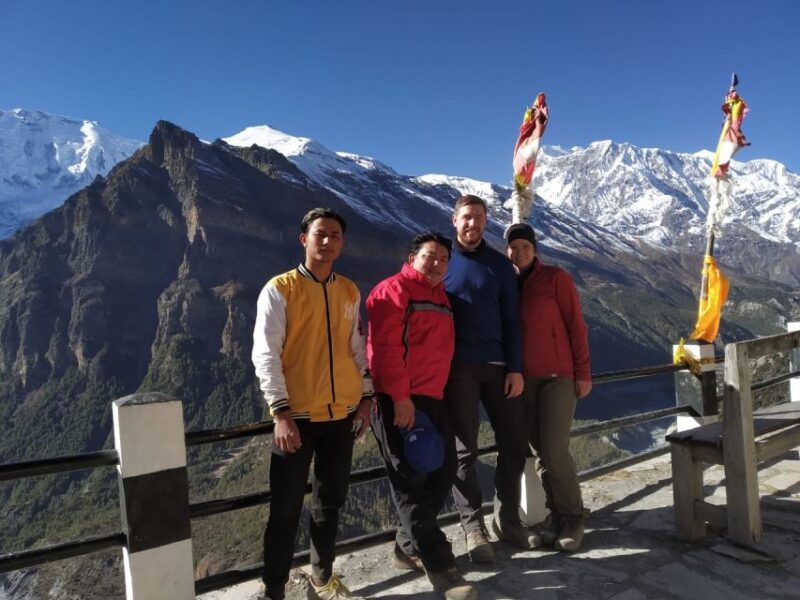

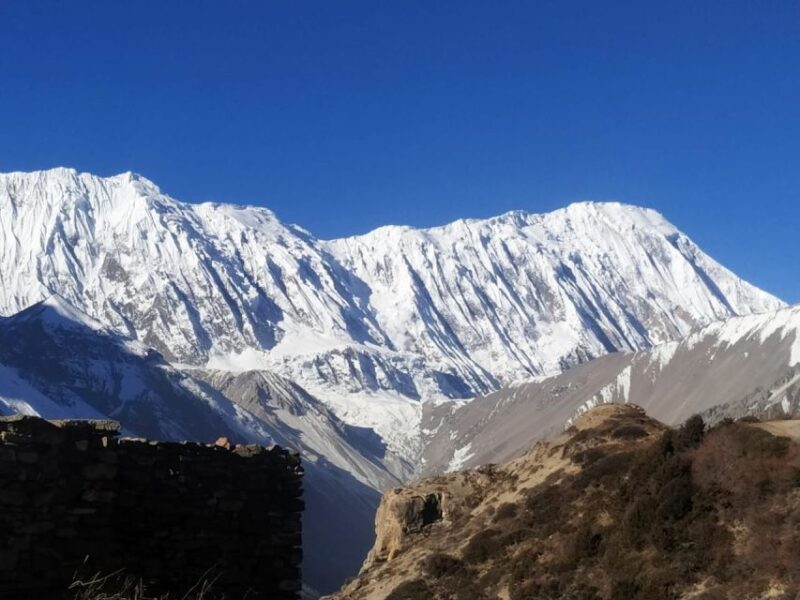
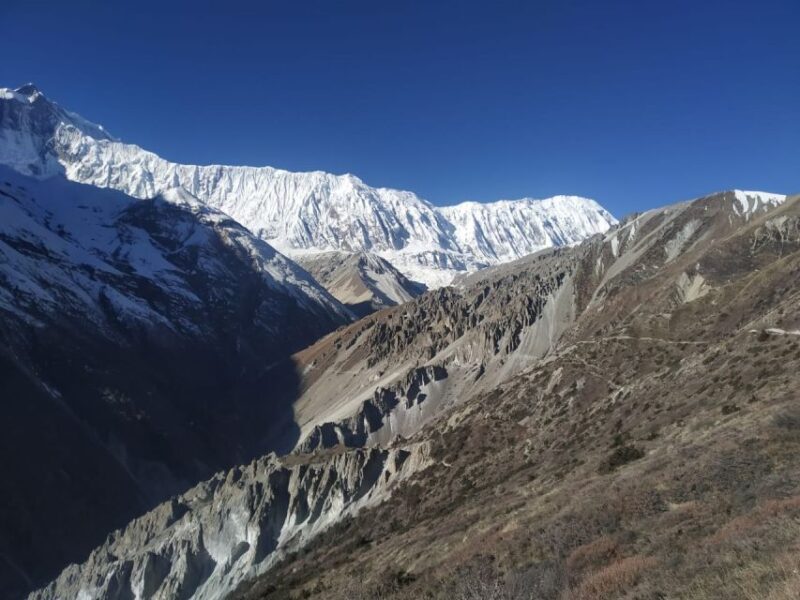
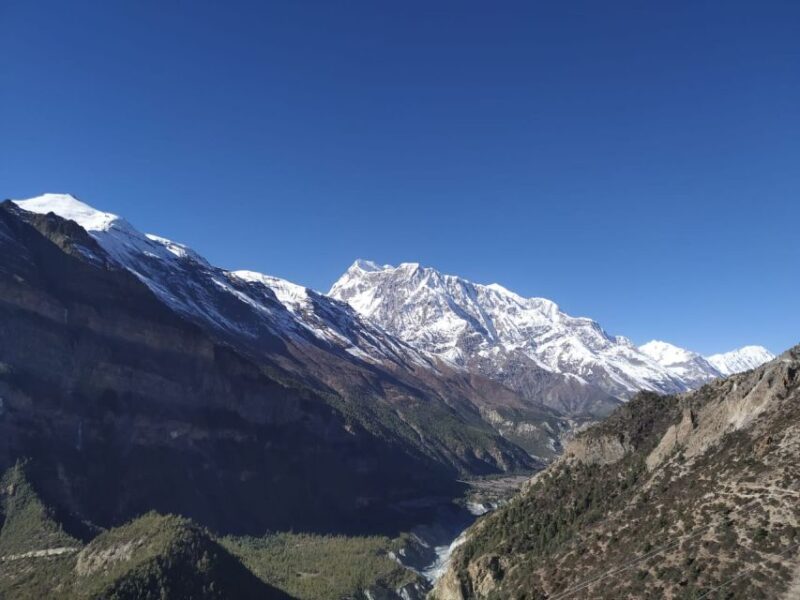
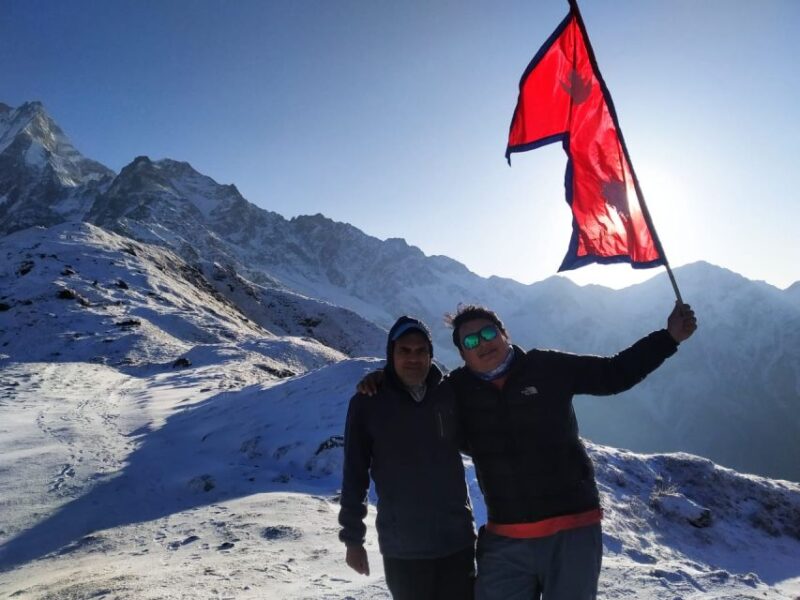
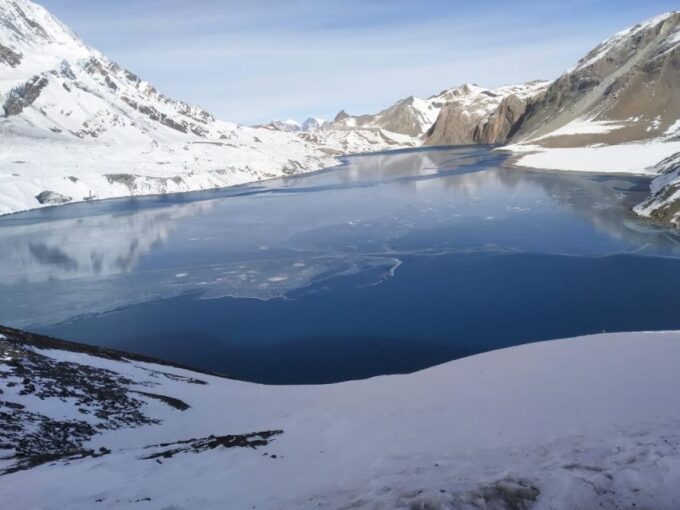
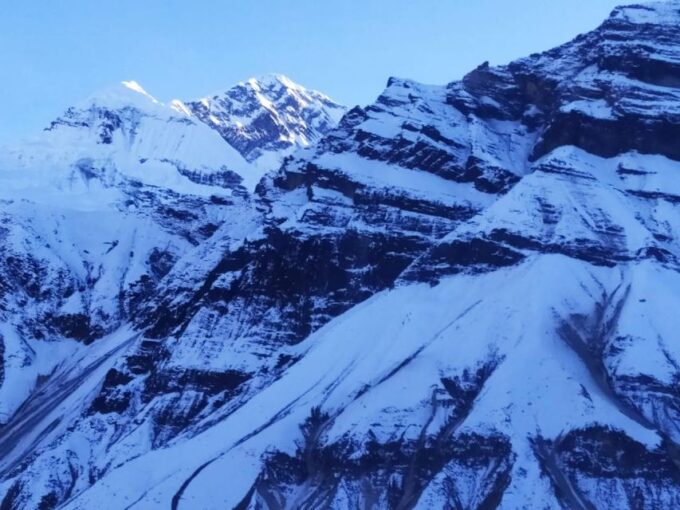
- The Annapurna Circuit Trek lasts 13 days and includes stunning lakes, glaciers, and high mountain passes.
- The trek begins with a scenic drive from Kathmandu to Dharapani, marking the start of the journey.
- Key highlights include crossing Thorong La Pass (5,416 meters) and visiting the sacred Muktinath temple.
- Trekkers enjoy cozy tea house accommodations, local cuisine, and opportunities for cultural interactions with local communities.
- Important safety measures include acclimatization in Manang, staying hydrated, and having travel insurance for emergencies.
Trek Overview and Highlights
The Annapurna Circuit Trek offers adventurers an unforgettable journey through breathtaking landscapes, where they can explore deep gorges, cross high mountain passes, and enjoy the rich cultures of the region.
Spanning 13 days, this trek is renowned for its dramatic scenery, including stunning lakes, glaciers, and cascading waterfalls.
Trekking through traditional villages, travelers get a taste of local life, enjoying the warmth and hospitality of the Nepali people.
Highlights include crossing the Thorong La Pass at 5,416 meters and visiting the sacred Muktinath temple.
With natural hot springs along the route, trekkers can unwind after a day of exploration.
It’s a perfect blend of adventure and culture, making it a must for any trekking enthusiast.
You can also read our reviews of more hiking tours in Nepal


Detailed Itinerary
Starting the Annapurna Circuit Trek, adventurers arrive in Kathmandu and settle in at the cozy Thamel Eco Resort, ready to embrace the journey ahead.
The next day, they embark on a scenic drive to Dharapani, where the trek officially begins. Over the following days, they ascend through varied landscapes, stopping at charming villages like Chame and Pisang.
A crucial acclimatization day in Manang helps trekkers adjust to the altitude before they push on to the breathtaking Thorong La Pass. After crossing, they explore the sacred Muktinath temple, then descend to Jomsom.
The trek wraps up with a flight or drive to Pokhara, followed by a return to Kathmandu, where they’ll enjoy a farewell dinner, celebrating the adventure they’ve just completed.
Accommodations During the Trek
Accommodations during the Annapurna Circuit Trek primarily take place in cozy tea houses, offering trekkers a chance to rest and rejuvenate while experiencing local culture and hospitality.
These tea houses are dotted along the trail and provide basic yet comfortable lodging. Trekkers can enjoy hearty meals featuring local flavors, fostering a sense of community among fellow adventurers.
It’s wise to pack a sleeping bag for extra comfort, especially during chilly nights. While amenities may vary, most places have hot showers and Wi-Fi available for a small fee.
Engaging with the friendly locals adds a unique touch to the experience, making every evening memorable. So, embrace the simplicity and warmth these tea houses offer during the trek.
Inclusions and Services
What can trekkers expect in terms of inclusions and services on the Annapurna Circuit Trek?
They’ll find a well-rounded package designed to ensure a comfortable and enjoyable journey through the stunning landscapes of Nepal.
The trek includes airport pickup and drop-off, deluxe accommodations in Kathmandu, and cozy tea house lodging throughout the trek.
Trekkers will benefit from experienced guides and porters, providing personal attention—one porter for every two trekkers.
Emergency helicopter service is also covered by travel insurance.
Plus, all necessary permits and TIMS card fees are included.
Meals are served daily, with a farewell dinner featuring a vibrant cultural dance show.
This thoughtful arrangement helps trekkers enjoy Nepal’s rich culture while focusing on the adventure ahead.
More Great Tours NearbyAdditional Costs to Consider
Trekkers should keep in mind several additional costs that can arise during the Annapurna Circuit Trek, as personal expenses like bar bills, water, and snacks can add up quickly. Here’s a quick look at some potential costs you might encounter:
| Expense Type | Estimated Cost (USD) |
|---|---|
| Bar Bills | $5 – $20 per day |
| Bottled Water | $1 – $5 per bottle |
| Snacks | $2 – $10 per day |
| Tipping for Guides | $10 – $15 per day |
While the trek provides many inclusions, it’s wise for trekkers to budget for these extras. Embracing local culture through food and drink can enhance the experience, so planning ahead can help manage these costs effectively.
- Everest Base Camp Trek
★ 5.0 · 842 reviews - Private Kathmandu Sightseeing Tour – UNESCO World Heritage Sites
★ 5.0 · 756 reviews - Kathmandu: Private 7 UNESCO Heritage Sites Day Tour
★ 4.8 · 744 reviews - Everest Base Camp Helicopter Tour Stop at Everest View Hotel
★ 5.0 · 668 reviews - ZipFlyer Nepal – The Worlds Steepest Zip-line
★ 5.0 · 608 reviews - Half Day Cooking Class in Thamel Kathmandu
★ 5.0 · 607 reviews
Booking Process
Navigating the booking process for the Annapurna Circuit Trek is straightforward, allowing adventurers to secure their spot with ease and excitement.
Travelers can reserve their trek online, often with the option to pay later, making it flexible for planning.
It’s essential to book early, as group sizes are limited to 15 participants, ensuring a more intimate experience.
Once booked, trekkers receive a confirmation email detailing the itinerary and necessary preparations.
Cancellation is hassle-free, with full refunds available up to 24 hours in advance.
For those staying in Kathmandu, pickups are conveniently arranged from various locations.
With everything in place, trekkers can focus on the breathtaking landscapes and rich culture awaiting them on this unforgettable journey.
Safety and Emergency Measures
Ensuring safety on the Annapurna Circuit Trek involves being well-prepared and aware of potential risks, from altitude sickness to changing weather conditions.
Trekkers should acclimatize properly, taking the time to adjust to the altitude in places like Manang. It’s crucial to stay hydrated and recognize early symptoms of altitude sickness, like headaches or dizziness.
Packing layers is essential, as the weather can shift rapidly, especially at higher elevations. Travelers should carry a first-aid kit and know the location of the nearest medical facilities.
Plus, having travel insurance that covers helicopter evacuation can be a lifesaver. Engaging with experienced guides helps ensure safety and provides valuable local insights, making the trek both secure and culturally enriching.
Cultural Insights and Experiences
Experiencing the rich tapestry of cultures along the Annapurna Circuit adds a unique dimension to the trek, as travelers encounter diverse ethnic groups, traditional villages, and vibrant local customs. Each stop offers a glimpse into the daily lives of the locals, making the journey more engaging.
-
Discover the Gurung and Thakali communities, known for their warm hospitality.
-
Participate in local festivals, where colorful rituals and dances showcase the region’s heritage.
-
Sample authentic Nepali cuisine, featuring dal bhat, momo, and other regional delicacies.
Travelers should embrace these cultural experiences, as they deepen their understanding of the region and its people. Engaging with locals can also lead to unforgettable stories and connections that enhance the overall trekking adventure.
Frequently Asked Questions
What Is the Best Time of Year to Trek the Annapurna Circuit?
The best time to trek the Annapurna Circuit is during spring (March to May) and autumn (September to November). These seasons offer clear skies, mild temperatures, and vibrant landscapes, making trekking enjoyable and culturally enriching for adventurers.
Can I Trek Solo, or Do I Need a Guide?
While some trekkers attempt solo journeys, it’s generally recommended to hire a guide. They navigate trails, enhance cultural experiences, and ensure safety, making the adventure more enjoyable and enriching amidst Nepal’s stunning landscapes.
How Fit Do I Need to Be for the Trek?
To tackle the trek, a moderate fitness level’s needed. Regular walking and some hill training help. It’s vital to acclimatize properly, as high altitudes can challenge even fit trekkers. Enjoy the journey and breathtaking views!
Are There Any Age Restrictions for Participants?
There aren’t strict age restrictions for participants, but trekkers should consider their fitness level. Older individuals often thrive with proper preparation. It’s essential to listen to one’s body, regardless of age, during challenging treks.
What Kind of Wildlife Might I See on the Trek?
On the trek, adventurers might spot unique wildlife like Himalayan tahr, blue sheep, and various birds. They’ll enjoy the vibrant ecosystems, showcasing Nepal’s rich biodiversity while soaking in breathtaking mountain views and local culture.
From Kathmandu: Annapurna Circuit Trek – 13 Days
Recap
The Annapurna Circuit Trek is more than just a journey through stunning landscapes; it’s a chance to immerse in the rich culture and warm hospitality of the local communities.
With breathtaking views, thrilling challenges, and the comfort of cozy tea houses, it’s an adventure that stays with you long after the trek ends.
So, pack your bags, lace up your boots, and get ready for an experience that’ll leave you with memories to cherish for a lifetime!
You can check availability for your dates here:


