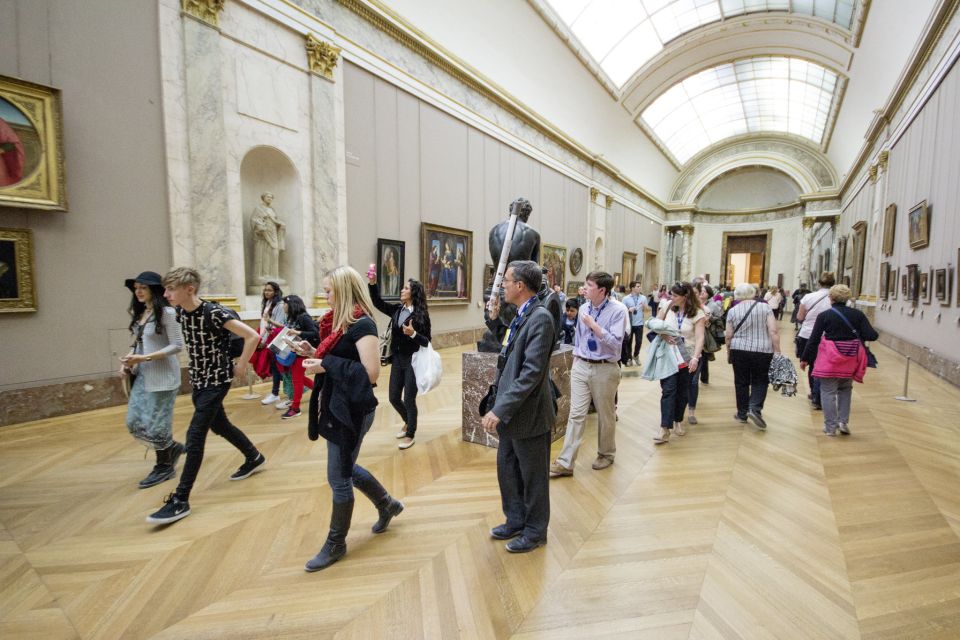
The Louvre’s journey from a fortified royal palace to a world-renowned museum is nothing short of fascinating. Once a symbol of royal power, it now stands as a beacon of cultural accessibility, inviting millions to explore its treasures. With over 35,000 artworks, including iconic pieces like the Mona Lisa, it’s hard not to wonder how this transformation took shape. But what about the hidden stories behind its walls? There’s so much more than meets the eye—like the secrets lurking in the royal apartments and those lesser-known gems that often go unnoticed.
Good To Know
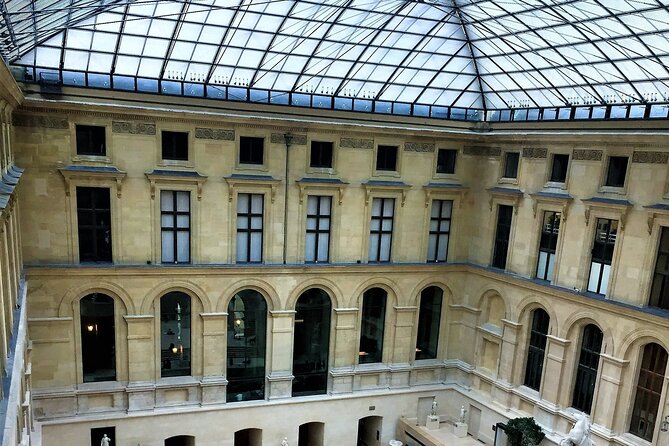
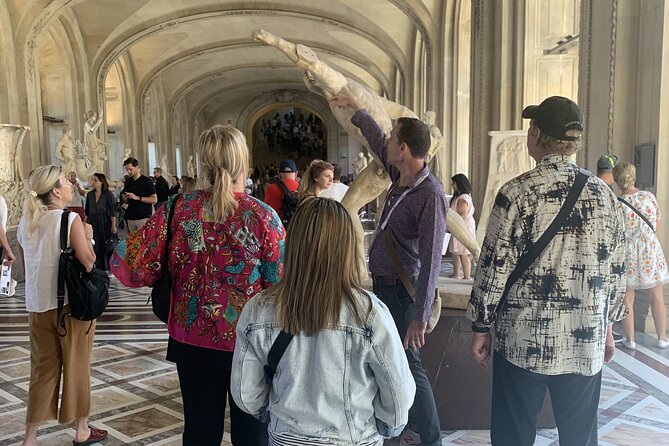
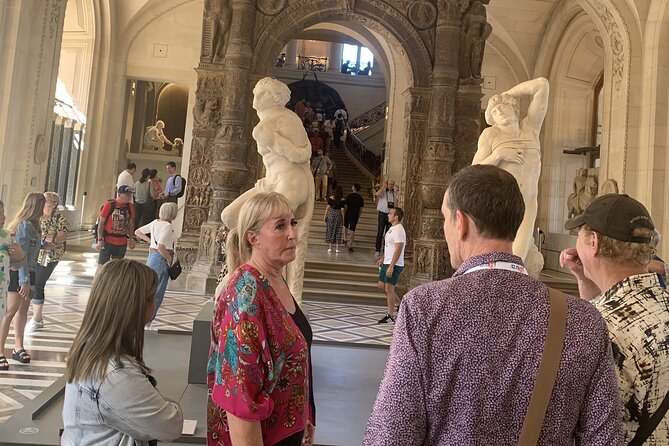
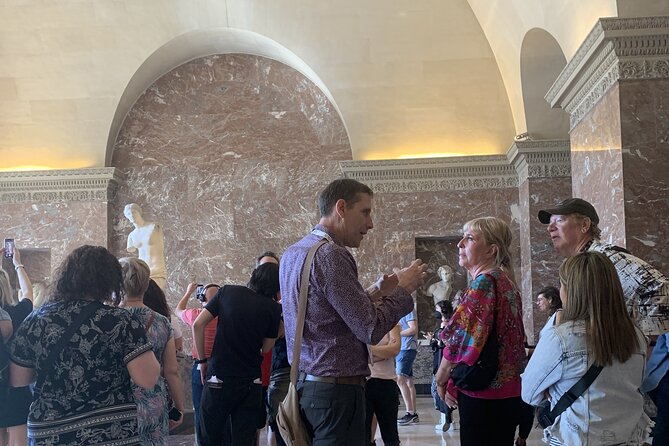
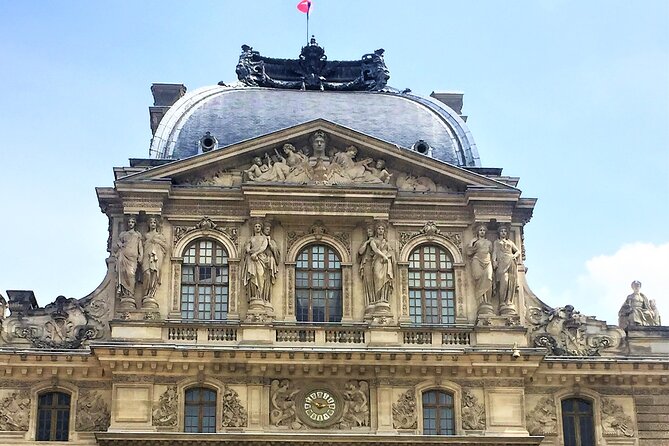
- The Louvre began as a defensive fortress in the late 12th century, later evolving into a royal residence by the 16th century.
- It transitioned to a public museum during the French Revolution in 1789, democratizing access to art for all.
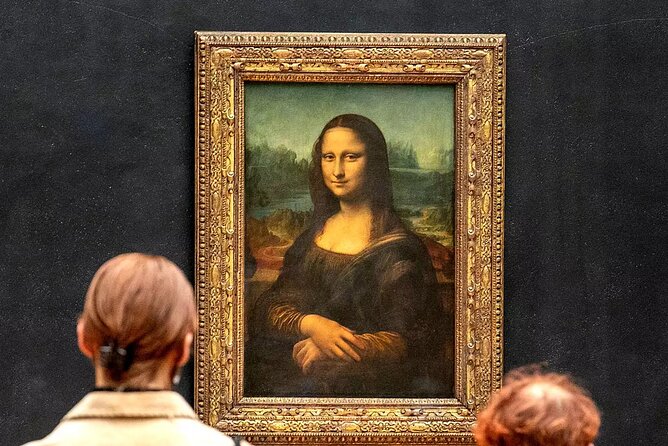
- The museum now houses over 35,000 works, including iconic pieces like the Mona Lisa and Venus of Milo.
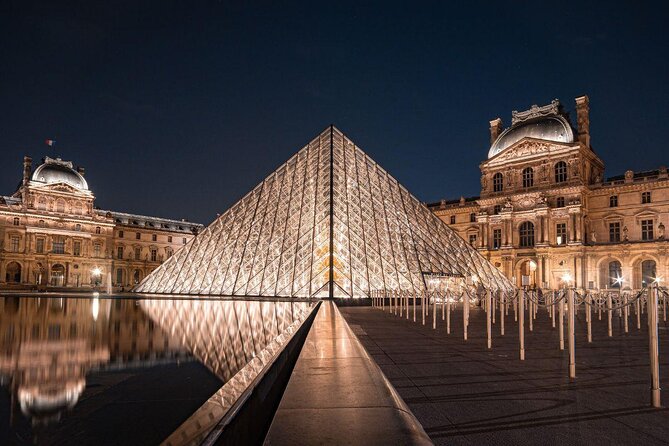
- Architectural changes, including the glass pyramid entrance, reflect the Louvre’s rich historical evolution from a palace to a modern museum.
- Royal apartments and hidden gems reveal the grandeur and secrets of its past, enriching the visitor experience.
The History of the Louvre
Although it started as a fortress in the late 12th century, the Louvre has transformed dramatically over the centuries.
Originally built to defend Paris, it gradually morphed into a royal residence. By the 16th century, kings like Francis I began filling its halls with art and treasures, setting the stage for its future as a museum.
The French Revolution in 1789 marked a pivotal moment, as the Louvre opened its doors to the public, showcasing the nation’s art collection.
Today, it houses over 35,000 works, including iconic pieces like the Mona Lisa and the Venus of Milo.
This remarkable journey from a medieval fortress to a world-renowned museum reflects the rich history and cultural evolution of France.
You can also read our reviews of more museum experiences in Paris



Architectural Evolution
The Louvre’s architectural evolution is a fascinating tale that mirrors the shifting tides of French history. From a humble fortress built in the 12th century to a grand museum, its transformation reflects various styles and eras.
Here are four key milestones in its evolution:
-
Fortress Foundations: Originally designed as a defensive fortress under King Philip II.
-
Renaissance Influence: In the 16th century, it underwent a makeover, adopting Renaissance elements, thanks to Francis I.
-
Grand Gallery Completion: The 19th century saw the Grand Gallery, showcasing masterpieces and enhancing its royal charm.
-
Pyramid Addition: In 1989, I.M. Pei’s glass pyramid entrance modernized the museum, blending the old with the new.
Each phase adds layers to the Louvre’s rich narrative, making it an architectural gem.
Transition From Royalty to Art
From its origins as a royal residence, the Louvre underwent a remarkable transformation that reshaped it into one of the world’s most beloved art museums. The shift began in the late 18th century when the French Revolution opened the doors to the public, allowing art to escape the confines of royalty. This change not only democratized culture but also set the stage for the Louvre to house an impressive collection of masterpieces.
| Time Period | Key Changes |
|---|---|
| 12th Century | Built as a fortress |
| 16th Century | Became a royal palace |
| 18th Century | Transitioned to a public museum |
Now, visitors can experience art that was once only for kings and queens, making it a treasure for everyone.
Highlights of the Museum
Stepping into the Louvre is like diving into a treasure trove of art and history. Visitors can’t help but be captivated by its iconic masterpieces and architectural grandeur.
Here are some highlights that shouldn’t be missed:
-
Mona Lisa – Experience the enigmatic smile of this world-famous painting by Leonardo da Vinci.
-
Venus of Milo – Admire this stunning ancient Greek statue, known for its beauty and missing arms.
-
The Winged Victory of Samothrace – Marvel at this dramatic Hellenistic sculpture, symbolizing triumph and grace.
-
The Coronation of Napoleon – Take in Jacques-Louis David’s grand depiction of Napoleon’s coronation, bursting with rich details and colors.
These treasures reflect the Louvre’s rich history and artistry, making every visit an unforgettable experience.
Exploring the Royal Apartments
After taking in the iconic masterpieces, visitors can step into the opulent world of the Royal Apartments.
These lavish rooms showcase the grandeur of French royalty, featuring stunning decor and intricate furnishings that tell stories of past monarchs. As they wander through the apartments, guests can admire the rich tapestries and exquisite chandeliers that once illuminated royal gatherings.
Each room reflects a unique style, blending classic elegance with historical significance. The lavish salons and cozy chambers provide a glimpse into the everyday lives of kings and queens.
With knowledgeable guides on hand, visitors gain fascinating insights into the lives of those who once resided here, making this a must-see stop in their Louvre adventure.
- Paris: Louvre Museum Timed-Entrance Ticket
★ 4.6 · 71,977 reviews - Disneyland Paris: 1-Day Ticket
★ 4.6 · 49,412 reviews - Paris: Versailles Palace and Gardens Full Access Ticket
★ 4.6 · 41,579 reviews - Paris: Arc De Triomphe Rooftop Tickets
★ 4.6 · 34,264 reviews - Paris: Orsay Museum Entry Ticket
★ 4.7 · 25,647 reviews - Paris: Evening River Cruise With Music
★ 4.4 · 22,721 reviews
Hidden Gems and Secrets
Uncovering the hidden gems and secrets of the Louvre Museum adds a layer of intrigue to any visit.
Beyond the renowned masterpieces, several lesser-known treasures await discovery:
-
The Napoleon III Apartments – These lavish rooms reflect the opulence of the Second Empire and are a feast for the eyes.
-
The Louvre’s Secret Pyramid – Look closely and you’ll find a smaller glass pyramid tucked away in the museum’s courtyard.
-
The Hidden Dungeon – Venture to the lower levels to find remnants of the medieval fortress that once stood here.
-
The Inverted Pyramid – Located in the Carrousel du Louvre, this modern architectural marvel offers a striking contrast to the historic space.
Exploring these secrets makes any visit to the Louvre truly unforgettable!
Visitor Experience and Accessibility
Experiencing the Louvre is all about immersing oneself in art and history while enjoying the museum’s thoughtful design for all visitors.
The Louvre makes accessibility a priority, ensuring everyone can explore its vast treasures. Wheelchair users and families with strollers will find the surfaces smooth and easy to navigate, making it a breeze to visit iconic artworks like the Mona Lisa and the Venus of Milo.
Plus, it’s conveniently located near public transportation, so getting there’s simple.
With a maximum group size of six on private tours, visitors get personalized attention, enhancing the overall experience.
The Louvre truly welcomes everyone, making it a destination where art and history come alive for all.
Reviews and Visitor Feedback
Gathering rave reviews, the Louvre’s private guided tours have left visitors thrilled with their experiences.
With a perfect 5.0 rating based on just two reviews, it’s clear that travelers are loving their time in this iconic museum.
Here’s what they’re saying:
-
Knowledgeable Guides: Visitors rave about the expertise of guides like Ivan, making art and history come alive.
-
Personalized Attention: With a maximum of six travelers, everyone gets the guide’s full attention.
-
Exceptional Service: Attentive service makes each visit feel special and tailored.
-
Memorable Moments: Guests cherish unique insights into famous works like the Mona Lisa and the Venus of Milo.
This combination of factors ensures unforgettable experiences for all who visit.
Ask Away
What Is the Best Time to Visit the Louvre Museum?
The best time to visit the Louvre Museum is early morning or late afternoon, when crowds are thinner. Weekdays are ideal, too, as visitors can enjoy a more relaxed experience while exploring the stunning exhibits.
Are Guided Tours Available in Multiple Languages?
Yes, guided tours at the Louvre are available in multiple languages. Travelers appreciate this flexibility, allowing them to fully engage with the art and history without language barriers. It makes the experience even more enjoyable!
Can I Take Photos Inside the Museum?
Visitors can’t take photos in most areas of the museum, but they’re allowed in some designated spots. It’s best to check for signs, so they don’t miss capturing those perfect moments!
Is There a Dress Code for Visiting the Louvre?
Visitors don’t need to worry about a strict dress code at the Louvre. Casual attire’s perfectly fine, but dressing nicely can enhance the experience and make for great photos in this stunning environment.
Where Can I Find Dining Options Near the Louvre?
She found plenty of dining options near the Louvre. Cafés and restaurants lined the streets, offering everything from quick bites to fancy meals. She loved exploring local cuisine while soaking in the vibrant Parisian atmosphere!
Insider Louvre: From a Royal Palace to a Museum
Final Words
In a nutshell, the Louvre’s journey from a royal palace to a world-renowned museum is nothing short of fascinating. With its stunning architecture, rich history, and incredible art collection, it offers something for all. Visitors can explore both iconic masterpieces and hidden gems alike, making each trip a unique adventure. So whether you’re an art lover or just curious, the Louvre invites you to dive into its treasures and experience the magic of culture and creativity.