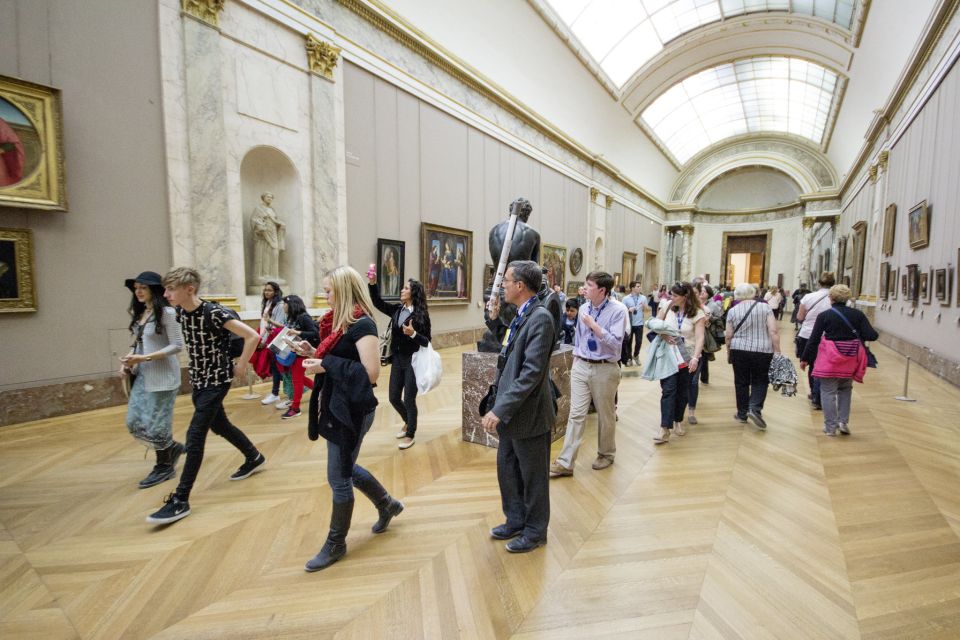
The story of the Louvre is more than just a tale of art; it’s a fascinating journey from a 12th-century fortress to one of the world’s most iconic museums. Once a royal residence buzzing with opulence, it transformed into a cultural haven during the upheaval of the French Revolution. Today, it draws millions, eager to uncover its secrets and masterpieces. But what lies behind those grand walls, and how did the architectural marvels evolve alongside France’s history? There’s much more to explore, and the surprises just keep coming.
Key Points


- The Louvre began as a 12th-century fortress, evolving into a royal residence before becoming a public museum in 1793.
- The French Revolution sparked the transformation, leading to the opening of the museum to showcase royal collections.
- Architectural styles at the Louvre reflect its history, blending medieval and Renaissance elements with modern features like the glass pyramid.
- Iconic artworks like the Mona Lisa and Venus of Milo highlight the museum’s significance in art and culture.
- Private tours enhance the experience, allowing visitors to explore hidden gems and learn about the museum’s rich history.
Historical Significance of the Louvre
The Louvre holds a fascinating place in history, transforming from a royal palace into one of the world’s most renowned museums.
Originally built in the 12th century as a fortress, it evolved into a lavish residence for French kings, showcasing their wealth and power. Each era added architectural flair, from medieval stonework to opulent Renaissance designs.
By the late 18th century, the Louvre opened its doors to the public, housing countless treasures that reflect centuries of art and culture. It became not just a museum but a symbol of France’s artistic heritage.
Today, visitors stroll through its halls, feeling the echoes of history while marveling at masterpieces like the Mona Lisa and the Venus of Milo, making every visit a memorable journey through time.
You can also read our reviews of more museum experiences in Paris



Transformation From Palace to Museum
Transforming from a royal palace to a world-class museum, the Louvre’s journey is nothing short of remarkable.
Initially built as a fortress in the 12th century, it evolved into a royal residence by the 16th century. The French Revolution sparked a significant shift, as the monarchy fell and the need for a public space arose.
In 1793, the Louvre officially opened its doors as a museum, showcasing treasures from the royal collection. This transition marked a new era, inviting art lovers and curious visitors alike to explore its vast treasures.
Today, it’s a hub for culture and history, where people marvel at masterpieces like the Mona Lisa while walking through its storied halls, once filled with royalty.
Architectural Features of the Louvre
After evolving from a royal residence to a public museum, the Louvre’s architectural features tell a story all their own.
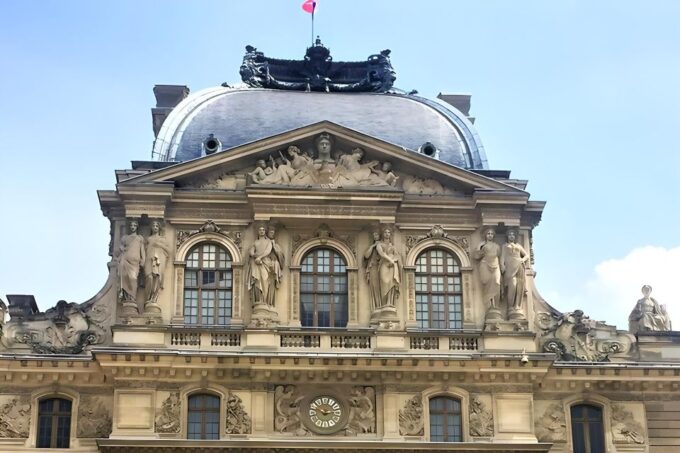
This stunning structure blends historical styles, showcasing everything from medieval fortifications to Renaissance elegance. The iconic glass pyramid, designed by I.M. Pei, contrasts beautifully with the ornate classical facades, creating a striking dialogue between old and new.
Inside, visitors wander through grand galleries adorned with intricate moldings and soaring ceilings, each room echoing the opulence of its royal past. The layout reflects the palace’s evolution, guiding guests through a labyrinth of art and history.
With its diverse architectural elements, the Louvre stands not just as a museum but as a monument to centuries of artistic and cultural transformation.
Iconic Artworks to Discover
Dive into the world of art at the Louvre, where iconic masterpieces await discovery at every turn.
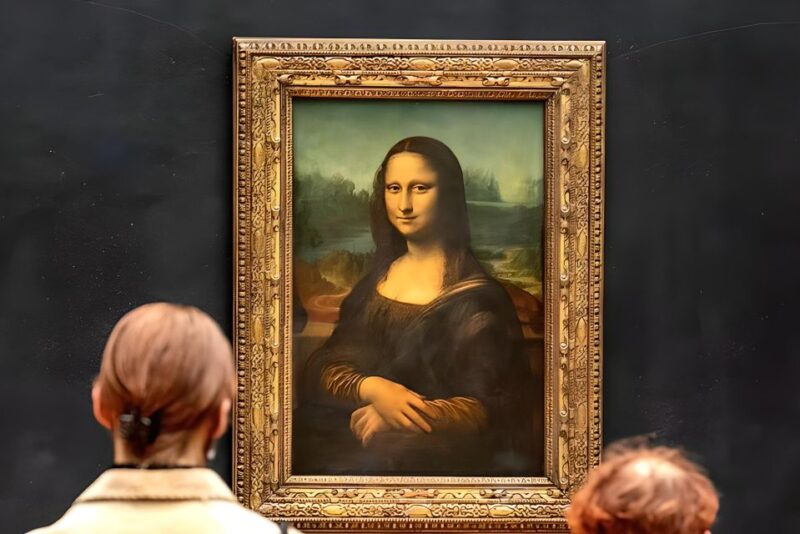
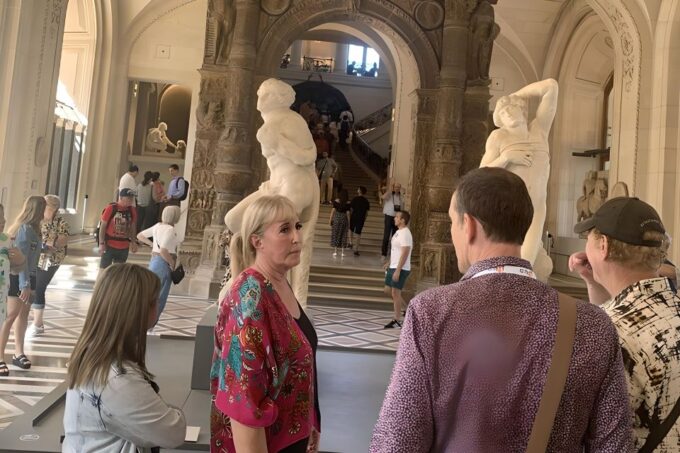
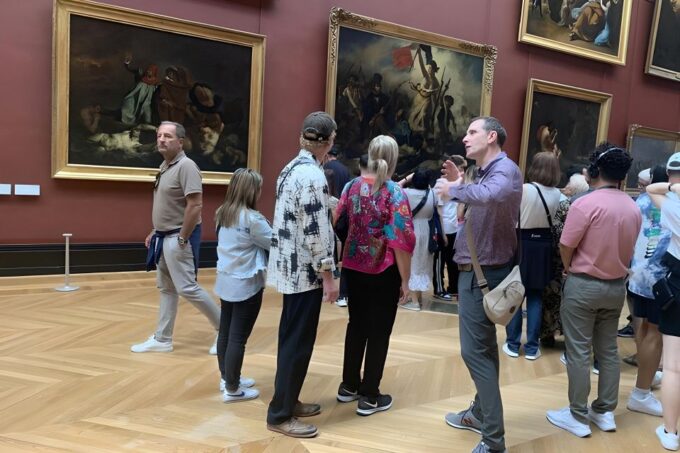
Visitors can’t miss the enigmatic smile of the Mona Lisa, a true showstopper that draws crowds from around the globe. Next, the Venus of Milo captivates with its classical beauty, while the Winged Victory of Samothrace impresses with its dramatic stance.
Art lovers can also explore stunning Italian paintings and the dazzling French crown jewels in the Apollo Gallery. Each artwork tells a story, showcasing the rich history and creativity that flourished through the ages.
With so much to see, every visit offers a fresh perspective on these timeless treasures, making the Louvre an unforgettable experience for everyone.
More Great Tours NearbyUnique Areas and Hidden Gems
While the Louvre is famous for its iconic artworks, it also hides unique areas and hidden gems that many visitors overlook.
One such spot is the mysterious medieval dungeon, a remnant of the original 12th-century fortress that once stood here. Exploring the foundations, you can almost hear the whispers of history.
Then there are the lavish apartments of kings, where opulent decor and stunning architecture transport you back in time. Don’t miss the 16th-century rooms, adorned with exquisite art and intricate design.
The Apollo Gallery, with its dazzling display of French crown jewels, is another must-see.
These hidden treasures not only enrich the Louvre experience but also reveal the museum’s fascinating evolution from royal palace to cultural haven.
- Paris: Louvre Museum Timed-Entrance Ticket
★ 4.6 · 71,977 reviews - Disneyland Paris: 1-Day Ticket
★ 4.6 · 49,412 reviews - Paris: Versailles Palace and Gardens Full Access Ticket
★ 4.6 · 41,579 reviews - Paris: Arc De Triomphe Rooftop Tickets
★ 4.6 · 34,264 reviews - Paris: Orsay Museum Entry Ticket
★ 4.7 · 25,647 reviews - Paris: Evening River Cruise With Music
★ 4.4 · 22,721 reviews
The Experience of a Private Tour
There’s something truly magical about the experience of a private tour at the Louvre.
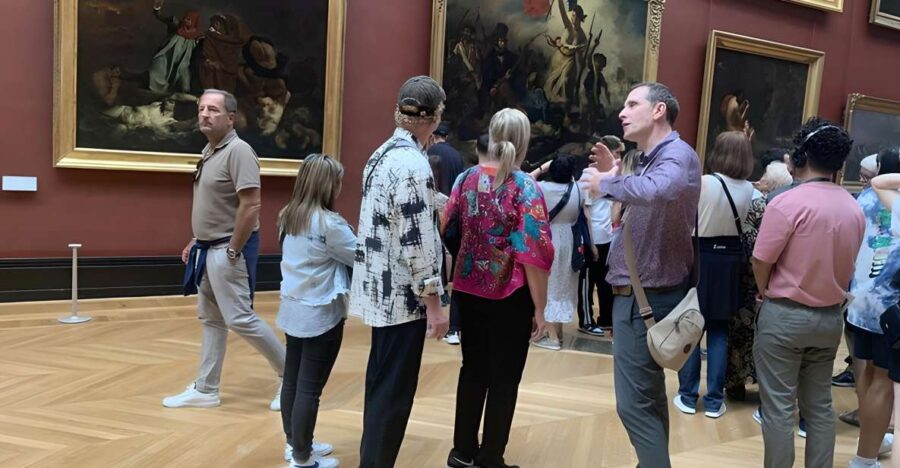
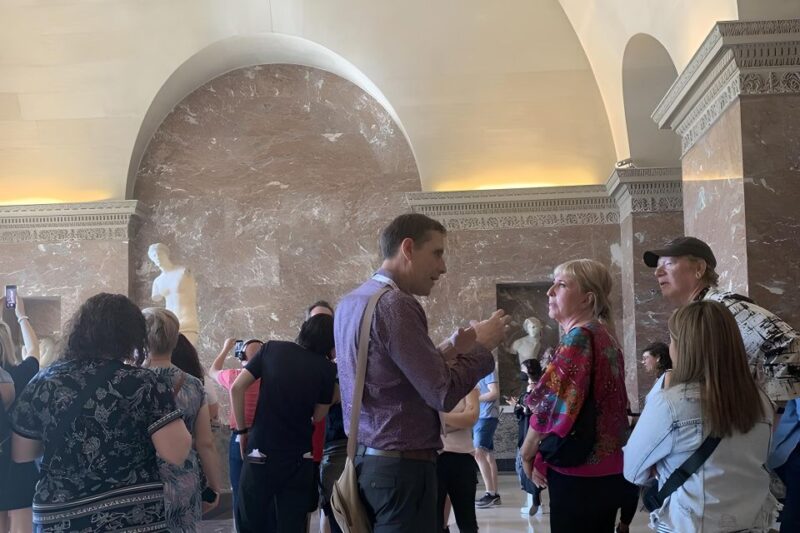
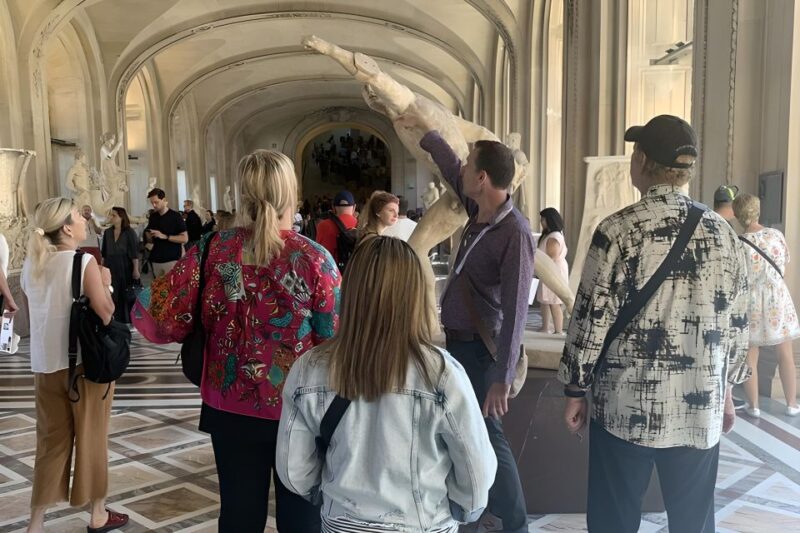
Imagine strolling through the world’s most famous museum with a small group of friends or family, soaking in the art and history without the crowds. Your knowledgeable guide brings the stories behind masterpieces like the Mona Lisa and Venus of Milo to life, adding depth to every glance.
You’ll even uncover hidden gems, from ancient foundations to the opulent imperial apartments. The intimate setting allows for engaging conversations, making the experience feel personal and tailored.
With a focus on comfort and accessibility, this three-hour journey through art and architecture is an unforgettable way to connect with the Louvre’s rich heritage.
Booking Your Louvre Experience
Booking a private tour at the Louvre is a breeze, and with just a few simple steps, art lovers can secure their spot for an unforgettable experience.
Here’s what you need to know:
-
Small groups: Enjoy an intimate tour with only 2 to 6 participants.
-
No upfront payment: Reserve your spot now and pay later.
-
Free cancellation: Change your plans? Cancel up to 24 hours in advance for a full refund.
-
Plan ahead: Book at least 5 days in advance due to high demand.
With a knowledgeable guide leading the way, visitors can dive deep into art history while marveling at iconic masterpieces.
Don’t miss the chance to explore the hidden treasures of this magnificent museum!
Tips for Visiting the Louvre
When planning a visit to the Louvre, it helps to come prepared to make the most of your time in this iconic museum.
First off, grab a map or download the museum’s app; it’ll save you from wandering aimlessly. Arrive early to avoid the crowds, especially if you want a good look at the Mona Lisa without a sea of people.
Don’t forget to wear comfortable shoes, as you’ll be doing a lot of walking. If you can, book a private tour for an insider’s look at hidden gems.
Lastly, take breaks in the museum’s cafes to recharge and soak in the atmosphere.
With a little planning, you’ll have an unforgettable experience at the Louvre!
Frequently Asked Questions
Are There Age Restrictions for the Private Tour of the Louvre?
There aren’t any strict age restrictions for the private Louvre tour. Families can join, and kids often find the art fascinating! It’s a fun experience for everyone, making it perfect for all ages.
Is There a Dress Code for Visiting the Louvre?
Visitors don’t need a strict dress code for the Louvre, but it’s recommended they dress comfortably and respectfully. Casual attire is fine, but avoiding overly revealing clothing can enhance their overall experience.
Can We Take Photographs Inside the Museum?
Visitors can snap photos inside the museum, but not all areas allow it. They should keep an eye out for signs prohibiting photography, especially near certain artworks, to respect the rules and other guests.
Are Food and Drinks Allowed During the Tour?
During the tour, guests aren’t allowed to bring food or drinks. However, they can enjoy a leisurely break outside the museum to sip coffee or grab a snack, recharging for more art exploration ahead!
What Happens if the Tour Is Canceled Due to Unforeseen Circumstances?
If the tour’s canceled due to unforeseen circumstances, the guide will notify participants promptly. They’ll offer a full refund or reschedule options, ensuring everyone stays informed and satisfied with their experience.
Insider Louvre: From a Royal Palace to a Museum
Sum Up
The Louvre’s journey from a royal palace to a world-class museum is a testament to France’s vibrant history and culture. With its stunning architecture, iconic artworks, and hidden gems, there’s always something new to discover. Whether you’re wandering through the grand halls or enjoying a private tour, the experience is unforgettable. So, if you’re planning a visit, get ready to dive into the art, history, and magic that the Louvre has to offer!
You can check availability for your dates here: