
The 12-day Everest Base Camp trek kicks off in Kathmandu, a city brimming with culture and history. Trekkers find themselves surrounded by ancient temples and bustling markets before catching a flight to Lukla, the gateway to their adventure. Along the route, they’ll discover the unique Sherpa culture and stunning landscapes, with stops at Namche Bazar and Tengboche. However, the real challenge—and reward—lies in reaching Everest Base Camp and Kalapathar. What exactly awaits those who brave this remarkable journey?
Key Points
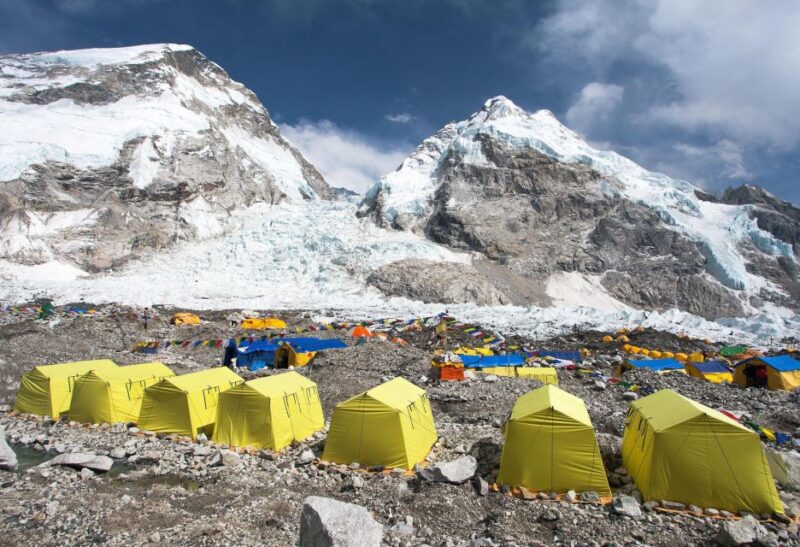

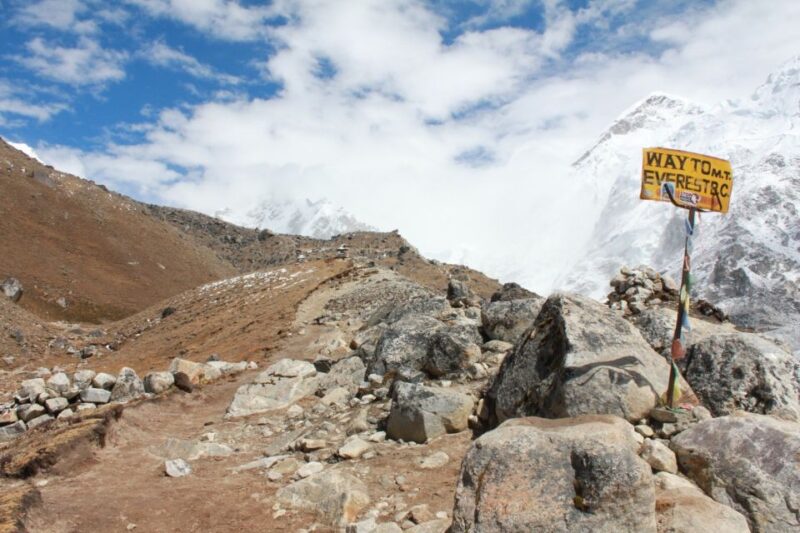
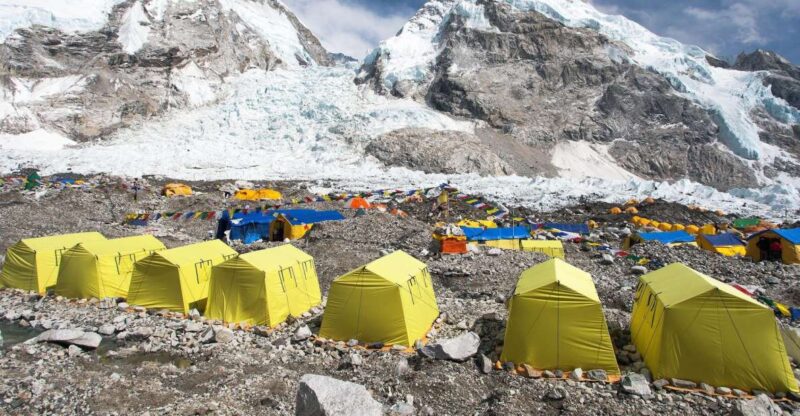
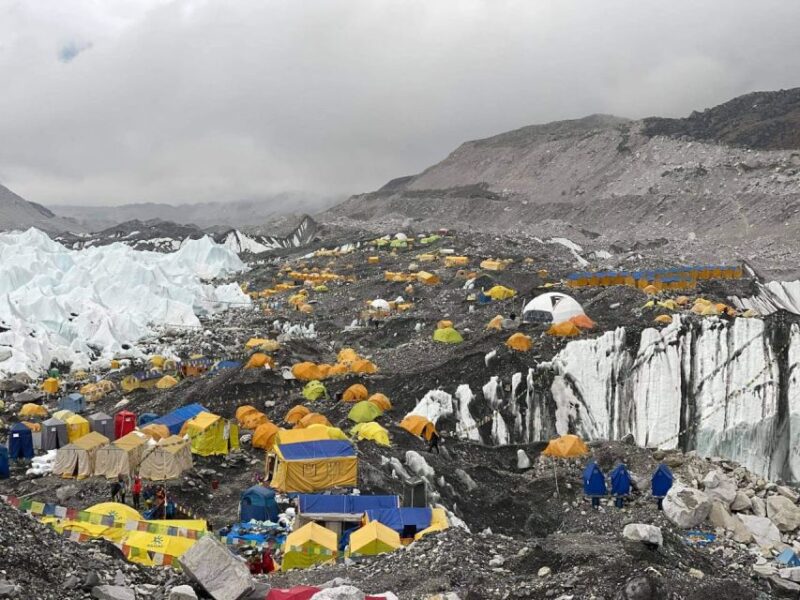
- The trek begins with a flight from Kathmandu to Lukla, followed by a 12-day journey to Everest Base Camp.
- Key highlights include stops at Namche Bazar, Tengboche, Dingboche, and Lobuche, culminating in a hike to Kalapathar.
- Participants experience rich Sherpa culture through guided tours, local festivities, and traditional cuisine.
- The trek includes professional guides, comfortable accommodations, and all necessary entry fees, ensuring a comprehensive experience.
- Essential preparations include personal equipment, travel insurance, and a focus on health and safety guidelines to manage altitude.
Trek Overview and Itinerary
The Everest Base Camp Trek is an unforgettable 12-day adventure that begins in the vibrant city of Kathmandu and takes trekkers through breathtaking landscapes, high-altitude villages, and the heart of Sagarmatha National Park.
The journey starts with an exhilarating flight to Lukla, where the trek officially begins. Trekkers will navigate through Namche Bazar, ascend to Tengboche, and make their way to Dingboche and Lobuche, each stop revealing stunning mountain vistas.
The highlight? Reaching Everest Base Camp at 5,364 meters, followed by an ascent to Kalapathar for panoramic views.
You can also read our reviews of more hiking tours in Kathmandu


Experience Local Culture
Experiencing the rich local culture of the Everest region adds a unique dimension to the trek, allowing participants to connect with the traditions and lifestyles of the Sherpa people.
As trekkers pass through picturesque villages, they witness the vibrant daily life of the Sherpas, from bustling markets in Namche Bazar to the serene monasteries in Tengboche.
Guided tours offer historical insights, revealing the deep-rooted customs and beliefs that shape this community. Participants may even join in local festivities, savor traditional dishes, and engage with friendly locals, enriching their experience.
This immersion in the Sherpa culture not only enhances their journey but also fosters a deeper appreciation for the remarkable resilience and spirit of the people who call this stunning region home.
Group Size and Participation
With a small group size limited to 18 participants, trekkers enjoy a more personalized experience that fosters camaraderie and enhances their journey through the breathtaking Everest region.
This intimate setting allows for deeper connections among trekkers, making shared challenges and triumphs more meaningful. Each participant gets ample attention from the experienced guides, who provide insights into the stunning landscapes and rich culture of the area.
Language isn’t a barrier either, as guides are fluent in English, Hindi, and Japanese. Plus, the flexibility in group dynamics encourages everyone to contribute their thoughts and experiences.
With free cancellation available up to 24 hours in advance, potential participants can feel confident in their commitment to this unforgettable adventure.
Inclusions of the Trek
Inclusions for the Everest Base Camp trek ensure a well-rounded experience, offering everything from comfortable accommodations to essential permits and expert guidance throughout the journey. Travelers can expect a comprehensive package that covers their needs and enhances their adventure.
Here are some key inclusions:
-
Accommodation: Comfortable lodging as per the itinerary, ensuring restful nights.
-
Guided Support: A professional licensed guide and a porter for every two trekkers, providing personalized assistance.
-
Permits and Fees: All necessary entry fees for national parks and the Lukla flight, so there are no hidden costs.
These inclusions not only make the trek enjoyable and hassle-free but also allow trekkers to immerse themselves fully in the majestic surroundings of the Everest region.
More Great Tours NearbyExclusions to Consider
When planning for the Everest Base Camp trek, travelers should be aware of several exclusions that could impact their overall experience.
Personal equipment and clothing aren’t provided, so trekkers must come prepared with their own gear.
Travel insurance is essential too, as it covers unforeseen circumstances during the trek.
Plus, hot water or drinks during the journey aren’t included, which means travelers should budget for these expenses.
Finally, anything not explicitly mentioned in the inclusion list falls under exclusions, so it’s wise to double-check what’s covered.
Being informed about these exclusions ensures trekkers can plan accordingly, avoiding surprises while they focus on enjoying the breathtaking landscapes and rich culture of the Everest region.
- Private Kathmandu Sightseeing Tour – UNESCO World Heritage Sites
★ 5.0 · 756 reviews - Kathmandu: Private 7 UNESCO Heritage Sites Day Tour
★ 4.8 · 744 reviews - Everest Base Camp Helicopter Tour Stop at Everest View Hotel
★ 5.0 · 668 reviews - Half Day Cooking Class in Thamel Kathmandu
★ 5.0 · 607 reviews - Private Kathmandu Day Tour: 7 UNESCO Heritage Sites Tour
★ 5.0 · 415 reviews - Kathmandu: 7 UNESCO World Heritage Sites Private Day Tour
★ 4.9 · 406 reviews
Health and Safety Guidelines
Travelers should prioritize their health and safety while preparing for the Everest Base Camp trek, as the challenging altitude and terrain can pose significant risks.
It’s essential to be aware of personal limitations and prepare accordingly. Here are three important health and safety guidelines to consider:
-
Know Your Limits: Individuals with mobility impairments, heart problems, or respiratory issues should avoid this trek.
-
Acclimatization is Key: Take time to adjust to the altitude to minimize the risk of altitude sickness.
-
Stay Hydrated and Nourished: Drinking plenty of water and consuming a balanced diet will help maintain energy levels throughout the trek.
Essential Packing List
Packing for the Everest Base Camp trek means carefully selecting gear that ensures comfort, safety, and readiness for the unpredictable mountain conditions. Travelers should prioritize a sturdy pair of trekking boots, moisture-wicking clothes, and a warm down jacket. It’s essential to include a waterproof jacket, thermal layers, and gloves to combat the cold.
Don’t forget a reliable sleeping bag rated for low temperatures and a durable backpack for carrying essentials. Hydration is crucial, so a reusable water bottle and purification tablets are must-haves. Plus, packing a first aid kit, sunscreen, and a headlamp can make a difference.
Travel Tips for Trekking
One should always acclimatize properly to avoid altitude sickness, ensuring a more enjoyable and safe trekking experience in the Everest region. To make the most of the trek, here are some essential travel tips:
-
Stay Hydrated: Drink plenty of water throughout the trek. This helps combat altitude sickness and keeps energy levels high.
-
Trek at a Steady Pace: Maintain a comfortable and consistent pace, allowing your body to adjust to the altitude gradually.
-
Dress in Layers: The weather can change quickly in the mountains. Layering clothing allows for easy adjustments to stay comfortable.
Frequently Asked Questions
What Is the Best Time to Trek to Everest Base Camp?
The best time to trek to Everest Base Camp is during spring (March to May) and autumn (September to November). These seasons offer stable weather, clearer skies, and stunning views, making the trek more enjoyable.
How Difficult Is the Trek for Beginners?
The trek’s difficulty for beginners can be challenging. It requires stamina and acclimatization. With proper preparation, gradual ascent, and guidance, many beginners successfully complete the journey, enjoying breathtaking views and cultural experiences along the way.
Are There ATM Facilities Along the Trekking Route?
While trekking, there aren’t many ATMs along the route. Most trekkers withdraw cash in Kathmandu before starting. It’s wise to carry enough cash for expenses, as card payments aren’t widely accepted in remote areas.
Can I Charge My Electronic Devices During the Trek?
During the trek, charging electronic devices can be challenging. Most teahouses offer limited power access, often requiring payment. Travelers should carry portable chargers and ensure their devices are fully charged before starting each day.
What Is the Altitude Gain on Each Trekking Day?
The trek involves significant altitude gain each day, starting from Lukla at 2840 m, reaching Everest Base Camp at 5364 m. Daily ascents vary, with higher elevations challenging trekkers and enhancing their experience.
Kathmandu: 12-Days Everest Base Camp Trekking
Recap
In summary, the 12-day Everest Base Camp trek offers an unforgettable adventure filled with stunning landscapes and rich Sherpa culture.
From the bustling streets of Kathmandu to the breathtaking heights of Kalapathar, trekkers experience the Himalayas like never before.
With careful planning and preparation, participants can fully enjoy this incredible journey.
Whether you’re seeking breathtaking views or a deeper understanding of Sherpa life, this trek promises memories that will last a lifetime.
Happy trekking!
You can check availability for your dates here:


