
In Kathmandu, the interplay of Hinduism and Buddhism creates a rich cultural landscape where ancient traditions thrive side by side. Visitors encounter the sacred Pashupatinath Temple, a hub of devotion with its elaborate rituals, while the serene Boudha Stupa beckons with its deep spiritual significance. Daily life intertwines with these practices, revealing how these two faiths shape not only the city’s identity but also its social fabric. As one explores this vibrant tapestry, questions arise about how these religions influence each other and what that means for the people living in this unique spiritual ecosystem.
Key Points

- Kathmandu is home to significant UNESCO World Heritage sites, showcasing the intertwined practices of Hinduism and Buddhism through temples and stupas.
- Pashupatinath Temple features sacred Hindu rituals, including cremation ceremonies along the Bagmati River, reflecting deep spiritual significance.
- Boudha Stupa, one of South Asia’s largest, serves as a vibrant center for Buddhist practices, meditation, and pilgrimage.
- Daily rituals, festivals, and interactions with holy Sadhus and monks illustrate the living traditions of both religions in Kathmandu.
- Cultural practices foster social cohesion, community identity, and a shared spiritual atmosphere among residents and visitors alike.
Experience Overview
Visitors can enjoy the rich spiritual tapestry of Kathmandu by exploring the vibrant practices of Hinduism and Buddhism through a private guided tour.
This experience highlights two UNESCO World Heritage sites: Pashupatinath and Boudha Stupa.
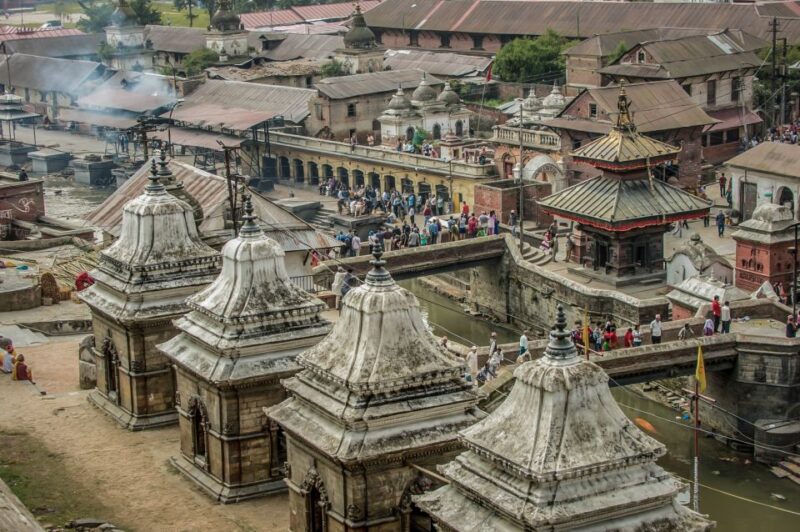
At Pashupatinath, guests witness sacred Hindu rituals, explore ancient shrines and temples, and stroll along the Ghats of the Bagmati River, absorbing the deep spiritual ambiance.
Then, they head to Boudha Stupa, one of South Asia’s largest stupas, where they learn about Buddhist teachings and the site’s fascinating history, believed to date back to the fifth century.
With an expert local guide, visitors gain a profound understanding of these religions while enjoying private transportation throughout their journey.
You can also read our reviews of more tours and experiences in Kathmandu.


Cultural Significance
Kathmandu’s cultural landscape is profoundly shaped by the intertwining practices of Hinduism and Buddhism, which reflect centuries of spiritual heritage and community rituals. This unique blend fosters a vibrant atmosphere where festivals, ceremonies, and daily practices resonate with deep meaning.
Temples and stupas stand as symbols of devotion, drawing locals and visitors alike to engage in meditation and worship. The annual celebrations, such as Dashain and Buddha Jayanti, unite diverse communities, reinforcing a shared identity.
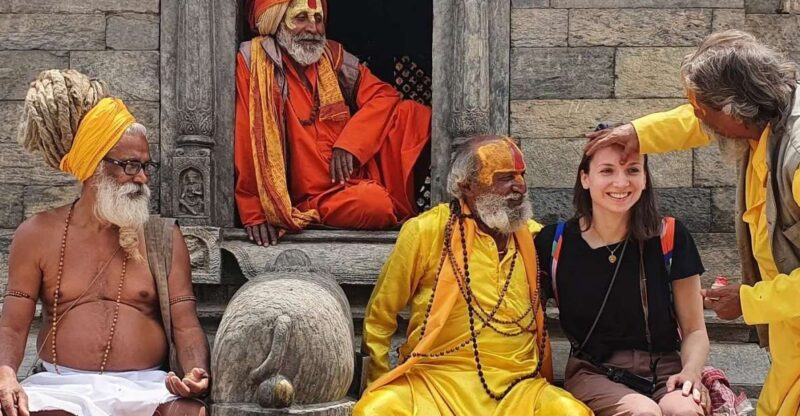
On top of that, the presence of holy Sadhus and monks enriches the spiritual fabric, offering insights into ancient traditions. As Kathmandu evolves, these religious practices continue to play a crucial role in shaping social cohesion, preserving cultural identity, and promoting peace among its inhabitants.
Pashupatinath Temple
Pashupatinath Temple, a UNESCO World Heritage site, serves as one of the most sacred Hindu shrines, attracting thousands of pilgrims and curious travelers alike to witness its vibrant rituals and spiritual atmosphere.
Nestled alongside the Bagmati River, the temple complex is a hub of activity, filled with intricate carvings, ancient architecture, and the presence of holy Sadhus.
Visitors often observe traditional rites such as cremations at the Ghats, which hold deep spiritual significance for devotees. The site fosters a sense of connection to the divine and offers insights into Hindu practices.
With its rich cultural heritage, Pashupatinath not only embodies religious devotion but also acts as a living museum, showcasing the enduring traditions of Hinduism in Nepal.
Boudha Stupa
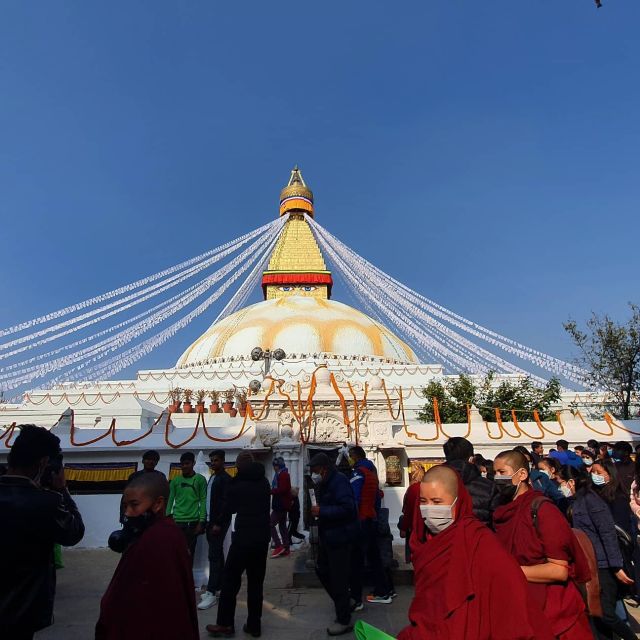
Located a short distance from Pashupatinath, Boudha Stupa stands as one of South Asia’s largest and most revered Buddhist sites, drawing admirers with its impressive architecture and rich spiritual history.
This iconic stupa, believed to have been constructed in the fifth century, features a massive mandala and a striking white dome adorned with colorful prayer flags. Visitors often marvel at the intricate details of the stupa, including the eyes of Buddha, which symbolize wisdom and compassion.
Surrounding the stupa, local shops and monasteries create a vibrant atmosphere, inviting exploration. Boudha Stupa serves not only as a pilgrimage site but also as a cultural hub, where tradition and spirituality intertwine, offering a unique glimpse into the practices of Buddhism in Nepal.
More Great Tours NearbyRituals and Practices
Rituals and practices in Kathmandu offer a fascinating insight into the vibrant spiritual lives of both Hindus and Buddhists, showcasing a rich tapestry of traditions that have evolved over centuries.
Daily life intertwines with sacred rituals; Hindus perform elaborate ceremonies at Pashupatinath, where they honor deities with offerings and prayers. The cremation ghats along the Bagmati River become sites of profound reflection and mourning.
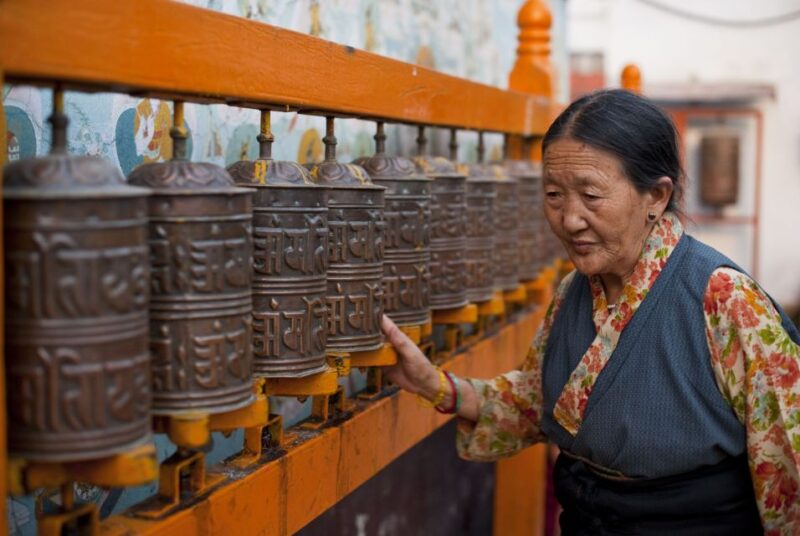
Meanwhile, Buddhists gather at Boudha Stupa, engaging in prayer, meditation, and the spinning of prayer wheels. Festivals, such as Dashain and Buddha Jayanti, fill the streets with color, music, and dance, emphasizing community and devotion.
Together, these practices cultivate a deep sense of spirituality, connecting individuals to their faith and heritage.
- Private Kathmandu Sightseeing Tour – UNESCO World Heritage Sites
★ 5.0 · 756 reviews - Kathmandu: Private 7 UNESCO Heritage Sites Day Tour
★ 4.8 · 744 reviews - Everest Base Camp Helicopter Tour Stop at Everest View Hotel
★ 5.0 · 668 reviews - Half Day Cooking Class in Thamel Kathmandu
★ 5.0 · 607 reviews - Private Kathmandu Day Tour: 7 UNESCO Heritage Sites Tour
★ 5.0 · 415 reviews - Kathmandu: 7 UNESCO World Heritage Sites Private Day Tour
★ 4.9 · 406 reviews
Meeting Spiritual Leaders
Meeting spiritual leaders in Kathmandu offers a unique opportunity to gain insights into the profound beliefs and practices that shape the lives of both Hindus and Buddhists in this vibrant city.
Visitors often engage with holy Sadhus and monks, who share their wisdom and experiences. These encounters reveal the deep connection between spirituality and daily life in Kathmandu.
Spiritual leaders often conduct teachings and rituals, demonstrating how faith influences community and culture. By participating in discussions, travelers discover the significance of various customs, from meditation in monasteries to rituals at sacred sites.
This enriching experience fosters a greater understanding of the harmonious coexistence of Hinduism and Buddhism, allowing visitors to appreciate the spiritual fabric of Kathmandu more deeply.
Travel Logistics
Navigating the vibrant streets of Kathmandu offers travelers a blend of convenience and adventure, making it easy to explore the rich spiritual heritage of Hinduism and Buddhism. From bustling markets to serene temples, getting around the city is straightforward.
Transportation Options: Taxis, rickshaws, and scooters are readily available.
Local Guides: Knowledgeable guides enhance the experience with insights into local customs.
Cultural Etiquette: Respectful behavior is appreciated, especially at religious sites.
Safety Tips: Stay aware of surroundings and keep personal belongings secure.
Currency: The Nepalese Rupee is the local currency, so having cash on hand is essential for small purchases.
These logistics ensure a fulfilling journey through Kathmandu’s spiritual landscape, balancing exploration with comfort.
Booking Process
Booking the experience of exploring Hinduism and Buddhism in Kathmandu is a straightforward process that offers flexibility and ease for travelers. They simply check availability, select their preferred date, and the number of participants. With the option to reserve now and pay later, travelers can enjoy peace of mind.
Here’s a quick overview of the booking process:
| Step | Details |
|---|---|
| Check Availability | Look for available starting times |
| Select Date | Choose the desired date for the experience |
| Confirm Booking | Reserve and enjoy free cancellation up to 24 hours in advance |
This simple structure allows travelers to plan effectively while ensuring they experience the rich culture and heritage of Kathmandu.
Frequently Asked Questions
What Should I Wear When Visiting Religious Sites?
When visiting religious sites, he should wear modest clothing, covering shoulders and knees. Breathable fabrics are ideal for comfort. Comfortable shoes will help him navigate uneven terrain, ensuring an enjoyable, respectful experience during his visit.
Are There Any Age Restrictions for Participants?
There aren’t any specific age restrictions for participants. However, it’s recommended that younger children be accompanied by adults to ensure their safety and enhance their understanding of the cultural and spiritual experiences during the visit.
Is Photography Allowed at the Temples and Stupa?
At the temples and stupa, photography’s generally allowed, but visitors should respect guidelines and local customs. They should seek permission when necessary, ensuring they don’t disturb the sacred atmosphere or ongoing rituals.
How Long Are the Visits to Each Site?
The visits to each site typically last around one to two hours. Participants explore the rich history and vibrant culture, seeing the spiritual ambiance, while guided by an expert local guide throughout the experience.
Can I Customize the Itinerary for My Group?
They can customize the itinerary to suit their group’s preferences. The experience offers flexibility, allowing them to focus on specific sites or activities, ensuring a more personalized and enriching exploration of the cultural heritage.
Kathmandu : Hinduism and Buddhism in Practice
Recap
Kathmandu beautifully embodies the coexistence of Hinduism and Buddhism, inviting visitors to enjoy its rich spiritual landscape.
From the sacred rituals at Pashupatinath Temple to the serene presence of the Boudha Stupa, the city offers profound experiences that resonate with both faiths.
Engaging with local spiritual leaders further deepens one’s understanding of these traditions.
As travelers explore this vibrant city, they not only witness but also partake in a living tapestry of cultural and spiritual heritage.
You can check availability for your dates here:


