
Nestled along the Nile River in Luxor, Egypt, the Kom Ombo Temple stands as a remarkable architectural wonder. Dedicated to the crocodile god Sobek and the falcon god Horus, this unique dual temple dates back to the Ptolemaic period and features a symmetrical design with intricate hieroglyphic inscriptions. Visitors are captivated by its rich history and stunning landscapes, but the true allure of Kom Ombo lies in the fascinating blend of worship dedicated to these two deities. Uncover the secrets and legends that have echoed through the temple’s halls for centuries as you explore this remarkable archaeological site.
Good To Know
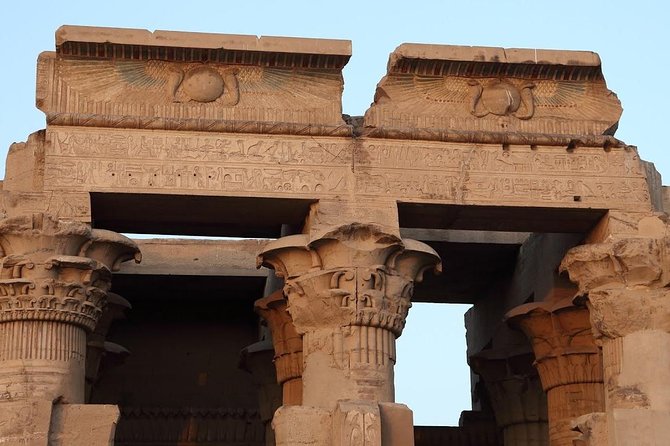
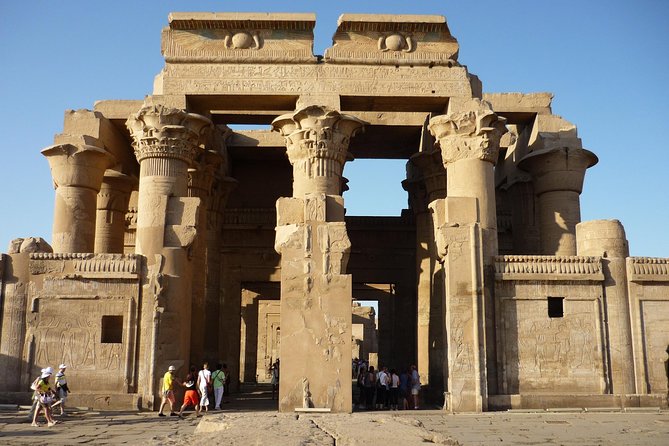
- Kom Ombo Temple is a unique dual-dedication temple located along the Nile River, dedicated to the crocodile god Sobek and the falcon god Horus.
- The temple’s symmetrical design features matching sanctuaries, courts, and a hypostyle hall with columns depicting both deities.
- Kom Ombo Temple offers insights into the blending of ancient Egyptian religious cults and the importance of dual dedication in their practices.
- The temple’s well-preserved reliefs, carvings, and hieroglyphic inscriptions provide visitors with a captivating experience and a deeper understanding of ancient Egyptian history and culture.
- Highlights of the Kom Ombo Temple tour include visiting the Crocodile Crypt, the Nilometer, and the opportunity to explore the temple’s unique architectural features with an Egyptologist guide.
Location and History
The Kom Ombo Temple, a dual-dedication sanctuary, lies along the Nile River in the city of Luxor, Egypt.
Dedicated to the crocodile god Sobek and the falcon god Horus, this unique temple dates back to the Ptolemaic period, around 180-47 BC.
Its unusual symmetrical design features two matched entrances, two courts, and two sanctuary halls, reflecting its dual nature.
Situated on an elevated location, the temple offers stunning views of the surrounding landscape.
Visitors can explore the temple’s rich collection of reliefs, carvings, and inscriptions that depict the Egyptian pantheon and the daily life of ancient Egyptians.
The Kom Ombo Temple stands as a remarkable example of the sophisticated architectural and religious traditions of ancient Egypt.
You can also read our reviews of more tours and experiences in Luxor.


Architecture and Design
Though its dual-dedication sets it apart, the Kom Ombo Temple‘s architectural design also stands out as a unique feature. The temple complex features a symmetrical layout, with two sanctuaries side-by-side dedicated to the crocodile god Sobek and the falcon god Horus. This distinctive design is a testament to the temple’s shared worship of these two deities.
Key architectural elements include:
- Pylon entrance with massive stone columns.
- Hypostyle hall with 24 columns depicting both gods.
- Dual sanctuaries with separate offering halls.
- Hieroglyphic inscriptions covering the temple walls.
This harmonious blend of form and function reflects the temple’s religious significance and the complexity of ancient Egyptian beliefs.
Dedication and Worship
At the very heart of Kom Ombo Temple lies a profound dedication to not one, but two of ancient Egypt’s most revered deities.
The temple is uniquely divided into two halves, each devoted to a different god – Sobek, the crocodile-headed god of the Nile, and Horus, the falcon-headed sky god. This dual dedication reflects the temple’s role as a place of worship for both the powers of destruction and renewal.
Pilgrims would come to honor these divine forces, seeking blessings, protection, and the restoration of balance in their lives. The temple’s architecture and rituals were carefully designed to facilitate this sacred communion between the mortal and immortal realms.
Unique Dual Temple
Kom Ombo Temple stands out as a truly one-of-a-kind architectural marvel, for it’s a temple that pays homage to not one, but two distinct Egyptian deities.
This unique dual temple is dedicated to the crocodile god Sobek and the falcon god Haroeris (Horus the Elder). The temple’s layout features two matching sides, each with its own sanctuary, altars, and ancillary chambers.
This symmetrical design reflects the equal importance given to both gods in the religious beliefs of ancient Egyptians. The temple’s exceptional preservation and the stories it tells about the intertwining of different cults make it a captivating site for visitors to explore.
Key features of Kom Ombo Temple:
- Dual dedication to Sobek and Haroeris
- Symmetrical layout with matching sides
- Well-preserved hieroglyphic inscriptions and reliefs
- Insight into the blending of Egyptian religious traditions
Highlights of the Tour
Visitors to Kom Ombo Temple can expect a captivating journey through ancient Egyptian history and religious practices. The tour includes visits to the Edfu Temple, dedicated to the falcon-headed god Horus, and the unique dual temple of Kom Ombo.
Led by an Egyptologist guide, the experience focuses on exploring the fascinating spiritual beliefs and cultural heritage of Egypt. Travelers will enjoy comfortable transportation, a delicious included lunch, and refreshing beverages.
With a private tour format, guests can enjoy the temple’s grandeur and learn about its significance without the distractions of large crowds. While the tour isn’t wheelchair-accessible, it’s suitable for most visitors seeking an enriching cultural adventure.
- Luxor: Shared Full-Day Tour to Luxor West and East Banks
★ 4.5 · 1,812 reviews - Luxor: Hot Air Balloon Ride Over Luxor Relics
★ 4.8 · 1,681 reviews - Luxor: Valley of the Kings and Hatshepsut Temple Day Tour
★ 4.4 · 1,404 reviews - Hurghada: 2-Day Luxor Tour With Hotel, Balloon, & Boat Ride
★ 4.5 · 1,113 reviews - Luxor: Morning Hot Air Balloon Ride
★ 4.4 · 736 reviews - Luxor: Karnak Temple and Luxor Temple Tour With Lunch
★ 4.4 · 658 reviews
Practical Considerations
When planning a visit to Kom Ombo Temple, travelers should consider a few practical factors. The tour includes transportation in an air-conditioned vehicle, a provided lunch, and complimentary beverages.
However, it’s important to note that the tour isn’t wheelchair accessible, though it’s stroller-friendly.
Some additional considerations include:
-
Bring comfortable walking shoes, as the tour involves exploring ancient temple sites.
-
Dress appropriately for the warm Egyptian climate, with sun protection and light clothing.
-
Be aware that any additional visits not included in the program will incur extra costs.
-
Review the tour’s rating and feedback to set appropriate expectations for the experience.
Visitor Experiences
Travelers who venture to Kom Ombo Temple often remark on the captivating atmosphere that envelops the ancient site. The dual dedications to the crocodile god Sobek and the falcon god Horus create a unique and intriguing experience.
Visitors are guided by knowledgeable Egyptologists who bring the temple’s history and spiritual significance to life. Many find the temple’s well-preserved reliefs and hieroglyphics fascinating, offering a glimpse into the beliefs and practices of ancient Egypt.
While some guests report minor issues with communication or pickup, the overall tour experience is highly rated, with visitors appreciating the inclusion of Edfu Temple and the convenient transportation, lunch, and refreshments provided.
Exploring Kom Ombo
The Kom Ombo Temple stands as a captivating testament to the ancient Egyptian pantheon, with its dual dedications to the crocodile god Sobek and the falcon god Horus.
Visitors can explore the symmetrical architecture, admiring the intricate carvings and hieroglyphics that adorn the temple walls. The site offers a glimpse into the syncretism of Egyptian religious beliefs, where deities were often combined or associated with one another.
The key features of the Kom Ombo Temple include:
- The Crocodile Crypt, which housed preserved crocodile mummies.
- The Chamber of Mummification, where the embalming process was once performed.
- The Nilometer, a device used to measure the annual Nile flood levels.
- The impressive double-entrance design, a unique architectural characteristic of the temple.
Frequently Asked Questions
Can I Take Photographs Inside the Temple?
Visitors are generally allowed to take photographs inside the temple. However, they should be mindful of any restrictions or guidelines provided by the tour guide or local authorities to ensure a respectful visit.
Are There Any Restrictions on What I Can Wear?
There are no strict dress code requirements for this tour, but visitors are advised to wear comfortable and modest clothing. Avoiding revealing or overly casual attire is recommended out of respect for the cultural and historical significance of the sites.
Is There an Audio Guide Available for the Tour?
There’s no mention of an audio guide being available for this Kom Ombo Temple tour. The overview indicates the tour is led by an Egyptologist guide who likely provides live commentary during the experience.
Can I Buy Souvenirs at the Temple Site?
Yes, visitors can purchase souvenirs at the Kom Ombo Temple site. The temple grounds feature a variety of local vendors selling Egyptian-themed items like statues, jewelry, and t-shirts for those looking to bring home a memento.
How Long Does the Entire Tour Typically Last?
The entire Kom Ombo Temple tour typically lasts around 5-6 hours. Travelers visit Edfu Temple and Kom Ombo Temple, with an included lunch during the trip. The tour is led by an Egyptologist guide focused on Egyptian history and beliefs.
Kom Ombo Temple
The Sum Up
Kom Ombo Temple is a captivating dual temple that offers visitors a unique glimpse into ancient Egyptian history and religion. Its symmetrical design, massive stone columns, and intricate hieroglyphic inscriptions make it a must-see destination along the Nile River. Tourists can explore the sanctuaries dedicated to Sobek and Horus, seeing the fascinating blend of worship that once took place within these sacred walls.


