In the heart of Paris, the Marais stood as a testament to resilience during World War II. Residents grappled with food shortages and curfews, yet they cultivated a remarkable sense of community amidst the shadows of occupation. Clandestine gatherings thrived, where art and music became lifelines, weaving a tapestry of hope through despair. Personal stories reveal the stark contrasts of daily life—fear mingled with whispers of resistance. As the war dragged on, the streets transformed, hinting at a future shaped by both struggle and solidarity. What would ultimately emerge from this crucible of adversity?
Key Points
- The Marais district experienced food shortages and rationing, severely impacting daily life during the occupation.
- Curfews and patrols restricted residents’ movements, creating a climate of fear and tension.
- Censorship stifled artistic expression, yet clandestine cultural gatherings fostered resilience and hope.
- The arrival of Allied Forces ignited anticipation and celebrations among weary Marais residents.
- Personal stories from survivors highlight small acts of defiance and community solidarity amidst adversity.
Historical Context of the Marais
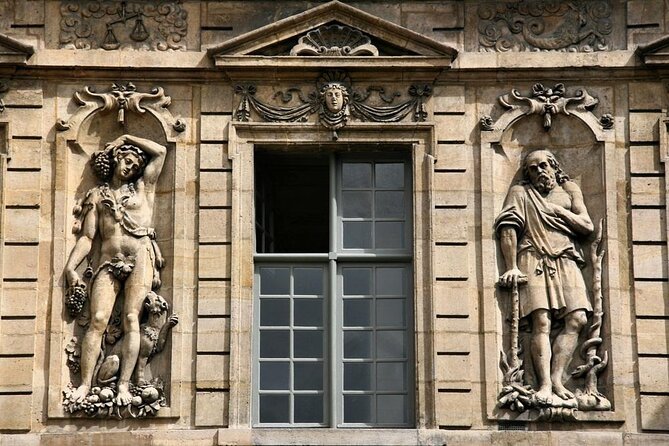
The Marais district in Paris, with its rich tapestry of history, played a crucial role during World War II.
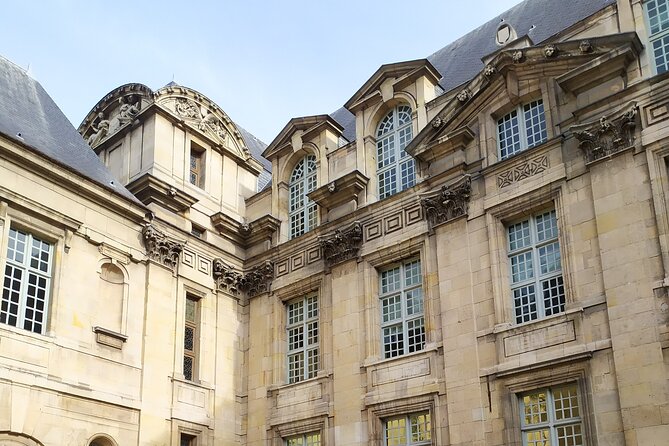
Once a vibrant center for the aristocracy, its narrow streets and grand architecture became the backdrop for a city under siege. As the Nazis occupied Paris, the Marais transformed, witnessing the struggles and resilience of its residents.
This area housed a significant Jewish community, which faced devastating persecution as the war progressed. The iconic Place des Vosges, once a gathering spot for the elite, became a symbol of the lost glory of Paris.
Amidst the chaos, the Marais held onto its historical significance, reminding both locals and visitors of the enduring spirit of a city that refused to be completely subdued.
You can also read our reviews of more tours and experiences in Paris.



Daily Life Under Occupation
Life in the Marais during the Nazi occupation was a complex tapestry woven with fear, resilience, and everyday struggles. Residents faced food shortages, curfews, and constant surveillance, yet they found ways to maintain their spirit. Families gathered in secret, sharing stories and meals, while artists painted their realities, capturing both despair and hope.
| Aspect | Struggles | Resilience |
|---|---|---|
| Food Supply | Rationing and scarcity | Community sharing |
| Freedom | Curfews and patrols | Underground networks |
| Expression | Censorship | Art and literature |
In these challenging times, the people of Marais forged bonds, creating a sense of unity amid adversity, proving that even in the darkest days, the human spirit can shine brightly.
Impact of Allied Forces Arrival
As Allied Forces approached Paris, a palpable sense of hope began to permeate the air in the Marais. The residents, weary from years of occupation, eagerly anticipated liberation. Stories of advancing troops spread like wildfire, igniting dreams of freedom and normalcy.
Daily life began to shift; people started to gather in the streets, sharing news and celebrating small victories. The hum of conversation replaced the silence of fear, and the scent of fresh bread wafted from local bakeries, hinting at a return to routine.
Even the graffiti on walls reflected optimism, with messages of defiance and encouragement. The arrival of the Allies symbolized not just military strength but a renewed spirit among the Parisians, uniting them in their quest for a brighter future.
Cultural Resilience in Wartime
Amid the joyous anticipation of liberation, Parisians in the Marais found strength in their cultural heritage, which served as a lifeline during the dark days of occupation.
They turned to art, music, and literature, creating a vibrant tapestry of resistance that kept hope alive. Through clandestine gatherings, they celebrated their rich traditions, defying the harsh realities around them.
- Community gatherings fostered solidarity.
- Street performances brought laughter and joy.
- Literary salons inspired creativity and debate.
- Local artists documented the struggle through their work.
- Culinary traditions maintained a sense of normalcy.
These cultural expressions not only provided comfort but also reinforced their identity, uniting the community against adversity and reminding them of the beauty worth fighting for.
Personal Stories and Memories
Memory often acts as a powerful bridge, connecting the past with the present and allowing individuals to share their personal experiences of wartime Paris. Many survivors recall the eerie silence that filled the Marais as tensions rose.
Young Pierre, then a child, remembers the taste of stale bread and the sound of whispered conversations about resistance. His sister, Colette, often spoke of the small acts of defiance—hiding Jewish neighbors and sharing rationed food.
These personal stories reveal a tapestry of resilience amidst fear. Each recollection serves not just as a reminder of hardship but also as a testament to the human spirit’s endurance.
Together, these memories shape a deeper understanding of life during the occupation, resonating with those who hear them today.
- Paris: Louvre Museum Timed-Entrance Ticket
★ 4.6 · 71,977 reviews - Disneyland Paris: 1-Day Ticket
★ 4.6 · 49,412 reviews - Paris: Versailles Palace and Gardens Full Access Ticket
★ 4.6 · 41,579 reviews - Paris: Arc De Triomphe Rooftop Tickets
★ 4.6 · 34,264 reviews - Paris: Orsay Museum Entry Ticket
★ 4.7 · 25,647 reviews - Paris: Evening River Cruise With Music
★ 4.4 · 22,721 reviews
Significance of the Tour Experience
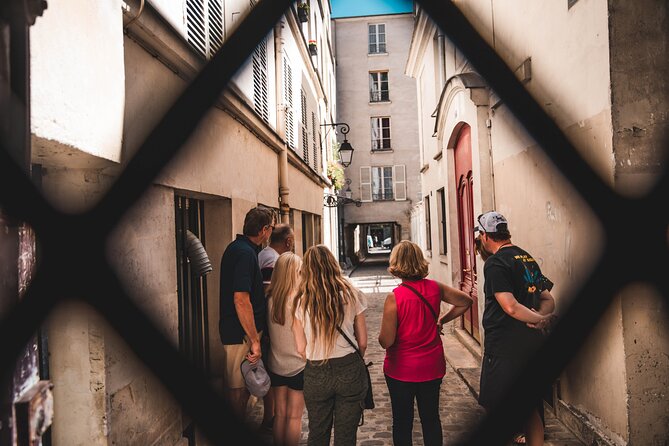
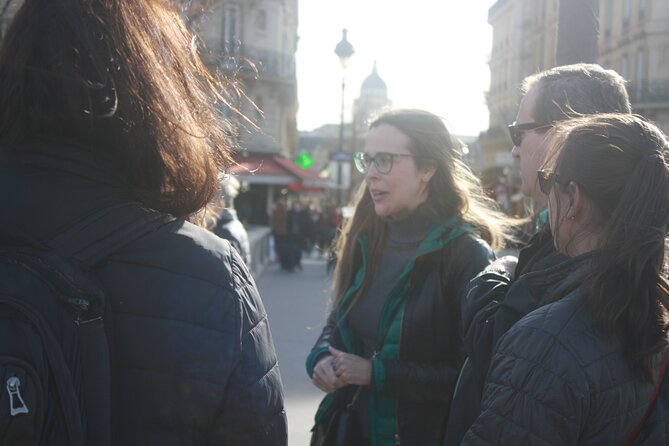
The tour experience offers a unique opportunity to connect with the poignant history of the Marais during World War II, bringing to life the personal accounts that have shaped collective memory.
Participants walk through the very streets where significant events unfolded, fostering a deeper understanding of the past. This immersive journey highlights the resilience of Parisians and the impact of war on everyday life.
- Learn about the harrowing final days of the Occupation
- Understand the consequences of Hitler’s orders
- Hear first-hand accounts from locals
- Reflect on the bravery of those who resisted
- Appreciate the importance of preserving history
Through storytelling, the tour empowers visitors to reflect on the lessons of history and the enduring spirit of humanity.
Reflections on War and Peace
War and peace are two sides of a complex coin, each deeply influencing the other in ways that shape societies and individual lives.
The shadows of World War II in the Marais reveal how conflict can alter communities, tearing apart friendships and families. Yet, amidst the chaos, the human spirit often finds ways to endure and connect.
Parisians, while grappling with fear and uncertainty, demonstrated resilience through acts of kindness and solidarity.
The struggle for peace, however, remains fragile, as history shows that the scars of war can linger long after the fighting stops.
Reflecting on this duality reminds us that peace isn’t merely the absence of war but an ongoing effort to foster understanding, compassion, and hope in rebuilding lives.
Life at the Marais During World War II
The Sum Up
Life in the Marais during World War II serves as a powerful testament to resilience in the face of adversity. Despite the shadows of occupation, residents forged bonds of solidarity, keeping their spirits alive through art and community. The arrival of Allied forces marked a turning point, igniting hope for a brighter future. Today, the stories from this vibrant neighborhood remind us of the importance of unity and the enduring strength of the human spirit in times of crisis.