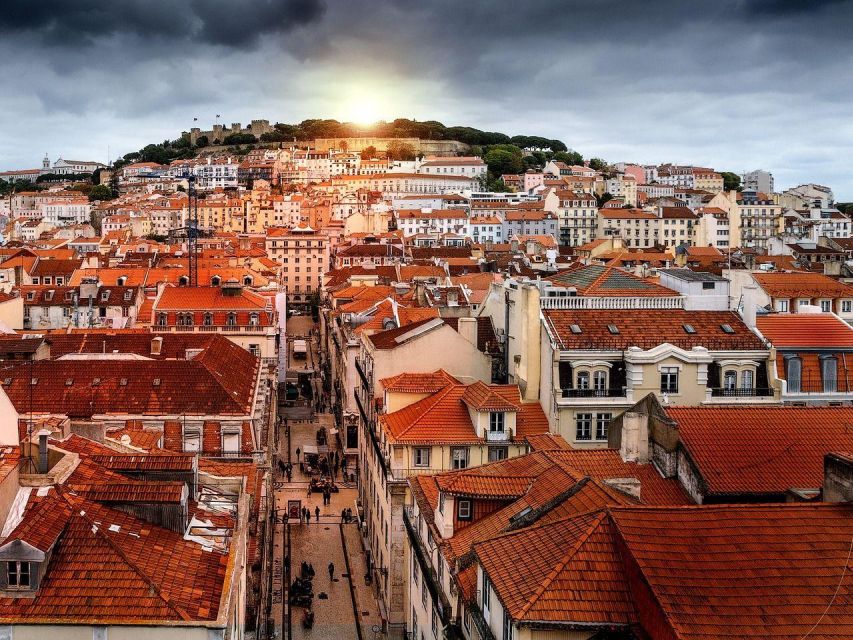
Lisbon’s Bairro Alto and Baixa neighborhoods offer a captivating glimpse into the city’s storied past. From the grand Praça do Comércio to the ornate Baroque architecture, this private walking tour provides an immersive experience in Lisbon’s rich cultural and architectural heritage. Explore the commercial heart of the city during the Age of Discovery, admire the intricate azulejo tiles, and visit the poignant Carmo Convent – a reminder of the devastating 1755 earthquake. Whether you’re a history buff or an architecture enthusiast, this tour promises to unveil the hidden gems that have shaped Lisbon’s vibrant identity over the centuries.
Key Points

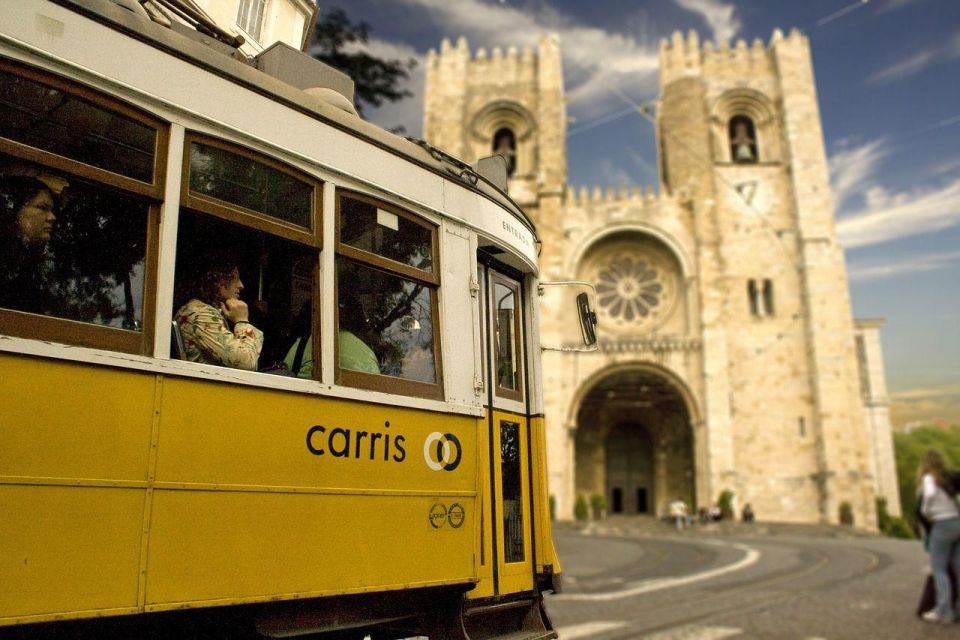
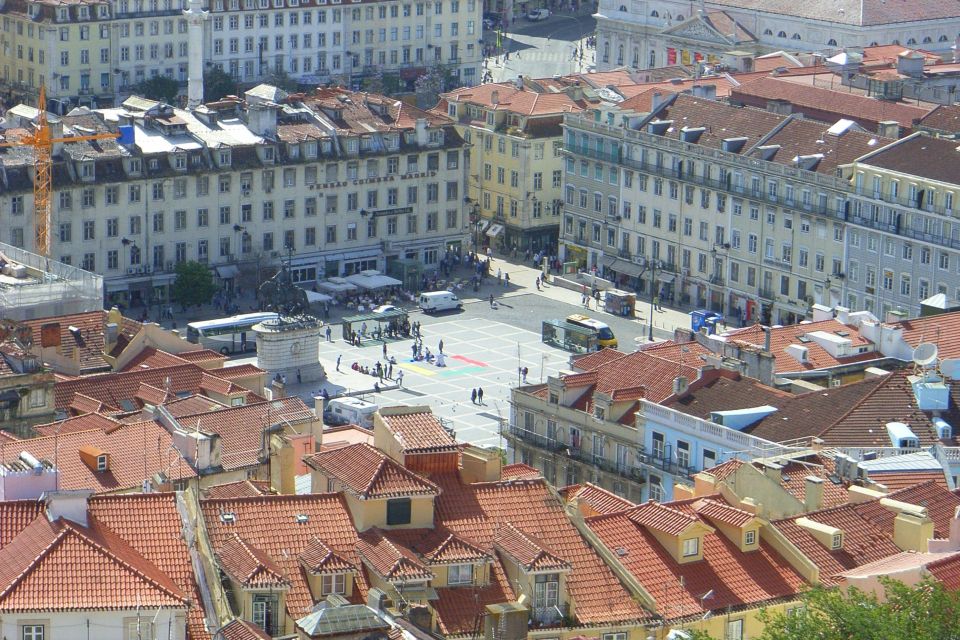
• Explore Lisbon’s historic Bairro Alto and Baixa neighborhoods on a private walking tour to discover the city’s ancient origins, global trading legacy, and architectural wonders.
• Visit the Praça do Comércio, a grand 18th-century square that served as the epicenter of Portugal’s Age of Discovery commerce and trade.
• Reflect on Lisbon’s tragic histories, including the 1506 Jewish Massacre, and the importance of promoting unity at the memorial site in Largo de São Domingos.
• Admire the ornate Baroque churches, azulejo-tiled buildings, and harmonious blend of old and new architecture that defines Lisbon’s charming cityscape.
• Explore the Jerónimos Monastery, a UNESCO World Heritage site that showcases Lisbon’s prosperous maritime past and architectural grandeur.
You can check availability for your dates here:Lisbon’s Ancient and Storied Past
Lisbon’s history stretches back millennia, with the city founded even earlier than the eternal city of Rome itself. Legend has it that the city was established by the Greek hero Odysseus, also known as Ulysses.
During the Age of Discovery, Lisbon was the capital of a global empire, with ships sailing to Africa and Asia, bringing back spices, treasure, and adventure. The city was then devastated by a massive earthquake in 1755, which began the decline of Portugal’s maritime power.
Yet Lisbon persevered, rebuilding in a grand, monumental style. More recently, the city emerged from decades of oppressive dictatorship through the peaceful Carnation Revolution.
Lisbon’s ancient and storied past is evident in its historic neighborhoods and landmarks.
You can also read our reviews of more walking tours in Lisbon


Golden Age of Exploration
During the Golden Age of Exploration, Lisbon became a hub of maritime activity, with ships setting sail from its ports to chart new trade routes and bring back exotic goods from Africa and Asia.
The city’s strategic location on the Tagus River estuary made it an ideal departure point for explorers like Vasco da Gama, who launched his voyage to India from Lisbon in 1497.
The arrival of these discovery ships filled the city’s bustling squares with spices, textiles, and other treasures from far-flung lands, transforming Lisbon into a global trading center.
Today, visitors can stroll through the historic Praça do Comércio, where these prized goods were once sold, and imagine the excitement and wealth of Lisbon’s golden age.
Devastating Earthquake of 1755
On the fateful day of November 1, 1755, a catastrophic earthquake struck Lisbon, leaving behind a trail of unimaginable destruction. The quake, estimated at 8.5 on the Richter scale, was one of the deadliest in European history.
Its impact was devastating:
- Over 10,000 buildings were destroyed, including iconic landmarks like the Ribeira Palace.
- Fires raged for days, consuming much of the city’s historic center.
- The subsequent tsunami claimed even more lives, washing away entire neighborhoods.
The earthquake signaled the beginning of the end for Portugal’s global empire, as the thriving trade and commerce of the ‘Age of Discovery’ were devastated.
This tragic event would forever change the face of Lisbon, both physically and culturally.
Dictatorship and Peaceful Revolution
Portugal experienced one of the longest fascist dictatorships in Europe, lasting for over four decades under the repressive rule of António de Oliveira Salazar and his successors. However, this oppressive regime came to a peaceful end in 1974 during the Carnation Revolution, a bloodless military coup that restored democracy to the country.
| Characteristics of the Carnation Revolution | |
|---|---|
| Bloodless | Peaceful Transition |
| Military Coup | Overthrew Dictatorship |
| Restored Democracy | New Constitutional Government |
The Carnation Revolution marked the end of Portugal’s fascist dictatorship and ushered in a new era of democratic freedom for its citizens.
More Great Tours NearbyRemembering Tragic Histories
While the Carnation Revolution marked a new beginning for Portugal, the nation’s history also includes darker moments that continue to shape its identity. One such tragedy is the Memorial to the Victims of the 1506 Jewish Massacre, located in Largo de São Domingos, which stands as a somber reminder of the persecution endured by the Jewish community.
In 1506, a mob of Christians attacked and killed thousands of Jews in Lisbon. The massacre was fueled by religious intolerance and antisemitism, a painful legacy that haunts Portugal.
The memorial features solemn bronze figures, honoring those whose lives were lost. Visiting this site encourages reflection on the dangers of prejudice and the importance of promoting unity.
You can also read our reviews of more private tours in Lisbon
- Lisbon: Private Guided Tuk-Tuk Tour with Hotel Pickup
★ 4.9 · 4,552 reviews - Lisbon: Private City Tour on an Electric Tuk-Tuk
★ 4.9 · 1,215 reviews - Private Full-Day Arrábida Wine Tour and Food Tasting
★ 5.0 · 907 reviews - Lisbon Private Walking Food Tour With Secret Food Tours
★ 5.0 · 896 reviews - Lisbon: 1-Hour City Tour on a Private Tuk Tuk
★ 5.0 · 840 reviews - Lisbon: Private City Tour by Tuk-Tuk
★ 5.0 · 789 reviews
Bustling Commercial Center
Praça do Comércio, Lisbon’s largest square, bustles with activity as it showcases the city’s thriving commercial past.
This expansive plaza, once the epicenter of Portugal’s global trade during the Age of Discovery, now draws visitors to explore its impressive architecture and vibrant atmosphere.
Surrounded by pastel-colored buildings and the iconic triumphal arch, the square serves as a gateway to the city’s bustling Baixa neighborhood.
Merchants and vendors hawk their wares, while cafes and restaurants spill out onto the cobblestone streets, creating a lively and inviting atmosphere.
Whether browsing the shops or simply soaking in the vibrant energy, Praça do Comércio offers a glimpse into Lisbon’s prosperous commercial legacy.
Architectural Wonders
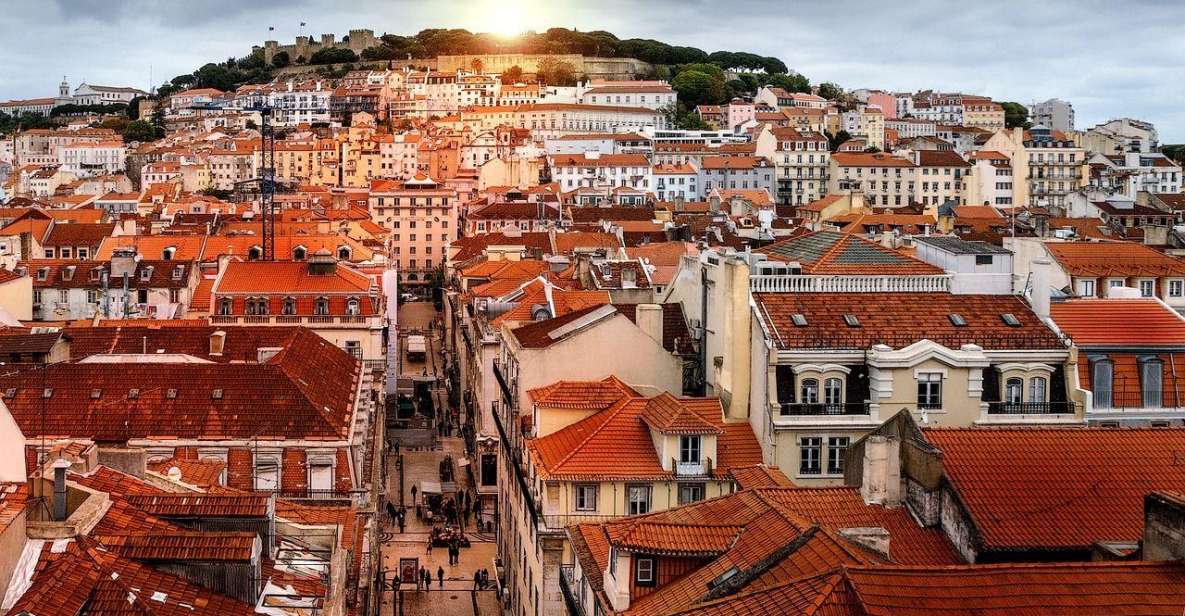
As one explores the Baixa and Bairro Alto neighborhoods, they’ll be captivated by the city’s architectural wonders that testify to Lisbon’s resilience and evolution. Ornate Baroque churches, grand plazas, and elegant 18th-century buildings showcase the city’s remarkable reconstruction following the devastating 1755 earthquake. Intricate azulejo tiles adorn building facades, blending Portuguese tradition with innovative design. This harmonious blend of old and new creates a charming and visually striking cityscape that invites visitors to enjoy Lisbon’s rich history and vibrant present.
Key architectural highlights include:
Praça do Comércio, the majestic square facing the Tagus River.
Rossio Square, a lively public space with a distinctive wave-patterned mosaic.
Carmo Convent, a Gothic ruin that serves as a poignant reminder of the earthquake.
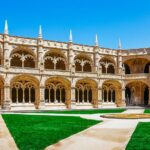
Jerónimos Monastery, a UNESCO World Heritage site showcasing Manueline architecture.
Immersive Walking Tour
Participants will embark on an immersive walking tour through Lisbon’s captivating Bairro Alto and Baixa neighborhoods, uncovering the city’s rich history and architectural wonders. Along the way, they’ll discover hidden gems, explore charming cobblestone streets, and gain a deeper understanding of Lisbon’s past and present. The tour offers a unique opportunity to take in the local culture, with knowledgeable guides providing insights and anecdotes that bring the city to life. Whether you’re a first-time visitor or a seasoned traveler, this walking tour promises to be a highlight of your Lisbon experience.
| Highlights | Duration |
|---|---|
| Bairro Alto | 1.5 hours |
| Baixa | 2 hours |
| Praça do Comércio | 30 minutes |
| Largo de São Domingos | 20 minutes |
| Memorial to the Victims of the 1506 Jewish Massacre | 15 minutes |
Frequently Asked Questions
What Is the Best Time of Year to Visit Lisbon?
The best time to visit Lisbon is during the spring or fall. The weather is mild, crowds are smaller, and prices tend to be lower compared to the peak summer months. Travelers can enjoy the city’s historic sights and vibrant culture year-round.
How Safe Is It to Walk Around Lisbon at Night?
Lisbon is generally a safe city for walking at night, though visitors should exercise caution in quieter neighborhoods. Most tourist areas are well-lit and populated, making them relatively secure. However, it’s wise to avoid deserted streets and be alert to one’s surroundings.
Are There Any Bike-Sharing Services Available in Lisbon?
Yes, Lisbon has several bike-sharing programs that allow visitors to explore the city on two wheels. Services like Gira and Mobike offer affordable and convenient options for getting around Lisbon’s historic neighborhoods and scenic waterfront areas.
Can I Easily Access the Metro System From the Bairro Alto and Baixa Areas?
Yes, visitors can easily access Lisbon’s metro system from the Bairro Alto and Baixa areas. Several metro stations are conveniently located near these vibrant neighborhoods, providing quick and efficient connections to the city’s public transportation network.
Are There Any Popular Local Dishes I Should Try in Lisbon?
When visiting Lisbon, be sure to try local specialties like bacalhau (salted cod), pastéis de nata (custard tarts), cozido à portuguesa (mixed boiled meat and vegetable stew), and fresh seafood from the Tagus River. These dishes showcase Portugal’s rich culinary heritage.
Lisbon (Bairro Alto and Baixa) Private Walking Tour
Recap
Lisbon’s Bairro Alto and Baixa neighborhoods offer an immersive glimpse into the city’s storied past.
Explore the grand Praça do Comércio, ornate Baroque architecture, and iconic Jerónimos Monastery.
This private walking tour provides an engaging experience in Lisbon’s rich cultural and architectural heritage, allowing visitors to discover the city’s captivating blend of tradition and modernity.
You can check availability for your dates here: