Lisbon’s past as a center of wartime espionage and intrigue comes to life on this guided walking tour. Explore the hidden escape routes and secret hideouts used by refugees, double agents, and Nazi fugitives during World War II and Salazar’s dictatorship. Uncover captivating tales of royal families in exile, the captivating story of the Spanish double agent ‘Garbo’, and Lisbon’s role as a cosmopolitan hub for wartime intrigue. This immersive experience provides a unique glimpse into a fascinating chapter of the city’s history that continues to capture the imagination of those curious to delve deeper.
Key Points

- The guided walking tour explores Lisbon’s history as a hub for spies, double agents, and exiled royals during World War II and Salazar’s dictatorship.
- Participants uncover captivating tales of refugees, Nazi gold transfers, and the complex network of collaborators that facilitated these activities.
- The tour delves into Lisbon’s neutrality during World War II and the challenges faced under Salazar’s tightly controlled regime, which set the stage for espionage and intrigue.
- Visitors follow in the footsteps of infamous double agents like ‘Garbo’, who played a significant role in turning the tide of the war through their deception efforts.
- The tour provides an immersive experience that sheds light on how Lisbon’s reputation as a ‘City of Spies’ inspired the glamour and intrigue of the James Bond franchise.
Tour Overview
This guided walking tour of Lisbon explores the city’s history as the ‘City of Spies’, offering an immersive experience for visitors.
The tour lasts 3 hours and is available as either a private or small group experience.
Participants will learn about Lisbon’s fascinating history of spies, double agents, and royals, and discover the inspirations behind the stories of James Bond.
The tour delves into the city’s neutrality during World War II, Salazar’s dictatorship, and the escape routes used by refugees and double agents.
With a professional guide leading the way, this tour provides a unique opportunity to uncover the hidden stories that have made Lisbon a hub for espionage and intrigue throughout history.
You can also read our reviews of more walking tours in Lisbon
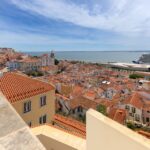


Exploring Lisbon’s Spy History
Lisbon’s history as the ‘City of Spies’ dates back to the World War II era, when the neutral Portuguese capital played host to a host of crafty spies and double agents. This period inspired renowned writers like Ian Fleming and Graham Greene, who drew on Lisbon’s intrigue to craft their iconic spy stories.
Visitors on the ‘Lisbon: City of Spies’ tour can expect to:
- Uncover tales of refugees, Nazi gold, and royal families in exile.
- Explore Lisbon’s neutrality and the challenges faced under Salazar’s dictatorship.
- Follow in the footsteps of spies, discovering the city’s hidden escape routes.
This immersive experience offers a glimpse into Lisbon’s captivating past as a hub for espionage and intrigue during one of history’s most tumultuous eras.
Inspirations Behind James Bond
The glamour and intrigue of Lisbon’s wartime spy scene served as a key inspiration for Ian Fleming’s iconic James Bond character and his thrilling adventures.
During World War II, the neutral Portuguese capital played host to a cast of colorful characters, from double agents and exiled royals to Nazi fugitives and wealthy socialites.
These real-life stories of espionage and high-stakes cat-and-mouse games captured Fleming’s imagination, informing the high-octane plots and sophisticated settings that became synonymous with the Bond franchise.
Lisbon’s reputation as a cosmopolitan hub for wartime espionage lent an air of authenticity and danger to Bond’s exploits, cementing the city’s status as a legendary ‘City of Spies‘.
The Garbo Story and Nazi Gold
Amidst Lisbon’s wartime intrigue, the ‘Garbo story’ unfolded – a captivating tale of a Spanish double agent who played a pivotal role in the Allies’ deception efforts against the Nazis.
The tour explores how this enigmatic figure, code-named ‘Garbo’, spun an elaborate web of lies to mislead the Germans about Allied invasion plans.
Plus, visitors learn about the fate of Nazi gold that was smuggled into Portugal, including:
- The secret routes used to transport the stolen treasure.
- The complex network of collaborators who facilitated the transfers.
- The ongoing efforts to recover and repatriate the missing Nazi gold.
These captivating stories provide a glimpse into Lisbon’s dark past as a hub for espionage and intrigue during the tumultuous World War II era.
More Great Tours NearbyDelving Into Portuguese Politics
Delving into Portuguese politics, the tour explores the country’s complex history of challenges and power struggles, particularly during the dictatorship of António de Oliveira Salazar, which cast a long shadow over the nation’s neutrality during World War II. Salazar’s regime, which lasted from 1932 to 1968, maintained a tight grip on power, suppressing dissent and controlling the flow of information. This political landscape set the stage for the intrigue and espionage that unfolded in Lisbon, as spies and double agents navigated the city’s precarious balance of neutrality. The tour delves into this turbulent era, shedding light on the broader implications of Portugal’s political dynamics during a pivotal moment in history.
| Salazar’s Dictatorship | Key Characteristics | Impact on Lisbon |
|---|---|---|
| Duration | 1932 – 1968 | Neutrality amid WWII |
| Control | Tight grip on power, suppressed dissent | Facilitated espionage and intrigue |
| Information Flow | Tightly controlled | Shaped the political landscape |
You can also read our reviews of more guided tours in Lisbon
- Lisbon: Private Guided Tuk-Tuk Tour with Hotel Pickup
★ 4.9 · 4,552 reviews - From Lisbon: Fátima, Nazaré, Batalha, and Óbidos Guided Tour
★ 4.7 · 3,060 reviews - Lisbon: São Jorge Castle E-Ticket and Audio Guide
★ 4.3 · 2,182 reviews - From Lisbon: Sintra, Regaleira and Pena Palace Guided Tour
★ 4.7 · 1,653 reviews - Lisbon: Sao Jorge Castle Skip-The-Line Ticket With Guide
★ 4.6 · 1,191 reviews - Lisbon: Tastes and Traditions Guided Food Tour
★ 4.9 · 931 reviews
Stories of Double Agents and Refugees
Against the backdrop of Salazar’s tightly controlled regime, Lisbon became a haven for a cast of fascinating characters – from double agents operating in the shadows to refugees fleeing the horrors of the war.
The city played host to a remarkable array of spies and double agents, including the infamous Juan Pujol García, codenamed ‘Garbo’, who fed the Nazis false information that helped turn the tide of the war.
Refugees from across Europe also sought sanctuary in Lisbon, using the city as a stepping stone to escape to the United States.
These stories of intrigue, survival, and reinvention are woven into the very fabric of Lisbon’s history as the ‘City of Spies‘.
Lisbon’s Neutrality and Salazar’s Dictatorship
Portugal’s neutrality during World War II, coupled with the authoritarian rule of dictator António de Oliveira Salazar, transformed Lisbon into a hub of intrigue and espionage as the ‘City of Spies.’
Salazar’s dictatorship allowed Lisbon to remain neutral, making it a haven for refugees, spies, and double agents seeking to escape the ravages of war.
The city’s strategic location on the Iberian Peninsula made it a crucial crossroads, as Allied and Axis powers vied for influence.
Lisbon’s neutrality, however, was a delicate balancing act, as Salazar’s regime sought to maintain a precarious balance between the warring factions, all the while enriching itself through shady dealings and the flow of Nazi gold.
Inclusions, Pricing, and Booking Information
The tour package includes a professional guide to lead visitors through Lisbon’s spying history. Pricing for the 3-hour guided walking tour is $27.22 per person, with free cancellation available up to 24 hours in advance. Travelers can reserve their spot now and pay later for added convenience.
The tour highlights include:
- Delving into Portuguese politics, challenges, and spy stories from the WWII era.
- Uncovering the stories of double agents, refugees, Nazi gold, and royal families in exile.
- Exploring Lisbon’s neutrality, Salazar’s dictatorship, and escape routes.
Visitors can expect an engaging and informative experience as they uncover the city’s fascinating history as the ‘City of Spies’.
Frequently Asked Questions
What Is the Dress Code for the Tour?
The tour does not have a specific dress code. Visitors should dress comfortably for walking, as the tour involves exploring the city on foot. Casual, weather-appropriate attire is recommended for the 3-hour guided walking experience.
Is the Tour Accessible for People With Disabilities?
The tour is accessible for people with disabilities. The walking route includes flat, paved paths and can accommodate wheelchairs. Guests with mobility challenges are encouraged to inform the tour provider in advance to ensure their needs are met.
Can We Stop for a Coffee Break During the Tour?
The guide is happy to accommodate a coffee break during the tour. Guests can take a short break to rest and refresh themselves at a local café or coffee shop along the route.
Is Photography Allowed During the Tour?
Photography is generally allowed during the tour, but participants are advised to check with the guide before taking photos, as some sites may have restrictions. The guide can provide guidance on when and where photos can be taken.
Do We Get to Meet Any Real-Life Spies on the Tour?
Unfortunately, no. The tour does not include meeting real-life spies. It focuses on exploring Lisbon’s history as a center for espionage during World War II through stories and historical information provided by the professional guide.
Lisbon: City of Spies Guided Walking Tour
Recap
This guided tour offers a captivating exploration of Lisbon’s storied past as a hub for wartime espionage.
Uncover the secret escape routes and hideouts used by refugees, double agents, and Nazi fugitives during a tumultuous period in the city’s history.
Explore the captivating story of the Spanish double agent ‘Garbo’ and Lisbon’s role in the broader political landscape of the era.