
Luxor’s East and West Banks offer a fascinating glimpse into ancient Egyptian civilization, each side showcasing its own unique treasures. The East Bank features the awe-inspiring Temple of Karnak and the majestic Temple of Luxor, both pivotal in the worship of the gods. On the West Bank, visitors encounter the Valley of the Kings, where majestic tombs of pharaohs lie hidden, along with the remarkable Habu Temple, dedicated to Ramses III. As one explores these sites, questions about their significance and the stories they tell inevitably arise, prompting a deeper exploration of Luxor’s rich history.
Good To Know
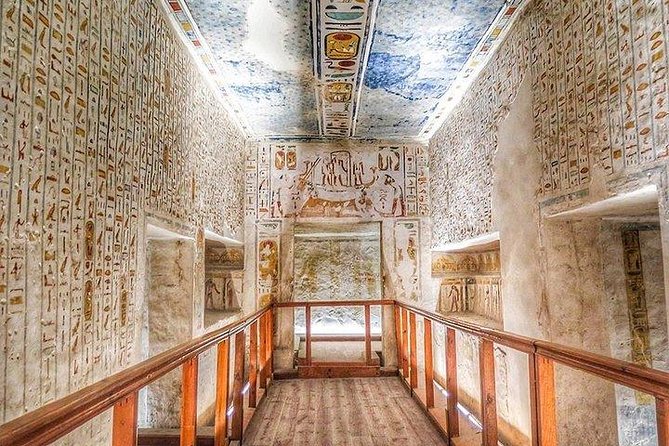
- The Valley of the Kings is a burial ground for pharaohs, featuring intricately decorated tombs like Tutankhamun’s (KV62) and Ramses II’s (KV7).
- Habu Temple, dedicated to Ramses III, showcases unique architecture and reliefs depicting military victories and religious devotion.
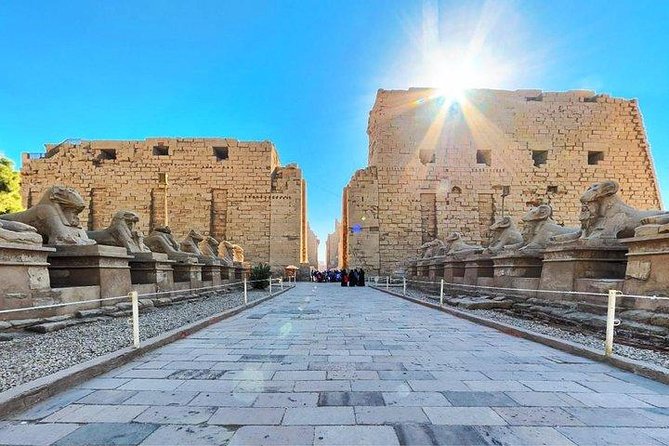
- The Temple of Karnak is an architectural marvel central to ancient Egyptian religion, featuring towering columns and extensive hieroglyphics.
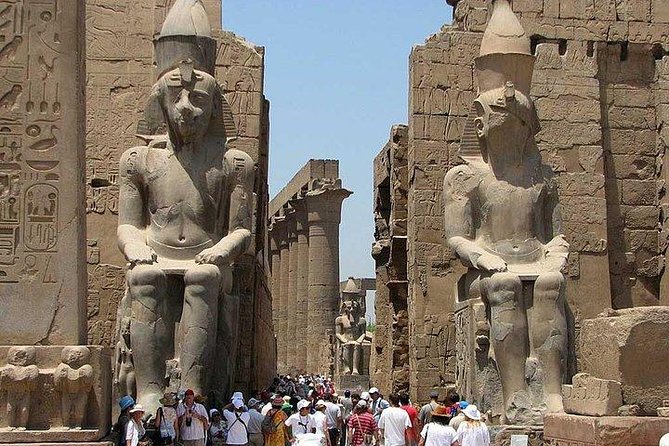
- The Temple of Luxor, connected to Karnak via the Avenue of Sphinxes, highlights ancient worship practices and impressive carvings from Pharaoh Amenhotep III’s era.
- Guided tours provide insights into each site, enhancing understanding of Luxor’s rich history and cultural significance.
Overview of Luxor’s Attractions
Luxor, often referred to as the world’s greatest open-air museum, boasts an incredible array of ancient attractions that captivate visitors from around the globe.
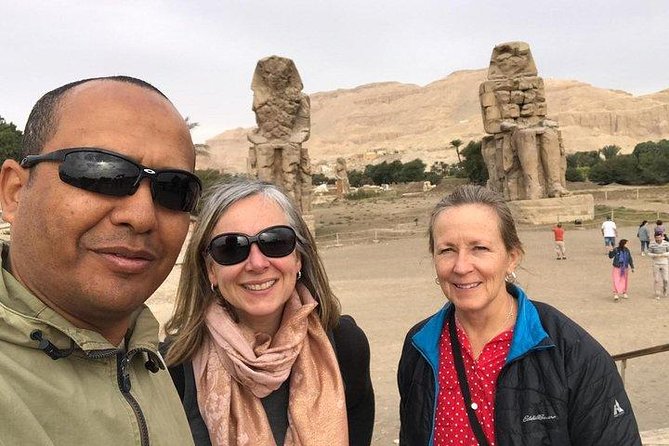
The city’s East Bank features the magnificent Temple of Karnak, known for its vast complex and stunning hieroglyphics, while the West Bank showcases the awe-inspiring Colossi of Memnon, two massive stone statues that once guarded the entrance to a grand temple.
Travelers can also explore the Temple of Ramses III, revered for its unique architecture and intricate carvings.
With a qualified Egyptologist guiding the way, guests gain deeper insights into Luxor’s rich history. This private tour ensures a comfortable experience, with air-conditioned transport and convenient hotel pickup, making it a perfect choice for all ages.
You can also read our reviews of more tours and experiences in Luxor.


Valley of the Kings
Nestled within the arid hills of the Theban Necropolis, the Valley of the Kings stands as a testament to ancient Egyptian civilization and its fascinating burial practices. This iconic site served as the royal burial ground for numerous pharaohs from the 18th to the 20th dynasties. Visitors can explore several tombs, each adorned with intricate hieroglyphics and stunning frescoes.
| Tomb Number | Pharaoh | Notable Features |
|---|---|---|
| KV62 | Tutankhamun | Gold artifacts, curse |
| KV7 | Ramses II | Grand architecture |
| KV11 | Ramses III | Colorful wall paintings |
Exploring the Valley of the Kings offers a glimpse into the grandeur of ancient Egypt and the importance of the afterlife in their culture.
Habu Temple
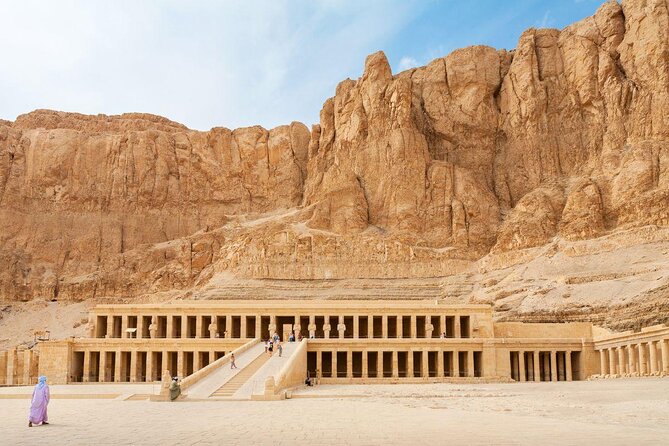
The Habu Temple, dedicated to Ramses III, stands as a remarkable example of ancient Egyptian architecture and dedication to the gods.
Located on the West Bank of Luxor, this temple complex features stunning reliefs and inscriptions that narrate Ramses III’s military victories and religious devotion. Visitors often admire the impressive walls adorned with vibrant depictions of battles and rituals.
The temple’s layout includes a large courtyard, a hypostyle hall, and several smaller sanctuaries, each showcasing the grandeur of ancient craftsmanship.
Unlike other temples, Habu Temple remains less crowded, allowing for a more intimate exploration. It offers a unique glimpse into the life and beliefs of the New Kingdom, making it a must-visit for anyone journeying through Luxor.
Temple of Karnak
At the heart of ancient Egypt’s religious life lies the Temple of Karnak, a sprawling complex that showcases the grandeur and devotion of the pharaohs over centuries.
This magnificent site, dedicated primarily to the god Amun, features towering columns, intricately carved reliefs, and vast courtyards, all reflecting the architectural prowess of ancient builders.
Visitors can wander through the Great Hypostyle Hall, where 134 massive columns rise dramatically, creating an awe-inspiring atmosphere.
The temple’s construction spanned over 2,000 years, with contributions from various dynasties, each leaving their mark.
Today, the Temple of Karnak stands not only as a testament to religious devotion but also as a vital cultural heritage site, drawing travelers eager to connect with Egypt’s rich history.
Temple of Luxor
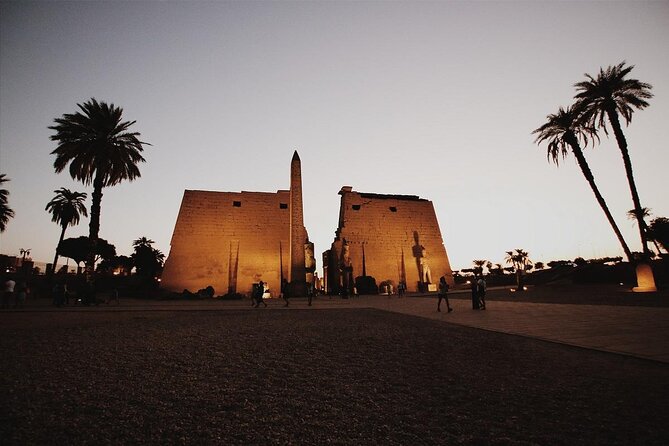
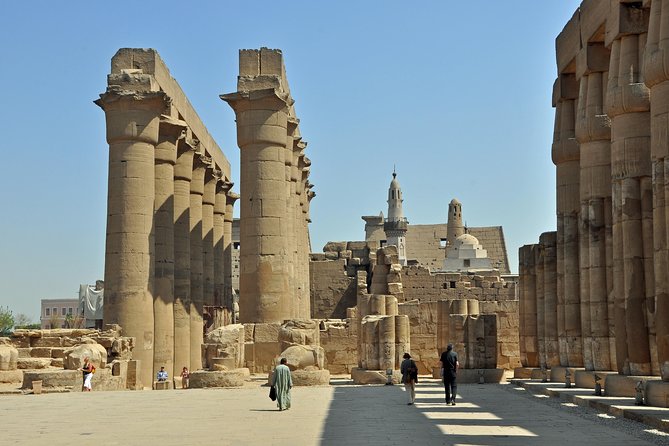
Located along the Nile’s banks, the Temple of Luxor stands as a remarkable example of ancient Egyptian architecture and religious significance. Built during the reign of Pharaoh Amenhotep III, this temple served as a vital place of worship for the god Amun.
Visitors can admire its impressive columns, intricate carvings, and the grand entrance adorned with colossal statues. The temple complex connects to the Temple of Karnak via the Avenue of Sphinxes, making it a key highlight in Luxor.
As one walks through the vast halls, they can almost feel the vibrant history surrounding them. Guided tours often emphasize the temple’s role in ancient festivals and rituals, providing a deeper understanding of its cultural importance.
- Luxor: Shared Full-Day Tour to Luxor West and East Banks
★ 4.5 · 1,812 reviews - Luxor: Hot Air Balloon Ride Over Luxor Relics
★ 4.8 · 1,681 reviews - Luxor: Valley of the Kings and Hatshepsut Temple Day Tour
★ 4.4 · 1,404 reviews - Hurghada: 2-Day Luxor Tour With Hotel, Balloon, & Boat Ride
★ 4.5 · 1,113 reviews - Luxor: Morning Hot Air Balloon Ride
★ 4.4 · 736 reviews - Luxor: Karnak Temple and Luxor Temple Tour With Lunch
★ 4.4 · 658 reviews
Colossi of Memnon
Standing majestically on the western bank of the Nile, the Colossi of Memnon are two colossal statues that once flanked the entrance to the mortuary temple of Pharaoh Amenhotep III.
Each statue, towering at around 18 meters, represents the pharaoh seated, wearing a nemes headdress and a royal kilt. These impressive structures are made of quartzite sandstone and date back to around 1400 BC.
Over the centuries, they’ve endured earthquakes and erosion, showcasing their resilience. Visitors often marvel at the intricate details and the sheer size of these ancient sculptures.
Interestingly, the statues were famous for producing mysterious sounds at dawn, which led to their association with the myth of Memnon, a hero from Greek mythology.
Tour Inclusions and Accessibility
The tour offers an array of inclusive features designed to enhance the experience while ensuring comfort and convenience.
Travelers can expect:
- A private, air-conditioned vehicle for seamless transfers between sites.
- Pickup and drop-off from hotels, Nile cruises, or rental properties, making it easy for everyone.
- Accessibility options, including wheelchair and stroller access, ensuring that all guests can enjoy the journey.
With a complimentary bottle of water provided during the tour, visitors stay hydrated.
Entrance fees to the main sites are included, though some specific tombs may require additional charges. Optional lunch is available, making it easy to refuel.
This thoughtful planning helps make the Luxor experience enjoyable for everyone, regardless of their needs.
Booking Your Luxor Experience
When planning a visit to Luxor, booking your experience can be both straightforward and flexible. Travelers can choose from a range of private guided tours that cover the East and West Bank’s highlights, such as the Temple of Karnak and the Valley of the Kings.
Here’s a quick overview of the booking options:
| Feature | Details |
|---|---|
| Cancellation Policy | Free up to 24 hours before |
| Payment Options | Reserve now, pay later |
| Starting Price | €84.53, varies by group size |
With convenient pickup from hotels and Nile cruises, along with accessibility for all, booking a Luxor experience ensures an enriching journey into Egypt’s ancient history. Don’t forget to consider optional extras like lunch and language preferences!
Frequently Asked Questions
What Is the Best Time of Year to Visit Luxor?
The best time to visit Luxor is between October and April. During these months, the weather’s milder, making outdoor exploration enjoyable. Travelers can fully appreciate Luxor’s rich history without enduring extreme heat.
Are There Any Dress Codes for Visiting Temples?
When visiting temples, travelers should dress modestly. It’s best to wear clothing that covers shoulders and knees. Comfortable shoes are recommended, as they’ll be walking on uneven surfaces. A hat and sunscreen are also wise choices.
How Long Should I Plan for the Entire Tour?
For the entire tour, he recommends planning at least six to eight hours. This timeframe allows ample opportunity to explore each site, enjoy the guided experience, and take breaks without feeling rushed.
Can I Take Photos Inside the Temples?
Visitors can’t take photos inside most temples due to preservation efforts. However, they can capture stunning exterior shots. It’s best for travelers to check specific site rules and respect guidelines shared by their guide.
Are There Any Age Restrictions for Certain Tombs?
There aren’t strict age restrictions for tombs, but some sites may have recommendations for young children due to accessibility. It’s best to check specific tomb policies before visiting, ensuring a smooth experience for everyone.
Luxor East and West Bank: Valley of the Kings, Habu Temple,Karnak&Luxor Temples
The Sum Up
To sum it up, Luxor’s East and West Banks offer an incredible journey through ancient history, showcasing the grandeur of the Valley of the Kings, the Habu Temple, and the impressive Karnak and Luxor temples. Each site reveals the rich tapestry of Egyptian culture and architecture. With convenient tour options available, exploring these remarkable attractions is accessible for all. So, whether you’re a history buff or a casual traveler, Luxor promises an unforgettable experience that shouldn’t be missed!


