
The Mardi Himal Trek offers an intriguing blend of natural beauty and cultural experiences, making it a fantastic choice for both seasoned trekkers and newcomers. It’s not just about the stunning views of Annapurna South and Macchapucchre; it’s about immersing oneself in the local culture, sampling authentic Nepali dishes, and staying in cozy tea houses along the way. With a well-planned itinerary, trekkers can navigate the diverse landscapes, but preparation is key. Understanding what to expect can significantly enhance the journey—so what should trekkers know before setting out?
Key Points
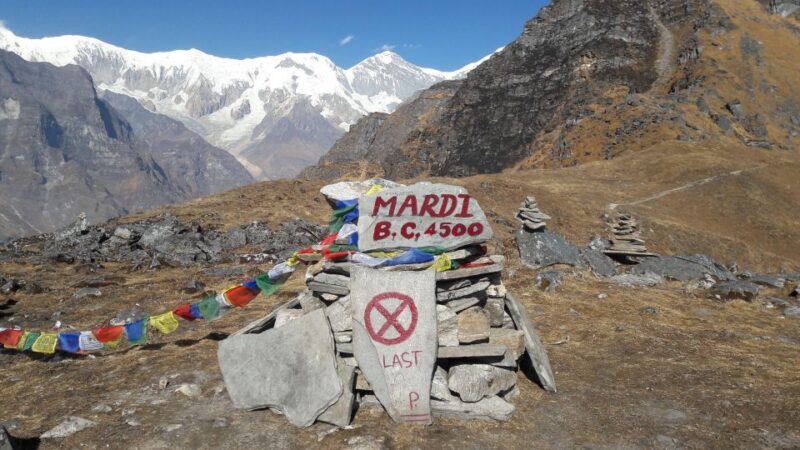

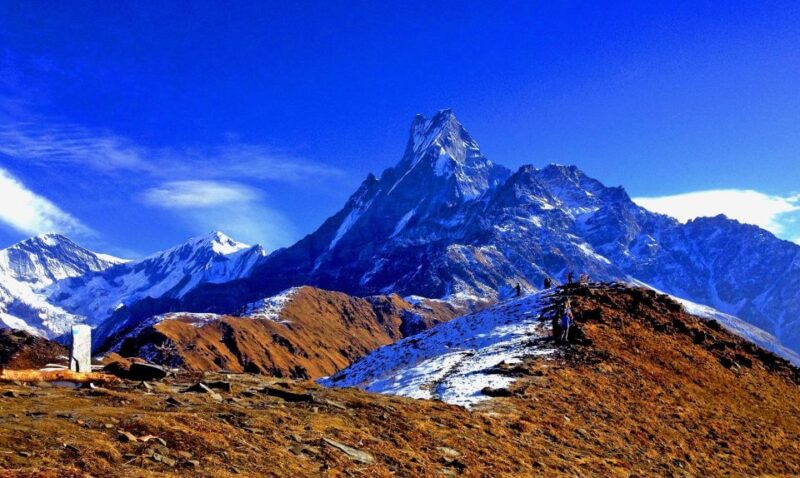
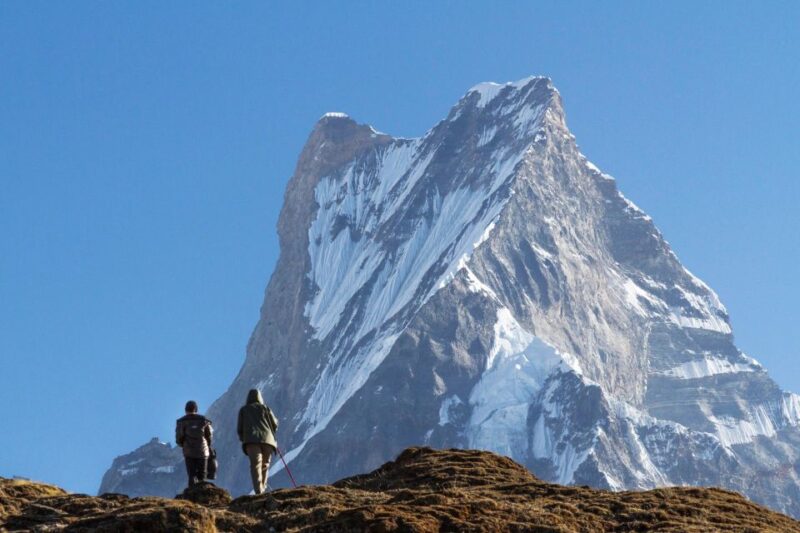
- The Mardi Himal Trek lasts approximately seven days, showcasing stunning peaks like Annapurna South and Macchapucchre in the Annapurna Region of Nepal.
- Trekking begins in Pokhara, with routes leading through lush forests, alpine meadows, and unique wildlife habitats.
- Accommodation is provided in traditional tea houses, offering basic comforts and opportunities for cultural exchange with locals.
- Essential permits include the Annapurna Conservation Area Permit (ACAP) and TIMS card, which can be obtained in Pokhara or Kathmandu.
- Trekkers should prioritize acclimatization, stay hydrated, and follow health and safety tips to ensure a safe trekking experience.
Overview of Mardi Himal Trek
The Mardi Himal Trek offers adventurers a captivating journey through the stunning Annapurna Region of Nepal, blending breathtaking landscapes with rich cultural experiences.
Spanning about seven days, trekkers will find themselves surrounded by towering peaks like Annapurna South and Macchapucchre, while also immersing in the vibrant culture of the Gurung people.
This trek showcases diverse terrains, from lush forests to picturesque alpine meadows, perfect for those seeking both natural beauty and adventure.
With a starting cost of around $851.31 per person, it’s a worthwhile investment for an unforgettable experience.
Travelers should prepare for encounters with unique flora and fauna, including the elusive Himalayan Thar, ensuring every moment is filled with wonder and excitement.
You can also read our reviews of more hiking tours in Nepal


Trekking Itinerary Breakdown
On day one, adventurers kick off their journey with a drive or optional flight to the vibrant city of Pokhara, setting the stage for an unforgettable trekking experience.
The itinerary unfolds over seven days, each filled with breathtaking views and cultural encounters.
Here’s a quick breakdown:
-
Day 2: Drive to Kande, then trek to Deurali, soaking in the lush landscapes.
-
Day 3: Trek to Forest Camp, where nature’s symphony enchants trekkers.
-
Day 4: Ascend to High Camp, gaining anticipation for the base camp.
-
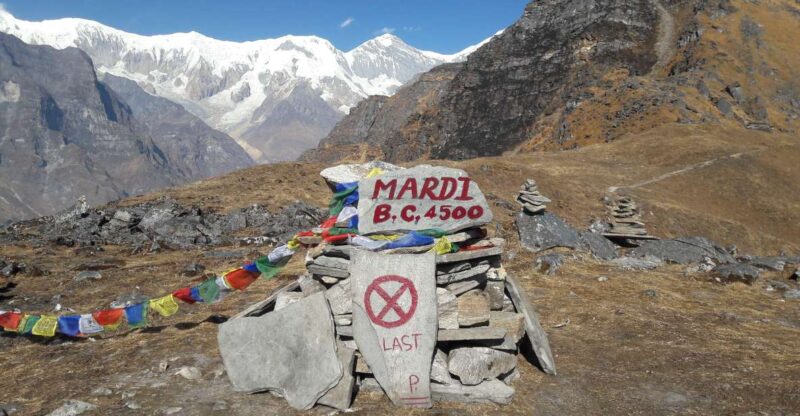
Day 5: Reach Mardi Himal Base Camp at 4500m, marveling at the majestic peaks.
Each day presents its own charm, blending adventure with the rich culture of the Gurung people along the way.
Preparation and Fitness Tips
Preparing for the Mardi Himal Trek involves not just packing the right gear, but also getting in shape to fully enjoy the stunning landscapes and vibrant culture waiting along the journey.
A solid fitness routine should include cardio exercises like hiking, running, or cycling to build endurance. Strength training’s also vital; focus on your legs and core to tackle those uphill climbs. Stretching can help prevent injuries, so don’t skip that part!
It’s smart to acclimatize to higher altitudes, perhaps by taking shorter hikes at elevations.
Finally, familiarize yourself with local customs and the Gurung culture to deepen your experience.
With a bit of preparation, trekkers can enjoy the breathtaking beauty and rich traditions of the Annapurna region.
Required Permits and Fees
For trekkers eager to explore the stunning Mardi Himal, securing the right permits is essential for a smooth journey through the Annapurna region. They’ll need to obtain the Annapurna Conservation Area Permit (ACAP) and the Trekkers Information Management System (TIMS) card.
Here’s what to keep in mind:
-
ACAP Fee: A nominal fee that supports conservation efforts.
-
TIMS Card: Helps track trekkers, ensuring safety and management.
-
Purchase Locations: Permits can be obtained in Pokhara or Kathmandu.
-
Costs: Be prepared for changes based on nationality and regulations.
Securing these permits in advance not only saves time but also enriches the trekking experience, allowing trekkers to enjoy the beautiful landscapes and vibrant culture of the region.
More Great Tours NearbyAccommodation Options
Trekking through the Mardi Himal offers a cozy stay in traditional tea houses that provide a warm and welcoming atmosphere, perfect for unwinding after a long day on the trail.
These tea houses, run by local families, give trekkers a chance to experience Nepali hospitality. Accommodations are basic but comfortable, with shared rooms and communal bathrooms. Most places offer hot showers for a small fee, and some even have Wi-Fi.
It’s advisable to bring a sleeping bag for extra warmth, especially at higher elevations.
The tea houses serve as social hubs, where trekkers can exchange stories and learn about the rich culture of the Gurung people. These options make for a memorable and culturally immersive trekking experience.
- Everest Base Camp Trek
★ 5.0 · 842 reviews - Private Kathmandu Sightseeing Tour – UNESCO World Heritage Sites
★ 5.0 · 756 reviews - Kathmandu: Private 7 UNESCO Heritage Sites Day Tour
★ 4.8 · 744 reviews - Everest Base Camp Helicopter Tour Stop at Everest View Hotel
★ 5.0 · 668 reviews - ZipFlyer Nepal – The Worlds Steepest Zip-line
★ 5.0 · 608 reviews - Half Day Cooking Class in Thamel Kathmandu
★ 5.0 · 607 reviews
Meal Plans on the Trek
Enjoying delicious meals during the Mardi Himal Trek is a highlight, as trekkers can savor authentic Nepali cuisine prepared in the local tea houses. Each day, they’ll indulge in three hearty meals that fuel their adventure while offering a taste of the local culture.
Trekkers can expect:
-
Dal Bhat: A staple dish of rice, lentil soup, and vegetables, providing essential energy.
-
Momos: Tasty dumplings filled with vegetables or meat, perfect for a quick snack.
-
Thukpa: A warm noodle soup, ideal for chilly evenings at higher altitudes.
-
Chai: Sweet, spiced tea to warm up after long trekking days.
These meals not only nourish the body but also create a shared experience among trekkers, enriching the journey.
Health and Safety Tips
When embarking on the Mardi Himal Trek, trekkers should prioritize their health and safety by acclimatizing properly to the altitude and staying hydrated throughout the journey.
It’s crucial to listen to one’s body; symptoms like headache or dizziness shouldn’t be ignored. Taking rest days can help with acclimatization, allowing trekkers to enjoy the stunning views without risk.
Packing a first aid kit is a must, and having altitude medication on hand can be a lifesaver. Plus, trekkers should consider travel insurance for unforeseen circumstances.
Lastly, while enjoying local cuisine is part of the experience, ensuring food hygiene is vital to avoid any stomach issues that could spoil the adventure.
Staying informed and prepared makes for a safer trek.
Environmental Considerations
Maintaining the natural beauty of the Mardi Himal Trek is essential for preserving the environment and ensuring that future trekkers can enjoy its stunning landscapes and rich biodiversity.
Trekkers can make a significant impact by adopting eco-friendly practices during their journey. Here are some tips to consider:
-
Always pack out what you pack in, including trash and leftover food.
-
Stick to marked trails to minimize soil erosion and protect local flora.
-
Use biodegradable products to reduce chemical pollution.
-
Respect wildlife and keep a safe distance to avoid disturbing their habitat.
Frequently Asked Questions
What Is the Best Time to Book the Mardi Himal Trek?
When planning a trek, it’s best to book during autumn or spring. During these seasons, travelers enjoy clear skies and moderate temperatures, enhancing the experience of stunning views and cultural interactions along the journey.
Are There Any Age Restrictions for Trekkers?
There aren’t strict age restrictions for trekkers, but individuals should assess their fitness levels. Generally, younger trekkers thrive, yet older trekkers with good health can also enjoy the experience, embracing the adventure and culture along the way.
Can I Trek Solo or Do I Need a Guide?
Many trekkers prefer hiring a guide for safety and local knowledge. While solo trekking’s possible, it’s wise to consider the benefits of a guide, like cultural insights and navigating the terrain effectively.
How Can I Stay Connected During the Trek?
To stay connected during the trek, he recommends using a local SIM card for mobile data. Wi-Fi’s available at some tea houses, but it’s unreliable, so he suggests downloading maps and essential information beforehand.
What Wildlife Might I Encounter on the Trek?
While trekking, he might spot diverse wildlife like Himalayan Thar and elusive Himalayan Black Bears. Observing these animals in their natural habitat adds excitement and enriches his cultural experience among the stunning landscapes of Nepal.
Mardi Himal Trek
Recap
To sum it up, the Mardi Himal Trek promises an unforgettable adventure through Nepal’s stunning Annapurna Region.
With its breathtaking views, rich culture, and warm hospitality, trekkers will find both challenge and reward.
Preparing well and respecting the environment will enhance the experience for everyone.
So lace up those boots, embrace the journey, and learn about the beauty and traditions of this remarkable trek—it’s an adventure that truly has a lot to offer!
You can check availability for your dates here:


